
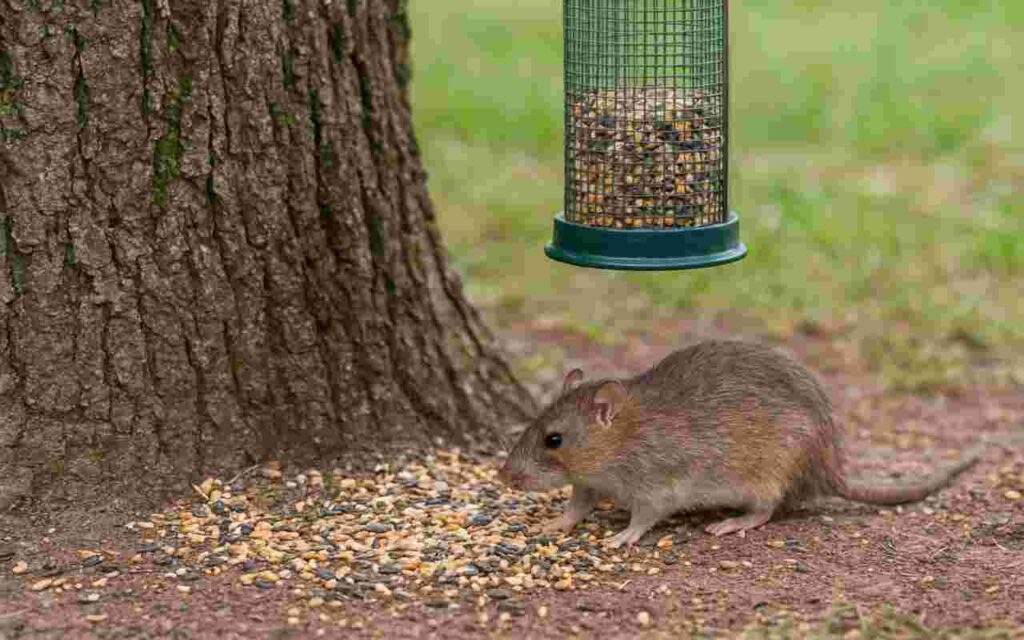
Here’s the thing, I love feeding wild birds. Watching cardinals flit around, finches perching on nyjer feeders, and the occasional blue jay swooping in? Pure magic. But then one evening, I noticed fresh droppings that definitely weren’t from any bird, and I realized rats had moved into my setup. Talk about a mood killer 😕. That’s when I learned the hard way that learning how to feed wild birds without attracting rats isn’t just possible, it’s essential. Feeding birds and keeping rodents away aren’t mutually exclusive; you just need the right strategies.
If you’re worried that a rat invasion is the price of admission for enjoying backyard wildlife, don’t panic. I’ve discovered that safe bird feeding practices and smart planning can coexist beautifully. The key is understanding what attracts rats in the first place, then designing your feeding station to attract only the birds you actually want to feed.
- Use seeds rats dislike: nyjer, safflower, and suet.
- Avoid rat magnets: sunflower, millet, cracked corn.
- Choose rat-proof feeders: weight-activated, caged, or enclosed designs.
- Mount feeders high and away from fences, trees, or jump points.
- Clean under feeders regularly and remove spilled seed.
- Store birdseed in airtight, metal containers to block rodents.
- Use baffles, metal sleeves, or raised platforms as physical deterrents.
- Feed during daylight hours only and monitor for signs of rats.
Understanding Why Rats Love Bird Feeders
Show Transcript
Let’s talk about something that can drive any backyard bird lover crazy.
You love seeing all those beautiful birds at your feeder, right? It’s just magic.
But then that magic feeling disappears when you realize you’ve invited a less welcome guest.
Yep, we’re talking about rats.
This is your guide to taking back your bird feeder, step by step.
And I’m sure this quote from Vince hits close to home for some of you — you’re just trying to enjoy a nice quiet moment, and then you see it.
It really is a total mood killer.
But look, that moment of frustration is actually the perfect starting point.
It’s what gets you motivated to create a smarter feeding station — one for the birds you love, and only for the birds you love.
So here’s our game plan.
First, we’ll get to know our unwanted guest.
Then we’ll dive into the menu and figure out how to make it way less appealing to them.
After that, it’s all about building a fortress.
We’ll also cover keeping things clean.
And finally, how to master the long game so they stay away for good.
So why do rats crash the party in the first place?
Honestly, it’s pretty simple — they’re incredible opportunists.
That bird feeder you put out? To a rat, that’s not just a little snack bar.
No, that’s a five-star all-you-can-eat buffet.
A little seed on the ground, an easy pole to climb, and boom — your yard becomes their favorite restaurant.
Okay, here’s the core strategy, and it’s a really important mindset shift.
The goal isn’t to get rid of every rat in the neighborhood — that’s just not realistic.
The real strategy is to make your feeder incredibly inconvenient for them.
We want to create a setup that’s basically a paradise for birds but a real pain in the neck for any rodents.
All right, let’s get to our first and probably most powerful tactic — the menu.
Before you go out and buy any fancy new gear, the single biggest change you can make is the seed you’re putting out.
Because in the eyes of a rat, not all bird seed is created equal.
You can see it laid out right here: on the left, you’ve got the stuff that’s way less appealing to rats.
But on the right, that’s basically a giant neon sign that says “free food.”
Things like sunflower seeds, millet, and cracked corn are just too easy and delicious for them.
We want to stick to the menu on the left.
So let’s break down these safer choices.
Nyjer seed is fantastic — it’s so tiny and hard that it’s just not worth the effort for rats.
But you know who loves it? Finches. They go nuts for it.
Safflower is another winner because it has a bitter taste that rodents really don’t like, while birds like cardinals find it delicious.
And you can still use suet — you just have to serve it in a cage-style feeder that big critters can’t get into.
Okay, the menu is sorted.
Now it’s time to fortify the restaurant itself.
This is where we look at the actual physical setup — from the feeder itself to exactly how and where you place it in your yard.
When you’re looking for a new feeder, keep an eye out for these three things:
First, a weight-sensitive perch is a game changer — it shuts the food port when something heavy like a rat or squirrel lands on it.
Second, a cage design physically blocks them out.
And third, you need durable materials like stainless steel, because trust me, a determined rat can chew right through plastic.
Now for a critical rule of placement — I call it the “10-foot rule,” and it’s non-negotiable.
Your feeder needs to be at least 10 feet away from anything a rat could possibly climb on — that means trees, fences, your house, anything.
Rats are amazing climbers, but they hate crossing open ground. Make them do it.
It’s not just about the distance away from things, though. The vertical challenge is just as important.
You want to mount your feeder about 5 to 6 feet high, and it has to be on a smooth metal pole.
A wooden pole? That’s just a ladder to a rat.
But a slick metal pole is much harder for them to get a grip on.
The more work you make them do, the more likely they are to just give up.
And to really complete your fortress, add a physical barrier.
A dome-shaped baffle, like the one you see here, is an almost impossible obstacle for anything trying to climb up that pole.
It’s a simple addition, but it’s incredibly effective.
All right, so you’ve got the right food and the right hardware — awesome.
But even the strongest fortress can be undermined by one simple thing: a messy floor.
All that spilled seed on the ground is basically a welcome mat for rats.
That’s why your cleaning habits are your secret weapon.
Here’s a simple routine, and you’ve got to stick to it:
First, sweep up any spilled seed on the ground a couple of times a week. Don’t let it build up.
Second, get rid of any wet or moldy seed in the feeder itself immediately.
And third — this is a big one — only put out enough food for a day or two at a time.
An overflowing feeder is just a constant temptation.
Finally, let’s talk about the long game.
Because rat-proofing isn’t a set-it-and-forget-it kind of deal.
It’s about staying vigilant, knowing what to look for, and having a plan of action if you see any signs they might be coming back.
You need to become a bit of a backyard detective.
First, always store your bird seed in a chew-proof metal container, not a plastic bag.
Second, get in the habit of looking for signs — droppings, chew marks, maybe even burrows.
And here’s a really effective tactic: only feed the birds during the day.
Rats are most active at night, so if the food source disappears after sunset, your yard becomes much less interesting.
If you do spot a rat, don’t panic. It’s time to hit the reset button.
On day one, take down all of your feeders cold turkey.
For the first week, focus on deep cleaning the area and adding any new defenses you need.
Then, in week two, slowly reintroduce only your most secure, rat-proof feeders filled with that safe, rat-resistant seed.
This whole process breaks the cycle and sends a clear message — the buffet is officially closed.
And really, this is what it’s all about.
The goal isn’t to create some sterile, lifeless yard.
It’s about strategically making your yard a really unattractive and difficult place for rodents to be.
And by doing that, you actually make it an even more welcoming, safe, and irresistible haven for all the beautiful birds you wanted to attract in the first place.
By following these steps — from the seed you use to the setup of your feeder to your daily schedule — you can absolutely solve this problem for good.
You can get back to enjoying that backyard magic, totally guilt-free.
The power is completely in your hands.
So, are you ready to take back your backyard?
Rats don’t actually want your sunflower seeds because they’re discerning gourmands. They want them because you’ve essentially created a rodent buffet. Bird feeders scatter seeds, attract insects, and often sit in sheltered spots, basically a five-star resort for hungry rats. FYI, a single rat can consume about one ounce of food daily, but they’ll sample everything available. Ever wondered why one small oversight can spiral into a full-blown infestation? It’s because rats reproduce fast and have excellent memories about food sources.
According to Wild Birds Unlimited, preventing rodent problems while feeding birds starts with keeping food off the ground and making feeders hard for rodents to reach. They’re not picky—they’ll eat birdseed, spilled seeds, debris, and anything else you’ve left behind. The challenge isn’t that rats exist; it’s that your current setup is rolling out a welcome mat.
Choosing the Right Bird Food to Deter Rodents
Not all birdseed attracts rats equally, which means types of bird food that don’t attract rats becomes your first line of defense. Here’s what I’ve learned through trial and error:
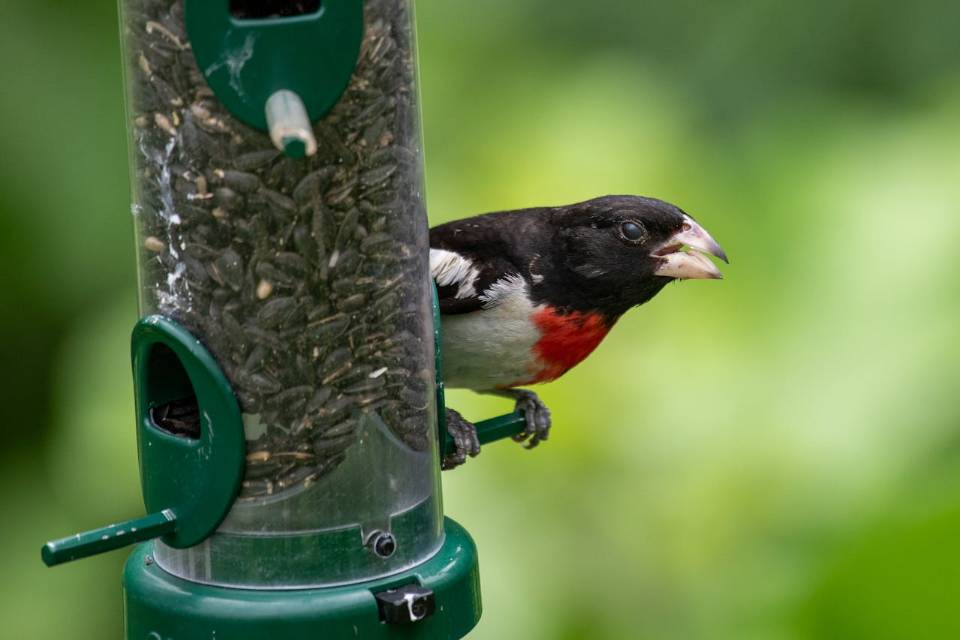
Nyjer (thistle) seed is your MVP. Rats find this seed unappealing because of its tiny size and hard shell. Birds love it, though, especially finches. I switched about 40% of my feeding to nyjer feeders, and the difference was remarkable. The seed costs a bit more, but considering the cost of dealing with rats? Totally worth it.
Safflower seed is another solid option. Rats dislike its bitter taste, but cardinals and some other species actually prefer it. This is one of the best bird seed to avoid rodents while still attracting quality backyard visitors. Research from the University of California Agriculture and Natural Resources highlights the importance of selecting the right seeds when creating wildlife-friendly spaces in your backyard.
Suet cakes work well too, particularly in colder months. Unlike loose seed, suet doesn’t create scattered debris that rats feast on. I use suet feeders with protective cages that only allow smaller birds inside. If you want to learn more about this approach, check out our guide on how to make suet cakes for birds. Squirrels still find ways to cause chaos, but rats? They mostly ignore them.
On the flip side, avoid sunflower seeds and millet if rodent control is your priority. These are rat magnets. Cracked corn? Don’t even think about it. Black oil sunflower seeds might be cheaper and attract tons of birds, but they’re basically sending engraved invitations to every rat in the neighborhood.
Investing in Squirrel and Rat Proof Feeders
Here’s where equipment quality actually matters. Squirrel and rat proof feeders aren’t just marketing hype, they’re legitimate tools for keeping your yard rodent-free while maintaining a thriving bird sanctuary.
The best rat-proof feeders feature weight-sensitive mechanisms that close when heavier animals (including rats) climb on. I invested in several caged feeders that only allow small songbirds to access the food. The cage openings are too small for rats but perfectly sized for chickadees, finches, and nuthatches. Yes, they’re pricier than basic feeders, but they’ve practically eliminated my rat problem.
Research from Pest & Pollinator presented at the 2022 Urban Ecology and Conservation Symposium in Portland found that homes with bird feeders captured rats in approximately 1 in 4 traps, compared to only 1 in 10 traps at homes without bird seed, demonstrating that feeders significantly attract rats and support larger colonies.
Look for feeders made from durable metal or heavy-duty plastic. Avoid wooden feeders or anything rats can chew through (and trust me, they can chew through almost anything). Stainless steel is your friend here. Also, ensure feeders have sturdy mounting systems, rats are surprisingly athletic and will climb poles or jump from nearby branches if given the chance. For specific recommendations on equipment, our article on how to choose the right bird feeder dives into what actually works.
One thing I discovered: feeder placement matters as much as the feeder itself. Mount feeders at least 5-6 feet high and position them at least 10 feet away from fences, trees, or structures that rats can use as launching pads. Rats are climbers, but they prefer established pathways. Make their journey inconvenient, and they’ll look elsewhere.
Bird Feeder Hygiene: The Foundation of Pest Prevention
You could have the fanciest rat-proof feeder on the market, but if you don’t maintain bird feeder hygiene, you’ll still attract rodents. Spilled seed becomes a buffet, and debris accumulation signals “free meal here” to every rat within sniffing distance.
Here’s my routine: I clean underneath feeders twice weekly, sweeping up fallen seed and debris. This single habit has been transformative. Rats need to invest energy into foraging, if you’re essentially handing them food on a platter, they’ll stick around. By removing spilled seed, you’re making your yard less attractive compared to the effort required to find food elsewhere.
The Audubon Society emphasizes that regular maintenance is crucial for avoiding pests in bird feeding. Replace feeders’ contents regularly, especially after rain or windstorms. Wet seed can harbor mold, which attracts insects, which attract rats. I’ve also started using clean bird feeding techniques like only filling feeders with the amount of seed birds will consume within a day or two. Excess sitting around? That’s just wasted money and a rat magnet.
Consider elevating feeders on smooth metal poles rather than wooden posts. Metal is harder for rats to climb (though not impossible), and it’s easier to wipe down and inspect for damage. Every few weeks, I inspect my poles for chew marks or signs of rat activity. Want to ensure you’re maintaining your setup properly? Our detailed guide on how to clean a bird feeder covers everything you need to know.
Creating Barriers and Physical Deterrents
Physical barriers work surprisingly well when combined with other strategies. Keeping rats away from bird feeders sometimes requires thinking like an engineer.
Dome baffles are clear plastic shields that fit above or below feeders, blocking access from above or below. I’ve installed them below feeders to prevent rats from climbing the pole and above feeders to prevent jumping access. They’re affordable and surprisingly effective when positioned correctly.
Metal sleeves around poles create an additional barrier. A 6-inch metal tube around your pole makes it significantly harder for rats to gain traction. Combine this with a baffle, and you’ve created a formidable obstacle course. According to the National Pest Management Association, implementing proper barriers and sealing entry points are essential steps in reducing rodent access to your home.
Wire mesh or hardware cloth can be laid around the base of feeding stations. Create a perimeter of mesh extending at least 12 inches from the feeder pole. Rats won’t dig under significant barriers, so this discourages burrowing attempts.
One strategy I’m particularly proud of: I placed my feeders on a raised platform (about 4 feet high) with a slanted metal roof. The design prevents rats from sheltering underneath and makes climbing more difficult. It looks intentional rather than haphazard, and honestly, it’s become a feature I enjoy visually.
Safe Backyard Bird Feeding Without Pest Problems
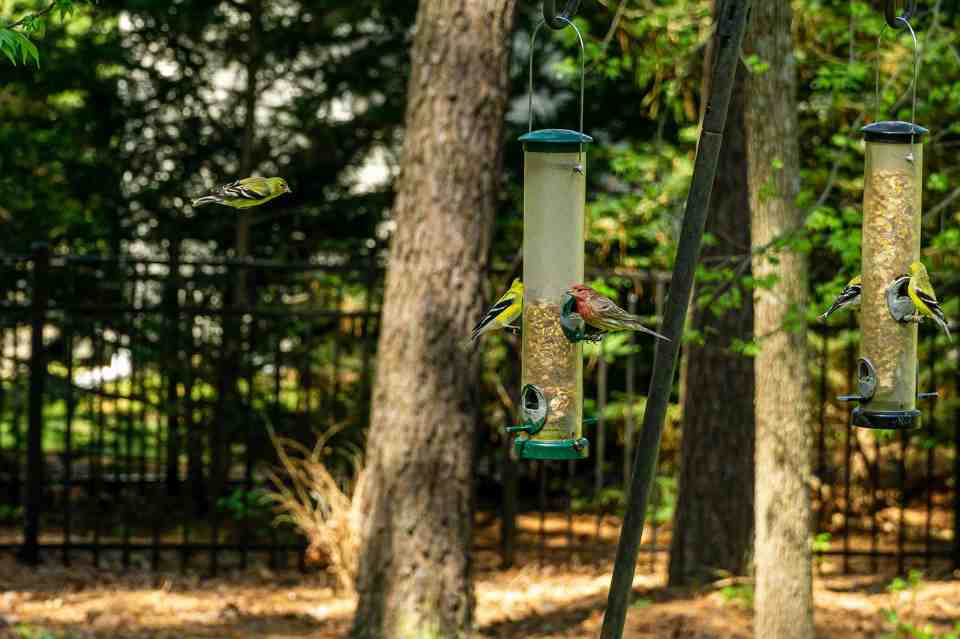
Safe bird feeding practices go beyond just feeders and food choices. Your entire approach to backyard wildlife management matters.
Timing matters more than most people realize. I feed birds during daylight hours only, removing feeders by dusk. Rats are nocturnal, so this simple habit alone reduces their motivation to hang around your yard. They remember food sources, but if they consistently find your feeders empty during their active hours, they move on.
Also, reconsider your bird bath placement if you have one. Rats need water, and a bird bath becomes a watering hole for rodents too. Position bird baths in open areas where rats can’t approach under cover. Clean and refill them frequently.
Store birdseed in airtight metal containers, never in paper bags or cardboard boxes. Rats can shred paper and cardboard like confetti. I keep my backup seed in a large galvanized metal garbage can with a lockable lid. This prevents rats from accessing seed stores even before it reaches the feeders.
Never leave feeders out during extended rain or snow. Wet seed spoils quickly and becomes even more attractive to rodents. I actually bring feeders inside during storms and refill them only when conditions dry out.
Avoiding Pests in Bird Feeding Through Monitoring
Avoiding pests in bird feeding requires staying alert. I check my yard twice weekly specifically looking for rat evidence: droppings, burrows, or chewed vegetation.
If you spot signs of rats, act immediately. Don’t assume the problem will resolve itself, it won’t. Remove feeders for 1-2 weeks to eliminate the food source. This forces rats to establish foraging patterns elsewhere. After a week or two of no feeders, reintroduce them with the strategies mentioned here.
A peer-reviewed study, brown rat feeding study, published in Mammal Research, examined brown rat activity at game bird feeders on a mixed farm in Northumberland, UK. Researchers found that estimated rat populations were highest immediately around active feeders (0 m distance) and significantly lower at 10 and 20 meters away.
The study concluded that rat populations thrived at bird feeders with a constant food supply, especially in autumn and winter, with rats not needing to forage elsewhere when abundant food is available.
Consider motion-activated lights around feeding stations. Rats prefer darkness, so illuminated areas feel risky to them. I installed inexpensive solar lights, and they’ve genuinely helped deter nocturnal visitors.
Protecting Birds from Pests While Maintaining Your Feeding Station
Here’s something many people overlook: protecting birds from pests includes considering what species you’re attracting. Certain birds are more susceptible to predation by rats. Ground feeders, for instance, attract birds that naturally forage on the ground but also make those birds vulnerable.
I’ve shifted toward elevated feeders exclusively. Platform feeders mounted high attract desirable species while keeping ground-feeding birds (and those vulnerable to rats) safer. It’s a practical compromise.
Stock feeders with food that discourages rats but attracts your preferred bird species. My goal shifted from “feed all birds” to “feed birds I want to see while minimizing rodent issues.” This targeted approach works beautifully. I get lots of finches, chickadees, and woodpeckers, all happy, all safe. If you’re interested in attracting specific species while maintaining pest-free practices, our resource on how to keep raccoons away from bird feeders covers similar principles that apply to other nuisance animals.
FAQ’s: About Feeding Birds and Managing Rodents
What’s the most effective rat-proof feeder design?
Weight-activated feeders with protective cages work best IMO. The feeder closes when anything heavier than a robin (roughly 77 grams) climbs on. I’ve tested several brands, and Stokes Select and Perky-Pet models consistently perform well. They’re not perfect, determined rats might eventually figure them out, but they eliminate 95% of rodent access.
Can I use poison or traps near bird feeders?
Absolutely not. Poison risks poisoning birds, and traps kill indiscriminately. Your goal is deterrence and prevention, not lethal removal. Plus, if one rat is poisoned near feeders, other rats learn to avoid that area anyway, just in a messier way.
How often should I clean my feeders?
Clean feeders weekly, or every other week minimum. I use a simple solution: warm water and mild dish soap. Rinse thoroughly and air dry completely before refilling. Mold and bacteria accumulate quickly, and dirty feeders attract more pests than clean ones ever will.
What if I already have a rat problem?
Stop feeding birds for 2-3 weeks while you set up physical deterrents and eliminate debris. Once traps confirm the rat population has relocated (or been naturally deterred), reintroduce feeders using the strategies here. Sometimes starting over is the cleanest approach.
Are there plants I should avoid planting near feeders?
Avoid dense shrubs or ground cover immediately adjacent to feeding stations. Rats use vegetation as cover approaching feeders. I cleared about 6 feet of space around my feeders, it looks cleaner and removes rat highways.
Can I feed birds without attracting any rodents?
Honestly? Probably not completely. Rats exist everywhere outdoors. But you can reduce attraction from 100% to maybe 5-10% through these combined strategies. The goal isn’t zero rats; it’s making your yard an unappealing option compared to nearby alternatives.
Is there a best season to avoid rats while feeding?
Interestingly, winter sees more rat activity at feeders because natural food sources disappear. Spring and fall are moderate. Summer is typically your best window, rats have abundant natural food options and don’t need your feeders as desperately. Adjust your feeding intensity seasonally, reducing or eliminating summer feeders to prevent establishing year-round rat habits.
Final Thoughts: Harmony Between Birds and Your Yard
I learned that keeping your yard rodent-free while maintaining a thriving bird feeding station isn’t about compromise, it’s about intelligence and consistency. You’re not choosing between birds and rodent control; you’re simply applying principles that favor one over the other.
Start with seed selection: switch to nyjer, safflower, or suet. Invest in quality feeders with protective mechanisms. Maintain religious cleaning habits. Create physical barriers. Monitor your yard regularly. These steps, implemented together, transform your feeding station from a rat magnet into a bird sanctuary.
The combination of preventative measures actually creates momentum. After a few months of consistency, rats simply learn your yard isn’t worth their effort. Meanwhile, your feathered visitors thrive. I actually get more bird activity now than before because stressed birds under predation pressure don’t visit feeders, they stay hidden. Safe feeding stations attract more birds, more consistently.
So yes, you absolutely can feed wild birds safely without becoming the neighborhood rat haven. I’m living proof. Now, go forth and enjoy those cardinals guilt-free 🙂