
Feeding birds in winter requires more than hanging a feeder and filling it with seed. Knowing how to create a winter bird feeding station correctly is essential, because strategic station design, evidence-based seed selection, and proper maintenance determine whether feeding truly helps birds survive winter or inadvertently creates new hazards. Understanding bird biology, winter survival limits, and proven management practices ensures maximum benefits while minimizing risks.
When you understand when and how feeding provides the most benefit, you can plan a station that genuinely supports bird survival without wasting resources or creating dependency. This guide synthesizes peer-reviewed research on winter feeding, covering essential components, placement strategies, maintenance routines, and regional adaptations that turn basic feeding into evidence-based conservation support. 🙂
- Design feeders strategically and choose seeds based on research.
- Small birds eat 30-40% of body weight daily in winter.
- Black-oil sunflower attracts most birds; nyjer, suet, millet for specific species.
- Use tube, platform, hopper, and suet feeders for different birds.
- Place feeders 3 ft or >30 ft from windows, near cover, on poles with baffles.
- Provide water, including heated baths, for drinking and feather care.
- Clean feeders every 1-2 weeks; remove sick birds to prevent disease.
- Install before cold, refill every 2-3 days; avoid irregular feeding.
- Adjust for region: high-fat seeds north, diverse/emergency feeding south.
- Don’t use low-quality mixes or unsafe placement; observe before expanding.
Video Explainer: Creating a Winter Bird Feeding Station
Watch this video to see how to set up a safe, research-backed feeding station that helps backyard birds survive the winter.
Show Transcript:
0:00
You know that bird feeder in your backyard? It’s more than just a hobby. It’s actually a high-stakes game of survival, and you’re the one setting the rules. Today, we’re diving into the science that can turn casual bird feeding into a real, targeted conservation effort.
0:15
Let’s get right to the big question. We all put out feeders with the best intentions, but research shows that without the right know-how, we can actually create new dangers. These include attracting predators or spreading disease. So how do we make sure our good intentions actually lead to positive outcomes?
0:35
The answer starts with the data. This isn’t just about feeling good. The numbers don’t lie. For many small birds, a well-managed feeder is literally the difference between life and death.
0:47
Here’s an incredible example. A large study in Wisconsin tracked chickadees and found that sixty-nine percent of the birds with access to a feeder survived the winter. Compare that to just thirty-seven percent of those without. That’s nearly double the survival rate.
1:06
The crucial detail is that this survival boost wasn’t consistent all winter long. Researchers found it mattered most during the harshest cold snaps—days five or more below zero Fahrenheit. That’s when your feeder becomes more than a convenience; it’s a critical resource.
1:28
Why are these cold snaps so deadly? It comes down to energy. Every winter day for a tiny bird is a frantic race against the clock—a life-or-death mission to find enough fuel to survive the night.
1:44
Take a black-capped chickadee, which weighs about the same as a few quarters. It has to eat roughly thirty-five percent of its body weight each day just to stay alive. This is what scientists call the energy deficit problem: short days to find food and long, freezing nights where their bodies burn calories just to stay warm.
2:15
Feeders solve this problem by providing a reliable, high-calorie food source right when it’s needed most. But we can’t just toss out any seed. The food has to maximize energy.
2:28
Black oil sunflower seeds are the foundation. They’re a universal crowd-pleaser. High-fat suet is rocket fuel for woodpeckers and nuthatches. Offering millet and niger in separate feeders helps specialists like juncos and finches and reduces competition at the main feeder. Everyone wins.
2:58
A common mistake is using cheap seed mixes full of filler like oats or milo. Birds often kick thirty to fifty percent of it onto the ground. Investing in pure black oil sunflower seeds is more cost-effective because you deliver more usable food for your money.
3:22
Placement is just as important as the seed itself. A poorly placed feeder can turn a safe meal into a deadly trap. Two golden rules: for window safety, place feeders either less than three feet from glass or more than thirty feet away. Anything in between is the danger zone.
3:52
Second, predators. Place feeders five to eight feet from cover, such as a bush. That gives birds a quick escape route while keeping them safe from surprise attacks.
4:03
Two other critical factors are often forgotten: water and cleanliness. Birds need to bathe year-round, even in winter, to keep their feathers in top condition. Clean feathers trap air, creating insulation that can be life-saving. A heated bird bath can turn your backyard into a true winter oasis.
4:42
With all birds coming to one central spot, disease becomes the biggest risk. A crowded, dirty feeder is perfect for illnesses to spread rapidly. Hygiene is not optional; it is your responsibility as a station manager.
5:04
Fortunately, the protocol is simple. Scrub feeders every two weeks using a solution of one part bleach to nine parts water. Rinse thoroughly and allow them to dry completely before refilling. This routine prevents your station from doing more harm than good.
5:24
Following these steps turns you from someone who puts out bird seed into a true station manager, with a measurable positive impact on local wildlife health.
5:39
Worried about making birds dependent? Studies show that even with feeders, birds get only twenty to twenty-five percent of their food from humans. Seventy-five to eighty percent still comes from natural sources. Feeders are a supplement, not a replacement.
6:01
That thirty-two percent survival increase for chickadees with feeders isn’t just a number; it’s a real, tangible impact on your local bird population during the harshest season.
6:19
Next time you look out your window, see more than a backyard. See a small but vital ecosystem. The question isn’t whether you should feed the birds, but how you’ll manage that ecosystem to make a real difference. The power to impact survival is right there outside your window.
Understanding Winter Bird Survival Challenges
Before designing feeding stations, understanding the physiological constraints birds face during winter helps prioritize effective interventions.
The Energy Deficit Problem
Small birds face high energy needs during winter. According to Cornell Lab research on daily bird food consumption, Black-capped Chickadees eat more than 35% of their body weight every day. These tiny birds (about 10 grams) must consume enough calories during short winter days to fuel metabolism through 14-16 hour nights.
Research examining winter survival strategies found that small birds spend almost all their waking hours finding and consuming rich food during cold weather. Foods containing fats and carbohydrates provide the best energy sources, allowing birds to boost their basic metabolic rate several-fold when facing unavoidable heat loss.
The fundamental challenge facing winter birds involves maintaining body temperature by increasing heat production and reducing heat loss. Calorie-rich foods enable greater metabolic heat production, making seed selection critical for effective feeding stations.
Behavioral Adaptations and Feeding Station Design
Birds employ sophisticated behavioral strategies during winter that inform effective feeding station design. Many resident species that defend breeding territories form mixed-species flocks during winter, providing improved predator detection and enhanced foraging efficiency through information sharing.
Understanding these social dynamics helps design stations serving multiple species simultaneously without excessive competition or aggression. Strategic feeder placement and type diversity accommodate varying species preferences while reducing conflict.
Essential Components of Winter Feeding Stations
Effective winter feeding stations integrate multiple elements creating comprehensive support systems.
Seed Selection Based on Research
According to comprehensive analysis by Audubon, black-oil sunflower seed attracts the widest variety of birds and has proven most effective through decades of research dating to Al Geis’s groundbreaking preference studies in the 1970s. This single seed type should form the foundation of winter feeding stations.
For comprehensive guidance on seasonal seed selection, consult what seeds to use in winter feeders.
High-fat suet provides critical winter nutrition for woodpeckers, nuthatches, and other insect-eating species requiring dense calories. Nyjer seed targets finches specifically, reducing competition at sunflower feeders while serving specialized species.
White proso millet attracts ground-feeding birds like juncos and sparrows. Offer millet in separate platform feeders rather than mixing with other seeds, preventing waste from birds sorting through undesired seeds.
Feeder Type Configuration
Strategic combinations of multiple feeder types maximize species diversity while reducing aggression.
Tube feeders serve small songbirds like chickadees, nuthatches, and finches. Their multiple perches and seed ports accommodate species that cling while feeding. Position tube feeders 5-6 feet high for optimal accessibility and predator protection.
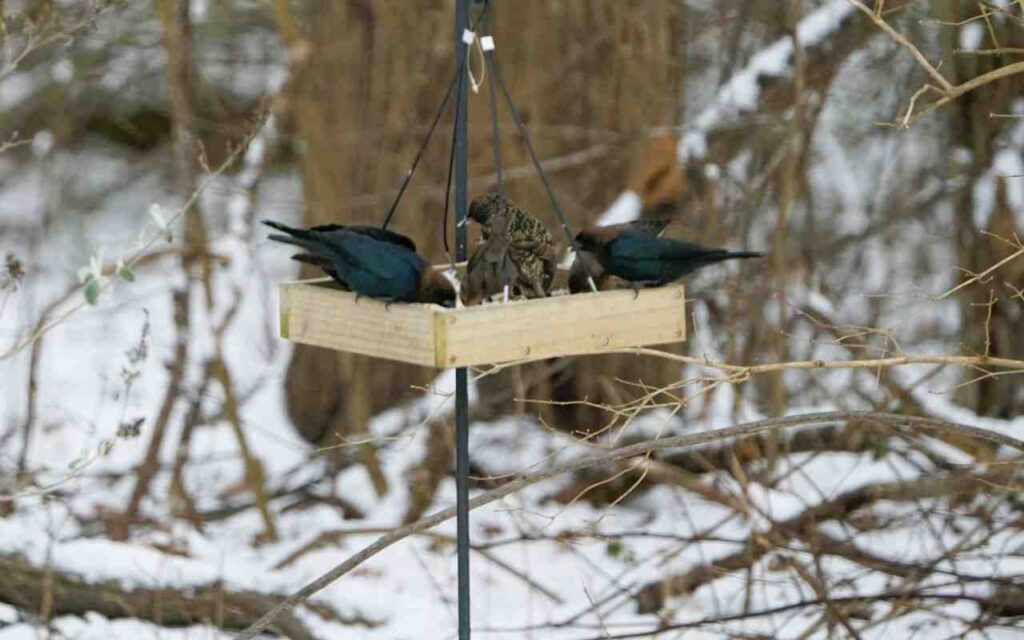
Platform or tray feeders attract ground-feeding species uncomfortable on hanging feeders, including doves, juncos, and sparrows. These open feeders allow multiple birds to feed simultaneously, reducing territorial disputes.
Hopper feeders combine large seed capacity with weather protection, important during winter precipitation events. These feeders attract medium to large birds including cardinals, jays, and grosbeaks.
Suet feeders specifically target woodpeckers and other cavity-nesting species. Mount suet cages on tree trunks or dedicated poles, mimicking natural foraging substrates.
For detailed feeder selection guidance, explore how to choose the right bird feeder.
Strategic Placement for Safety and Effectiveness
Where you position feeding stations dramatically impacts both bird safety and visitation rates.
Window Collision Prevention
Position feeders either within 3 feet of windows or beyond 30 feet to minimize collision mortality. The dangerous zone lies 4-10 feet from windows, where birds gain enough velocity upon being spooked to cause fatal impacts.
For comprehensive window safety strategies, see how to prevent birds hitting windows.
Predation Risk Management
Position feeders in semi-open areas with escape cover 5-8 feet away. This distance prevents cats from hiding immediately adjacent to feeders while providing quick refuge if predators approach. Dense evergreen shrubs or brush piles create ideal escape cover.
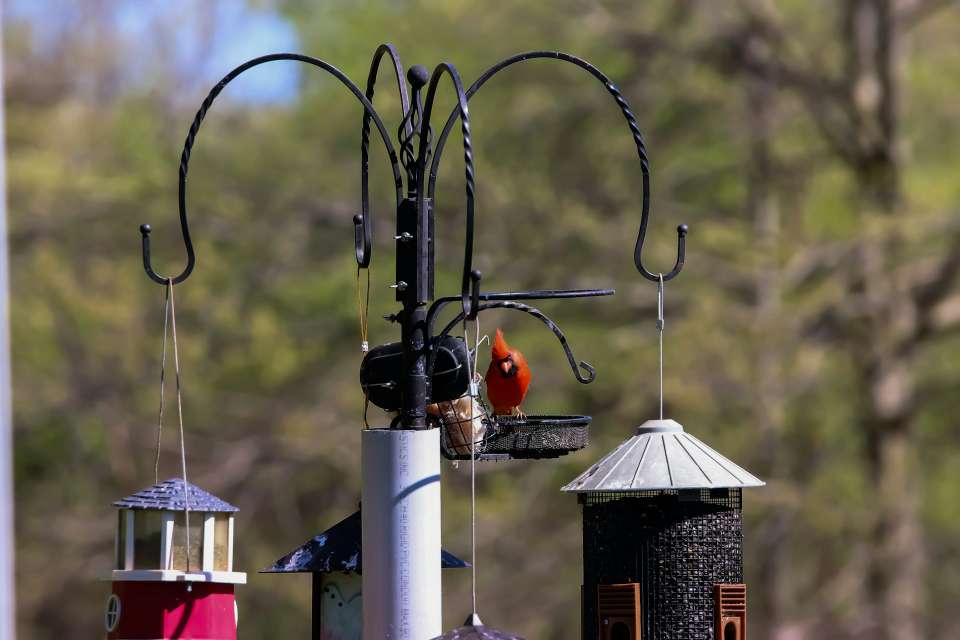
Mount elevated feeders on metal poles equipped with predator baffles. Baffles should be smooth metal or plastic cones at least 18 inches in diameter, positioned below feeding areas preventing climbing predators from reaching birds.
Water Provision: The Overlooked Essential
Research published in PMC on winter bird feeding found that supplementary food given during winter can have carryover effects into the subsequent breeding season, with birds on provisioned sites showing advanced laying dates and increased fledging success. However, water provision proves equally critical for winter bird survival.
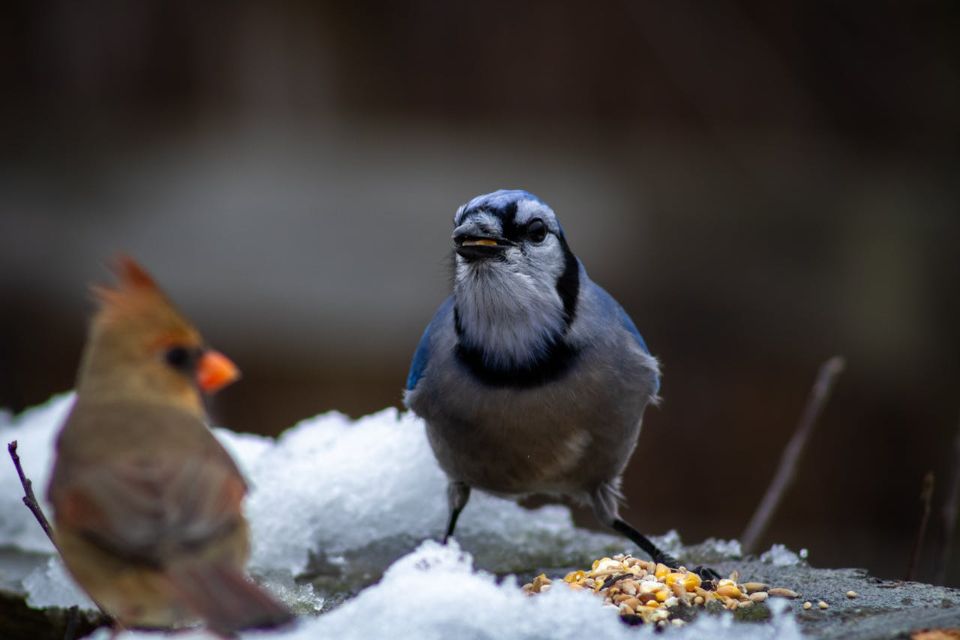
Birds require water for both drinking and bathing year-round. Proper feather maintenance through bathing remains essential during winter because feather condition directly determines insulative capacity. Damaged or dirty feathers cannot trap air effectively, increasing energy demands when birds can least afford additional metabolic stress.
Heated bird baths maintain liquid water through freezing temperatures. Position heated baths near feeding areas, creating comprehensive resource stations birds can access efficiently without excessive energy expenditure traveling between resources.
For detailed water provision strategies, consult how to keep bird baths from freezing in winter.
Hygiene and Maintenance Protocols
A landmark study by researchers Brittingham and Temple in Wisconsin emphasized that researchers maintained experimental feeders carefully to minimize disease and accident risks. Evidence showed that disease mortality risk rises significantly if feeders allow bird contamination through droppings.
Cleaning Frequency
Clean feeders every 2 weeks minimum using 10% bleach solution (1 part bleach to 9 parts water). During heavy use or wet conditions, increase cleaning to weekly intervals. Scrub all surfaces removing visible contamination, rinse thoroughly, and allow complete drying before refilling.
Monitor birds for disease symptoms including lethargy, fluffed plumage, swollen eyes, or difficulty flying. If sick birds appear, immediately remove all feeders, clean thoroughly, and leave inactive for 2-3 weeks interrupting disease transmission.
For comprehensive cleaning guidance, see how to clean a bird feeder and preventing mold in bird feeders.
Ground Waste Management
Regularly rake areas beneath feeders, removing spilled seed and hulls before they attract rodents or develop mold. Platform feeders with mesh screens catch hulls while allowing water drainage, significantly reducing ground accumulation compared to tube feeders.
Winter Bird Feeding Station Tips for Optimal Success
Strategic implementation of research-based principles maximizes feeding station effectiveness.
Timing Implementation
Install and stock feeders in October or early November, before extreme weather arrives. Birds need time to discover and incorporate feeders into foraging patterns. Stations established before crisis conditions prove more valuable than emergency feeding during severe weather.
The Wisconsin research demonstrated that winter feeding provided maximum survival benefit during extreme conditions. Maintaining consistent food availability ensures resources exist when birds face genuine survival challenges.
Refill Schedules
Check and refill feeders every 2-3 days, ensuring continuous food availability. Allowing feeders to remain empty for extended periods wastes the discovery and habituation time birds invested learning feeder locations.
However, the Wisconsin study also found that even birds with feeder access obtained only 20-25% of energy needs from feeders, with remaining 75-80% coming from natural sources. This demonstrates that birds supplement rather than replace natural foraging with feeder use, reducing dependency concerns.
Species-Specific Adjustments
Different species show distinct winter feeding patterns requiring adaptive management. Early morning and late afternoon see peak activity as birds maximize calorie intake during limited daylight hours.
Ground-feeding species like juncos and sparrows concentrate activity mid-morning after frost melts, making seed accessible. Understanding these temporal patterns allows strategic refilling that ensures fresh food during peak demand periods.
Regional Winter Feeding Considerations
Optimal feeding station design varies by climate zone based on typical winter conditions and bird assemblages.
Northern Regions (USDA Zones 3-5)
Northern winters with sustained subzero temperatures create maximum feeding value. The Wisconsin research showed that survival benefits appeared almost entirely during extreme cold, making northern feeding stations potentially most helpful in harsh winters.
Emphasize high-fat foods including black-oil sunflower, suet, and nyjer. Provide multiple feeder types serving diverse species, as harsh northern winters support fewer species but those present face extreme survival challenges.
Moderate Winter Regions (USDA Zones 6-7)
Moderate zones with alternating freeze-thaw cycles require different strategies. Wet conditions increase mold risks, necessitating more frequent cleaning and covered feeder designs preventing moisture infiltration.
Provide varied seed types serving the higher species diversity moderate climates support. Balance between northern specialists and southern residents creates complex communities requiring diverse food offerings.
Mild Winter Regions (USDA Zones 8+)
Southern regions rarely experience extreme conditions where feeding provides maximum survival value. However, occasional hard freezes create emergency situations for birds lacking northern species’ physiological adaptations.
Maintain feeding stations but focus more on native plant landscaping providing natural food sources. Emergency feeding during brief cold snaps provides maximum benefit when birds face unaccustomed challenges.
Common Mistakes That Undermine Feeding Stations
Even well-intentioned stations fail when certain critical errors occur.
Using Low-Quality Seed Mixes
Commercial mixes containing milo, wheat, and oats create significant waste as birds sort through unwanted seeds. Pure black-oil sunflower proves more cost-effective per bird meal delivered than cheap mixes where 30-50% goes uneaten.
Sporadic Feeding
While birds don’t become unhealthily dependent on feeders, starting feeding then allowing extended empty periods wastes birds’ discovery efforts. If beginning winter feeding, maintain reasonable consistency through the season.
Ignoring Safety Hazards
The Wisconsin research emphasized that disease and accident risks can erase feeding benefits if stations aren’t properly managed. Regular cleaning, strategic placement preventing window collisions and predation, and monitoring for sick birds prevent feeding from harming rather than helping target species.
Infographic: Winter Bird Feeding Station Essentials
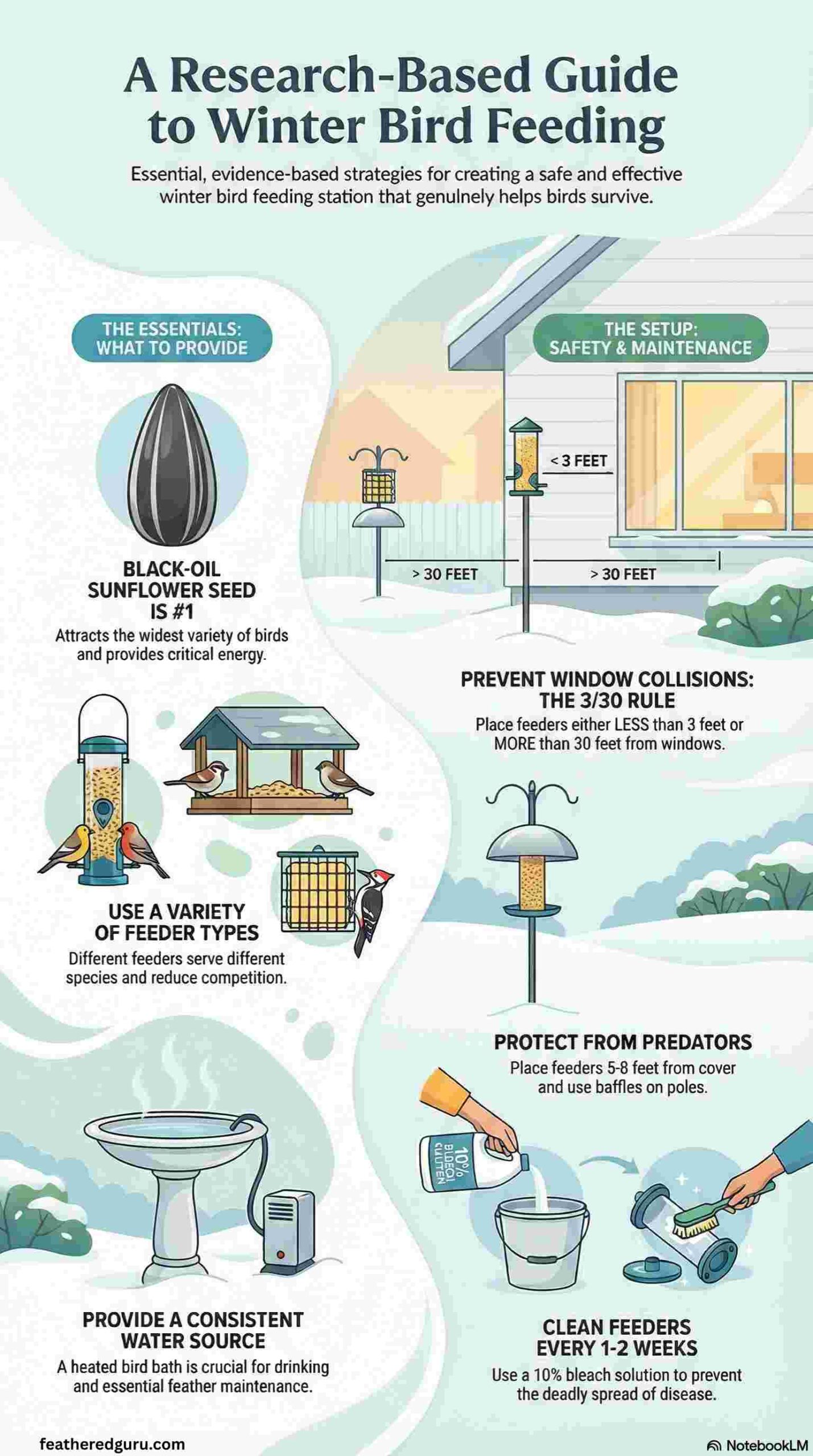
Here’s a quick visual summary of the key tips and strategies for setting up an effective winter bird feeding station. Use this infographic to make sure you don’t miss any critical steps before winter arrives.
Conclusion: Implementing Evidence-Based Winter Feeding Stations
Research clearly demonstrates that properly designed and maintained winter feeding stations provide genuine survival benefits, particularly during extreme weather when natural food becomes inaccessible. The Wisconsin chickadee study showed 32% higher overwinter survival for fed birds during harsh conditions, representing meaningful conservation impact.
However, these benefits depend entirely on responsible implementation. Stations must provide appropriate foods, maintain rigorous hygiene preventing disease transmission, and position feeders preventing collisions and predation. Half-hearted efforts that neglect these fundamentals can harm rather than help target species.
Begin by assessing your climate zone and typical winter conditions. Northern regions experience conditions where feeding provides maximum value, while southern areas benefit more from emergency feeding during occasional cold snaps.
Start simple with one or two feeders stocked with black-oil sunflower seed. Position thoughtfully considering window collision risks and predation concerns. Establish cleaning schedules before birds arrive, making hygiene routine rather than afterthought.
Expand based on results and species observed. Let bird behavior guide additions rather than creating elaborate stations before understanding local communities. The goal involves genuine conservation support through research-based practices, not merely attracting birds for entertainment.
For additional guidance on creating comprehensive winter bird habitat, explore feeding birds in winter and attracting birds during winter.