
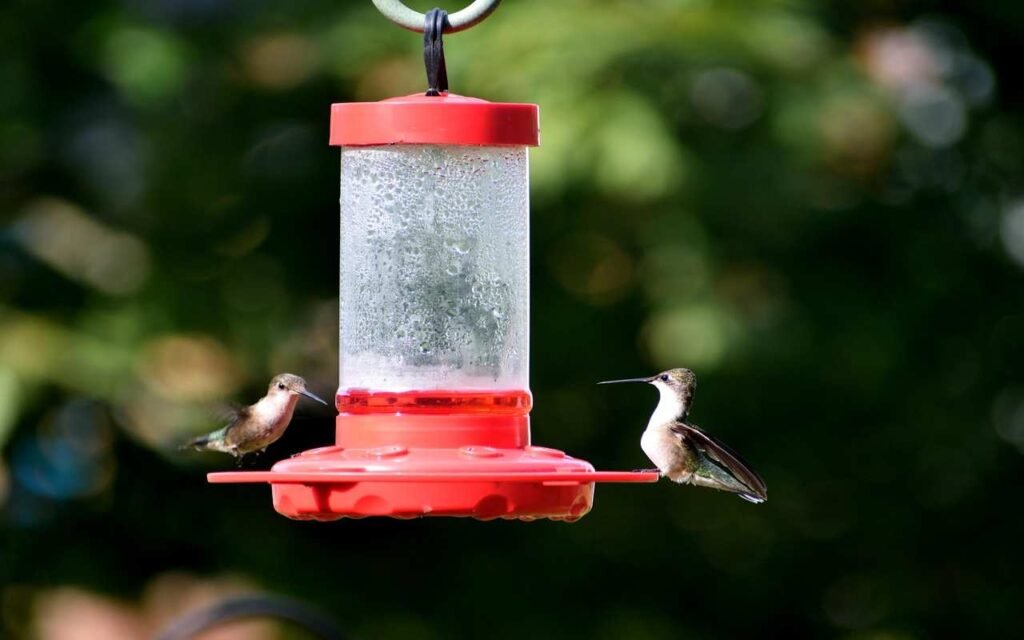
You know that feeling when a tiny emerald blur zips past your window and hovers at your empty hummingbird feeder? I experienced this exact moment last spring when I realized I’d forgotten to refill my feeder for three days straight. If you’ve ever wondered how to make hummingbird nectar at home, you’re in the right place.
Making homemade nectar isn’t rocket science, but doing it right makes all the difference between attracting these amazing creatures and potentially harming them. Skip the overpriced store-bought stuff and learn to create perfect nectar that’ll have hummingbirds treating your yard like their personal five-star resort 🙂.
- Use 4 parts water to 1 part white granulated sugar for the perfect nectar.
- Boil water, dissolve sugar completely, and cool before filling feeders.
- Never use honey, artificial sweeteners, or red dye.
- Make small batches and store excess in the fridge for up to one week.
- Change nectar every 3–5 days in summer, 5–7 days in cooler weather.
- Clean feeders thoroughly between refills to prevent mold and bacteria.
- Place feeders near natural perches and in shaded spots when possible.
- Homemade nectar is cheaper, fresher, and safer than store-bought options.
Watch: How to Make Hummingbird Nectar
Want to see the process in action? This quick video shows exactly how to make safe, delicious hummingbird nectar at home so your feeders stay full and your tiny visitors stay healthy
Show Transcript
0:00
You know that feeling, right? You see a tiny jewel-bright hummingbird zip up to your feeder, hover for just a second, and then dart away disappointed. That little buzz of wings is a huge reminder.
0:11
Today, we’re going to turn that empty feeder into an absolute five-star resort for these amazing little birds. It’s a feeling we’ve all had—that little pang of guilt.
0:23
But what if I told you that in literally five minutes, you could whip up the perfect life-sustaining nectar? And get this—it’s not only way cheaper but also much safer than that red stuff you buy at the store.
Why Homemade Nectar
0:35
Let’s break this down. Store-bought nectar can cost four bucks a batch. Homemade? About 30 cents. The store stuff has preservatives and has been sitting on a shelf for who knows how long.
0:49
Yours is just sugar and water, fresh from your kitchen in minutes. Huge win for you, and an even bigger win for the hummingbirds.
The Golden Rule
0:57
So how do we actually do it? Forget complicated recipes. We boil it down to one golden rule.
1:11
The magic number is 4:1. Four parts water to one part plain white granulated sugar. That’s it.
1:32
Why this ratio? Scientists have figured out that 4:1 perfectly mimics the natural sugar content of the flowers hummingbirds have been feeding on for thousands of years. We’re recreating nature.
How to Make Nectar
1:46
Step 1: Boil the water to remove chlorine or impurities.
Step 2: While hot, stir in the sugar until completely dissolved. No floaty crystals.
Step 3: Let it cool completely. Hot nectar can warp plastic feeders and burn a bird’s delicate tongue.
Step 4: Once room temperature, fill your feeder.
2:15
See? So simple.
Dangerous Mistakes
2:18
Now, let’s talk about the wrong ways. Some common mistakes can be fatal for these tiny birds.
2:33
Biggest offender: honey. It ferments quickly, grows fungus, and can be deadly. Never, ever use honey.
3:13
Next: the red store-bought stuff. Hummingbirds are attracted to red on the feeder, not the liquid. Red dye inside is unnecessary and potentially harmful. Clear nectar is safest.
3:47
Other things to avoid: brown sugar (too much iron), raw or organic sugar (contains molasses), and artificial sweeteners. Only plain white table sugar is safe.
Freshness & Hygiene
4:12
Making nectar is half the battle. Keeping it fresh is just as important.
4:22
Change nectar frequently:
- Hot weather (over 80°F): every 3–5 days
- Cooler weather: 5–7 days
4:40
Cloudy nectar, stringy bits, or black mold? Toss it immediately.
4:55
Mantra to remember: When in doubt, dump it. 30 cents for a batch is worth a hummingbird’s life.
Seasonal Tips
5:10
Now let’s level up. Think seasonally:
- Early spring: put feeders out 2 weeks before the first hummingbird arrives. Migrating birds will remember your house.
- Peak summer: multiple feeders prevent territorial fights.
- Fall: keep feeders full. Birds are fattening up for migration.
5:46
Always maintain hygiene. Clean feeders with hot water and a brush every refill, and give a deep clean once a month.
Final Takeaway
6:20
From boiling water to hanging a clean feeder? About five minutes of your day.
6:45
Those five minutes give a tiny bird, weighing less than a nickel, the energy it needs to cross the Gulf of Mexico on its 2,000-mile journey. Small effort for us, epic impact for them.
The Basic Hummingbird Nectar Recipe
The Perfect Sugar-to-Water Ratio
Here’s the golden rule that every hummingbird enthusiast should memorize: 4 parts water to 1 part white granulated sugar. According to Wild Birds Unlimited, this 4:1 ratio most closely mimics the natural sucrose concentration found in flower nectar that hummingbirds have evolved to prefer.
I’ve tested different ratios over the years, and trust me, this one works. Too much sugar creates a syrup that’s difficult for hummingbirds to digest, while too little sugar doesn’t provide enough energy for their incredibly fast metabolism.
Step-by-Step Preparation
Making hummingbird nectar takes about five minutes once you get the hang of it:
- Boil water to remove any impurities and chlorine
- Add sugar while water is hot to ensure complete dissolution
- Stir thoroughly until no sugar crystals remain
- Cool completely before filling feeders
- Store excess in refrigerator for up to one week
Never use honey, artificial sweeteners, or brown sugar in your nectar. These alternatives can actually harm hummingbirds or promote dangerous bacterial growth.
Measuring Made Simple
For most home feeders, you’ll want to make small batches frequently. One cup of water plus 1/4 cup sugar creates enough nectar for most standard feeders with some left over for storage.
Want to make larger batches? Scale up proportionally: 2 cups water + 1/2 cup sugar, or 4 cups water + 1 cup sugar. Just remember that fresh nectar works better than old nectar, so don’t go overboard with batch sizes.
Why Homemade Beats Store-Bought Every Time
Cost Comparison Reality Check
Let’s talk money because store-bought nectar costs are honestly ridiculous. Commercial hummingbird nectar runs about $3-5 per bottle, while homemade nectar costs roughly 30 cents for the same amount.
I calculated my savings last summer: making nectar at home saved me over $80 during peak hummingbird season. That money bought me a second feeder instead, which doubled my hummingbird traffic 🙂
Ingredient Control Benefits
You control exactly what goes into homemade nectar. No mysterious preservatives, artificial colors, or questionable additives that manufacturers love to include. Commercial nectars often contain red dye, which serves zero purpose except making humans think it looks more appealing.
Hummingbirds don’t care about color in their food. The red on your feeder attracts them, not red-colored nectar. Save your birds from unnecessary chemicals by making your own clear, pure nectar.
Freshness Guarantee
Store-bought nectar sits on shelves for months before reaching your feeder. Homemade nectar goes from kitchen to feeder in minutes, ensuring maximum freshness and nutritional value for your visiting hummingbirds.
Common Mistakes That Kill Hummingbirds
The Honey Trap
Never, ever use honey in hummingbird nectar. According to the Audubon, honey can encourage the growth of harmful bacteria like Clostridium botulinum, which is fatal to hummingbirds. This mistake happens more often than you’d think because people assume “natural” automatically means “better.”
I learned this lesson early when a well-meaning neighbor proudly shared her “special honey nectar recipe.” After explaining the dangers, she switched to proper sugar nectar and her hummingbird population actually increased.
Artificial Sweetener Dangers
Artificial sweeteners provide zero nutrition and can cause malnutrition in hummingbirds. According to Bird Watching Daily, hummingbirds require natural sugars for energy; artificial sweeteners do not provide necessary calories.
Red Dye Misconceptions
Red food coloring offers no benefits and may cause health problems for hummingbirds. The myth that red nectar attracts more birds simply isn’t true. According to Bird Watching Daily, red dye is unnecessary, hummingbirds are attracted to the feeder itself, not the colored nectar. Your feeder’s red components do the attracting while clear nectar provides proper nutrition.
Water Quality Matters More Than You Think
Tap Water vs. Bottled Water
Most tap water works perfectly fine for hummingbird nectar after boiling. Boiling removes most of the chlorine and kills any harmful bacteria that might be present. Unless your tap water tastes terrible or has obvious contamination issues, save money and use what comes from your faucet.
Bottled water works too, but you’re paying extra for convenience that doesn’t necessarily improve nectar quality. The boiling process matters more than the water source in most cases.
The Chlorine Factor
Boiling water eliminates chlorine almost completely, which is important because chlorine can irritate hummingbirds’ delicate systems. According to Hummingbird Market, boiling water removes chemicals and kills pathogens, making it safe for wildlife consumption. If you’re in a hurry, you can let tap water sit uncovered for 24 hours to naturally dissipate chlorine, but boiling works faster and more reliably.
Storage and Freshness Guidelines
Refrigeration Best Practices
Fresh nectar lasts up to one week in the refrigerator when stored in a clean, covered container. I use glass jars because they’re easy to clean and don’t retain odors like some plastic containers might.
Label your nectar containers with preparation dates. Spoiled nectar can make hummingbirds seriously ill, so when in doubt, dump it out and make a fresh batch.
Feeder Rotation Schedule
Change nectar in feeders every 3-5 days during hot weather, and every 5-7 days in cooler temperatures. Hot weather promotes bacterial growth faster, requiring more frequent changes.
Watch for cloudy nectar, which indicates bacterial growth. Clear nectar means fresh nectar. Cloudy or stringy nectar goes straight down the drain, no exceptions.
Batch Size Strategy
Make only what you’ll use within a week. I typically prepare 2-3 cups of nectar at a time, which fills my feeders with some extra for the refrigerator. This approach ensures I’m always serving fresh nectar without waste.
Seasonal Nectar Considerations
Spring Migration Preparation
Early spring migrants arrive hungry and desperate after their long journey. Learn more about the life cycle of a hummingbird to better understand their needs during migration. Having fresh nectar ready when the first scouts arrive can establish your yard as a reliable food source for the entire season.
I start putting feeders out two weeks before I expect to see my first hummingbirds. Better to be early than miss those crucial first visitors who spread the word to other hummingbirds.
Summer Peak Season
Hot summer weather spoils nectar faster but also brings peak hummingbird activity. During heat waves, I change nectar every 2-3 days and sometimes add extra feeders to handle increased demand.
Watch for increased aggression around feeders during summer. Multiple feeders reduce territorial disputes and ensure all birds get adequate nutrition during breeding season.
Fall Migration Fuel
Fall migrants need extra calories for their upcoming journey south. This is when hummingbirds visit feeders most frequently, sometimes emptying them daily. Keep multiple batches of nectar ready during peak fall migration.
Don’t worry about your feeders preventing migration. Hummingbirds migrate based on instinct and daylight changes, not food availability. Your nectar helps fuel their journey, not prevent it.
Advanced Nectar Tips and Tricks
Multiple Feeder Management
Different feeder locations attract different hummingbirds. I maintain three feeders: one in morning sun, one in afternoon shade, and one near my kitchen window for entertainment value.
Rotate cleaning schedules so you’re not washing all feeders on the same day. Staggered maintenance ensures continuous nectar availability even during cleaning days.
Weather Adaptation Strategies
Extremely hot weather requires daily nectar changes to prevent spoilage. Consider moving feeders to shadier locations during heat waves to extend nectar freshness.
Cold weather slows spoilage but doesn’t eliminate it. Winter nectar still needs changing weekly if you’re lucky enough to have year-round hummingbird residents.
Feeder Hygiene Essentials
Clean feeders thoroughly between refills using hot water and a bottle brush. Monthly deep cleaning with diluted bleach solution (followed by thorough rinsing) prevents mold and bacterial buildup. According to the Alberta Institute for Wildlife Conservation, keeping feeders clean is critical for maintaining bird health.
Inspect feeders regularly for cracks or damage that might harbor bacteria. Replace damaged feeders immediately rather than risking hummingbird health with compromised equipment.
Troubleshooting Common Issues
Nectar Spoilage Signs
Cloudy appearance, strange odors, or visible particles all indicate spoiled nectar. When any of these signs appear, empty feeders completely and start fresh.
Black spots around feeder ports usually indicate mold growth. Deep clean feeders and replace nectar immediately if you notice mold anywhere in the system.
Low Hummingbird Traffic
Fresh nectar doesn’t guarantee instant hummingbird visitors. New feeders can take weeks to discover, especially early in the season. Patience pays off more than any special nectar recipe.
Consider feeder placement if birds aren’t visiting. Hummingbirds prefer feeders near natural perches with good escape routes from predators.
Competing Wildlife Issues
Bees, wasps, and ants love sugar water too. Choose feeders with bee guards and consider ant moats to reduce competition. Some wildlife sharing is normal and not necessarily problematic.
FYI, orioles sometimes visit hummingbird feeders but rarely cause problems. Their visits actually indicate healthy nectar that attracts multiple species.
Cost-Effective Nectar Production
Bulk Sugar Benefits
Buy sugar in larger quantities during sales to reduce per-batch costs. Granulated white sugar stores indefinitely when kept dry, making bulk purchases economical.
Warehouse stores often offer the best sugar prices, especially during baking season sales. I stock up in fall when sugar prices typically drop.
Equipment Investment
Quality measuring tools pay for themselves through consistent nectar batches. A good liquid measuring cup and accurate kitchen scale eliminate guesswork and waste.
Digital kitchen scales work great for large batches where you’re measuring sugar by weight rather than volume. Consistency creates better results than eyeballing measurements.
Health Benefits for Hummingbirds
Proper Nutrition Support
Homemade nectar provides clean energy without harmful additives found in some commercial products. This pure energy source supports hummingbirds’ incredible metabolic needs effectively.
Well-fed hummingbirds show brighter plumage, more active behavior, and better territorial defense. Healthy birds create more entertaining backyard wildlife viewing for everyone involved.
Supporting Migration Success
Reliable nectar sources help hummingbirds build energy reserves for their demanding migration journeys. Your feeder might provide the extra calories that make the difference between successful and failed migration.
The Bottom Line on Homemade Nectar
Making hummingbird nectar at home takes five minutes, costs pennies, and provides better nutrition than expensive commercial alternatives. The 4:1 water-to-sugar ratio works perfectly every time when you use white granulated sugar and clean water.
Skip the red dye, avoid honey and artificial sweeteners, and focus on freshness above all else. Clean feeders filled with fresh nectar create hummingbird magnets that’ll bring joy to your yard all season long.
IMO, there’s something deeply satisfying about watching a tiny hummingbird fuel up on nectar you made yourself. It’s a simple way to connect with nature while providing genuine help to these remarkable creatures.
Start with one feeder and basic homemade nectar. Once you see your first regular visitor hovering expectantly at breakfast time, you’ll understand why so many people become completely addicted to hummingbird feeding 😕