
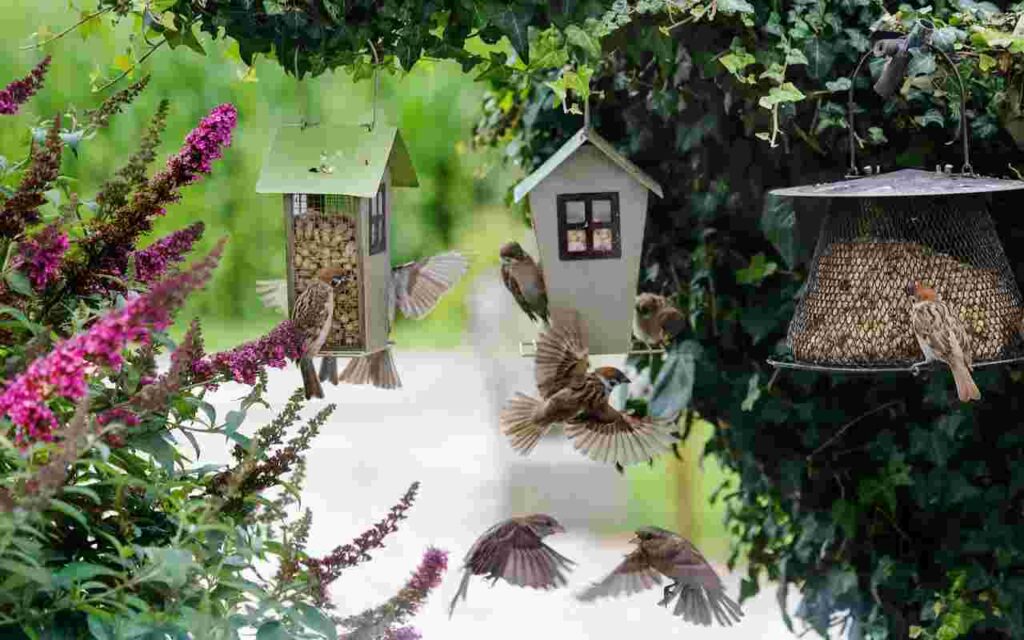
I’ll never forget the moment I realized I was accidentally poisoning the birds I was trying to help. I’d just refilled my tube feeder with what I thought was fresh black oil sunflower seed when I noticed something off about the seed at the bottom. Fuzzy. Gray-green. Clumped together. Mold growth had taken over, and I’d been watching cardinals and finches eat from that feeder for who knows how long. The guilt hit hard. That’s when I knew I had to figure out how to prevent mold in bird feeders.
Mold in feeders isn’t just unsightly or wasteful, it can actually make birds sick. Mycotoxins in spoiled seed attack their livers and respiratory systems, and even a small amount can be dangerous. After this discovery, I spent mornings testing different methods, learning what works and what doesn’t. By the end, I had a clear plan to keep my backyard visitors safe and healthy 🙂.
- Keep bird seed dry and store it in airtight containers.
- Replace seed frequently, especially during hot, humid, or rainy weather.
- Use feeders with good drainage and ventilation to prevent moisture buildup.
- Position feeders in sunlight and with airflow to naturally dry seed.
- Space multiple feeders apart to reduce disease risk.
- Choose mold-resistant seed like black oil sunflower, safflower, or nyjer.
- Check seed daily for clumps, odors, or mold.
- Clean feeders regularly and thoroughly to prevent toxin buildup.
- Use weather guards, baffles, and covered stations to protect feeders from rain.
- Temporarily remove feeders if birds appear sick or mold risk is high.
Why Mold in Bird Feeders Is Dangerous for Birds
Show Transcript
0:00
If you love putting out a feeder for the birds in your backyard, you are going to want to see this.
0:03
We’re about to pull back the curtain on a really common but often invisible danger that a lot of well-meaning bird lovers totally miss.
0:11
And it’s something that could be happening in your feeder right now.
0:16
Wow. I mean, that hits hard, doesn’t it? That is a gut punch of a quote.
0:20
It’s that horrible sinking feeling when you realize your best intentions might have gone wrong.
0:26
And honestly, it’s the exact reason we need to be talking about this.
Hidden Danger: Mold
0:29
So, what exactly is this hidden danger?
0:32
We’re talking about toxic mold.
0:35
And no, it’s not just some ugly stuff you can scrape off. It’s a genuinely serious threat to the birds we love to watch.
0:45
The real enemy here is something called mycotoxins.
0:48
Think of them as nasty little poisons that mold creates. For a bird, they are devastating.
0:56
We’re not talking about a little upset stomach. These go straight for the liver and respiratory system. Even a tiny bit can be incredibly dangerous—or fatal.
1:05
Here’s the kicker: the birds have no idea it’s there. They can’t smell it or taste it. They just keep eating the seed, completely unaware.
1:15
Which means the responsibility to keep them safe falls completely on us.
Become a Mold Detective
1:20
Now that we know what we’re up against, it’s time to become mold detectives.
1:23
This part is about giving you the tools to spot the enemy before it can do harm.
1:30
The recipe for mold is simple: moisture + heat.
1:39
Once humidity creeps above 70% or rain gets trapped in the feeder, boom—you’ve got the perfect incubator.
1:49
Our best defense? Keep everything dry, cool, and airy.
1:54
Be vigilant. In as little as 24 to 48 hours, fresh bird seed can turn toxic. Warm, humid weather speeds it up.
What to Look For
2:13
So, what are you looking for?
2:15
Check for fuzzy growth: gray, green, or black mold.
2:22
Look for white, cotton-like threads weaving through seeds.
2:29
Check for black spots, clumping, or slimy seeds.
2:37
If you see any of these, toss the entire batch.
2:45
Don’t just scoop out the bad parts. Mycotoxins are microscopic and have already spread. Start fresh.
Prevention Playbook
2:59
Enough doom and gloom—let’s talk solutions.
3:02
Think of this as your personal prevention playbook.
3:12
First, your gear matters. Mesh and platform feeders are great—they promote airflow and drainage.
3:24
Tube feeders can trap moisture, so make sure they have plenty of drainage holes.
3:36
Placement is key. Pick a sunny spot with good breeze to dry the seeds. Avoid drippy tree branches or roof edges.
3:53
Next, the seed itself. Black oil sunflower, safflower, and niger are naturally mold-resistant.
4:04
Be cautious of mixes with cracked corn—it molds fast.
4:08
Store seed in airtight containers in a cool, dry place. Buy only what you’ll use in a reasonable time. Freshness equals safety.
Healthy Feeder Routine
4:20
You’ve got the right feeder, spot, and seed. Now make it a habit.
4:32
Every day, peek at the feeder. Does it look okay? Smell okay?
4:39
Once a week, dump leftover seed, scrub the feeder, and refill.
4:45
After it rains, check it. Moisture is prime for mold growth.
4:52
Adjust based on weather. Hot, humid days or rainy weeks may require a full cleanout every 2–3 days.
Four Keys to a Safe Feeder
5:09
Boiled down, it’s these four simple keys:
- Keep the seed dry.
- Promote airflow with feeder choice and placement.
- Replace the seed often—don’t let it sit for weeks.
- Monitor every day.
5:26
When your backyard birds show up tomorrow, what will they find?
5:35
A few simple checks and a little care can make the difference between a healthy meal and a hidden poison.
5:45
The choice is yours. What will they find?
Let’s talk about why this matters beyond just keeping feeders looking nice. Mold produces compounds that are genuinely toxic to backyard birds, and the science backs this up in ways that should concern every bird feeder.
Research published in the Journal of Wildlife Diseases found that 17% of wild bird seed samples tested contained aflatoxin concentrations greater than 100 micrograms per kilogram, with 83% of contaminated samples containing corn as an ingredient. These aflatoxin levels present serious health threats to birds that consume contaminated feed.
A study in Science of the Total Environment documented that approximately 10% of peanut samples sold for wild birds exceeded the maximum permitted limit of 20 micrograms per kilogram for aflatoxin B1, the most toxic variety. The researchers emphasized that storage conditions and climate exposure significantly increase production of these deadly toxins.
Mycotoxins cause respiratory issues, liver damage, immune system suppression, and in severe cases, death. Birds don’t show symptoms until they’re quite sick, so by the time you notice a lethargic, fluffed-up bird at your feeder, the damage is already done. According to research on mycotoxin effects, aflatoxins bind with DNA and RNA, inhibiting protein synthesis and causing a cascade of health problems in birds.
The worst part? Moisture buildup in feeders creates perfect conditions for mold growth in just 24-48 hours during humid weather. One rainy day combined with poor feeder ventilation can turn fresh seed into a toxic mess before you even realize there’s a problem.
What Causes Mold to Form in Bird Feeders
Understanding what triggers mold growth helps you prevent it. Mold is an opportunist, it needs specific conditions, and feeders often provide them perfectly.
Moisture plus heat equals mold. That’s the simple formula. When humidity levels exceed 70% and temperatures stay above 70°F, mold spores activate and begin colonizing seed. Add poor airflow and you’ve created a mold incubator.
Humidity is the primary culprit. During summer or in naturally humid climates, seed absorbs moisture from the air. This is especially problematic with hulled seeds like sunflower hearts that lack protective shells. Research shows that wet seed begins deteriorating within 48 hours of moisture exposure.
Condensation inside feeders accelerates the problem. Temperature swings between day and night create moisture droplets inside tube feeders, especially plastic ones. This trapped moisture has nowhere to go in poorly ventilated designs, so it soaks into seed and creates perfect mold-growing conditions.
Clumping seed is your early warning sign. When seeds stick together, moisture has already compromised them. According to Chirp for Birds, once you see clumping, you’re already past the safe consumption window. Dump it immediately.
Rain exposure directly introduces water into feeders. Even a brief shower can soak exposed seed, and if that seed doesn’t dry completely within 24 hours, mold establishes itself. Feeders without weather protection experience mold problems 3-4 times more frequently than covered designs.
Different seed types mold at different rates. Sunflower hearts (hulled seeds) mold fastest because they lack protective shells and their high oil content attracts moisture. Whole black oil sunflower seeds resist mold better thanks to their shells. Cheap seed mixes containing cracked corn and milo are mold magnets—these ingredients absorb moisture rapidly and provide perfect substrate for fungal growth.
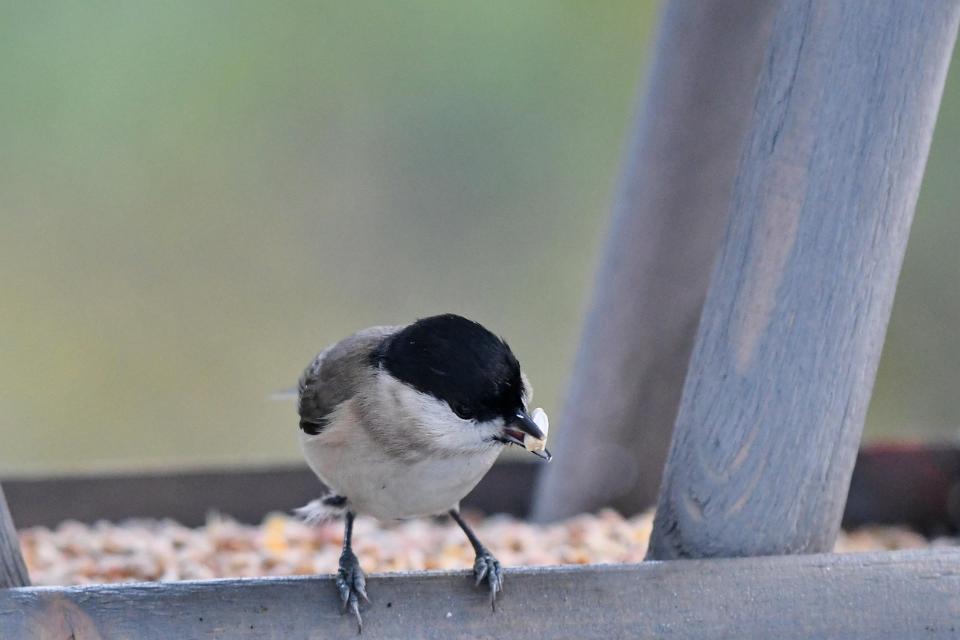
What Mold Looks Like in Feeders (Catch It Early)
Knowing what to look for helps you catch problems before birds consume contaminated seed. Mold presents differently depending on type and stage of growth.
Fuzzy mold is the most obvious. You’ll see white, gray, green, or black fuzzy growth on seed surfaces. This is advanced colonization—the mold has been growing for days at this point. If you see fuzzy growth, the entire feeder contents are compromised, not just the visible areas.
Black mold appears as dark spots or patches on seeds or feeder surfaces. This variety is particularly dangerous and often indicates long-term moisture problems. Black mold produces some of the most toxic aflatoxins.
White mold looks like cotton or cobwebs stretching between seeds. It’s actually fungal threads (mycelium) connecting across seed surfaces. This is active, growing mold that’s producing spores and toxins.
Slimy seed means bacterial growth has joined the mold party. Seeds feel slippery or sticky, and they smell off—sour, musty, or fermented. This is dangerous territory. Dump everything immediately.
Clumped seed sticking together indicates moisture absorption even if visible mold hasn’t appeared yet. The seed may look fine but has already begun deteriorating. The musty smell that accompanies clumping is your nose detecting volatile organic compounds from early microbial activity.
Early warning signs include seed that looks darker than usual, hulls that appear damp or discolored, and any unusual odor when you open the feeder. Fresh seed smells pleasant—nutty, slightly oily. Compromised seed smells musty, sour, or earthy.
When mold becomes unsafe for birds: The moment you detect any visible mold, fuzzy growth, slime, or strong musty odor, the seed is unsafe. Don’t try to salvage it by removing visible mold—toxins have already spread throughout the batch. Dump everything, clean the feeder thoroughly, and start fresh.
Choose Feeder Types That Naturally Resist Mold
Not all feeders are created equal when it comes to mold prevention. Design matters enormously, and choosing the right style for your climate dramatically reduces mold problems.
Tube feeders are popular but problematic for mold. Their enclosed design traps moisture and limits airflow. Condensation builds up inside overnight, seeds at the bottom get damp, and mold establishes itself before you notice. If you use tube feeders, choose models with drainage holes at the bottom and check them every 2-3 days during humid weather.
Hopper feeders with angled roofs shed rain better than tubes, but their seed hoppers still trap moisture if seed sits too long. The key is sizing—use hoppers appropriate for your bird traffic so seed moves through quickly. A hopper holding three pounds of seed might seem economical, but if it takes two weeks to empty, you’re creating mold problems.
Platform feeders excel at mold prevention because they’re completely open to air circulation. Seed dries quickly after rain or dew. The downside? They offer zero weather protection, so they work best under shelter or in drier climates. I use platform feeders exclusively under my covered porch and have virtually eliminated mold problems.
Mesh feeders provide excellent airflow for nyjer seed and peanuts. The mesh itself allows air circulation from all sides, promoting rapid drying. These are particularly good for humid climates where moisture accumulation plagues other feeder styles.
Suet feeders using cage designs resist mold naturally. The open cage allows air circulation around suet blocks, and quality suet doesn’t mold as readily as seed anyway (though it can go rancid in heat—different problem, same solution: frequent replacement).
Feeder materials matter too. Metal feeders resist mold better than wood because they don’t absorb moisture. UV-resistant plastic is second best, followed by wood (which requires more maintenance). Avoid cheap plastic feeders that crack or hold moisture in seams—they’re mold factories.
Drainage holes are non-negotiable features. Every feeder should have multiple drainage holes at the bottom so water can escape rather than pooling with seed. If your feeder lacks drainage, you can drill holes yourself—3-4 holes, 1/4 inch diameter, spaced around the base of tube feeders or platform corners.
Smart Feeder Placement to Prevent Moisture Buildup
Where you hang feeders dramatically affects moisture buildup. I moved one feeder just six feet and went from cleaning mold weekly to rarely seeing it.
Sunlight helps dry seed naturally. Position feeders where they receive at least 2-3 hours of direct sun daily, preferably morning sun. This dries overnight dew and reduces humidity inside feeders. According to the Minnesota DNR, sunlight exposure significantly reduces mold incidence in seed feeders.
However, too much direct sun creates different problems in hot climates—seeds can go rancid from heat. In these conditions, morning sun with afternoon shade is ideal. You want drying power without cooking the seed.
Avoid placing feeders under trees or roof overhangs where they’re constantly dripping. That maple tree might seem like a perfect spot for shade, but every time it rains, water drips from leaves for hours after the rain stops, continuously soaking your feeder. Same with roof driplines—they create localized wet zones that keep seed perpetually damp.
Wind exposure helps. Gentle breezes circulate air through and around feeders, evaporating moisture quickly. Avoid completely sheltered spots where air stagnates. That said, don’t position feeders in strong wind channels—seed will blow out and feeders will swing wildly, stressing birds.
Consider your yard’s microclimate. Low-lying areas collect moisture and fog. North-facing spots stay damp longer. South and east exposures dry fastest. I map my yard’s wet and dry zones in spring and place feeders accordingly—it makes a massive difference.
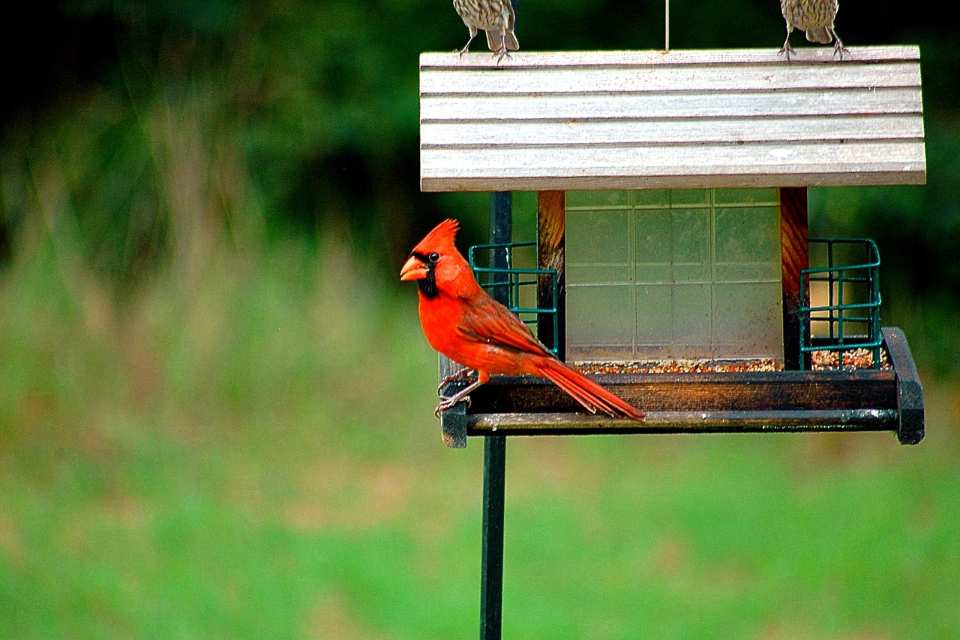
Use Weather Guards and Baffles Effectively
Weather guards aren’t just for keeping squirrels at bay—they protect seed from rain and reduce mold dramatically when used correctly.
Rain guards and weather domes mounted above feeders shed water away from feeding ports. The key is sizing and spacing. The dome needs to be at least 2-3 inches larger than the feeder diameter to actually block rain. Mount it 2-3 inches above the feeder top—close enough to deflect rain but far enough that moisture doesn’t get trapped under the dome.
Disc guards work similarly but with smaller footprint. They’re especially good on shepherd’s hook setups where you’re hanging multiple feeders. Just ensure the disc is large enough to actually protect the feeder below.
Squirrel baffles positioned above feeders double as rain guards in many cases. I use torpedo baffles on all my pole-mounted feeders, and they’ve virtually eliminated rain penetration while also keeping squirrels frustrated. Win-win.
The mistake people make is positioning guards too close to feeders, creating trapped moisture zones where air can’t circulate. According to a Virginia Tech extension paper, providing multiple feeders spaced apart rather than clustered together helps reduce disease risk.
In rainy climates, consider covered feeding stations entirely. Building or buying a small roof structure over your feeding area provides comprehensive weather protection while maintaining open airflow. This is especially valuable for platform feeders, which excel at mold prevention but need rain protection.
Choose and Store Seed That Resists Mold
Not all bird seed is created equal when it comes to mold resistance. Your purchasing and storage decisions directly affect mold incidence.
Black oil sunflower seed with intact shells resists mold better than hulled varieties. The shell provides natural moisture barrier and protection. Safflower seed has similar properties. Nyjer seed (thistle) is naturally mold-resistant due to its tiny size and low moisture content, though it can still spoil if it gets soaked.
Sunflower hearts (hulled seeds) mold rapidly because they lack protective shells and their high oil content attracts moisture. If you feed these, buy small quantities you’ll use within a week, and only offer them during dry weather periods.
Cheap seed blends containing cracked corn, milo, wheat, and oats are mold magnets. These fillers absorb moisture quickly and provide perfect substrate for fungal growth. They’re also the ingredients most birds reject anyway, leading to accumulation and spoilage. Spend more on quality single-seed varieties and you’ll actually save money by reducing waste.
Seed freshness matters enormously. According to a study on seed contamination, older seed that’s been stored improperly already contains elevated mold spore counts before you even put it in feeders. Buy seed from retailers with high turnover—busy stores cycle inventory quickly, giving you fresher product.
Test seed freshness before buying or using: Smell it. Fresh seed smells pleasant, slightly nutty or oily. Old seed smells musty, dusty, or has no smell. Check for visible mold, discoloration, or insects. Any of these mean the seed is already compromised.
Seed storage is critical. Use airtight containers that seal completely—metal cans or heavy-duty plastic bins with gasket lids. Store in cool, dry locations. Avoid garages or sheds that get hot—heat accelerates rancidity and creates condensation when temperatures fluctuate.
I keep desiccant packs (those silica gel packets from shoe boxes) in my seed storage containers. They absorb moisture and keep seed dry. You can buy food-grade desiccant packs specifically for this purpose, or save the ones from products you buy.
Seed stored properly lasts 3-6 months. In practice during humid summer months, I buy only enough for 2-3 weeks. The faster seed moves from storage to feeders to birds, the less chance mold has to establish.
Replace Seed Frequently in Humid or Rainy Weather
This is where most people fail at mold prevention—they wait too long to replace seed, thinking they’re being economical when they’re actually endangering birds.
Hot weather replacement schedule: During summer when temperatures exceed 80°F and humidity stays high, replace seed every 3-5 days maximum. On particularly humid days with temperatures above 85°F, check feeders daily and dump any seed that looks or smells questionable.
Rainy weather replacement schedule: After any significant rain, check feeders immediately. If seed looks damp or clumped, dump it all and refill with fresh seed. Don’t wait to see if it dries—wet seed begins deteriorating within hours. I pre-dump my feeders if I know major rain is coming and refill after the weather clears.
Toss seed immediately if you see visible mold, smell mustiness, notice clumping, observe discoloration, find insects, or if birds suddenly stop visiting (they can smell spoilage before you notice it).
Avoid overfilling feeders—this is a huge cause of mold problems. Only put out what birds will eat in 2-3 days. Yes, you’ll refill more often, but you’ll waste far less seed to spoilage. I learned this the hard way after wasting $40 worth of seed in one moldy tube feeder.
According to Cornell Lab guidance on summer feeding, food should move through feeders quickly to prevent mold formation. This is especially critical during warm, humid conditions when mold grows exponentially faster.
Improve Airflow Inside Feeders
Feeder ventilation dramatically affects mold incidence. Even small modifications can make huge differences.
If your tube feeder lacks ventilation holes, drill them yourself. Add 4-6 small holes (1/8 to 1/4 inch diameter) around the circumference of the tube, about 2 inches from the bottom. These allow air circulation through the seed column. Just make sure they’re small enough that seed doesn’t pour out.
Mesh feeders provide maximum airflow naturally. Consider switching problem feeders to mesh designs. Mesh tube feeders for nyjer seed or mixed seed, mesh bags for peanuts, and platform feeders with mesh bottoms all promote rapid drying.
Why tube feeders trap humidity: Their enclosed design creates a column of seed with minimal air circulation. As birds eat from bottom ports, the top seed settles, compacting and reducing airflow further. Moisture from bird breath, rain penetration, or ambient humidity gets trapped with nowhere to go.
For existing tube feeders, fill them only halfway. This improves air circulation in the upper portion and reduces the amount of seed sitting at the bottom where moisture accumulates. The extra headspace allows some air movement.
Platform feeders with screened bottoms drain water instantly and allow air circulation from below. This is hands-down the best design for mold prevention. I built DIY platform feeders with hardware cloth bottoms, and they never develop mold even during week-long rainy periods.
Keep seed moving through feeders. Static seed that sits for weeks is more likely to develop problems. If a feeder isn’t getting traffic, reduce the amount you’re offering or move it to a location birds visit more frequently.
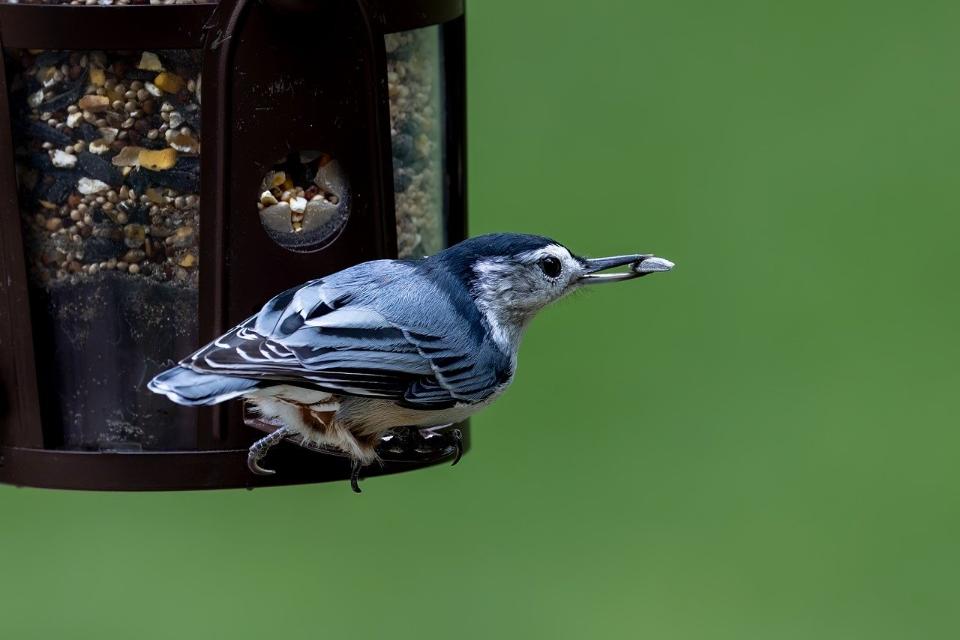
Seasonal Mold Prevention Strategies
Mold risk changes dramatically with seasons. Adjust your prevention strategies accordingly.
Summer Mold Prevention
Summer heat combined with humidity creates peak mold conditions. This is when most mold problems occur, especially in humid regions or during rainy periods.
Check feeders every 2-3 days minimum. Smell seed when you open feeders—your nose detects early spoilage. Reduce fill quantities to amounts birds consume within 3-5 days. Position feeders for maximum morning sun exposure to dry overnight dew. Consider temporarily reducing the number of active feeders and concentrating birds at fewer, frequently maintained stations.
Spring and Fall: Rain Season Challenges
Spring rain and fall humidity create extended damp periods perfect for mold. These shoulder seasons require vigilance even though temperatures are moderate.
Pre-dump feeders before major rainstorms if possible. Check feeders immediately after rain and dump any damp seed. Bring feeders under shelter during multi-day rainy periods. Focus feeding on covered areas like porches or under eaves where feeders stay drier.
Winter Moisture Problems
Winter moisture seems counterintuitive, but freezing temperatures followed by thaws create condensation inside feeders. Snow melt can penetrate poorly designed feeders.
Ensure feeders have adequate drainage so snowmelt escapes. Brush snow off feeders promptly rather than letting it melt into seed. During freezing temperatures, mold growth slows dramatically, but as soon as weather warms above freezing, wet seed from melted snow will mold rapidly. Check feeders after every freeze-thaw cycle.
Winter actually creates fewer mold problems overall because sustained freezing inhibits fungal growth. This is when you can relax monitoring somewhat—though you should still check monthly and clean feeders every 4-6 weeks even in winter.
Daily and Weekly Mold Prevention Routine
Consistency prevents problems before they start. Here’s a sustainable routine that takes minimal time but maximizes results.
Daily Quick Check (30 seconds)
When you’re out in your yard, walk past feeders and do a visual check. Look for obvious moisture, clumping, or discoloration. Smell feeders from a few feet away—you’ll notice must/sourness if seed is spoiling. Watch bird behavior—if they’re inspecting feeders but not eating, seed quality may have declined.
Weekly Maintenance (15-20 minutes)
Remove feeders and dump seed onto a clean surface. Inspect for mold, discoloration, clumping, or odor. Brush out hulls and debris from feeder bases. Check drainage holes are clear. Refill with fresh seed. Sweep up ground waste under feeders to prevent mold in spillage.
During peak mold season (summer), increase this to twice weekly. During winter, every 10-14 days works fine.
When to Temporarily Remove Feeders
If you notice sick birds at feeders (lethargic, fluffed feathers, labored breathing), remove all feeders immediately. Clean them thoroughly with bleach solution, let them dry completely, and leave them down for 2 weeks. This breaks disease transmission cycles.
During extended rainy periods (3+ days of continuous rain), consider temporarily removing feeders rather than constantly fighting moisture. Birds will find natural food sources, and you’ll avoid creating a disease vector.
What to Do When You See Mold Starting
Quick action prevents minor problems from becoming major health hazards.
Immediate steps: Stop birds from accessing the feeder right now. Remove it completely from the feeding area. Dump all seed from the moldy feeder—don’t try to salvage any of it. Seal dumped seed in a trash bag and dispose of it where birds and wildlife can’t access it.
If multiple feeders are near the moldy one, inspect them all. Mold spores spread through air, so adjacent feeders may be developing problems too.
Prevent spread to other feeders: Don’t use tools or scoops from the moldy feeder on clean ones without washing first. Wash your hands after handling moldy feeders. If you’ve been refilling multiple feeders with the same scoop, consider dumping and replacing seed in all of them since cross-contamination is possible.
Don’t just rinse the moldy feeder and refill it. It needs proper disinfection with bleach or vinegar solution (that’s cleaning territory, which we’re not covering in depth here, but know that water alone won’t kill mold spores that have established in feeder crevices).
Using Weather Apps to Predict Mold Risk Days
Technology helps you stay ahead of mold problems rather than reacting after they occur.
Humidity tracking via weather apps tells you when conditions favor mold growth. When humidity is forecast to stay above 70% for 2+ consecutive days combined with temperatures above 70°F, that’s a high-risk period.
Rainfall trackers help you plan. If a week of rainy weather is coming, you can pre-dump feeders, bring them under shelter, or temporarily take them down rather than constantly battling mold.
Monitor dew point readings. When dew points exceed 60°F, moisture condenses readily and seed stays damp longer. Dew points above 65°F create extremely favorable mold conditions.
On high mold-risk days: Check feeders more frequently, reduce fill quantities to what birds consume in 24 hours, dump and replace any questionable seed immediately, position feeders for maximum air circulation and sun exposure.
You don’t need fancy equipment—free weather apps on your phone provide all this data. I check the week’s forecast every Sunday and plan my feeding strategy accordingly. High-risk week coming? I scale back to small quantities and daily checks. Beautiful dry week forecasted? I can relax monitoring slightly.
How Mold Affects Bird Health and Safety
Understanding the real health risks helps you take mold prevention seriously.
Aflatoxins produced by Aspergillus mold species attack birds’ livers, causing acute toxicosis at high doses or chronic immune suppression at low doses. Birds can’t detoxify aflatoxins effectively, so even small amounts cause cumulative damage over time.
Respiratory illness results from inhaling mold spores while feeding. Birds have extremely efficient respiratory systems that maximize oxygen uptake—which also means they maximize toxin uptake when breathing near moldy seed. Aspergillosis (fungal respiratory infection) is common in birds exposed to moldy environments.
What happens if birds eat moldy seed? At minimum, they experience digestive upset and reduced nutrient absorption. At worst, acute toxicity causes liver failure, immune system collapse, and death within days. Chronic exposure leads to poor feather condition, weight loss, vulnerability to disease, and shortened lifespan.
Research documented in the Journal of Wildlife Diseases found that birds don’t avoid aflatoxin-contaminated feed—they can’t taste or smell it until contamination is severe. This means birds will happily consume deadly toxins from your feeder without knowing they’re in danger.
When to temporarily halt feeding: If you discover significant mold problems, if you notice sick birds visiting feeders, if weather conditions make it impossible to keep seed dry, or if you’ll be unable to monitor feeders for an extended period (vacation, etc.), it’s better to stop feeding temporarily than risk harming birds. They’ll find natural food sources just fine—feeders are supplemental, not essential to survival.
Clean, dry food improves backyard bird health enormously. Well-maintained feeding stations support healthier birds with better immune function, superior feather condition, and higher reproductive success. Your efforts at mold prevention directly translate to healthier, longer-lived birds visiting your yard.
Common Mold Prevention Questions Answered
Why does my seed keep clumping even in dry weather?
Clumping in seemingly dry conditions usually means moisture is penetrating overnight through temperature swings (condensation) or your storage location has higher humidity than you realize. Switch to smaller quantities you use faster, improve feeder drainage, and consider a different feeder style with better airflow.
How often should I check for mold in summer?
Every 2-3 days minimum during hot, humid weather. Daily if humidity stays above 80% or if you’ve had recent rain. Your nose is your best tool—smell feeders when you walk past. Musty or sour smells mean spoilage has started.
Which feeders mold fastest?
Enclosed tube feeders with poor drainage are worst, followed by hopper feeders filled to capacity. Platform feeders and mesh designs resist mold best due to superior airflow.
Can mold spread to hummingbird feeders?
Sugar water in hummingbird feeders ferments and grows mold rapidly in heat, but it’s different organisms than seed mold. Change nectar every 2-3 days in summer, clean feeders with hot water and vinegar after each refill, and never let nectar sit more than 5 days even in cooler weather.
Does vinegar prevent mold?
Vinegar kills existing mold during cleaning but doesn’t prevent future growth. Only keeping seed dry prevents mold. That said, cleaning feeders with vinegar solution (1 part vinegar to 4 parts water) between refills helps reduce residual mold spores.
Can mold harm squirrels or other wildlife?
Yes. Mycotoxins affect all mammals. Squirrels, chipmunks, and other seed-eaters face the same risks as birds. Preventing mold protects all wildlife visiting your feeders.
Should I stop feeding during heavy rain?
If rain is forecast for 3+ consecutive days and your feeders aren’t under shelter, consider temporarily taking them down or at minimum reducing fill quantities to what birds eat in 24 hours. This prevents seed sitting in moisture for extended periods.
Keep Your Feeders Mold-Free Year-Round
Preventing mold isn’t complicated, but it does require consistency. The core principles are simple: keep seed dry, promote airflow, replace seed frequently, monitor conditions, and respond quickly to problems.
Your seasonal strategy should adapt to weather patterns. Summer demands vigilant monitoring and frequent seed replacement. Winter feeding allows more relaxed schedules but still requires periodic checks. Spring and fall rain seasons need proactive moisture management.
The payoff for your efforts? Healthy birds visiting safe, clean feeders. No guilt wondering if you’ve harmed the wildlife you’re trying to help. No wasted money on seed that spoils before birds eat it. And the peace of mind knowing that every bird visiting your feeders is getting safe, nutritious food.
Start implementing these prevention strategies today. Check your current feeders for mold, dump any questionable seed, assess your feeder placement for moisture issues, and commit to a monitoring schedule that fits your lifestyle. Your backyard birds are counting on you to get this right.
Now go create a mold-free feeding environment. Those cardinals and chickadees deserve it. 🙂