
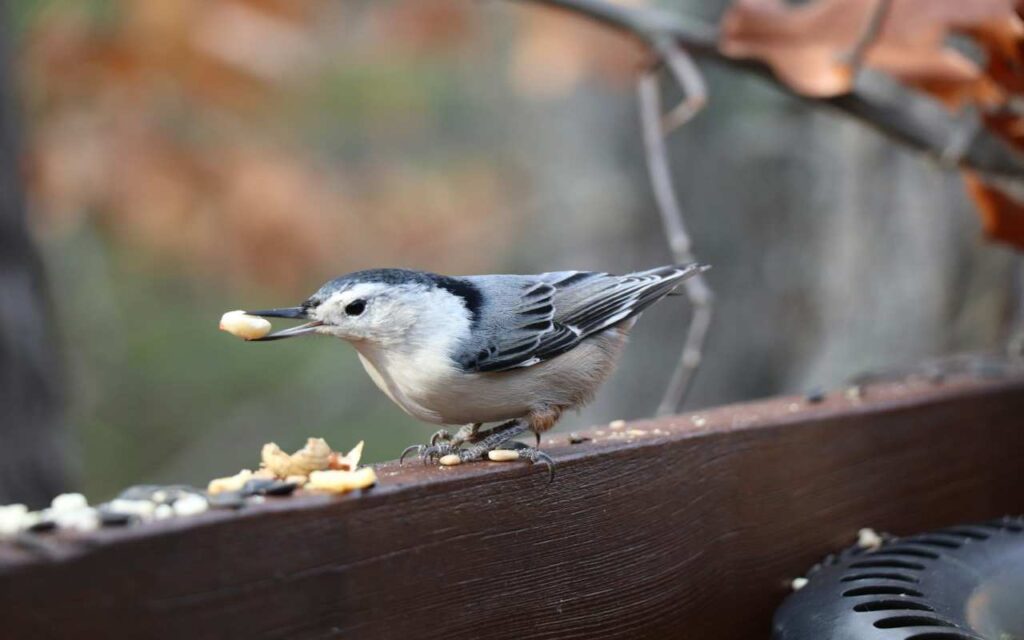
My urban backyard measures exactly 400 square feet, smaller than most living rooms. If you’re wondering how to attract birds to a small garden, the good news is that it doesn’t take acres of forest. I planted three native shrubs, hung a single bird feeder, and added a shallow dish of water, and within two weeks, I counted nine species visiting. Birds care far more about what you offer than how much space you have.
Attracting birds in limited spaces is about providing native plants, reliable water, safe feeders, and shelter. Whether you have a tiny garden, urban backyard, balcony, patio, or small yard, you can create a thriving urban wildlife habitat that draws songbirds and turns your space into a bird-friendly sanctuary. Birds don’t measure property lines, they judge habitat quality based on food, water, shelter, and nesting opportunities, and you can meet all these essentials even in the smallest garden. 🙂
- Small gardens can host many birds with the right setup, not just big yards.
- Provide native plants for food, insects, and shelter to attract songbirds.
- Water is essential: shallow baths, drippers, or small ponds work in tight spaces.
- Use compact feeders: tube, suet, and hummingbird feeders save space.
- Vertical layers maximize habitat: containers, shrubs, vines, and small trees.
- Safe nesting: birdhouses, wall-mounted shelves, and dense shrubs protect young.
- Avoid chemicals: pesticides and herbicides harm insects birds feed on.
- Seasonal planning keeps food and shelter available year-round for different species.
- Small spaces suit chickadees, finches, wrens, and even hummingbirds.
- Even a few changes—native shrub, feeder, water—make a big difference.
Why Small Gardens Can Still Attract Plenty of Birds
Show Transcript
0:00
Hey everyone, welcome. Today we’re going to talk about something exciting: how to turn even the smallest patio or backyard into a thriving bird sanctuary.
0:02
Let’s jump right in. You might look at your little patch of green, your balcony, or that tiny patio and think, “No way. It’s too small.”
0:21
But what if that thinking is completely backwards?
0:23
Let this sink in: 400 square feet. Smaller than a lot of living rooms. And it attracted nine different kinds of birds in just two weeks. That should tell us something. We’ve been thinking about this all wrong.
0:38
Birds don’t care about your square footage. They aren’t measuring space. They’re looking for resources. And you can pack a surprising amount of those into a small space if you plan it well.
The Four Pillars
0:57
So, what are birds looking for? It comes down to four things:
Food. Water. Shelter. Safe nesting spots.
1:11
If you can provide those, you can create a bird paradise in any space. We’re going to go step by step so you know exactly how to do it.
Pillar One: Food
1:29
If you only take one tip from this entire guide, let it be this: native plants are your number one tool.
1:47
It’s not just about pretty flowers. Native plants support the native insects your local birds raised their babies on for thousands of years.
1:59
About 96 percent of land birds feed their young insects. No insects means no baby birds. When you plant native, you’re not just feeding birds—you’re rebuilding the food web.
2:16
And you absolutely do not need a big yard. Containers are enough. A serviceberry in a pot? That’s berries for robins. Bee balm or cardinal flower? Perfect nectar for hummingbirds. Coneflower and black-eyed Susans? Leave the seed heads for finches.
Vertical Habitat Strategy
2:39
Once you pick your plants, where does everything go? When you can’t build out, you build up.
2:54
Create vertical layers: containers on the ground, trellises with vines against a wall, and mid-height shrubs in pots. This creates more feeding and hiding spaces without taking up more room.
Feeders and Water
3:18
The vertical idea works for feeders and water too. Use hanging tube feeders. Window feeders that mount right on the glass. Suet cages for woodpeckers and chickadees.
3:29
For water, you don’t need a big birdbath. A shallow dish with pebbles is perfect. Birds need to stand safely.
3:44
Here’s a game changer: moving water. A tiny solar dripper or bubbler turns that dish into a magnet. Birds can’t resist the sound and sight of moving water.
Shelter and Safety
4:05
Now we need to talk shelter. Birds won’t stay if they don’t feel safe.
4:11
Small evergreens in pots give cover from predators and bad weather. Trellises can create privacy. And please use window decals to prevent collisions.
4:22
And a big one: keep cats indoors. A safe garden is a busy garden.
Year-Round Bird Support
4:28
A true sanctuary works all year. Here’s your seasonal plan:
Spring: early blooms and nectar for migrating birds.
Summer: clean water and shade to prevent heat stress.
Fall: resist the urge to tidy everything. Leave seed heads and berries.
Winter: high-fat suet and liquid water can literally save lives.
Your 3-Step Starter Plan
5:17
This may sound like a lot, but you can start with just three simple actions:
5:37 – Instant Bird Paradise Plan
- One native shrub in a pot.
- One simple bird feeder.
- One shallow dish of water.
That’s it. Those three things create the perfect invitation. You may be surprised how fast the birds find it.
Final Message
6:04
Size doesn’t matter. What you offer does. A tiny garden can become a vital sanctuary in your community. Your small space can have a big impact.
6:22
The only question left is: what bird will you see first?
Habitat structure matters infinitely more than size. According to research published in Landscape and Urban Planning, bird species richness and diversity relate more to garden structure, plant diversity, and native plant presence than to overall garden size. Small urban gardens with the right features can host surprising biodiversity.
Birds need four essentials: food (seeds, insects, nectar), water (drinking, bathing), shelter (cover from predators and weather), and nesting sites. Pack these into even tiny spaces through smart design, and you’ve created functional habitat. A 300-square-foot garden with dense native shrubs, multiple feeders, and a birdbath supports more birds than a barren acre of manicured lawn.
Native ecosystem benefits compound in small spaces. Even compact gardens contribute to urban wildlife habitat networks connecting larger parks and greenspaces. Your balcony might be the crucial refueling stop for migrants moving through your city. According to Journal of Urban Ecology research, even very small green spaces (under 2 hectares/5 acres) provide measurable conservation value when designed with native plants and structural diversity.
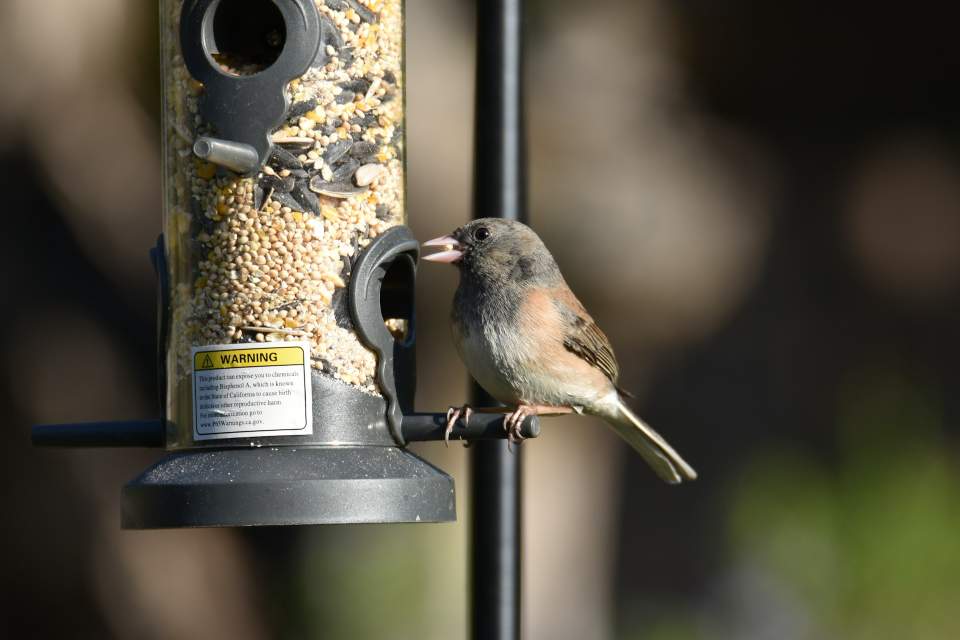
Urban and suburban bird species adapt beautifully to small gardens. Chickadees, house finches, American goldfinches, hummingbirds, downy woodpeckers, and nuthatches thrive in compact spaces offering appropriate resources. Northern cardinals, Carolina wrens, and black-capped chickadees nest successfully in small yards when you provide proper cover. These species don’t need wilderness, they need the basics done right. For comprehensive species information, see common backyard birds.
Focus on Native Plants That Work in Tight Spaces
Native plants for birds deliver more value per square foot than anything else you can add. According to research published in Conservation Biology, native plants support significantly higher insect biodiversity than non-native ornamentals, providing essential food for nestling birds.
Container gardening for birds works brilliantly when you choose the right plants. Shrubs for small gardens that deliver big bird benefits include compact varieties of serviceberry, dwarf dogwood, lowbush blueberry, and winterberry holly (depending on your region). These produce berries birds devour while fitting in containers or tight planting beds.
Nectar plants for hummingbirds adapt perfectly to small spaces. Bee balm, cardinal flower, and native honeysuckle grow in containers or narrow garden beds while providing the nectar hummingbirds need. Even one hummingbird feeder combined with a few nectar plants transforms your space into hummingbird habitat. For complete guidance, visit how to attract hummingbirds.
Seed-producing flowers like coneflower, black-eyed Susan, asters, and goldenrod work in tight quarters while feeding finches and sparrows through fall and winter. Plant them in clusters for visual impact and practical bird-feeding efficiency. Caterpillars that live on these native plants become food for parent birds feeding nestlings, while pollinators and beneficial insects support entire food webs.
Vertical layering maximizes limited space. Ground-level containers with coneflowers, mid-height shrubs like viburnum, climbing vines on trellises, and small columnar trees create structural complexity in minimal footprint. Wall planters and hanging baskets add vertical growing space without consuming ground area. Plan seasonal bloom and fruit timing so something is always producing food, spring flowers for early migrants, summer berries for nesting season, fall seeds for migrating birds, winter berries for residents. For plant recommendations, check out native plants for birds.
Add Compact Bird Feeders That Don’t Overwhelm the Space
Tube feeders work perfectly in small spaces. Mount them on walls, hang from brackets, or attach to railings. They accommodate finches and chickadees without requiring floor space. Window bird feeders that attach via suction cups literally use zero yard space while bringing birds within inches of your face for incredible viewing.
Suet feeders attract woodpeckers and nuthatches in compact form. Cage-style suet holders mount anywhere and provide high-energy food crucial for birds. Hummingbird feeders need just a small hook and offer 4:1 sugar-water ratio feeding for these tiny dynamos.
Squirrel-proof designs prevent larger animals from monopolizing feeders in small spaces where squirrels have easy access. Weight-activated feeders close under squirrel weight but stay open for birds. Pole-mounted feeders with baffles work when you have a tiny patch of ground.
Black oil sunflower seed attracts the widest variety of species. Nyjer seed targets finches specifically. Suet provides concentrated fat and protein. Sugar water (4:1 ratio, four parts water to one part white sugar) fuels hummingbirds without taking up physical space beyond a small feeder. For feeder selection, see how to choose the right bird feeder.
Create a Small-Space Water Station
Shallow bird baths (1-2 inches deep maximum) provide drinking and bathing opportunities in minimal space. Hanging bird baths suspended from brackets or shepherd’s hooks use vertical space. Simple ground dishes or saucer bowls work on balconies or patios.
Dripping water, solar fountains, or mini bubblers create movement that attracts birds from greater distances. Even simple battery-operated drippers transform static baths into bird magnets. The sound and visual movement signal “water here!” to flying birds.
Bird hygiene and feather maintenance through bathing is essential for preening and insulation. Clean water matters as much as clean feeders. Scrub baths twice weekly during heavy use, more in hot weather. Dirty water spreads disease just like dirty feeders.
Winter water becomes critical when natural sources freeze. Heated bird bath options include fully heated baths or add-on heaters for existing baths. This becomes the most popular feature in your yard when everything else is frozen solid. IMO, a heated winter bath is the single best investment for year-round bird activity. For complete water strategies, visit how to attract birds to bird baths.
Build Vertical Cover and Safe Nesting Spots
Privacy trellises and vertical gardens create instant cover using minimal ground space. Climbing vines like native honeysuckle, clematis, or trumpet vine provide shelter while growing up instead of out. Evergreen cover from compact conifers or broadleaf evergreens offers year-round protection. Dense shrubs planted in corners or against walls maximize cover while minimizing space consumption.
Nesting shelves mounted on walls work for robins and mourning doves that prefer platform nests. Nest boxes or birdhouses for cavity-nesting birds like chickadees, wrens, and some bluebirds (though bluebirds usually need more open space) mount on posts, walls, or trees without taking ground area.
Placement checklist for small spaces:
- Out of prevailing wind (usually corners or east-facing walls work best)
- Away from outdoor cat access (height and baffles prevent climbing)
- Partial shade during hottest part of day (prevents nestling overheating)
- Within 10-15 feet of cover for quick escape routes
- Facing away from afternoon sun and driving rain
Keep Predators and Risks Low in a Small Garden
Outdoor cats represent the biggest threat to urban birds. Keep cats indoors during nesting season minimum, permanently preferably. Small spaces concentrate danger, an outdoor cat in a tiny yard creates inescapable hazard zones.
Reflective glass and window strike prevention matter enormously in small gardens where buildings surround bird habitat. Apply decals, screens, or external netting to windows near feeders and cover. Window strikes kill billions of birds annually, small garden birds especially since they’re often close to structures.
Invasive birds like house sparrows and European starlings dominate small spaces aggressively. Use feeder designs and nest box hole sizes that exclude them (1 1/8-inch holes keep out starlings). Remove their nests from structures to reduce competition with native birds.
Squirrel baffles and seed guards prevent waste and monopolization. Pesticides destroy insects that birds need for feeding nestlings. Skip chemicals entirely, your small garden’s insect population is critically important. Every caterpillar, beetle, and spider represents potential bird food.
Seasonal Tips for Tiny Gardens
Spring brings migrants needing refueling stops. Early nectar plants like Virginia bluebells provide critical early energy. Migration stopover habitat in even tiny gardens helps birds reach breeding grounds. Offer nesting materials naturally, dry grass, small twigs, moss. Never put out dryer lint (it breaks down in rain and kills nestlings) or synthetic materials.
Summer demands shade and fresh water. Keep feeders clean to prevent disease in hot weather. Fledgling safety means maintaining cover where young birds learning to fly can hide from predators. Expect clumsy juveniles begging for food from parents at your feeders.
Fall is about leaving seed heads standing rather than deadheading. Berries ripening on your serviceberry, dogwood, or viburnum fuel migrants heading south. This is when compact native shrubs prove their worth.
Winter means maintaining evergreen shelter, offering suet for high-fat energy needs, and providing heated water when everything freezes. Small gardens with these features become critical survival resources. For winter strategies, see how to attract birds during winter.
Best Birds to Expect in Small North American Gardens
House finches adapt brilliantly to small urban spaces. American goldfinches visit feeders and seed-producing plants. Black-capped chickadees (or Carolina chickadees in the South) use nest boxes and feeders enthusiastically. Carolina wrens nest in surprisingly small spaces. Downy woodpeckers visit suet feeders regularly.
Dark-eyed juncos winter in small gardens with ground-feeding opportunities. Hummingbirds (ruby-throated in the East, rufous in the West, Anna’s hummingbird on the Pacific Coast) use tiny spaces if you provide nectar. Northern cardinals (in the eastern two-thirds of North America) nest in dense shrubs even in compact gardens.
These species represent realistic expectations for small North American gardens. Your exact species list depends on region, habitat, and seasonal timing, but these birds commonly thrive in limited spaces offering proper resources.
Simple Layout Ideas for a Small Bird-Friendly Garden
Balcony bird garden layout uses containers clustered for visual and functional impact. Place largest containers with shrubs in corners for maximum cover. Hang feeders from railings or brackets. Add small water dish on floor or suspended from railing.
Small yard bird habitat plan layers vertically: ground layer (containers with coneflowers, black-eyed Susans), mid-shrub layer (compact serviceberry, viburnum in ground or large containers), vertical vine layer (honeysuckle or clematis on trellis), tree alternative (columnar or dwarf trees if space allows).
Container clusters create visual interest and functional habitat. Group three to five containers of varying heights together rather than spacing them evenly. This mimics natural habitat structure better than formal spacing.
Troubleshooting Common Problems
Squirrels emptying feeders plague small gardens where escape routes are limited. Use weight-activated feeders, pole baffles, or accept some squirrel feeding as entertainment. Pigeons or starlings dominating area respond to feeder design changes, use feeders with weight-activated perches or small entry points.
Ants in hummingbird feeders solve with ant moats (small water-filled cups that interrupt ant paths to feeders). Algae in bird baths indicates insufficient cleaning. Scrub more frequently and position baths to avoid full sun exposure. Messy seed shells under feeders use hulled sunflower seed that leaves no shells, perfect for balconies and patios where mess matters.
Conclusion
Attracting birds to small space gardens proves that backyard habitat quality beats quantity every time. Bird-friendly gardening succeeds in tiny yards, patios, and balconies when you focus on native plants, reliable water, appropriate feeders, and vertical structure. Nature connection through small-space birdwatching delivers rewards far exceeding the square footage involved.
Start with three changes this week: plant one native shrub or container garden, hang one feeder, add one water source. Each improvement compounds, creating increasingly attractive habitat that supports more species raising more young. Your tiny garden becomes part of an urban wildlife habitat network connecting larger green spaces, and every small space matters.
The birds are out there looking for exactly what you can provide. Size doesn’t matter. What you offer does. Create that habitat and watch what happens. 🙂