
Reader Transparency: This birding guide contains paid affiliate links. If you click a link and make a purchase, I may receive a small commission at no extra cost to you. As an Amazon Associate, I earn from qualifying purchases. Your support helps keep Feathered Guru flying!
You walk outside on a Monday morning, coffee in hand, feeling like you’re finally ahead of the day. Then you see it, your car is plastered with bird poop, the kind that looks like a flock held a paint-splattering contest right above your driveway. If you’ve been wondering how to keep birds off your car, you’re not alone. That sinking feeling hits fast, and suddenly you’re debating whether to clean it, yell at the sky, or just go back inside and pretend the day hasn’t started yet.
Sound familiar? Plenty of us have been dealing with these feathery bathroom bandits for years. I’ve tried just about everything to stop them, from clever hacks to products that should honestly come with a “don’t bother” label. Some things actually help, and others are pure marketing fluff, so let me break down what genuinely works and what you can skip 😅.
- Birds target cars for perching, warmth, and shiny reflections.
- Major culprits: crows, pigeons, seagulls, sparrows, and finches.
- Use car covers for the most reliable protection.
- Park strategically: avoid trees, power lines, and water sources.
- DIY barriers: pool noodles, reflective tape, hanging CDs, inflatable decoys.
- Motion-activated sprinklers and ultrasonic devices can deter birds.
- Scent, taste, and chemical repellents work if used safely.
- Clean droppings promptly and wax your car for long-term protection.
- Seasonal bird behavior (migration, nesting) affects risk.
- Combine methods consistently for best results; full elimination is unrealistic.
Watch: How to Keep Birds Off Your Car
Want to see these tips in action? In this short video, I show you the most effective ways to stop birds from landing, perching, and leaving messes on your car. From DIY deterrents to strategic parking hacks, you’ll see what actually works so your car stays clean and your mornings stress-free.
Show Transcript
0:00
You know the feeling. We’ve all been there. You walk out to your car, it’s perfectly clean, and then you see it. It’s been targeted.
0:05
And this isn’t just about looks. Bird droppings can actually damage your paint if you leave them. So in this breakdown, we’re going over the strategies you need to fight back.
0:18
Does it ever feel like your car has a giant flashing vacancy sign only birds can see? You’re not imagining it. So let’s dig into why your car has become bird central and, more importantly, what you can do to kick them out for good.
Why Birds Choose Your Car
0:34
To solve this, we need to look at things from a bird’s point of view. They’re not personally targeting you. Their instincts are driving everything.
0:50
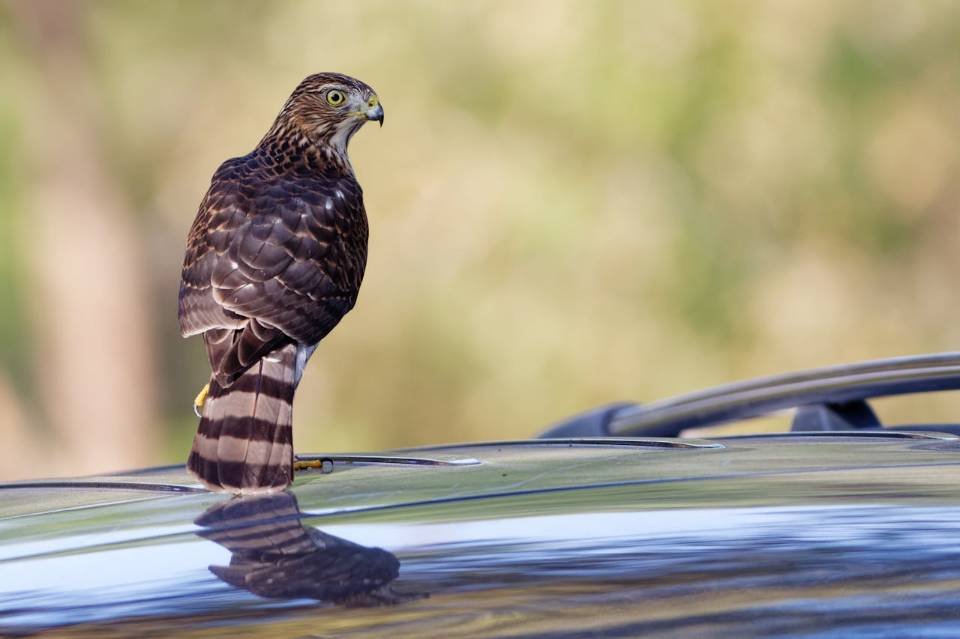
The surface of your car reflects light, and to birds, it can mimic water. The warm hood after a drive? That’s a perfect rest spot. Mirrors and antennas give them a high perch to scout for food or predators.
1:09
And don’t forget the bugs that like the warmth of your car. To a bird, that’s a buffet. So your car ends up feeling like a little resort.
1:21
Different birds cause different problems. Crows like shiny objects. Pigeons treat roofs like lounges. Seagulls… well, we all know their reputation. Sparrows show up in flocks and bring instant chaos.
1:39
Knowing who you’re dealing with actually helps you choose the right deterrent.
First Line of Defense
1:44
Now let’s move to solutions. The first goal is simple: make your car a terrible landing spot.
1:56
A full car cover is the strongest barrier, but you don’t always need to go that far. Even parking away from trees and power lines removes their favorite perches.
2:09
Here’s a clever DIY trick. Lay a pool noodle across the roof. It creates a shaky landing surface that birds won’t trust.
2:16
Birds dislike sudden movement and flashes of light. Old CDs, reflective tape, anything that creates unpredictable glints can keep them away.
2:30
Fake owls can work, but only if you move them around. If they stay in one spot, birds eventually realize it’s just decor.
Smell-Based Deterrents
2:39
We’ve covered sight and touch. Now let’s look at smell.
2:49
You can make your car unpleasant without any visuals at all. Commercial gels create a tacky surface birds want nothing to do with.
2:59
They also dislike strong scents like peppermint or citrus. But whatever you use, follow the product directions so you don’t damage the clear coat.
Using Sound
3:11
Sound can be useful too. Ultrasonic devices and predator calls often work well at first.
3:24
But birds adapt quickly. If the same hawk cry plays from the same spot every day, they figure it out.
3:32
The trick is to rotate sounds and locations so they stay unpredictable.
Choosing the Right Strategy
3:37
With all these options, how do you decide?
3:42
Simple DIY tactics like hanging CDs are cheap and easy but give moderate results. A full car cover is extremely effective but takes more effort.
3:57
There’s no one perfect choice. It’s all about finding a mix that fits your routine and budget.
Long-Term Maintenance
4:03
Now let’s talk about the habits that make every other tactic work better.
4:14
When birds do hit their target, clean it right away. Bird droppings contain uric acid, which is highly corrosive. If it bakes in the sun, it can damage your clear coat in just a few hours.
4:33
Never wipe a dry dropping. It’s gritty and acts like sandpaper. Soften it first with a quick detailer or a wet cloth, let it sit, then lift it away gently.
4:50
A layer of wax or a ceramic coating creates a barrier that keeps stains from bonding.
Seasonal Changes
4:57
Bird activity changes with the seasons. Spring nesting and fall migration bring the biggest spikes.
5:08
Knowing this lets you strengthen your defenses when birds are most active.
5:13
You can also make the whole area around your car less attractive. Trim overhanging branches. Move bird feeders away from the driveway.
5:26
This tackles the problem at the source, not just the symptoms.
Final Takeaway
5:30
Here’s the real bottom line. Perfect, bird-free parking doesn’t exist.
5:40
Your goal is to make your car a less appealing option than everything around it. Use a mix of tactics and stay consistent.
5:51
Now you’ve got a full set of tools, from physical barriers to sensory tricks. Mix and match until you find what works for your setup.
6:00
And hopefully, that means fewer droppings and a lot less stress.
Understanding Why Birds Love Your Car
Your Car as a Bird Magnet
Ever wonder why birds seem to target your car specifically? It’s not personal, even though it feels that way when you’re scrubbing dried droppings off your windshield for the third time this week.
Birds see your car as the perfect combination of perch and bathroom. Shiny surfaces reflect light and attract insects, which birds love to hunt. Plus, your warm hood provides an ideal roosting spot during cooler weather.
Common Bird Culprits
Different birds create different problems:
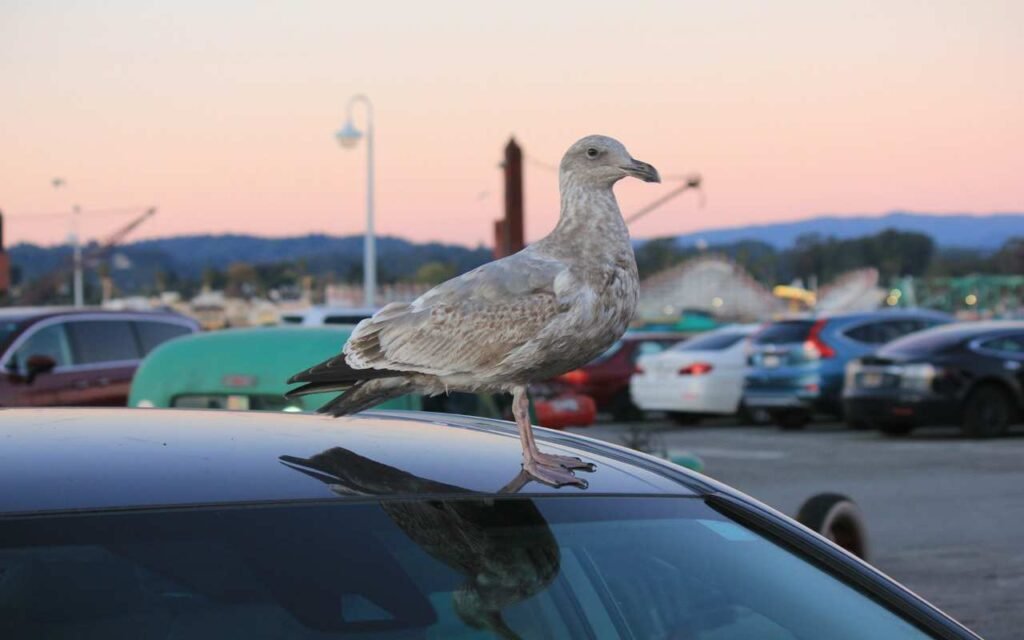
- Crows and ravens love shiny objects and will investigate (and poop on) anything reflective
- Pigeons treat your car like a five-star hotel with room service
- Seagulls are basically flying garbage disposals with zero respect for property
- Sparrows and finches travel in flocks, meaning if one finds your car appealing, you’ll host a convention
Physical Deterrents That Actually Work
Car Covers: The Nuclear Option
Car covers remain the most effective solution, period. I know, I know – they’re inconvenient and make you look like you’re hiding a crime scene. If you’re dealing with serious bird problems, nothing beats physical barriers. Invest in a quality outdoor car cover (ad) that fits your vehicle properly. Yes, it’s annoying to put on and take off daily, but your paint job will thank you.
The trick is choosing the right cover. Cheap covers tear easily and provide poor protection. Invest in a quality outdoor car cover that fits your vehicle properly. Yes, it’s annoying to put on and take off daily, but your paint job will thank you.
Strategic Parking Solutions
Location matters more than you might think. Avoid parking under trees, power lines, and near water sources where birds congregate. I learned this lesson the hard way after parking under what I thought was a “nice shady tree” that turned out to be bird central station.
Look for covered parking whenever possible:
- Garages (obviously the gold standard)
- Carports offer partial protection
- Parking structures reduce exposure significantly
- Open areas away from bird habitats
DIY Physical Barriers
Get creative with temporary solutions. Pool noodles placed on your car prevent birds from landing comfortably. It looks ridiculous, but it works. I’ve also seen people use inflatable pool toys as scarecrows, though your neighbors might question your sanity 🙂
Visual Deterrents and Scare Tactics
Reflective Tape and CDs
Reflective tape creates moving light patterns that many birds find disturbing. According to the Audubon Society, reflective deterrents are among simple solutions that can help prevent bird collisions.
Apply strips to your mirrors, antenna, and other areas where birds typically perch. I recommend reflective bird scare tape (ad) attached so it flutters in the breeze for maximum impact. Old CDs work similarly, though they’re less convenient for daily drivers.
The key is movement. Static reflective surfaces lose their effectiveness quickly as birds adapt.
Fake Predators and Decoys
Plastic owls and rubber snakes can work, but birds aren’t as stupid as we’d like them to be. They quickly realize your $5 plastic owl hasn’t moved in three weeks and poses zero threat.
If you go this route, move your decoys regularly and choose realistic-looking options. Better yet, combine them with other deterrent methods for layered protection.
Motion-Activated Devices
Sprinkler systems triggered by motion effectively startle birds without harming them. These work particularly well in driveways where you can set up permanent installations. Just remember to warn your family about the surprise shower feature!
Chemical and Scent-Based Solutions
Commercial Bird Repellent Sprays
Anti-perch sprays create slippery surfaces that make landing uncomfortable for birds. Apply these to common perching spots like mirrors, door handles, and roof edges. Most products last several weeks but need reapplication after rain.
Methyl anthranilate-based repellents work well because they irritate birds’ respiratory systems without causing permanent harm. According to the U.S. Environmental Protection Agency (EPA) PDF, methyl anthranilate is approved as a safe, non-toxic bird repellent for use in public areas.
Always choose products specifically designed for vehicles to avoid damaging your paint or finish.
DIY Scent Deterrents
According to Avian Control, essential oils like peppermint, eucalyptus, and citrus naturally repel many bird species. Essential oils like peppermint, eucalyptus, and citrus naturally repel many bird species. Mix a few drops with water in a spray bottle and apply to problem areas. This method requires frequent reapplication but smells infinitely better than commercial chemicals.
Avoid using strong acids or harsh chemicals that might damage your car’s finish. I once watched a neighbor permanently etch his paint trying to remove bird droppings with undiluted vinegar. Learn from his expensive mistake.
Taste-Based Deterrents
Bird gel products make surfaces uncomfortable for landing and perching. These sticky substances don’t harm birds but make your car an unpleasant place to hang out. Apply sparingly to avoid creating a mess that attracts dirt and debris.
Sound-Based Deterrent Systems
Ultrasonic Devices
According to this study, Ultrasonic bird deterrents emit high-frequency sounds that supposedly annoy birds while remaining inaudible to humans. Results vary significantly, and many birds adapt to consistent sounds over time.
If you try ultrasonic devices, choose models with varying frequencies rather than single-tone units. Position them strategically around your parking area for maximum coverage.
Audio Recordings
Predator calls and distress signals can effectively scare birds initially, but constant repetition reduces their effectiveness. Some smart systems vary the timing and type of sounds to prevent habituation.
Be considerate of neighbors when using audio deterrents. What’s barely noticeable to you might drive your neighbor crazy, especially early in the morning.
Maintenance and Cleaning Strategies
Quick Response Protocol
Clean bird droppings immediately to prevent permanent staining and paint damage. Bird waste contains uric acid that etches paint if left untreated, according to auto detailing experts at Chemical Guys, bird droppings contain corrosive uric acid that can damage your car’s paint in just a few hours. Keep cleaning supplies in your car for emergency situations.
Use the right cleaning technique:
- Wet the droppings first to soften them
- Gently lift, don’t scrub to avoid scratching
- Use proper car wash products rather than household cleaners
- Work in shade to prevent cleaning products from drying too quickly
Protective Waxing
Regular waxing creates a protective barrier that makes cleanup easier and prevents waste from bonding to your paint. Quality car wax also makes your vehicle less appealing to some birds by reducing the mirror-like reflections they’re attracted to.
Apply wax every 3-4 months or use spray waxes for touch-ups between full applications. Ceramic coatings provide longer-lasting protection but require professional application and higher upfront costs.
Seasonal Considerations and Bird Behavior
Migration Patterns Matter
Spring and fall bring increased bird activity as species migrate through your area. According to the Cornell Lab of Ornithology, nearly 4 billion birds migrate across North America each fall, which means your car is far more likely to become a target during these peak travel periods.
Expect heavier bird traffic during these periods and adjust your protection strategies accordingly.
Different seasons create different challenges:
- Spring: Nesting behavior increases territorial disputes
- Summer: Heat drives birds to seek shade (under your car)
- Fall: Migration creates temporary population spikes
- Winter: Fewer birds but those present are hungrier and more persistent
Weather-Related Factors
Rain and wind affect deterrent effectiveness. Reflective tape performs poorly in wet conditions, while scent-based repellents wash away quickly. Plan backup strategies for adverse weather periods.
FYI, birds also behave differently in various weather conditions. They’re more likely to seek shelter during storms, making covered parking areas prime targets for extended stays.
Cost-Effective Solutions That Don’t Break the Bank
Budget-Friendly Options
You don’t need to spend hundreds of dollars fighting birds. Simple aluminum pie pans hung from string create movement and reflection for under $5. Mylar balloons work similarly and cost even less.
Strategic parking changes cost nothing but require planning and flexibility. Sometimes walking an extra 50 yards saves hours of cleaning time.
DIY vs. Commercial Products
I’ve tested dozens of products over the years, and honestly, many commercial solutions don’t outperform well-executed DIY approaches. The key is consistency and adaptation rather than expensive gadgets.
Combine multiple low-cost methods rather than relying on single expensive solutions. Layer your defenses for maximum effectiveness.
When to Call Professionals
Persistent Problem Areas
Chronic bird infestations might require professional wildlife management services. According to Abra Kadabra Environmental, licensed wildlife control experts should use non-lethal methods and comply with bird protection laws. If you’re dealing with protected species or large flocks that don’t respond to standard deterrents, experts can provide specialized solutions.
Look for licensed wildlife control professionals who use humane methods and understand local regulations. Avoid anyone suggesting harmful or illegal bird control methods.
Property-Wide Solutions
Homeowners associations and property managers can implement comprehensive bird management programs that benefit entire communities. Coordinated efforts often work better than individual attempts.
Long-Term Prevention Strategies
Habitat Modification
Remove bird attractants from your property where possible. This includes birdbaths, feeders, and fruit trees near parking areas. I know it seems counterintuitive if you enjoy birdwatching, but location matters.
Trim trees and bushes that provide convenient perching spots above your parking area. Create a buffer zone between bird-friendly landscaping and your vehicle storage.
Community Approaches
Work with neighbors to coordinate bird deterrent efforts. Birds don’t respect property lines, and comprehensive area-wide strategies work better than isolated individual efforts.
Share successful techniques and split costs on larger deterrent systems that benefit multiple households.
The Reality Check
Let’s be honest here – you’ll never achieve 100% bird-free parking unless you move to Antarctica. The goal is significant reduction, not complete elimination. Some days you’ll still find the occasional “gift” on your windshield, and that’s just life.
Consistency beats perfection in bird deterrence. Regular maintenance of your chosen deterrent methods works better than sporadic intense efforts. I’ve learned that 15 minutes of weekly prevention beats hours of weekend cleanup every single time.
The most effective approach combines multiple deterrent methods rather than relying on any single solution. Birds adapt quickly, so rotating and varying your strategies keeps them guessing.
Remember, persistence pays off. It might take several weeks to see significant results as local bird populations learn to avoid your vehicle. Stick with proven methods, adapt based on what you observe, and don’t get discouraged by the occasional setback.
Your car (and your Monday morning mood) will thank you for the effort :/