
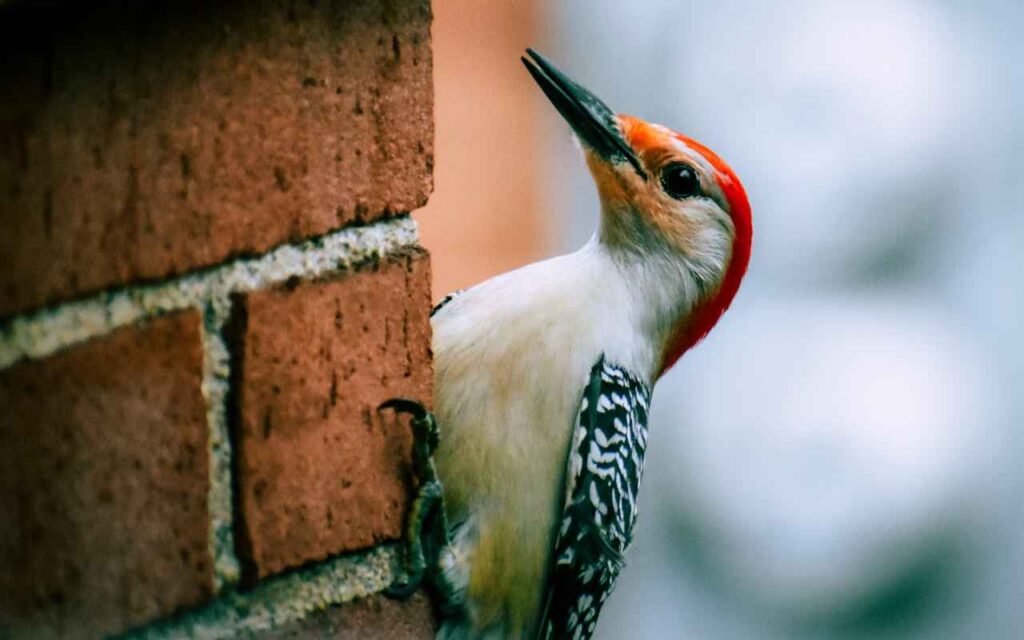
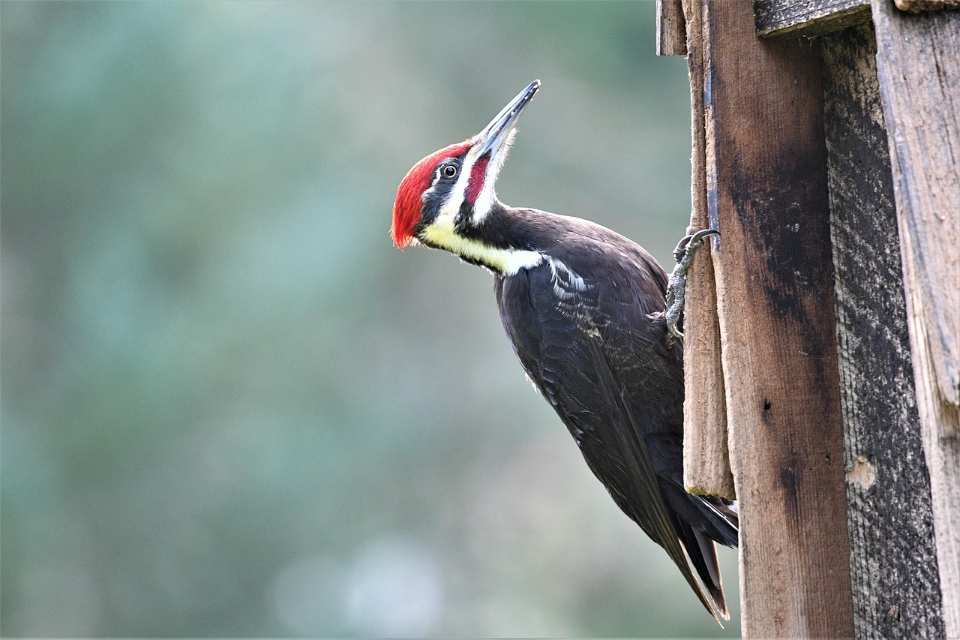
It’s 6 AM on a Saturday. You’re asleep, dreaming peacefully, when suddenly, tap-tap-tap-TAP! Your house reverberates as a woodpecker treats your cedar siding like a drum kit. Outside in your pajamas, you spot a pileated woodpecker, crow-sized, hammering away at the corner of your house like it’s auditioning for a heavy metal band. After three springs of this nightmare, $2,000 in siding repairs, insect problems, and water damage, I finally learned how to prevent woodpecker damage to your house.
Here’s the key: stopping woodpecker damage isn’t about one quick fix. It’s about understanding why they peck, what attracts them, and layering deterrents before things get costly. This guide walks through both emergency tactics and long-term strategies that actually work. You don’t want to learn these lessons the hard way 😅.
- Identify what attracts woodpeckers: insects, soft wood, hollow spots, or nearby trees.
- Inspect siding and trim for rot or insect damage; repair immediately.
- Use barriers: bird netting, metal flashing, or hardware cloth on exposed areas.
- Install visual deterrents: reflective tape, mylar pinwheels, or moving predator decoys.
- Provide alternative drumming spots or suet feeders away from the house.
- Trim branches and remove dead wood within 20 feet of your home.
- Fix moisture issues and maintain paint or caulking to prevent insects.
- Use motion-activated sprinklers or wind chimes as short-term deterrents.
- Repair damage quickly using wood filler, epoxy, or replace siding boards.
- Follow the law—woodpeckers are protected; only use non-lethal methods.
Why Woodpeckers Damage Houses (And No, They’re Not Just Being Jerks)
Show Transcript
0:00
So, if you’ve got a house, especially one with wood siding, there’s this one particular sound that can completely wreck a peaceful morning. And hey, if you’re watching this, you probably know exactly what I’m talking about. Today, we’re going to figure out how to stop woodpeckers from turning your home into their next big project.
0:18
Yep, that’s the one. It’s 6:00 in the morning, the sun’s barely up, and it sounds like somebody’s trying to install a new window with a jackhammer. It’s loud. It’s relentless. And it can be destructive. But here’s the thing. It’s not random. Not at all.
0:31
And that’s the million-dollar question, right? It can feel like a personal attack, but I promise you, it’s not. These birds aren’t just trying to drive you crazy. They’re actually doing one of three things: communicating, looking for a meal, or building a home. Your house is just sending out all the right signals.
0:52
So the key to stopping all this is to figure out what message your house is broadcasting. Let’s get into it. The very first step? You’ve got to put on your detective hat, because the kind of holes, their size, the pattern — they’re all clues. They’re telling you exactly what the woodpecker wants.
1:07
Once you understand the damage, you can understand their motivation. This right here breaks it down perfectly. Take a look at the damage on your house.
1:16
Are you seeing a bunch of small, shallow holes all clustered together? That’s drumming. Think of it as the woodpecker’s social media status update: “This is my turf.”
1:27
Now, if the holes are deeper, maybe in neat little lines — uh-oh. They’re feeding. That means they found bugs inside your wood.
1:34
But if you see a big round hole, maybe the size of your fist, that’s them trying to move in. That’s a nesting hole, and that’s when you know things are getting serious.
1:44
So what makes your place the hottest spot in town for a woodpecker? If you’ve got soft woods like cedar or pine, that’s like a five-star restaurant for insects and super easy to drill into.
1:53
But here’s a detail you might not know: the hollow space behind your siding acts like a giant speaker. It amplifies their drumming. A louder drum means their territorial message travels farther. So it’s not just about the wood — it’s the sound your house makes.
2:06
And of course, having dead trees or big branches near the house is basically rolling out the welcome mat.
2:11
All right, you figured out the why. So now what? How do you make it stop — like right now?
2:16
This is all about the quick and dirty fixes. The first aid you can apply immediately to stop the damage while you figure out your long-term plan. Here are three things you can do this afternoon.
2:26
First: startle them. Woodpeckers get spooked by weird flashes of light and sudden movement. Something as simple as reflective tape or a kid’s pinwheel that spins in the wind can work.
2:37
Second: block their favorite spot. Just cover it. Use burlap netting. Even aluminum foil taped over the area can work.
2:46
And third — this one is absolutely critical — get a pest inspection scheduled.
2:51
And that’s the heart of the matter. If they’re pecking because they found food, no amount of shiny tape will solve the problem for good. You have to take away their reason for being there.
2:59
So you don’t really have a woodpecker problem. You have an insect problem first, and the woodpecker is just the symptom.
3:10
Okay, so those quick fixes are great for getting some peace and quiet. But you don’t want to be hanging up new pinwheels every spring, right? Let’s talk long-term — how to make your house permanently uninteresting to woodpeckers.
3:23
Start with the obvious. Fix or replace any soft or rotted wood. If you’re planning on residing your house, consider materials they can’t peck, like vinyl or fiber cement.
3:33
You can also get those hollow cavities filled to make the drumming sound way less impressive.
3:37
Simple yard work helps, too. Trimming branches away from the house removes their perch.
3:43
And here’s a smart move: give them something better to do. Leave a dead tree or a big log at the far end of your property. That can become their new drumming spot, and they’ll leave your house alone.
3:54
So let’s pull this together. This isn’t about fighting a war with nature. It’s about a kind of peace treaty. The goal is peaceful coexistence where they get to do their woodpecker thing — just not on your house.
4:07
This is the secret sauce. It’s not one trick. It’s layered. You fix the wood, eliminate the bugs, block their access, and give them a better option. Doing all these together creates a lasting solution. Consistency matters.
4:30
And this is important, so really hear it: woodpeckers are protected under federal law. It is illegal to harm them, their nests, or their eggs. Everything we talk about here is deterrence, not harm. The goal is non-lethal methods only.
4:46
But if you’ve tried everything and they’re still causing major damage, don’t take matters into your own hands. That’s when it’s time to call a licensed wildlife control expert. They know how to handle this safely, effectively, and legally.
5:03
So at the end of the day, it all comes back to this. Preventing woodpecker damage isn’t a battle — it’s a conversation. It’s about changing the message your house is sending.
5:11
From “Welcome, all-you-can-eat insect buffet and concert hall inside” to “Sorry, nothing to see here. Move along.”
5:20
If you can change that message, you can protect your home, your investment, and your Saturday mornings.
Before you can solve a woodpecker problem, you need to understand woodpecker behavior. These birds aren’t randomly attacking your house out of spite. They’re doing what evolution programmed them to do, and unfortunately, modern homes sometimes mimic the things they’re looking for in nature.
Territorial Drumming: The Real Estate Announcement
Drumming is the rapid, rhythmic pecking that sounds like a machine gun going off on your house. Research published in Frontiers in Ecology and Evolution documented that woodpecker drumming is a territorial signal used primarily during breeding season (spring and early summer). Both male and female woodpeckers drum to establish territories, attract mates, and warn off rivals.
Here’s the kicker: woodpeckers deliberately choose resonant surfaces that amplify sound. Your aluminum siding, metal chimney cap, or that hollow spot under your eaves? They’re basically nature’s loudspeakers.
A Nature Communications study analyzed drumming across 92 woodpecker species and found that species‑specific information is reliably encoded in their drum rolls. Playback experiments revealed woodpeckers can recognize their own species by these rhythm differences — showing drumming isn’t just noise, but a key form of acoustic communication.
Territorial drumming peaks in spring but can occur year-round. If you hear rapid, rhythmic pecking that lasts 1-2 seconds and repeats frequently, that’s drumming, and it creates those characteristic clusters of small holes that don’t actually go very deep. This woodpecker problem affects thousands of homeowners annually, especially those with resonant building materials.
Why Woodpeckers Peck on Cedar Siding Specifically
Cedar and other soft woods create the perfect storm for woodpecker attraction. Cedar siding is soft enough to excavate easily, commonly harbors moisture (which attracts insects), and produces satisfying resonance when drummed. The natural oils in cedar that make it weather-resistant also tend to attract wood-boring insects, exactly what woodpeckers hunt.
If you’re wondering why woodpeckers peck on cedar siding more than other materials, it’s simple physics and biology: cedar provides both food sources (insects) and suitable nesting substrate with minimal effort. It’s the woodpecker equivalent of finding a fully-stocked, rent-free apartment.
Insect Hunting: Following the Food
Woodpeckers are primarily insectivores. When they peck slowly and methodically, creating deeper individual holes often in lines or patterns, they’re foraging. They’re going after carpenter ants, termites, wood-boring beetles, and other insects living inside your walls or siding.
If woodpeckers are persistently targeting specific areas of your house, you almost certainly have an insect problem. The woodpeckers didn’t create the problem, they discovered it. According to All About Birds from Cornell Lab guidance, homeowners should inspect areas with woodpecker activity for insect damage, as the birds often alert you to infestations you didn’t know existed.
Nesting Cavities: Real Estate Development
In spring, some woodpecker species excavate nesting cavities in dead or dying trees. Sometimes they mistake your wood siding, especially if it’s soft cedar or contains rotted sections, for a suitable nesting site. These holes are large (2-4 inches in diameter), deep, and usually appear singly rather than in clusters.
Pileated woodpeckers, the largest North American species, create particularly impressive (and expensive) cavity holes. I watched one excavate a hole in my neighbor’s fascia board that was large enough to fit my fist inside. Three days. That’s how long it took for thousands of dollars in damage.
How to Identify Woodpecker Damage on Your Siding
Not all holes in your siding come from woodpeckers, and understanding the difference helps you respond appropriately.
Feeding holes appear as small to medium-sized holes, often in neat horizontal or vertical lines. They’re typically 1/4 to 1/2 inch in diameter and may be fairly deep. You’ll often see wood chips or sawdust below these holes. The pattern comes from woodpeckers following insect tunnels through the wood.
Drumming holes are shallow dents or small holes clustered together in one area, usually on resonant surfaces. They’re more about noise than excavation, so they rarely penetrate deeply. You might see dozens of these small marks concentrated on metal flashing, chimney caps, or hollow siding sections.
Nesting cavity holes are unmistakable, large, round holes usually 2-4 inches in diameter with smooth edges, excavated horizontally into the structure. If you see one of these, the woodpecker is serious about moving in.
Fresh damage shows bright, clean wood that hasn’t weathered yet. You’ll see active wood chips below the holes, and you might catch the culprit in action. Old damage shows weathered, darkened wood and no fresh debris.
Materials most affected include cedar siding (soft and attractive to woodpeckers), redwood, pine, stucco over wood framing (where insects may be hidden), and wooden fascia boards. According to research on woodpecker foraging, softer woods are preferentially targeted because they’re easier to excavate and more likely to harbor insects.
Different woodpecker species show preferences for specific wood types based on bill strength and foraging strategy. This pattern supports the idea that soft or decaying wood increases both nest‑site suitability and foraging opportunities.
What Attracts Woodpeckers to Your Home
Your house isn’t inherently interesting to woodpeckers. Something is drawing them in, and identifying that attraction is key to prevention.
Insects Living in Your Siding
This is the number one attractant. Carpenter ants love moisture-damaged wood. Termites tunnel through structural lumber. Wood-boring beetles create galleries inside siding. If you have any of these, woodpeckers will find them.
I discovered this the hard way when downy woodpeckers kept returning to the same corner of my house despite every deterrent I tried. Finally had a pest inspection, massive carpenter ant colony behind the siding. Once I eliminated the ants, the woodpeckers lost interest within a week.
Soft or Rotted Wood
Woodpeckers prefer soft materials for excavation. Rotten trim boards, water-damaged siding, or old cedar shakes are woodpecker magnets. They require less effort to peck through and often harbor more insects due to the moisture and decay.
Walk your house perimeter and press on trim boards and siding. If anything feels spongy or shows signs of rot, that’s a priority repair area. Wood that’s starting to rot is like a flashing neon sign to woodpeckers.
Hollow Walls and Echo Points
Woodpeckers seek out resonant surfaces for drumming. Hollow walls behind siding, spaces behind shutters, and metal elements like chimney caps or dryer vents create perfect amplification. The louder the sound, the better the territorial advertisement.
I had a red-bellied woodpecker that discovered my metal dryer vent created a sound that carried for blocks. Every morning at dawn, like clockwork. Switching to a plastic vent cover solved that particular nightmare.
Nearby Dead Trees or Branches
Woodpeckers are cavity nesters that naturally live in and around trees. If you have dead trees, large dead branches, or even woodpiles near your house, you’re essentially inviting woodpeckers into the neighborhood. They’ll explore nearby structures while they’re in the area.
While dead trees (snags) provide valuable wildlife habitat and you might want to attract woodpeckers to your yard intentionally, it’s best to maintain these natural features at least 50-75 feet from your home. This gives woodpeckers habitat they need while keeping them away from your siding.
Immediate Steps to Stop Woodpeckers Right Now
When you’ve got active damage happening and need solutions today, not next week, here are your rapid response options.
Quick Fix Checklist for Active Woodpecker Problems
Immediate actions to take today:
- Hang reflective flash tape or mylar strips near damaged areas
- Cover holes temporarily with burlap, netting, or aluminum foil
- Install motion-activated deterrents if available
- Schedule pest inspection to check for carpenter ants or termites
- Document damage with photos for insurance or contractor estimates
- Move or add visual deterrents (pinwheels, balloons, fake predators)
- Install bird netting 3+ inches from siding as emergency barrier
Visual Deterrents That Work
Reflective flash tape is cheap, easy to install, and surprisingly effective. Hang strips near the damaged area so they twist and flash in the breeze. The combination of movement and light startles woodpeckers. I’ve had success with this as a temporary solution while implementing longer-term fixes.
Reflective bird diverters or mylar pinwheels work on the same principle. Mount them directly over or near the pecking site. They need to move and flash constantly to be effective, static deterrents lose their power quickly as birds habituate.
Predator decoys like plastic owls or hawks can work short-term but lose effectiveness within days once woodpeckers realize they’re fake. Move them frequently and combine with other deterrents. Honestly, IMO, these are overrated, I’ve seen woodpeckers perch right next to my owl decoy like they were mocking me.
Covering the Damage Area
If woodpeckers are actively working on one spot, physically block access. Hang burlap, canvas, or netting over the area temporarily. This prevents continued damage while you implement permanent solutions.
Heavy-duty bird netting (3/4-inch mesh) installed at least 3 inches away from the siding creates an impenetrable barrier. Birds can’t get purchase on it and give up. This is probably the single most effective emergency solution for how to stop woodpeckers on your house when damage is active, though it’s not aesthetically pleasing.
Aluminum foil or sheet metal temporarily installed over the damaged spot works too. Woodpeckers generally dislike metallic surfaces and won’t peck through metal.
Sound Deterrents
Wind chimes near the pecking site create random noise that some woodpeckers find disturbing. Results vary wildly, some birds ignore them completely, others avoid the area.
Motion-activated devices that produce loud noises or spray water can be effective but require electricity and consistent maintenance. I tried a motion-activated sprinkler with mixed results. It kept woodpeckers away for about two weeks before they figured out the spray pattern and adjusted their timing. Understanding woodpecker behavior patterns helps you anticipate and counter their adaptive strategies.
Long-Term Solutions to Prevent Woodpecker Damage
Emergency measures stop active damage, but preventing future problems requires more permanent solutions. These woodpecker prevention tips address root causes rather than just symptoms.
How to Protect Your Home from Woodpecker Holes
The best defense against woodpecker holes is making your home unsuitable for pecking in the first place. This means addressing the underlying attractants and creating physical or sensory barriers that discourage woodpeckers from even attempting damage.
Replace or Repair Affected Siding
Once you’ve stopped the immediate damage, repair all holes promptly. Leaving them open invites insects, water intrusion, and encourages woodpeckers to return. Proper woodpecker siding damage repair prevents small problems from becoming structural catastrophes.
Fill small to medium holes with exterior wood filler or epoxy wood repair compound. Sand smooth, prime, and paint to match. For large cavity holes, you may need to replace entire siding boards or sections.
Water intrusion through woodpecker holes can cause extensive hidden damage to insulation and structural framing. Don’t delay repairs. I let holes sit for a few months one winter, and the resulting water damage cost five times what immediate repairs would have.
Switch to Woodpecker-Resistant Materials
If you’re replacing damaged siding anyway, consider materials woodpeckers can’t penetrate. Vinyl siding is impervious to pecking (though they might drum on it if it’s hollow behind). Fiber cement siding (like Hardie board) is too hard for woodpeckers to excavate. Metal siding won’t work for cavity excavation, though woodpeckers might drum on it.
Stucco over wood framing is tricky, woodpeckers can hear insects behind it and will peck through to reach them. If you use stucco, ensure there’s proper moisture barrier and no insect problems.
Eliminate Insect Infestations
Cannot stress this enough: treat any insect problems immediately. Hire a pest control professional to inspect areas with woodpecker damage. They’ll find and treat carpenter ants, termites, and other wood-boring insects.
For carpenter ants, treatment usually involves finding and destroying the colony, then treating surrounding areas to prevent recolonization. For termites, you’re looking at professional treatment and potentially significant structural repairs.
Once insects are gone, woodpeckers lose interest fast. Like within days fast. They’re efficient hunters who don’t waste time on empty territory.
Trim Trees and Remove Dead Wood
Cut back tree branches within 20 feet of your house. This reduces woodpecker presence in your immediate area and eliminates potential jumping-off points for exploring your siding.
Remove dead trees, large dead limbs, and wood piles from near your house. These attract woodpeckers naturally, and once they’re in the area, they explore everything available, including your home.
Best Woodpecker Deterrents That Actually Work
After three years of trial and error, here’s what I’ve found genuinely effective versus what’s marketing hype. These proven woodpecker deterrents for homes combine multiple approaches for maximum effectiveness.
How to Stop Woodpeckers Pecking on House Siding
The key to stopping woodpeckers from pecking your siding is understanding that no single solution works universally. You need to layer deterrents based on whether you’re dealing with drumming behavior, insect foraging, or cavity excavation. Here’s what actually works for each scenario.
Bird Netting (Most Effective)
Properly installed bird netting is hands-down the most reliable woodpecker deterrent. Use 3/4-inch heavy-duty polypropylene netting designed for bird exclusion. Install it at least 3 inches away from the siding so birds can’t get purchase.
The netting must be taut and completely secure at all edges. Any gaps or loose sections let determined woodpeckers find their way through. Professional installation is worth considering because correct tensioning matters.
Yes, it looks a bit industrial. But it works 100% of the time when installed correctly. For areas you can’t easily see from the street, this is your go-to solution.
Visual Deterrents (Moderately Effective)
Reflective tape works best when newly installed. Over time, birds habituate. Rotate different visual deterrents every 2-3 weeks for continued effectiveness.
Holographic bird scare tape twists in the wind, creating flashes of light that disorient woodpeckers. Hang multiple strips near problem areas.
Mylar balloons or predator eye balloons work on the same principle. The moving, reflective surface startles birds. These are easy and cheap to try, with moderate success rates.
Physical Barriers (Highly Effective)
Metal flashing installed over vulnerable areas prevents pecking entirely. If woodpeckers are targeting fascia boards or trim, covering those sections with aluminum or galvanized steel flashing painted to match your house works permanently.
Hardware cloth (1/4-inch galvanized mesh) can be mounted over vulnerable wood sections. It’s more visible than netting but extremely effective and permanent.
Sound Deterrents (Mixed Results)
Ultrasonic devices have mixed scientific support and mixed real-world results. Some homeowners swear by them, others see no effect. Birds can hear ultrasonic frequencies, but whether these devices produce deterrent effects is debated.
Wind chimes and bells create random noise that may discourage drumming behavior. They won’t stop foraging woodpeckers hunting insects, but they might reduce territorial drumming.
Natural & Safe Ways to Keep Woodpeckers Away
If you prefer non-invasive, wildlife-friendly approaches, these methods work with woodpecker behavior rather than against it.
Scent Deterrents
Woodpeckers apparently dislike strong scents like peppermint oil, garlic, and citrus. Mix essential oils with water and spray on areas where pecking occurs. Reapply after rain.
Honest assessment? These are hit or miss. I tried peppermint oil extensively and saw minimal effect. But some people report success, and it’s non-toxic and easy to try.
Providing Alternative Drumming Surfaces
Set up a dead tree snag or drumming post away from your house. Some woodpeckers will preferentially use natural surfaces over man-made structures if you make them available.
Mount a large piece of resonant metal or hollow wood at the edge of your property. Some woodpecker species might choose this over your house for territorial drumming. Creating proper habitat for common backyard birds including woodpeckers in appropriate locations can redirect their attention away from your home.
Suet Feeders as Distraction
This is controversial, but hear me out: providing suet feeders away from your house can sometimes redirect woodpecker attention. They get food without having to excavate your siding.
The risk? You might attract more woodpeckers to your property. But if they’re already there causing damage, giving them an easier food source can reduce their interest in hunting insects in your walls.
I installed suet feeders on trees at the edge of my property. Within a month, the pileated woodpeckers shifted from siding excavation to feeder visits. Your mileage may vary, but combining this strategy with other deterrents creates a comprehensive approach. Learning about spring birdwatching can help you identify which woodpecker species you’re dealing with and tailor your approach accordingly.
Fixing & Repairing Woodpecker Damage
Once you’ve deterred woodpeckers, you still need to repair the damage they caused. Proper woodpecker siding damage repair prevents water intrusion, insect problems, and further structural issues.
How to Stop Woodpeckers on Your House: Repair Edition
Repairing damage correctly is part of your prevention strategy. Poorly repaired holes remain weak spots that woodpeckers may target again. Professional-quality repairs using the right materials ensure woodpeckers don’t return to the same spots.
Filling Small to Medium Holes
For holes under 1 inch diameter, use two-part epoxy wood filler. It’s waterproof, hard when cured, and holds paint well. Clean out loose wood chips, apply filler slightly proud of the surface, let cure, sand flush, prime, and paint.
Exterior caulk works for very small holes and gaps but isn’t strong enough for anything larger than 1/4 inch.
Replacing Damaged Siding Boards
Large cavity holes usually require replacing the entire affected board or section. Match the wood species and profile, or use this as an opportunity to upgrade to woodpecker-resistant materials for that section.
If water has penetrated behind the siding, check for mold, insulation damage, and rot in the underlying structure. Address these before installing new siding or you’ll have bigger problems.
Preventing Insect Re-Entry
Before sealing holes, treat the area with appropriate insecticides if carpenter ants or other pests were the original attraction. Seal all gaps and cracks that insects might use to re-enter.
Install metal flashing behind repaired sections if insects were a serious problem. This creates a physical barrier preventing them from tunneling through from adjacent areas.
Painting and Finishing
Prime all bare wood before painting. Use exterior-grade primer and paint rated for your climate. Match your house color as closely as possible.
For added protection, consider adding a borate treatment to bare wood before sealing. Borates prevent insect damage and fungal growth, making the wood less attractive to both insects and woodpeckers long-term.
Making Your Home Less Attractive to Woodpeckers
Prevention is cheaper than repair. Here’s how to make your property less woodpecker-friendly without harming the birds.
Comprehensive Insect Control
Schedule regular pest inspections and treatments if you live in areas prone to carpenter ants or termites. Annual preventive treatments cost far less than repairing extensive insect and woodpecker damage.
Address moisture problems that attract wood-destroying insects. Fix leaky gutters, repair damaged flashing, ensure proper drainage, and maintain paint and caulk. Dry wood doesn’t attract moisture-loving insects, which means no food source for woodpeckers.
Replace Rotted or Soft Wood
Walk your house’s perimeter seasonally and press on all exposed wood. Soft spots indicate early rot. Replace or repair immediately before it becomes a woodpecker target.
Pressure-treated lumber for trim and fascia boards resists rot better than untreated wood. When replacing damaged sections, upgrade to rot-resistant materials.
Reduce Drumming Opportunities
Identify and eliminate resonant surfaces. Fill hollow spaces behind siding. Replace or wrap metal components that create loud drumming sounds. Remove decorative shutters that are mounted with air space behind them.
I had incredible success simply by filling the air gap behind decorative shutters with expanding foam. The drumming stopped instantly because the resonance disappeared.
Yard Maintenance
Keep your property maintained in ways that naturally discourage woodpecker presence. Remove brush piles, trim overgrown vegetation, and don’t stack firewood against your house.
Maintain a clear zone of at least 20 feet around your house where trees and large shrubs don’t provide woodpecker habitat. They’ll still visit bird feeders but won’t set up permanent territories adjacent to your home.
Legal Considerations: The Migratory Bird Treaty Act
Here’s something critical that many homeowners don’t know: you cannot kill, trap, or harm woodpeckers without a federal permit. All woodpecker species are protected by the Migratory Bird Treaty Act of 1918, which prohibits harming migratory birds, their nests, or their eggs.
This isn’t a suggestion, it’s federal law. Violations carry fines up to $15,000 and potential criminal charges. I mention this because I’ve heard neighbors casually discuss “taking care of” woodpecker problems in ways that are absolutely illegal.
What Methods Are Allowed
Non-lethal deterrents are legal. Visual scare devices, sound deterrents, physical barriers, and exclusion techniques all comply with federal law. You can make your property unattractive to woodpeckers through legitimate means.
You can remove nests and eggs only if they’re inactive and outside the breeding season. Once a nest contains eggs or chicks, you must leave it alone until the young fledge.
When You Need a Permit
In extreme cases where non-lethal methods have failed and damage is severe, you can apply for a depredation permit through U.S. Fish & Wildlife Service. These are rarely granted and require extensive documentation of damage and attempted deterrent methods.
Contact your regional USFWS office if you believe your situation warrants a permit. They’ll guide you through the application process and help determine if non-lethal options have been exhausted.
When to Call a Professional Wildlife Control Expert
Some woodpecker situations exceed DIY solutions and require professional help.
Signs You Need Expert Assistance
Extensive structural damage that compromises weatherproofing or structural integrity requires immediate professional attention. Large cavity holes, multiple areas of damage, or evidence of water intrusion behind siding all warrant expert assessment.
Suspected insect infestations should be professionally diagnosed and treated. Pest control experts have tools and treatments unavailable to homeowners, and they’ll address problems comprehensively rather than just treating symptoms.
Persistent woodpeckers that defeat all your deterrent attempts might be responding to attractants you can’t identify. Wildlife control professionals understand woodpecker behavior deeply and can spot issues you’re missing.
What Professionals Offer
Licensed wildlife control services provide comprehensive solutions including damage assessment, insect inspection and treatment, professional-grade deterrent installation, and siding repair or replacement.
They also ensure all work complies with federal and state wildlife laws. This matters when dealing with protected species, you want someone who knows the regulations and proper procedures.
Expect to pay $450-$2,000 depending on damage extent and services needed. Severe damage requiring siding replacement and structural repairs can exceed $5,000. But addressing problems early, before damage becomes extensive, keeps costs manageable.
Frequently Asked Questions About Woodpecker Damage
Why do woodpeckers peck early in the morning?
Woodpeckers are most active at dawn and dusk when insects are active and territorial drumming carries furthest in still air. Morning pecking is typically territorial behavior as birds establish or reinforce boundaries.
Do fake owls actually work?
Short-term, maybe. Long-term, no. Woodpeckers quickly learn static decoys aren’t threats. Moving the decoy frequently and combining it with other deterrents improves effectiveness slightly, but don’t rely on fake owls as your primary solution.
How long does it take to stop woodpecker damage?
With proper deterrents and elimination of attractants, most woodpeckers abandon sites within 1-2 weeks. Persistent birds or those feeding on actual insect infestations may take longer. Consistency matters, maintain deterrents even after activity stops for at least a month.
Will woodpeckers return every year?
If attractants remain (insects, resonant surfaces, suitable nesting habitat), yes. Woodpeckers have excellent spatial memory and return to productive territories annually. Permanent solutions addressing why they came in the first place prevent returns.
What’s the best siding to prevent woodpecker damage?
Vinyl and fiber cement (Hardie board) are most resistant. Metal siding prevents excavation but may still experience drumming. Avoid cedar, redwood, and other soft woods that woodpeckers easily penetrate.
Final Tips for a Woodpecker-Proof Home
Preventing woodpecker damage isn’t about one magic solution. It’s about layering multiple strategies that address different aspects of the problem.
Start with eliminating attractants, treat insect infestations, replace rotted wood, and remove resonant surfaces. Then add deterrents appropriate to your situation, netting for excavation damage, visual deterrents for drumming, physical barriers for vulnerable areas.
Inspect your home’s exterior twice yearly, especially before spring breeding season when drumming peaks. Catch small problems before they become expensive catastrophes.
Maintain repairs and deterrents consistently. Woodpeckers are persistent, and any lapse in your defenses invites renewed attempts. But stay consistent, and they’ll eventually seek easier opportunities elsewhere.
Remember that woodpeckers aren’t evil, they’re just doing what evolution programmed them to do. Our job is to make our homes incompatible with their needs through humane, legal methods that encourage them to live where they belong: in trees, not in our siding.
Now get out there and defend your house. Your mortgage deserves protection, and your Saturday morning sleep definitely deserves better than a woodpecker alarm clock. 🙂