
Thinking about how to make a bird sanctuary in your backyard? Picture walking outside and hearing birds chirp and sing all around you, with wings flitting from branch to branch. Chickadees hang upside-down from feeders, cardinals call from oak branches, and hummingbirds zip past bright flowers. You don’t need acres of land to make it happen, even a small urban yard can become a thriving backyard bird habitat.
A few years ago, I transformed my suburban quarter-acre into a bird-friendly garden, and it completely changed my backyard. Now I host over 40 species throughout the year, and neighbors often stop by asking, “What’s that bird?” Watching birds in your own backyard bird sanctuary isn’t just entertaining, it supports bird conservation, boosts biodiversity, and creates hands-on learning opportunities for kids and adults. Plus, there’s nothing like sipping your morning coffee while backyard birdwatching right outside your window 😌.
- Small yards can become thriving bird habitats.
- Four essentials: food, water, shelter, nests.
- Native plants attract insects & berries for birds.
- Shallow birdbaths, cleaned often, are best.
- Sunflower seeds & suet attract many species.
- Use predator guards and dense shrubs for safety.
- Support birds year-round, including migrants.
- Manage squirrels & invasive birds (squirrels, invasive birds).
- Track species with apps & yard logs for science.
- Start small, improve gradually, enjoy birdwatching.
Planning Your Backyard Bird Sanctuary
Show Transcript
0:00–0:11
Have you ever looked out at your backyard, big or small, and imagined it buzzing with life? That’s exactly what we’re talking about today—how to turn almost any outdoor space into your own personal bird sanctuary.
0:11–0:33
Picture this: you step outside with your morning coffee and hear the chatter of chickadees at a feeder. You catch that bright flash of red as a cardinal drops onto a branch. Then you hear the quick zip of a hummingbird right by your ear. This isn’t some faraway nature show. This can happen right outside your door.
0:33–0:52
So how do you actually make that happen? It sounds like a huge project, but you don’t need acres of land. A tiny city yard, a patio, even a balcony can become an important rest stop for birds. And we’re going to break down exactly how to do it.
0:52–1:21
But first, the “why.” Why bother? Because this isn’t just a fun hobby. It makes a real difference. Every small sanctuary helps birds that are struggling with habitat loss. You’re supporting your local ecosystem and creating a daily connection with nature. There’s nothing better than watching the little world you helped build come alive.
1:21–1:48
Now let’s get into the planning. A little bit of prep goes a long way. Think of it like a pre-flight checklist. We’re going to map your space, look at the plants you already have, get familiar with your local bird species, and run a quick safety check.
1:48–2:05
First step: know your space. Grab a piece of paper and sketch your yard. Mark the morning sun, the afternoon shade, the windy spots, and any plants already growing there. This simple map becomes a surprisingly helpful tool.
2:05–2:26
Next up—native plants. They’re the backbone of a healthy bird habitat because they support the native insects that nearly all songbirds need to raise their young. Those pretty non-native plants at the big-box store might look great, but for birds, they’re a food desert. Going native is the biggest game changer.
2:26–2:44
You wouldn’t open a restaurant without knowing what people in the area like to eat. Same idea here. Use a free app like eBird to see which species live in your area, then choose plants and feeders that match what those birds actually want.
2:44–3:03
Last step on the checklist: safety. Avoid pesticides—they wipe out insects, which wipes out a major food source. And check if your town or HOA has any rules about bird baths, feeders, or brush piles.
3:03–3:30
Now the fun begins. Let’s build it. Everything centers around four essentials: food, water, shelter, and nesting spots. If you provide these four things, birds will show up. It really is that simple.
3:30–3:57
Here’s what that looks like. Food can be seeds, but native plants with berries and insects are even better. Water should be shallow—just an inch or two. Shelter can be dense shrubs or a tree where birds can hide from hawks. For nesting, you can add a birdhouse or simply let one corner of your yard grow a little wild.
3:57–4:31
Once the basics are in place, think year-round. A heated bird bath in winter can be a lifesaver. In summer, keep water clean and full. In spring and fall, migrants need high-energy food like berries and nectar. As you attract more birds, you can even become a citizen scientist using apps like Merlin to identify and log your sightings.
4:31–5:06
We’ve covered a lot, from the big-picture reasons to the small details. Now comes the most important part—actually starting. It’s easy to feel overwhelmed, but you don’t need to do everything at once. In fact, it’s better if you don’t.
5:06–5:44
Start with one small, doable step. Put up one feeder. Plant one native berry bush. Set out a shallow dish of clean water. Any one of these will make a difference the same day you do it. Birds are out there right now looking for spaces like the one you can create. Your whole sanctuary begins with one tiny step. The only question now is: what’s yours?
Before you start digging holes and mounting feeders everywhere, you need a plan. Random planting and impulse purchases create messy yards that don’t actually work well for birds. Trust me, I learned this the hard way 🙂
Assessing Your Space
Start by honestly evaluating what you’re working with. Yard size matters less than you think. I’ve seen balconies that attract more native species than multi-acre properties because the balcony owner understood bird needs while the property owner just hired a landscaping company that installed whatever looked pretty.
Map your garden layout noting sun exposure, existing vegetation, wet areas, dry areas, and prevailing wind direction. Backyard zones naturally emerge, full sun areas, partial shade, dense shade under trees, edges where yard meets woods or neighbors’ properties. Each zone can support different native trees, shrubs, and plantings that attract specific bird species.
Existing vegetation tells you what already thrives in your conditions. Native oak trees already established? Fantastic. You’ve got one of the best bird-supporting trees in North America. Those non-native burning bushes and Bradford pears? They’re doing basically nothing for wildlife and should be replaced when possible. For guidance on what to plant, see native plants for birds.
Small yard bird sanctuary creation is absolutely possible. Vertical space matters as much as horizontal space. Use climbing vines, stacked planters, and layered vegetation from groundcovers through canopy to create structural complexity. Urban backyard birds need cover, food, and water, all achievable in compact spaces through thoughtful garden planning.
Setting Goals
What do you actually want from your bird sanctuary? Attract specific birds like hummingbirds, finches, or woodpeckers? Support migratory birds passing through during spring and fall? Provide year-round habitat for resident birds? Your goals determine which plants, feeders, and features you prioritize.
Backyard bird species vary by region, season, and habitat type. Research which birds naturally occur in your area. eBird provides location-specific data showing exactly which species have been documented in your zip code and when. This information is gold for planning. No point in trying to attract species that don’t live anywhere near you.
Seasonal birdwatching means considering both migrants and residents. Spring brings warblers, tanagers, and other neotropical migrants passing through. Summer focuses on breeding birds raising young. Fall brings migrants again plus finches and sparrows dispersing from northern breeding grounds. Winter concentrates birds around reliable food and water sources. Plan for all seasons or pick favorites to emphasize. For seasonal strategies, check out birds to attract in fall.
Safety & Local Regulations
Safe backyard for birds means eliminating the threats you control. Number one threat in suburban backyards? Pesticides and herbicides. Stop using them. Immediately. Period. Birds need insects, and chemical-free garden approaches support the caterpillars, beetles, and spiders that birds require to feed nestlings. According to groundbreaking research published in Conservation Biology, native properties support significantly more caterpillars and bird abundance than conventional landscapes using pesticides.
Some municipalities have regulations about urban wildlife habitat features. Check whether your city restricts compost piles, brush piles, or standing water features that could breed mosquitoes. Most places have no regulations affecting typical bird-friendly landscaping, but better to know upfront than discover problems after installation.
Homeowners associations can be annoying about allowing natural landscaping that doesn’t match the manicured lawn aesthetic. Document your plans, emphasize the conservation and educational value, and if necessary, start small with compliant plantings before expanding. Sometimes showing results speaks louder than proposals.
Essential Elements of a Backyard Bird Sanctuary
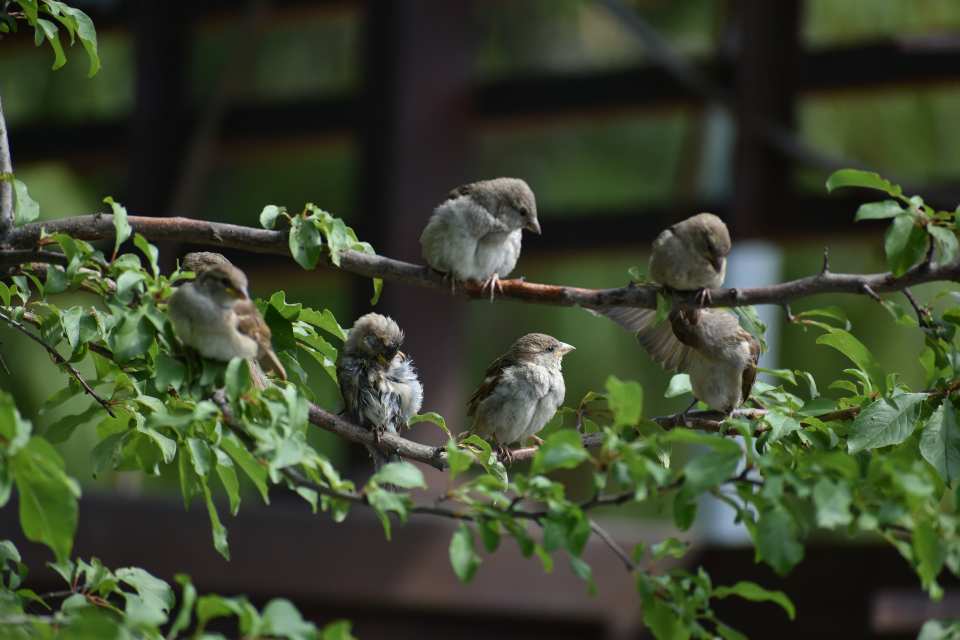
Four essentials create bird-friendly habitat: food (from plants and feeders), water, shelter, and nesting sites. Get these right, and birds will find you. Ignore any of them, and you’re missing opportunities.
Bird-Friendly Plants
Native plants for birds matter enormously more than ornamental plantings. According to research by University of Delaware professor Douglas Tallamy, native oak trees support over 1000 species of butterfly and moth caterpillars while non-native ornamentals like butterfly bush support basically none. Since 96% of terrestrial bird species feed caterpillars to nestlings, native plants are non-negotiable for supporting breeding birds.
Bird-attracting flowers for pollinators and seed-eating birds include native coneflowers, black-eyed Susans, sunflowers, asters, and goldenrod. These provide nectar for hummingbirds and butterflies during blooming, then produce seeds that finches, sparrows, and other birds harvest through fall and winter. For a complete list of the best plants to attract birds and pollinators, see best flowers to attract birds and pollinators. Double benefit from single plantings.
Berry bushes for birds are essential food sources, especially during migration and winter. Native dogwood, holly, serviceberry, elderberry, viburnum, and sumac all produce fruits that birds depend on. According to research published in Biological Conservation, Carolina chickadees in the Washington DC metro area had higher reproductive success in yards dominated by native plants because native species supported higher arthropod biomass for feeding nestlings.
Plant diversity matters. Different birds have different preferences. Cardinals love sunflower seeds and dogwood berries. Chickadees need caterpillar-producing native trees. Finches prefer composite flowers that produce small seeds. Blue jays cache acorns from native oaks. Create diverse plantings and you’ll support diverse bird communities. For specific plant recommendations, visit best flowers to attract birds and pollinators.
Water Sources
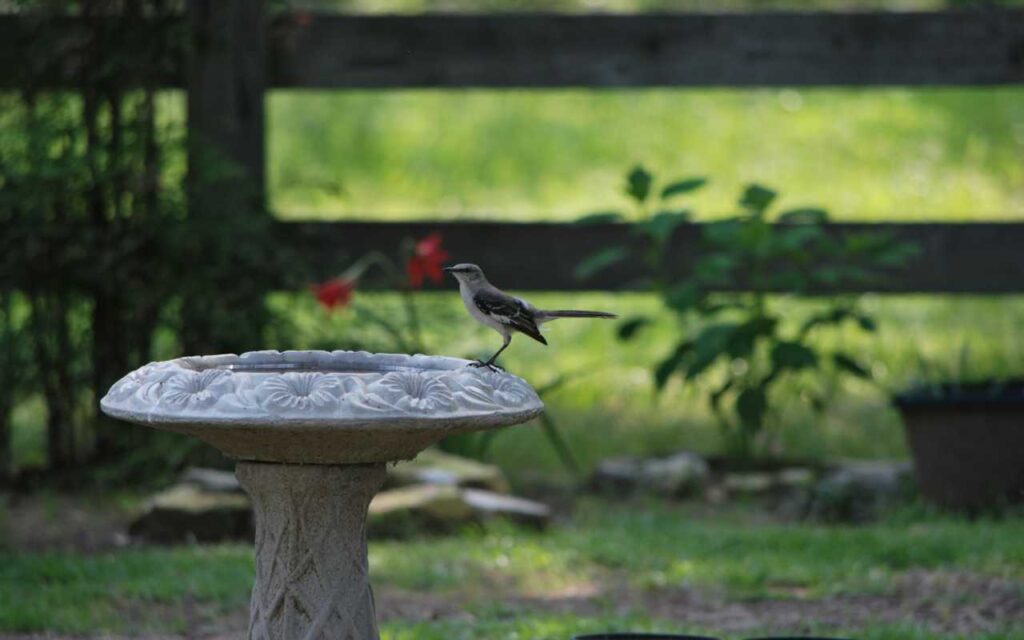
Bird baths for backyard sanctuaries need to be shallow (1-2 inches deep at most), have gradual sloping sides, and feature rough surfaces for secure footing. Deeper is not better, birds can’t bathe or drink safely in deep water. The classic concrete birdbath works fine, though moving water attracts more attention.
Safe water sources get cleaned and refilled frequently. Dirty, algae-covered water spreads disease. Scrub your birdbath at least twice weekly during heavy use periods, more often during hot weather. Simple maintenance that makes enormous difference in bird health.
Keeping water ice-free during winter requires heated birdbaths or add-on heaters. Water availability matters as much in winter as summer because natural sources freeze solid. A heated birdbath in January becomes the most popular spot in your yard. Every bird in the neighborhood will visit. I’ve counted 15 species at my heated bath on single February mornings. For winter water strategies, see how to keep bird baths from freezing in winter.
Food Sources
Backyard bird feeders supplement natural food from plantings. Different feeder types attract different bird species. Platform feeders appeal to cardinals, jays, and sparrows. Tube feeders with small perches attract finches and chickadees. Suet feeders draw woodpeckers and nuthatches. Nectar feeders bring hummingbirds.
Sunflower seeds (specifically black oil sunflower) are the gold standard bird seed. They’re high in fat and protein, have thin shells most birds can crack, and attract the widest variety of species. Cheap mixed seed filled with milo, wheat, and filler gets scattered on the ground and wasted. Buy quality seed or buy single seed types in bulk. It’s more economical and creates less mess.
Suet cakes provide concentrated fat and protein especially important during winter and breeding season. High-quality suet contains rendered beef fat mixed with seeds, nuts, and sometimes dried insects. Cheap suet with excessive grain fillers provides less nutrition. Quality matters. FYI, suet can melt in summer heat, so either take feeders down or use “no-melt” formulations. For complete feeding guidance, check out how to make suet cakes for birds.
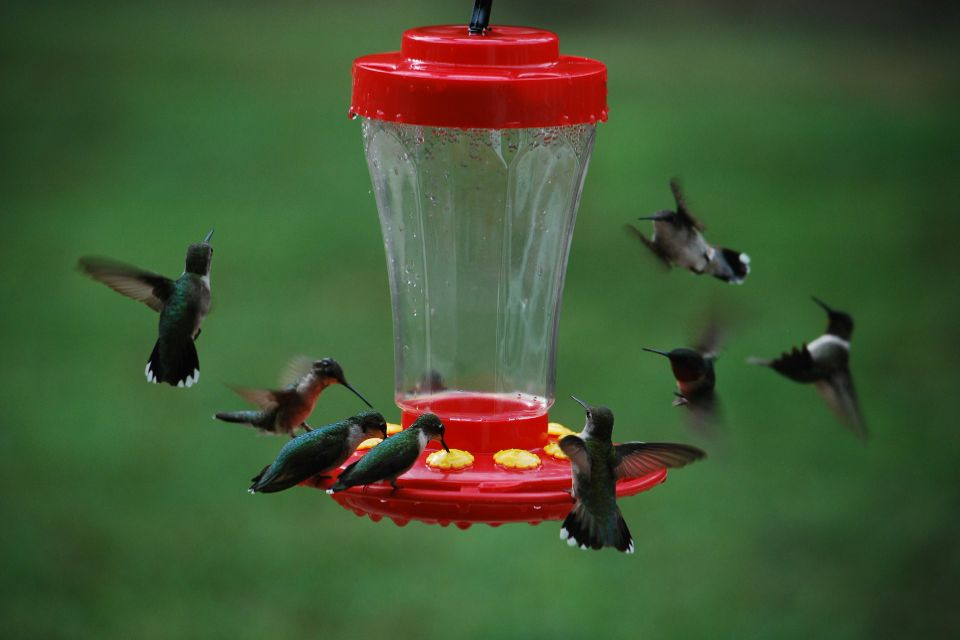
Hummingbird nectar should be plain white sugar and water (1:4 ratio). No red dye, no honey, no artificial sweeteners. Just sugar water. Clean feeders every 2-3 days in hot weather to prevent mold and fermentation that can sicken or kill hummingbirds.
Shelter & Nesting
Nesting boxes provide cavity-nesting sites for species like chickadees, bluebirds, wrens, and titmice. Different species need different box dimensions and entrance hole sizes. Chickadee boxes need 1 1/8-inch holes. Bluebird boxes need 1 1/2-inch holes. Wrong hole size excludes target species or admits competitors. Research specifications before building or buying boxes.
Bird shelters also include dense shrubs for ground-nesting and shrub-nesting species. Native shrubs like elderberry, viburnum, and dogwood provide both nesting sites and food. Trees offer nesting sites for larger species and roosting spots for all birds.
Safe backyard habitats protect nesting birds from predators. Mount nest boxes on metal poles with predator baffles below them to prevent raccoons, snakes, and cats from climbing to boxes. Position boxes away from perches where predators could launch. For detailed protection strategies, see how to protect baby birds from predators.
Dense shrubs create “safe zones” where birds can quickly escape when hawks fly over. Leave some brush piles for ground-dwelling birds. Standing dead trees (snags) provide natural cavities, insect foraging, and perches. Don’t remove every dead tree, they’re essential wildlife habitat.
Perches and Roosting Areas
Perches for birds include trees, branches, poles, and even clotheslines. Birds use perches for singing, preening, resting, and surveying their territory. Different species prefer different perch types. Flycatchers like exposed perches for hunting insects. Warblers prefer perches concealed in foliage.
Roosting spots protect birds overnight and during storms. Evergreen trees like pine, spruce, and cedar provide year-round roosting cover. Dense deciduous shrubs work during summer. Cavity-roosting species use nest boxes, tree cavities, and sometimes structures like barns or sheds.
Bird-friendly trees include native oaks, maples, pines, dogwoods, and birches. These support insects, produce seeds or fruits, provide nesting sites, and offer cover. A single mature oak tree supports more backyard birds than any feeder ever will. Plant trees for long-term habitat investment.
Enhancing Your Sanctuary
Basic elements create functional bird habitat. Enhancement features make it exceptional and increase diversity.
Seasonal Adjustments
Seasonal bird care means adapting your offerings to changing bird needs. Winter feeding increases in importance as natural food becomes scarce. Keep feeders consistently stocked with high-fat foods like sunflower seeds, suet, and peanuts. Provide liquid water through heated birdbaths.
Summer shade and hydration become critical during heat waves. Shallow water sources for bathing help birds regulate temperature. Shade from trees and shrubs provides relief from brutal sun. Keep birdbaths filled and clean.
Migratory bird support during spring and fall migration requires understanding that millions of birds are moving through your area needing refueling stops. Even small yards can provide essential stopover habitat. Plant native flowers for hummingbirds, maintain clean water sources, and avoid pesticides that eliminate the insects migrants need.
Backyard bird survival tips for extreme weather include protecting feeders from ice and snow, keeping water sources ice-free, and providing dense cover for shelter during storms. Birds have remarkable survival adaptations, but reliable food and water during critical periods saves lives.
Birdwatching Setup
Backyard birdwatching tips start with strategic observation points. Position comfortable seating where you can watch feeders and water sources without disturbing birds. Large windows provide excellent viewing, just add decals or screens to prevent window strikes.
Photographing birds benefits from concealment and patience. Simple pop-up blinds or permanent structures near feeders allow close-up photography without alarming subjects. Long lenses help but aren’t required, modern phone cameras capture surprisingly good images if you’re close enough.
Tracking species through apps like Merlin Bird ID and eBird helps identify birds and contributes to citizen science. Keep a yard list noting which species you’ve documented. My current yard list sits at 47 species over three years, and I’m ridiculously competitive about adding new ones.
Additional Features
Backyard wildlife diversity extends beyond birds. Pollinator garden features support bees, butterflies, and other insects that birds feed on. Native wildflower meadows, reduced mowing, and diverse plantings create insect habitat that cascades up the food chain to support birds.
Natural bird food sources from insect populations matter more than feeders. According to research from University of Delaware, homeowners should prioritize native plants over non-natives, with studies showing that yards need at least 70% native plant biomass to sustain breeding bird populations.
Rock piles provide basking spots for insects, hunting grounds for birds, and shelter for small wildlife. Brush piles from pruned branches create cover for ground-feeding birds and small mammals. Leaving leaf litter provides foraging substrate for thrushes, towhees, and sparrows hunting insects. These “messy” features are actually essential habitat components.
Maintaining Your Bird Sanctuary
Cleaning and Safety
Safe bird feeding requires regular feeder maintenance. Cleaning bird baths twice weekly prevents disease transmission. Prevent disease in backyard birds by scrubbing feeders monthly with 10% bleach solution, rinsing thoroughly, and allowing to dry completely.
Moldy seed, spoiled suet, and dirty water spread salmonellosis, aspergillosis, and other diseases that kill birds. If you see sick birds (fluffed, lethargic, unable to fly), immediately take down and clean all feeders, then leave them down for at least two weeks. This breaks disease transmission cycles.
Monitoring and Observation
Backyard bird identification improves with practice and good field guides. Modern apps like Merlin Bird ID use photos, sounds, and location to suggest likely species. Cornell Lab’s website provides comprehensive species accounts with photos, sounds, and behavior descriptions.
Bird watching logs document which species visit, when they arrive and depart, breeding behaviors, and population trends over years. Simple notebooks work fine, though apps like eBird automatically generate charts and trends from your submissions.
Track backyard birds through photos, notes, and audio recordings. Document interesting behaviors, unusual species, and seasonal patterns. This personal data becomes increasingly valuable as climate change shifts bird distributions and timing.
Common Challenges and Solutions
Predators
Backyard bird protection from predators balances natural ecology with preventing excessive mortality. Domestic cats are the biggest threat, keep them indoors. Period. Free-roaming domestic cats kill billions of birds annually.
Raccoons raid nests and bird feeders. Use pole-mounted feeders with baffles to prevent climbing. Bring feeders in at night to avoid attracting nocturnal mammals. For more tips on keeping raccoons away from your feeders, see how to keep raccoons away from bird feeders. Protect nest boxes with predator guards and proper placement.
Snakes hunt birds and eat eggs. While disturbing, this is natural predation you shouldn’t prevent. However, predator guards on nest boxes make access harder. Native birds evolved with natural predators, the problem is when unnatural predator levels (too many cats, raccoons subsidized by human food) exceed what bird populations can sustain.
Pests
Squirrels monopolize feeders and consume shocking amounts of seed. Solutions include weight-activated feeders that close under squirrel weight, metal pole baffles, and accepting that some seed loss to squirrels is inevitable. For more detailed strategies, see how to keep squirrels away from bird feeders. Alternatively, offer squirrels their own feeding station away from bird feeders.
Starlings and house sparrows are non-native, invasive species that compete aggressively with native birds. They dominate feeders, destroy native bird nests, and harm ecosystems. Control options include using feeders that exclude larger birds, removing nesting sites in structures, and trapping when populations become problematic. Though controversial, managing invasive bird species benefits native bird populations, learn more about invasive backyard birds and how to handle them safely.
Weather
Storms, ice, and extreme heat challenge birds and your feeding stations. Covered platform feeders protect seed from rain and snow. Heated birdbaths provide water when everything freezes. Shade structures over feeders reduce heat stress for birds feeding in summer.
Bird safety tips during severe weather include keeping feeders stocked, providing reliable water, and ensuring dense cover is available for shelter. Birds can survive amazing conditions if they have access to food and water.
Encouraging Community and Learning
Community birdwatching expands conservation impact beyond your property. Share your sanctuary with neighbors, schools, and local groups. Kids especially love watching birds, it’s free entertainment that teaches observation skills, patience, and respect for nature.
Backyard bird education opportunities include hosting informal bird walks, sharing your yard list and photos, and explaining your landscaping choices to curious neighbors. When people see working bird habitat, they often implement similar changes in their own yards. This creates habitat corridors that benefit entire bird populations.
Citizen science birds projects welcome backyard observers. eBird collects and maps bird observations globally. Project FeederWatch tracks winter bird populations. NestWatch monitors breeding success. Your backyard data contributes to scientific understanding of bird populations, distributions, and responses to environmental change.
These programs provide structure and purpose beyond personal enjoyment. Knowing your observations contribute to real science adds meaning to casual birdwatching. Plus you get access to amazing data visualizations showing your contributions in regional and global context.
Conclusion
Creating a backyard bird garden doesn’t require special expertise, massive land holdings, or huge budgets. It requires understanding what birds need and providing it: native plants for food and cover, clean water, safe nesting sites, and elimination of threats you control like pesticides and free-roaming cats.
Start small and expand as you learn. You don’t need to convert your entire yard overnight. Add a native shrub here, a better feeder there, improve water sources, eliminate pesticides. Each improvement helps. Within surprisingly short time, you’ll notice more birds, more species, and more breeding attempts in your urban wildlife habitat.
Attract more birds by thinking about your yard as integrated habitat rather than isolated features. Feeders work better when positioned near cover. Native plants attract more birds when planted in groups rather than scattered individually. Water sources see more use when partially concealed by vegetation. Everything works together.
The benefits extend far beyond the birds themselves. You’ll spend more time outside. You’ll notice seasonal changes and natural cycles. You’ll learn identification skills and ecological connections. You’ll contribute to conservation while creating beautiful, dynamic landscapes that change daily.
Three years into my backyard sanctuary project, I still get excited seeing new species or watching familiar birds exhibit interesting behaviors. Last spring, chickadees nested in a box I mounted, successfully raising six chicks. Watching those fledglings take their first flights from my oak tree was worth every bit of planning, planting, and effort.
Your backyard can be next. Pick one change to implement this week, plant a native shrub, install a better bird bath, add a platform feeder. Then keep building on that foundation. The birds are out there, looking for habitat. Give it to them, and watch what happens. I promise it’s worth it.