
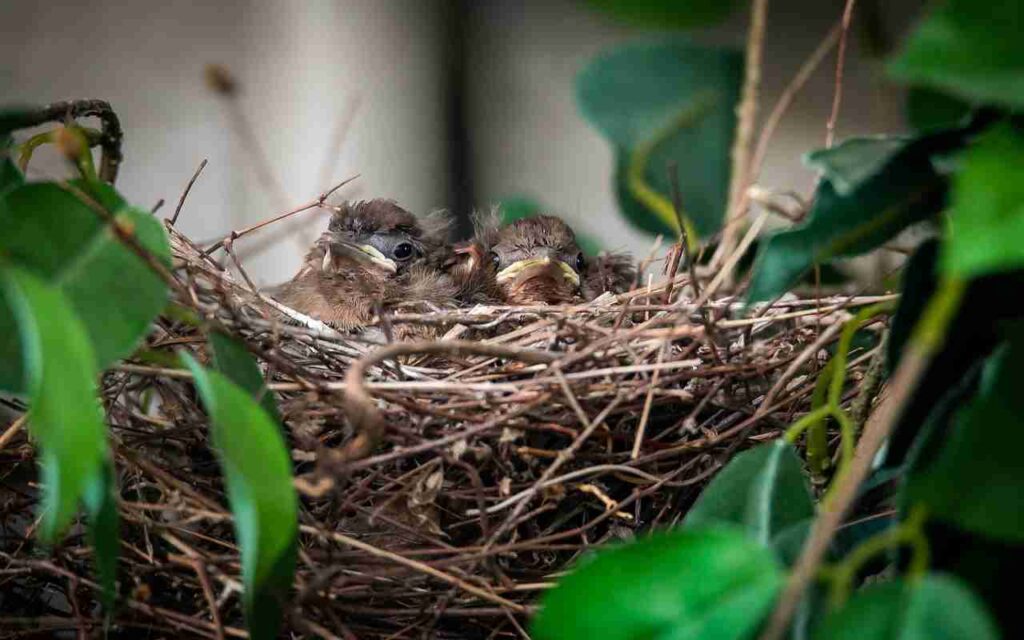
If you’re wondering how to attract nesting birds, imagine sipping your morning coffee as a blue jay lands on your serviceberry bush with nesting material. Over weeks, you watch them build a nest, incubate eggs, and feed chicks. Your backyard bird habitat becomes a thriving bird-friendly garden with nesting sites, attracting songbirds and migratory birds while supporting bird conservation and biodiversity.
The rewards go beyond watching birds. Your yard becomes a live classroom for backyard birdwatching. Provide water, food, shelter, and seasonal adjustments, and nesting birds will return year after year, enriching your garden and helping local wildlife thrive 😌.
- Create a backyard bird habitat with native plants and dense cover.
- Provide safe nesting sites with nest boxes or natural cavities.
- Offer fresh water with birdbaths, fountains, or heated baths in winter.
- Plant berry-producing shrubs and seed-bearing flowers for food.
- Keep outdoor cats indoors and manage invasive bird species.
- Clean feeders and water sources regularly to prevent disease.
- Understand seasonal nesting patterns for different species.
- Provide shelter from predators and harsh weather with shrubs and trees.
- Support songbirds and migratory birds to boost biodiversity and bird conservation.
- Observe and track birds for backyard birdwatching enjoyment.
Understanding Nesting Birds
Show Transcript
0:00–0:16
Hey there. Ever look out at your yard and just see, well, grass? What if I told you that same space could be a vibrant living sanctuary, buzzing with the songs of bird families?
Today, let’s dive into how we can make that happen right in your own backyard. Picture this for a moment: you’re sipping your coffee, and right outside your window, you get a front row seat to the entire life cycle of a bird family. That’s not just a dream—it’s an incredibly rewarding experience that connects you to the natural world.
0:16–0:50
Let’s reframe this: this isn’t about doing yard work. Nope. This is about becoming an architect of a tiny, thriving ecosystem. You’re not just planting things—you’re literally building a home.
And the best part? It’s 100% achievable. Transforming even a tiny space into a bustling habitat is one of the most direct ways to support your local wildlife and bring all this incredible life right to your doorstep.
0:50–1:26
I know it might sound complex, but it all boils down to a simple, memorable blueprint. There are four essential pillars every bird-friendly habitat is built on:
- Shelter from predators and bad weather
- The right kinds of food to raise a family
- A reliable source of clean water
- A safe environment free from specific threats
Get these four right, and believe me—the birds will come.
1:26–2:00
Now, let’s get practical. How do we start building this habitat piece by piece? Think in layers, because birds do. Dense shrubs give them a place to hide. Native trees provide prime nesting real estate. Evergreens offer crucial cover during harsh winter months.
And don’t clean up your yard too much. A simple brush pile or old log is like a five-star hotel, offering both protection and a buffet of tasty insects.
2:00–2:56
Here’s a fact that might change how you think about feeding birds: over 95% of our landbirds feed their young insects, not seeds. The takeaway? No bugs, no baby birds.
How do you get all those insects? Plant choices are everything. Native plants have evolved with local insects for thousands of years—they’re the engine of the food web. Non-native ornamental plants, no matter how pretty, are basically food deserts for baby birds.
Seeds and berries are still great—supplemental foods for adults or during migration and winter. Different feeders attract different birds: tube feeders are perfect for finches, platform feeders for bigger birds like cardinals.
2:56–3:18
And never forget water. Birds need it for drinking, but also for bathing. Clean feathers are critical for warmth and flight. A shallow birdbath is perfect. Add a dripper or small fountain—the sound of moving water is practically irresistible to them.
3:18–4:04
Now, how do we roll out the welcome mat for birds looking to nest and raise a family? Not all birds nest the same way.
- Cavity nesters (like bluebirds) need a pre-made hole
- Open-cup nesters (like robins) need dense foliage
- Ground nesters need thick cover at ground level
Your yard can cater to all three. For cavity nesters, a nest box is essential—but details matter. A 1 1/8” entrance hole lets small birds in while keeping bigger, aggressive birds out.
4:04–4:48
Safety is key. Hawks in your yard? That’s a healthy ecosystem. Birds evolved defenses against natural predators, but domestic cats are another story. Cats are efficient hunters and can undo all your hard work.
The single most important rule: keep cats indoors. This protects nesting birds and fledglings and preserves the habitat you’ve created.
4:48–5:39
Zoom out for a second. What you’re doing is bigger than your yard. In a world of shrinking habitats, every backyard sanctuary becomes a vital link in a larger network of safe havens for wildlife. You’re not just bird-watching—you’re actively participating in conservation.
To understand your impact: one pair of chickadees raising a single family can eat up to 9,000 caterpillars. That’s 9,000 pests removed from your garden—not chemicals, but one tiny bird family. They’re the ultimate natural pest control.
5:39–6:13
Your impact doesn’t stop at your fence line. Tracking your sightings with apps like eBird or NestWatch turns your observations into valuable scientific data. You literally become a citizen scientist from your own window.
And remember, this isn’t just a spring project. It’s about creating a reliable, year-round resource:
- High-energy food for spring migrants
- Fresh water in summer
- Seeds left on plants in fall
- High-fat suet in winter
Your yard transforms from a stopover to a dependable sanctuary birds remember and return to every year.
6:13–6:48
So the question isn’t if you can do it—it’s where you’ll begin. Start small. This week, plant one native shrub or add a simple birdbath. Small steps transform a lawn into a living sanctuary. The birds are out there, waiting. You just have to give them a reason to call your backyard home.
Not all birds nest in your yard the same way. Nesting behavior varies dramatically between species, and understanding these differences helps you provide appropriate habitat for multiple bird species.
Cavity-nesting birds like chickadees, wrens, woodpeckers, and bluebirds need holes in trees or nest boxes. They can’t excavate their own cavities (except woodpeckers), so they depend on existing holes or artificial boxes. These species face fierce competition for limited cavity sites, making proper nest boxes extremely valuable.
Open-cup nesters include cardinals, robins, finches, and most songbirds. They build exposed nests in shrubs, trees, or dense vegetation. These birds need dense foliage for concealment and sturdy branching for nest support. Hummingbirds build tiny cup nests on horizontal branches, camouflaging them with lichen and spider silk.
Ground-nesting birds like towhees, some sparrows, and quail nest directly on or near the ground in dense cover. They’re most vulnerable to predators and require especially thick understory vegetation. Migratory birds passing through may not nest in your yard but desperately need stopover habitat during spring and fall migration.
Urban environments affect nesting in complex ways. According to research published in Biological Conservation, Carolina chickadees in DC-area yards dominated by native plants had significantly higher breeding success than those in yards with primarily non-native ornamental plants. The difference? Insect availability. Native plants supported the caterpillars chickadees need to feed nestlings.
Seasonal nesting patterns vary by species. Early nesters like chickadees and bluebirds start investigating nest sites in March. Mid-season nesters like cardinals and robins peak in May-June. Late nesters like goldfinches wait until July-August when thistle seeds are available for feeding young. Understanding these patterns helps you prepare habitat appropriately. For specific species information, see how to attract cardinals to your backyard.
Essential Habitat Features
Birds evaluate your yard based on whether it meets their basic needs: shelter, food, and water. Get these right and they’ll not only visit, they’ll raise families.
Shelter and Cover
Bird shelter means more than just places to hide from rain. Birds need dense cover to escape predators, roost overnight, and build nests. Dense shrubs create the layered, complex vegetation structure that breeding birds prefer.
Plant native shrubs like viburnum, elderberry, dogwood, and serviceberry in clusters rather than isolated specimens. According to Choose Natives guidance on nesting plants, planting shrubs in “habitat circles” creates the dense cover birds desire for nest protection. Locate these clusters near existing habitat patches to create wildlife corridors.
Trees provide nesting sites for larger species and foraging opportunities for all birds. Native trees like oaks support over 500 species of caterpillars—the primary food for baby birds. Even small yards can accommodate small native trees like dogwood, serviceberry, or hawthorn.
Safe roosting areas protect birds overnight and during storms. Evergreen trees and shrubs provide year-round cover. Brush piles from pruned branches create ground-level cover. Don’t remove all dead wood—standing snags offer natural cavities, and fallen logs harbor insects that birds eat. For comprehensive garden design, visit bird-friendly garden design.
Food Sources
Bird food during nesting season means insects more than anything else. According to landmark research published in PNAS, chickadee populations cannot be sustained unless native plants constitute at least 70% of yard plant biomass. Why? Because non-native ornamentals support virtually no insect life, and birds need thousands of caterpillars to successfully raise broods.
Native plants producing seeds and berries supplement insect diets. Sunflowers, coneflowers, and black-eyed Susans provide seeds that finches and sparrows harvest. Berry-producing shrubs like elderberry, serviceberry, dogwood, and holly feed migrants and residents. Time these plantings for continuous food availability across seasons.
Supplementary bird feeders help but don’t replace natural food sources. Tube feeders with black oil sunflower seeds attract finches and chickadees. Platform feeders appeal to cardinals and jays. Suet feeders provide high-fat food especially important during breeding. For feeder selection guidance, check out how to choose the right bird feeder.
Water Availability
Water for birds is as critical as food. Shallow birdbaths (1-2 inches deep maximum) provide drinking and bathing opportunities. Bathing maintains feather structure and insulation while helping birds regulate temperature.
Moving water attracts more attention than still water. Simple fountain pumps, drippers, or misters create movement and sound that birds find irresistible. Position water sources 10-15 feet from dense shrubs—close enough for quick escape from predators, far enough to avoid ambush.
Heated baths in winter become the most popular feature in your yard when natural water freezes. Every bird in the neighborhood will visit. I’ve counted 20+ species at my heated bath on single January mornings. The investment ($30-50 for a basic heater) pays massive dividends in winter bird activity. For water strategies, see how to keep bird baths from freezing in winter.
Choosing the Right Plants
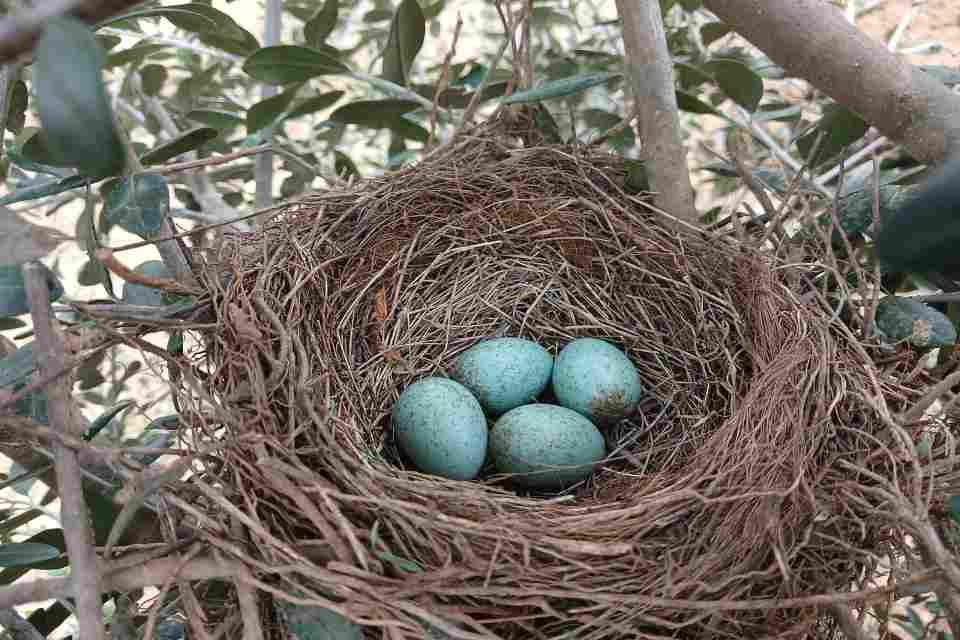
Native flowers for birds matter enormously more than exotic ornamentals that may look pretty but provide zero ecological function. Plant selection literally determines whether birds can successfully breed in your yard.
Berry bushes essential for nesting birds include native dogwood (multiple species depending on region), serviceberry, elderberry, viburnum, and holly. These provide both nesting sites in their branching structure and food from berries. According to Conservation Biology research by Burghardt et al., yards with native landscaping supported 8 times more conservation-concern bird species than conventional yards with non-native plants.
Coneflowers, sunflowers, and black-eyed Susans deliver double benefits: nectar for pollinators during blooming, then seeds for finches and sparrows through fall and winter. Goldenrod gets unfairly blamed for allergies (that’s ragweed) but provides critical late-season food for insects and seeds for overwintering birds.
Milkweed is essential if you want monarchs, and it also attracts hummingbirds with its nectar. Nectar plants for hummingbirds include trumpet vine, cardinal flower, bee balm, and native honeysuckle. Pollinator plants that support bees and butterflies also produce the insects that birds need. It’s all connected.
Layered plantings create vertical diversity essential for multiple species. Ground covers like wild strawberry, perennials like coneflowers and asters at mid-level, fruiting shrubs higher up, and small trees forming canopy create the structural complexity birds need. Plant for seasonal blooms and fruit ensuring year-round food availability. For specific recommendations, visit best flowers to attract birds and pollinators.
Nesting Boxes and Birdhouses
Nest boxes provide artificial cavities for species that can’t excavate their own. Different species need specific dimensions and hole sizes—get this wrong and you’ll attract the wrong birds or no birds at all.
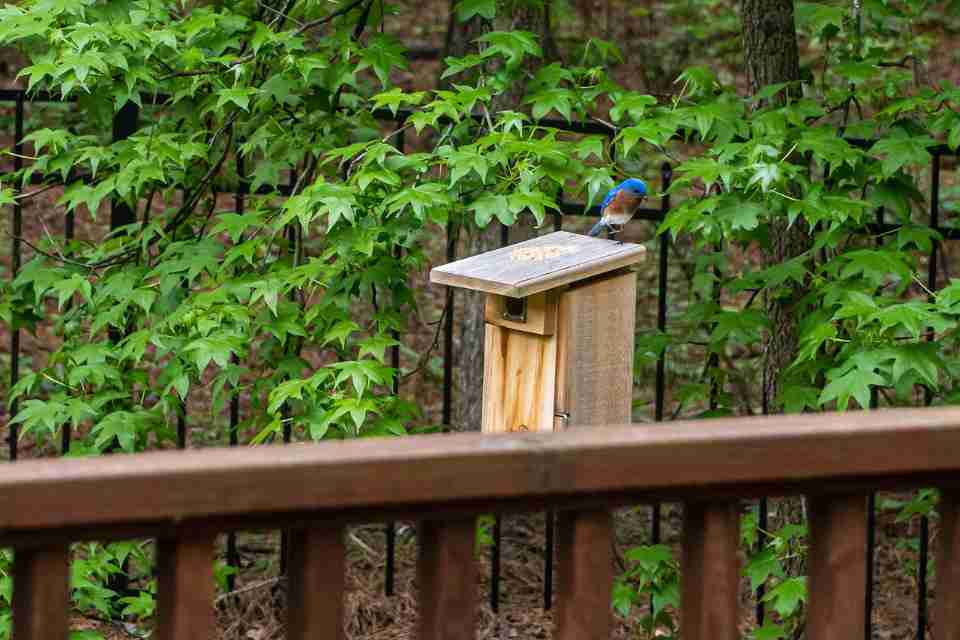
Bluebirds need 1.5-inch entrance holes, interior floor dimensions of 5×5 inches, and boxes mounted 5-6 feet high in open areas. Chickadees and wrens need 1 1/8-inch holes and prefer boxes 4-15 feet high in wooded edges. Titmice use similar specifications to chickadees but prefer boxes mounted higher.
Proper placement matters as much as dimensions. Face entrance holes away from prevailing winds and afternoon sun. Mount boxes on metal poles with predator guards below them to prevent raccoons, snakes, and cats from climbing. Position boxes in appropriate habitat for target species—bluebirds in open areas, chickadees near woods.
Seasonal cleaning maintains boxes and prevents disease transmission. Remove old nesting material after each breeding season (late summer/fall). Scrub boxes with 10% bleach solution, rinse thoroughly, and allow to dry before closing. This eliminates parasites and pathogens that accumulate in used nests.
Raccoons and snakes are major nest predators. Metal predator guards extending 1.5-2 inches from entrance holes prevent raccoons from reaching inside. Pole baffles stop climbing mammals and snakes. Proper placement away from jump-launch sites reduces predation. For predator management, see how to keep raccoons away from bird feeders.
Protecting Nesting Birds
Bird predators include both natural and introduced species. Managing threats you control dramatically improves nesting success rates.
Cat safety is the single most important predator control measure. Free-roaming cats kill billions of birds annually. Keep cats indoors during breeding season (March-August minimum). Better yet, keep them indoors permanently. Your outdoor cat is an introduced super-predator that native bird populations didn’t evolve to handle.
Invasive species like starlings and house sparrows aggressively compete with native birds for nest sites, often destroying eggs and killing nestlings. These non-native species deserve no protection. Remove their nests from structures, use nest box hole sizes that exclude them (1 1/8 inch keeps out starlings), and consider trapping when populations become problematic.
Bird disease prevention requires maintaining clean feeders and water sources. Dirty feeders spread salmonellosis, aspergillosis, and other diseases. Scrub feeders monthly with 10% bleach solution. Clean birdbaths twice weekly during heavy use. If you observe sick birds, immediately remove feeders for 2+ weeks to break transmission cycles.
Seasonal Tips for Nesting Success
Spring migration brings waves of hungry birds needing refueling stops. Early spring native wildflowers provide nectar when little else blooms. Maintain feeders through migration periods even if you don’t feed year-round—migrants desperately need energy after long flights.
Summer nesting demands abundant insects. Skip pesticides entirely—you’re killing the food breeding birds need. Provide multiple clean water sources for bathing and drinking. Shade from mature trees helps adults and nestlings tolerate heat. Let some areas grow “wild” with dense vegetation providing cover.
Fall feeding shifts toward high-energy foods for migration and residents building winter fat reserves. Let native perennials go to seed rather than deadheading. Berry-producing shrubs ripen perfectly timed for fall migrants needing fruit sugars. Maintain feeders with high-fat sunflower seeds and suet.
Winter survival for residents depends on reliable food and water. Heated baths provide water when everything freezes. Fat-rich foods like suet, peanuts, and sunflower seeds help birds maintain body heat during long, cold nights. Dense evergreen cover provides roosting shelter. For complete winter strategies, see how to attract birds during winter.
Warblers, tanagers, and other neotropical migrants don’t nest in most backyards but depend on them during migration. Supporting migrants means providing food and shelter during critical spring and fall passage periods. Your yard becomes a gas station on their thousands-mile journeys.
Encouraging Biodiversity
Bird conservation in backyards creates ecosystem balance that benefits far more than just birds. Backyard biodiversity cascades through entire food webs when you get it right.
Birds provide natural insect control, reducing pest populations without chemicals. A single chickadee pair feeds 6,000-9,000 caterpillars to one brood of nestlings. Multiply that across multiple species and multiple broods, and you’re talking about serious biological pest management. Native insects including caterpillars are essential bird food and also pollinate native plants. Butterflies and bees increase when you plant for birds because the same native plants support all of them.
Habitat corridors connecting your yard to nearby parks, greenspaces, or other wildlife-friendly yards allow birds to move safely through landscapes. Even small urban yards contribute when they’re part of connected networks. Your quarter-acre lot might be the crucial link that makes the difference.
Contributing to citizen science programs like eBird, NestWatch, and local bird surveys transforms casual observation into data that informs conservation. Your backyard observations matter. Scientists use this data to track population trends, breeding success, and responses to environmental change.
Birdwatching and Observation
Backyard birdwatching requires minimal equipment and maximum patience. Position comfortable chairs near windows overlooking feeders and water. Binoculars help but aren’t required for backyard observation—you’re close enough for naked-eye viewing.
Bird identification gets easier with practice and good resources. Modern apps like Merlin Bird ID use photos, sounds, and location to suggest likely species. The Cornell Lab’s All About Birds provides comprehensive species accounts with photos, sounds, and behavior descriptions.
Bird behavior observation reveals fascinating details about territorial disputes, courtship displays, parent-chick interactions, and predator-prey dynamics. Watch which species dominate feeders, how parents coordinate food delivery, when fledglings take first flights. These behaviors tell stories more interesting than anything on TV.
Keep a bird logging journal or use eBird to track species, numbers, behaviors, and dates. My yard list has grown to 52 species over four years, and I’m weirdly competitive about adding new ones 🙂 Tracking annual patterns reveals trends in arrival dates, breeding activity, and population changes.
Phone cameras capture surprisingly good bird photos if you’re close enough. Simple pop-up blinds near feeders allow approach without alarming subjects. Patience matters more than expensive equipment—birds habituate to motionless observers but flee from movement.
Common Challenges and Solutions
Pests in the bird-feeding context usually means squirrels, though technically squirrels are native wildlife. They’re just really good at monopolizing feeders designed for birds. Weight-activated feeders close under squirrel weight but stay open for lighter birds. Pole-mounted feeders with metal baffles prevent climbing. Or accept some seed loss to squirrels as payment for their entertainment value.
Invasive birds already covered—starlings and house sparrows—deserve no mercy. They’re ecological disasters that harm native species. Manage them aggressively through nest removal, exclusion, and trapping.
Predation from natural predators like hawks is part of functional ecosystems. Sharp-shinned and Cooper’s hawks visit feeders specifically hunting the songbirds attracted there. While disturbing to watch, this is natural predation that bird populations evolved with. Unnatural predation from outdoor cats is different and must be eliminated.
Storms, ice, and extreme weather challenge birds and test your habitat features. Covered feeders protect seed from rain and snow. Dense shrubs and evergreens provide storm shelter. Heated water ensures access when natural sources freeze. Birds are remarkably resilient if basic resources remain available.
Feeder cleaning prevents disease but gets neglected. Set reminders to scrub feeders monthly minimum, more often during heavy use. Hot soapy water works fine, though 10% bleach solution kills more pathogens. Rinse thoroughly and dry completely before refilling. Clean feeders = healthy birds. For detailed cleaning protocols, see how to clean a bird feeder.
Conclusion
Attracting nesting birds to create a thriving backyard bird sanctuary delivers rewards far beyond simple bird counts. You’re witnessing complete life cycles from courtship through fledging. You’re contributing to bird conservation in measurable ways. You’re creating habitat in landscapes where natural areas continue disappearing.
The bird-friendly garden formula isn’t complicated: native plants for birds to support insect populations, clean water sources, safe nesting sites protected from predators, and elimination of threats you control like pesticides and free-roaming cats. Get these essentials right, and nesting success follows naturally.
Start small and build over time. Plant one native shrub this month. Install a proper nest box. Replace that boring lawn with native wildflower meadow. Each improvement compounds, creating increasingly attractive habitat that supports more species raising more young.
The benefits extend beyond birds themselves. You’ll spend more time outdoors observing rather than scrolling. You’ll learn ecological connections and seasonal patterns. You’ll give kids unfiltered access to nature’s cycles. You’ll join a community of people creating wildlife-friendly landscapes across neighborhoods and regions.
Last spring, a pair of chickadees nested in a box I mounted three years ago. I watched them bring food to nestlings 200+ times daily. Six chicks successfully fledged from that box, taking their first flights from my oak tree. That success happened because I’d spent years converting my yard from lawn to diverse native habitat. The work compounds. The results are worth it.
Your yard can be next. Pick one change to implement this week. Plant that native shrub. Install that nest box. Start creating the habitat that turns your yard from scenery into functional ecosystem. The birds are out there looking for exactly what you can provide. Give it to them and watch what happens. I promise it’s worth every bit of effort.