
Reader Transparency: This birding guide contains paid affiliate links. If you click a link and make a purchase, I may receive a small commission at no extra cost to you. As an Amazon Associate, I earn from qualifying purchases. Your support helps keep Feathered Guru flying!
Most backyard makeover guides tell you to plant a few colorful flowers, hang a standard plastic bird feeder, and install a decorative water basin. This basic advice completely fails because manicured lawns, non-native flora, and chemically treated soils create an ecological desert for native bird species. Local birds do not just need a casual food dish; they require a highly complex, layered ecosystem that mimics wild old-growth habitats.
If you are tired of watching a sterile yard sit empty throughout the seasons, you must move past basic gardening folklore. To transform your outdoor living space into a thriving avian sanctuary, you need to master the raw principles of structural layering, biological food webs, and safe architectural placement.
What is the Best Approach for a Bird Friendly Garden Design?
The single most effective method is implementing a strict five-tier structural canopy layer using native, high-lipid flora like serviceberry, oak trees, and specialized ground covers to maximize natural foraging routes.
To secure long-term visitation, pair this habitat layering with continuous-flow acoustic water features and drop all synthetic lawn chemicals to protect the specialized arthropod food webs that nesting chicks rely on for survival.
Visualizing Vertical Habitat Layouts on the Whiteboard
Reviewing an easy, illustrated breakdown gives you excellent clarity when calculating your garden’s layout lines for the first time. This animated whiteboard walkthrough maps out the precise canopy spacing heights, acoustic water fountain placements, and safe nesting box distance lines directly on a digital canvas.
📝 View Video Timeline & Key Takeaways
[00:00 – 01:23]: Avian ecosystem services and biological pest management. Highlighting data from the Cornell Lab of Ornithology to demonstrate how insectivorous and frugivorous species function as essential pollinating agents and non-chemical pest suppressors to maximize habitat resilience over sterile, traditional lawn spaces.
[01:24 – 02:53]: Botanical co-evolution and native forage parameters. Shifting away from manicured landscapes to high-utility native plant structures. Retaining dead seed heads like coneflowers over the winter provides vital cold-weather foraging matrices, while indigenous oak and berry flora host critical larval lepidoptera (caterpillars) needed for nestling development.
[02:54 – 04:00]: Acoustic hydro-attractants and predator clearance perimeters. Deploying dynamic moving water systems—such as drippers, misting arrays, or circulating fountains—creates visual and auditory signatures that draw high-canopy warblers. Positioning water features exactly 3 to 4 feet away from thick brush neutralizes terrestrial ambush blind spots created by traditional decorative hedge placement.
[04:01 – 05:11]: Vertical stratification and layered landscaping architecture. Constructing deliberate avian travel corridors by separating vegetation into three structural layers: a mature upper canopy for nesting protection, a dense understory shrub layer for berrying forage, and a ground cover stratum for foraging space. Leaving standing dead snags breaks traditional manicured design flaws to offer premium nesting cavities.
[05:12 – End]: Eliminating ecological hazards and the three-step starter layout. Removing local bird blockers by banning chemical pesticides and managing domesticated feline hunting risks. Mitigating structural window collisions requires adjusting feeder or sanctuary spatial placement to either under 3 feet or farther than 10 feet from residential glass surfaces.
Mastering the Science of Five-Tier Canopy Architecture
To understand true bird-friendly garden design, you must treat your yard as a vertical 3D matrix. Birds do not occupy space on a flat plane; different species operate within highly specific horizontal and vertical zones.
According to long-term avian behavior metrics compiled in the Cornell Lab of Ornithology Citizen Science Database, maximizing your yard’s vertical complexity is the absolute fastest way to boost overall species diversity across your property.
| Habitat Stratum | Height Range | Target Avian Specialists | High-Value Native Plant Selection |
|---|---|---|---|
| Overstory Canopy | 40 to 80+ Feet | Orioles, Tanagers, Large Raptors | White Oak (Quercus alba), Sugar Maple |
| Understory Layer | 15 to 30 Feet | Wood Thrushes, Catbirds, Grosbeaks | Serviceberry (Amelanchier), Dogwood |
| Shrub Layer | 3 to 10 Feet | Cardinals, Mockingbirds, Towhees | Arrowwood Viburnum, Elderberry |
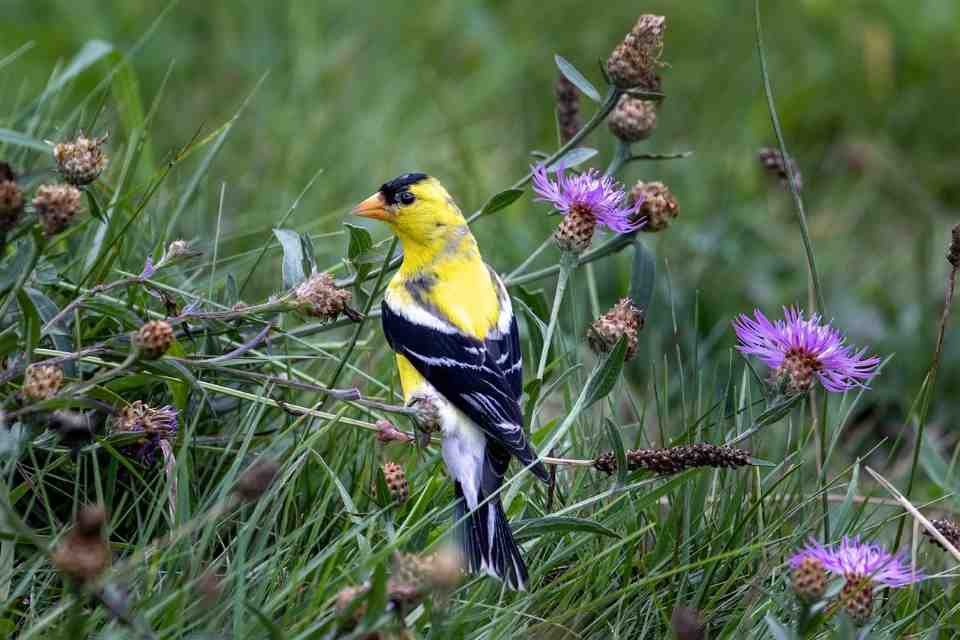
| Herbaceous Layer | Ground to 3 Feet | Goldfinches, Native Wild Sparrows | Purple Coneflower, Black-Eyed Susan |
| Ground Matrix | Ground Level | Thrashers, Doves, Juncos | Undisturbed Leaf Litter, Native Mosses |
Overstory and Understory Dynamics
Planting long-term native staples like oaks provides essential high-elevation nesting platforms. Oak trees alone support over five hundred species of native caterpillars, making them the ultimate biological engines for your property.
Reaching heights of fifteen to thirty feet, the understory zone offers vital structural cover for wood thrushes as they transit from high nests down to ground level.
Lower Shrub and Ground Layers
The shrub layer provides critical concealment from neighborhood cats and aerial hawks. Below this, native perennial wildflowers should be left intact through the cold months. Fading autumn stems act as natural food perches for migratory goldfinches all winter long.
Finally, maintaining a thick, undisturbed layer of natural leaf mulch builds a vital biological foraging zone. Ground-feeding specialists spend hours tossing damp leaf tissue to uncover hidden beetles, snails, and pupae.
The Chemical Weapon Threat to Avian Nutrition
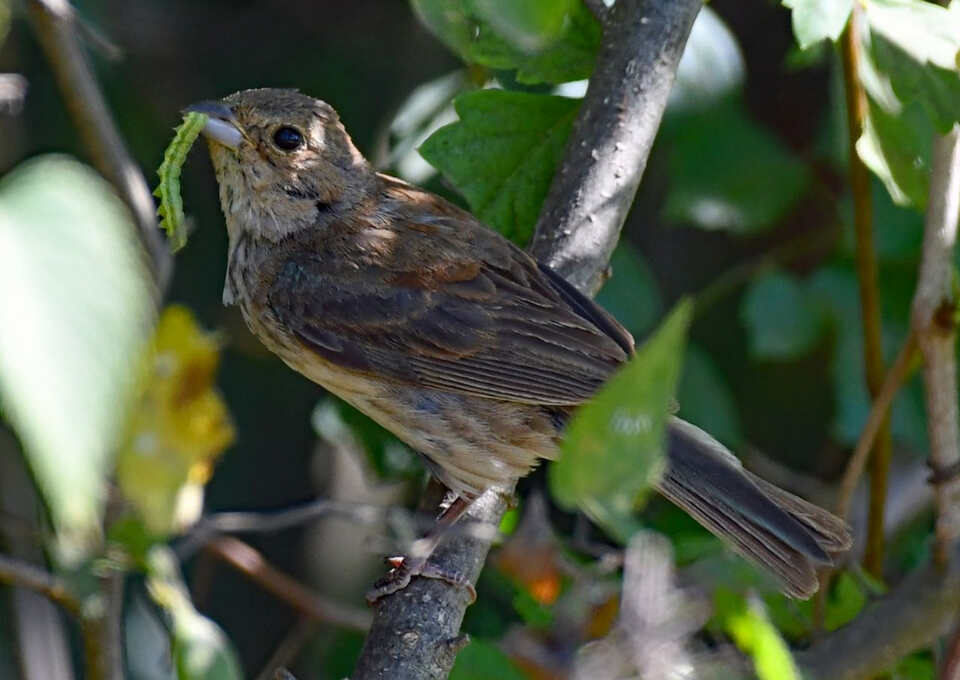
If you spray commercial cosmetic pesticides, synthetic weed killers, or chemical lawn fertilizers on your property, you are actively starving your local bird populations. Homeowners often do not realize that 96% of all terrestrial land birds feed their newly hatched chicks exclusively on soft-bodied insects, primarily moth and butterfly caterpillars.
Fuel Natural Foraging Paths with Native Fruit-Bearing Trees
Stop relying on low-grade commercial bird seeds that rot on the ground. Planting a native, cold-hardy Autumn Brilliance Serviceberry Tree sets up a highly nutritious, organic fruit orchard directly inside your mid-story canopy layer. This structural addition draws cedar waxwings, robins, and tanagers to your yard completely on autopilot.
Check Options on AmazonAccording to rigorous urban population monitoring published in the Proceedings of the National Academy of Sciences (PNAS), residential properties dominated by non-native ornamental foliage function as severe population sinks for insectivorous birds.
The data indicates that a single breeding pair of common Carolina chickadees must forage up to 6,000 to 9,000 individual caterpillars over a mere 16-day window just to raise a single standard clutch of nestlings.
Furthermore, empirical habitat tracking published in the ScienceDirect Journal of Biological Conservation confirms that yards featuring native woody vegetation produce exponentially greater caterpillar biomass compared to exotic landscapes.
Dropping the commercial chemical sprays allows your backyard to rebuild its natural insect populations. This simple shift provides the high-protein, easily digestible nutrition that local breeding pairs desperately need to raise healthy broods.
To safely integrate your native plantings alongside automated feeding hardware, review our comprehensive sitemap manual on how to choose the right bird feeder to maintain clean seed reserves.
Leveraging Acoustic Frequencies for Migratory Trajectories
Hanging a static, stagnant bowl of still water will quickly turn your yard into a breeding ground for mosquitoes rather than attracting rare birds. The sound of moving, splashing, or dripping water sets up a powerful auditory beacon that traveling canopy migrants can hear from hundreds of feet in the air.
Activate Your Yard’s Auditory Beacon with a Solar Water Mover
Transform your quiet water dish into an active bird magnet instantly. Dropping a premium Solar-Powered Water Fountain Bubbler into your outdoor basin sets up a continuous, low-frequency splashing sound that coaxes passing migrants down from high tree limbs. The continuous movement also completely prevents mosquitoes from laying eggs in your basin.
Check Price on AmazonTo optimize this setup, ensure your water basins carry a shallow, sloping depth profile between one to two inches maximum. If the water depth exceeds three inches, small songbirds cannot secure a footing on the bottom and will leave the area.
To keep your water features operating safely, apply our targeted methods on how to clean a bird bath without chemicals to easily eliminate dangerous algae films and bacteria loops using safe household white vinegar.
Mitigating Architectural Hazards and Window Reflections
Building a high-density bird garden right next to large, untreated glass windows sets up a dangerous ecological trap. When birds get startled by a passing hawk or a barking dog, they seek immediate cover inside your thick canopy trees.
If your windows reflect your garden flora clearly, birds will mistake the reflective glass surface for a real, open flight path, resulting in high-velocity structural window collisions.
According to formal mortality trials archived in the PLOS ONE Collision Mitigation Review, residential window strikes represent a critical hazard to urban bird health, and overcoming home implementation barriers is vital to reducing these hidden wildlife fatalities.
To protect your bird populations, you must break up these optical illusions on the outer surface of your glass panes.
| Foraging Distance Target | Structural Safety Risk level | Spatial Mitigation Rules |
|---|---|---|
| 0 to 3 Feet from Glass | Extremely Safe | Feeders mounted directly to glass prevent high-velocity momentum if birds startle. |
| 3 to 30 Feet from Glass | High-Danger Zone | Do not place major food sources here unless external window treatments are deployed. |
| 30+ Feet from Glass | Safe Distance Gap | Birds have full clearing space to adjust flight pathways away from reflections. |
To break this mirror effect, apply dense patterns of anti-reflective UV stickers or hang low-profile paracord strands on the outside of your window frame.
If large flocks continue to overrun your lower yard boundaries while adapting your layout, deploying the sensory exclusion techniques outlined in our guide on how to discourage crows from your yard will quickly restore long-term ecological balance.
Strategic Nest Box Spatial Optimization Rules
Once your native plant layers begin to attract resident breeding pairs, you can support their nesting habits by mounting specialized cedar nest boxes. However, hanging boxes too close together will trigger intense territorial fights among rival males.
According to species-specific residential parameters compiled in the NestWatch Invasive Species Management Guide, nest structures must completely lack external perches to prevent invasive house sparrows from gaining a leverage foothold and raiding the internal native brood.
Mount a Safe Breeding Sanctuary for Native Tree Cavity Nesters
Provide a bulletproof breeding bunker away from backyard predators. Installing a premium Nature’s Way Weather-Resistant Cedar Bluebird Box features an integrated predator guard shield, clean side ventilation slots, and easy cleaning latches. This hardware addition gives native pairs an optimal breeding space to raise multiple successful broods.
Check Price on AmazonAlways use raw, unpainted cedar boards that carry a thickness of at least three-quarters of an inch to insulate the young chicks from intense summer heat.
To keep your breeding zones secure from climbing predators, follow our guide on the best place to put a birdhouse to properly lock down your mounting poles using a wide metal pipe baffle framework.
Once your local songbird families successfully raise their first clutches, you can safely apply our autumn cleanup tips on how to prevent mold in bird feeders to keep your property’s surrounding food stations clean, sanitized, and entirely disease-free ahead of the winter migratory arrivals.
Transforming Your Daily Backyard Wildlife View
Shifting your property design to prioritize strict spatial boundaries permanently breaks local mammalian foraging tracks. Moving your gear out of the launch zone saves money on seed and creates a peaceful backyard sanctuary for native songbirds.
Focus entirely on maintaining clear metal barriers, using weight-activated ports, and applying natural capsaicin coatings. These simple, highly disciplined field updates ensure you can enjoy your morning view with absolute confidence.
Once you finish adjusting your garden pole placement, utilize our premium backyard birds checklist to systematically document your daily species counts. Active logging allows you to easily track seasonal migratory arrivals and monitor your local wildlife ecosystem with absolute diagnostic accuracy.