
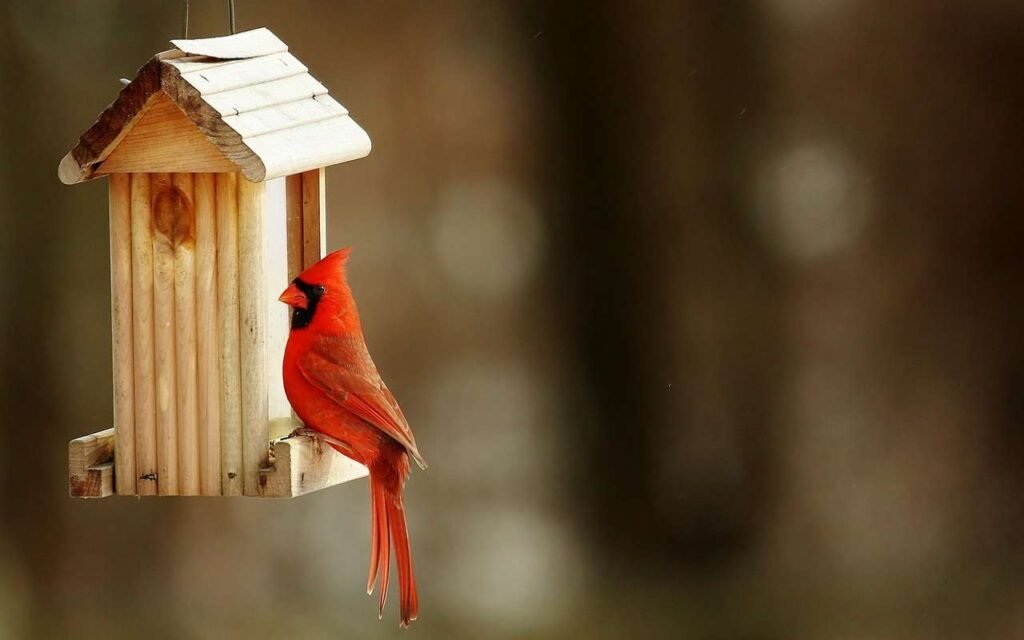
Creating a thriving wildlife sanctuary always starts with mastering how to attract cardinals to your backyard. In my years of running feeding stations, I have found that you do not need expensive retail gadgets or complicated setups to turn your property into a favorite regional hub for these brilliant crimson songbirds.
The entire secret relies on matching your feeder choices and landscape layouts to their distinct, evolutionary foraging preferences. Making a few basic adjustments to our seed selection and vegetation layers has brought a non-stop festival of bright red visitors directly to my windowsills.
This comprehensive guide breaks down the essential seasonal habitat layers and hardware placements that local populations require to thrive. Implementing these straightforward property upgrades ensures your family can enjoy viewing these beautiful red birds throughout the entire year.
What is the Best Way to Attract Cardinals?
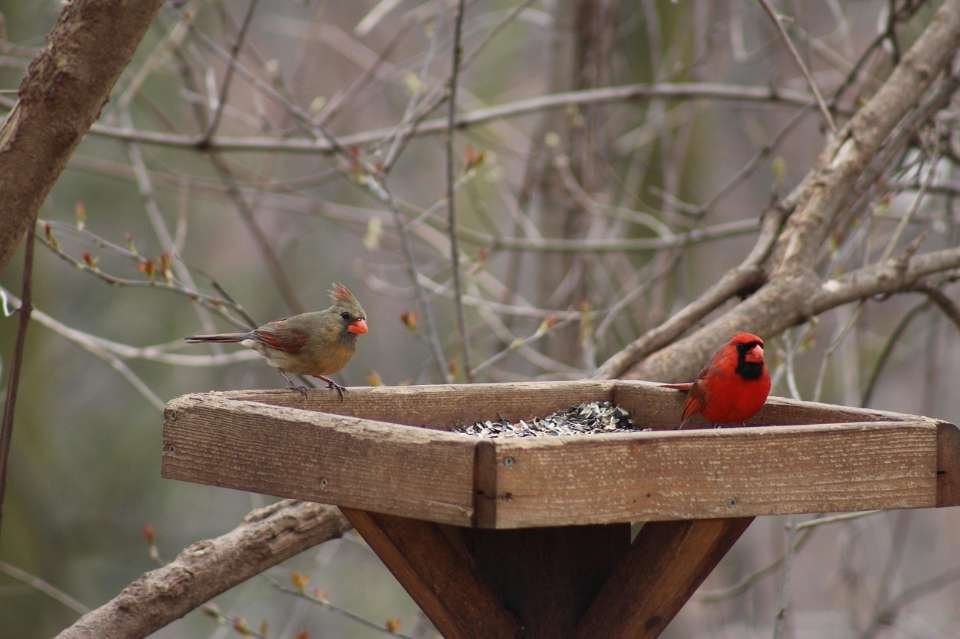
The single most effective method is utilizing low-profile ground platform feeders stocked with high-fat black-oil sunflower and safflower seeds near thick vegetation boundaries.
To sustain their permanent presence, supplement this backyard diner with a shallow two-inch water feature and native berry-producing dogwood trees to establish reliable winter roosting nesting sites.
Practical Video Tips for Welcoming Backyard Cardinals
Watch this short explainer video to see how easy it is to attract cardinals to your property. Learning about the best feeders, water sources, and shelter setups will quickly turn your backyard into a favorite spot for these bright red visitors.
Understanding Cardinal Preferences and Behavior
Natural Habitat Requirements
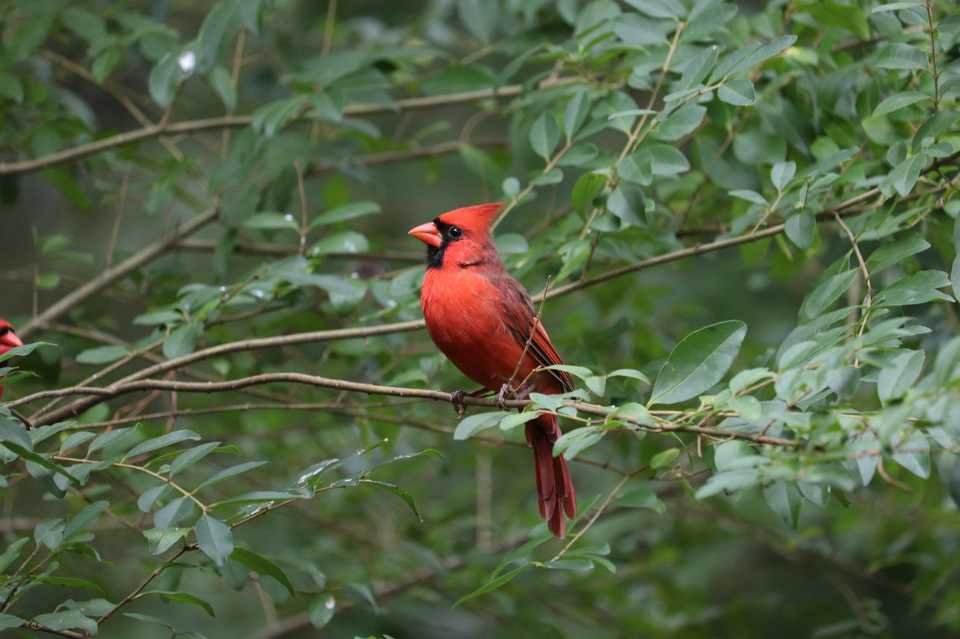
Northern Cardinals thrive in areas that offer dense vegetation combined with open feeding spaces. According to the Animal Diversity Web, cardinals favor edges of woods, hedgerows, and vegetation around houses, exactly the type of transitional zones that make them edge-habitat specialists. Your backyard doesn’t need to be a forest, but it should provide layered vegetation that offers both shelter and foraging opportunities.
Shrub density plays a crucial role in cardinal habitat selection. These birds prefer yards with thick, bushy areas where they can quickly escape from predators and build secure nests. If your property looks like a golf course with perfectly manicured grass and scattered shade trees, you’ll need to add some strategic messiness to attract cardinals.
Year-round residents in most of their range, cardinals don’t migrate like many other songbirds. This means they need habitat that provides resources through all seasons, from summer breeding requirements to winter shelter and food sources. Creating a cardinal-friendly environment requires thinking beyond just the pretty months.
Feeding Behaviors and Food Preferences
Cardinals are ground feeders by nature, though they’ll readily use elevated feeders when available. They prefer to crack open seeds with their powerful, cone-shaped bills rather than swallowing small seeds whole. This feeding style influences everything from feeder selection to seed choice. According to Birdwatching Daily, ground-level platform feeders are the most effective for attracting cardinals because they mimic their natural foraging style.
Foraging patterns involve a lot of scratching and hopping through leaf litter and undergrowth. Cardinals will spend considerable time working through fallen leaves and debris, searching for insects, seeds, and berries. Keeping some areas of your yard “naturally messy” provides essential foraging habitat.
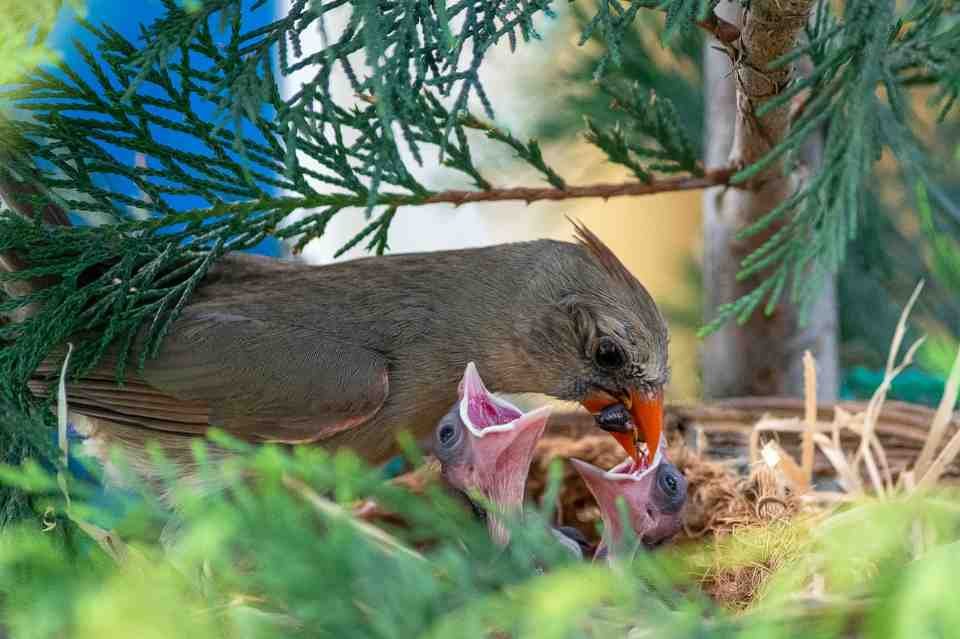
Seasonal diet changes affect cardinal activity throughout the year. During breeding season, they focus heavily on protein-rich insects to feed their young. Fall and winter shift their attention to seeds and fruits with high fat content. Understanding these preferences helps you provide appropriate food sources year-round, and pairing that with a bird-friendly garden design creates a habitat that keeps them coming back.
Essential Food Sources for Cardinals
Primary Seed Preferences
Sunflower seeds are absolutely cardinal candy, these birds can’t resist them. Both black oil sunflower seeds and striped sunflower seeds work well, though black oil varieties offer higher fat content that cardinals especially appreciate during colder months. Black-oil sunflower seeds are highly favored by a wide variety of birds because their thin shells are easy to crack, basically the “hamburger” of the bird world, according to Audubon. I go through about 20 pounds of sunflower seeds monthly once cardinals discover my feeders.
Safflower seeds provide an excellent alternative that many problem birds like grackles and starlings tend to avoid. Cardinals love safflower seeds almost as much as sunflower seeds, and they’re often more cost-effective for maintaining dedicated cardinal feeding stations. The white seeds look different but pack similar nutritional value.
Cracked corn appeals to cardinals, especially during fall and winter when they need quick energy sources. Whole corn kernels are too large for most cardinals to handle easily, but cracked corn provides the same nutritional benefits in a manageable size. Scatter some on the ground near your feeders for maximum appeal.
Natural Food Plants and Trees
Dogwood trees produce berries that cardinals absolutely love, plus they provide excellent nesting sites with their dense branching structure. I planted a flowering dogwood specifically for the cardinals, and it’s become their favorite hangout spot. The tree offers food, shelter, and nesting sites all in one package.
Sumac shrubs produce clusters of red berries that persist through winter, providing crucial cold-weather food sources when other options become scarce. Cardinals will work through sumac clusters methodically, and the shrubs’ dense growth provides excellent cover. These plants basically function as natural bird feeders.
Native elderberry bushes attract insects that cardinals eat during breeding season, plus they produce berries later in the year. The dual-purpose nature of elderberries makes them incredibly valuable for cardinal habitat. They’re also relatively low-maintenance once established, which appeals to my lazy gardening tendencies.
Supplemental Feeding Strategies
Platform feeders work better than tube feeders for attracting cardinals initially. These large birds feel more comfortable on sturdy, open feeding surfaces where they can easily see potential threats. Once cardinals become regular visitors, they’ll often adapt to using other feeder types as well.
Ground feeding remains the most natural approach for attracting cardinals to low platform feeders. Scatter seeds directly near cover, but be prepared for opportunistic visitors. If pests start raiding your buffet, read our guide on how to keep squirrels away from bird feeders to secure the area. This simple method mimics their natural foraging behavior and makes them feel safe.
Multiple feeding stations prevent dominance issues and accommodate more birds simultaneously. Cardinals can be territorial around food sources, so spreading feeders throughout your yard reduces conflicts and allows more birds to feed peacefully. I learned this after watching cardinal squabbles at my single feeder :/
Water Sources and Requirements
Birdbath Design and Placement
Shallow water sources attract cardinals much more effectively than deep birdbaths. These birds prefer water depths of 1–2 inches maximum, with gradually sloping sides that allow easy entry and exit. Traditional deep birdbaths often intimidate cardinals and prevent regular use.
According to Penn State Extension, birds are most likely to use baths that are shallow, with water no more than two to three inches deep and a safe, non-slippery surface.
Ground-level water sources feel more natural and secure to cardinals than elevated birdbaths. I positioned my main birdbath on a low pedestal only about 18 inches high, surrounded by shrubs that provide quick escape routes. This setup has become the neighborhood cardinal social hub.
Moving water elements like drippers or small fountains create sounds that attract cardinals from considerable distances. The gentle trickling noise signals fresh, clean water that birds instinctively prefer. Battery-operated water wigglers can turn any static birdbath into a cardinal magnet.
Water Maintenance and Seasonal Considerations
Clean water is absolutely critical for maintaining cardinal visits. Dirty, algae-filled birdbaths won’t attract these birds, and contaminated water can actually spread diseases among bird populations. I clean my birdbaths weekly with a stiff brush and refill them with fresh water.
Winter water access becomes challenging in freezing climates, but heated birdbaths keep cardinals visiting year-round. When warmer weather arrives, keeping birds hydrated during summer becomes just as important. These birds need water for drinking and bathing even during cold weather, and providing unfrozen water sources makes your yard incredibly attractive during harsh conditions.
Strategic placement near cover encourages more frequent use. Cardinals want quick access to dense vegetation where they can escape predators while visiting water sources. Position birdbaths within 10-15 feet of shrubs or trees, but not so close that predators can easily ambush drinking birds.
Nesting Habitat and Shelter Options
Ideal Nesting Vegetation
Dense shrubs between 4-15 feet high provide perfect cardinal nesting sites. They prefer shrubs with thick branching patterns that conceal nests while still allowing access. If you’re curious about their nesting habits, check out where northern cardinals build their nests for more detail. Forsythia, lilac, and viburnum shrubs all offer excellent nesting opportunities that cardinals readily use.
Evergreen trees provide year-round shelter and potential nesting sites. Spruce, pine, and cedar trees offer both the density cardinals need for security and the persistent cover required for winter survival. These trees also provide natural windbreaks that make your yard more comfortable for birds.
Dense native shrubs and bramble thickets, such as wild blackberry or raspberry bushes, offer excellent cover that helps cardinals hide their nests from predators. While these plants can look a little untidy to us, they provide critical shelter and safe nesting spots for cardinals.
Nesting Materials and Support
Natural nesting materials scattered around your yard help cardinals build sturdy nests. Leave small twigs, dried grass clippings, and pet hair available during breeding season. I collect hair from my dog’s grooming sessions and place it in suet cages for easy access.
Nest box alternatives don’t work for cardinals since they’re open-cup nesters rather than cavity nesters. Instead of nest boxes, focus on providing the right vegetation and materials that encourage natural nest building. Cardinals prefer constructing their own nests in living plants.
Protection from predators requires strategic landscape planning. Cardinals need nesting sites that cats, squirrels, and other predators can’t easily access. Dense shrubs, appropriate height placement, and multiple escape routes all contribute to successful nesting outcomes.
Seasonal Cardinal Attraction Strategies
Spring Breeding Season Tactics
High-protein foods become especially important during breeding season when cardinals need extra nutrition for egg production and feeding nestlings. According to this study on ResearchGate, offering mealworms can improve breeding success for many backyard birds. Mealworms, either live or dried, provide protein sources that attract breeding pairs. I increase my mealworm offerings dramatically from March through July.
Quiet environments encourage nesting activity, so avoid heavy yard work or loud activities near potential nesting sites during breeding season. Cardinals prefer peaceful areas for raising their families, and excessive disturbance can cause them to abandon otherwise suitable nesting locations.
Fresh water sources see increased use during breeding season as parent birds make frequent trips to drink and collect water for their nestlings. Keep birdbaths consistently clean and full during this critical period to support breeding success.
Fall and Winter Maintenance
Increased food quantities help cardinals build fat reserves for winter survival. I typically double my seed offerings from October through February to support not only resident cardinals but also any winter visitors from northern regions. According to the Cornell Lab of Ornithology, providing high-calorie foods like black-oil sunflower seeds and suet is crucial during winter. These energy-rich foods help birds maintain their body heat and energy levels in cold temperatures.
Shelter enhancements become crucial as temperatures drop and natural cover decreases. Evergreen plantings, brush piles, and dense shrubs provide essential windbreaks and roosting sites during harsh weather. Cardinals often roost communally in protected areas during extreme cold.
Consistent feeding schedules matter more during winter when natural food sources become scarce. Cardinals learn to depend on reliable food sources during difficult months, so maintaining regular feeding routines helps ensure their survival through challenging periods.
Creating Cardinal-Friendly Landscape Design
Plant Selection and Arrangement
Layered vegetation mimics the edge habitats that cardinals prefer in nature. Plan your landscape with tall trees, understory shrubs of varying heights, and ground-level plants that create natural corridors and hiding spots. This vertical diversity provides resources for all cardinal activities.
Native plant species typically work better than exotic alternatives because they’ve evolved alongside local bird populations. Native trees and shrubs produce seeds, berries, and insects that cardinals naturally recognize as food sources. They also require less maintenance once established.
Year-round interest keeps your cardinal habitat functional through all seasons. Choose plants that provide different resources throughout the year rather than focusing only on spring and summer appeal. IMO, the best cardinal gardens look good to birds every month, not just during peak blooming periods.
Avoiding Common Landscaping Mistakes
Overly manicured landscapes don’t appeal to cardinals, despite looking perfect to human sensibilities. These birds prefer some natural messiness that provides foraging opportunities and cover. Leave fallen leaves in shrub beds and allow some areas to grow more naturally.
Chemical treatments can eliminate the insects that cardinals need for breeding success. Pesticides and herbicides reduce both food sources and nesting materials that support cardinal populations. According to Beyond Pesticides, these chemicals negatively impact birds by reducing the insects they rely on for nutrition and nesting. Organic gardening approaches create healthier environments for attracting these birds.
Window strike prevention becomes important once cardinals start visiting regularly. These birds often strike windows when they see their reflection, mistaking it for territorial intruders. Decals, screens, or strategic plantings help prevent these dangerous collisions.
Troubleshooting Common Cardinal Challenges
Dealing with Aggressive Birds
Territorial disputes among cardinals can reduce overall backyard bird activity. Providing multiple feeding stations and water sources separated by distances helps reduce conflicts. Cardinals establish dominance hierarchies, but adequate resources prevent serious aggression.
Seasonal aggression peaks during breeding season when males become extremely territorial. This behavior is natural and usually decreases after nesting season ends. Patience and consistent food offerings typically resolve most territorial issues over time.
Bully bird management helps protect cardinals from larger, more aggressive species. Weight-activated feeders and caged feeding stations can exclude grackles and starlings while allowing cardinal access. Sometimes protecting cardinals means managing other bird species.
Addressing Feeding Problems
Seed spoilage in wet weather can make feeders unappealing to cardinals. Use feeders with good drainage and weather protection, and replace wet or moldy seeds immediately. Cardinals won’t eat spoiled food, and contaminated feeders can spread diseases.
Inconsistent visits often result from inadequate habitat rather than poor food choices. Cardinals need the complete package of food, water, and shelter to become regular visitors. Addressing habitat deficiencies usually solves feeding inconsistencies better than changing seed types.
Predator pressure can suddenly reduce cardinal activity if cats, hawks, or other predators discover your feeding areas. Repositioning feeders, adding cover plants, or addressing specific predator issues helps restore normal cardinal behavior patterns.
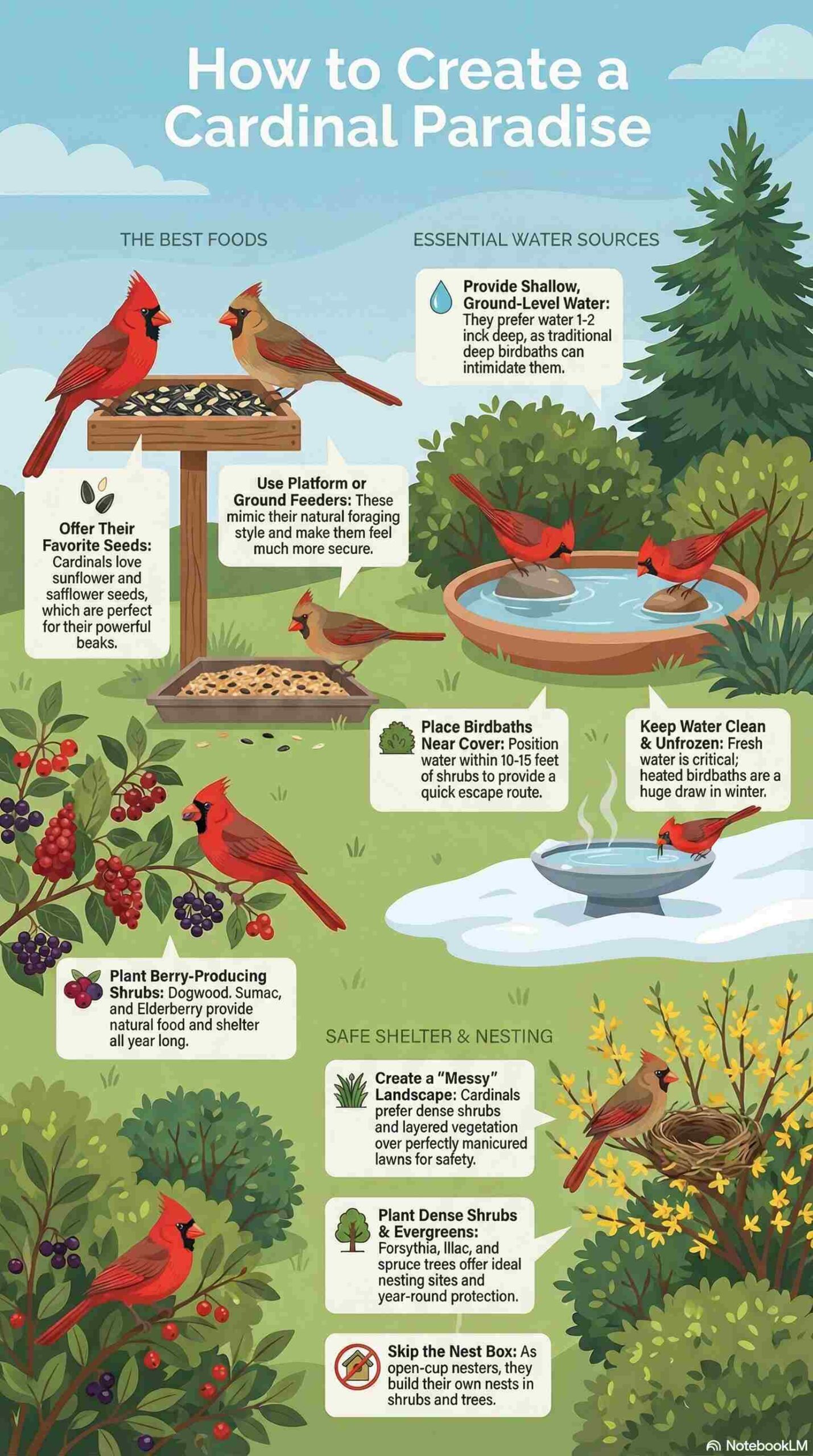
Cardinal Attraction at a Glance
Here’s a quick visual guide summarizing the key steps to attract cardinals to your backyard.
Reclaiming Your Yard as a Cardinal Paradise
Welcoming these brilliant songbirds to your property requires matching your backyard resources to their actual evolutionary needs. Providing consistent platform food stations, shallow water depth zones, and layered evergreen cover forms the absolute foundation of a successful wilderness sanctuary.
Establishing a permanent local flock is a gradual marathon rather than a quick weekend sprint. It may take several months for cautious families to fully trust your new hardware, but your daily patience will pay off the moment those brilliant crimson flashes land outside your window.
The most successful backyard bird habitats mature slowly over time as your native bushes grow and breeding pairs claim local territories. Start by securing the absolute basics of clean water and dense shrubs before expanding your layout layout based on real-world field observations.