Look, I’ll be honest with you, tossing some seeds out for the birds seems pretty straightforward, right? Fill the feeder, watch the show, repeat. But here’s the thing: I learned the hard way that responsible bird feeding is way more involved than just keeping the buffet stocked. A few years back, I noticed a bunch of finches hanging around my feeder looking… off. Fluffed up, lethargic, just not right. Turns out, my “generosity” had turned my backyard into a disease hotspot. Yep, that was a wake-up call.
Responsible bird feeding isn’t just about being a good host, it’s about keeping your feathered visitors genuinely healthy and safe. When we do it right, we’re supporting backyard bird populations through tough seasons. When we mess it up? We can actually do more harm than good 🙂.
- Feed appropriate foods: sunflower seeds, suet, nectar, etc.
- Watch portions: avoid overfeeding and moldy seed.
- Clean feeders & rotate locations to prevent disease.
- Place feeders safely: away from predators & collisions.
- Provide fresh water and native plants for shelter.
- Monitor birds for sickness; remove feeders if needed.
- Adjust seasonally: winter high-fat, summer lighter meals.
- Encourage natural foraging, don’t create dependency.
- Combine feeders with shrubs, trees, & nesting spots.
- Cleanliness, safety, observation = healthy, happy birds.
Why Responsible Bird Feeding Actually Matters
Show Transcript
0:00
All right, let’s talk about feeding our backyard birds. You know, if you think it’s just about throwing out some seed and enjoying the show, well, there’s actually a little more to it. Getting it right can make a world of difference for the health and safety of those little guys visiting your yard.
0:16
This is something so many of us can relate to. You start out with the absolute best intentions. You just want to help nature, see some beautiful birds up close, and then you realize something you’re doing might actually be causing a problem. It’s a tough lesson, but one we can all learn from.
0:34
So, you have to ask yourself this tough question. A feeder can be a lifeline for birds, especially when the weather gets rough. But—and this is a big but—if it’s not managed the right way, that safe little diner can turn into a real danger zone.
0:50
And that really gets to the heart of it. This isn’t about people trying to hurt birds. Not at all. It’s about how our good intentions can sometimes backfire.
0:58
So, let’s get into what can go wrong. Number one: when you get a ton of birds crammed into one little spot, it’s kind of like a crowded bus in the middle of flu season. These feeders can become hot spots for spreading diseases like salmonella or avian flu, passed around through droppings and old contaminated seed.
1:19
Just look at the difference. On one side, you’ve got a dirty feeder — a magnet for disease, pests like rats and mice, and mold. On the other side, a well-kept feeder promotes bird health, brings in a variety of species, and becomes a genuine safe haven. The choice is obvious.
1:41
The good news? Fixing this isn’t rocket science. It comes down to three simple rules. Master these, and you’ll be running the best five-star restaurant for birds in the neighborhood.
1:53
Here are the three pillars of feeding birds responsibly:
- The right food and portion size
- Keeping the space clean and safe
- Smart placement and spacing
2:08
Let’s tackle the first: portion control. It’s tempting to fill the feeder to the brim, but more is not better. Excess seed sits around, gets damp, grows mold, and invites rodents. Only put out what the birds will eat in a day or so. Fresh food equals healthy birds.
2:28
And the right food is key. Black oil sunflower seeds are a crowd-pleaser. Suet is a high-energy power bar, perfect for winter. For hummingbirds, nectar is critical — but replace it every couple of days in hot weather. And a huge no-no: never give bread or moldy food. It’s bad for them.
2:56
Rule number two: keeping things clean. About once a week, scrub feeders with a 10% bleach solution — one part bleach to nine parts water. Rinse thoroughly and let dry completely before refilling. Moisture plus grime equals sick birds. Wet, clumpy seed is the enemy.
3:37
Finally, rule three: location. Think of this as bird-style social distancing. Space feeders 10–15 feet apart to prevent overcrowding and lower disease risk.
4:01
Quick checklist:
- Keep feeders spaced out
- Place them 5–6 feet off the ground to protect from cats and predators
- Near some cover, like a bush, but not so close squirrels can jump easily
- Keep the ground underneath clean — sweep up fallen seeds
4:24
If you want to level up, think like a head chef. Change your menu with the seasons. Winter birds need high-fat foods for energy; summer is just a supplement. Different birds like different things — finches go nuts for niger seeds, cardinals and jays prefer a flat platform feeder.
4:51
What’s the payoff? It’s more than just preventing problems. You’re creating a vibrant, healthy paradise for birds. Feed smart, clean often. You’ll attract more species, keep them healthier, and the joy of watching them will be so much bigger.
5:22
So, think about this: what’s the first change you’re going to make? Maybe it’s a weekly feeder cleaning, switching seed, or moving a feeder to a better spot. What’s one small thing you can do today to make your backyard an even better place for birds?
Ever wonder why organizations like the Cornell Lab of Ornithology and the Audubon Society keep hammering on about proper feeding practices? It’s because our backyards have become critical supplemental food sources for wild birds, especially as natural habitats shrink. But with great power comes great responsibility (yeah, I went there).
Disease prevention is the big one here. When birds crowd around feeders, they’re in close contact, sharing food, water, and unfortunately, pathogens. Salmonellosis, aspergillosis, even avian flu can spread quickly at poorly maintained feeding stations.
A long-term surveillance study published in the Proceedings of the Royal Society B found that repeated congregation at feeding stations significantly increases the risk of passerine salmonellosis. In other words, dirty or overused feeders are more than just messy — they can actually make birds sick.
The cool part? Once you understand the principles of safe bird feeding, it becomes second nature. You’ll actually enjoy watching your backyard visitors more when you know they’re thriving, not just surviving.
Principles of Responsible Bird Feeding
Let’s talk fundamentals. These are the building blocks of backyard bird care that’ll keep your feeding station from becoming a hazard zone.
Feed the Right Amount
Here’s where a lot of us go wrong (myself included). We think more food = happier birds, right? Wrong. Overfeeding creates a pile of problems, literally. Uneaten seed gets wet, grows mold, attracts rodents, and becomes a breeding ground for bacteria.
Portion control is your friend here. Watch how quickly birds consume what you’re offering. If there’s still seed sitting around after a couple of days, you’re putting out too much. Think of it like meal prep, fresh is best, and waste is the enemy. Plus, controlling food management means you’re not burning through your bird seed budget unnecessarily.
Provide Nutritionally Appropriate Foods
Not all bird food is created equal, and different species have different needs. This is where wild bird nutrition gets interesting.
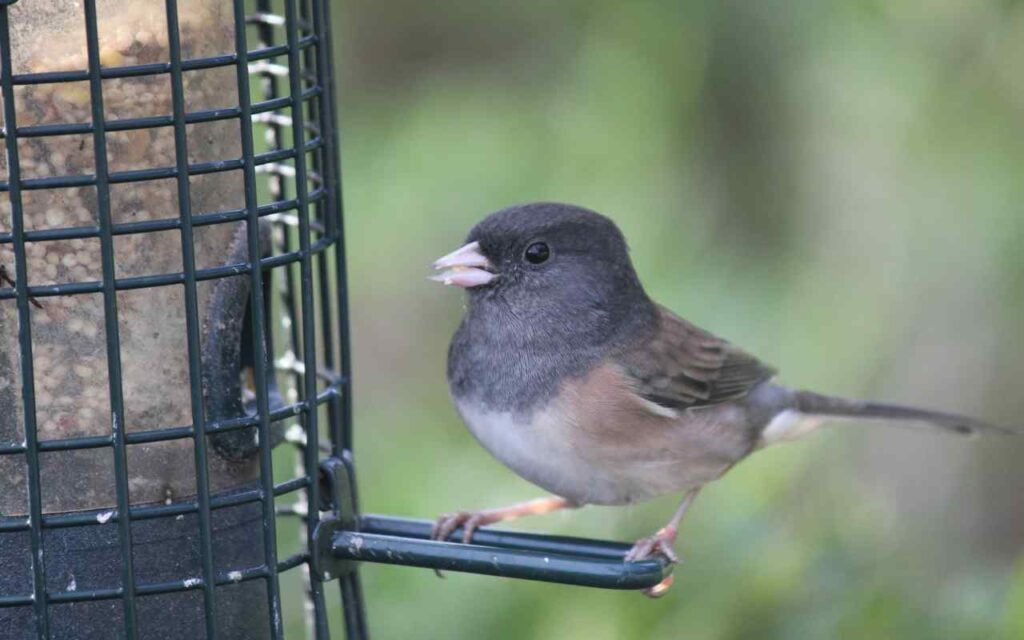
Sunflower seeds are like the universal crowd-pleaser, finches, cardinals, chickadees, they all go nuts for them. Black-oil sunflower seeds are especially great because they’re high in fat and easier to crack open. Cardinals absolutely love them, and you’ll see them dominating your feeders if you stock these.
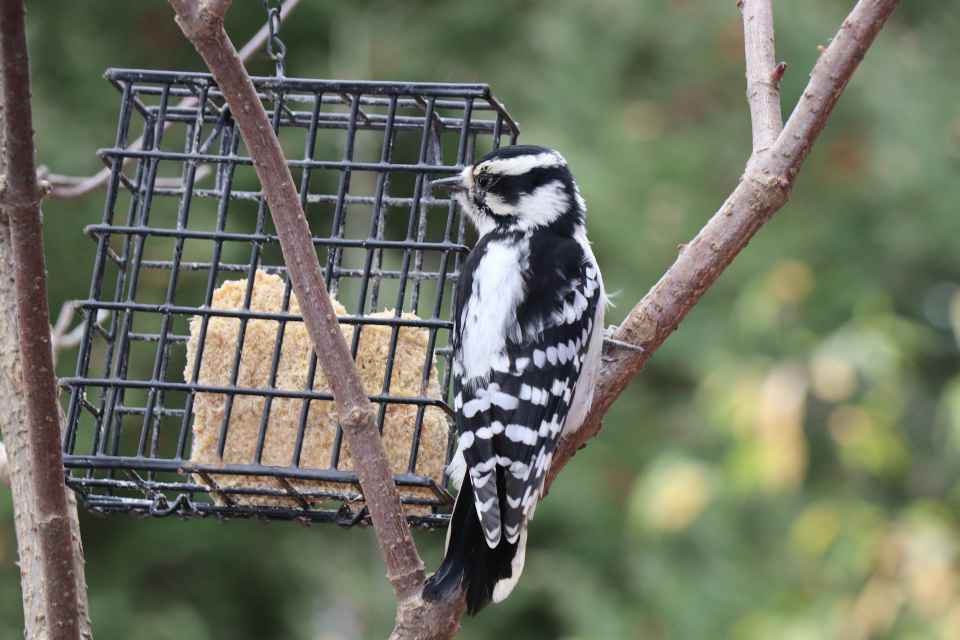
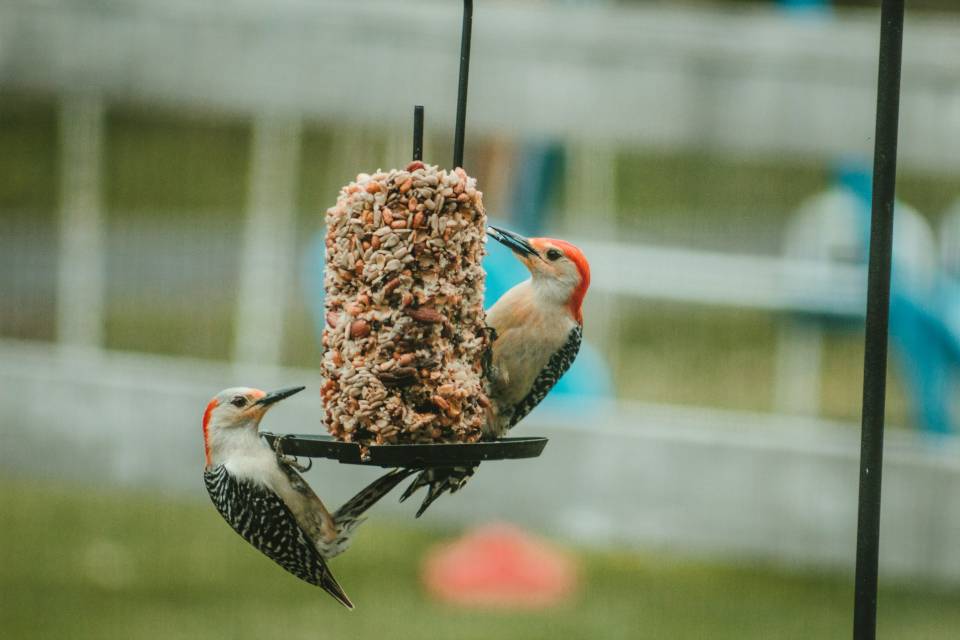
Suet is crucial for winter feeding when birds need serious calories to stay warm. Woodpeckers, nuthatches, and chickadees will thank you. Just make sure you’re using appropriate suet cakes that won’t melt in summer heat.
For hummingbirds, nectar is non-negotiable. But (and this is important) you need to replace it frequently, every 2-3 days in hot weather, or it ferments and can actually poison them. Making your own nectar is super simple and way cheaper than buying premade stuff.
Rotate Feeding Locations
This one’s a game-changer for feeding hygiene. If you keep feeding in the exact same spot year-round, you’re basically creating a disease hotspot. Bird droppings accumulate, pathogens build up in the soil, and suddenly you’ve got a contamination zone.
I rotate my feeder locations every few months. It doesn’t have to be a huge move, even shifting it 10-15 feet makes a difference. This simple practice of feeder rotation dramatically reduces disease transmission among backyard species like sparrows, finches, and cardinals.
How Responsible Feeding Prevents Disease
Alright, real talk: dirty feeders kill birds. I know that sounds harsh, but it’s true. When we let feeders get grimy and overcrowded, we’re essentially running a petri dish for avian diseases.
Salmonellosis is probably the most common feeder-transmitted disease. Birds get it from contaminated food or surfaces, and it spreads rapidly in crowded conditions. Infected birds look lethargic, fluffed up, and often die within days. Not exactly the backyard scene we’re going for.
Aspergillosis is a fungal infection that thrives in moldy, damp conditions. See where I’m going with this? Old, wet seed sitting in your feeder = fungal growth = sick birds. It affects their respiratory system and is often fatal.
And then there’s avian flu. While less common at feeders, it’s still a concern when birds are crowded together. The pathogens spread through saliva, nasal discharge, and droppings.
The solution? Moisture control is everything. Standing water, damp seed, condensation inside feeders, these create the perfect storm for mold and bacterial growth. Keep things dry, clean, and you’ve eliminated most of the risk. (FYI, I’ve got detailed cleaning instructions if you want the full rundown, but the gist is: regular cleaning prevents most feeder-related diseases.)
A 2023 study published in Emerging Infectious Diseases documented a multistate salmonellosis outbreak linked to contaminated bird feeders, with 30 human cases across 12 states connected to sick songbirds. The researchers emphasized that allowing feeders to become soiled with feces and food waste significantly increases disease transmission risk. So yeah, science backs up what seems like common sense.
Feeding Practices for Different Backyard Birds
Not all birds eat the same way, and understanding these differences is key to responsible feeding. Let me break down some common visitors and their specific needs.
Finches: The Picky Eaters
Finches are adorable, but they’re also surprisingly particular. They prefer nyjer (thistle) seed and need specialized tube feeders with small ports. House finches and goldfinches will crowd these feeders, which is why feeder hygiene becomes crucial.
Here’s the thing about finches: they’re messy eaters and particularly susceptible to conjunctivitis (house finch eye disease). If you notice finches with crusty, swollen eyes, take your feeders down immediately and clean them thoroughly. Attracting finches is great, but preventing disease spread is more important.
Sparrows: The Opportunists
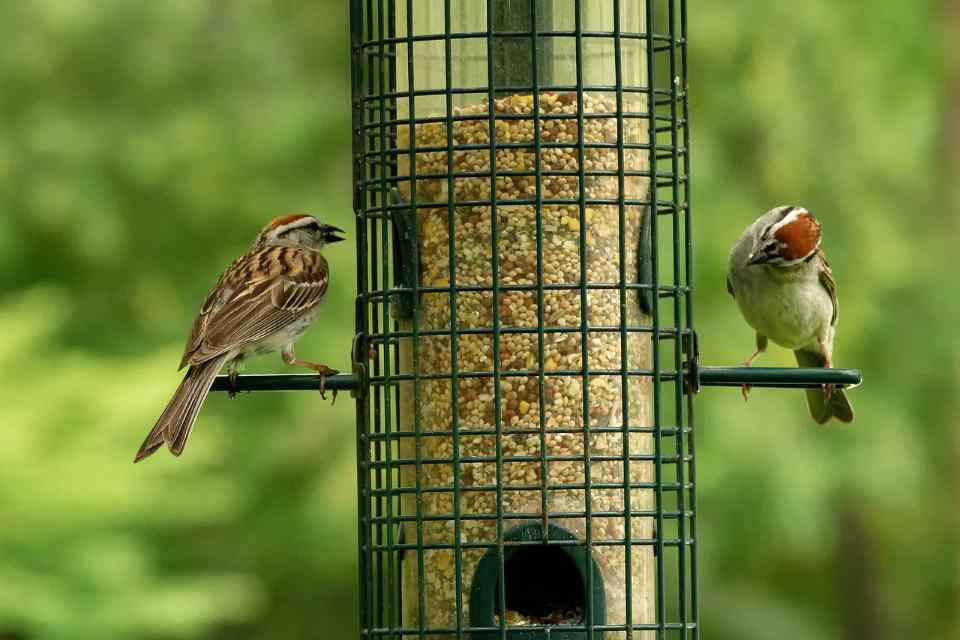
Sparrows aren’t picky, they’ll eat just about any seed you offer. This makes them frequent feeder visitors but also means they can dominate and create overcrowding issues. They prefer feeding on platforms or the ground, which means you need to be extra vigilant about cleaning up spilled seed.
Hummingbirds: High-Maintenance But Worth It
Hummingbirds are basically tiny helicopters with an attitude, and their feeding requirements reflect that energy level. Nectar care is non-negotiable here. Replace nectar every 2-3 days in hot weather, every 5-7 days in cooler temperatures. Never use red dye, it’s unnecessary and potentially harmful.
Clean hummingbird feeders weekly minimum, more often in summer. Mold in nectar feeders can cause fatal tongue infections. These little speedsters work hard for us by pollinating plants and eating insects, so keeping them healthy is the least we can do.
Cardinals & Jays: The Heavyweights
Cardinals and blue jays are larger, more aggressive feeders. They prefer platform feeders or hopper feeders where they can comfortably perch. Feeding patterns for these birds often involve grabbing seed and flying off to eat elsewhere, which actually helps reduce disease transmission at the feeder itself.
Blue jays can be bullies, chasing smaller birds away. If you want to support multiple species, consider setting up separate feeding stations. This reduces aggression and prevents smaller birds from being shut out entirely.
Timing & Frequency of Feeding
When you feed matters almost as much as what you feed. Let me explain.
Seasonal Feeding Strategies
Winter feeding is when birds need us most. Natural food sources are scarce, temperatures plummet, and birds burn massive calories just staying warm. This is when feeding birds in winter becomes genuinely life-saving. High-fat foods like suet, black-oil sunflower seeds, and peanuts are essential.
Summer feeding is different. Natural food is abundant, so feeders serve more as supplemental sources. But don’t skip summer feeding entirely, nesting birds and recent fledglings benefit from reliable food sources. Just adjust quantities and focus on foods that won’t spoil quickly.
Spring and fall bring migratory birds through your yard. These travelers need serious fuel, so keeping feeders stocked during migration seasons supports both residents and visitors.
Daily Feeding Patterns
Birds have predictable feeding schedules. Most species are most active in early morning and late afternoon. They’re fueling up after a cold night and before another one. Understanding these bird activity patterns helps you time feeder refills and monitor consumption.
I refill my feeders in the morning and check them again in late afternoon. This routine lets me spot problems quickly, like if consumption suddenly drops (might indicate a predator issue) or if certain foods aren’t being eaten (time to switch it up).
Avoiding Continuous Overfeeding
Look, it’s tempting to keep feeders packed all the time. But continuous overfeeding creates waste, encourages dependency, and increases disease risk. Birds are perfectly capable of finding natural food sources, feeders should supplement, not replace, natural foraging. Balance is key here.
Safe Bird Feeder Placement & Setup
Where you put your feeder matters more than you might think. Poor placement can turn your good intentions into a death trap.
Avoiding High-Density Crowding
Space your feeders at least 10-15 feet apart. This reduces aggression, prevents overcrowding, and limits disease transmission. If you’re running multiple feeders (which I recommend for supporting different species), spread them out across your yard rather than clustering them together.
Strategic Placement for Safety
Feeders should be near shelter but not too close. Birds need nearby trees or shrubs to escape to when predators appear, but if feeders are right against dense cover, you’re basically setting up an ambush zone for cats and hawks.
The sweet spot? About 10-12 feet from trees or shrubs. Close enough for quick escapes, far enough that predators can’t stage surprise attacks. This balance is crucial for backyard bird safety.
Also, keep feeders at least 5-6 feet off the ground. This makes it harder for ground predators to reach and gives birds a better vantage point to spot danger.
Maintaining Clear Zones
Keep the area under feeders clear of debris. Accumulated seed hulls, droppings, and moldy seed create health hazards and attract rodents. I use a ground tray or sweep under my feeders weekly to prevent buildup. Location really does matter when it comes to preventing predation and disease.
Maintaining Hygiene Without Getting Obsessive
I’m not going to rehash the entire feeder cleaning process here, I’ve already covered that in detail. But let’s talk about the general principles of feeding hygiene that keep disease at bay without turning feeder maintenance into a part-time job.
Weekly cleaning should be your baseline. More often if you notice moisture, mold, or overcrowding. Use a 10% bleach solution (1 part bleach to 9 parts water), scrub thoroughly, rinse completely, and let dry before refilling.
Remove wet seed immediately. If it rained overnight and your feeder’s full of soggy seed, dump it. Don’t wait for it to dry out, it won’t. It’ll just mold and make birds sick.
Monitor for mold constantly. Black spots, fuzzy growth, weird smells, these are your red flags. If you spot mold, deep clean that feeder before refilling.
The Cornell Lab of Ornithology recommends cleaning feeders at minimum every two weeks, more frequently during wet weather or if you notice sick birds. It’s solid advice backed by years of research into pathogen control at feeding stations.
Common Mistakes in Backyard Bird Feeding
Let’s talk about what not to do. I’ve made most of these mistakes myself, so I’m speaking from painful experience here.
Overfeeding: When Good Intentions Go Wrong
We covered this earlier, but it bears repeating. Overfeeding leads to waste, which leads to mold, which leads to disease. It also attracts rodents (trust me, dealing with rats at your bird feeder is nobody’s idea of fun).
Watch consumption patterns and adjust accordingly. If seed sits around for days, cut back. Simple as that.
Feeding Inappropriate Foods
Not everything edible for humans is safe for birds. Bread is basically junk food for birds, empty calories with no nutritional value. Salty foods, chocolate, avocado, and anything moldy are toxic. Stick to quality bird seed, suet, and fresh nectar.
Some people think they’re being helpful by putting out kitchen scraps. Unless it’s unsalted, unprocessed foods like fruit or vegetables, skip it. Birds need proper nutrition, not table scraps.
Ignoring Seasonal Needs
Bird nutritional needs change with the seasons. Seasonal feeding requires adjusting your offerings. High-fat foods in winter, protein-rich options during nesting season, nectar for migrating hummingbirds in spring and fall. Ignoring these shifts can lead to malnutrition or worse. Feed smart, not just often.
Poor Placement Problems
We covered placement already, but it’s such a common mistake that it deserves another mention. Feeders too close to windows cause deadly collisions. Feeders in exposed areas leave birds vulnerable to predators. Feeders too close to dense cover create ambush opportunities for cats.
Think like a bird when placing feeders. Would you feel safe eating there? If not, move it.
Monitoring Bird Health & Behavior
Part of responsible bird feeding is actually paying attention to your feathered customers. IMO, this is where casual bird feeding becomes genuine backyard bird care.
Signs of Sickness
Learn to recognize when something’s wrong. Lethargic birds that sit around fluffed up instead of actively feeding are red flags. Feather loss beyond normal molting, especially around the head and neck, can indicate parasites or disease. Eye discharge, crusty eyes, or swelling are signs of conjunctivitis.
Salmonellosis symptoms include lethargy, ruffled feathers, difficulty flying, and swollen eyelids. If you spot these signs, take down your feeders immediately, clean them thoroughly, and leave them down for at least two weeks. This breaks the disease transmission cycle.
When to Remove Feeders
Sometimes the most responsible thing you can do is stop feeding temporarily. If you notice multiple sick birds, if there’s a local disease outbreak (check with your state wildlife agency), or if predators are staking out your feeders, shut down operations until the situation improves.
I know it feels harsh, especially in winter, but continuing to operate contaminated feeding stations during disease outbreaks just spreads illness faster. Birds will find other food sources, they’re surprisingly resourceful.
Encouraging Natural Foraging
Your feeders should supplement natural food sources, not replace them. Encourage birds to forage naturally by planting native plants that produce seeds, berries, and attract insects. This creates a more balanced diet and reduces dependency on feeders.
Think of it this way: you’re not running a soup kitchen; you’re providing a convenience store. Birds should still be getting most of their nutrition from natural sources.
Integrating Responsible Feeding with Your Backyard Habitat
Here’s where things get really cool. Responsible bird feeding doesn’t exist in isolation, it’s part of creating a comprehensive bird habitat in your backyard.
Water: The Forgotten Essential
Everyone focuses on food, but fresh water is equally critical, especially in winter when natural sources freeze. Provide water safely using birdbaths with gentle sloping sides and regular cleaning.
In winter, use a heated birdbath or add a de-icer to prevent freezing. Change water daily to prevent disease transmission, yes, birdbaths need cleaning too.
Native Plants: Nature’s Original Bird Feeder
Native plants provide natural food sources, nesting materials, and shelter. They attract insects (which many birds feed to their young), produce seeds and berries, and require less maintenance than ornamental plants.
Creating a bird-friendly garden with native vegetation reduces birds’ dependence on feeders while supporting backyard biodiversity. Oak trees, for example, support hundreds of insect species that birds rely on. Native berry-producing shrubs provide food from late summer through winter.
Balancing Feeders with Natural Foraging
The goal is ecosystem balance. Your feeding station should complement, not dominate, the natural food web in your yard. By combining feeders with native plants, water sources, and nesting opportunities, you’re creating a genuinely supportive habitat rather than just a food dispensary.
Designing a bird-friendly garden takes some planning, but the results are worth it. You’ll attract more species, see more natural behaviors, and reduce the disease risks associated with feeder dependency.
Resources for Going Deeper
Look, I’ve thrown a lot at you here, and responsible bird feeding is genuinely a learning process. Nobody gets it perfect right away (I certainly didn’t). But the good news is there are amazing resources available to help you level up your bird care game.
The Audubon Society offers fantastic resources on bird feeding, habitat creation, and species identification. Their database is incredibly comprehensive, and their regional chapters can provide location-specific advice.
The Cornell Lab of Ornithology is basically the gold standard for bird information. Their Project FeederWatch program lets you contribute to citizen science while learning about the birds visiting your feeders. Plus, their online resources about bird health and feeding practices are scientifically sound and regularly updated.
The National Wildlife Health Center provides updates on disease outbreaks affecting wild birds. If you notice sick birds at your feeders, checking their site can tell you if there’s a regional outbreak happening.
For practical guides, I’ve written about cleaning feeders, choosing the right feeder type, and creating bird sanctuaries. These complement the principles we’ve covered here with specific, actionable steps.
The Bottom Line on Responsible Bird Feeding
Here’s the thing: feeding birds responsibly isn’t complicated once you understand the principles. It’s about cleanliness, appropriate foods, proper placement, and paying attention. That’s really it.
You’re not just providing food, you’re supporting bird health, preventing disease, and creating habitat. Done right, bird feeding is a genuinely positive contribution to backyard bird populations. Done carelessly, it can do more harm than good.
The birds visiting your feeders are counting on you to keep them safe. Not to sound dramatic, but when you put out that feeder, you’re taking on a responsibility. These wild creatures are trusting that the food source you’re providing won’t make them sick or put them in danger.
So clean those feeders regularly, rotate locations, monitor for disease, and remember that less is often more. Your backyard birds will thank you with their continued presence, vibrant health, and maybe even successful nesting seasons.
And honestly? Watching healthy, happy birds at a well-maintained feeding station is just more enjoyable than watching sick birds struggle at a neglected one. Responsible bird feeding isn’t just about doing right by the birds, it’s about creating a backyard space that genuinely enriches both their lives and yours.
Now get out there and feed some birds the right way. They’ve got places to be and calories to burn, and you’ve got the knowledge to help them do it safely. 🙂