
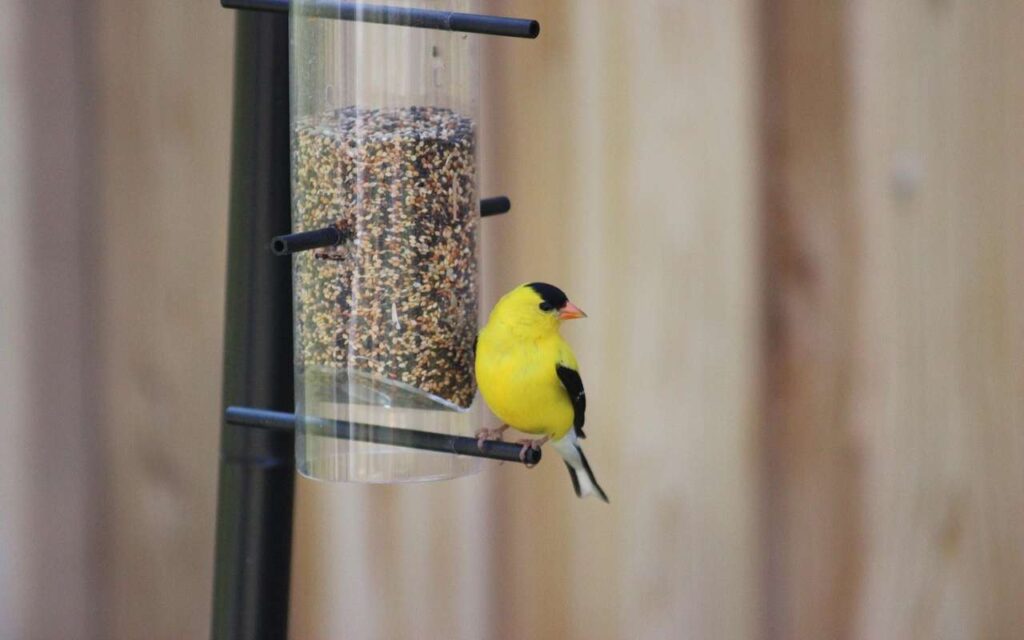
One icy morning last winter, a puffed-up chickadee hit my feeder like it hadn’t eaten in days. It tore through black oil sunflower seeds as if its life depended on it, and honestly, it did. Moments like that make it clear why choosing the best bird seed for each season matters. Birds don’t eat the same way year-round, because their bodies aren’t dealing with the same challenges.
I’ve spent years trying different seasonal bird seed blends and paying attention to which species show up, what they ignore, and what keeps them coming back. Once I started matching seed to the season, everything changed. My feeders stayed busy, and the variety of birds in my yard shot up. This guide walks you through the exact blends that work and why they make such a difference 🙂.
- Winter: High-fat seeds like black oil sunflower, peanuts, and suet.
- Spring: Protein-rich seeds such as sunflower hearts, safflower, and millet.
- Summer: Heat-stable options like nyjer, safflower, and sunflower hearts.
- Fall: Energy-dense picks like black oil sunflower, peanuts, and millet.
- Match seeds to birds’ seasonal nutrition needs.
- Keep feeders clean and rotate blends with the weather.
- Offer fresh water year-round for better bird activity.
- Adjust blends for your region to attract more species.
- Avoid filler seeds like milo, wheat, and red millet.
- Watch seasonal bird activity to fine-tune what you offer.
Why Birds Need Different Seeds in Each Season
Show Transcript
0:00
Have you ever wondered how to turn your backyard into an amazing, vibrant hub for birds, all year round?
0:06
It’s actually simpler than you might think. Today, we’re unlocking the secret to keeping your feathered neighbors happy and healthy, no matter the weather.
0:15
One icy morning, I watched a tiny chickadee puffed up against the cold. It slammed into my feeder like its life depended on it. And in that moment, I realized something: for these little birds, the right food at the right time isn’t a treat—it’s survival.
Seasonal Nutrition
0:34
So why focus on the seasons? A bird’s menu isn’t one-size-fits-all. Their nutritional needs change dramatically throughout the year, depending on weather, breeding, and migration.
0:49
What they need in the dead of winter is completely different from what they need in June.
0:54
In winter, it’s all about high-fat foods. This is fuel to keep their internal furnace burning just to stay warm.
1:05
In spring, priorities shift to high-protein foods, essential for producing strong eggs and raising healthy chicks.
Winter Feeding
1:16
Let’s dive into the toughest season: winter. Natural food sources are mostly gone, and the cold is relentless. Your backyard feeder becomes a lifeline, providing high-energy fuel that birds desperately need.
1:31
Winter champions:
- Black oil sunflower seeds – thin shells, easy for small birds, packed with fat.
- Peanuts and suet blocks – pure fat, high-octane fuel to generate body heat.
1:56
Pro tip: Consistency is everything. Keep feeders clear of snow and make sure seeds never get wet or moldy. A clean feeder is a safe feeder.
Spring and Summer Feeding
2:12
When the snow melts and the world turns green, the mission changes. Spring and summer focus on supporting birds through breeding and nesting.
2:26
Spring protein boosters:
- Sunflower hearts – shelled seeds, instant energy for exhausted parents.
- Safflower – mostly ignored by squirrels and bigger birds.
- Millet – perfect for ground-feeding birds like sparrows and juncos.
2:52
In summer, lighter seeds hold up better in heat. Nyjer (thistle) seed is a goldfinch favorite.
3:09
But the most important summer priority? Fresh water. A clean birdbath for drinking and bathing is essential for hydration and feather maintenance.
Fall Feeding
3:27
Fall is the great refueling season. Migrating birds need energy for their journey south, and those staying behind bulk up for winter.
3:43
The perfect fall blend:
- High-fat sunflower seeds and peanuts – build fat reserves.
- Millet and corn – quick-burning carbs for immediate energy.
4:00
It’s the ultimate pre-winter power meal.
Putting It All Together
4:03
Here’s how to turn this seasonal knowledge into action with a simple four-step routine:
- Identify the season.
- Mix a custom seed blend based on seasonal needs.
- Use the right feeder for that seed.
- Clean feeders regularly to keep birds healthy.
4:34
Doing this turns you from someone with a bird feeder into a steward of local wildlife. You’re caring for them, playing a small but meaningful role in their lives, and it’s incredibly rewarding.
Final Thought
4:51
By feeding smart and adapting with the seasons, you’re not just helping the birds you know—you’re rolling out the welcome mat for new species.
5:01
The real question is: what exciting birds will you discover in your backyard this year?
The physiology behind seasonal bird feeding is fascinating. Birds aren’t just being picky, their bodies undergo dramatic metabolic changes throughout the year that demand specific nutrition.
Winter metabolism is all about survival. Chickadees, for example, can lose 10% of their body weight overnight in freezing temperatures. Research published in Biology Letters demonstrated that birds receiving supplementary feeding during winter showed significantly improved breeding success the following spring, proving that winter bird nutrition has carry-over effects for reproductive health. They need calorie-dense, high-fat seeds to replenish overnight losses, without them, they simply won’t make it through winter.
Spring breeding season shifts metabolic priorities to reproduction. Female birds require additional protein and calcium for egg production, while both parents need sustained energy for the exhausting work of feeding nestlings. A 2015 study published in Conservation Physiology found that wild birds using well-maintained feeding stations exhibited improved body condition, lower stress hormone levels, and higher-quality feather growth compared to birds without access to supplemental food (Plummer et al., 2015).
Summer abundance means birds rely less on feeders since natural food is plentiful. However, late-nesting species like goldfinches still visit regularly, and fresh water becomes more critical than food. The focus shifts to lighter, less fatty seeds that won’t go rancid in heat.
Fall migration preparation demands serious caloric intake. Migratory birds need to double their body weight before embarking on journeys of thousands of miles. Even resident birds instinctively begin storing fat reserves for winter. According to research in Proceedings of the National Academy of Sciences, supplementary feeding significantly affects local bird community structure and reproductive success, with effects varying by species and season.
Quick Reference: Best Bird Seeds by Season
| Season | Primary Seeds | Target Birds | Why It Works |
|---|---|---|---|
| Winter | Black oil sunflower, peanuts, suet, sunflower hearts | Chickadees, cardinals, nuthatches, woodpeckers | High fat content (40%+) provides calories for cold survival |
| Spring | Sunflower hearts, safflower, white proso millet | Bluebirds, sparrows, finches, cardinals | Protein supports egg production and chick feeding |
| Summer | Nyjer, safflower, sunflower hearts | Goldfinches, house finches, hummingbirds | Lighter seeds that won’t spoil in heat |
| Fall | Black oil sunflower, peanuts, millet, cracked corn | Cardinals, jays, sparrows, migrating species | Energy-dense for fat storage before migration/winter |
Best Bird Seed for Winter: High-Fat Options for Cold Weather Survival
Winter bird feeding isn’t optional for many species, it’s the difference between survival and starvation. When natural food sources are buried under snow or simply exhausted, your feeders become critical lifelines.
Black Oil Sunflower Seeds: The Winter Champion
These are the undisputed kings of winter bird nutrition. With roughly 40% oil content, they pack more calories per seed than any other common offering. The thin shells make them accessible even for small birds with cold-weakened bills, and they attract more species than any other single seed type.
I’ve tracked seed consumption at my feeders for three winters now, and black oil sunflower consistently outperforms everything else 3-to-1 in cold weather. Cardinals, chickadees, nuthatches, blue jays, and finches all hit these hard from November through March.
Peanuts and Suet: Premium Winter Fuel
Peanuts provide concentrated protein and fat that woodpeckers, jays, and nuthatches desperately need. Buy human-grade or pet-grade to avoid aflatoxin contamination, which can be fatal to birds.
Suet blocks offer pure fat energy. I started offering suet after reading about how birds require dramatically increased caloric intake in winter. Woodpeckers and chickadees will visit suet feeders dozens of times per day during cold snaps, taking small pieces to cache for later consumption.
Sunflower Hearts: No-Waste Winter Nutrition
Hulled sunflower seeds cost more upfront but provide pure nutrition with zero waste. Every bit gets eaten, nothing sprouts under your feeders, and birds don’t waste energy cracking shells in the cold. When temperatures drop below 20°F, I switch exclusively to sunflower hearts at one of my feeders, the birds visit it first every morning.
Winter Feeding Tips That Actually Work
Keep feeders snow-free using weather guards or covered hoppers. After learning this lesson during a blizzard that buried my tube feeder for three days, I now use only covered feeders in winter. Birds couldn’t access the buried feeder, and I watched them desperately searching for food, never again.
Replenish seed after every storm. Birds deplete their fat reserves during bad weather and need immediate food access afterward. Check feeders daily during severe winter weather and refill as needed.
Never let seed get wet and moldy. Wet seed grows aspergillus mold that causes fatal respiratory infections faster than starvation would kill them. If you spot mold, dump everything, clean thoroughly with bleach solution, and start fresh.
Best Bird Seed for Spring: Protein-Rich Foods for Breeding Season
Spring transforms backyard bird nutrition needs from survival to reproduction. It’s not just about keeping birds alive, it’s about supporting the next generation.
Why Protein Matters for Nesting Birds
Egg production demands protein and calcium. Female birds need quality nutrition to produce healthy eggs with strong shells. While they get most calcium from insects and grit, protein-rich seeds help supplement their diet during this metabolically expensive period.
Parent birds feeding nestlings work exhaustingly hard. Most chicks eat primarily insects, but parent birds fuel themselves with seeds between hunting trips. According to research, better parental nutrition correlates with higher fledgling success rates.
Top Spring Seed Choices
Sunflower hearts remain excellent spring fare. They’re easy to eat quickly (crucial when you’re busy feeding babies), offer good protein relative to other seeds, and provide sustained energy without excessive fat.
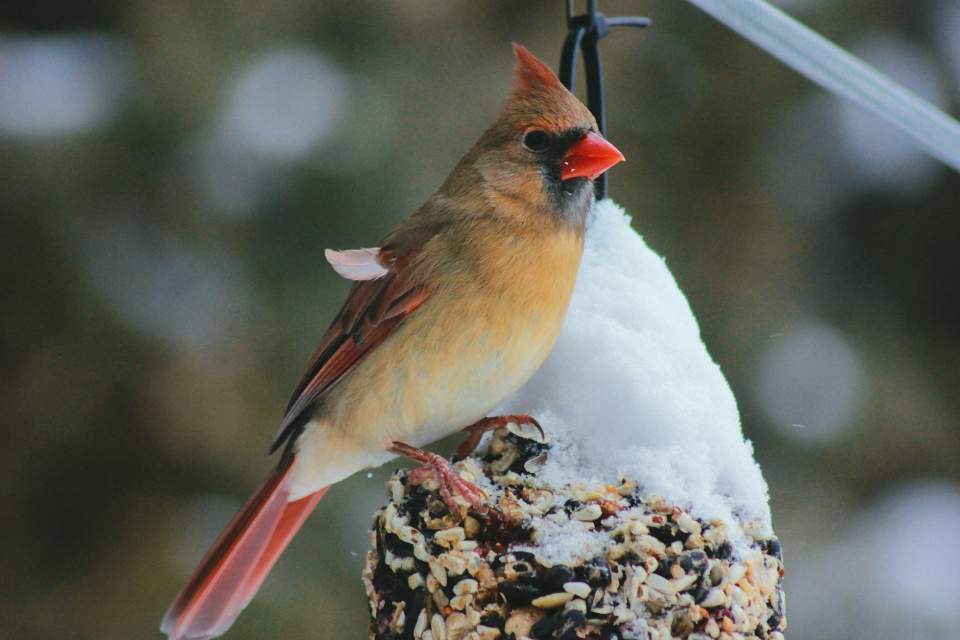
Safflower seeds are underrated spring performers. Their bitter taste deters squirrels and grackles, meaning more food stays available for desirable species like cardinals and house finches. I switched one of my feeders to straight safflower in April, and within a week, the grackle mob disappeared while cardinals increased.
White proso millet attracts ground-feeding birds like sparrows and juncos, species that are often active nesters. Providing their preferred food helps support breeding success.
Smart Feeder Placement During Nesting Season
Position feeders away from active nest sites. You don’t want to draw predators’ attention to vulnerable nests. I learned this after watching a sharp-shinned hawk stake out my feeder that was too close to a chickadee nest box. The adults were terrified to approach the nest. I moved the feeder 50 feet away, and normal activity resumed within hours.
Best Bird Seed for Summer: Light Seeds That Won’t Spoil in Heat
Summer bird feeding requires a different mindset. Natural food is abundant, but done right, summer feeding still supports birds in important ways without the risks of spoilage and disease.
Nyjer Seeds for Summer Finches
Nyjer seeds are perfect summer fare. These tiny, oil-rich seeds attract goldfinches, siskins, and other small finches that remain active at feeders when most species disappear. Goldfinches nest later than most birds (July-August), making them reliable summer visitors.
I fill my nyjer feeder in May and watch it transform from empty to crowded within weeks as goldfinches arrive for breeding season. Their bright yellow plumage against green foliage is worth the cost of nyjer alone.
Safflower and Sunflower Hearts for Hot Weather
These seeds work well in summer because they’re less likely to spoil than in-shell varieties. The lack of hulls means less mess and no sprouting vegetation that attracts rodents.
Millet remains attractive to ground-feeding birds and doesn’t go rancid as quickly as oilier seeds.
Preventing Summer Seed Spoilage
According to the Cornell Lab of Ornithology, the Audubon Society recommends not filling feeders to capacity in summer. Food should move through feeders within a week maximum, sitting seed in hot, humid conditions grows mold that produces deadly aflatoxin.
I learned this after losing several house finches to what appeared to be salmonellosis from contaminated seed. Now I fill feeders only halfway in summer, check them every three days, and remove any seed that looks or smells off. The birds are healthier, and I waste less seed.
Water Matters More Than Food in Summer
Fresh water is more critical than food during summer heat. Birds need it for drinking and bathing to maintain feather condition. A clean bird bath with daily fresh water will attract more birds in summer than any feeder. I run three bird baths in summer and refill them twice daily, they’re mobbed from dawn to dusk.
Best Bird Seed for Fall: High-Energy Foods for Migration and Winter Prep
Fall is one of the most critical seasonal bird feeding periods, though many people don’t realize it. Both migrating and resident birds need serious nutritional support now.
Fueling Migration with Energy-Dense Seeds
Migratory birds need to double their body weight before embarking on thousand-mile journeys. While warblers and thrushes primarily eat insects, resident seed-eaters at your feeders also instinctively seek higher-fat foods as temperatures drop.
Black oil sunflower seeds return to prominence in fall. As daylight shortens and temperatures cool, birds instinctively seek higher-fat foods to prepare for winter or fuel migration.
Peanuts and peanut pieces provide concentrated calories. Mixed into seed blends, they offer serious nutritional punch. I start increasing the peanut percentage in my custom blends from 10% in summer to 20% by October.
Cracked corn often gets dismissed as cheap filler, but it’s actually valuable fall food. It provides quick carbohydrate energy, and ground-feeding birds like mourning doves, sparrows, and juncos appreciate it during fall migration. Just avoid whole kernel corn, it’s too large for most songbirds.
My Tested Fall Seed Blend Formula
After three years of experimentation, here’s what works best in my yard: 50% black oil sunflower, 25% peanuts or peanut pieces, 15% white proso millet, and 10% cracked corn. This blend attracts diverse species and provides the energy spectrum birds need. Cardinals, blue jays, sparrows, finches, and juncos all hit this mix hard from September through November.
Fall Feeding Strategy
Place feeders in sheltered spots as weather becomes variable. Birds appreciate protection from early cold snaps and rain. Clean feeders frequently even in fall, warm days and cool nights create condensation that promotes mold growth.
Watch for migrant species passing through your area. You might attract species you never see the rest of the year. Last October, I had a leucistic dark-eyed junco visit for three days, first one I’ve ever seen.
Creating DIY Seasonal Bird Seed Blends: My Tested Recipes
Commercial seed mixes often contain filler seeds that birds kick out to reach the good stuff, creating waste and attracting rodents. Making your own lets you control quality and match seasonal needs precisely.
Winter Blend (November-February)
Mix 60% black oil sunflower seeds, 20% peanuts or peanut pieces, 15% sunflower hearts, and 5% safflower seeds. This combination maximizes fat and calorie content while attracting the widest variety of winter birds. Cost per pound: roughly $1.20 when buying in bulk.
Spring/Summer Blend (March-August)
Combine 40% sunflower hearts, 30% white proso millet, 20% nyjer seeds, and 10% safflower seeds. This lighter blend won’t spoil as quickly in warm weather while still providing good nutrition. Cost per pound: roughly $1.50 due to higher nyjer content.
Fall Blend (September-October)
Try 50% black oil sunflower, 20% peanuts, 15% white proso millet, 10% safflower, and 5% cracked corn. This provides the energy density fall birds need without the extreme fat concentration of winter blends. Cost per pound: roughly $1.10.
Safety Tips for DIY Blends
Never include foods toxic to birds, chocolate, avocado, and salty foods are all dangerous. Stick to seeds and nuts specifically sold for bird feeding.
Avoid seed mixes with lots of red millet, oats, wheat, or milo unless you specifically want ground-feeding species. Most feeder birds ignore these fillers. I once bought a “bargain” 50-pound bag that was 60% milo, ended up composting 30 pounds of it because nothing would eat it.
Store DIY blends in metal containers with tight lids to prevent rodent access. Keep them in cool, dry locations. I use metal trash cans in my garage, they’re rodent-proof and hold 50 pounds comfortably.
Choosing the Right Bird Feeder for Each Season
Feeder type needs to match both seed type and seasonal conditions. The wrong combination means wasted seed and frustrated birds.
Winter: Weather-Protected Feeders
Use hopper feeders with large weather guards or covered platform feeders. These protect seed from snow and rain, keeping it dry and accessible. Tube feeders work but need frequent monitoring for ice accumulation on feeding ports.
Consider weight-activated feeders that close when squirrels land. After losing hundreds of dollars worth of seed to squirrels my first winter, I invested in Squirrel Buster feeders, they’ve paid for themselves twice over.
Spring/Summer: Easy-Clean Options
Focus on feeders that disassemble completely for frequent cleaning. Warm weather demands vigilant hygiene. Tube feeders, platform feeders, and mesh feeders all work well if you can clean them thoroughly every week.
Avoid feeders with hard-to-reach crevices where mold hides. Simple designs are better in summer. I stopped using ornate wooden feeders after discovering black mold in decorative crevices that I couldn’t reach to clean.
Fall: Multiple Station Setup
Set up diverse feeding stations to accommodate both migrating and resident species. Tube feeders for finches, platform feeders for ground-feeders, and suet feeders for woodpeckers create a complete setup. Choosing the right feeder depends on your target species and local conditions.
Common Mistakes to Avoid in Seasonal Bird Feeding
Let me save you from the errors I’ve made (and yes, I’m still learning).
Feeding Same Seed Year-Round
This is mistake number one. Your heavy winter blend will spoil fast in summer heat, and your light summer mix won’t sustain birds through winter cold. I made this mistake my first year and wondered why seed sat uneaten in July while birds looked desperate in February.
Not Cleaning Feeders Regularly
Dirty feeders spread disease that kills birds faster than starvation. Research published in Journal of Avian Biology documented multiple disease outbreaks linked to contaminated feeding stations. Clean feeders every two weeks minimum, weekly in summer, using 10% bleach solution.
Using Spoiled or Moldy Seeds
This kills birds. Period. Check seed regularly, especially in summer. When in doubt, throw it out. I now smell every bag before refilling feeders, if it smells musty or off, it goes in the compost.
Overfeeding in Winter
Massive amounts of spilled seed attract rodents, which attract predators that also hunt birds. Provide enough food without creating waste. If seed piles up uneaten, reduce amounts. I learned this after a Cooper’s hawk started using my ground spillage as a hunting blind, not the bird activity I wanted.
Seasonal Bird Feeding FAQ
Can I feed one type of seed all year?
Black oil sunflower seeds work year-round if you’re going single-seed. But you’ll attract more species diversity and better support bird health by adjusting seasonally. Think of it like eating only pizza forever, survivable, but hardly optimal.
How often should I change seeds by season?
Make major adjustments with the seasons: high-fat blends in winter (November-February), protein-focused blends in spring (March-May), light mixes in summer (June-August), and energy-dense blends in fall (September-October). Within those windows, adjust based on weather and bird activity.
Which seeds attract the most species?
Black oil sunflower wins by a landslide. Cornell Lab studies confirm it attracts more species than any other seed type. Add white proso millet for ground feeders and nyjer for finches, and you’ve got 90% of feeder birds covered.
How do I prevent squirrels from stealing seeds?
Use baffled poles, weight-activated feeders, or offer safflower seeds that squirrels generally dislike. The eternal battle continues, but you can win with proper equipment and persistence.
Do birds need water in all seasons?
Absolutely. Water might be more important than food, especially in summer and winter. Summer heat creates dehydration risk, and winter ice eliminates natural water sources. Provide fresh water year-round.
Your Seasonal Feeding Action Plan
Here’s the bottom line: seasonal bird feeding works because it aligns what you offer with what birds actually need at different times of year. It’s not complicated, but it does require observation and adjustment.
Start by noting which species visit your feeders and when. Track seasonal patterns. Then stock feeders with appropriate seeds for current conditions, winter means fat and calories, spring needs protein, summer requires lighter fare that won’t spoil, fall demands high energy for migration and winter prep.
The birds in your backyard are counting on supplementary feeding to bridge gaps in natural food availability. After five years of testing different approaches, I can tell you the effort pays off. My yard now hosts 32 regular species instead of the original 11, and I’ve documented successful nesting for seven species that weren’t even present before I started seasonal feeding.
Try creating your first seasonal seed blend this week. Watch how birds respond. Make adjustments. Pretty soon, you’ll have the most popular feeding station in the neighborhood, with cardinals, chickadees, goldfinches, and maybe even some special visitors you’ve never seen before.
Your backyard can be more than just a place with bird feeders, it can be a genuine wildlife habitat that supports birds through every season of their challenging lives. That’s worth the extra effort, don’t you think? 🙂