
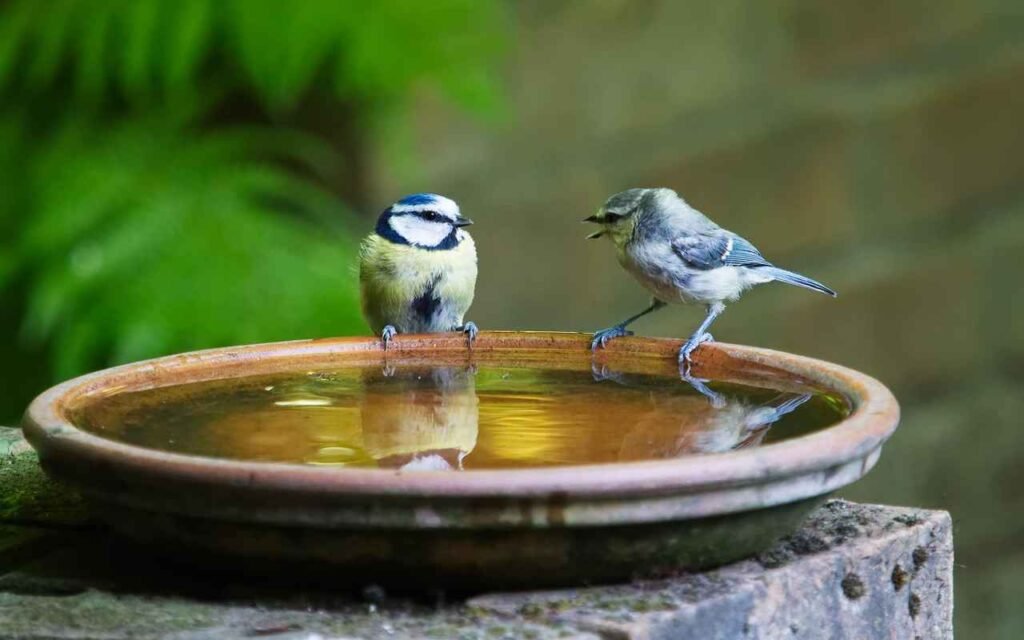
Walking out to my backyard sanctuary on a hot summer afternoon only to find my water features coated in a layer of thick, green slime is incredibly frustrating. Every bird lover knows the routine chore of dealing with a backyard basin that local flocks have quickly turned into a muddy, stagnant health hazard.
While traditional lawn care guides often tell you to pour commercial disinfectants directly into the stone basin, learning how to clean a bird bath without chemicals is a much safer approach. In my own yard testing, I have watched how harsh household bleach residues can linger on porous concrete, risking the health of the very songbirds we want to protect.
The real secret to maintaining a pristine watering station relies on simple kitchen chemistry and consistent habits. This comprehensive guide breaks down the safest, non-toxic routine methods to wipe away tough grime and keep your backyard wildlife safe all year long.
What are the Best Safe Methods for Algae Removal?
The four best methods are practicing consistent daily water changes, performing a chemical-free hot water deep clean, soaking tough grime with a white vinegar solution, and applying a gentle baking soda paste.
Combining these simple preventive habits safely eliminates dangerous bacterial films and thick algae without exposing local songbirds to harsh chemical residues.
Chemical-Free Bird Bath Sanitation Steps (Video Guide)
Reviewing an illustrated breakdown provides excellent clarity when learning these natural sanitation steps for the first time. This animated whiteboard video maps out the distinct kitchen ingredients, soaking timelines, and mechanical scrubbing movements directly on a digital canvas.
📝 View Video Timeline & Key Takeaways
[00:00 – 01:45]: Pathogen vector tracking and chemical toxicity risks. Stagnant open water develops structural cyanobacteria (algae) and lethal bacterial strains like *Salmonella enterica*, converting backyard sanctuaries into biological vectors. Standard synthetic bleach detergents leave toxic surfactant residues that permanently damage avian respiratory pathways and gastrointestinal linings.
[01:46 – 02:37]: The 30-second daily hydraulic replacement protocol. Implementing an easy daily flushing cycle disrupts the reproductive timelines of localized pathogens and mosquito larvae, entirely neutralizing the accumulation of organic surface biofilm without scrubbing.
[02:38 – 03:27]: Thermal sanitization and acetic acid mineral dissolution. Running near-boiling water across the basin destabilizes bacterial proteins on contact. For dense calcified ring scaling and green algae, applying a 1:1 ratio of hot water and white vinegar (acetic acid) dissolves calcium carbonate binds via a mandatory 20-minute saturation soak.
[03:28 – 04:02]: Sodium bicarbonate effervescence for stubborn debris. Deploying an alkaline baking soda paste creates a physical, non-destructive abrasive matrix. Combining it with an acidic solution triggers an immediate carbon dioxide gas expansion loop, physically lifting deep, caked-on organic matter from porous concrete or stone.
[04:03 – End]: Seasonal maintenance rhythms and habitat toolkits. Restructuring cleaning schedules across four micro-seasons: executing spring grime resets, multiplying summer water changes to fight heat-induced algae bloom, clearing autumn leaf tannins, and monitoring winter bacterial growth rates inside heated bird baths.
Why Chemical-Free Cleaning Matters for Bird Health
Birds are incredibly sensitive to chemical residues that we might consider harmless. Even a small amount of cleaner left in a bird bath can irritate a bird’s respiratory or digestive system.
Research on feeder hygiene shows that cleaning practices directly affect disease risk in wild birds. A study in The Wilson Journal of Ornithology, highlighted by The Cornell Lab’s Project FeederWatch, found that dirty basins harbor bacteria like Salmonella if they aren’t cleaned regularly.
This evidence underscores the absolute importance of safe, regular cleaning while avoiding harsh chemicals that could harm the birds you are trying to help. Even “mild” household cleaners can cause serious health problems for birds who drink from treated water sources.
Soap residues, bleach traces, and commercial disinfectants easily damage their delicate digestive systems and respiratory tracts. We are talking about creatures who can be poisoned by Teflon fumes from cooking pans, so product safety is critical.
Chemical-free cleaning protects not just the birds using your bath, but also the insects, amphibians, and other small wildlife. Plus, natural cleaning methods are often far more effective than harsh chemicals for removing specific organic buildup.
The Hidden Dangers of “Bird-Safe” Products
Many products marketed as “bird-safe” still contain ingredients that cause problems for sensitive species. Essential oils, citrus extracts, and some plant-based cleaners easily irritate a bird’s respiratory system or leave residues that ruin water quality.
The veterinary team at Dial A Vet notes that even natural botanical extracts pose severe health risks for wild birds. Because of these hidden risks, commercial commercial-grade “green” cleaners should generally be avoided around your water stations.
The safest approach involves using simple, natural materials you already have in your kitchen. Hot water, white vinegar, baking soda, and good old-fashioned elbow grease can safely tackle any bird bath challenge.
Daily Maintenance: Prevention Beats Cleanup Every Time
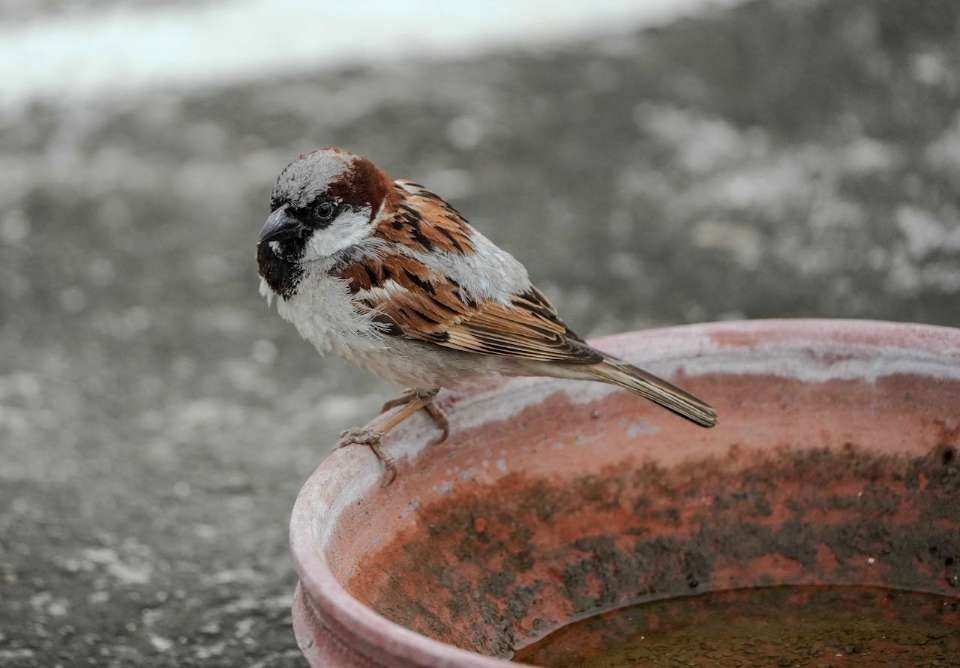
Fresh water changes every two to three days prevent most serious cleaning problems before they start. According to conservation experts at Nature Canada, replacing the water every day or two actively prevents disease spread and rapid algae buildup.
This simple daily routine completely stops stubborn algae growth and dangerous bacterial films. It keeps your backyard water feature looking pristine and smelling completely fresh.
I learned this vital lesson the hard way after going on a week-long summer vacation. I returned home to find my basin filled with a dark, foul primordial soup that could have knocked out a vulture.
Trust me, consistent prevention is significantly easier than heavy sludge recovery. Quick daily maintenance checks take less than 30 seconds but make a massive difference in long-term basin upkeep.
The Morning Routine That Works
Start each day with a rapid visual inspection while you grab your morning coffee. Check the overall water clarity, remove any obvious debris, and note any sudden drops in water level.
Use a small mesh net to lift out floating leaves, seeds, or insects before they sink and decompose. Twigs and rotting seed hulls can create serious toxicity and odor problems if left to decay in the basin.
Top off the water levels as needed to maintain proper depth and ensure fresh circulation. Songbirds heavily prefer water that is exactly one to two inches deep, and consistent levels completely stop mosquito larvae stagnation.
The Basic Hot Water Deep Clean Method
Hot water alone removes most bird bath buildup without requiring any additional cleaning agents. This method works particularly well for regular maintenance cleaning before algae and bacterial films become heavily established.
Heat a large pot of water to near-boiling temperature and carefully pour it over all surfaces of your empty basin. The extreme heat instantly kills bacteria, loosens organic buildup, and makes scrubbing much more effective.
⚠️ Critical Safety Warning: Never pour boiling water onto a cold concrete, stone, or ceramic bird bath. The sudden temperature jump can cause thermal shock, permanently cracking your basin finish.
Scrub all surfaces with a stiff-bristled brush while the basin is still warm from the hot water treatment. An old toothbrush works perfectly for getting into decorative details and tight corners where grime tends to accumulate.
The Technique That Gets Results
Start scrubbing from the top rim and work your way down, allowing gravity to help wash away the loosened debris. Pay special attention to the stubborn waterline area where slippery organic films tend to be thickest.
Rinse the basin thoroughly with fresh water from your garden hose after scrubbing to clear out all loosened material. Check the surface for any remaining dark spots and repeat the hot water rinse if necessary.
Allow the bath to air-dry completely in the sun before refilling it with fresh water. This dry period completely eliminates any remaining microscopic bacteria and gives you a clear look at your spotless finish.
White Vinegar: The Algae-Busting Powerhouse
White vinegar dissolves tough algae, crusty mineral deposits, and invisible bacterial films far more effectively than most commercial cleaners. The best part is that it is completely non-toxic for your neighborhood songbirds.
The natural acetic acid in the liquid actively breaks down thick organic buildup at a molecular level without leaving behind any chemical residues. In fact, the Audubon Society specifically recommends a basic vinegar solution as the safest way to maintain a backyard water station.
For standard maintenance, mix a 50/50 blend of white distilled vinegar and hot water. Aim for around 120°F to maximize the cleaning speed.
For severe, deep-green algae infestations, skip the water entirely and pour straight, undiluted vinegar directly into the empty basin. Let the liquid soak undisturbed for exactly 15 to 20 minutes to give the acid enough time to detach the sticky root systems of the slime.
Once the soaking time is up, grab a stiff-bristled nylon scrub brush. Never use steel wool, which can permanently scratch and ruin stone or plastic finishes.
Scrub the entire basin using firm, circular motions. The combination of the acidic soak and targeted mechanical scrubbing will easily loosen even the most baked-on summer grime.
Dealing with Stubborn Mineral Deposits
White vinegar also excels at melting away the white, chalky mineral rings left behind by hard tap water or well water. If left to accumulate, these chalky deposits create a rough surface where dangerous bacteria and mosquito larvae can easily cling.
To dissolve these stubborn rings without wasting gallons of vinegar, use the paper towel hack. Soak three or four heavy-duty paper towels in straight, undiluted white vinegar.
Press the wet towels directly onto the crusty white lines along the edges of the basin, ensuring they stick flat against the surface. Let them sit for 30 minutes to slowly eat through the calcium before removing the towels and scrubbing the area clean.
For extremely neglected bird baths, do not try to scrape the crust off with brute force, as this can crack concrete or chip resin finishes. Instead, repeat the 30-minute paper towel soak two or three times. Patience and repeated acid treatments will safely restore the original smooth finish without damaging your gear.
Baking Soda: The Gentle Abrasive Solution
Baking soda provides a gentle abrasive action that removes stubborn buildup without scratching delicate bird bath finishes. This makes it perfect for decorative glass, painted, or glazed basins that harsh scrubbing tools would ruin.
Create a thick, spreadable paste using three parts baking soda to one part warm water. Apply this paste directly onto heavily stained areas or baked-on bird droppings and let it sit undisturbed for 15 minutes.
The alkaline properties of the baking soda actively neutralize the highly acidic components of avian waste. This chemical reaction quickly breaks down the tight structural bond holding the crust to the basin.
Once the resting time is up, use a damp cloth or soft sponge to scrub the area in circular motions. Rinse the basin thoroughly with fresh water to clear away all chalky residue before refilling.
Combining Vinegar and Baking Soda
The classic volcano science project reaction actually works wonders for bird bath cleaning when used strategically. According to smart birding guides at Birdfy, this chemical-free combination effectively lifts stubborn bird droppings without harming wild visitors.
Sprinkle dry baking soda directly over the stained areas first. Then, spray or pour white vinegar over the powder to create an immediate, vigorous bubbling action that physically breaks down baked-on grime.
⚠️ Critical Cleaning Logic: Never pre-mix vinegar and baking soda together in a container beforehand. The instant bubbling reaction creates carbon dioxide and water, entirely neutralizing the cleaning strength of both ingredients.
Let the active reaction bubble directly on the basin surface for 5 to 10 minutes. Once the fizzing stops, grab your stiff nylon brush and scrub away the loosened material with ease.
Always rinse the basin thoroughly with fresh water after scrubbing. This removes any remaining chalky sediment and leaves behind a safe, clean, and inviting surface for local birds.
Seasonal Deep Cleaning Strategies
Different seasons create unique bird bath cleaning challenges that require adjusted maintenance tempos. Understanding these seasonal weather patterns helps you stay completely ahead of algae problems and maintain clean drinking water.
Adjust your chemical-free cleaning schedule throughout the year using this scannable seasonal breakdown:
- Spring Reset: Execute your most thorough deep clean of the year to clear away accumulated winter grime and mineral scale.
- Summer Defense: High heat speeds up algae growth, requiring more frequent water changes and quick, routine scrub-downs to combat green slime.
- Autumn Maintenance: Falling leaves rot quickly in stagnant basins, meaning you must scoop out organic debris daily to keep the water clear.
- Winter Care: Heated bird baths grow bacteria faster due to constant artificial warmth, meaning you must sanitize them consistently to protect local bird populations.
Winter Maintenance Challenges
Frozen bird baths require special cleaning considerations when using heated elements to provide liquid water. Ice formation easily traps organic debris and concentrates harsh minerals, creating tough cleanup challenges when things finally thaw out.
Clean your heated bird baths much more frequently during the freezing winter months. The dangerous combination of localized heat and decaying organic matter creates perfect, incubator-like conditions for unwanted microorganisms.
Winter bird bath maintenance is often the most challenging season of the year. However, this is also when providing fresh, clean water is most valuable to local birds struggling with frozen natural water sources.
Tools and Equipment: Building Your Chemical-Free Cleaning Kit
You do not need fancy equipment to maintain a spotless basin using natural cleaning methods. A few basic household items will handle any cleaning challenge you encounter.
Gather these essential cleaning tools before getting started:
- Stiff-Bristled Brush: Clears algae easily (an old toothbrush handles tight, decorative details).
- Small Mesh Net: Scoops out floating leaves, seeds, and insects before they rot.
- Dedicated Spray Bottle: Allows quick, even application of targeted white vinegar formulas.
- Heavy Rubber Gloves: Protects your hands from harsh organic waste and lingering bacteria.
- Clean Microfiber Rags: Perfect for drying the basin completely to eliminate remaining microbes.
- Large Plastic Bucket: Serves as a safe mixing station for water-to-vinegar ratios.
Avoid using highly abrasive materials like steel wool or metallic scrubbing pads. These tools permanently scratch stone or plastic finishes, creating microscopic grooves where dangerous bacteria can hide and multiply.
Storage and Organization Tips
Keeping your chemical-free cleaning supplies highly organized ensures routine maintenance stays quick and effortless. A dedicated storage setup allows you to address murky water or sudden algae outbreaks the moment you spot them.
Organize your birding gear efficiently using these simple backyard storage strategies:
- Dedicated Cleaning Caddy: Keep your scrub brushes, spray bottles, and rags together inside an old plastic bucket that can double as a quick mixing container.
- Clearly Labeled Containers: Store bulk white vinegar and baking soda in weather-resistant, labeled jars so you never waste time searching your kitchen pantry.
- Convenient Proximity: Place your organized cleaning bucket in a dry, accessible spot near your outdoor garden hose to streamline your morning maintenance routine.
Troubleshooting Common Cleaning Problems
Different types of backyard buildup require distinct natural cleaning approaches. Recognizing exactly what type of grime you are dealing with helps you choose the fastest chemical-free remedy for each situation.
Troubleshoot your specific bird bath issues using these targeted organic solutions:
- Green Algae Outbreaks: Responds best to direct white vinegar treatments combined with partial yard shade and increased water circulation. Algae thrives in direct sunlight and stagnant water, so moving the basin addresses the root cause.
- Slimy Bacterial Films: Requires an immediate hot water rinse followed by intensive mechanical scrubbing and a complete water replacement. These clear, slippery films develop rapidly during hot weather and pose severe health risks to songbirds.
- White Mineral Crust: Responds best to the undiluted vinegar paper towel soak hack to safely dissolve tough calcium scale. Avoid scraping these chalky rings with blunt force, as rough scraping can permanently chip concrete or resin finishes.
When Natural Methods Aren’t Enough
Extremely neglected bird baths sometimes require multiple back-to-back cleaning sessions to return to pristine condition. Do not expect perfect results on your first attempt if you are dealing with months of thick, accumulated buildup.
Consider emptying the severely contaminated water completely and allowing the basin to dry out in the sun between your scrubbing sessions. This intentional drying period effectively breaks the cycle of bacterial recontamination and gives you a completely fresh start.
Persistent, foul odor problems usually indicate a deeper bacterial colonization embedded within porous basin materials. This deep contamination requires repeated hot water and vinegar treatments to completely sterilize the micro-grooves.
The true beauty of chemical-free bird bath cleaning lies entirely in its simplicity and safety. These natural maintenance methods protect the local wildlife we love while keeping our backyard water features sparkling clean and highly inviting.
Your neighborhood birds will deeply appreciate your consistent upkeep efforts. Furthermore, you can rest easy knowing you are providing them with the safest possible environment for drinking and bathing all year long.