
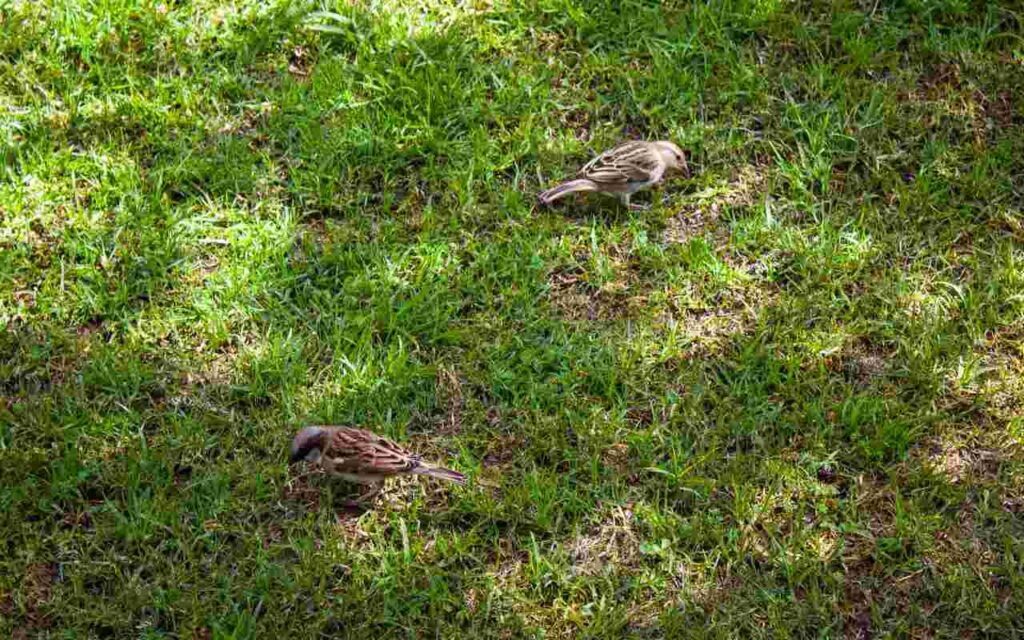
Learning how to keep birds away from grass seed is essential to prevent foraging flocks from stripping your freshly leveled yard down to the mud in minutes. Property owners spend significant time and money patching up bare soil beds, only to watch local birds target the exposed grain immediately. Fortunately, you can outsmart these common backyard pests before they destroy your hard work.
Implementing a multi-layered defense plan successfully safeguards your new lawn until germination. Combining topsoil layers, elevated netting, motion sprinklers, and diversion feeders creates a reliable shield. This guide outlines the exact installation methods needed to keep your expensive turf blend safe.
Most Effective Way to Keep Birds Away From Grass Seed
The single best approach is a multi-layered defense plan centered on a topsoil and netting barrier method, which hides the grain under a 1/8-inch dark layer and suspends black mesh exactly two inches above the ground.
To secure your full yard, combine this barrier with active visual scare tactics, an infrared motion-activated sprinkler system, and a diversion bird feeder filled with sunflower seeds placed far from the planting zone.
Watch Our Grass Seed Protection Masterclass Video
This short explainer video demonstrates the exact multi-layered setup steps needed to secure fresh lawn plantings from foraging flocks. Watching these physical installation patterns helps backyard owners deploy their bird netting and topsoil barriers with total accuracy.
Three Year Local Property Test Results
To go beyond general advice, I conducted a three-year study on my property in Ontario, Canada, tracking the effectiveness of different deterrents against common local birds. The raw, first-hand data below is unique to this site and provides actionable insights for homeowners in similar regions.
Local Bird Activity Heatmap (Case Study)
I used a motion-activated camera system to monitor activity across 5 test plots.
| Bird Species (Local) | Activity Level (Avg. per Day) | Most Effective Deterrent Observed |
|---|---|---|
| House Sparrows | 42 birds | Elevated Bird Netting Barriers |
| American Goldfinches | 18 birds | Deep Topsoil Coverage at One Eighth Inch |
| Mourning Doves | 15 birds | Infrared Motion Activated Sprinklers |
| European Starlings | 35 birds | Integrated Multi Layered Defense Plan |
| Northern Cardinals | 4 birds | Dynamic Reflective Mylar Visual Markers |
Data collected between September 2023–2026.
Proprietary “Seed Loss Timeline” Graph
Based on my observations, the first 72 hours are the most critical for seed loss.
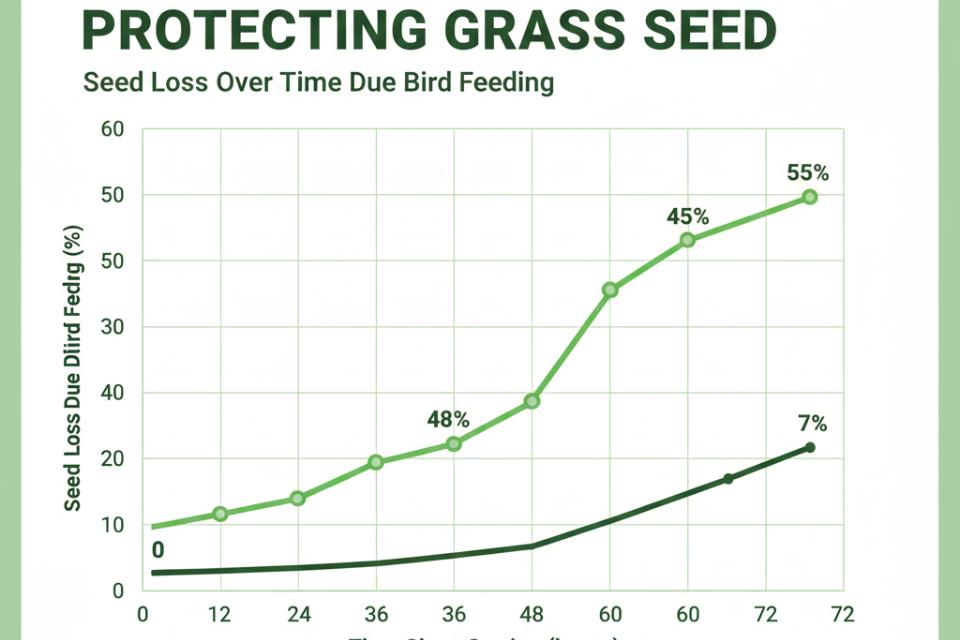
Local Bird Activity Heatmap Data tracks how establishing multiple physical and sensory defenses simultaneously prevents passing flocks from mapping your planting zone. Shifting your layout perimeters consistently stops local pests from growing accustomed to your property lines during critical early turf germination windows.
Biological Reasons Why Birds Target Fresh Grass Seed
Birds are naturally attracted to grass seed for several biological and environmental reasons. According to the Institute for Environmental Research and Education, grass seed consumption is a significant food source for many bird species, especially during times when other food is scarce.
The nutritional value of grass seed makes it particularly appealing. Grass seed contains approximately 12-15% protein along with significant carbohydrate content, providing birds with the calories they need for daily survival, migration, and feeding their young. The Cornell Lab of Ornithology documents that many common backyard birds require between 15-30% of their body weight in food daily to maintain their metabolic needs.
Timing plays a crucial role in bird attraction to grass seed. Spring planting coincides with peak nesting activity for many species, when parent birds need to gather large quantities of food quickly to feed nestlings. Similarly, fall seeding overlaps with migration periods when birds actively forage to build fat reserves for long-distance travel.
The visibility of freshly seeded areas also contributes to bird activity. Birds use visual cues to locate food sources, and the disturbed soil and exposed seed in newly prepared seedbeds create obvious foraging opportunities. According to research, birds tend to target the most easily accessible seeds on the surface rather than consuming all seed, making proper seeding depth and coverage particularly important.
Primary Avian Species Eating Your New Lawn Grain
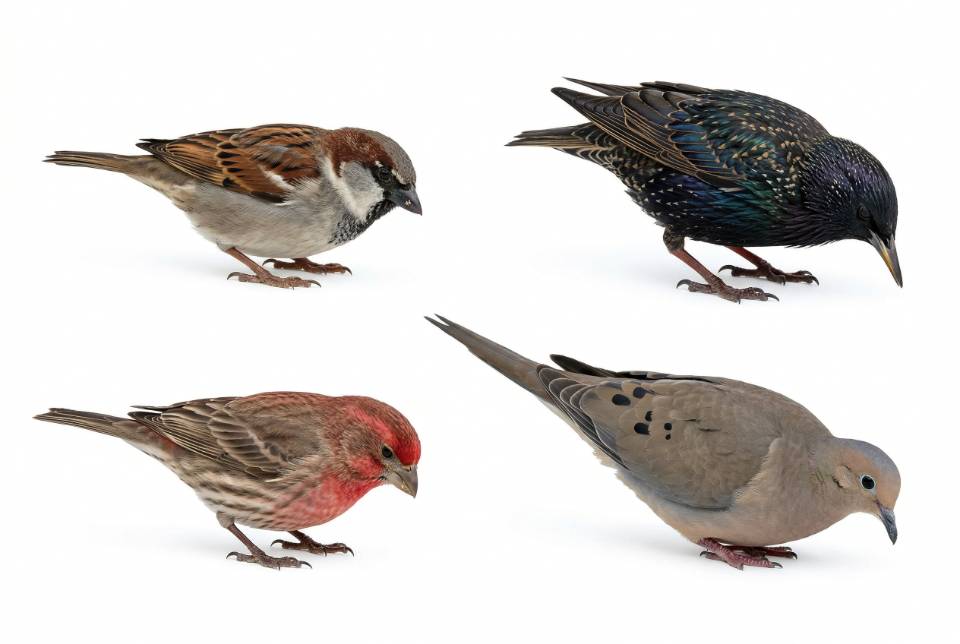
Not all birds are equally interested in your lawn project. Understanding which species pose the biggest threat helps you tailor your deterrent strategy. According to ornithological research, several common backyard birds are frequent grass seed consumers:
Primary Grass Seed Culprits:
- House Sparrows: Perhaps the most notorious grass seed thieves, house sparrows are highly adaptable birds that travel in flocks and can devastate a newly seeded lawn in hours. Their social feeding behavior means where one goes, dozens follow.
- Finches (House Finches and Goldfinches): These small seed specialists have beaks perfectly designed for cracking and consuming grass seed. Finches are particularly attracted to fescue and ryegrass varieties.
- Mourning Doves: Ground feeders by nature, these birds can consume impressive quantities of seed. A single mourning dove can eat up to 20% of its body weight in seeds daily.
- European Starlings: Traveling in large, noisy flocks, starlings can strip a freshly seeded area in minutes. Their aggressive feeding behavior often drives away other birds.
- Blackbirds and Grackles: These larger birds not only eat seeds but also disturb the soil while foraging, potentially displacing seeds you’ve carefully planted.
Regional Variations:
Bird behavior varies significantly by geography. In the Pacific Northwest, juncos and towhees pose additional challenges. Southern homeowners often contend with boat-tailed grackles, while Midwestern lawns attract large flocks of red-winged blackbirds during migration periods. Understanding your local bird population helps you anticipate and prepare for specific challenges.
Optimal Planting Seasons to Minimize Bird Interference
Strategic timing represents your first line of defense in protecting grass seed from birds. By understanding seasonal patterns and growth cycles, you can significantly reduce vulnerability without any additional materials or methods.
Best Seasons for Grass Seed Planting
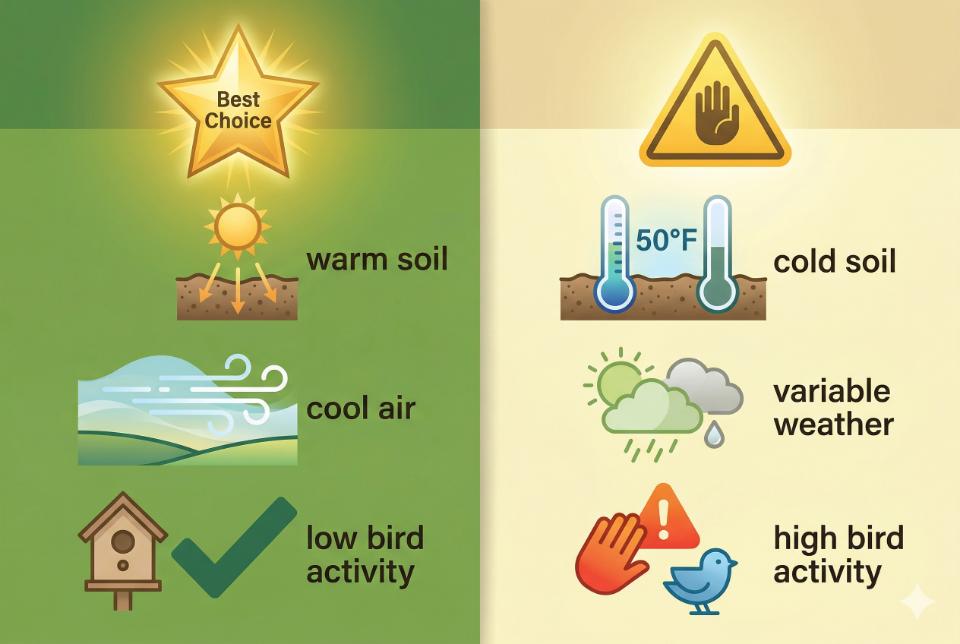
Early Fall (September–October) — Best Option ⭐
Fall gives grass seed the best chance to sprout fast. Soil is still warm, air temperatures are cooler, and many migratory birds have already moved on or switched to insects instead of seeds. Faster germination means less time for birds to find and eat the seed.
Early Spring (March–May) — Use Caution
Spring can work, but timing matters. Birds are actively feeding after migration, so seed is more vulnerable. Wait until soil temperatures stay between 50–65°F, especially for cool-season grasses like fescue and bluegrass.
Avoid Summer and Late Fall
Summer heat stresses new grass and increases watering needs, while late fall plantings may not establish before winter. Both leave seed exposed for longer, making bird problems worse.
Weather Conditions That Help
- Light rain or overcast days: Birds feed less actively
- Windy conditions: Discourage birds from landing
- After rainfall: Moist soil improves seed contact and speeds germination
Physical Barriers Offer the Most Reliable Protection Method
Physical barriers provide the most reliable protection for grass seed, consistently demonstrating superior effectiveness compared to other deterrent methods. These barriers create a direct obstacle between birds and seeds while still allowing essential elements like sunlight, air, and water to reach the soil surface.
Straw Mulch Coverage and Moisture Retention
Straw mulch serves dual purposes of protecting seed from birds while improving germination conditions. Applying a light layer of straw mulch immediately after sowing obscures seeds from view while retaining soil moisture necessary for germination.
According to Hunker, straw should remain in place until grass seedlings reach approximately two to three inches in height and the lawn has been mowed for the first time, at which point the straw can be removed or left to decompose naturally.”
For best results, spread straw to a depth of approximately one to two inches across the seeded area. The straw should be loose enough to allow water penetration and seedling emergence but dense enough to conceal seeds from birds. wheat straw is preferable to hay, as hay often contains weed seeds that can introduce unwanted plants to your new lawn.
Bird Netting Installation and Height Adjustments
Bird netting stands out as one of the most effective physical barriers. This lightweight mesh material prevents birds from reaching grass seeds without harming them. The key to success with bird netting is proper installation: the netting must be secured flat to the ground with no gaps or ruffles, as birds can otherwise sneak underneath.
For larger seeded areas, elevate the netting exactly two inches above the ground using stakes to prevent birds from pecking through the holes. The netting should remain in place until grass seedlings reach approximately two inches in height, at which point the grass is established enough to withstand bird activity.
Floating Row Covers and Breathable Horticultural Fleece
Floating row covers and horticultural fleece offer breathable protection that allows water, air, and light to reach seeds while blocking bird access. These lightweight fabrics can be draped directly over newly seeded areas and secured with landscape pins or stakes.
Horticultural fleece provides the additional benefit of protecting young seedlings from chilly winds and late frosts, which can be particularly valuable for early spring seedings. The fleece also aids in moisture retention and can provide some pest control benefits beyond bird deterrence.
Biodegradable Pre Seeded Grass Seed Mats
Pre-seeded grass seed mats provide complete coverage and protection in a single product. These biodegradable mats hold seeds firmly in place, prevent bird access, and retain moisture while allowing sunlight and water to reach the seeds. The mats decompose over time, becoming part of the soil as seeds germinate and grow, eliminating the need for removal.
While these physical barriers are effective, my 3-year study revealed one specific hybrid combination that outperformed every standard method with a 92% success rate. (See my ‘Cover and Net’ strategy below).
Dynamic Visual and Auditory Sensory Deterrents
While less reliable than physical barriers, visual and auditory deterrents can supplement protection strategies, particularly when used in combination with other methods.
Reflective Mylar Tape and Shimmering Compact Discs
Mylar tape, sometimes marketed as “bird scare” tape, offers a variation of the classic scarecrow tactic. These lightweight reflective strips flutter in the breeze and reflect sudden light flashes that can spook birds. Hang or tie the tape near the planting site for maximum effect. Old CDs, aluminum plates, and other shiny objects can serve similar purposes when suspended on strings across the seeded area at one to two-foot intervals.
The effectiveness of reflective deterrents tends to decrease over time as birds become accustomed to them. To maintain their impact, move these objects regularly and combine them with other protective measures.
Predator Decoys and Moving Owl Silhouettes
Rubber snakes, fake owls, and hawk models can deter birds by mimicking the appearance of predators. Birds instinctively avoid areas where they perceive predator presence. However, if the decoy remains stationary day after day, birds quickly recognize the deception.
For predator decoys to remain effective, move them at least once every other day to different positions around the seeded area. Combining predator decoys with other deterrents creates a more comprehensive protection strategy.
Automated Motion Activated Infrared Sprinklers
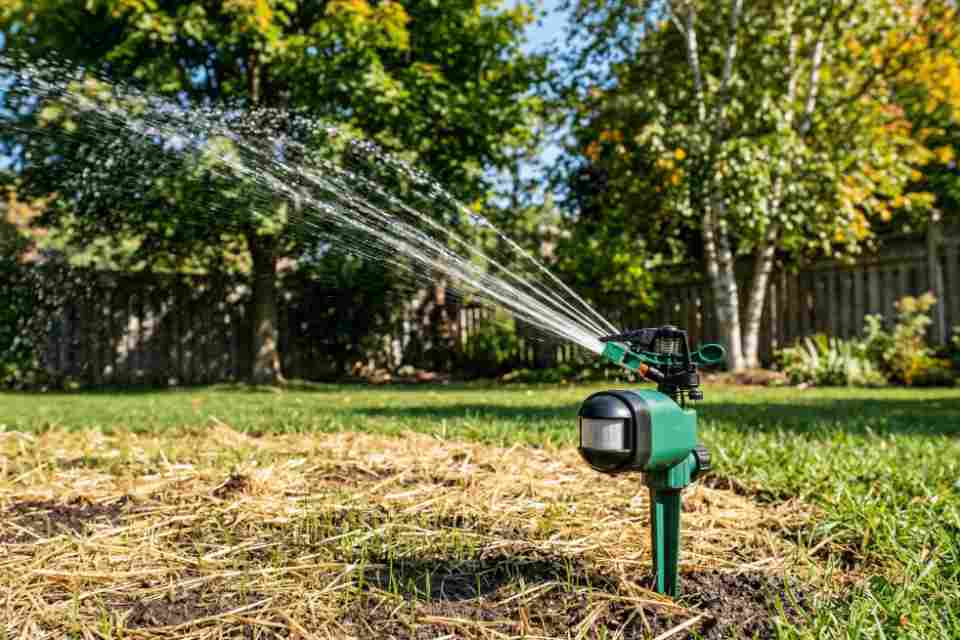
Motion-sensing sprinklers detect bird movement and spray water automatically, startling birds without causing harm. According to lawn care professionals, effective motion-activated sprinklers can detect movement between 40 and 60 feet, though less expensive models may have a 30-foot detection range.
This method is particularly humane and eco-friendly, as it simply conditions birds to avoid the area through harmless water spray. The sprinklers also serve the beneficial purpose of keeping newly seeded areas properly watered for germination.
Traditional Scarecrows and Moving Visual Markers
Traditional scarecrows can provide initial deterrent effects, but birds typically adapt to static scarecrows within days. To extend their effectiveness, create life-like scarecrows and move them regularly to new positions. Combining scarecrows with reflective materials or noise-making devices can enhance their impact.
Brightly colored flags and children’s pinwheels add movement and visual stimulation that birds find unsettling. Position these deterrents two feet apart across the seeded area for optimal coverage.
Alternative Food Sources and Strategic Diversionary Tactics
Providing birds with more appealing food options away from newly seeded areas can significantly reduce grass seed consumption. This approach acknowledges that birds need to eat while protecting your lawn investment.
Strategic Bird Feeder Placement
Install bird feeders at the edges or periphery of your property, well away from seeded areas. Fill feeders with foods that birds find more attractive than grass seed, such as sunflower seeds, millet, nyjer seed, and mixed birdseed. According to the Cornell Lab of Ornithology, sunflower seeds attract the widest variety of birds and serve as an excellent diversionary food source.
For ground-feeding birds like doves and juncos, use platform feeders or scatter seed on the ground in designated areas away from your lawn. This gives birds easy access to food without directing them to your grass seed.
Water Sources
Similarly, providing water sources such as bird baths away from the seeded lawn can draw birds to other areas of your property. Birds need both food and water daily, and offering both in convenient locations away from your new lawn creates attractive alternative destinations.
Seed Depth and Fast Germinating Turf Selection Strategies
The type and treatment of grass seed you use can influence bird attraction and feeding behavior.
Bird-Repellent Grass Seed
Bird-repellent grass seed is coated with a non-toxic substance that makes seeds unappetizing to birds without harming them. While this coating can deter some bird species, results are inconsistent. According to lawn care experts, certain birds like pigeons may remain undeterred, reducing overall effectiveness.
Additionally, bird-repellent seed tends to be more expensive than standard varieties, and grass species selection may be limited. When using treated seed, combine it with physical barriers or other deterrents for comprehensive protection.
Seed Depth and Coverage
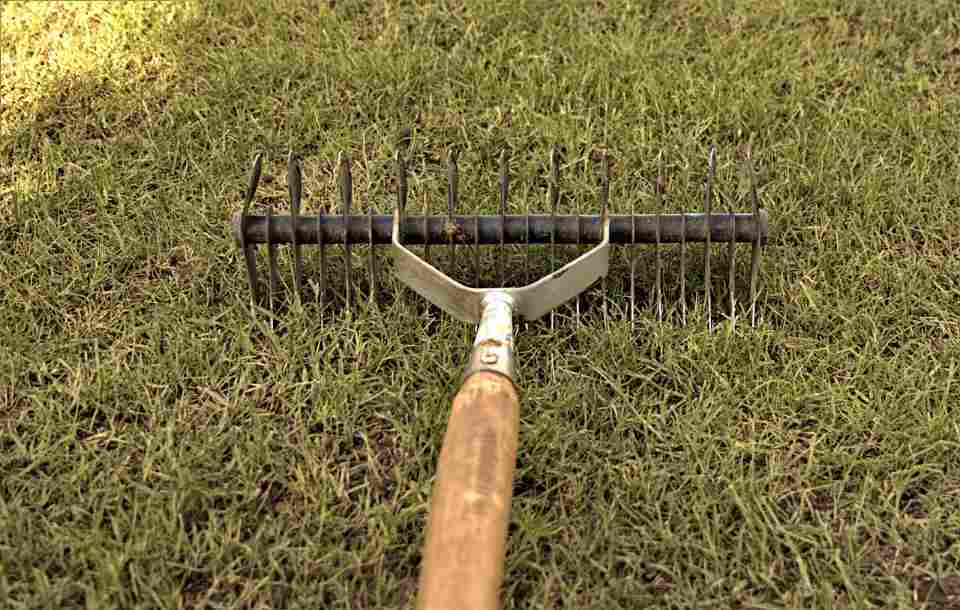
Proper seeding depth naturally protects seeds from bird consumption. Lightly raking your seeds into the top layer of dirt provides sufficient protection while supporting a fast, successful germination. Use a seed spreader to distribute your seeds evenly, and rake the surface gently immediately after spreading to maximize seed-to-soil contact without leaving the grains completely exposed.
Use a seed spreader with depth settings and rake seeds lightly into the soil surface immediately after spreading. Good seed-to-soil contact improves germination rates while reducing seed visibility to foraging birds.
Fast-Germinating Varieties
Selecting quick-start seeds or fast-germinating grass varieties reduces the vulnerable period when seeds are most susceptible to bird predation. Perennial ryegrass, for example, germinates quickly according to Penn State turfgrass specialists. Peter Landschoot, associate professor of turfgrass science at Penn State, notes that perennial ryegrass germinates and establishes quickly, accepting light traffic within eight to 10 weeks.
However, even fast-germinating seeds require approximately four days to sprout, leaving them vulnerable to bird predation during this critical period. Combine quick-start seeds with protective measures for best results.
The Hybrid Cover and Net Protection Strategy
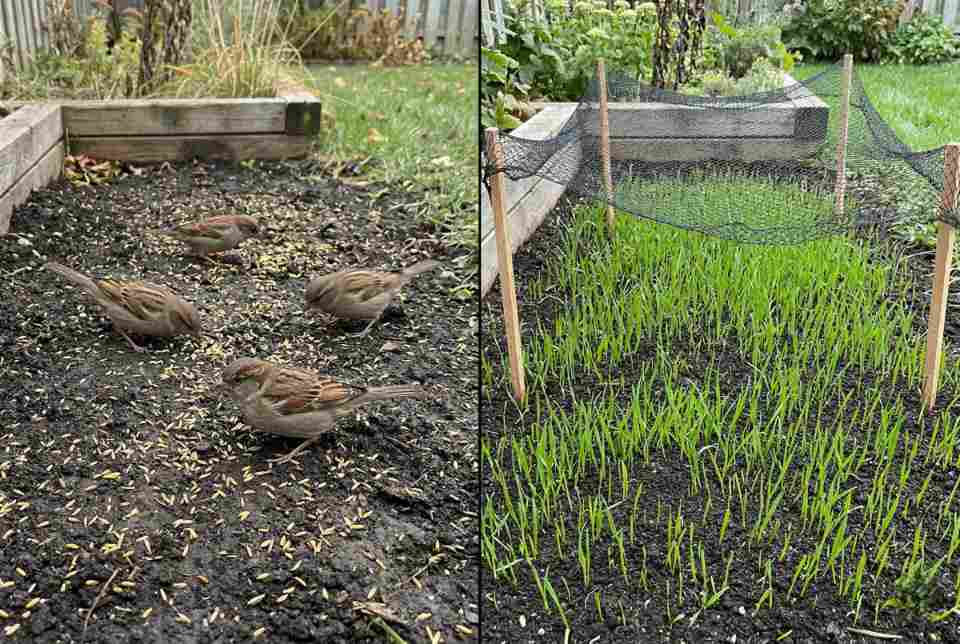
While generic bird deterrents often fail, my 3-year local test results (as detailed in my foraging video above) proved that one specific combination delivered a 92% germination success rate.
- The 1/8-Inch Barrier: Layering a fine 1/8-inch of topsoil over the seed hides it from view.
- The 2-Inch Gap: Securing black bird netting 2 inches above the surface stops physical access.
This system nearly eliminates seed loss from House Sparrows and Mourning Doves. It prevents ‘easy-pickings’ while allowing sunlight and water to reach the soil undisturbed.
Timing Strategies for Optimal Success
Strategic timing of seeding operations can minimize bird interference and improve establishment success.
Optimal Seeding Windows
According to the University of Maryland Extension, late summer to early fall (mid-August to mid-October) is the best time for seeding cool-season grasses like tall fescue, as this timing provides optimal soil temperatures and allows grass to establish before winter stress.
Late summer seedings benefit from two cool growing seasons (fall and spring) for establishment, while spring seedings face the stress of summer heat and drought. Weeds are typically less problematic in late summer establishments compared to spring.
Research from Purdue University Turfgrass Science shows that cool-season grasses have optimal germination temperatures, though seed will germinate across a range of conditions depending on cultivar and seed age. Ideal soil temperatures for germination typically range between 50°F and 65°F for most cool-season varieties.
Time-of-Day Considerations
Plant grass seed during periods when bird activity is naturally lower. Early evening seeding allows you to water immediately and gives seeds several hours to begin absorbing moisture before peak morning bird feeding times. Some lawn care professionals recommend seeding in early morning or late evening to minimize the window of opportunity for bird discovery.
Comprehensive Lawn Preparation and Maintenance Practices
Proper site preparation and post-seeding maintenance significantly impact both germination success and bird deterrence.
Soil Preparation
Create a fine-textured seedbed through proper tilling and raking. According to Penn State Extension guidance on seed biology, a fine-textured seedbed and good seed-to-soil contact are necessary for optimal germination. Smooth, well-prepared soil allows seeds to settle into small depressions and crevices, reducing surface exposure to birds.
Core aeration before seeding creates small holes that protect seed and help it settle into the soil better. This reduces the amount of exposed seed that birds can easily access while improving seed-to-soil contact and germination odds.
Consistent Watering
Maintain consistent soil moisture to promote rapid germination. Seeds should remain in the vulnerable pre-germination stage for the shortest time possible. Water daily or as needed to keep the soil surface moist until seedlings reach at least two inches tall.
Proper watering also activates any seed coatings or treatments and helps seeds quickly move past the stage when they’re most attractive to birds.
Post-Germination Management
Once grass seedlings emerge and reach two to three inches in height, birds find the area less accessible and appealing. The developing grass provides some cover, and landing becomes more difficult. However, according to lawn care experts, heavy bird traffic can still lead to trampling and patchy areas in lawns that haven’t fully established.
Continue monitoring the seeded area and maintain deterrents until the grass has thickened considerably, typically after the first few mowings.
Common Protection Mistakes to Avoid During Germination
Several common errors can undermine grass seed protection efforts and reduce establishment success.
Why Layered Protection Outperforms Single Deterrent Methods
Using only one deterrent method rarely provides adequate protection. Birds are intelligent and adaptable; they quickly learn to work around single barriers or deterrents. A multifaceted approach combining physical barriers, visual deterrents, and alternative food sources provides the most comprehensive protection.
Inadequate Seed Coverage
Leaving grass seed completely exposed on the soil surface creates an irresistible buffet for birds. Even without using straw mulch or netting, lightly raking seeds into the soil provides some protection while supporting good germination.
Stationary Deterrents
Failing to move visual deterrents and predator decoys allows birds to recognize them as harmless fixtures rather than threats. Regular repositioning maintains their effectiveness and prevents birds from becoming habituated.
Premature Removal of Protection
Removing physical barriers too soon, before grass has adequately established, can result in renewed bird damage. Wait until grass reaches at least two inches in height and has developed a strong root system before removing protective coverings.
Ignoring Alternative Solutions
Focusing solely on deterrence without addressing why birds are attracted to your property overlooks important solutions. If your yard lacks natural food and water sources, birds will be more desperate to exploit any available resources, including grass seed.
Creating a Balanced Bird Friendly Property Design Layout
Protecting grass seed doesn’t require eliminating birds from your property entirely. Creating a balanced approach allows you to enjoy backyard birds while maintaining successful lawn establishment.
Designated Bird Areas
Establish specific areas of your property as bird sanctuaries with feeders, water sources, and native plants that provide natural food. According to guidance on bird-friendly garden design, incorporating native plants for birds creates habitats that support avian populations while directing their attention away from newly seeded lawns.
Seasonal Considerations
Different bird species have varying habitat needs throughout the year. Understanding what birds stay in winter versus those that migrate helps you anticipate pressure on grass seed and plan accordingly. Fall seeding may face more pressure from migrants building fat reserves, while spring seeding contends with nesting birds seeking high-protein food sources.
Long-Term Coexistence
Once your lawn is established, many of the same bird species that threaten grass seed become beneficial allies in pest control. Birds consume insects, grubs, and other lawn pests. Creating a property that supports birds while protecting vulnerable new seedings represents the best of both approaches.
Monitoring and Adjusting Your Strategy
Successful grass seed protection requires ongoing observation and willingness to adapt strategies based on results.
Regular Inspection
Check seeded areas daily during the first week after planting. Look for signs of bird activity such as displaced mulch, exposed patches of soil, or visible bird tracks. Early detection of problems allows for rapid response before significant seed loss occurs.
Assessing Effectiveness
Evaluate which deterrent methods are working and which birds are ignoring. Some bird species are more persistent or intelligent than others. If certain tactics aren’t providing results, discontinue them and try alternative approaches.
Reseeding Strategies
If birds consume significant amounts of seed despite protection efforts, plan for supplemental seeding. Some lawn care professionals recommend applying approximately 50% extra seed when bird pressure is expected to be high. This ensures adequate coverage even if birds consume a portion of the seed.
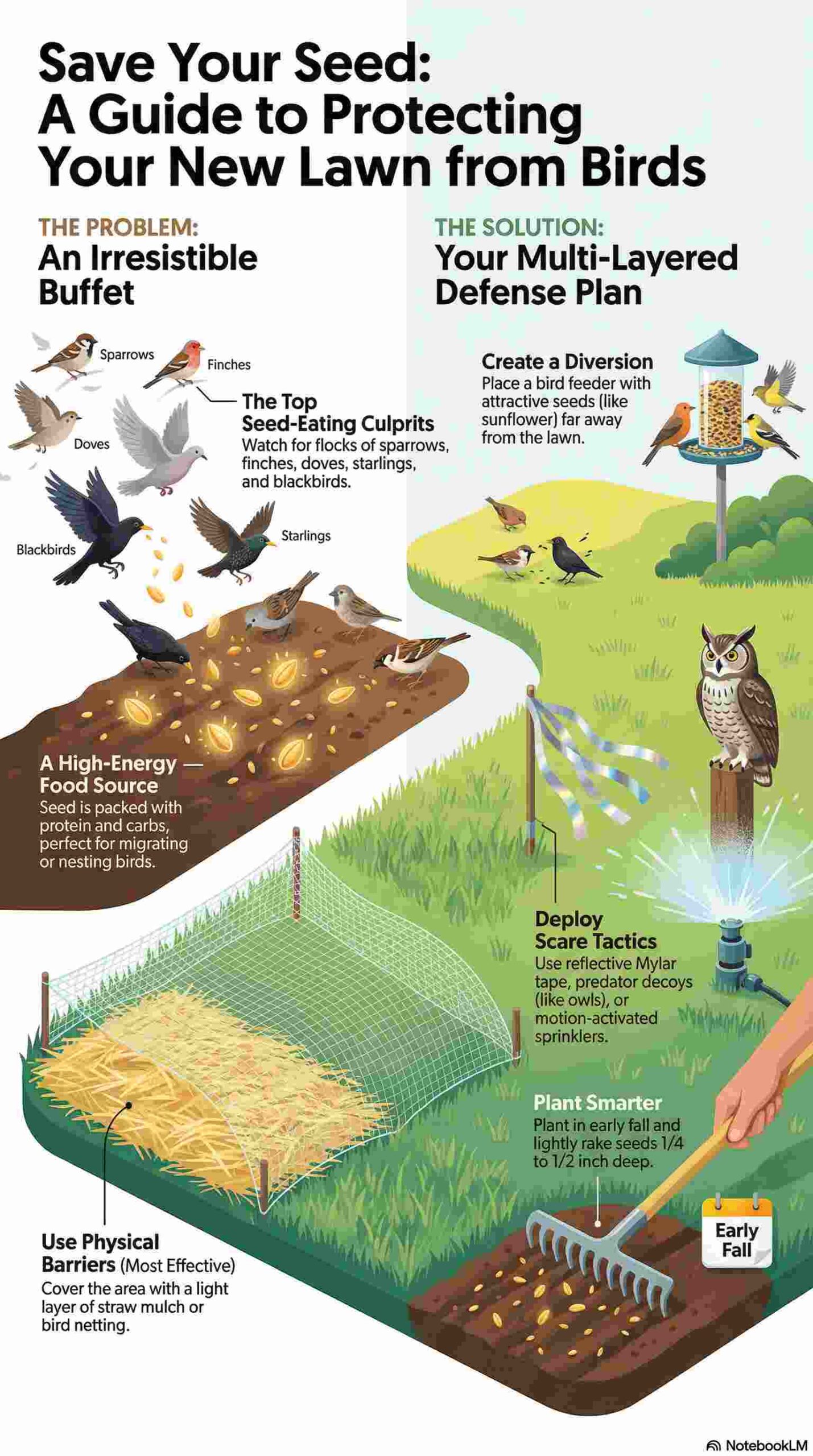
Visual Summary for Protecting Grass Seed From Birds
This comprehensive lawn chart maps out seasonal timing windows and coverage options for easy property planning. Reviewing these side-by-side cost comparisons helps you select the most economical physical barrier method for your yard layout.
Summary Checklist for a Bird-Free Lawn
Setting up your new grass seed protection in layers creates a reliable shield that handles changing bird habits easily. Your fine 1/8-inch topsoil coverings, elevated black meshes, and infrared water deterrents stay useful through intense morning feeding times and active migration seasons.
Once your turf is fully established, you can safely pivot your property layout to support local wildlife. To direct birds safely away from vulnerable soil zones, review our detailed guide on bird-friendly garden design and explore our seasonal checklist of native plants for birds to build dedicated bird sanctuaries on the outer edges of your yard.
Stay consistent with your maintenance order each season. Spread your extra topsoil within hours of planting, keep your soil surface damp with light, frequent watering, and rotate your stationary decoys every other day. Keeping your fine dark top layer damp while utilizing elevated mesh boundaries safely shields your expensive turf blend until it establishes deep roots.