
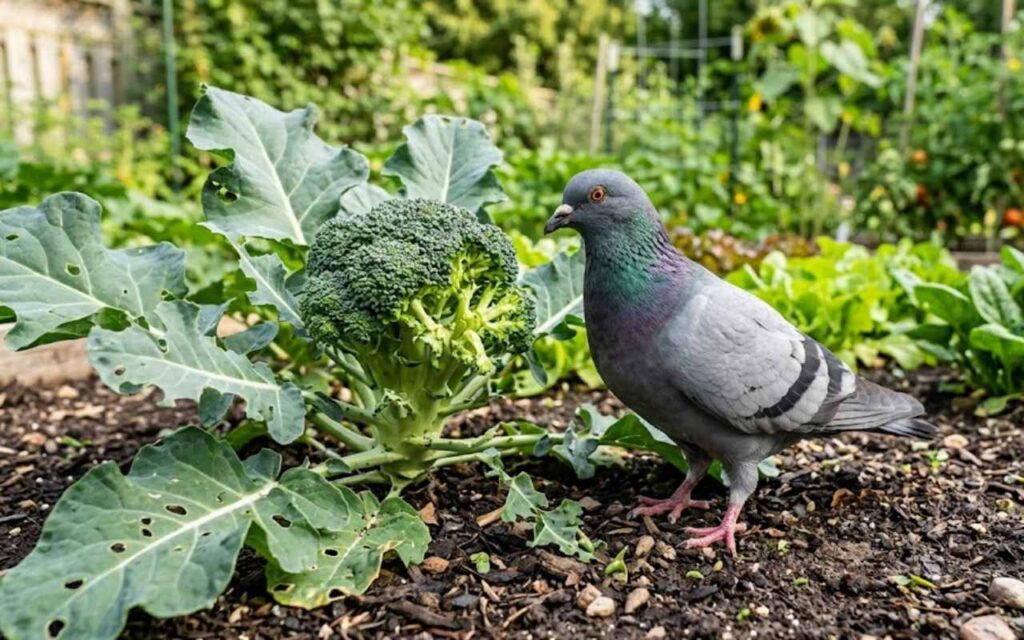
Learning how to keep birds from eating broccoli is the only way to prevent local flocks from completely shredding your prize brassica crowns right before harvest. If you leave your vegetable beds unprotected, persistent pests like pigeons and crows will easily land directly on loose mesh nets and peck your tender crops to pieces through the gaps.
Real, long-term protection requires shifting away from generic draping habits and deploying rigid, elevated enclosures that completely separate your expanding leaf canopy from hungry beaks. This practical guide breaks down the simple methods and exact spacing boundaries you need to outsmart neighborhood flocks and save your harvest this season.
Quick Answer: What is the most effective way to keep birds from eating broccoli?
The single most effective strategy is deploying a rigid, elevated cage enclosure made of wooden framing or metal EMT conduit wrapped tightly with 1/2-inch UV-treated polymer netting.
To build a comprehensive defense, combine this permanent structure with temporary breathable floating row fabric sheets over young seedlings and hang moving holographic refraction ribbons to startle approaching flocks.
Why Standard Garden Netting Fails on Expanding Brassica Beds
Draping flexible plastic garden netting loosely right across the top of maturing cabbage or broccoli foliage creates an immediate defensive failure. Large, heavy bird species like rock pigeons, crows, and starlings will land directly on top of the unsupported mesh sheets.
The birds use their physical body weight to compress the flexible plastic netting down tightly against the underlying leaves.
They can then easily peck and rip your expanding green broccoli crowns or crisp cabbage heads right through the square openings, destroying the central growing tips completely.
Safeguarding broad-leafed brassica heads from heavy pigeons requires an entirely different physical framework than protecting low-profile ground crops. A successful backyard layout relies on combining separate, specialized barriers across your entire property footprint.
You can map out your total seasonal exclusion setup and view my complete bed-layer blueprints by reading my foundational How to Keep Birds Out of the Garden master hub guide.
Matching Defensive Frameworks to Your Cole Crop Phase
Use this quick management index to align your physical protective barriers with the exact development cycles of the brassicas growing across your garden:
| Brassica Growth Phase | Dominant Avian Threats | Optimized Bed Shield | Critical Setup Timeline |
|---|---|---|---|
| Young Seedlings (0–3 Weeks) | House Sparrows, American Robins | Low 1/2-inch metal wire hardware cloth crawl tunnels | The exact hour plug flat starts hit the open dirt rows |
| Expanding Leaf Canopy (3–8 Weeks) | Mourning Doves, European Starlings | Lightweight floating agricultural row cover blankets | Deploy as soon as outer leaves expand past low cages |
| Maturing Heads (8+ Weeks) | Rock Pigeons, American Crows | Tall rigid walk-in wooden or metal frame net cages | Onset of early green button formation in center crowns |
Three Broccoli Defense Methods That Actually Work
1. Constructing Rigid Walk-In Structural Net Cages
How cleanly you separate your outer netting screen from your maturing head canvas completely dictates whether you harvest full crisp florets or shredded, skeletal main ribs.
Building Elevated Support Skeletons: Assembling a walk-in box frame out of 2×2 lumber or metal EMT conduit pipes over your entire brassica bed provides elite long-term isolation. Stretching a heavy 1/2-inch UV-stabilized polymer netting smoothly over this rigid independent skeleton keeps the mesh suspended firmly in the air. This structural clearance prevents heavy birds from ever reaching your leaves, allowing the massive outer foliage of your broccoli and cabbage to expand naturally.
Anchoring the Frame Rails: You must screw or stake the lower support rails of your walk-in cage directly into your raised bed timbers or pin them flush against the soil line using metal landscape hooks. Large wood pigeons and starlings will land on your gravel pathways and actively look for loose gaps or unanchored hems to creep under, meaning an absolute bottom seal is mandatory to stop ground-level break-ins.
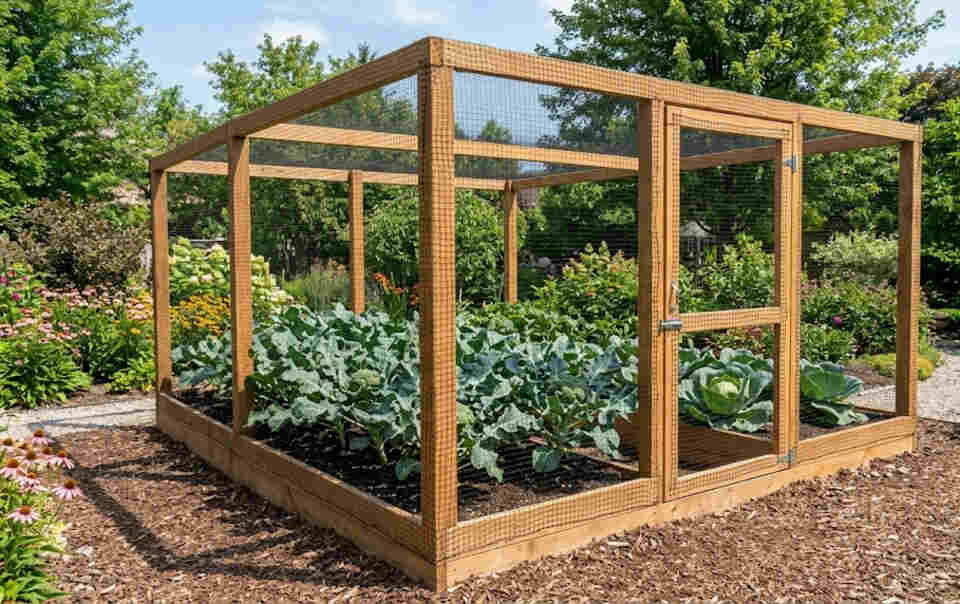
If you notice bird damage breaching your brassica beds, look closely at where the crowns are broken. If the leaves are shredded along the very top of the plant canopy, your netting frame lacks enough vertical clearance height. If the outer lower leaves are stripped clean from the ground up, your bottom seals are loose.
2. Utilizing Breathable Floating Row Fabric Sheets
Using a temporary solid fabric cover across your young brassica rows creates an absolute visual and mechanical barrier that hides expanding foliage from passing scout flocks.
Hiding the Expanding Green Footprint: Laying a lightweight sheet of spun-bond polyester floating row cover over young broccoli beds masks the entire crop layout. Birds fly overhead scanning for the distinct visual signal of broad, dark green brassica leaves against open dirt, meaning a solid fabric sheet stops their feeding raids before they ever map out your row perimeters.
Tucking the Hems Securely: You must weight the entire perimeter of your floating row fabric down flush against the earth using smooth bricks, heavy timber boards, or buried soil layers. Leaving any open gaps along the bottom allows small, ground-hopping pests to slip beneath the fabric folds where they can chew your young seedlings completely hidden from view.
3. Hanging High-Visibility Moving Refraction Ribbon
Using erratic moving light reflections creates an active visual boundary that startles sharp-eyed pests before they launch downward feeding flights toward your cabbage plots.
Staking Erratic Flash Tape: Tie long, twisted strands of silver-and-red holographic Mylar tape directly to tall bamboo stakes driven along your brassica beds. The slightest breeze causes these ribbons to spin and flash sharply, creating intense light bursts and metallic crinkling noises that disrupt flight paths.
Moving the Visual Anchors: You must physically relocate your flash tape stakes to different corners of your broccoli bed every 48 hours. Large, highly intelligent bird species possess advanced cognitive adaptation speeds and will completely ignore a stationary flashing ribbon within a few days once they realize it poses no active physical threat.
Three Major Mistakes Beginners Make With Brassica Crops
Failing to calibrate your layout for bird size and climbing habits will ruin your summer yield. Watch out for these three original cole-crop blindspots to keep your broccoli safe:
Letting Mesh Rest Directly on the Plants: Laying loose, wide-mesh plastic netting directly on top of your broccoli allows large pigeons to land right on the leaves. They will use their body weight to push the plants down into the dirt, pecking the expanding center heads easily through the netting squares.
The FIX: Throw away loose, unanchored netting on expanding brassicas. Always build a rigid self-supporting frame or walk-in cage that keeps your protective netting suspended at least one foot above your outermost leaves.
Deploying Structural Shields Too Late: Waiting until your broccoli heads are fully formed before deploying your cages gives local birds plenty of time to discover your patch. Flocks will establish daily feeding paths while your transplants are small, attacking your plants the exact second new leaves emerge.
The FIX: Install your low wire crawl tunnels or floating row covers the exact same afternoon your young broccoli plugs hit the open garden soil. Your physical boundaries must be fully active before a single leaf is exposed to passing scout flocks.
Leaving Extra Netting Fabric Bunched Loosely: Leaving extra plastic netting loosely bunched up on top of your raised bed timbers creates a folded opening that ground birds can easily push through. Once a pigeon slips beneath a loose fold, it can walk your entire row completely hidden from view.
The FIX: Clean up your border folds. Always pin your perimeters down tightly using heavy-duty metal landscape staples spaced every 12 inches, or build a solid wooden perimeter frame that weights the fabric down flush against the soil line.
The Science and Research Behind Protecting Brassica Crops
Successful spring crop defense relies on matching your protective steps to the distinct feeding habits, pressure thresholds, and agricultural limits of foraging pests:
Fall Brassica Establishment Requirements: Environmental guidelines from the University of Georgia Cooperative Extension state that a successful fall harvest requires proactive summer preparation. Because mid-summer heatwaves damage tender crops, growers should start sensitive broccoli and cabbage seeds indoors during July. After transplanting them into open garden rows in August, maintaining regular moisture and keeping destructive animals out of your beds is mandatory to ensure the young seedlings develop cleanly.
Brassica Strategic Exclusion Frameworks: Regional guidelines published through the Oregon State University Extension Service Catalog confirm that fresh-market brassica plantings face direct seasonal forage pressures from birds, crows, and geese. According to regional crop consultants, managing these mobile pests requires moving past static decoys and implementing active mechanical exclusion tactics. Deploying structural netting barriers across your growing beds provides an absolute physical shield that protects expanding leaf canopies from flock damage.
Frequently Asked Questions About Keeping Birds Off Broccoli
Will Hanging Shiny CD Discs Keep Pigeons Out of Cabbage?
No. While flashing light reflections can temporarily startle smaller birds, pigeons and crows possess advanced cognitive spatial mapping speeds and will completely ignore stationary hanging discs within 48 hours once they track the objects as harmless.
Does Spraying Garlic Water Protect Brassica Leaves From Birds?
No. While spraying an organic garlic or hot pepper water mixture can temporarily deter chewing insect pests or mammals, it offers absolutely no olfactory or taste deterrence against hungry bird flocks.
Can I Use Individual Mesh Bags on Broccoli Heads?
No, wrapping individual developing broccoli heads in mesh bags traps high humidity and condensation inside the tight florets, creating a damp microclimate that rots the crown and ruins the crop.
Summary Checklist for a Bird-Free Brassica Harvest
Setting up your broccoli protection in layers creates a reliable shield that handles changing bird habits easily. Your walk-in netting cages, floating row fabrics, and spinning holographic ribbons stay useful through intense summer sun, sudden spring frost, and active migrations.
Stay consistent with your setup order each season. Deploy your lightweight floating fabric sheets over early spring transplants first, transition to tall walk-in wooden or metal pipe netting cages as the crowns expand second, and maintain your alternative hydration stations third. Keeping your protective mesh support rails rigid completely prevents heavy pigeons from sagging the netting fabric down to shred your expanding green crowns.