
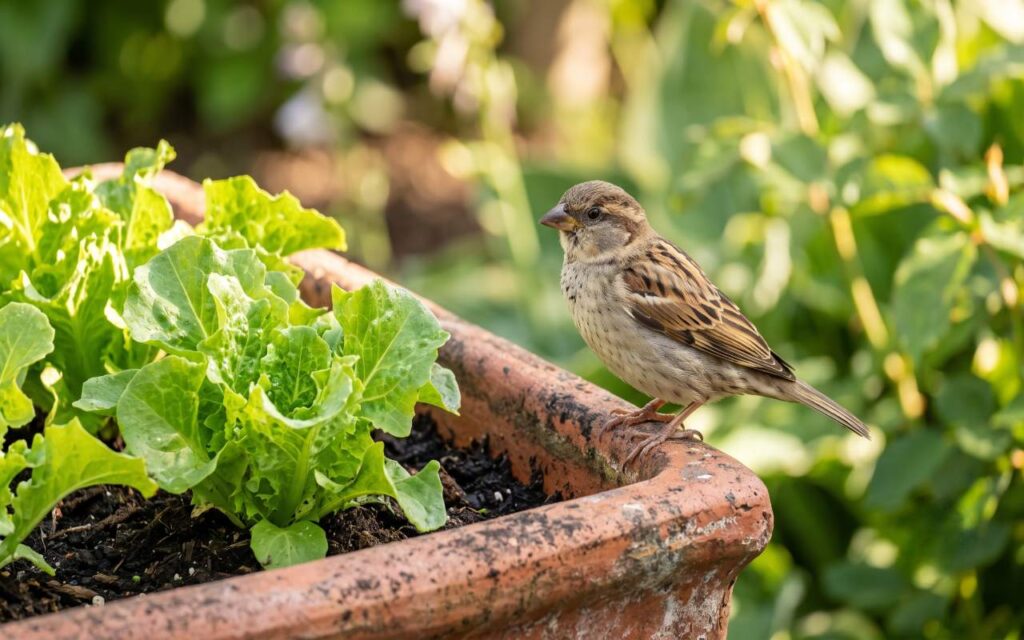
You walk out to harvest a fresh bowl of salad greens, only to find your delicate lettuce rows completely shredded to the dirt line. If you are wondering how to keep birds from eating lettuce, you know the exact frustration of losing your crop overnight. Fortunately, you can easily defend your vegetable plots from these winged intruders.
By setting up lightweight physical covers, creating visual deterrents, or building rigid structural barriers, you can successfully safeguard your crop. Here are three simple, practical methods to ensure your garden greens stay safe and intact.
Quick Answer: What is the most effective way to keep birds from eating lettuce?
The single most effective strategy is deploying a lightweight agricultural floating row cover over your salad beds and weighting the fabric perimeter completely flat to the soil line using bricks, timber boards, or landscape pins.
To build a layered yard defense, combine this visual fabric cover with rigid, drop-on wooden wire screen cages for young transplants and hang spinning holographic refraction tape to disrupt local bird flight paths.
Why Standard Garden Netting Fails on Low-Profile Lettuce Rows
Draping standard wide-mesh plastic bird netting loosely over loose-leaf lettuce varieties creates an immediate harvesting security failure. Small-bodied pests like House Sparrows and finches can easily squeeze their entire bodies right through standard 1-inch or 3/4-inch netting squares to reach the underlying foliage.
The birds land directly on top of the saggy netting sheets, using their physical weight to compress the tender green leaves flat against the soil line. They can then systematically slice out the crisp center growing crown of your romaine or butterhead heads right through the openings, stunting all future leaf regeneration.
Shielding tender salad greens under lightweight floating covers keeps delicate leaves intact but leaves your taller summer crops completely exposed to overhead flights. Managing a highly productive home plot means balancing your low-stature fabric shields with rigid vertical structures.
Matching Defensive Fabrics to Your Salad Crop Phase
Use this quick management index to align your physical protective barriers with the exact development cycles of the leafy greens growing across your garden:
| Lettuce Growth Phase | Dominant Avian Threats | Optimized Bed Shield | Critical Setup Timeline |
|---|---|---|---|
| Sowing to Sprouting (0–2 Weeks) | House Sparrows, Dark-eyed Juncos | Lightweight woven floating agricultural fleece blankets | Sown directly at the exact moment seeds hit soil |
| Young Transplants (2–5 Weeks) | House Finches, American Goldfinches | Rigid drop-on wooden frames wrapped in 1/4-inch mesh | The moment early plug flats hit the open garden soil |
| Maturing Rosettes (5+ Weeks) | Mourning Doves, European Starlings | High PVC conduit loop netting houses | Onset of mid-summer leaf plumping before harvest |
Three Lettuce Defense Methods That Actually Work
1. Deploying Lightweight Floating Agricultural Row Covers
How securely you anchor your physical fabric blankets to the dirt line completely dictates whether you harvest full crisp rosettes or shredded, empty mud furrows.
Utilizing Floating Fabric Covers: Laying a lightweight sheet of spun-bond polyester agricultural fleece directly over your lettuce rows hides the entire green footprint from view. The featherweight fabric rests gently on top of the delicate leaves without crushing the stems, expanding upward naturally as the salad heads expand. This fabric blocks the visual signal of the crop, preventing passing scout flocks from locating your new salad beds.
Locking the Lower Fabric Borders: You must weight the entire perimeter of your floating row fabric down flush against the earth using smooth bricks, heavy timber boards, or buried soil layers. Ground-foraging birds possess advanced searching patterns and will easily hop beneath loose folds or dangling hems, allowing them to harvest your greens completely hidden from view.
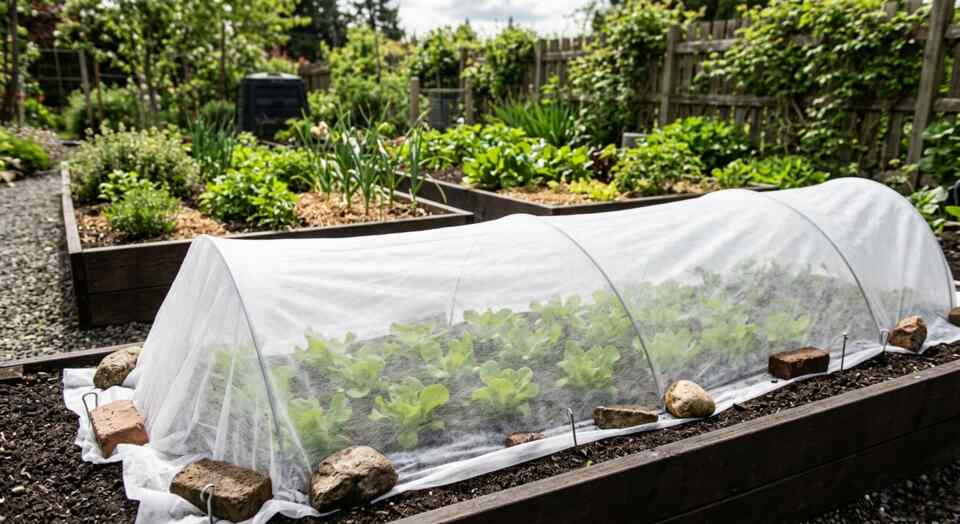
If you notice bird damage breaching your spring salad beds, look closely at where the leaves are broken. If the outer edges are shredded, your perimeter weights are loose or leaving gaps along the soil line. If the center growing crowns are completely missing, your fabric shield lacks a rigid supporting skeleton to keep the material suspended away from beak range.
2. Constructing Rigid Drop-On Wooden Screen Cages
Using a self-supporting wooden framework wrapped in ultra-fine wire mesh creates an absolute mechanical barrier that keeps small birds away from your gourmet salad greens.
Assembling Box Screen Covers: Building a simple rectangular box frame out of 1×2 cedar lumber matching the exact width of your raised beds creates a stable, portable protective skeleton. Wrapping this rigid frame tightly with 1/4-inch metal hardware cloth ensures your protective screens stay suspended in the air, preventing birds from compressing your foliage.
Anchoring the Frame Rails: You must place the bottom wooden rails of your drop-on screen boxes perfectly flush against your raised bed timbers or compacted soil. This total perimeter seal blocks ground-hopping pests completely, allowing you to lift the entire cage off for fast, unhindered harvesting access during dinner prep.
3. Hanging Spinning Holographic Refraction Tape
Using erratic moving light reflections creates an active visual boundary that deters sharp-eyed pests before they launch downward feeding flights toward your tender green patches.
Staking Erratic Flash Tape: Tie long, twisted strands of silver-and-red holographic Mylar tape directly to support stakes driven along your salad rows. The slightest breeze causes these ribbons to spin and flash sharply, creating intense light bursts and metallic crinkling noises that disrupt flight paths.
Moving the Visual Anchors: You must physically relocate your flash tape stakes to different corners of your lettuce beds every 48 hours. Small residential birds possess advanced cognitive adaptation speeds and will completely ignore a stationary flashing ribbon within a few days once they realize it poses no active physical threat.
Three Major Mistakes Beginners Make With Leafy Greens
Failing to calibrate your layout for bird intelligence will ruin your summer yield. Watch out for these three original green-crop blindspots to keep your lettuce safe:
Draping Coarse Netting Directly on Leaves: Laying loose, wide-mesh plastic netting directly on top of your lettuce allows small sparrows and finches to land right on the leaves. They will use their body weight to push the plants down into the dirt, pecking the crisp foliage easily through the holes.
The FIX: Throw away coarse plastic bird netting on low greens. Always switch to solid, tight floating row fabrics or build a rigid self-supporting frame that keeps your protective screens suspended at least 4 inches away from your outermost leaves.
Deploying Protective Fabrics Too Late: Waiting until your lettuce heads are fully grown before deploying your barriers gives local birds plenty of time to discover your patch. Flocks will establish daily feeding paths while your transplants are small, attacking your plants the exact second new leaves emerge.
The FIX: Install floating row covers on lettuce immediately upon planting, using the flat edge technique to weigh the fabric perimeter directly against the soil. This method effectively blocks scout flocks and prevents sparrows from creeping under the cover to damage plants.
Leaving Gaps Along the Raised Bed Corners: Bunching your fabric or nets loosely around the corners of your raised beds leaves an open entrance funnel that ground birds can easily locate. Once a bird slips beneath an open corner pocket, it can walk your entire salad row completely hidden from view.
The FIX: Clean up your border folds. Always pin your perimeters down tightly using heavy-duty metal landscape staples spaced every 12 inches, or weight the fabric edges down flush using heavy timber boards.
The Science and Research Behind Protecting Salad Crops
Successful spring crop defense relies on matching your protective steps to the distinct feeding habits, pressure thresholds, and agricultural limits of foraging pests:
Avian Lettuce Foraging Profiles: Commercial pest management data from the University of California Agriculture and Natural Resources Directory confirms that small-bodied crowned sparrows and horned larks aggressively target salad beds. Because these ground-feeding flocks eat seeds and young leaves, they can decimate patches by nipping off seedlings or pulling them straight from the dirt. Shifting weather conditions push birds into low-profile leafy crops when wild forage options dry up, making physical coverage mandatory to prevent bare patches across your beds.
Fabric Barrier Application Steps: Technical crop guidelines published by the University of New Hampshire Extension Service demonstrate that lightweight, spun-bonded floating row covers create an effective protective shield over open garden plots. These translucent fabrics lay directly on top of tender salad greens to block pests from shredding underlying leaves. Weighting the fabric edges flush against the soil line with bricks, pins, or lumber allows sunlight, air, and rainfall to pass through naturally while completely blocking local flocks from accessing your inner foliage.
Frequently Asked Questions About Keeping Birds Off Lettuce
Will Fake Rubber Snakes Keep Birds Out of Lettuce?
No. While a fake snake can temporarily startle smaller songbirds for 24 hours, foraging flocks possess advanced cognitive environmental mapping speeds and will completely ignore the object once they track that it never moves.
Does Spraying Garlic Water Protect Salad Greens From Birds?
No. While spraying an organic garlic or hot pepper water mixture can temporarily deter chewing insect pests or mammals, it offers absolutely no olfactory or taste deterrence against hungry bird flocks.
Can I Grow Lettuce Indoors to Avoid Bird Problems Entirely?
Yes, growing small salad greens inside using vertical hydroponic plugs or sunny windowsill seed trays avoids all bird and insect pressure completely, though it limits your overall production output compared to a full outdoor raised bed layout.
Summary Checklist for a Bird-Free Lettuce Harvest
Setting up your lettuce protection in layers creates a reliable shield that handles changing bird habits easily. Your floating row fabrics, rigid cedar box cages, and spinning holographic ribbons stay useful through intense summer sun, sudden spring frost, and active migrations.
To see how this single plot setup connects to a comprehensive, property-wide seasonal exclusion plan, review our master directory on how to keep birds out of the garden.
Stay consistent with your setup order each season. Deploy your lightweight floating fabric sheets over early spring seed beds first, transition to rigid drop-on cedar box screen cages second, and maintain your alternative hydration stations third.