
Reader Transparency: This birding guide contains paid affiliate links. If you click a link and make a purchase, I may receive a small commission at no extra cost to you. As an Amazon Associate, I earn from qualifying purchases. Your support helps keep Feathered Guru flying!
You know that frustrating feeling when you sweep your patio clean, only to find it covered in discarded seed an hour later? If you have been asking yourself why do birds throw seeds out of the feeder, realizing that wild songbirds are highly selective diners can save you hundreds of dollars in wasted grain.
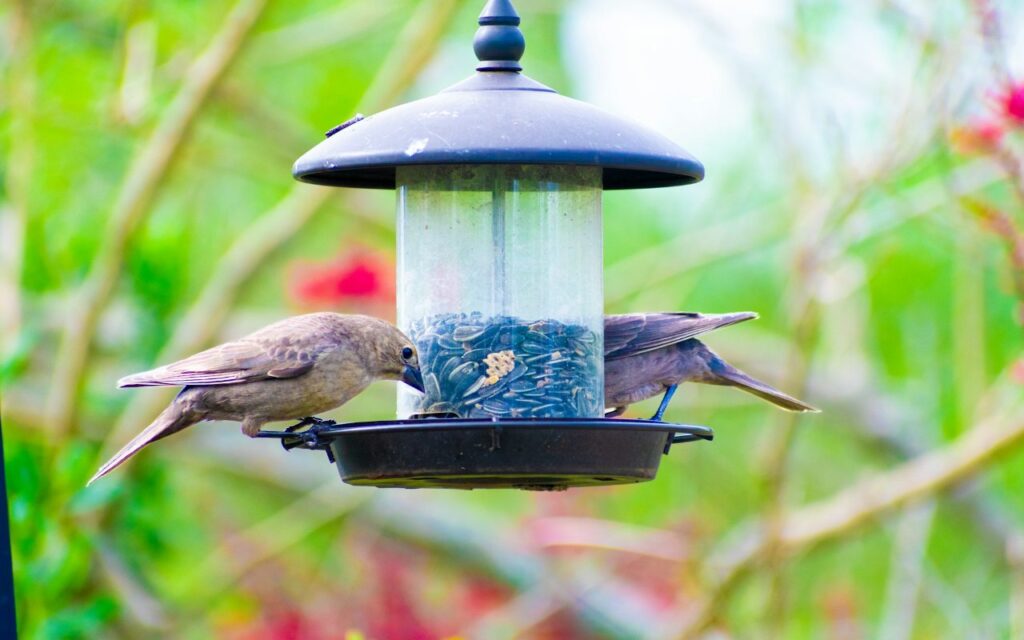
The truth is that birds are never messy by accident. When a finch furiously tosses grain sideways out of a perch port, it is executing a calculated survival strategy to find the highest-density fuel source available.
Why Do Songbirds Toss Good Grain Aside?
The Quick Answer: Birds throw seed out of feeders because they are sorting through cheap, low-fat filler ingredients like milo, red millet, and wheat to reach high-value sunflower kernels. By executing the “3-day blend isolation test” detailed below, you can reveal exactly what your local birds are searching for and permanently eliminate backyard mess.
The High Cost of Cheap Grocery Store Filler Blends
The absolute number-one reason backyard birds flip seed onto your grass layout is the presence of cheap, carbohydrate-heavy filler grains inside standard, low-cost commercial birdseed bags. Massive commercial seed suppliers fill their default products with high percentages of red millet, white millet, milo, sorghum, flax, and wheat kernels because these agricultural products are incredibly inexpensive per pound.
While ground-feeding species like Mourning Doves or House Sparrows will eat these grains on a flat surface, tree-dwelling songbirds completely refuse them. According to historical avian diet studies published by The National Audubon Society, ingredients like milo and wheat are notable “losers” that few birds actually like, whereas target species consistently favor black oil sunflower seeds.
When faced with a commercial bag full of these cheap, unappealing fillers, perching birds will furiously use their bills to push the waste grains completely out of the way to uncover the hidden sunflower seeds, creating a messy pile right below your porch hooks.
The Three-Day Blend Isolation Test
To permanently stop food waste and prevent ground pests from invading your lawn, you must run a “three-day blend isolation test” to reveal the exact food preferences of your specific neighborhood bird community. This test eliminates the guessing game by stripping your backyard feeding station down to a single ingredient profile to observe local reactions.
- Day 1: Empty out your current mixed grain bag. Wash the container ports and refill the cylinder entirely with single-ingredient Premium Black Oil Unshelled Sunflower Seeds. Observe if the side-sweeping bill behaviors stop.
- Day 2: If birds are still tossing material, watch their feet and mandibles. They are often testing the density of the individual seed shell walls to reject empty hulls.
- Day 3: Transition the feeder strictly to hulled sunflower hearts or safflower chips.
By isolating the options, you force the visiting flocks to show you exactly which seed profiles they value. If the ground remains completely clean on Day 1, you know that the cheap filler seeds in your original bag were causing the problem.

– Premium Black Oil Sunflower Seeds for Birds
– Bird Seed for Outdoor Feeders
– Grown and Packed in the USA
Bill-Rattling and Shell Evaluation Mechanics
Beyond sorting through different seed varieties, small songbirds execute a highly specialized physical behavior known as “bill-rattling” to evaluate individual seeds before eating them. When a chickadee or titmouse picks up a whole black-oil sunflower seed, it does not swallow it immediately.
Instead, it holds the shell inside its mandibles and shakes its head rapidly from side to side to measure the internal weight and check if the nutmeat is empty or dried up.
As detailed in the master seed selection charts managed by the Cornell Lab of Ornithology, choosing high-fat black oil varieties over thick-shelled striped seeds dictates exactly which specific bird species land at your stations.
Offering whole hulls forces tree-dwelling birds to constantly evaluate seed density on the perch, a mechanical reality you can read about further in my complete guide on what birds are attracted to sunflower seeds.
The High-Volume Threat of Secondary Ground Pests
When birds pile discarded seeds on the ground under your feeder hooks, they create a major safety risk for your entire yard. Leaving a thick layer of rotting starches and exposed oils on the soil forms a massive scent trail that draws in destructive secondary pests. Switching out open trays for a highly reliable Kingsyard Weatherproof Tube Feeder provides the most effective active shield against these uninvited ground invaders.
Within forty-eight hours, this easy food source will attract neighborhood rats, field mice, raccoons, and pest birds like European Starlings or Brown-headed Cowbirds. These unwanted visitors will crowd out your beautiful songbirds and can spread dangerous pathogens across your lawn.
To break this pest cycle and save your grass from rotting, you must transition your hardware setup away from open wooden platform zones. Upgrading your station to a specialized vertical cylinder protects your seed column from rain while using a built-in bottom catch tray to safely trap dropped kernels before they ever hit the soil.

– Convenient Seed-Saving Tray
– Weather Dome & Baffle
– Durable Metal Construction
Upgrading Layout Spacing to Block Side-Sweeping
Sometimes, changing the food mix is not enough, and you must alter your hardware setup to physically block birds from tossing seed. Standard hopper platforms and wide wooden open trays give large birds plenty of space to sweep their bills left and right to clear out large patches of grain.
To stop this physical movement, install simple aftermarket modifications like metal seed guards or wire grid templates over your flat tray beds. These wire dividers break up the large open space into tiny individual compartments.
This forces a bird to pluck one single seed at a time straight up out of the grid, making it physically impossible to execute a side-sweeping motion. Restricting their physical movements forces birds to focus on eating what is right in front of them, an layout shift that works brilliantly when organizing your yard routines for feeding birds in winter.
Managing Mold in Old Dropped Seed Piles
If you cannot immediately stop your yard birds from throwing seed, you must clean up the ground pile regularly to keep local populations safe from deadly toxins. When dropped grains mix with wet soil and morning dew, they absorb moisture and rot quickly.
This damp environment triggers the growth of dangerous fungal molds, especially Aspergillus spores. When birds land on the ground to pick through the pile, they breathe in these spores and can develop a fatal respiratory infection that spreads fast across the neighborhood.
Rake up the soil area beneath your hanger poles every three days, and spray the ground with a bird-safe cleaner. This extra step keeps your yard healthy and safe while you run your seed tests, a diagnostic habit I emphasize in my complete troubleshooting guide for when birds are not coming to a new bird feeder.