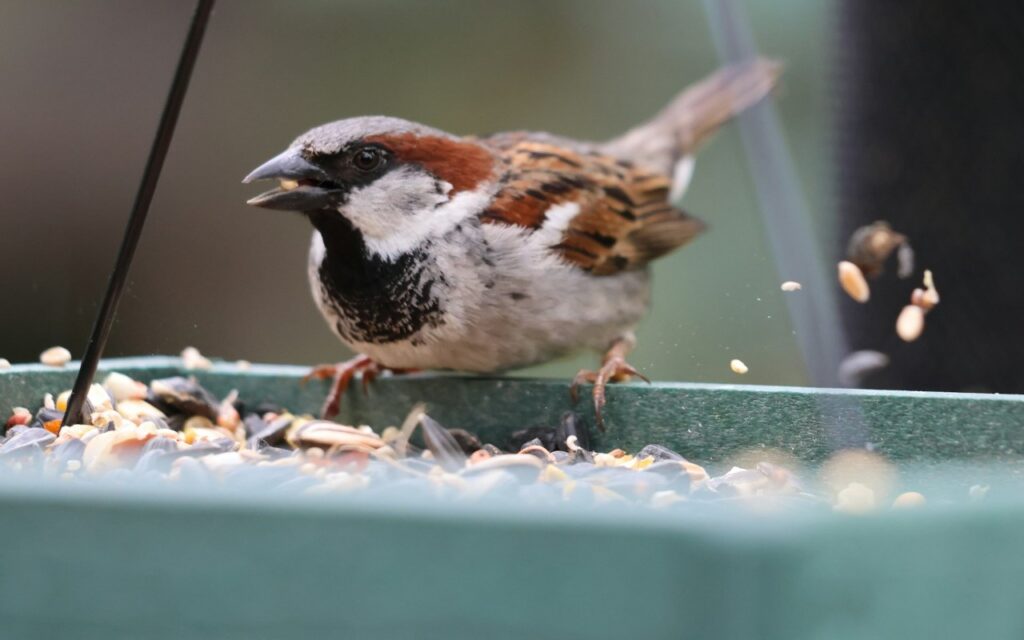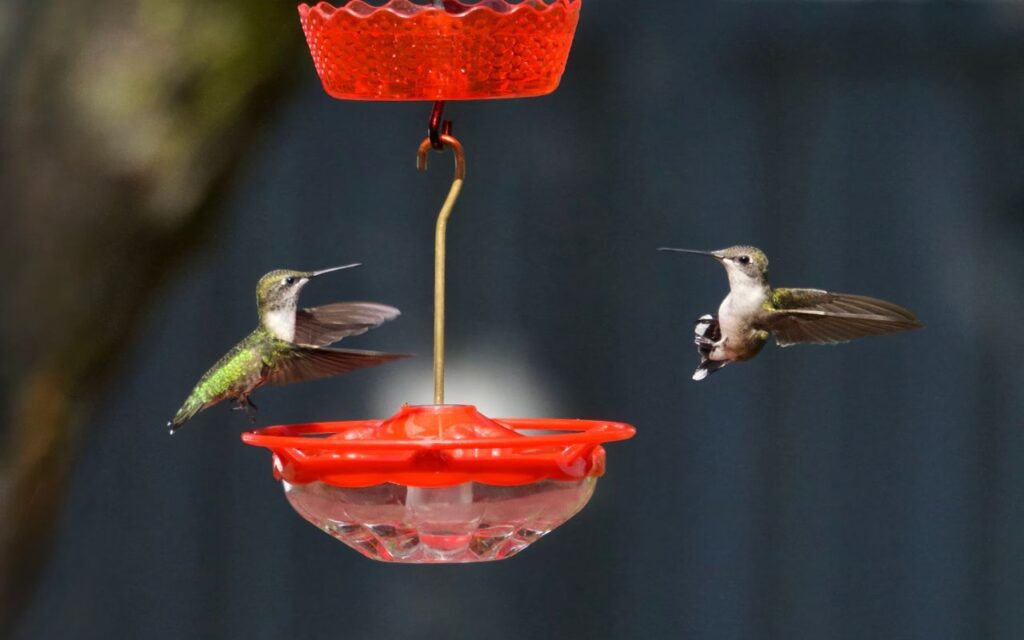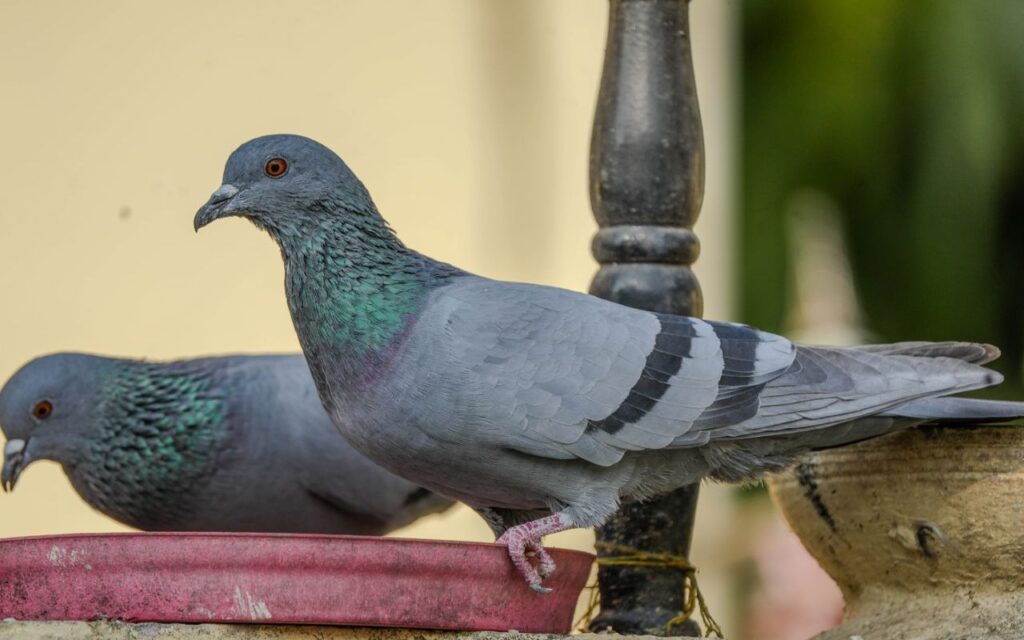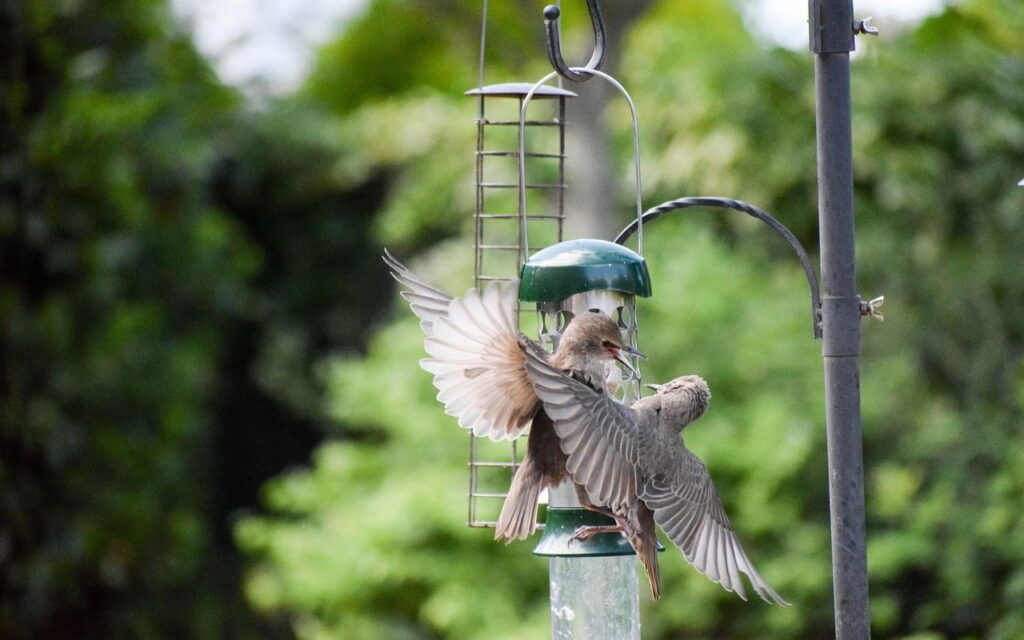
A side-profile photo of a spotted thrush foraging on a backyard floor covered in grass and fallen leaves, serving as the featured image for the habitat identification field guide.

Bird Identification by Habitat: The Single Best Way to Identify Yard Species

Mastering bird identification by habitat allows you to narrow down mysterious backyard sightings by analyzing the physical layers of your environment. Wild birds rarely move at random; their feeding habits, nesting choices, and survival instincts link them directly to specific environmental zones. By observing whether a bird clings to high tree canopies, hides in low

Bird Identification by Habitat: The Single Best Way to Identify Yard Species Read More »

A nuthatch clinging headfirst downward on a vertical tree trunk bark, displaying a distinctive gravity-defying climbing pattern for bird identification by behavior.

Bird Identification by Behavior: The Master Field Guide

To identify a mystery bird by behavior, you must look at three dynamic action zones in this exact order: ground movement gait, tree-trunk navigation pattern, and foraging execution style. Filtering your field-craft through these movement rules allows you to pinpoint a bird’s exact family identity within seconds. You can do this at extreme distances, under

Bird Identification by Behavior: The Master Field Guide Read More »

Dark bird silhouette perching on a diagonal tree branch against a glowing orange sunset sky, illustrating bird identification by shape and posture.

Bird Identification by Shape: The Master Silhouette Guide

Bird identification by shape is one of the most reliable tools you can use because it is weatherproof, season-proof, and distance-proof. Unlike bright feather colors that quickly fade, change with the seasons, or get hidden by dark shadows, a bird’s basic body shape always stays exactly the same. Shifting your focus away from tricky colors

Bird Identification by Shape: The Master Silhouette Guide Read More »

A male Painted Bunting feeding at a multi-hook bird feeder pole secured with a black cylindrical stovepipe baffle in a green summer garden.

How to Keep Earwigs and Insects Off Bird Feeder Poles

Earwigs, ants, and climbing beetles present a severe seasonal disruption for backyard bird enthusiasts who need to keep earwigs and insects off bird feeder poles during the peak summer months of July and August. In the intense summer heat, discarded seed hulls, residual berry oils, and sweet suet drippings accumulate on mounting hardware, releasing a

How to Keep Earwigs and Insects Off Bird Feeder Poles Read More »

A female Ruby-throated hummingbird feeding from a leak-free red dish style hummingbird feeder to protect sugar water from crawling ants.

How to Keep Ants Out of Hummingbird Feeders (5 Safe Ways)

Reader Transparency: This birding guide contains paid affiliate links. If you click a link and make a purchase, I may receive a small commission at no extra cost to you. As an Amazon Associate, I earn from qualifying purchases. Your support helps keep Feathered Guru flying! Learning how to keep ants out of hummingbird feeders

How to Keep Ants Out of Hummingbird Feeders (5 Safe Ways) Read More »

An American Robin perched on the scalloped edge of a concrete bird bath with rippling water in a green summer garden.

How to Keep Starlings Away from Bird Baths

Keeping starlings away from bird baths is the only way to prevent aggressive, late-summer fledgling flocks from completely dominating your backyard resources. If you leave your deep, classic concrete basins completely unprotected, these highly adaptable invasive birds will quickly push out smaller native songbirds and turn your peaceful yard setup into a hostile environment. This aggressive behavior creates a

How to Keep Starlings Away from Bird Baths Read More »

A beautiful wild Trumpeter Swan swimming in calm green water on a crisp morning.

When Do Trumpeter Swans Arrive at LaSalle Park for the Winter?

Trumpeter Swans arrive at LaSalle Park in Burlington, Ontario, during the final weeks of November, with the population rapidly expanding to peak numbers between January and February. This designated waterfront sanctuary on the north shore of Lake Ontario serves as one of the most critical overwintering habitats in Eastern Canada, hosting over 200 swans until

When Do Trumpeter Swans Arrive at LaSalle Park for the Winter? Read More »

Consent Preferences
Scroll to Top