
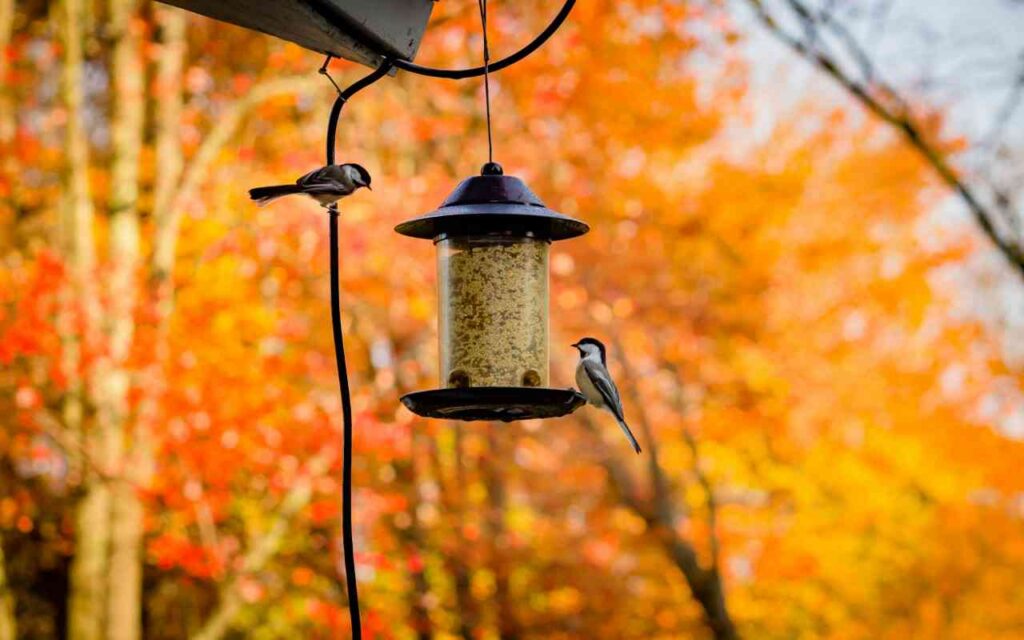
September hit, and I watched my normally quiet feeders explode with activity. Dozens of warblers I’d never seen before descended on my suet feeders, sparrows fought over platform space, and my seed consumption tripled overnight. That’s when it hit me, fall bird feeding isn’t just another season. It’s THE feeding season. If you’re not adjusting your strategy for autumn, you’re missing the whole point.
Feeding birds in fall requires completely different thinking than summer or winter approaches. You’re supporting two distinct groups: migrating birds desperately needing fuel for thousand-mile journeys, and resident backyard birds fattening up before brutal winter months 🙂. Get it right, and your yard becomes a critical refueling station. Get it wrong, and you’re just wasting seed while birds struggle elsewhere.
- Fall is peak feeding season for migrants and residents.
- Increase seed volume; diversify types: sunflower, suet, peanuts, nyjer.
- Use multiple feeder types: tube, hopper, platform.
- Clean feeders weekly; deep clean monthly with bleach.
- Provide water and moving fountains for migrants.
- Add native plants and berries for food and shelter.
- Feed consistently; transition gradually from migration to winter.
- Watch for sick birds; remove feeders if needed.
- Avoid cheap filler seed; invest in quality for nutrition and less waste.
- Position feeders safely away from predators and hazards.
Best Practices for Fall Bird Feeding
When you focus on fall bird feeding, the first step is understanding what’s actually happening in your yard from September through November. This isn’t business as usual. Bird populations spike dramatically as migrants pass through, and energy demands skyrocket as temperatures drop and natural food sources dwindle.
The biggest mistake I see people make? Treating fall like summer. They keep feeding the same amounts, using the same seed mixes, maintaining the same cleaning schedule. Then they wonder why their feeders empty in hours or why sick birds start appearing. Fall demands more, more variety, more volume, more vigilance.
Here’s a quick video where I walk through these fall bird feeding tips and show what’s working in my own backyard.
Show Transcript
You know, if you think fall is just another season to top up the bird feeder, you’re missing out on what’s probably the most important—and honestly, the most exciting—time of year for backyard birds.
This is when everything changes. This is when your backyard becomes a vital refueling station.
I love this time because one day everything’s calm and quiet, and the next, it’s like someone flipped a switch. Suddenly, it’s a flurry of activity—warblers, sparrows, finches—all showing up at once. Your backyard turns into a bustling hub, and it’s our job to make sure it’s a good one.
So what makes this season so different? It’s because your backyard is suddenly doing double duty. You’re supporting two completely different groups of birds, each with very specific and urgent needs.
That’s the challenge we face. For migrating birds, this is a matter of survival. They’re flying thousands of miles through shrinking habitats and need every bit of high-energy fuel they can get.
At the same time, your year-round residents—chickadees, cardinals, woodpeckers—are in their own race against time, trying to build up enough fat reserves to survive the cold months ahead.
Our mission is to upgrade. We’re moving beyond being just a simple snack bar. We’re creating a full-service, five-star refueling station that meets the needs of every bird that stops by.
Building a Five-Star Refueling Station
So how do you build one? It all starts with the menu.
It’s not just about putting out more food—it’s about offering the highest-quality, highest-energy fuel you can. That menu really comes down to four essentials: black oil sunflower seed, suet, nyjer, and peanuts.
Each one serves a specific purpose:
- Black oil sunflower: The foundation. It’s the universal favorite, packed with fat and energy.
- Suet: Pure rocket fuel for insect-eating birds like woodpeckers and chickadees, especially as temperatures drop.
- Nyjer: Tiny but mighty—perfect for finches.
- Peanuts: Extra protein for bigger birds like jays.
Avoid Cheap Seed Mixes
A quick but important note: skip the bargain-bin mixes.
They’re full of cheap fillers like milo and wheat that most birds just toss to the ground. You end up with a mess that attracts rodents and wastes money.
Quality seed costs more, but you’ll have less waste and much healthier birds.
Keep Feeders Clean
A great feeding station isn’t just about food—it’s also about cleanliness. With all the extra traffic during migration, a dirty feeder can quickly spread disease.
Keeping feeders clean is non-negotiable.
Here’s a simple routine:
- Every week: Wash feeders with hot, soapy water.
- Once a month: Deep clean with a 10% bleach solution (1 part bleach to 9 parts water).
Rinse well and let everything dry completely before refilling.
Don’t Forget Water
As natural water sources dry up in fall, a clean water source becomes a magnet for birds.
Birds are drawn to the sight and sound of moving water, so a small dripper or solar fountain can attract migrants from far above.
If you really want to level up your setup, plant native shrubs like dogwood or serviceberry. They provide berries for food and cover from predators.
That’s how you turn your yard into a true full-service rest stop.
Common Myths and Mistakes
Now that we know what to do, let’s talk about what not to do.
Myth: Feeding birds in fall keeps them from migrating.
Truth: Not at all.
Feeding birds in early fall helps them prepare for migration, and feeding in late fall supports their winter survival.
Birds are opportunists. They won’t become dependent on your feeder—it’s just one of many food sources they use each day.
Top 5 Mistakes to Avoid:
- Using summer seed quantities when bird traffic has tripled.
- Skipping weekly feeder cleanings.
- Buying cheap seed full of filler grain.
- Forgetting to provide clean water.
- Being inconsistent—if your feeder sits empty for days, birds move on.
Why It Matters
So why do all this? Why go to the trouble?
Because the payoff is incredible. You’re not just helping birds—you’re giving them a real chance to survive one of the toughest parts of their year.
And in return, you get something special: a front-row seat to one of nature’s greatest shows.
So here’s a question to think about:
What is your backyard right now?
Is it just a quick pit stop, or have you built a true full-service rest area that makes a real difference?
The Great Fall Migration is happening right now. It’s one of nature’s most spectacular events—and with just a little effort, your backyard can be the best seat in the house.
All from Feathered Guru
Should you feed birds in the fall is a question I hear constantly, and the answer is an emphatic yes. Despite what some people claim about encouraging dependence or delaying migration, supplemental feeding during fall actually supports healthy bird populations. Migration timing is controlled by photoperiod (day length) and hormones, not food availability. Birds don’t skip migration because your feeders exist, they just refuel better before leaving.
According to research published in Conservation Physiology, providing supplemental food improves the health of wild birds, including body condition, stress levels, and immune response, showing that autumn feeding can support bird well-being.
What to Feed Birds in Fall
What to feed birds in fall depends on which species you’re targeting and what stage of fall you’re in. Early fall (August-September) sees peak migration and warm temperatures. Late fall (October-November) brings cold snaps and shifts toward winter residents. Your feeding strategy should evolve with these changes.
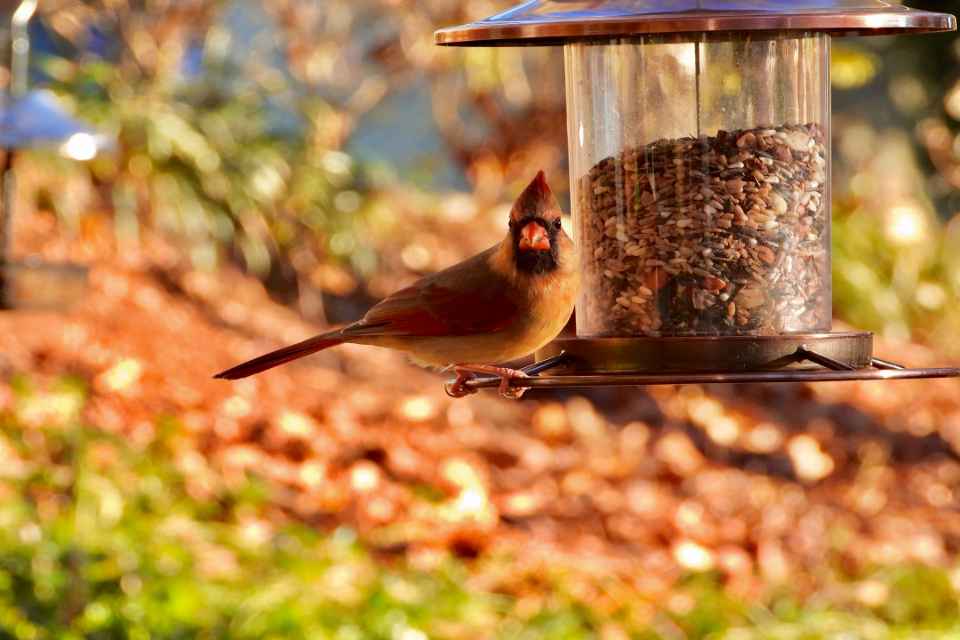
Black oil sunflower seeds remain the foundation of any fall feeding program. These high-fat seeds attract virtually every seed-eating species, and their calorie density perfectly matches fall energy demands. I go through 50+ pounds monthly during peak migration, triple my summer consumption. The cost adds up, but watching dozens of species visit daily justifies every dollar.
Suet for fall birds becomes absolutely critical as temperatures drop. Suet provides pure fat that fuels both migration and cold-weather survival. I increase my suet offerings from two cages in summer to five in fall, positioning them strategically around my yard. Woodpeckers, chickadees, nuthatches, and warblers demolish my suet supply during September and October.
Nyjer seed for finches attracts goldfinches preparing for southern journeys. These tiny black seeds (actually thistle) require specialized tube feeders with small ports, but they’re worth the investment if you want finches. I maintain two nyjer feeders year-round, but I refill them daily during fall when goldfinch activity peaks. According to Birdseed & Binoculars, goldfinch visits spike during fall migration, and nyjer is the top seed for attracting them.
Peanuts (shelled or in-shell) provide incredible protein and fat. Blue jays, woodpeckers, and nuthatches particularly love them. I use peanuts specifically during fall because their energy density supports the calorie demands migrating and preparing birds face. They cost more per pound than seed, but you need less volume to deliver equivalent nutrition.
What Birds Eat in Fall
What birds eat in fall shifts dramatically from summer preferences. Insect availability drops as temperatures cool, forcing insectivorous species to adapt. Many warblers that ignore feeders during summer suddenly appear at suet cages in September. Insect eaters don’t suddenly become seed eaters, they supplement diminishing insect populations with high-fat alternatives.
Bird nutrition in fall centers on fat accumulation. Migrants need to build fat reserves equaling 30-50% of their body weight before long flights. Resident birds must fatten up for winter survival. This means prioritizing high-calorie foods: black oil sunflower, peanuts, suet, and other fat-rich options.
Fruit becomes surprisingly important for certain species. Thrushes, catbirds, and waxwings eat berries as primary fall food. I supplement my feeders with halved apples, raisins, and dried fruit during migration peaks. These attract species that never visit seed feeders, diversifying my yard’s bird community considerably.
Choosing Fall Birdseed and Feeder Types
Choosing fall birdseed means avoiding cheap filler mixes. Those $10 bags of generic “wild bird seed” contain mostly milo, wheat, and other grains most birds ignore or toss on the ground. You’re literally throwing money away while creating rodent attractants beneath feeders.
Birdseed for fall should prioritize quality over quantity. I buy premium mixes containing primarily black oil sunflower, peanut pieces, and occasionally safflower. Yes, they cost 50-100% more than cheap mixes, but birds actually eat them, meaning less waste and better nutrition. A pound of premium seed birds consume beats five pounds of cheap seed they ignore.
Fall bird feeders require increased capacity and diversity. During migration peaks, my normal three feeders can’t handle traffic volumes. I add temporary feeders specifically for September and October, then remove them in November when resident populations stabilize. This prevents overcrowding and reduces disease transmission risk.
Tube feeders work beautifully for small songbirds but exclude larger species. Hopper feeders accommodate everyone but require frequent refilling. Platform feeders serve ground-feeding species like doves and juncos. I use all three types positioned strategically around my yard, creating specialized feeding zones that reduce competition.
Cleaning Feeders in Fall
Cleaning feeders in fall isn’t optional, it’s absolutely critical for preventing disease outbreaks. Keeping feeders clean during high-traffic migration periods protects both migrants and residents from pathogens that spread rapidly in concentrated bird populations.
I clean feeders weekly during September and October without exception. Hot soapy water scrubs away visible debris, seed hulls, and bird droppings. Monthly deep cleaning with 10% bleach solution (one part bleach to nine parts water) kills bacteria and fungus regular washing misses. Rinse thoroughly after bleaching, soap and bleach residues both sicken birds.
Ground cleanup matters just as much as feeder cleaning. Spilled seed accumulates beneath feeders, creating bacterial hotspots where birds congregate and defecate. I rake and remove ground debris twice weekly during migration, and I rotate feeder locations annually to prevent pathogen buildup in soil.
Research published in Scientific Reports found that “routine cleaning can be critical for ensuring the health and viability of visiting avian species,” with experimental results showing that uncleaned feeders significantly increased disease severity in rural bird populations.
Watch for sick birds at your stations. Fluffed feathers, lethargy, difficulty flying, or discharge from eyes/beak indicate illness. If you spot sick individuals, immediately remove all feeders, clean everything thoroughly, and leave stations empty for two weeks minimum. Disease spreads explosively in fall’s concentrated populations.
Attracting Birds in Autumn
Attracting birds in autumn means understanding what draws migrants to specific yards. Food availability obviously matters, but water, shelter, and safety are equally important. Migrants actively scout for yards offering complete packages, not just food.
Water becomes critically important during fall. Natural sources diminish as temperatures drop, and dehydration poses serious risks for migrants. I maintain two bird baths, cleaning and refilling them daily. Adding a solar fountain creates movement that attracts birds from much greater distances, warblers especially love moving water.
Attracting songbirds in fall requires eliminating threats alongside providing resources. Cats kill billions of birds annually, with recently-fledged juveniles and exhausted migrants being particularly vulnerable. Keep cats indoors during migration season. Clean windows or apply bird-safe treatments to prevent collisions (fall migration sees peak window strike mortality). For comprehensive guidance, check out our article on how to prevent window strikes in fall.
Native plants provide natural food that complements feeder offerings. Dogwood, serviceberry, and elderberry produce fall berries attracting thrushes, waxwings, and catbirds. Dense shrubs offer shelter for overnight roosting. I’ve transformed my yard from lawn to mostly native plantings over five years, and fall bird diversity has increased dramatically. Our guide on native plants for birds covers species selection for different regions.
When to Stop Feeding Birds in Fall
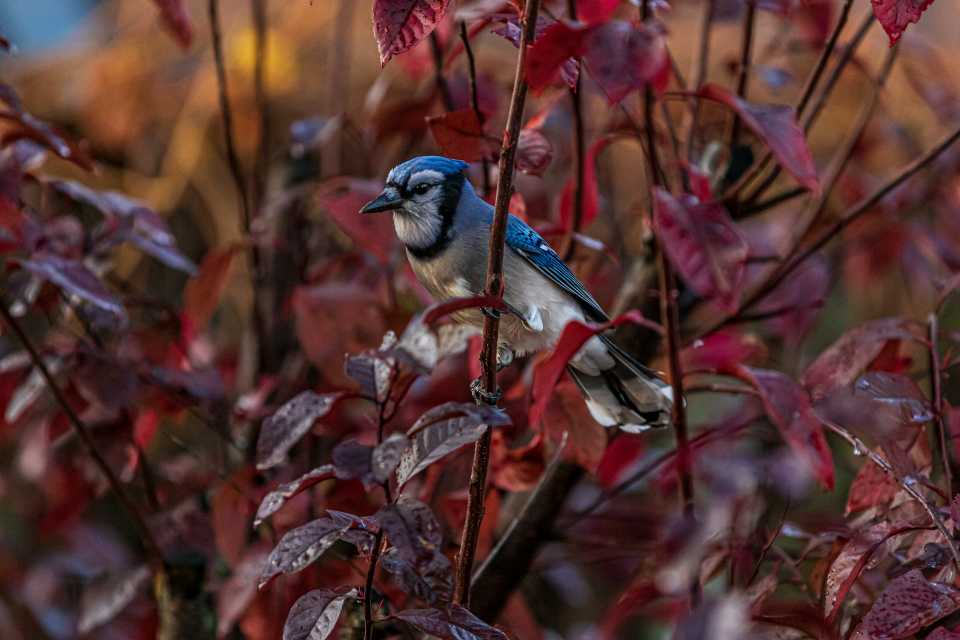
When to stop feeding birds in fall generates surprising controversy. Some people argue you should halt feeding once migration ends to avoid creating dependence. Others maintain year-round feeding. IMO, the science supports consistent feeding through fall into winter.
Birds don’t become dependent in ways that harm them. They’re opportunistic foragers using multiple food sources simultaneously. Your feeders represent one resource among many. Studies tracking feeder use show birds continue natural foraging even when feeders are available. You’re supplementing, not replacing, natural food sources.
I transition from high-volume migration feeding (September-October) to winter maintenance feeding (November onward) rather than stopping completely. Migration traffic drops significantly after early November in my region, so I scale back feeder numbers while maintaining consistent supply at core stations. This supports resident winter populations without unnecessary expense or effort.
The transition timing varies by latitude and local conditions. Southern regions might maintain migration traffic through November. Northern areas might shift to winter patterns by mid-October. Monitor your yard, when you stop seeing unfamiliar species and populations stabilize to recognizable individuals, you’ve transitioned from migration to winter.
Common Fall Bird Feeding Mistakes
Common fall bird feeding mistakes create unnecessary problems that discourage people from continuing. Learning from others’ errors saves you frustration, wasted money, and potentially sick birds.
Mistake #1: Using summer quantities. Fall bird populations explode during migration. Summer feeding levels won’t suffice. I triple my seed budget during September-October, and feeders still empty quickly. Under-supplying means birds expend energy visiting unproductive feeders, which actually harms them during critical migration periods.
Mistake #2: Ignoring feeder cleanliness. High bird traffic creates high pathogen exposure. Dirty feeders spread disease faster in fall than any other season. Weekly cleaning isn’t excessive, it’s essential. I’ve watched neighbors lose entire local chickadee populations to disease spread through filthy feeders.
Mistake #3: Using cheap seed mixes. Milo, wheat, and filler grains create waste without providing nutrition. Birds toss this junk on the ground, attracting rodents while failing to meet their energy needs. Pay for quality seed, your dollar-per-bird-visit calculation actually favors premium products because birds consume them rather than discarding them.
Mistake #4: Neglecting water. Everyone focuses on food, but dehydration kills migrating birds too. Clean bird baths refilled daily become as attractive as feeders during fall. I’ve spotted species at my baths I’ve never seen at feeders, water draws different crowds.
Mistake #5: Inconsistent feeding. Starting feeding, then running out of seed for days, then restarting creates problems for birds establishing feeding patterns. Consistency matters more than volume. Provide what you can afford consistently rather than sporadically offering huge amounts.
Preparing for Winter Through Fall Feeding
Preparing for winter actually starts in fall. The birds visiting your feeders during September and October include many that will overwinter locally. These residents are establishing territories and learning resource locations. Your fall feeding establishes patterns that carry through winter.
Colder weather feeding begins during late fall cold snaps. When overnight temperatures drop below freezing, I increase suet offerings and add heated bird baths. These early cold periods test my winter systems, it’s better discovering equipment failures in October than January.
Seasonal feeding changes mean gradually shifting from migration support to winter survival support. Migration birds need quick energy for flight, fats and sugars. Winter residents need sustained calories for cold survival, fats and proteins. Both groups benefit from similar foods, but proportions and offerings shift slightly.
The Wild Birds Unlimited guide to responsible bird feeding emphasizes maintaining clean feeders, providing appropriate foods, and adjusting feeding practices throughout seasonal transitions to support healthy backyard birds.
Document fall arrivals and departures. I maintain a simple notebook logging species, dates, and behaviors. Over multiple years, patterns emerge showing when specific migrants arrive and leave. This data helps me anticipate needs and adjust offerings proactively. For comprehensive year-round strategies, see our complete guide on feeding birds in winter.
Safe Bird Feeding Habits for Autumn
Safe bird feeding habits protect both birds and your investment. Disease prevention, predator awareness, and pest management all contribute to successful fall feeding programs.
Position feeders with predator safety in mind. Cats and hawks both follow bird concentrations. Feeders need nearby cover (trees/shrubs within 10-15 feet) for escape but shouldn’t be adjacent to dense vegetation where predators hide. This balance takes trial and error, I’ve moved feeders multiple times finding optimal placement.
According to guidance from the National Audubon Society on safe bird feeding practices, feeder placement and maintenance significantly impact both bird health and feeding success. Their research-based recommendations emphasize the importance of cleanliness, appropriate food types, and strategic positioning for maximizing benefits while minimizing risks.
Manage pests proactively. Spilled seed attracts rodents, raccoons, and bears (depending on region). Seed catchers beneath feeders minimize ground accumulation. Bringing feeders inside overnight eliminates nocturnal pest access. If rodent evidence appears, immediately remove feeders for two weeks, clean everything, and reinstall with better management.
According to guidelines from Project FeederWatch, maintaining clean feeding stations and removing spilled seed are essential components of responsible bird feeding. Our detailed article on how to feed wild birds without attracting rats covers prevention comprehensively.
Store seed properly in airtight metal containers. Moths, weevils, and rodents destroy seed stored in paper bags or flimsy plastic bins. I use galvanized metal garbage cans with lockable lids, they’ve protected my seed investment for years while preventing pest problems.
FAQ’s: About Fall Bird Feeding
Should I feed birds in the fall, or does it delay migration?
Feed them. Migration timing is controlled by photoperiod and hormones, not food availability. Birds don’t skip migration because feeders exist. They simply refuel better, improving survival odds during and after migration.
What’s the best birdseed for fall?
Black oil sunflower seeds form the foundation. Add suet for high-fat options, nyjer for finches, and peanuts for jays and woodpeckers. Avoid cheap mixes containing milo and filler grains birds ignore.
How often should I clean feeders during fall?
Weekly minimum during migration peaks (September-October). Monthly deep cleaning with bleach solution. More frequently if you notice sick birds or visible contamination. High bird traffic demands high cleaning frequency.
When should I stop fall feeding?
You don’t need to stop, transition from high-volume migration feeding to winter maintenance feeding once migration ends (typically early November in northern regions, later in southern areas). Monitor local patterns and adjust accordingly.
Why are my feeders empty so quickly in fall?
Migration dramatically increases bird populations visiting your yard. Triple your normal seed budget during September-October. This isn’t wasteful, you’re supporting critical refueling for long-distance travelers.
Do I need different feeders for fall?
Not necessarily different types, but probably more feeders. I add temporary feeders during migration peaks to handle increased traffic, then remove them in November. This prevents overcrowding and disease transmission.
Can fall feeding harm birds?
Only through poor practices, dirty feeders spreading disease, inappropriate foods, or creating predator opportunities. Proper feeding (clean stations, quality food, safe placement) provides measurable benefits without harm.
Final Thoughts: Making Fall Count
Fall bird feeding tips boil down to three principles: provide variety, maintain cleanliness, and stay consistent. These aren’t complicated, but they require commitment during the season when birds need you most.
I started taking fall feeding seriously five years ago after reading about migration energy demands. The transformation in my yard has been remarkable. I’ve documented 47 species visiting during fall migration, compared to 12 in summer. Watching waves of warblers, thrushes, and sparrows refuel in my yard before continuing thousand-mile journeys never gets old.
Those migrating birds stopping at your feeders face incredible challenges. Many weigh less than a handful of coins yet fly thousands of miles twice annually. Your yard might represent the difference between successful migration and starvation. That’s not hyperbole, research consistently shows supplemental feeding improves survival rates during migration.
So stock those feeders, clean them religiously, and watch the show. September through October offers the best birdwatching of the entire year right in your backyard. Don’t miss it because you treated fall like any other season. This is when birds need you most, and honestly? It’s when you’ll enjoy them most too 🙂