
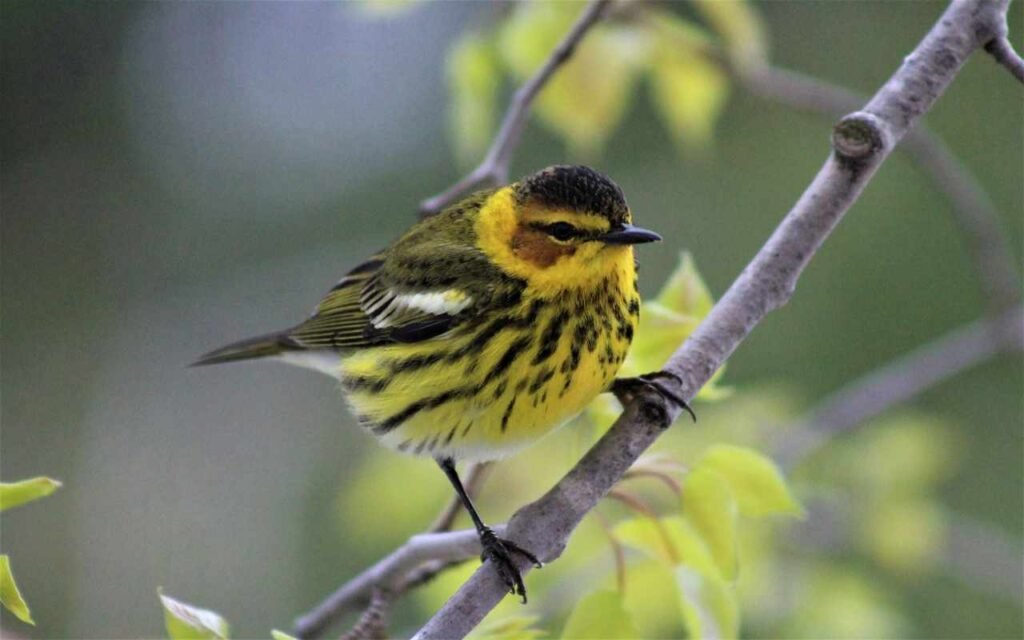
Reader Transparency: This birding guide contains paid affiliate links. If you click a link and make a purchase, I may receive a small commission at no extra cost to you. As an Amazon Associate, I earn from qualifying purchases. Your support helps keep Feathered Guru flying!
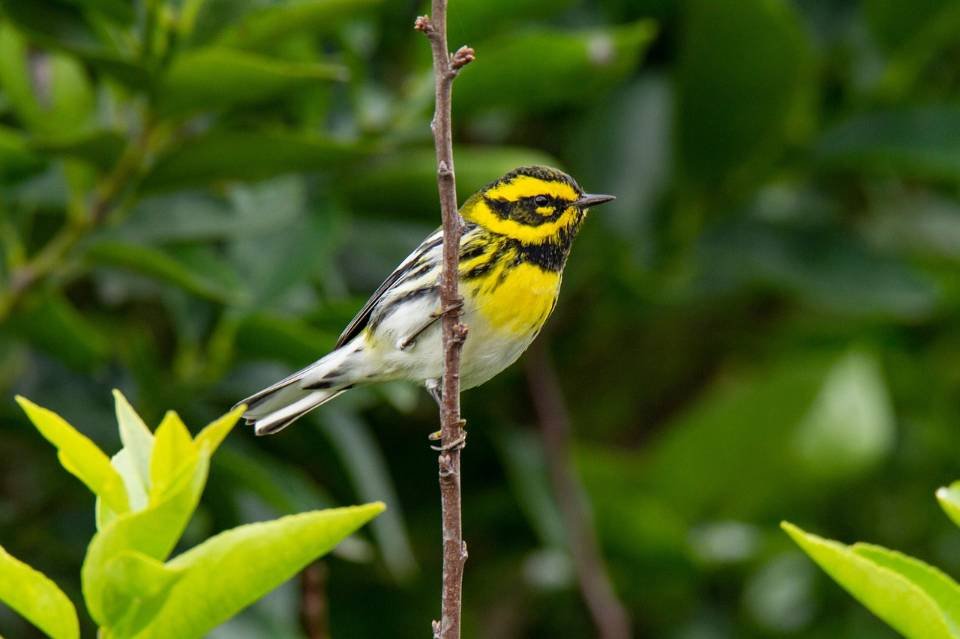
Last September, a brilliant Blackburnian Warbler landed right outside my kitchen window, turning a quiet morning coffee into a scrambling race for binoculars. While spring birding gets all the mainstream attention, veteran observers know that autumn migration is longer, more relaxed, and offers a far superior backyard viewing window.
The real magic of the fall warbler migration is that juvenile birds make up the vast majority of autumn waves. These young warblers have not yet developed the intense fear of humans seen in adults, meaning they forage openly on low branches and let you study their field marks for minutes at a time.
What Weather Triggers the Peak Fall Warbler Migration?
The single best observation window is at dawn through mid-morning immediately following the passage of an autumn cold front.
Clear nights paired with light north or northwest tailwinds trigger massive overnight flights, leaving exhausted birds desperate to drop into localized backyard habitats to refuel.
Mapping Flocking Timelines on the Whiteboard
Reviewing a clear timeline breakdown provides excellent clarity when learning these migration waves for the first time. This animated whiteboard walkthrough maps out the precise monthly waves, weather pressure charts, and identification markers directly across a digital canvas.
Tracking the Three Seasonal Waves of Autumn Migrants
Backyard warbler migration does not occur as a single massive event. Instead, it moves in distinct, highly predictable waves based on species-specific food needs and geographic nesting boundaries. According to real-time travel tracking data compiled by the Audubon Bird Migration Explorer, these seasonal movements run much earlier in the summer than most homeowners realize.
| Migration Wave Phase | Core Active Timeline | Primary Target Warbler Species | Behavioral Foraging Niches |
|---|---|---|---|
| The Early Wave | Late July to Mid-August | Yellow Warblers, American Redstarts | Treetop leaf gleaners, active fly-catching loops |
| The Peak Wave | Late August to September | Magnolia, Tennessee, Bay-breasted | Low shrub inspection, berry and fruit consumption |
| The Late Wave | Late September to October | Yellow-rumped, Palm, Pine Warblers | Ground foraging, heavy berry eating, seed consumption |
Early and Peak Wave Dynamics
The initial southward push begins while summer temperatures remain high. Yellow Warblers and American Redstarts lead this wave, often consisting of birds that finished nesting early or failed breeders who abandoned their territories early.
According to seasonal tracking updates from Audubon Science Centers, this early migration kicks off by mid-summer as adult birds cut their losses after failed nesting attempts.
By late August, the floodgates open completely. Dozens of species pour through suburban backyards, with Magnolia and Tennessee warblers making up the backbone of these massive foraging waves.
According to active radar monitoring bulletins published by BirdWatching Daily News Tracker, these peak mid-season waves routinely move tens of millions of birds across the United States in a single night.
Reviewing our seasonal bird identification guide will help you track which plumage variations appear during these high-volume transition weeks.
Late Stragglers and Hardier Species
By October, cold-sensitive species have safely moved on to Central and South America. The late wave is dominated by the highly adaptable Yellow-rumped Warbler.
These hardy birds carry unique digestive systems that easily switch from insects to waxy berries, allowing them to linger through northern frost cycles without starving.
To ensure you catch the tail end of these waves, verify your region’s peak days using our beginner birdwatching tips for beginners to build your basic seasonal logging skills.
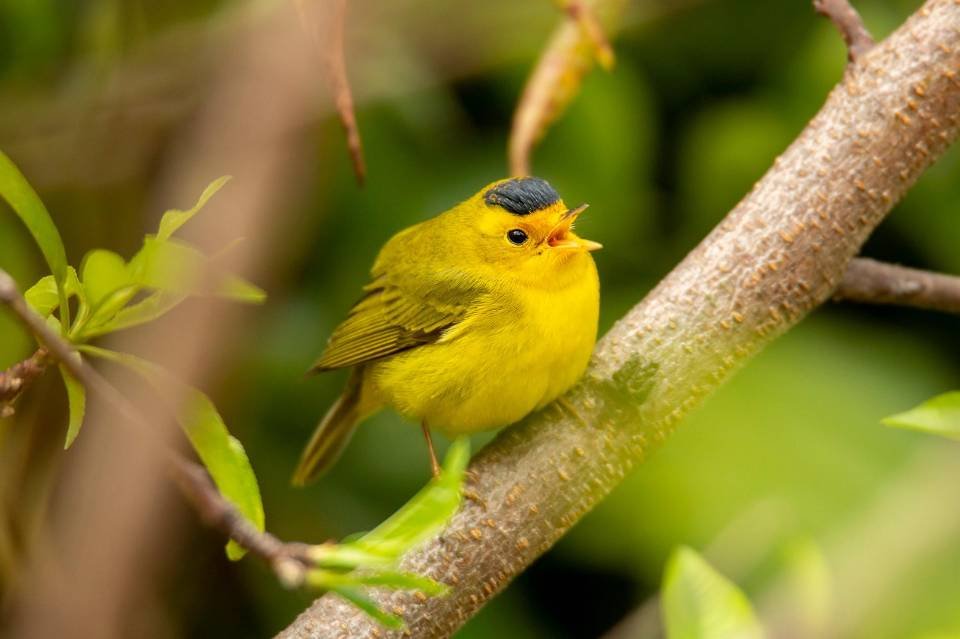
Activating Active Acoustic Water Attractants
Exhausted birds traveling hundreds of miles overnight lose significant body weight and become severely dehydrated. Hanging a standard bird feeder filled with commercial seed blends is entirely useless for these birds because most warblers are strict insect eaters. To pull passing travelers down from high tree canopies, you must use active acoustic water features.
Activate Your Yard’s Auditory Beacon with a Solar Water Mover
Transform your quiet water dish into an active bird magnet instantly. Dropping a premium Mademax Upgraded Solar-Powered Fountain Pump into your outdoor basin sets up a continuous, low-frequency splashing sound that coaxes passing migrants down from high tree limbs. The continuous movement also completely prevents mosquitoes from laying eggs in your basin.
Check Price on AmazonAccording to field testing guidelines published by BirdWatching Daily Magazine, adding motion or dripping sounds to an outdoor basin multiplies your overall avian visitation counts exponentially.
Furthermore, academic research on nocturnal stopover selection archived in the ScienceDirect Journal of Biological Conservation proves that moving acoustic signals are critical landmarks used by tired songbirds to evaluate urban habitat islands. Ensure you position your water stations close to protective tree lines so nervous birds can dive for cover if a hawk approaches.
To protect your traveling flocks from dangerous pathogen loops, apply our targeted methods on how to clean a bird bath without chemicals to easily eliminate mold and bacteria using safe household white vinegar.
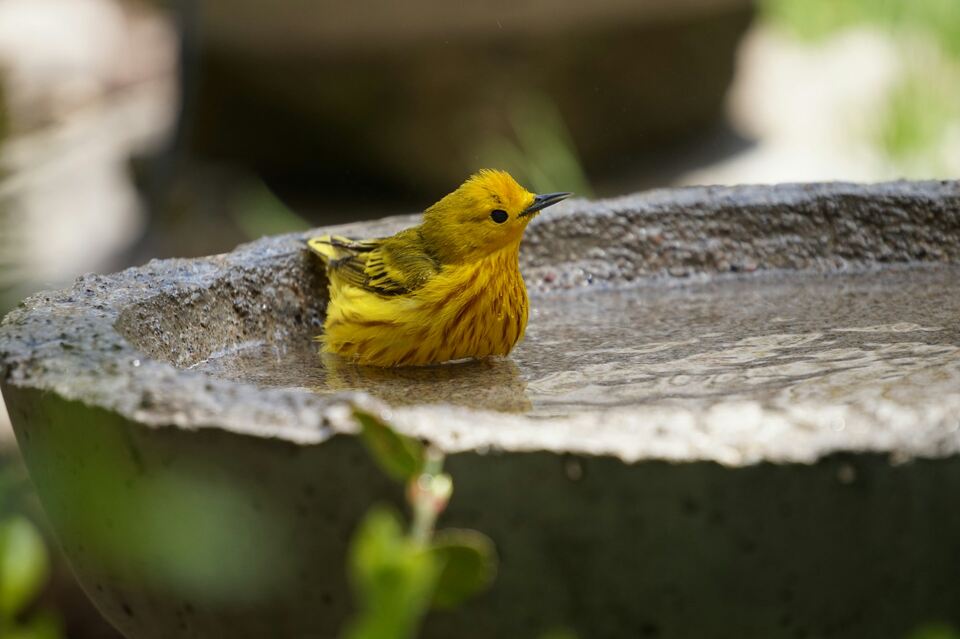
Overcoming Fall Warbler Identification Confusion
Learning to identify autumn warblers is often considered one of the hardest challenges in North American birding because their bright spring plumages fade into muted greens and grays. However, you can eliminate the guesswork entirely by ignoring changing feather patches and focusing on structural behaviors.
According to species field keys archived in The Cornell Lab AllAboutBirds Field Guide, structural features like bill shapes, tail geometries, and movement rules never change across a bird’s lifespan.
The Bark-Creeping Illusion
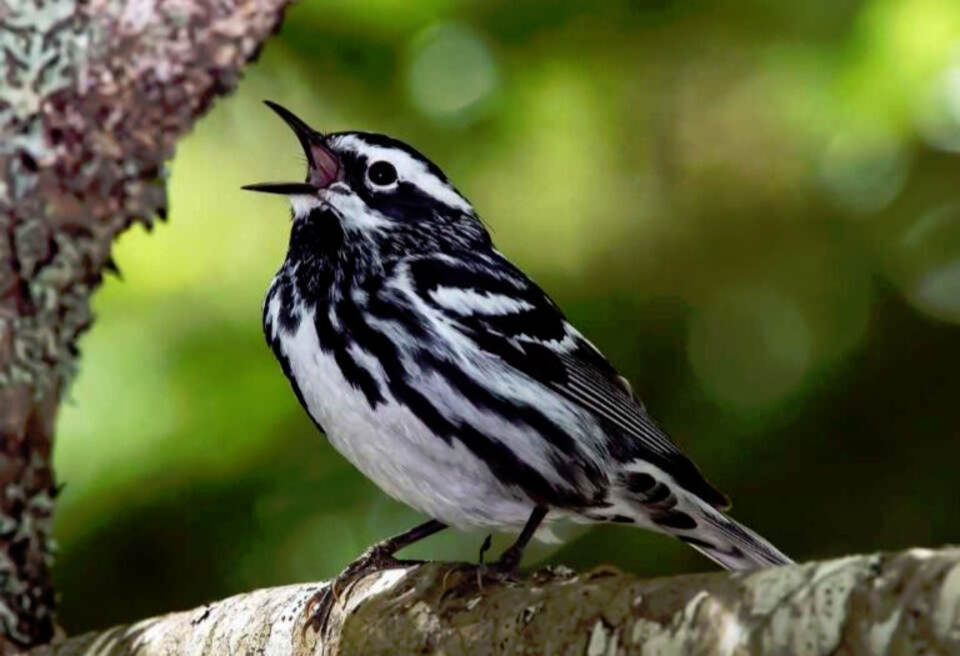
If you spot a small, striped black-and-white bird moving along a tree branch, do not waste time hunting for facial patches. Check its physical movement path. The Black-and-white Warbler behaves exactly like a tree nuthatch, creeping up and down vertical trunk bark to find hidden bugs.
The Leg-Color Diagnostic Key
Separating autumn Bay-breasted and Blackpoll warblers nearly breaks the brains of amateur birders because their green-and-yellow bodies look identical. Look straight down at their lower feet. A Bay-breasted Warbler carries solid dark gray legs, whereas a Blackpoll Warbler sports pale, bright yellow feet that stand out clearly.
Building Multi-Tiered Foraging Zones in Your Yard
To hold traveling flocks on your property for multiple hours, your backyard must offer a variety of plant heights that replicate natural forest edges. Avoid wide, open lawns that offer zero protection or food for migrating species. Instead, build a layered garden landscape packed with native, berry-producing bushes and tall native trees.
Fuel Natural Foraging Paths with Native Fruit-Bearing Trees
Stop relying on low-grade commercial bird seeds that rot on the ground. Planting a native, cold-hardy Autumn Brilliance Serviceberry Tree sets up a highly nutritious, organic fruit orchard directly inside your mid-story canopy layer. This structural addition draws cedar waxwings, robins, and tanagers to your yard completely on autopilot.
Check Options on AmazonTo optimize your layout’s protective boundaries, review our detailed guide on the best place to put a birdhouse to maintain clear, predator-free flight corridors across your property.
Furthermore, if large flocks of competitive predators try to hijack your newly layered vegetation, applying the targeted tips found in our manual on how to discourage crows from your yard will quickly restore a safe balance for smaller traveling songbirds.
Predicting Overnight Flights with Weather Radar
To stay ahead of major autumn arrivals, you must learn to read weather patterns like a professional migration forecaster. Warblers are nocturnal migrants that complete the vast majority of their multi-continental flights under the cover of darkness.
Instead of guessing when a wave will drop into your neighborhood canopy trees, you can use modern tracking tools to see live flights in real time.
According to radar data maps hosted on the BirdCast Migration Tools Dashboard, weather surveillance radar networks easily detect the density, speed, and flight directions of migrating songbird blocks across the contiguous United States.
Furthermore, a long-term macro-ecological radar study published in Nature Communications demonstrates that artificial light pollution is a top predictor of bird migration stopover density.
Traveling nocturnal flocks are strongly drawn toward brightly lit residential areas, making suburban habitat protection a critical necessity during peak autumn flight nights.
Protecting Traveling Flocks from Hidden Glass Hazards
Drawing dozens of low-foraging warblers directly into a high density suburban yard requires a strict focus on building structural safety lines. When these birds get startled by neighborhood cats or sudden noises, they take flight instantly into the nearest tree reflection.
Untreated glass home windows reflect your native canopy leaves clearly, creating a dangerous optical trap that causes fatal window strikes.
According to long-term collision mortality records tracked by the Cornell Lab of Ornithology Database, window strikes stand as a primary cause of severe songbird population drops across North America. To keep your rest stop safe, apply the visual spacing patterns outlined in our dedicated guide on how to prevent window strikes in fall.
Additionally, follow the strict distance spacing rules outlined in our expert manual on how to choose the right bird feeder. Mount your hardware closer than three feet to your glass panes.
At this close distance, birds cannot build enough flight speed for a fatal impact. Alternatively, you can push them back a safe distance of over thirty feet to eliminate fatal high velocity impacts entirely.
Transforming Your Daily Backyard Wildlife View
Shifting your property design to prioritize strict spatial boundaries permanently breaks local mammalian foraging tracks. Moving your gear out of the launch zone saves money on seed and creates a peaceful backyard sanctuary for native songbirds.
Focus entirely on maintaining clear metal barriers, using weight-activated ports, and applying natural capsaicin coatings. These simple, highly disciplined field updates ensure you can enjoy your morning view with absolute confidence.
Once you finish adjusting your garden pole placement, utilize our premium backyard birds checklist to systematically document your daily species counts. Active logging allows you to easily track seasonal migratory arrivals and monitor your local wildlife ecosystem with absolute diagnostic accuracy.