
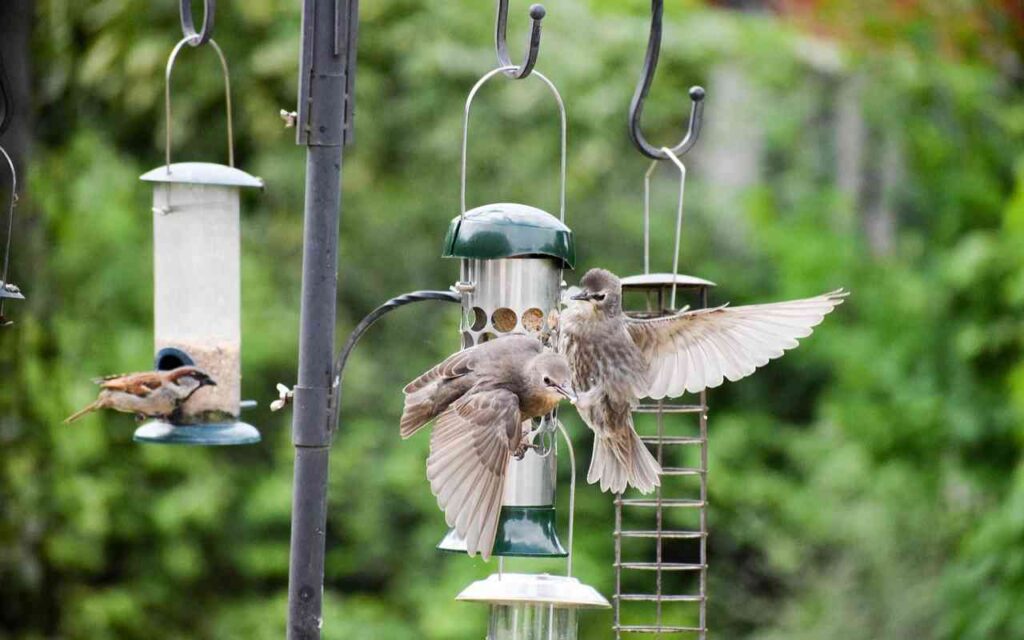
Last September, I realized exactly how to create a fall bird feeding station while watching a massive wave of migrating birds descend on my yard. Dozens of warblers, thrushes, and sparrows I’d never seen before absolutely swarmed my feeders. Fall isn’t just another season for bird feeding. It’s the season. The migration spectacle combined with resident birds fattening up for winter creates this incredible feeding frenzy that you simply don’t see other times of year. If your feeding station isn’t ready, you’re missing the show.
Creating a proper setup for autumn isn’t rocket science, but it does require some strategic thinking 🙂. Birds have specific needs during this transition period, and meeting those needs transforms your yard from a random stopover into a critical refueling station. Whether you’re trying to support migration or help local residents prepare for cold months ahead, the right approach makes all the difference.
- Set up feeders before peak migration in late August.
- Use high-fat foods: sunflower, safflower, peanuts, suet.
- Offer variety: tube, hopper, platform, suet feeders.
- Provide clean water daily, add a solar fountain if possible.
- Position feeders with nearby cover, south-facing, wind-protected.
- Separate feeding zones for timid vs. aggressive birds.
- Clean feeders weekly; deep clean monthly with diluted bleach.
- Feed throughout fall; adjust for migration peaks and cold fronts.
- Plant native shrubs and trees with berries for extra food and shelter.
- Record arrivals, participate in citizen science projects like eBird.
- Watch for sick birds, predators, and pests; adjust as needed.
What to Feed Birds in Fall
Show Transcript
Hey, so if you think bird feeding is just something you do in the winter, you are missing out on the biggest, most exciting show of the year. Let’s dive in and talk about how to turn your backyard into a critical five-star pit stop for the incredible fall bird migration.
I love this quote because it’s so true: Fall is when everything is in motion. You’ve got birds flying thousands of miles, stopping to refuel, and your year-round residents trying to pack on the pounds for winter. It creates an amazing, action-packed scene that’s completely different from any other time of year.
And that’s the big question, isn’t it? It’s not just about tossing out some seed and hoping for the best. Nope. It’s about strategy. Timing. And really understanding what these birds truly need to survive. That’s exactly what we’re going to break down right now.
Okay, first things first: we’ve got to understand the mission. A bird’s needs in September are worlds away from what they were back in June. It all comes down to one thing—having the right fuel for the long journey ahead.
Here’s the simple shift: In the summer, birds are all about raising their young, so they need tons of protein—bugs and insects—for growth. But in the fall, it’s all about calories. They need high-energy, fat-packed foods to power long flights and survive chilly nights. The big takeaway? Shift your thinking from protein to fat.
So, what’s on this high-fat menu? Black oil sunflower seeds are your all-around winner—a real crowd-pleaser. Safflower seeds are fantastic if you want to attract cardinals. And peanuts? They create absolute chaos for jays and woodpeckers—in a good way.
Here’s a game-changer: A single peanut can pack more than 12 times the energy of a sunflower seed. That’s why offering a variety of high-fat foods is so important. You’re giving birds different ways to get maximum fuel in the shortest time possible.
And speaking of maximum fuel, let’s talk suet. Think of it as the ultimate bird energy bar for woodpeckers, chickadees, and nuthatches. It’s an essential, easy-to-digest source of pure energy. When migration peaks, suet is king.
Now that we’ve got the menu figured out, let’s design the restaurant. Having the right food is only half the battle. You also need the right feeders and layout to serve it effectively—and safely. You wouldn’t open a restaurant with just one table and one plate, right? The same goes for your birds.
You’ll need a variety of feeders because different birds eat differently: a tube feeder for finches, a platform feeder for sparrows, and suet cages for woodpeckers.
Pro tip: Think vertically. Finches and chickadees feel safest high up. Cardinals and jays prefer mid-level spots. Ground feeders like sparrows and juncos stick to the lower level. By creating these zones, each species has its own space, reducing chaos and ensuring everyone gets a chance to eat.
Placement matters too. Try to position feeders 10 to 12 feet from shrubs or trees. This gives birds a quick escape route from predators without giving predators cover to ambush them. A south-facing spot protected from the wind is ideal.
And don’t forget water. As natural sources dry up in fall, a clean birdbath can become the most attractive feature in your yard. Add movement—a dripper or small solar fountain—to catch the attention of migrating warblers and other birds that might otherwise fly past.
Okay, the restaurant is designed and the menu is set. Now let’s talk opening hours and kitchen cleanup. Timing and maintenance are critical. Fall migration happens in waves:
- Start in late August, before the first big push.
- By mid-September, when activity ramps up, triple your feeding capacity.
- October is for offering maximum variety.
- By November, scale back to a consistent winter level.
And here’s non-negotiable: a busy feeding station can become a breeding ground for disease. Cleanliness is crucial. A quick weekly wash with soap and water is great, but a deep monthly clean with a mild bleach solution is essential. Always rake up spilled seeds and hulls from the ground below your feeders.
Now that you’ve mastered the basics—food, water, clean setup—how do you take your backyard from a feeding station to a thriving habitat? Start thinking of your entire yard as the restaurant. Plant native shrubs with berries, like dogwood or viburnum, to provide natural food and protective cover. This creates a complete ecosystem.
And here’s where the fun begins: keep track. Note the types of birds visiting and when they arrive. Over time, you’ll see patterns and may even predict when certain species will appear each year. Your backyard becomes your own personal science lab.
Take it a step further by sharing observations with citizen science projects like FeederWatch or eBird. You’re helping scientists track migration trends on a massive scale. Your hobby contributes to a bigger understanding of the natural world.
When done right, your yard stops being just a patch of grass. It becomes a critical link in a massive chain—a life-saving refueling station for billions of birds on one of nature’s most epic journeys.
Look, fall migration is about to begin. It’s an incredible show that passes through your neighborhood every year. You have the power to make a real difference. So, looking at your yard… are you ready to open?
What to feed birds in fall depends on understanding their changing nutritional needs. Unlike summer (when insects are abundant) or spring (when protein fuels breeding), fall centers on fat accumulation. Birds preparing for migration or winter survival need calorie-dense foods that pack maximum energy into every bite.
Best fall bird seed mix should prioritize high-fat options. Black oil sunflower seeds top my list, they’re packed with calories and virtually every species eats them. I go through about 50 pounds of black oil sunflower in October alone. Nyjer seed attracts goldfinches preparing for southern migration, while safflower seed brings in cardinals and other birds that prefer bitter-tasting seeds.
Peanuts (in the shell or shelled) provide incredible fat content. I use peanuts specifically during fall because migrating jays, woodpeckers, and nuthatches absolutely devour them. They’re expensive compared to other seeds, but the energy density justifies the cost. One peanut provides more calories than a dozen sunflower seeds.
Suet and seasonal bird feeding tips deserve special attention in fall. I increase my suet offerings starting in late August, hanging multiple cages around the yard. Suet provides pure fat, exactly what birds need for cold nights and long migration flights. Woodpeckers, chickadees, and nuthatches hit my suet feeders constantly from September through November.
According to a study published in The Condor: Ornithological Applications examining fall migration stopover sites, “preserving existing patches of natural habitats, particularly forests, in developed and agricultural landscapes” provides critical resources for migrant landbirds during autumn migration. The study demonstrated that strategically placed feeding stations directly support successful migration by providing reliable energy sources during critical refueling stops.
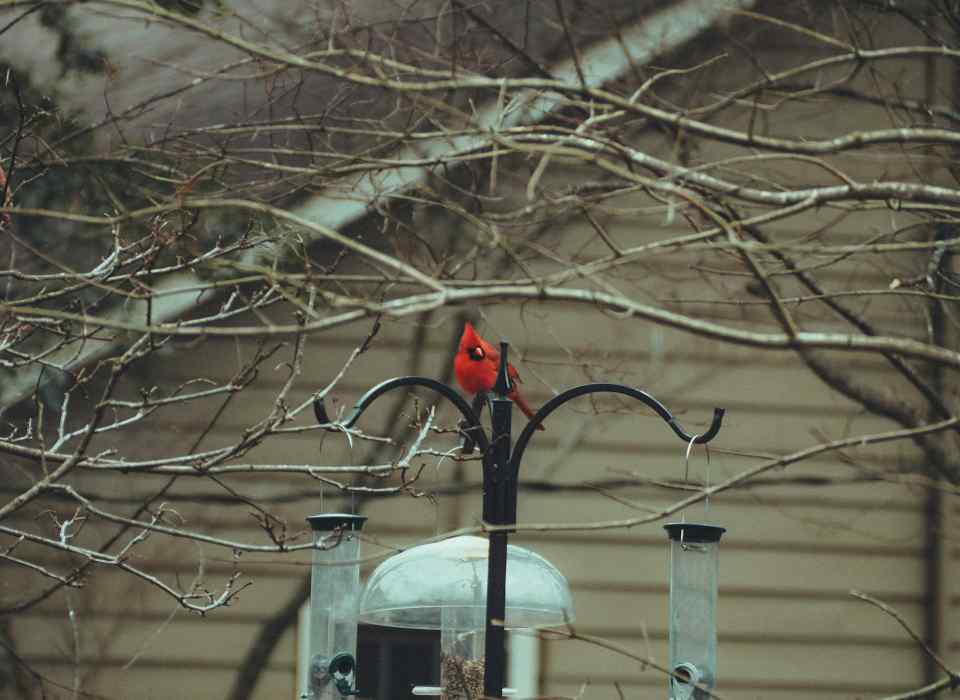
Best Fall Bird Feeding Station Ideas
Your autumn bird feeder setup should accommodate both resident birds and migrants passing through. I learned through trial and error that diversity matters, multiple feeder types positioned strategically attract far more species than a single feeder stuffed with generic seed mix.
Attracting birds in autumn starts with understanding traffic patterns. Migrants travel in waves, often arriving overnight. Mornings see the heaviest activity as exhausted travelers search for food. I position my primary feeding station in full view of my kitchen window so I catch these early arrivals. There’s nothing quite like spotting a species you’ve never seen before while drinking your morning coffee.
Create feeding zones rather than a single station. I maintain three distinct areas: a main station with tube and hopper feeders for seed, a suet zone with multiple cages, and a platform feeder specifically for ground-feeding species like doves and juncos. This separation reduces competition and allows timid species to feed without harassment from aggressive birds.
Feeding birds during migration requires anticipating arrivals. In my region (Northeast), fall migration peaks mid-September through mid-October. I triple my feeding capacity during this window, adding extra feeders temporarily to handle increased traffic. Once migration tapers off in November, I scale back to winter levels.
Height variation matters more than people realize. Some species prefer feeding high (finches, chickadees), while others want mid-level access (cardinals, jays), and some primarily feed on the ground (sparrows, juncos). By offering options at different heights, you accommodate everyone’s preferences.
Where to Place Bird Feeders in Fall
Where to place bird feeders in fall depends on multiple factors: visibility for birds, protection from weather, predator safety, and your viewing opportunities. I’ve moved feeders around my yard probably a dozen times over the years, and I’ve finally figured out what actually works.
Position your main feeders in areas with nearby tree cover but not directly adjacent to dense vegetation. Birds need quick escape routes from predators, and trees provide that safety. However, if feeders sit right next to shrubs, cats and hawks can ambush feeding birds. I maintain about 10-12 feet of open space around my primary feeders.
Southern exposure works best in fall. Mornings are cold in September and October, and birds prefer feeding in sun-warmed areas. My south-facing feeding station sees three times the activity of my north-facing setup during cool fall mornings. The temperature difference might only be 10 degrees, but birds notice.
Wind protection becomes increasingly important as fall progresses. Position feeders on the lee side of buildings or hedges where wind doesn’t constantly blow. I lost an entire feeder one October when a wind storm ripped it off its pole, my fault for mounting it in an exposed location. According to All About Birds, proper placement of your bird feeder is important for both bird safety and feeding success, with sheltered locations generally attracting more birds.
Visibility matters for both you and the birds. Migrating birds actively scan for feeding opportunities, and visible feeders get discovered faster. I added bright red accents to my primary feeder poles, and traffic increased noticeably. Birds associate red with food (flowers, berries), so the visual cue attracts attention.
Keeping Bird Feeders Clean Through Autumn
Keeping bird feeders clean through autumn isn’t optional, it’s critical for preventing disease outbreaks. Fall’s combination of increased bird traffic and lingering warm temperatures creates perfect conditions for bacterial and fungal growth. I clean feeders every single week from September through November, no exceptions.
Hot soapy water works for basic cleaning. I scrub all surfaces, paying special attention to corners and crevices where debris accumulates. Rinse thoroughly, soap residue can make birds sick, and air dry completely before refilling. Never refill a wet feeder; moisture promotes mold growth.
Monthly deep cleaning with a 10% bleach solution (one part bleach to nine parts water) kills bacteria and fungus that regular washing misses. Soak all feeder parts for 15 minutes, rinse extensively (I mean really rinse, bleach is toxic), and dry completely. I alternate feeders during cleaning days so birds always have access to food.
Ground cleanup matters just as much as feeder cleaning. Spilled seed accumulates beneath feeders, creating disease hotspots where birds congregate. I rake and remove debris weekly, and I rotate feeding locations annually to prevent pathogen buildup in soil. Research published in eLife journal examining energy demands during migration found that migratory birds with optimal fuel stores experienced reduced energy expenditure during long-duration flights, demonstrating the critical importance of fall feeding stations in supporting migration success.
Watch for sick birds at your feeders. Fluffed feathers, lethargy, discharge from eyes or beak, and difficulty flying all indicate illness. If you spot sick individuals, immediately take down all feeders, clean everything thoroughly, and leave stations empty for two weeks minimum. Disease spreads rapidly in concentrated bird populations.
Seasonal Bird Feeding Strategies for Autumn
Seasonal bird feeding in fall means adjusting your approach as conditions change. Early fall (August-September) sees migrants arriving while weather remains warm. Late fall (October-November) brings cold snaps and the first winter residents like dark-eyed juncos.
Fall bird feeding tips I’ve learned through experience: Start ramping up feeding capacity in late August before migration really kicks off. By early September, I’m stocking feeders twice as heavily as summer. This ensures adequate supply when bird numbers spike suddenly.
Monitor weather forecasts and increase feeding before cold fronts arrive. Migrating birds time their movements around weather systems, often arriving just ahead of storms. The morning before a predicted cold front, my feeders absolutely explode with activity as birds frantically refuel. I’ve learned to fill everything to capacity the evening before forecasted weather changes.
Offer variety throughout the season. Early fall migrants often prefer different foods than late fall arrivals. Warblers want mealworms and suet. Sparrows prefer millet scattered on platforms. Thrushes appreciate fruit offerings. By diversifying my menu, I attract the widest possible species range.
Transition gradually from fall to winter feeding. As November progresses and migration ends, I shift focus from maximum capacity to winter maintenance levels. This means fewer total feeders but consistent refilling of core stations. Birds establish winter territories and routines, and they depend on predictable resources.
For comprehensive strategies on supporting birds year-round, check out our guide on feeding birds in winter, which covers the transition from fall into the coldest months.
Creating a Complete Fall Feeding Station Setup
A truly effective autumn bird feeder setup requires more than just hanging a few feeders. You’re building a comprehensive system that meets multiple needs simultaneously. Here’s what I’ve assembled after years of refinement.
Seed Feeders
Start with at least two seed feeders, a tube feeder for small birds and a hopper or platform feeder for larger species. I use metal feeders almost exclusively because squirrels destroy everything else. Yes, they cost more upfront, but replacing chewed plastic feeders every season costs more long-term.
Position tube feeders at eye level (roughly 5-6 feet high) for easy monitoring and refilling. Fill them with black oil sunflower or nyjer seed depending on target species. My finch tube stays full of nyjer from August through October when goldfinches are most active.
Platform feeders work beautifully for mixed seed offerings and for species uncomfortable with perch feeders. I built a simple platform with a roof that keeps seed dry during fall rains. Doves, juncos, and sparrows dominate my platform feeder from September onward.
Suet Stations
Dedicate an area specifically for suet. I hang three cages in close proximity on a single pole, creating a woodpecker/nuthatch/chickadee hub. Fall is peak time for these species as they cache food for winter, and multiple suet sources reduce competition.
Use quality suet cakes with high fat content. Cheap suet melts at low temperatures and often contains more filler than fat. I buy premium suet cakes from Wild Birds Unlimited, they’re twice the price but last longer and attract more birds. According to the Cornell Lab of Ornithology’s Project FeederWatch, suet feeders rank among the most effective tools for attracting diverse species during fall and winter months.
Water Features
Backyard birds in fall desperately need water, yet most people overlook this. Natural water sources decrease as temperatures drop, and reliable bird baths become magnets for diverse species. I maintain two baths, a ground-level basin and a pedestal bath.
Clean and refill baths daily. Fall leaves constantly contaminate water, and dirty baths spread disease faster than dirty feeders. I dump, scrub, and refill every morning. It takes five minutes and dramatically improves bird health and activity.
Add a solar fountain or dripper if possible. Moving water attracts birds from much greater distances than still water. I installed a simple solar fountain in my main bath, and species I’d never seen before started appearing. Warblers especially love moving water.
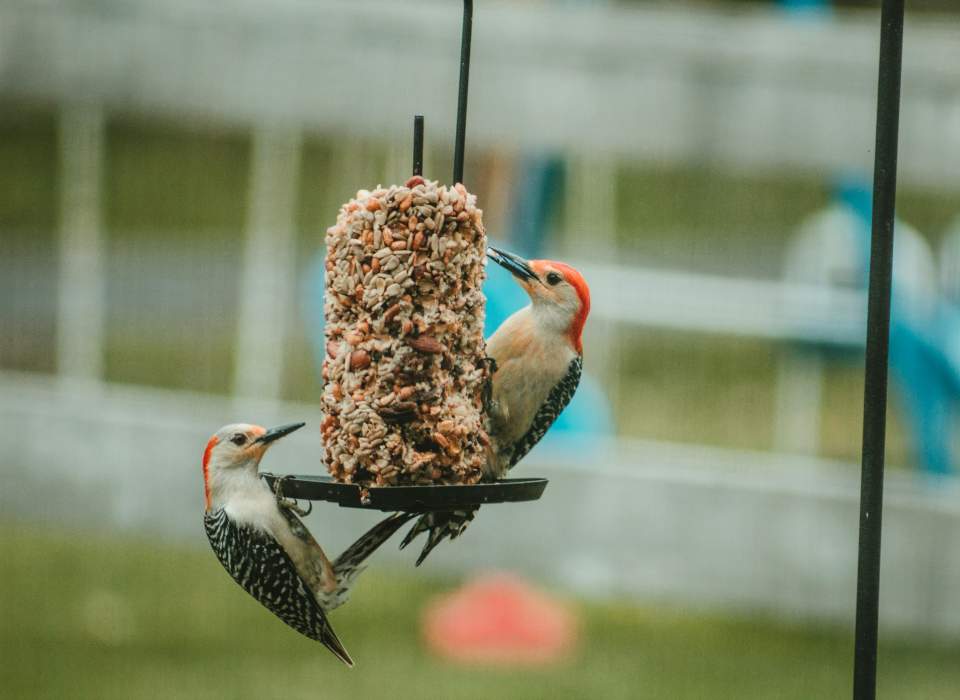
Managing Your Fall Feeding Station
Maintenance intensity peaks during fall. You’re dealing with maximum bird traffic, seasonal weather challenges, and the need to establish winter routines. Here’s how I manage the workload without it becoming overwhelming.
Check feeders twice daily during peak migration, morning and late afternoon. Refill as needed, which might mean daily during heavy traffic periods. I go through 10 pounds of seed daily in late September when migration peaks. It’s expensive and time-consuming, but the payoff in bird diversity is absolutely worth it.
Protect feeders from early frosts. Wet seed that freezes becomes inedible and can harbor pathogens. I bring feeders under shelter when overnight freezes are forecast, or I use feeders with weather guards that keep seed dry. For more strategies on managing feeders through seasonal transitions, see our article on how to prevent bird seed waste.
Monitor for pests. Fall’s combination of abundant food and cooling temperatures attracts rodents. I clean spilled seed religiously and use seed catchers beneath feeders to minimize ground accumulation. If rodent evidence appears, I remove feeders for two weeks, clean everything, and reinstall with better management practices. Our comprehensive guide on how to feed wild birds without attracting rats covers prevention in detail.
Watch for predators. Hawks follow migrating songbirds, and your feeding station becomes a hunting ground. If hawks become problematic (i.e., they’re camping at your feeders daily), temporarily remove feeders for a few days to break the pattern. Birds will return once the hawk moves on.
Enhancing Your Fall Feeding Station
Once your basic setup functions smoothly, consider enhancements that increase effectiveness and enjoyment. These aren’t essential, but they dramatically improve the experience.
Native Plants for Fall Birds
Plant native shrubs and trees that produce fall berries. Dogwood, viburnum, serviceberry, and elderberry all provide natural food that complements feeder offerings. I planted three dogwood shrubs five years ago, and they now produce massive berry crops that attract thrushes, waxwings, and catbirds every September.
Native plants also provide cover and roosting sites. Migrating birds need shelter for overnight stays, and dense vegetation offers protection from weather and predators. My yard transformation from lawn to mostly native plantings resulted in a visible increase in fall bird diversity. For plant selection guidance, check out native plants for birds.
Photography Opportunities
Fall offers stunning bird photography opportunities. Colorful foliage combined with diverse species creates memorable images. I position photogenic perches near feeders, interesting branches, weathered stumps, and birds naturally land on them before approaching feeders.
Morning light during fall is absolutely magical. Low-angle sun illuminates birds beautifully, and fall colors glow in golden light. I’m outside by 6:30 AM most September mornings, camera ready, capturing visitors as they arrive. Our guide on how to photograph garden birds covers techniques specific to backyard situations.
Record Keeping
Document fall arrivals and departures. I maintain a simple notebook logging species, dates, and behaviors. Over multiple years, patterns emerge, certain species arrive within days of the same date annually. This data helps me anticipate when to increase feeding and what foods to prioritize.
Join citizen science projects like FeederWatch or eBird. Your observations contribute to scientific understanding of migration patterns and population trends. Plus, these platforms help you identify unusual visitors and connect with other birding enthusiasts.
FAQ’s: About Fall Bird Feeding
When should I start setting up fall feeders?
Late August, before migration really kicks off. You want feeders established and birds familiar with them before peak traffic arrives in September. Early preparation ensures you don’t miss the first waves of migrants.
How much seed do I need for fall?
More than you think 🙂 I go through triple my summer quantity during September-October. Buy in bulk if possible, 50-pound bags save money compared to small packages. Store excess seed in airtight metal containers to prevent spoilage and rodent access.
Do I need different feeders for migrants vs. residents?
Not necessarily different feeders, but more feeders overall. Increased bird numbers require increased feeding capacity. I double my feeder count during fall, removing extras after migration ends.
Should I feed throughout fall or just during migration?
Throughout fall, absolutely. Even after migration ends, resident birds are fattening up for winter. Consistent feeding through autumn into winter supports local populations and establishes reliable winter feeding patterns.
What if bears visit my feeders?
Take feeders down immediately. Bears preparing for hibernation consume massive calories and will destroy feeders to access seed. In bear country, many people only feed November through March when bears hibernate. Check local regulations, some areas prohibit fall feeding specifically because of bear conflicts.
How do I attract specific fall migrants to my feeders?
Research what species migrate through your region and when. Offer foods those species prefer, warblers want suet and mealworms, thrushes appreciate fruit, sparrows love millet. The U.S. Fish and Wildlife Service’s bird migration resources provide regional migration timing information.
Can fall feeding harm birds by delaying migration?
No. Migration triggers are primarily photoperiod (day length) and hormonal, not food availability. Birds don’t skip migration because feeders exist. They may linger an extra day or two to refuel, but that’s beneficial, not harmful.
Final Thoughts: Embracing the Fall Feeding Season
How to create a fall bird feeding station isn’t complicated, but it does require intention and effort. You’re supporting one of nature’s most remarkable phenomena, billions of birds flying thousands of miles, many of them no bigger than your thumb, navigating with precision that still baffles scientists.
Your backyard feeding station becomes a critical piece of migration infrastructure. Those warblers stopping at your suet feeder might be headed to South America. That white-throated sparrow grabbing seeds from your platform feeder just flew from northern Canada. You’re literally fueling transcontinental journeys, and that’s pretty amazing when you think about it.
I’ve been doing this for years now, and fall remains my favorite season for bird feeding. The diversity, the activity level, the surprise arrivals, there’s nothing else like it. Every September, I feel that same excitement waiting to see what shows up. Last year, I had a Connecticut Warbler (seriously rare) visit for three days. This year? Who knows what’ll appear.
So get your station set up. Stock those feeders. Clean everything regularly. And then just watch. The show is about to begin, and trust me, you don’t want to miss it.