
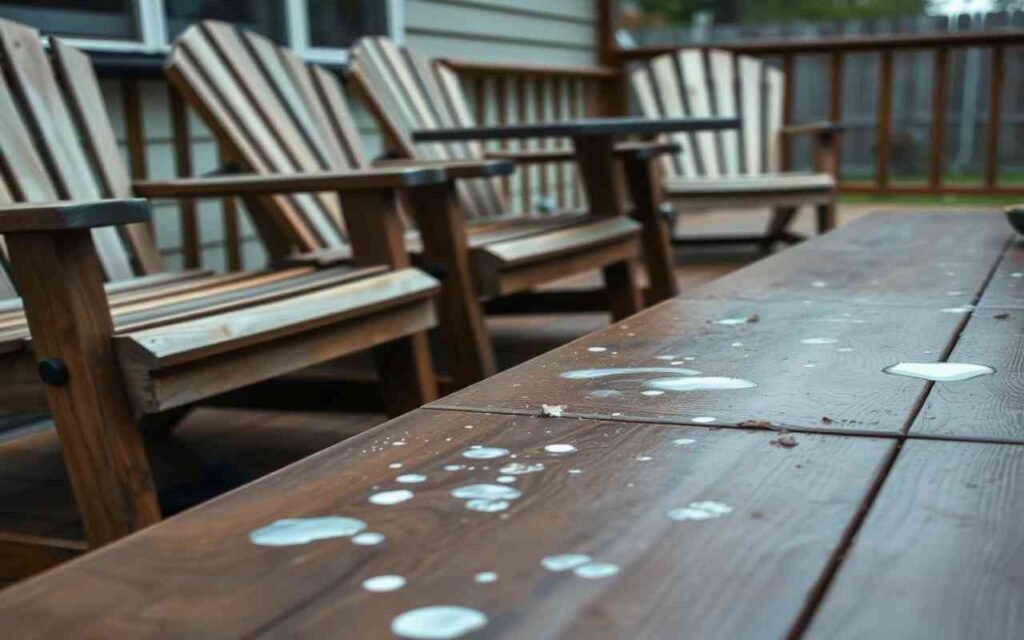
You step out onto your deck with your morning coffee, ready to enjoy a peaceful moment, and BAM. Your favorite outdoor chair looks like it hosted a pigeon convention overnight. Welcome to the glamorous world of how to clean up bird droppings, where Mother Nature’s little gifts keep showing up uninvited. I’ve been battling this exact scenario for years at my place. Here’s the thing: bird droppings removal isn’t just about aesthetics. These acidic little packages can permanently damage paint, metal, and fabric if you don’t handle them properly.
Between the cardinals who think my car is their personal bathroom and the sparrows who’ve apparently designated my patio furniture as ground zero for their digestive activities, I’ve become something of an expert in cleaning bird poop from every imaginable surface. Plus, nobody wants to explain to dinner guests why there’s a Jackson Pollock interpretation decorating their outdoor furniture.
Quick Answer: How to Clean Bird Droppings Safely
To clean bird droppings without damaging surfaces or risking your health, you must first dampen the area with water to prevent hazardous dust from becoming airborne. Use a 50/50 mix of white vinegar and warm water to neutralize the corrosive uric acid, letting it sit for 5–10 minutes before wiping. For delicate surfaces like car paint, always use a microfiber cloth and lift the debris upward rather than scrubbing to prevent permanent etching and scratches.
Video Guide: How to Clean Bird Poop Without Getting Sick
Want to see exactly how to tackle bird droppings without damaging your surfaces or risking your health? This quick video demonstrates step-by-step techniques, safety precautions, and simple cleaning solutions so you can keep your deck, patio, and outdoor furniture spotless while staying safe.
Pro-Tip: In this video, we demonstrate the essential “wet-down” technique to neutralize uric acid and prevent hazardous dust from becoming airborne during cleanup.
Show Transcript:
0:00
Welcome to this explainer. I’m jumping right in with a confession. For years, I completely handled cleaning bird droppings the wrong way. I thought I was protecting my patio furniture and car, but I was actually damaging them.
0:17
I ruined outdoor cushions, scratched my car’s paint, and made stains worse. All because of one common mistake when removing bird droppings. If you clean bird poop the wrong way, you can permanently damage surfaces.
0:28
Section one, my worst cleaning mistake. My instinct was to wipe it immediately with a dry paper towel. I thought I was being proactive, but I was spreading the mess and grinding it into surfaces.
0:44
That dry wiping motion scratched my car’s clear coat and smeared stains across patio furniture. I turned a small problem into a much bigger one. I had to completely change my approach.
1:08
My old method was rushed and driven by frustration. My new method is controlled and focused on softening, lifting, and neutralizing bird droppings safely.
1:36
Section two, the invisible acid threat. The biggest realization was understanding that bird droppings are not just dirt. They are highly acidic.
1:52
That acidity can damage car paint, stain outdoor fabrics, and degrade wood surfaces. The damage starts immediately after the droppings land.
2:07
Treating bird droppings like a normal spill is a mistake. The acid continues to eat into surfaces until it is properly removed and neutralized.
2:34
Section three, prepping the stain. The biggest shift here is patience. My golden rule is simple. Never wipe bird droppings dry.
2:56
When you wipe dry, you are using a hardened, acidic substance like sandpaper. You grind it into the surface and lock in the stain.
3:13
Going in dry is the fastest way to ruin your car paint, patio furniture, or outdoor surfaces.
3:17
Section four, my safe removal method. This is a simple five step process that works every time.
3:36
Step one, soften the droppings with water using a spray bottle. Step two, let it sit for about a minute so the crust loosens.
3:48
Step three, gently lift the mess using a soft cloth or plastic scraper. Do not scrub aggressively. Work slowly and carefully.
3:56
Step four, clean the remaining residue. Step five, rinse thoroughly to remove any remaining acid.
4:02
Let the water do the work instead of forcing it. This prevents scratches and surface damage.
4:09
For cleaning residue, I use simple solutions. Dish soap and water works for most cases. Vinegar helps with tougher spots. Baking soda paste works for stubborn stains.
4:32
Even a small amount of leftover acid can continue damaging the surface. That is why rinsing thoroughly is critical.
4:54
Always rinse with clean water to fully remove the acid and stop further damage.
5:02
Section five, why I wear protective gear. This is something I ignored for years.
5:18
Bird droppings can contain bacteria and airborne particles that are harmful to your health.
5:30
Now I always wear gloves when cleaning bird droppings. If the mess is dry or large, I also use a mask to avoid inhaling particles.
5:46
Section six, the ticking clock. Timing is everything when dealing with bird droppings.
5:55
Sun plus time equals permanent damage. Heat bakes the acid into surfaces, making stains worse over time.
6:10
If droppings sit on a hot car or outdoor furniture, the damage increases quickly. The longer you wait, the harder it is to remove.
6:19
When you act fast, cleanup takes just a couple of minutes. Soften, lift, rinse, and you are done.
6:31
Waiting leads to permanent stains, etched paint, and long, frustrating cleaning sessions.
6:38
Quick recap. First, soften with water. Second, never wipe dry. Third, lift gently. Fourth, clean the residue. Fifth, rinse thoroughly. Sixth, protect yourself with gloves.
7:06
Next time you see bird droppings on your car or patio furniture, do not rush in with a dry towel. Take a moment, use water, and follow a safe cleaning method.
7:20
This simple process will protect your outdoor surfaces, prevent damage, and save you from costly repairs.
Why Are Bird Droppings So Corrosive?
Bird droppings are corrosive because they contain high concentrations of uric acid, which typically has a pH level between 3.0 and 4.5. This acidic composition allows the waste to quickly etch through automotive clear coats, stone, and wood sealants. Unlike mammals, birds do not produce liquid urine; instead, they excrete nitrogenous waste as a semi-solid paste, making the acid much more concentrated and damaging to surfaces.
Let’s talk about bird waste composition because knowing your enemy helps you fight it better. Bird droppings aren’t just random gross stuff; they’re a complex mixture that requires specific cleanup strategies.
Uric acid makes up the white portion of bird droppings, and it’s the real troublemaker here. This stuff is incredibly corrosive and can etch into surfaces permanently if left sitting too long.
A study published in ScienceDirect found that uric acid in bird droppings contributes to the deterioration of stone and concrete surfaces. From my own experience, even on a car hood, letting droppings sit for a week can lead to some nasty etching.
The dark portions contain digested food matter, bacteria, and other organic compounds. These components can stain surfaces and create odors that attract more birds to the same spots.
Basically, one bird’s bathroom break becomes an invitation for the whole flock. For help identifying what type of bird made the mess, check out our detailed bird dropping identification guide.
Fresh droppings clean up much easier than dried, crusty deposits that have baked in the sun for days. The longer you wait, the more challenging your cleanup becomes. Trust me on this one.
How Do You Clean Bird Droppings Without Getting Sick?
To clean bird droppings safely, you must prevent inhaling dried dust, which can carry diseases like Histoplasmosis. Always dampen the area with water before cleaning to keep particles from becoming airborne. For personal protection, wear rubber gloves, a N95 dust mask, and eye protection. These simple steps neutralize the risk of bacterial exposure to Salmonella or E. coli during the removal process.
⚠️ CRITICAL SAFETY WARNING: Histoplasmosis Risk
Never scrape or sweep dried bird droppings. Doing so releases fungal spores into the air that can cause Histoplasmosis, a serious respiratory infection. Always saturate the area with water or a cleaning solution first to keep particles weighted down and safe from inhalation.
Before you grab that paper towel and start scrubbing, let’s chat about bird dropping safety precautions. This isn’t just about being squeamish; there are legitimate health concerns here.
- The risk of disease transmission is the primary reason I never skip these steps. Beyond just being gross, exposure to those microorganisms can lead to serious health complications if handled carelessly.
- Personal protective equipment becomes essential for any serious cleanup job. Rubber gloves protect your hands from direct contact and prevent bacteria from getting under your fingernails. Disposable gloves work great for small jobs, but invest in heavy-duty rubber gloves for larger cleanups.
- Respiratory protection matters more than most people realize. Dried bird droppings become airborne easily when disturbed, and inhaling that dust can cause respiratory problems. A simple dust mask provides adequate protection for most situations.
- Eye protection prevents accidental splashing during cleanup. I once got overzealous with a pressure washer and learned this lesson the hard way. Safety glasses take seconds to put on and prevent potentially serious complications.
How Do You Clean Fresh Bird Droppings Fast?
To clean fresh bird droppings fast, you should act within the first 30 minutes before the uric acid bonds to the surface. Use a plastic scraper to gently lift the solids, then rinse the area with cool water to neutralize the acids. Avoid using hot water, as heat can permanently set the protein stains into the material.
Caught the crime in progress or discovered fresh bird droppings on your property? Quick action makes cleanup exponentially easier and prevents permanent damage.
- Act fast with fresh droppings because they haven’t had time to bond with surfaces or dry into concrete-like deposits. The first 30 minutes after deposition represent your best cleanup window.
- Scrape gently using a plastic putty knife or similar tool to remove as much solid matter as possible. Avoid metal scrapers that might scratch delicate surfaces. Work from the outside edges toward the center to prevent spreading.
- Rinse immediately with cool water to dilute remaining acids and prevent etching. Hot water actually sets protein stains, so stick with cool or lukewarm temperatures. This initial rinse removes the immediate threat to your surfaces.
- Avoid rubbing fresh droppings into surfaces. Blotting and gentle scraping work much better than aggressive scrubbing, which just grinds the mess deeper into porous materials.
How to Remove Bird Droppings from Different Surfaces
Different materials require different approaches for effective bird dropping removal. What works on concrete might destroy fabric, so let’s break this down by surface type.
What is the Safest Way to Get Bird Poop Off a Car?
The safest way to remove bird poop from a car without scratching the paint is to saturate the spot with a wet microfiber cloth for at least 5 minutes. Once the mess is softened, lift it straight up off the paint rather than rubbing it side-to-side. For stubborn residue, use a detailing clay bar to pull out embedded acids before applying a fresh coat of wax to protect the clear coat.
- Clay bar treatment works fantastically for stubborn spots that won’t rinse away. Automotive clay safely removes embedded contaminants without scratching paint, and following up with a good wax will restore protection.
- Automotive paint needs gentle treatment because bird droppings can permanently etch clear coat if handled improperly. Start with a cool water rinse to soften dried deposits. To prevent repeat offenses, consider strategies to keep birds off your car after cleanup.
How to Clean Bird Poop from Glass and Metal
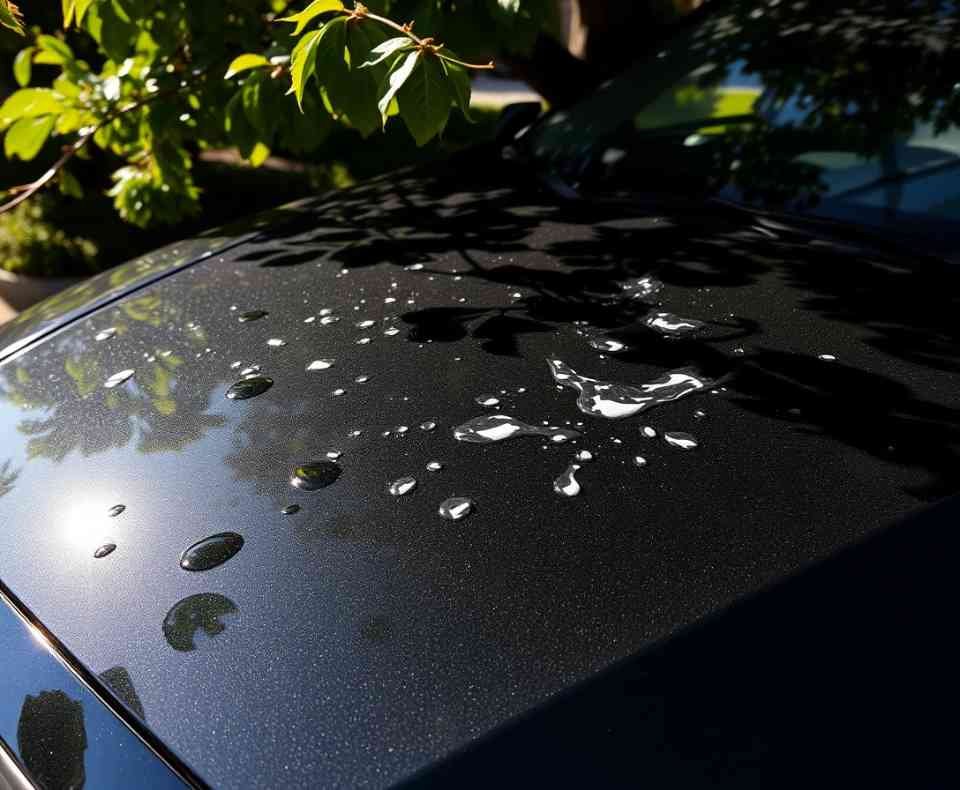
To remove bird droppings from glass without streaking, use a 50/50 mix of white vinegar and water. Avoid ammonia-based cleaners if your windows are tinted, as the chemicals can peel the film. For chrome or metal trim, clean the area immediately and follow up with a metal polish to neutralize any surface corrosion.
- Glass surfaces handle more aggressive cleaning, but avoid ammonia-based cleaners that can damage tinted windows.
- Chrome and metal trim can tolerate stronger cleaners, but acidic droppings may have already started corrosion. Use dedicated metal polish to restore shine after cleaning.
How to Clean Bird Poop from Canvas and Awnings:
- Brush away loose, dry debris gently before wetting the fabric.
- Apply a mixture of mild dish soap and warm water using a soft cloth.
- Blot the stain—do not rub—to prevent pushing the uric acid deeper into the fibers.
- Rinse thoroughly with cool water and allow to air dry completely to prevent mold.
How to Clean Bird Poop from Concrete and Stone:
- Saturate the spot with water and sprinkle a generous amount of baking soda over it.
- Let it sit for 15–20 minutes to neutralize the acidic etching.
- Scrub with a stiff-bristled brush (natural or nylon) to lift waste from the porous surface.
- Power wash or rinse with a high-pressure hose to clear the residue.
How to Clean Bird Poop Off Solar Panels
- Wait for a cool day or clean early in the morning so the water doesn’t evaporate instantly.
- Use distilled or deionized water to avoid leaving mineral spots that reduce panel efficiency.
- Soft-squeegee only: Avoid abrasive sponges or harsh chemicals that can scratch the protective coating.
- Rinse from the top down to ensure no acidic streaks remain on the glass cells.
To maintain efficiency, clean bird droppings off solar panels using only deionized or distilled water and a soft squeegee. Never use harsh detergents or abrasive brushes, as micro-scratches can shadow the cells and reduce energy output. If the droppings are baked on, soak them with a wet cloth for 10 minutes before gently wiping them away.
How to Clean Outdoor Furniture and Decking
To clean outdoor furniture, treat fabric cushions immediately with enzyme cleaners to prevent permanent staining. For wooden or composite decks, use a mixture of dish soap and warm water with a soft-bristled brush to neutralize acids without stripping the finish or scratching the surface.
- Composite decking cleans easily with soap and water for fresh droppings. Dried deposits might need gentle scrubbing with a soft brush to avoid surface scratching.
- Fabric cushions require immediate attention to prevent permanent staining. Remove solid matter first, then treat with enzyme cleaners designed for protein stains. Machine wash if possible, following manufacturer instructions.
- Wooden surfaces need gentle cleaning to avoid damage to finishes. A mixture of dish soap and warm water handles most cleanup jobs without stripping protective coatings.
- Metal furniture tolerates stronger cleaners but check for paint damage before applying aggressive solutions. Pressure washing works well for heavily soiled pieces.
What is the Best Homemade Bird Poop Remover?
The best homemade solution is a 50/50 mix of white vinegar and warm water. The acetic acid in the vinegar neutralizes the alkaline uric acid in the droppings, while the warm water softens the organic matter for easy removal. Always test a small, inconspicuous area first, especially on delicate fabrics or unsealed stone, to ensure the vinegar doesn’t affect the finish.
Why spend a fortune on specialized bird dropping cleaners when your kitchen cabinet contains everything you need for effective cleanup?
- White vinegar solution cuts through uric acid deposits like a champ. Mix equal parts white vinegar and warm water for most cleaning jobs. The acetic acid neutralizes alkaline bird droppings while disinfecting surfaces.
- Baking soda paste handles stubborn stains and odors naturally. Mix baking soda with just enough water to create a thick paste, apply to stains, let sit for 15 minutes, then scrub gently with a soft brush.
- Dish soap mixture works great for fresh droppings on most surfaces. Use two tablespoons of liquid dish soap per quart of warm water. The surfactants break down organic matter while being gentle on surfaces.
- Enzyme cleaners excel at breaking down protein-based stains and odors. According to Bird Barrier, certain enzymatic cleaning products help decompose droppings effectively. You can buy commercial versions or make your own using pineapple juice (contains natural enzymes) mixed with warm water.
What is the Best Commercial Bird Dropping Remover?
The best commercial bird dropping removers are enzymatic cleaners specifically formulated to break down protein-based waste and neutralize uric acid. Look for products containing surfactants and disinfectants that are labeled as safe for your specific surface, such as automotive clear coats or composite decking. These professional-grade solutions work faster than DIY mixes and are essential for large-scale cleanups where sanitization is a priority.
Sometimes professional bird dropping removers offer advantages over homemade solutions, especially for large-scale cleanup jobs or delicate surfaces.
- Specialized bird dropping cleaners contain enzymes and surfactants specifically formulated for this type of mess. They work faster than DIY solutions and often provide better results on stubborn stains.
- Pressure washer additives help break down organic matter before high-pressure rinsing. These products prevent you from needing excessive pressure that might damage surfaces.
- Disinfecting cleaners kill bacteria and viruses while cleaning, providing extra peace of mind for areas where children or pets spend time.
IMO, the best commercial products combine cleaning power with disinfection in a single step. Look for products specifically labeled for bird dropping cleanup rather than generic all-purpose cleaners.
What Tools Do You Need to Clean Bird Droppings?
To clean bird droppings effectively, you need a basic kit consisting of a plastic scraper, a soft-bristled brush, and microfiber cloths. For safety, always include rubber gloves and an N95 mask to prevent contact with bacteria and the inhalation of dried uric acid dust. These tools allow you to remove solids and apply cleaning solutions without scratching delicate surfaces like car paint or wood.
Having the right bird dropping cleanup tools makes the job faster, easier, and more thorough. You don’t need a garage full of equipment, but a few key items make all the difference.
- Plastic scrapers remove solid matter without scratching surfaces. Keep several sizes on hand for different cleanup jobs. Old credit cards work perfectly for small spots.
- Soft-bristled brushes help work cleaning solutions into textured surfaces without causing damage. Natural bristles work better than synthetic for delicate materials.
- Spray bottles provide controlled application of cleaning solutions. Adjustable nozzles let you switch between fine mist and direct stream depending on your needs.
- Microfiber cloths absorb more liquid and trap particles better than paper towels or cotton rags. They’re also reusable and more environmentally friendly.
How Do You Prevent Bird Poop from Staining and Etching?
To prevent bird poop from staining and etching, you must neutralize the uric acid as quickly as possible. If you cannot perform a full cleanup, rinse the area with water or sprinkle baking soda on the spot to stop the chemical reaction. Long-term prevention involves applying a protective barrier, such as automotive wax or a stone sealer, which prevents the droppings from bonding directly to the porous surface.
- Bird dropping stain prevention starts with understanding how these acidic deposits interact with different materials over time.
- Time is your enemy when it comes to preventing permanent damage. Uric acid continues eating into surfaces as long as it remains in contact. Even if you can’t do a complete cleanup immediately, at least rinse the area with water.
- pH neutralization stops acid damage in its tracks. A quick sprinkle of baking soda over fresh droppings neutralizes acid immediately, buying you time for proper cleanup later.
- Surface protection through regular waxing or sealing creates barriers that prevent droppings from bonding directly with underlying materials. Car wax works great on outdoor furniture too.
- Regular maintenance prevents small problems from becoming big ones. Weekly inspection and cleanup of favorite bird perching spots keeps accumulation manageable.
How to Handle Large-Scale Bird Dropping Cleanups
To handle large-scale bird dropping cleanups, always wet the area down first to prevent hazardous dust from becoming airborne. Work systematically from top to bottom to avoid re-contaminating clean surfaces, and ensure all waste is double-bagged for disposal in regular trash. For extensive infestations in enclosed spaces like attics, it is highly recommended to consult a professional due to the high risk of respiratory infection from concentrated droppings.
Sometimes you’re not dealing with a few scattered droppings but rather a full-scale bird infestation cleanup. These jobs require different strategies and more serious safety precautions.
- Wet down areas before starting cleanup to prevent dust clouds that spread bacteria and make cleanup harder. A garden hose with spray attachment works perfectly for this.
- Work systematically from top to bottom, cleaning highest surfaces first so debris doesn’t fall on already-cleaned areas. This approach prevents having to redo work.
- Dispose of waste properly by bagging all cleanup materials and disposing in regular trash. Don’t compost bird droppings or rinse large amounts down storm drains.
- Consider professional help for extensive contamination, especially in enclosed spaces like attics or garages where ventilation is limited and contamination levels might be high.
How Do You Clean Different Types of Bird Droppings?
Different bird species produce waste with varying levels of acidity and volume, requiring specific cleanup methods. Pigeon and seagull droppings are the most corrosive and voluminous, often requiring enzymatic cleaners to break down large deposits. Conversely, songbird and waterfowl waste is typically easier to remove but spreads quickly, making early saturation with water the most effective way to prevent surface staining.
Not all bird waste looks or behaves the same way. Different bird species produce different types of droppings that require adjusted cleanup strategies.
- Pigeon droppings tend to be larger and more acidic than smaller songbird waste. They also accumulate in greater quantities since pigeons roost in flocks. These require more aggressive cleaning solutions.
- Seagull mess is particularly nasty because of their varied diet and large size. Coastal property owners know this struggle well. These droppings often contain partially digested food that attracts insects.
- Small songbird droppings clean up easily when fresh but can be surprisingly stubborn when dried. Their small size means they often get overlooked until accumulation becomes noticeable.
- Waterfowl waste tends to be more liquid and spreads over larger areas. Duck and geese droppings require different cleanup approaches than typical perching bird waste.
When is it Unsafe to Clean Bird Droppings Yourself?
You should call a professional for bird dropping cleanup if you are dealing with extensive accumulation in enclosed spaces like attics or barns, where ventilation is poor. Immunocompromised individuals, pregnant women, and the elderly should avoid cleanup entirely due to the high risk of inhaling pathogens like Histoplasma. If the waste has been building for years, it likely contains concentrated fungal growth that requires hazmat-level equipment to remove safely.
FYI, some bird dropping cleanup situations require professional intervention rather than DIY approaches.
- Extensive accumulation in enclosed spaces like attics, barns, or storage sheds creates health hazards that exceed safe DIY levels. Professional remediation companies have the specific respirators and training to handle these environments.
- Immunocompromised individuals should avoid bird dropping cleanup entirely. According to Skedaddle Wildlife, people with weakened immune systems are at higher risk of serious infections from pathogens in bird droppings. Pregnant women, elderly individuals, or anyone with respiratory conditions face elevated risks from airborne contaminants.
- Historical accumulation that has been building for months or years requires specialized precautions. These situations often involve deep fungal growth and concentrated bacterial colonies that a simple dust mask cannot filter.
- Recurring infestations may indicate structural problems. If birds keep returning to the same spot, you likely have a larger pest control or nesting issue that needs a professional assessment to solve permanently.
What is the Worst Time of Year for Bird Droppings?
The worst time of year for bird droppings is typically late spring through summer, which coincides with nesting season and peak activity levels. During this period, parent birds remain in fixed locations to raise young, leading to concentrated accumulation. Fall migration also creates intensive, short-term cleanup challenges as large flocks stop to rest and feed on their journey south.
- Bird activity patterns vary throughout the year, affecting when and how often you’ll need to deal with cleanup challenges.
- Spring nesting season brings increased bird activity and territorial behavior. Expect more droppings near nesting sites as parent birds spend more time in specific areas.
- Summer molting periods can increase dropping volume as birds process higher food volumes to support feather regrowth. This is peak cleanup season for most regions. During summer heat, birds need extra care, see how to keep birds hydrated during summer to reduce mess and stress.
- Fall migration creates temporary but intensive dropping problems as migrating flocks stop to rest. Properties along coastal areas and waterways typically see the biggest impact during this window.
- Winter feeding concentrates birds around specific food sources, leading to heavy accumulation in small areas. Freezing and thawing cycles during this season can make cleanup more difficult, as the waste bonds even more tightly to surfaces. Plan ahead with tips for feeding birds in winter to minimize droppings and keep birds healthy.
How Do You Stop Birds from Pooping on Your Property?
The most effective long-term prevention strategy is a combination of habitat modification and physical deterrents. By removing accessible food sources and installing barriers like bird spikes or netting on favorite roosting ledges, you can discourage birds from gathering without harming them. Regular weekly inspections allow you to neutralize small messes with baking soda or vinegar before they have a chance to permanently etch your surfaces.
The best bird dropping management strategy combines effective cleanup with measures that discourage birds from choosing your property as their bathroom.
- Habitat modification makes your property less attractive to problem species without harming beneficial birds. Remove easy food sources, nesting opportunities, and perching sites in problem areas.
- Physical barriers like netting, spikes, or wire systems prevent birds from accessing favorite roosting spots. These solutions work far better than trying to clean up after established flocks day after day.
- Regular maintenance routines prevent small problems from becoming major headaches. Weekly inspection and spot cleaning take minutes but save hours of intensive cleanup later.
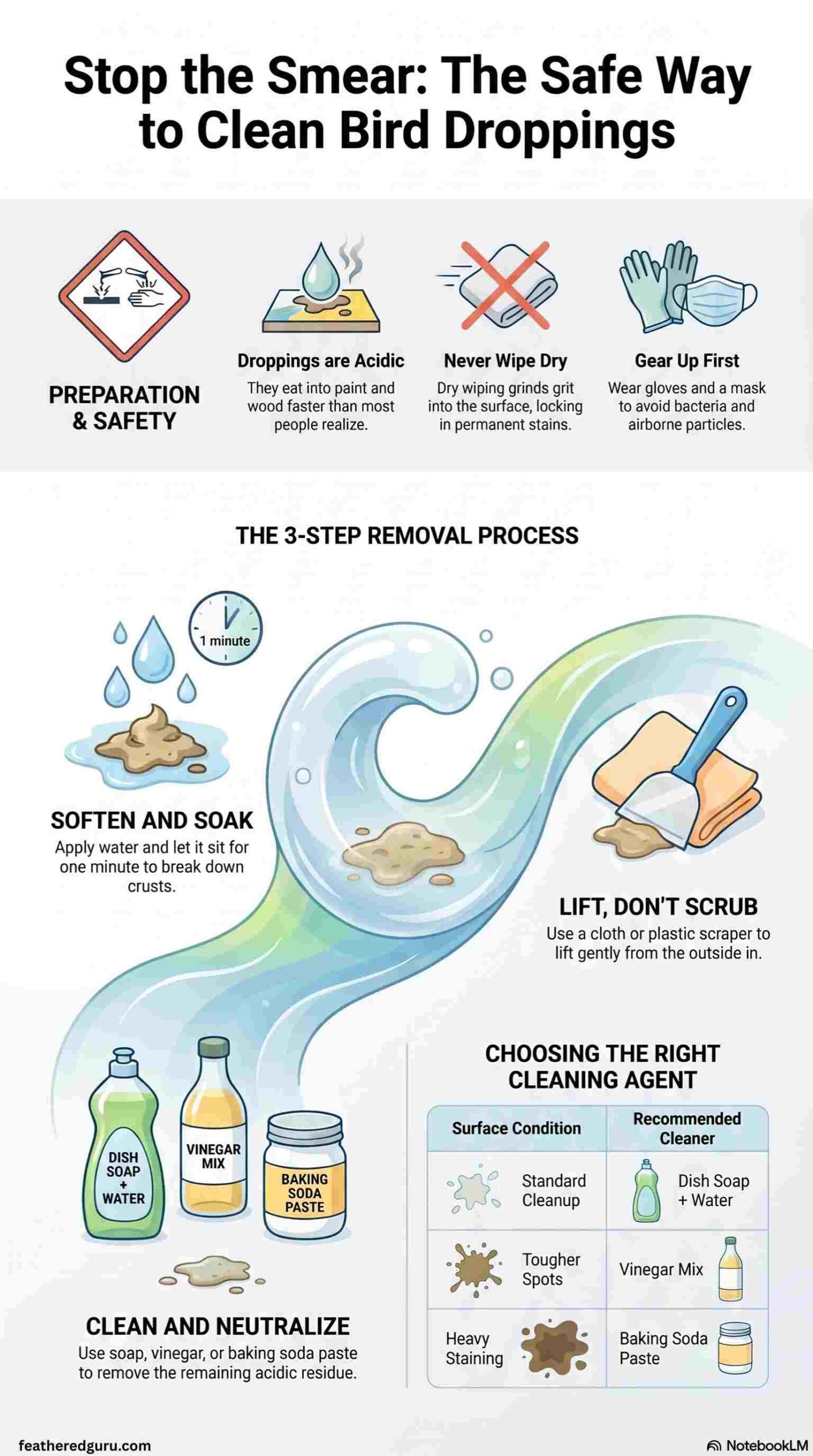
Infographic: The Step-by-Step Guide to Safe Bird Poop Removal
While the details above cover the science and the surfaces, I created this quick-reference infographic to help you visualize the safest cleanup workflow at a glance.
How to Safely Clean Bird Poop: Your Top Questions Answered
Does WD-40 remove bird poop from cars?
Yes, WD-40 is highly effective at loosening dried-on bird droppings without harming most automotive clear coats. Spray a small amount directly on the spot, wait 60 seconds, and wipe it away with a microfiber cloth. Always wash the area with soap and water afterward to remove the oily residue.
Can bird droppings make you sick?
Yes, bird droppings can harbor pathogens like Histoplasma, Salmonella, and E. coli. The greatest risk comes from inhaling dried dust when scrapings droppings. To stay safe, always wet the area down before cleaning and wear rubber gloves and an N95 mask for larger projects.
Will vinegar damage my wood deck?
A 50/50 white vinegar solution is safe for most sealed wood and composite decks. However, the acid can strip the finish on unsealed or freshly stained wood. Always test a small, hidden area first, or use a mixture of mild dish soap and warm water for sensitive wood surfaces.
How do you get bird poop off a concrete driveway?
For concrete, create a paste using baking soda and water. Apply it to the stain and let it sit for 15 minutes to neutralize the acid. Scrub the area with a stiff-bristled brush and rinse thoroughly with a garden hose.
Conclusion: Coexisting with Your Feathered Neighbors
Your relationship with bird droppings doesn’t have to be adversarial. With the right knowledge, tools, and a proactive approach, you can maintain a clean property while coexisting peacefully with nature. I still get dive-bombed by that cardinal family every spring, but now I’m prepared with an arsenal of cleaning supplies and strategies that protect my home and my health.
The key is staying ahead of the mess. Remember, every bird dropping you clean promptly is one less permanent stain you’ll have to explain to visitors later. Don’t wait for the rain to handle it for you, and your future self (and your car’s clear coat) will thank you for taking action today.
Medical Disclaimer: The health, safety, and sanitization information provided in this guide regarding avian pathogens, bacterial exposure, and respiratory hazards such as histoplasmosis, salmonella, and E. coli is for informational purposes only. It is based on generalized environmental safety standards and public health guidelines, and is not intended to be a substitute for professional medical advice, infection diagnosis, or clinical treatment. Always seek the immediate advice of your physician or a qualified healthcare professional with any questions you may have regarding potential exposure to hazardous airborne dust, respiratory symptoms, or a specific medical condition.