
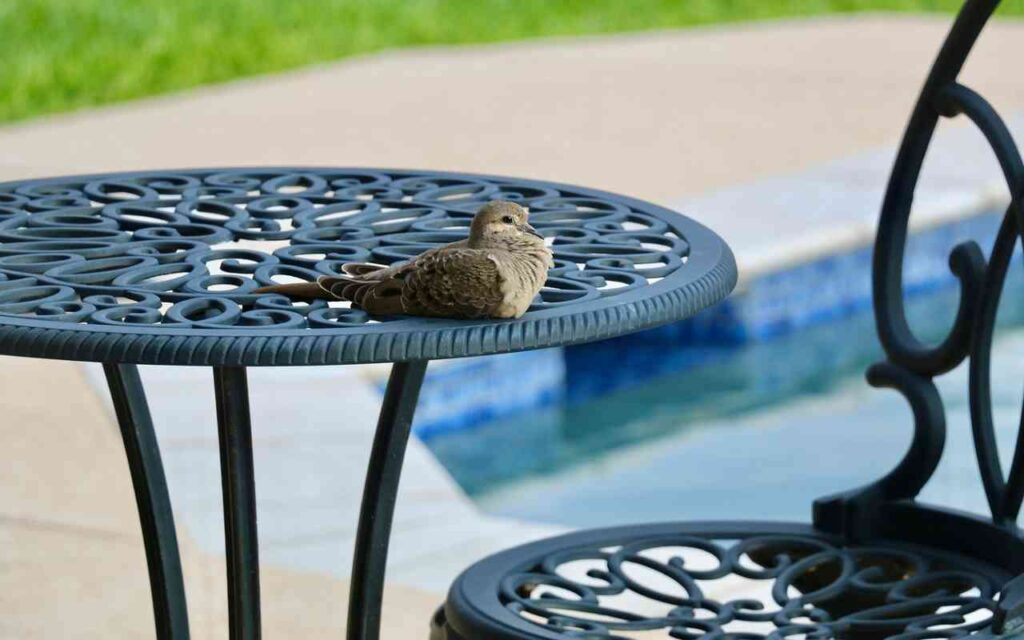
Reader Transparency: This birding guide contains paid affiliate links. If you click a link and make a purchase, I may receive a small commission at no extra cost to you. As an Amazon Associate, I earn from qualifying purchases. Your support helps keep Feathered Guru flying!
Discovering structural damage, ruined garden harvests, or acidic droppings across my exterior living spaces is incredibly frustrating. If you want to learn how to make natural bird repellents because you have a stubborn flock in your yard, you understand how fast they can completely take over a space.
In my own backyard testing, relying on basic online tips or static plastic owls has failed completely because local pests adapt to unchanging, non-threat items within forty-eight hours. Fortunately, I have watched how you can reclaim your home and yard permanently by formulating high-density sensory barriers that exploit deep evolutionary biology.
By utilizing advanced kitchen infusions, concentrated essential oil vapor shields, and active structural rotating deterrents, we can create a highly hostile environment that drives birds away without causing any physical harm to local wildlife.
Most Effective Ways to Formulate Natural Bird Repellents
The single best solution is cooking a concentrated garlic and hot pepper infusion mixed with an organic dish soap surfactant to seal potent volatile compounds onto target surfaces.
To secure open perimeters, layer these liquid scent shields with active physical tools like a tight monofilament fishing line grid, blunt bird spikes along railings, and wind-driven holographic reflective tape.
Step by Step Video Demonstration for Natural Pest Control
Before mixing your first batch of homemade spray, watch this quick video breakdown to see these exact recipe formulations and spatial hardware layouts in action. This brief explainer demonstrates real world equipment setups and surface cleaning steps needed to clear your property safely without gimmicks.
📝 View Video Timeline & Key Takeaways
[00:00 – 01:36]: Sensory trigger foundations and species target tracking. Exploiting deep avian biology by isolating how birds see, smell, and hear. Matching custom olfactory and visual deterrent frameworks to specific backyard pest profiles like pigeons, sparrows, and starlings.
[01:37 – 03:00]: Formulating basic white vinegar sitemap barriers. Mixing equal parts distilled solution to establish an invisible, non-lethal acidic scent shield across highly targeted hard porch assets. Utilizing routine application timelines to protect exterior furniture lines against heavy regional rainfall dissipation traps.
[03:01 – 03:42]: Advanced extraction chemistry and passive sachet placement. Boiling crushed garlic and hot pepper pods to isolate volatile allicin and capsaicinoid compounds. Integrating an organic dish soap surfactant to break water surface tension, alongside hanging essential oil mesh packets to secure low-ventilation zones.
[03:43 – End]: Visual flash technology and multi-sensory confusion loops. Deploying low-cost kinetic tools like spinning old compact discs, holographic tape, and reflective garden pinwheels. Disrupting approach corridors by pairing unpredictable light-refraction movements with chaotic environmental soundscapes.
Source Control: Remove the Reward
Before mixing your first batch of homemade repellents, you must run a full source audit on your property. Nuisance birds like pigeons, starlings, grackles, and doves possess highly adaptive survival habits. They will easily tolerate intense garlic smells, white vinegar, or reflective ribbons if your yard continues to provide easy food rewards.
According to official management guidelines published by Project FeederWatch, the single most effective way to clear out large nuisance species is to systematically alter your feeding hardware rather than relying on sprays. Eliminating the open food incentive prevents pest flocks from anchoring to your space in the first place.
To permanently remove the reward on your property, implement this diagnostic sequence:
Use Sacrificial Redirects: If you are trying to protect a vulnerable vegetable patch, try establishing a dedicated feeding zone or planting sacrificial sunflowers and berry bushes on the opposite side of your property to draw birds away naturally.
Ditch Open Trays: Remove open platform trays and stop scattering loose seed blends directly onto your lawn.
Shorten Your Perches: Switch your hanging stations to narrow tube silos featuring very short perches that can only accommodate tiny songbirds.
Deploy Weight-Sensitive Cages: Enclose your suet and grain cylinders inside wire perimeter cages or use weight-activated feeders that automatically snap shut under the weight of heavy birds.
Strong Smelling Aromatic Natural Sprays
Let us start with the easiest and cheapest option, which involves mixing up aromatic solutions right in your kitchen pantry.
The White Vinegar and Water Mixing Technique
To formulate this basic mixture, combine equal parts distilled white vinegar and warm tap water in a standard plastic spray bottle. Mist this acidic solution directly onto porch railings, windowsills, patio furniture corners, or the dry borders of raiding garden beds.
The sharp, sour aroma quickly drives birds away without causing any physical harm to wild wildlife. It lingers for days to avian senses even after fading completely to human noses. You must reapply the spray every three to four days, and refresh the target surfaces immediately following heavy rain storms.
Ideal Target Areas for Vinegar Sprays
This affordable liquid solution delivers excellent sensory protection on wooden patios, open decks, windowsills, structural garden edges, and plastic outdoor furniture.
Where This Solution Fails to Deliver
Property owners should avoid utilizing this specific water mixture on wide open lawns or expansive agricultural crop fields. You cannot spray enough fluid coverage across a large meadow to establish a lasting scent barrier against local pests.
When the Real Problem is Window Reflection—Not Perching
Homeowners frequently make the mistake of spraying acidic water mixtures onto windowsills because they see a bird repeatedly attacking the frame. However, local pest behavior profiles reveal that birds approaching a window pane are rarely looking for a place to roost. Instead, they are actively attempting to fly through the reflected sky or garden vegetation, or aggressively attacking their own reflection during the spring breeding season.
Trying to fix this visual optical illusion with a single static plastic owl or a lone decorative decal will fail completely. According to a comprehensive consumer survey tracked by the Cornell Lab of Ornithology, preventing repeated window collisions requires treating the entire exterior surface of the glass pane with tight, highly visible patterns to break up the reflection.
When auditing your architectural glass frames for collision risks, implement these strict measurement standards:
Treatment Type Practical Installation Standard External Dots or Tape Space markers exactly 2 inches apart across the entire pane. Hanging Paracord / BirdSavers Space dangling vertical cords exactly 4 inches apart. Surface Placement Always apply treatments to the exterior surface to kill reflections. Coverage Area Treat the entire collision-prone pane rather than just the corners.
The Boiled Garlic and Chili Pepper Infusion
This home remedy packs a significant sensory punch and resists evaporation much longer than straight vinegar mixtures. The long lasting nature of this spray relies on intense allicin compounds found in raw garlic bulbs combined with natural capsaicinoids packed inside hot pepper families.
To formulate this powerful mixture, follow these precise preparation steps:
- Step One Crush three to four fresh garlic cloves and add them to a small pot along with two to three finely chopped hot peppers.
- Step Two Pour in four cups of clean tap water and bring the entire liquid mixture to a rolling boil.
- Step Three Allow the liquid to simmer gently for fifteen minutes before removing the pot from heat to cool completely.
- Step Four Strain the remaining fluid through a fine piece of cheesecloth to filter out the small solid pieces.
- Step Five Add a few drops of organic dish soap to act as a surface surfactant and pour the final fluid into a clean spray bottle.
Apply this mixture liberally directly onto ornamental foliage, garden boundaries, and structural surfaces that local pests are targeting.
According to the scientific data published in the National Pesticide Information Center Capsaicin Fact Sheet, capsaicin is a naturally occurring biochemical pesticide that functions as an effective animal repellent. The active compound breaks down quickly and naturally under standard daylight hours through a process called photodegradation without leaving hazardous environmental residuals.
However, the study notes that while mammals find it highly irritating, birds lack the specific receptors to taste capsaicin, meaning this spray acts purely as an intense smell barrier rather than a taste deterrent for avian pests.
Always wear protective nitrile gloves when preparing this mixture and keep the volatile fluid completely clear of your face. Active capsaicin causes an intense burning sensation if you accidentally touch your eyes after handling the raw ingredients. Reapply the scent barrier once a week and repeat the spray application immediately following heavy rain storms.
Advanced Chemical Mechanics of the Dish Soap Surfactant
Many amateur guides tell you to add dish soap simply to make the liquid stick, but they miss the true molecular science behind it. Plain water has high surface tension, which causes homemade spray droplets to bead up and roll right off slick leaves or glossy plastic chairs.
Adding a drop of organic dish soap breaks this surface tension completely. The soap molecules act as a powerful surfactant, forcing the liquid to flatten out and spread into a uniform chemical film across the entire surface.
This thin coating seals the volatile aromatic oils tightly against the structural material. It slows down air evaporation significantly, extending the working lifespan of your homemade spray from twelve hours to four full days.
Maximizing Capsaicin Parts Per Million Metrics
Using standard store-bought grocery store peppers will often result in a weak spray that urban pests quickly ignore. To create an impenetrable taste barrier, your boiled infusion must reach a high capsaicin concentration measured in parts per million.
Select high-heat pepper varieties like habaneros or fresh cayenne pods rather than mild jalapeños. You must crush the raw seeds thoroughly before boiling, because the interior white ribs of the pepper contain the highest concentration of volatile oils.
Simmering the mixture in a covered pot prevents the active capsaicin vapors from escaping into your kitchen air currents. This simple cooking adjustment locks the maximum chemical heat inside the water, creating a potent solution that triggers an instant rejection reflex in raiding flocks.
Scientific documentation published in Frontiers in Plant Science reveals that high-density capsaicinoid extraction requires breaking down the cell wall metrics of the internal placenta tissues, proving that mechanical crushing before boiling maximizes overall fluid potency.
The Limonene Vapor Rule and Crushing Fresh Citrus Peels
Lining your garden borders with whole orange or lemon peels is a complete waste of time because the protective outer skin traps the active oils inside. Birds will simply hop right over the whole peels to reach your plants.
To create an active sensory barrier, you must vigorously crush or grate the fresh citrus rinds to rupture the oil glands. This physical action releases high volumes of a natural terpene compound known as limonene.
Limonene evaporates into a heavy, invisible vapor cloud that hangs low over your garden dirt beds. This intense aromatic cloud targets the sensitive respiratory linings of ground-feeding pests, forcing them to turn around before they ever touch your crops.
The Volatile Peppermint and Citrus Essential Oil Blend
This advanced mixture combines powerful herbal extracts with volatile citrus distillates to create a dual action perimeter. Combine ten drops each of concentrated peppermint oil, lemon oil, and orange oil into two cups of water.
Add one tablespoon of raw white vinegar and a drop of organic dish soap to emulsify the liquid layers completely. You must shake the container vigorously before each use to redistribute the floating oil molecules evenly throughout the water base.
The intense herbal and citrus terpenes overwhelm a bird’s sensitive respiratory system, causing immediate sensory overload. This blocks their ability to smell local food sources or navigate comfortably.
The strong aroma works best in enclosed spaces like garages and sheds where air currents remain minimal. If birds invade your exterior pipes or building gaps, read our technical walkthrough on how to stop birds from nesting in vents to seal entry points permanently.
Apply this oil mixture every two days without exception. Essential oils are volatile compounds that evaporate rapidly when exposed to direct sunlight and high wind currents. Consistent reapplication is required to maintain a potent scent perimeter around your assets.
Hanging Scent Pouches and Dried Herb Sachets
Scent pouches offer an excellent passive alternative to liquid sprays because they last much longer across open, breezy properties. They provide a continuous release of aromatic vapors without requiring constant manual spraying.
Soak large cotton balls in pure peppermint, eucalyptus, or citrus essential oil until they are completely saturated. Place three to four treated balls inside small mesh bags made of breathable fabric.
Hang these pouches under house eaves or near active nesting spots where birds gather. They work exceptionally well along deck railings and within open garden beds where liquids wash away quickly.
You can also create customized sachets using dried herbs from your garden. Fill small cloth bags with dried rosemary, crushed mint, or whole lavender buds. Introduce a tablespoon of crushed dried chili peppers to maximize the overall sensory impact of the sachet.
You must refresh the aromatic contents every two weeks as the volatile compounds slowly dissipate into the surrounding air. Rain cannot wash these physical packets away like liquid kitchen sprays, which makes them ideal for humid climates or coastal regions. They provide a simple, continuous scent barrier that protects structural property lines all season.
Advanced Multi Sensory Rotation Patterns
No single natural repellent works perfectly for long periods across open landscapes. Nuisance birds are highly adaptive animals that possess sophisticated learning abilities, allowing them to quickly identify stationary scare devices.
Peer-reviewed evolutionary analysis published in Biological Reviews confirms that advanced cognitive traits and innovation rates in avian species allow flying flocks to overcome static environmental deterrents rapidly.
The study highlights how manipulating auditory, olfactory, and visual sensory modes can successfully alter bird navigation vectors, proving that long-term property exclusion requires a changing multi-sensory approach.
The most reliable long-term solution requires layering multiple deterrent types simultaneously and rotating their physical positions regularly to prevent pest habituation.
Combining Scent and Motion Fields
To create an immediate avoidance response, apply your acidic white vinegar mixture along common perching rails while simultaneously hanging reflective items.
For long-lasting outdoor performance, suspending a commercial holographic bird scare tape provides an excellent combination of double-sided reflection, bright flash technology, and metallic crackling sounds that birds avoid instinctively.
Birds receive multiple negative sensory signals about the immediate zone, which overloads their spatial navigation systems. Combining an unpredictable visual threat with an olfactory irritant convinces the flock that the area is actively dangerous.
Executing the Five Day Layout Shift
Move your shimmering holographic ribbons and predatory owl silhouettes to completely new structural points every five days. Shifting the layout frequently prevents birds from realizing the objects present no actual danger. If a visual item remains unchanged for a single week, local pests will completely map the object and treat it as a safe perching anchor.
Overcoming Habituation with Novel Distractions
Add an entirely new sensory device into your layout rotation every three weeks. Do this even if your current methods seem effective.
This ongoing change prevents target pests from growing comfortable or desensitized to your property line. Introducing a sudden acoustic element breaks up the visual rhythm, resetting the birds’ adaptation clock instantly.
For exposed property areas, hanging weather-resistant aluminum wind chimes provides a reliable way to sustain these dual deterrent signals. The durable metal construction survives heavy storm shifts while the polished silver surface generates bright light reflections to startle birds visually before they reach your home.
For continuous visual protection, spacing holographic garden pinwheels at six-foot intervals across open dirt beds provides excellent coverage. The multi-angled reflective coatings spin easily in light breezes, creating bright flashes that mimic predator eye movements to passing birds overhead.
The Dawn and Dusk Spray Application Rule
Refresh your homemade aromatic sprays in the late evening rather than following a strict morning schedule. Because birds remain most active during dawn and dusk, spraying surfaces at night ensures maximum scent intensity during peak morning foraging periods. Volatile aromatic compounds dissipate rapidly through natural evaporation during high daylight heat, meaning mid-day sprays waste valuable material.
Evaporation Thresholds Across Open Perimeters
Even during dry weather windows, volatile aromatic compounds dissipate rapidly through natural air current exposure. Scent intensity drops consistently over a seven day window, creating weak gaps that braver birds will eventually breach. Property owners must refresh liquid sprays at least once a week during active pressure periods to maintain a potent olfactory barrier.
Target Species Behavioral Profiles
Designing a successful natural repellent program requires matching your homemade formulas to the specific habits of the birds frequenting your property. Different bird families possess distinct nesting, foraging, and sensory traits that dictate how they interact with deterrents.
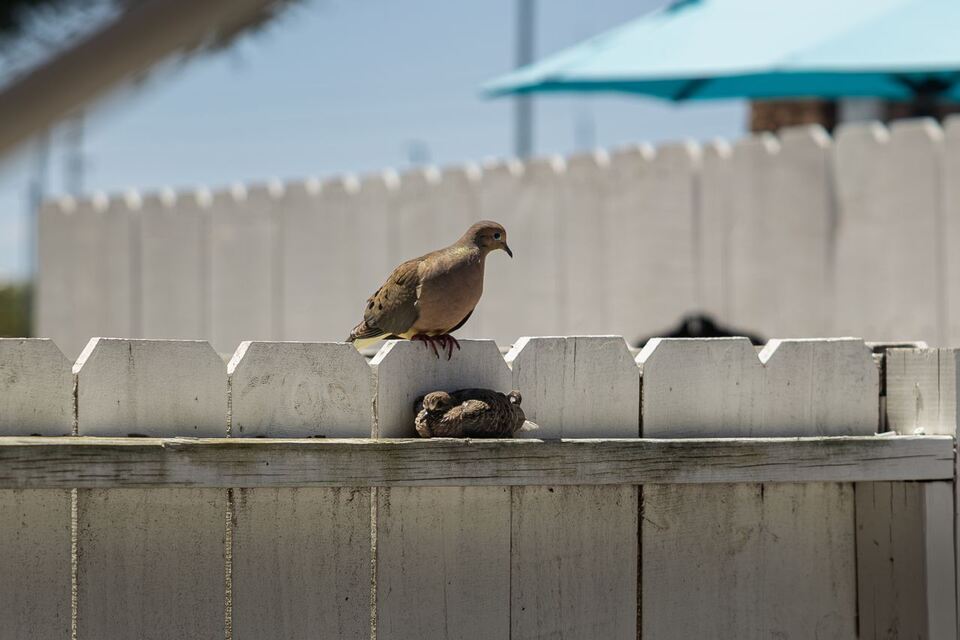
- Rock Pigeons and Mourning Doves These species are heavy ground feeders drawn to open grass spaces and agricultural food scraps, responding best to physical barriers and bitter taste deterrents. They are among the most frequent visitors found when cataloging common backyard birds in suburban neighborhoods.
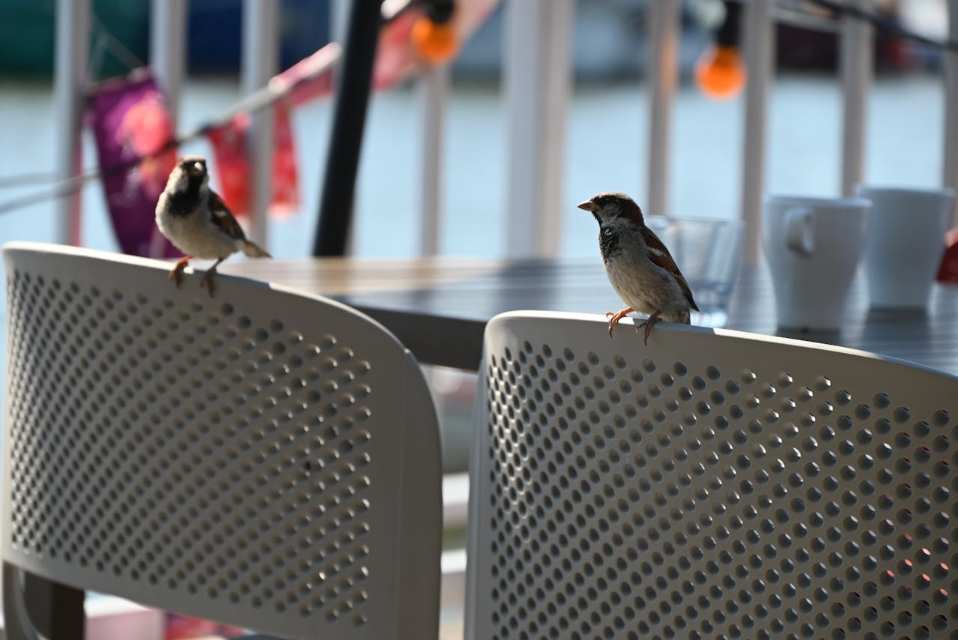
- House Sparrows and European Starlings These invasive cavity nesters aggressively target architectural eaves, vents, and wall crevices to establish high-density colonies. Tracking destructive house sparrow habits around rooflines helps block entry points, while specific physical adjustments will allow you to quickly deter starlings from bird feeders across your property.
- American Crows and Common Ravens These highly intelligent corvids possess advanced problem-solving abilities, meaning they will easily outsmart stationary or unrotated scare tactics within a few days. Recognizing the key visual markers in the crow vs raven comparison ensures you can accurately gauge their intelligence levels before deploying visual deterrents.
- Woodpeckers These specialized birds drum on wooden home siding and fascia boards to excavate insects, establish nesting cavities, or signal territorial boundaries. Use strictly non-lethal strategies when deploying blocks to how to prevent woodpecker damage along home siding to stay fully compliant with conservation laws.
- American Robins and Red-winged Blackbirds These federally protected migratory birds actively target fruit bushes and ripening gardens, requiring strictly humane sensory deterrent solutions.
When to Pause Feeding Instead of Applying a Repellent
Reclaiming a contaminated outdoor living space requires extreme caution and a strict sanitation routine to protect both your personal health and the safety of local wildlife. Dried bird feces harbor dangerous fungi and bacteria that can cause severe respiratory diseases in humans. Never scrape dry droppings directly into the air, as this sends dangerous dust particles swirling straight toward your face. Always wear an N95 mask, heavy disposable gloves, and eye protection before beginning your maintenance routine.
Saturate the entire mess thoroughly with a commercial disinfectant or a hot 10 percent white vinegar mixture. Let it soak for 15 minutes to fully soften the debris, then gently lift the waste away with a disposable scraper instead of scrubbing. Scrubbing fresh or dried waste drags abrasive grit across your furniture finishes, causing permanent clear coat scratching. For more advanced details on removing surface spots, check out our companion guide on how to clean up bird droppings.
Furthermore, you must realize that a sudden change in backyard bird traffic can be a sign of a localized disease outbreak rather than a simple nuisance problem. Data published in the Project FeederWatch Disease Survey estimates that 5% to 10% of the eastern House Finch population carries mycoplasmal conjunctivitis, a severe respiratory infection that causes red, swollen, runny, or crusty eyes.
Because blind, infected birds cannot see to escape predators, they will often sit motionless under your feeders for hours, which casual observers confuse with stubborn perching behavior.
⚠️ CRITICAL BIRD HEALTH WARNING: If you observe one or two birds on your property displaying swollen, runny, or crusted-over eyes, do not intensify your repellent sprays or add visual scares. Immediately take down all feeding stations for at least two weeks. Scrub your equipment thoroughly with a 10% bleach solution (1 part bleach to 9 parts water), let it dry completely in the sun, and rake or vacuum old seed hulls and droppings off your lawn before rehanging them.
Connecting Your Property Protection Strategies
Integrating an organic sensory defense completely eliminates urban bird pressure across your property assets.
Protect Your Private Balcony Area
Once you secure your main yard boundaries using homemade sprays, you must protect your upper building perimeters from incoming pests. To establish a clean, peaceful outdoor seating space, see our full mechanical guide on how to keep birds away from patio furniture.
Secure Your Open Windowsills
As local pest flocks look for alternative roosting zones away from your treated gardens, they will naturally target narrow exterior building ledges. To safeguard your architectural frames without using ugly netting systems, review our modern architectural outline on how to keep birds off window ledges.
Reclaiming Your Outdoor Space for Good
Keeping stubborn pests away from your property requires combining effective organic sensory barriers with consistent sanitation habits. While temporary visual scare tactics or cheap retail sprays might offer brief relief, birds adapt to those changes far too quickly.
Investing your time into formulating high-potency boiled pepper extractions and setting up tight monofilament tension grids provides an ongoing defense system that works indefinitely.
Start by targeting your highest priority ledge and garden areas where birds cause the most frequent structural mess. Apply your permanent sensory solutions there first, then expand your layout perimeter across your railings as your time and budget allows. Even protecting just your most problematic covered corners will dramatically reduce the overall local bird presence.
The true secret to success is maintaining daily persistence and relying strictly on proven mechanical and chemical methods rather than wasting money on gimmicky retail items. Do not let invasive flocks ruin your morning coffee or destroy your expensive wood trims any longer. Take action today, apply your physical defense layers, and reclaim your outdoor living space.
Frequently Asked Questions on Managing Property Birds
Will birds ever stop returning once I spray my porch railings
Yes, birds will completely abandon a roosting site once you maintain physical barriers and fresh sensory sprays consistently for three to six weeks. They are highly stubborn creatures of habit, but they will permanently relocate as soon as a spot becomes genuinely inhospitable to land on.
Are ultrasonic bird repellents safe to use around household pets
Most electronic ultrasonic plug-ins emit high-frequency sound waves that operate completely above the normal range of human hearing. However, these high pitches can cause severe ear irritation and stress for backyard dogs and cats, and data tracked by the Cornell Lab of Ornithology shows that avian species quickly ignore these noises anyway.
Can I legally remove an active bird nest from my home siding
If the nest is empty or still being constructed out of loose twigs, you can safely clean it away immediately. However, once live eggs appear inside the clutch, the official U.S. Fish and Wildlife Service Migratory Bird Treaty Act Portal strictly restricts you from disturbing the site until the young chicks naturally fledge.