
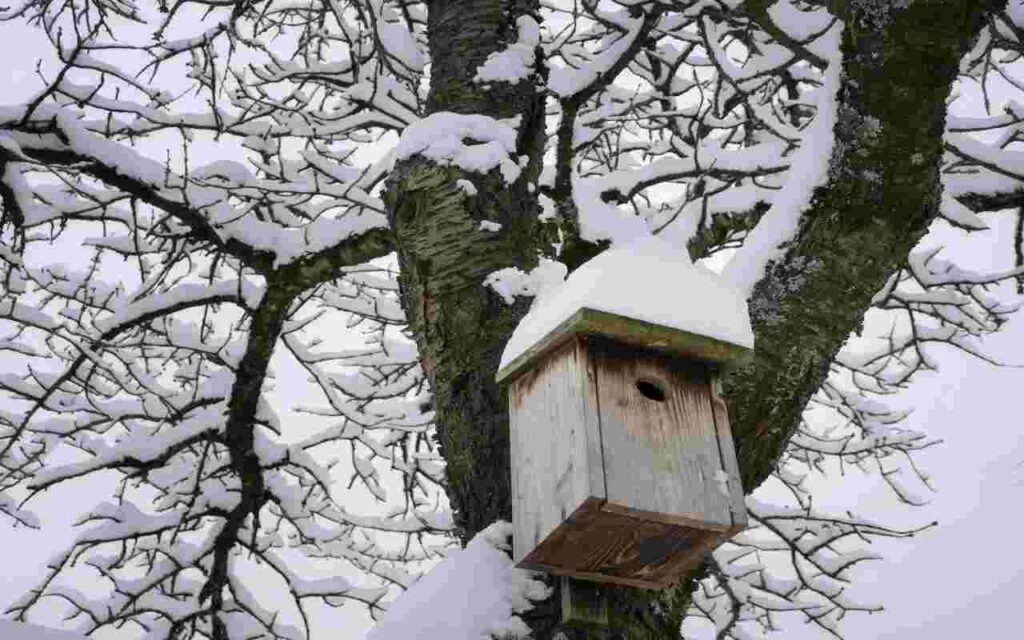
Winter nights are dangerous for small birds. Knowing how to make winter shelter for birds can save their lives. This comprehensive guide synthesizes peer-reviewed research on winter sheltering strategies, with step-by-step construction tips, placement advice, and design features proven to help birds survive coldest conditions. According to Cornell Lab of Ornithology research, birds only nest in spring and summer, but during winter cavity-nesting birds often roost in the same boxes.
Outside of breeding season, cavity-nesting birds often use boxes for overnight roosting. Sometimes more than a dozen birds will pile into a single box to conserve heat. While nest boxes are not perfect winter homes, they provide protection from wind, cold, and predators for species like chickadees, bluebirds, titmice, and nuthatches. Proper placement, insulation, and care can make a big difference in helping birds survive harsh winter nights. 🙂
- Small birds need winter shelter to survive cold nights.
- Cavity-nesting birds often roost together in empty boxes.
- Roost boxes: bottom entrances, staggered perches, thick wood, minimal vents.
- Mount boxes on poles, face south/southeast, near but not too close to feeders.
- Winterize boxes with insulation, blocked vents, or temporary perches.
- Brush piles give fast, easy shelter for ground, and shrub-dwelling birds.
- Evergreens, snags, shrubs, and tall grasses add natural cover and wind protection.
- Clean and maintain boxes yearly to prevent disease, pests, and moisture.
- Adjust shelters by region: thick walls and evergreens north, mixed types moderate.
How to Make Winter Shelter for Birds
Winter can be harsh, but with the right shelter, small birds can survive even the coldest nights. This video walks you step by step through building, placing, and maintaining winter bird shelters so your backyard feathered friends stay safe and warm.
Show Transcript:
0:00
When cold weather hits, it’s a tough time for the tiny birds in your backyard. It’s literally a matter of life and death. But here’s the good news: you have the power to completely change their fate. In this explainer, we’ll show the science-backed ways to turn your yard into a true winter sanctuary for birds.
0:17
You’ve probably noticed this yourself. You see a chickadee at your feeder on a freezing, snowy day, and you wonder, “How do they do it?” They weigh less than a few coins, yet they have to survive plunging temperatures sometimes for twelve or fourteen hours straight. It’s an incredible challenge, and the harsh reality is that many don’t make it.
0:44
Here’s the amazing part: you can tip the scales in their favor. With a few simple, smart changes, you can turn your backyard from a cold, barren landscape into a life-saving oasis.
0:56
To help effectively, we first need to understand the problem from a bird’s perspective. It all boils down to energy and a bit of physics. Let’s look at the science behind what makes a good winter shelter. Think of a bird’s shelter like a thermos for its tiny body. A natural tree cavity is like a high-end vacuum-sealed thermos, keeping warmth in and cold out. A standard nest box is more like a paper cup. It’s better than nothing, but it won’t keep its occupant warm on a truly bitter night.
1:35
Research shows the difference is huge. Roosting out in the open is the baseline. An empty box saves a bird about 18% of the energy it would have burned to stay warm. Add insulation like wood chips or leaves, and that savings doubles to 36%. That’s a massive survival advantage.
2:00
So how do we put this science into action? We’ve broken it down into a simple good, better, best framework. This gives everyone an effective starting point, no matter your time, budget, or DIY skill level.
2:16
The good option is working with what you already have. If you have a summer nest box, you can winterize it in a few minutes. Block drafty ventilation holes, add a thick layer of natural bedding, and pop in small twigs for perches. Here’s a pro tip: if your box allows, flip the front panel so the entrance hole is near the bottom. We’ll see why this matters in a second.
2:42
Winterizing a summer nest box is a fantastic start, but to truly maximize warmth and safety, the better option is a structure built specifically for winter roosting. A winter roost box is designed for one thing: warmth. The entrance hole is at the bottom to trap rising heat inside. The interior has multiple perches so a whole flock can huddle together. It’s a completely different design for a much more critical purpose.
3:17
Placement is just as important as design. The box must be on a metal pole with a baffle to protect against predators like raccoons. Face the entrance away from harsh winter winds, usually south or southeast. Place it near feeders, but not directly above them. A 1½-inch hole is ideal for welcoming chickadees and bluebirds while keeping larger, more aggressive birds out.
3:42
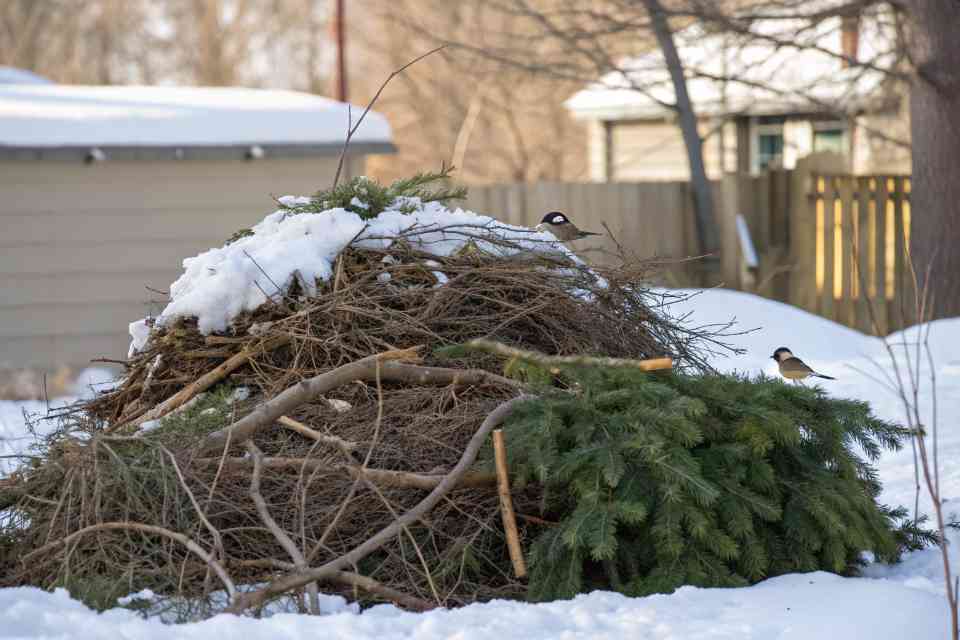
Now for the best option: you might be surprised. Zero carpentry skills are required, and it’s basically free. A well-built brush pile is a wildlife super structure. Start with big logs for tunnels, stack smaller branches in a crisscross pattern to make it dense and stable, then top it with evergreen branches. When snow falls, it creates perfectly insulated pockets inside that are as warm and snug as an igloo.
4:13
Another ultimate long-term investment is planting native evergreens. These are living shelters, superior to any man-made box. Trees like cedar and holly provide dense cover and food with berries, while spruce and pine create protected spaces in their branches critical during the worst weather. Studies show that juncos roosting inside evergreen trees save 10% of their energy each night. For a tiny bird, that’s like getting an extra hour and a half of foraging the next day—literally the difference between life and death.
5:02
Even with the best intentions, mistakes can happen. Knowing what not to do is just as important. A bluebird expert put it this way: “Losing a summer nest is tragic, but losing a winter roost box filled with a dozen or more birds is a catastrophe for the entire local population.” Predator protection must be your number one priority.
5:40
The first mistake is being too tidy. Clearing every leaf and stick in fall removes natural ground-level shelters for sparrows and juncos. A messier yard is healthier and life-sustaining. Ignoring predators is the second big mistake. Placing a roost box on a tree or wooden fence post is like a neon welcome sign for raccoons and cats. Always use a baffled metal pole. Non-negotiable.
6:16
The third mistake is waiting too long. Birds need time to scout safe spots before winter. Set up shelters by October or early November so your yard is on their mental map before emergencies hit.
6:33
Here’s your three-step winter action plan. First, modify what you have: winterize that nest box for an immediate win. Second, build or buy a proper roost box for a better, dedicated shelter. Third, plant native evergreens and build a brush pile to create a permanent, life-saving sanctuary for years to come.
7:02
Science is clear, and methods are proven. Your backyard can either be an empty space during cold months or a thriving sanctuary that saves lives. The only question is, what will you create this winter?
Understanding Winter Shelter Requirements: What the Research Shows
Before building winter shelter, understanding why and how birds use different structure types helps prioritize the most effective interventions.
The Thermal Benefits of Cavities and Boxes
Research published in the International Journal of Biometeorology examining temperature characteristics of winter roost sites found that tree cavities and wood stacks strongly buffered daily temperature cycles, while nest boxes showed significantly lower buffering capacity. Critically, the buffering effect of tree cavities strengthened at extreme ambient temperatures compared to temperatures around zero, meaning natural cavities provide greatest thermal benefits exactly when birds need them most.
The same study found that at cold temperatures, tree cavities provide significantly higher thermal benefits than nest boxes or wood stacks, suggesting that in winter ecology of hole-using endotherms, tree cavity availability represents an important characteristic of winter habitat quality.
Which Species Use Winter Shelter
Cavity-nesting species most readily use man-made winter shelters. Bluebirds, chickadees, titmice, nuthatches, and small woodpeckers regularly use roost boxes. Sometimes more than a dozen birds pile into a single box to conserve heat, a behavior called communal roosting that provides significant survival advantages.
Research published in Ardea examining nestbox use by roosting birds found that energy savings from roosting in cavities prove critical for small birds in temperate zones, where short, cold winter days result in birds struggling to find sufficient food for overnight survival. The study documented that energy savings in empty boxes accounted for 18% compared to open-air roosting, rising to 36% in boxes with complete nest material, providing meaningful survival benefits during extended cold periods.
For additional context on which species you might be helping, consult resources on common backyard birds and winter bird identification.
Roost Boxes: Purpose-Built Winter Shelters
Roost boxes differ fundamentally from nest boxes in several critical design features optimized for heat retention rather than nesting success.
Key Design Differences
The most distinctive roost box feature: entrance holes located near the bottom rather than middle or top. This seemingly counterintuitive placement exploits basic physics, as warm air rises, so bottom-entrance designs retain heat generated by roosting birds rather than allowing it to escape through top-mounted entrances.
Inside roost boxes, multiple perches made from small wooden dowels (typically 1/4-inch diameter) stagger at different levels, allowing numerous birds to roost together without sitting directly above one another. Interior front and rear walls may be roughened, scored, or covered with hardware cloth so woodpeckers can cling to vertical surfaces rather than requiring horizontal perches.
Roost boxes minimize ventilation holes compared to nest boxes. While summer nest boxes require extensive ventilation preventing lethal overheating, winter roost boxes prioritize heat retention. However, some minimal ventilation remains necessary—completely sealed boxes create condensation problems and birds seem reluctant to enter pitch-dark spaces.
Construction Specifications
Build roost boxes using untreated wood at least 3/4 inch thick. Cedar, pine, or exterior-grade plywood work well. Avoid pressure-treated lumber containing chemicals potentially harmful to birds.
Optimal dimensions for small songbirds: 10 inches square by 3 feet tall internally. This size accommodates multiple small birds while maintaining enough mass for thermal retention. Smaller boxes limit capacity, while larger boxes prove harder to heat with small birds’ collective body warmth.
Entrance hole diameter depends on target species. A 1.5-inch hole accommodates bluebirds, chickadees, titmice, and nuthatches while excluding European Starlings (which require 1.6-inch minimum). Larger holes (2-2.5 inches) allow woodpeckers and other bigger species.
Install a hinged or removable top for annual cleaning. Roosting birds deposit droppings and feathers requiring removal before each winter season begins.
Optimal Placement
According to National Wildlife Federation experts, mount roost boxes on metal poles at least 10 feet above ground. Cats, raccoons, weasels, and rats climb trees and wooden fence posts with alarming efficiency. As one bluebird enthusiast noted, losing a nest box full of chicks to predators proves heartbreaking, but “it is much more dreadful to think of losing 10 to 20 mature bluebirds in a single winter night.”
Face roost boxes south or southeast away from prevailing winds. In most of North America, winter winds blow predominantly from northwest, making southern exposures optimal for wind protection.
Position roost boxes near feeding areas but not directly adjacent to feeders. Birds benefit from convenient shelter proximity to food sources, but excessive activity at feeders may disturb roosting birds if boxes mount too close.
Converting Nest Boxes for Winter Use
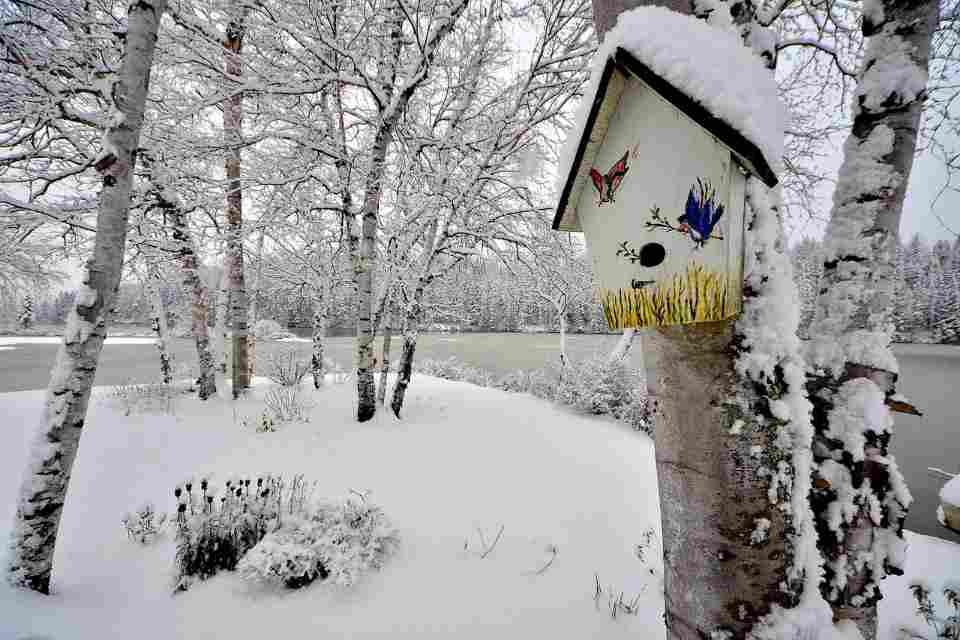
If you already maintain nest boxes, simple modifications improve their winter shelter value without requiring new construction.
Winterization Techniques
Block large ventilation holes using foam weatherstripping (the adhesive-backed kind sold for air conditioners). This reduces heat loss while remaining easy to remove when spring nesting season arrives. Don’t seal boxes completely, as birds prefer peeking inside before entering and seem reluctant to enter pitch-dark cavities.
Some enthusiasts reverse nest box fronts so entrance holes relocate to bottom positions during winter, then flip them back to standard position for spring. This requires fronts designed for easy removal and reattachment.
Add natural insulation materials like dry leaves, pine needles, or wood shavings to nest box floors, creating an insulating layer between roosting birds and cold surfaces. Avoid synthetic materials that don’t breathe and may trap moisture.
Install temporary perches made from small twigs or dowels. Birds roosting on perches rather than floors position themselves higher where warmer air accumulates. Stagger perches at different heights accommodating multiple birds.
Brush Piles: Free, Fast, and Effective
For immediate winter shelter requiring zero carpentry skills, properly constructed brush piles rival expensive roost boxes for effectiveness.
The Science Behind Brush Piles
According to Cornell Lab’s habitat recommendations, brush piles provide crucial refuges for ground-dwelling birds like sparrows and towhees. Dense vegetation found in thickets or interior branches of evergreens serves as windbreak and conceals birds from night-prowling predators.
National Wildlife Federation naturalist David Mizejewski explains that brush piles become “wildlife hotels” hosting stunning variety of birds, insects, snakes, voles, and more. Wrens particularly favor brush piles, along with numerous species seeking shelter from heat waves, snowstorms, or predators.
The important principle: structures must be dense enough providing good shelter with plenty of nooks and crannies for animals to tuck into. Even decaying wood attracts ants and other insects that provide meals for visiting birds while enriching soil with nutrients.
Construction Techniques
Begin with a base layer of substantial logs 6 to 10 inches diameter, arranged in a rectangle 10 to 20 feet per side with 6 to 8 inches between each log. This creates tunnels and spaces at ground level where larger birds and mammals can shelter.
Build a second layer using logs of slightly smaller diameter arranged perpendicular to the base, log-cabin style. Continue cross-hatching layers, alternating direction with each level.
Add brush approximately 3 to 6 feet high, placing bigger branches at bottom and smaller ones on top. Weave branches together creating stable construction that won’t collapse under snow load.
Finish with a thick, layered roof of evergreen branches concealing the interior. In winter, snow crusts on top forming chambers as snug as igloos. After holidays, add boughs from discarded Christmas trees for extra insulation.
Leave edges somewhat loose allowing animals easy entry and exit. The center should be tighter providing small refuges where birds escape predators.
Strategic Placement
“Locate brush piles in quiet corners a short distance from your house, close enough for convenient observation with binoculars but far enough avoiding excessive human disturbance. Position piles near feeding areas where birds already congregate, creating comprehensive habitat zones.
According to Audubon’s guide on building brush piles for birds, even modest suburban yards can incorporate brush piles to provide wildlife shelter, and for properties with persnickety homeowner associations, artistic arrangements of sticks can satisfy aesthetic expectations while still offering real habitat benefits. Planting morning glories, clematis, or other blooming vines alongside the pile can help drape and camouflage the structure.
Brush piles naturally slump as months pass. This is beneficial. Decaying wood attracts insects, providing bird food while enriching soil. Simply keep adding material to offset shrinkage.
Learn more about creating comprehensive habitat through guides on bird-friendly garden design and native plants for birds.
Evergreen Trees and Shrubs: Living Shelters
While constructed shelters provide immediate benefits, strategic planting of evergreens creates long-term winter shelter superior to any man-made alternative.
Why Evergreens Excel
Research from Cornell Lab on thermal cover found that Dark-eyed Juncos sheltering in dense conifers spent 10% less energy each night compared to open-air roosting, energy savings equivalent to 1.3 hours of feeding time the next day. This dramatic efficiency improvement translates directly into survival during extended cold periods.
According to Project Learning Tree research, coniferous trees provide places for birds to hide from cold and protection from precipitation. Many retain berries into winter months, providing essential food sources to nonmigratory birds. Dense evergreen branches block wind, shed snow and rain, and create microclimates several degrees warmer than ambient temperatures.
Top Evergreen Species for Winter Shelter
Eastern red cedar (actually a juniper) ranks among the most valuable native evergreens for birds. These hardy trees produce small blue berries attracting cedar waxwings, bluebirds, and robins throughout winter while their dense pyramidal growth pattern creates excellent shelter from harsh weather and predators.
White pines grow quickly forming substantial trees offering winter cover for numerous species. Black-capped chickadees particularly favor white pines, utilizing dense foliage for roosting and foraging on seeds contained in large cones.
Spruces and firs provide exceptionally dense shelter. Their stiff, closely-spaced branches shed snow efficiently while creating protected spaces deep within their canopies. Research shows nuthatches, chickadees, and small woodpeckers regularly roost within the interior branches of mature spruces during severe weather.
Native hollies (both American holly and winterberry varieties) provide dual benefits: evergreen shelter plus persistent berries. Their glossy leaves remain green year-round while berries provide emergency food when other sources are exhausted.
Planting Strategies
Create layered plantings using evergreens of varying heights. Position taller trees like pines and spruces as backdrops, with medium-height shrubs like hollies in front, and low-growing junipers or yews as ground covers. This vertical structure accommodates birds with different shelter preferences, as some species prefer roosting high in tree canopies while others shelter near ground level.
Group evergreens in clusters rather than scattering them individually. Three to five trees planted together create sheltered microclimates within the group that single isolated trees cannot provide.
Avoid excessive pruning of lower branches. Many homeowners remove lower limbs for aesthetic reasons, but these ground-level branches provide critical shelter for ground-feeding species. Birds seeking shelter from hawks or severe weather duck into low-hanging evergreen branches offering immediate refuge.
Natural Shelter Enhancements
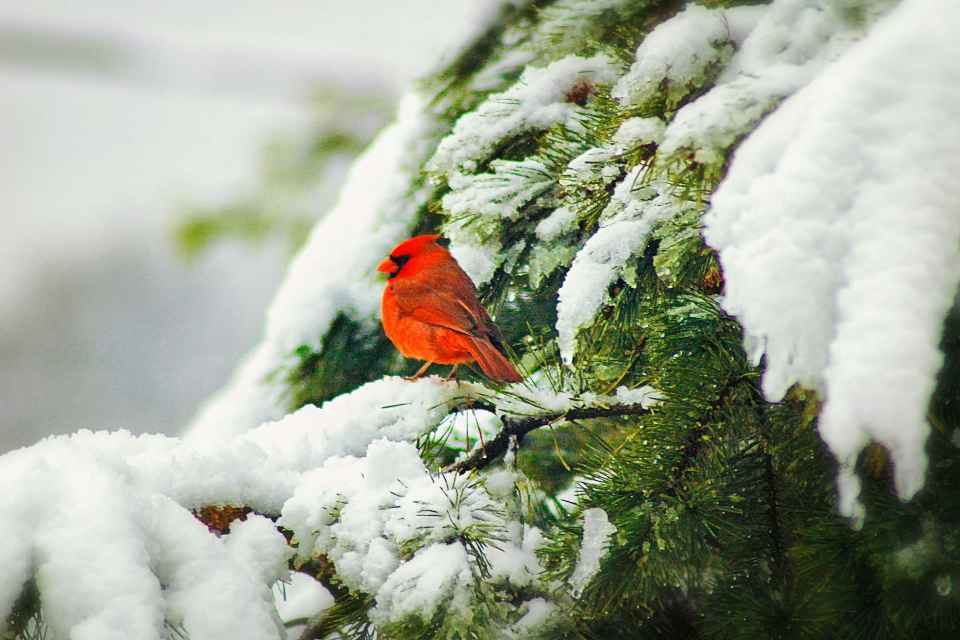
Beyond purpose-built structures and evergreen plantings, several low-effort modifications dramatically improve natural winter shelter availability.
Standing Dead Trees (Snags)
Holes and crevices in standing dead trees represent the main shelter type used by woodpeckers and many other birds. They spend winter nights in favorite holes often just big enough for snug fits.
Wildlife experts advise maintaining four or more dead trees per woodland acre meeting the needs of birds and other creatures. Even single snags on suburban lots provide valuable shelter. When dead trees become hazardous, top them off at safe heights rather than removing them entirely; the remaining trunk continues serving wildlife for years.
According to Smithsonian Gardens guidance, many different species with different food and habitat requirements can live in close quarters without competition. Bird houses and cavity trees should be placed in proximity to birds’ preferred habitats and food sources.
Dense Shrub Thickets
Native shrub plantings like dogwoods, viburnums, and sumacs create winter shelter when massed together. According to bird habitat specialists, thicker plantings provide better protection, as denser vegetation increases concealment from predators and blocks wind.
Multi-stemmed shrubs like inkberry naturally offer multiple shelter sites within single plants. In mild climates, semi-evergreen plantings like northern bayberry can lure bluebirds and tree swallows seeking winter cover.
Native roses, while deciduous, maintain dense tangled branch structures through winter providing excellent shelter even after leaf drop. Their thorny branches deter predators while creating secure refuges for small birds.
Tall Grass Clumps
Large ornamental grasses create habitat for winter birds preferring to stay close to ground level species like juncos and white-throated sparrows. Big clumps of ornamental grass provide protection for ground-feeding birds while seed heads offer food throughout winter.
Native warm-season grasses like little bluestem and switchgrass similarly provide ground-level shelter. Their dense growth forms create protected microclimates at soil level where temperatures remain several degrees warmer than exposed areas.
Common Mistakes That Undermine Winter Shelter
Even well-intentioned shelter projects can fail when certain critical errors occur.
Over-Cleaning in Fall
The impulse to “tidy up” yards in fall directly conflicts with winter shelter needs. Removing all dead plant material, cutting down grass stalks, and eliminating brush eliminates natural shelter sites birds would otherwise utilize.
Research consistently shows that “messier” gardens support higher winter bird diversity and abundance than meticulously maintained landscapes. The Xerces Society’s guidance on leaving the leaves explains how fallen leaves and plant debris provide essential winter habitat for insects that birds depend on during colder months.
Poor Roost Box Ventilation Balance
Some builders misunderstand roost box principles, creating completely sealed boxes with zero ventilation. While minimal ventilation proves desirable, none at all creates condensation problems from bird respiration. Moisture accumulation on interior walls can freeze, creating dangerously cold surfaces that increase rather than decrease thermal stress.
Provide some small ventilation near the top of roost boxes, just dramatically less than summer nest boxes require. This allows moisture escape while minimizing heat loss.
Ignoring Predator Protection
Mounting roost boxes on trees or wooden posts invites disaster. Predators climb these substrates easily, and the higher density of birds in winter roost boxes makes them especially attractive targets. A single predation event can eliminate an entire local population of chickadees or bluebirds that had been roosting communally.
Always mount boxes on metal poles with predator guards, place them away from overhanging branches allowing predator access, and ensure entrance holes don’t face prevailing winds where driving rain or snow could penetrate.
Late Timing
Birds learn roost site locations through gradual exploration and repeated use. Roost boxes installed in December may go unused all winter simply because birds haven’t discovered them yet, especially during severe weather when birds minimize exploratory behavior.
Install roost boxes and create brush piles in October or early November, giving birds time to find and evaluate them before extreme cold arrives. Birds that have already incorporated roost sites into their behavioral patterns before harsh weather strikes show higher survival rates than birds scrambling to find shelter during emergencies.
Maintenance and Seasonal Management
Winter shelter structures require appropriate maintenance ensuring they remain effective and safe season after season.
Annual Cleaning
Clean roost boxes thoroughly each fall before winter roosting season begins. Remove all old nesting material, feathers, droppings, and debris. Scrub interior surfaces with 10% bleach solution (1 part bleach to 9 parts water), then rinse thoroughly and allow complete drying before closing boxes.
This cleaning removes parasites, mold spores, and disease organisms that accumulated during summer nesting season. Birds entering dirty boxes for roosting face increased disease risks that outweigh shelter benefits. For step-by-step instructions, see how to clean birdhouses; these steps also apply to roost boxes.
Brush Pile Refreshment
Brush piles naturally decompose, settling and losing structural integrity over years. Add fresh material annually, pruned branches, holiday greenery, and storm-fallen limbs all work. Layer new material over existing piles, creating renewed structure while allowing continued decomposition of older material at the bottom.
The decay process itself provides ecological benefits, attracting insects and enriching soil, so gradual decomposition represents success rather than failure. Simply maintain overall structure through regular additions.
Monitoring and Documentation
Keep simple records of roost box usage. Note when you first observe birds entering boxes each fall, maximum numbers using boxes (observable during morning exits), and species identifications when possible. These records help assess which box designs and locations work best, informing future improvements.
During severe weather, check that entrance holes haven’t become blocked by snow or ice accumulation. A simple inspection can prevent birds from being unable to access shelter when they need it most.
Regional Adaptations
Optimal winter shelter strategies vary by region based on local climate conditions and bird species present.
Northern Regions (USDA Zones 3-5)
Northern winters with sustained subzero temperatures and deep snow require maximum emphasis on wind protection and insulation. Roost boxes in these regions benefit from extra-thick walls (1 inch rather than 3/4 inch) and strategic placement in sheltered locations rather than exposed sites.
Evergreen plantings prove absolutely essential in northern regions, dense coniferous cover literally determines survival during arctic outbreaks. Prioritize native spruces, pines, and firs adapted to local conditions.
Moderate Winter Regions (USDA Zones 6-7)
Moderate regions support highest diversity of overwintering species, requiring varied shelter types supporting different ecological niches. Combine roost boxes for cavity nesters, brush piles for ground-dwelling species, and mixed evergreen/deciduous plantings creating diverse microhabitats.
Freeze-thaw cycles in moderate zones create different challenges than sustained cold. Ensure roost box drainage so meltwater doesn’t accumulate, and position boxes where southern exposure provides warming during sunny winter days.
Mild Winter Regions (USDA Zones 8+)
Southern and coastal regions face occasional hard freezes rather than sustained extreme cold. Emergency shelter becomes critical during these infrequent but potentially deadly events when birds haven’t developed the physiological adaptations northern birds maintain year-round.
Evergreen shelter proves valuable even in mild regions, providing protection from winter rainstorms and refuge during the occasional cold snap. Native hollies, magnolias, and southern pines create appropriate year-round shelter for southern bird communities.
Additional guidance for creating comprehensive winter habitat is available through resources on attracting birds during winter and feeding birds in winter.
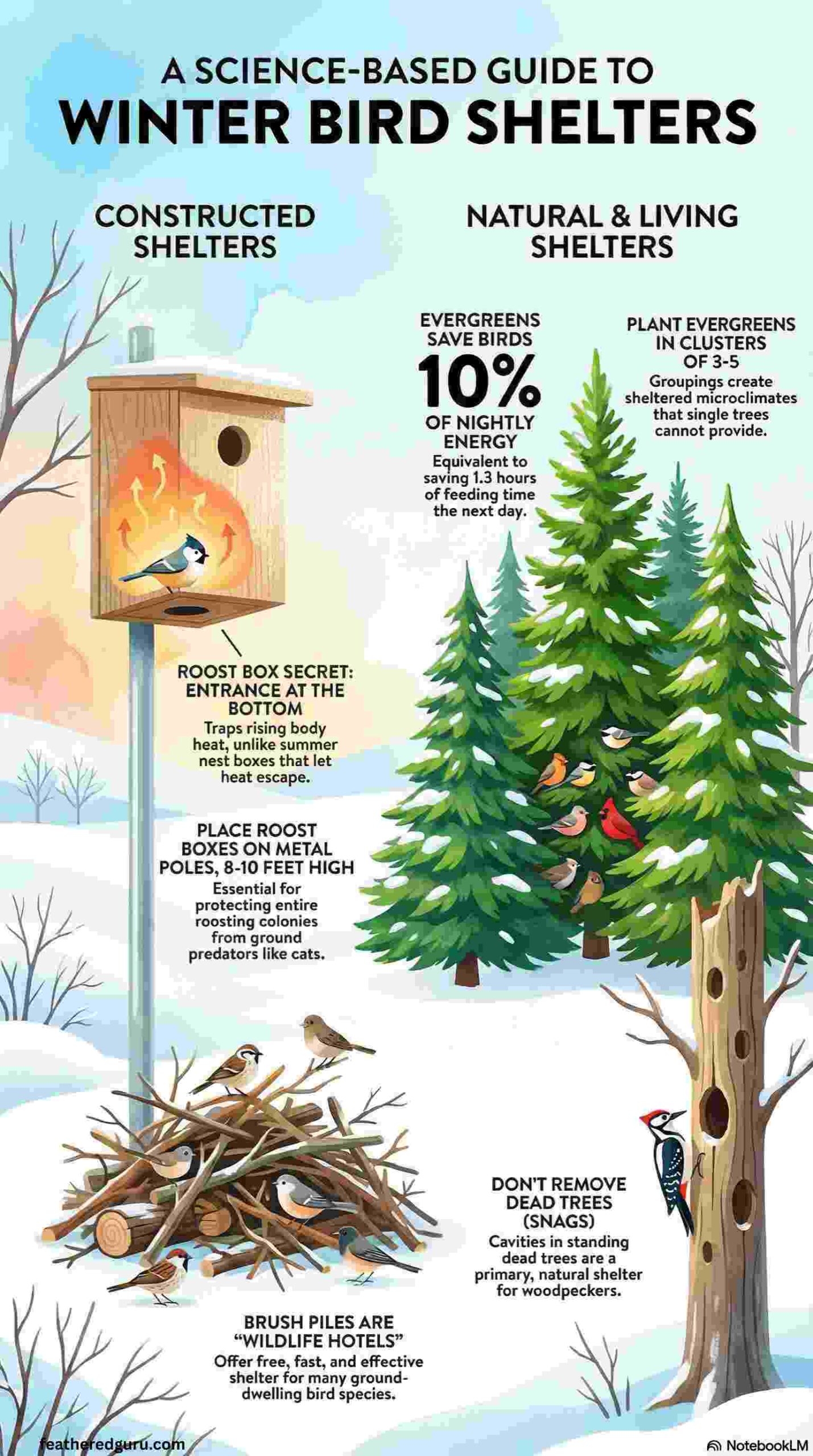
Winter Shelter Strategies at a Glance
To see all the key shelter types, placement tips, and which birds benefit most, check out this infographic.
Conclusion: Integrating Shelter Into Comprehensive Winter Habitat
Effective winter shelter combines multiple approaches, roost boxes, brush piles, evergreen plantings, and natural features, into cohesive systems supporting diverse species through winter’s challenges.
Start by assessing current shelter availability in your landscape. Do mature evergreens provide natural shelter? Are dead trees or dense shrubs present? What gaps need filling? Prioritize interventions providing maximum benefit for effort invested.
For most properties, this means building or installing 1-2 roost boxes in strategic locations, creating at least one substantial brush pile, and beginning a long-term evergreen planting program that will provide increasing benefits as trees mature.
Remember that winter shelter preparation spans all seasons. Fall represents the critical implementation period, but planning and construction can occur year-round. The roost box you build in July will serve birds through the following winter and many winters after.
The research clearly demonstrates that thoughtful, science-based winter shelter measurably improves wild bird survival through winter’s challenges. By implementing proven strategies rather than guessing at what might help, you create habitat that genuinely supports winter bird survival rather than simply attracting birds to inadequate resources.
For additional guidance on creating comprehensive bird habitat, explore resources on how to make a bird sanctuary in your backyard and developing a complete backyard birding guide.