
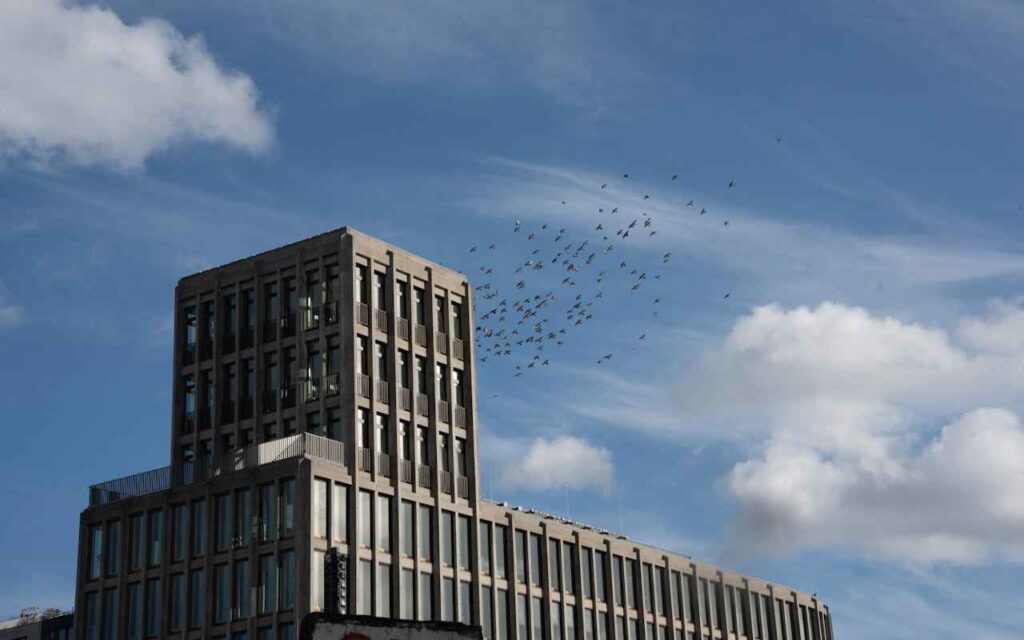
I’ll never forget the sickening thud I heard one October morning, and it was that moment I realized the importance of how to prevent window strikes in fall. I rushed outside to find a beautiful yellow-rumped warbler lying motionless beneath my living room window. That bird survived (after about 20 minutes of stunned recovery), but millions don’t. That moment changed everything about how I approach my windows during fall migration.
Fall brings massive bird movements, making window collision prevention critical from September through November 😢. Exhausted migrants navigating unfamiliar territory can’t tell open sky from reflective glass, turning your home into an accidental trap. The good news? You don’t need costly renovations, just understand why collisions happen and apply proven solutions.
- Fall brings heavy bird migration through your area.
- Reflections and clear glass trick birds into flying through.
- Young, inexperienced birds are most at risk.
- Put visual markers outside using the 2×2 rule.
- DIY tape, paint patterns, or stickers work if applied correctly.
- Feather Friendly dots, Bird Tape, and BirdSavers are reliable.
- Exterior screens, netting, or shades give the best protection.
- Check windows daily and help stunned birds recover safely.
Why Birds Hit Windows in Fall
Why do birds fly into windows is actually a fascinating question with multiple answers. The bird window reflection problem stems from birds’ inability to perceive glass as a solid barrier. When your windows reflect trees, sky, or vegetation, birds see habitat, not danger. They fly directly toward what looks like continuation of the natural environment.
Glass reflections confuse birds in two distinct ways. Daytime strikes occur because windows mirror surroundings. Your window reflects that maple tree in your yard, and migrating warblers see a tree, not glass. Daytime vs nighttime strikes follow different patterns, nighttime collisions often involve city lights disorienting migrants, while daytime strikes result purely from reflection and transparency issues.
Show Transcript
It’s that time of year again: migration season. And while it’s an absolutely beautiful thing to see, it also brings hidden dangers right to our windows. Today, we’re going to break down how you can make your home a safe haven for birds on their incredible journey.
This quote—it just gets you, doesn’t it? That horrible thud. You rush to the window, and your heart sinks. A peaceful morning turns awful. And believe me, it happens way too often.
That single thud is part of a staggering problem. Up to 1 billion birds die from hitting windows in North America every year. And here’s the kicker: it’s not just skyscrapers causing this. The number one cause is residential homes—our homes.
Why is this happening on such a massive scale? It comes down to a tragic misunderstanding of what a window actually is.
Here’s the core of the problem: perception. We see glass as a solid barrier. Birds see it as nothing—just a perfect reflection of the sky and trees. To them, your window looks like open air. It’s a fatal illusion.
And fall is the perfect storm for this danger. First, there are huge numbers of birds on the move, many of them young birds on their first migration. They haven’t learned to be wary of houses yet. Add in the low, bright autumn sun, which creates crystal-clear reflections, and suddenly our homes become a minefield of invisible obstacles.
It sounds depressing, right? But the solution is surprisingly simple. It all comes down to one core principle: the 2×2 rule.
Birds won’t try to fly through a gap that looks too small. By placing markers no more than 2 inches apart—up and down, side to side—you create a pattern they recognize as a solid wall. This one rule is key.
Critical detail: the markers must be on the outside of the glass. If they’re inside, the deadly reflection remains on the outside, and the bird still sees the sky.
Now, let’s talk solutions. You don’t need to spend a ton of money or time to make a difference.
- White tape: create vertical stripes.
- Non-toxic tempera paint: fun for kids, washes off, makes dot patterns.
- Stickers: effective if applied densely, following the 2×2 spacing rule.
Bust the myth of the single hawk sticker. Birds don’t see predators—they see a small obstacle and fly around it. The secret isn’t the shape; it’s the density of the pattern.
For a more polished solution, consider products made for this:
- Feather Friendly Dots: exterior markers barely visible from inside.
- Bird Savers: paracord curtains.
- Bird Tape: weatherproof and highly visible.
For large windows or especially problematic panes:
- Standard insect screens: eliminate reflections and cushion impacts.
- Netting: stretched a few inches from the glass.
- Exterior shades: pull down during peak morning hours.
Pro tip: feeder placement matters. Either very close to windows (within 3 ft) so birds can’t build speed, or far away (30+ ft) to prevent high-speed collisions.
Now, a seasonal checklist:
- Walk around your house in the early morning during September and October. Reflections are strongest then.
- Identify worst-offender windows.
- Check underneath windows throughout the season.
- If you find a stunned bird:
- Stay calm.
- Place it in a small cardboard box with air holes, in a quiet, dark place away from pets.
- Do not give food or water; they usually recover in about an hour.
Small steps add up. It’s not just about saving one bird; collectively, it helps millions of migrating animals.
Recap of big takeaways:
- Markers go on the outside.
- Follow the 2×2 rule.
- Be extra vigilant during migration season.
- For tough windows, use a physical barrier like a screen.
And here’s proof it works. One person started with just their two worst windows. The result? Immediate. Three years later: zero strikes. No more thuds.
It’s one of the most effective, direct conservation actions we can take. Tangible, real, and local.
Don’t try to do everything at once. Pick one window, start there. The birds—warblers, thrushes, sparrows—will thank you for giving them safe passage.
Fall bird migration collisions spike dramatically compared to other seasons. According to the American Bird Conservancy’s collision program data, studies estimate up to 1 billion bird deaths yearly in North America from window collisions, with significant spikes during spring and fall migration.
Research published in The Condor: Ornithological Applications estimated that between 100 and 1 billion birds are killed annually by building collisions in the U.S., with roughly 56% of mortality at low-rise buildings and 44% at residences. September through October sees peak collision rates as billions of birds move south, many traveling at night and landing exhausted at dawn.
Juvenile birds hitting windows compounds the fall problem. Young birds making their first migration lack experience navigating human structures. They haven’t learned that shiny surfaces equal danger. I’ve noticed more collisions involving young birds (identifiable by their duller plumage and behavior) during fall compared to spring when mostly experienced adults migrate north.
Territorial bird window attacks represent a different issue. During breeding season (spring/summer), cardinals, robins, and other species see their reflections and attack perceived rivals. Reflection aggression in robins or cardinals means repetitive strikes throughout the day. This behavior decreases in fall as territoriality wanes, so fall collisions are overwhelmingly migration-related rather than aggression-driven.
Understanding the Scale of Bird Window Accidents
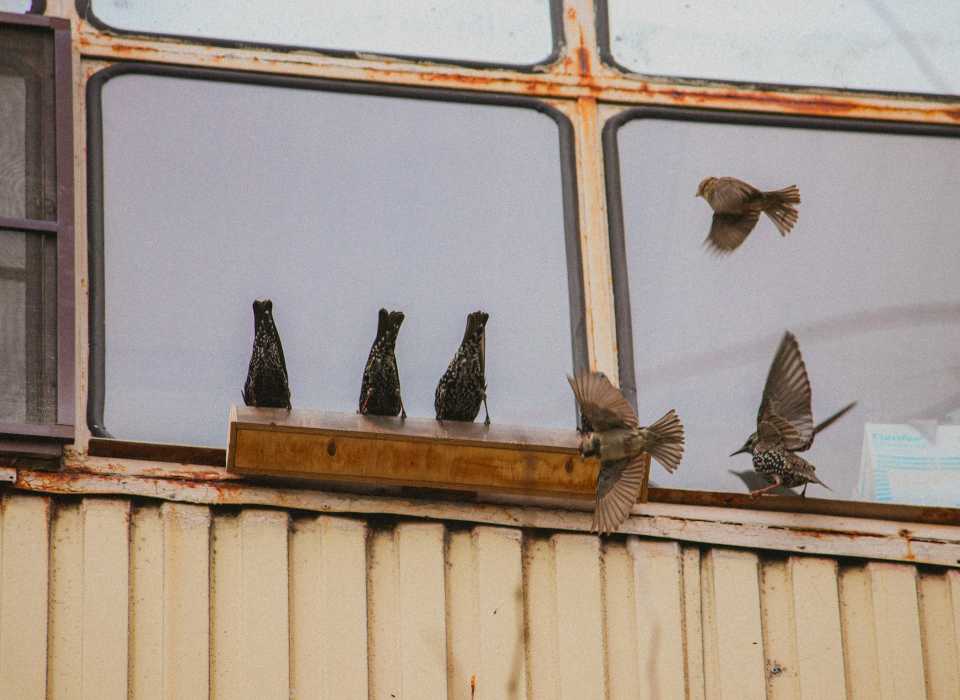
Bird window accidents represent one of the largest human-caused bird mortality factors. The numbers are genuinely staggering. A comprehensive study published in The Wilson Journal of Ornithology examined window collision mortality at 42 residential houses during migration periods and estimated an adjusted mortality rate of approximately 11-16 birds per house during the study period.
The research from the Cornell Lab of Ornithology indicates that residential buildings cause the majority of collisions, not urban skyscrapers as commonly assumed. Your suburban home kills more birds than downtown office towers because of sheer numbers, there are millions more homes than commercial buildings.
Migration season bird collisions concentrate heavily in fall because migration volumes are enormous. Not only do adult birds migrate, but the entire summer’s offspring join the journey. Bird populations peak in fall, meaning more individuals face window hazards. A warbler that survived spring migration might not survive fall migration if it encounters your untreated windows.
The tragedy is that preventing bird deaths at home is entirely achievable. Unlike many conservation challenges requiring systemic change, window collision prevention sits completely within individual homeowner control. You can eliminate this threat from your property with minimal effort and expense.
How to Stop Birds Hitting Windows: Core Principles
How to stop birds hitting windows follows a simple principle: break up reflections so birds recognize barriers. The key is placing visual markers on the exterior of glass. Interior treatments don’t work because reflections occur on the outside surface. Birds see reflected trees, not interior curtains or stickers.
The 2×2 rule (also called the 2×4 rule) forms the foundation of effective prevention. According to Audubon’s bird-safe window guidelines, visual markers should be spaced no more than 2 inches apart horizontally and 4 inches apart vertically, or 2 inches in both directions for maximum effectiveness. This spacing is based on the chest width of small songbirds, if gaps are smaller than a bird’s body, they won’t attempt passage.
Additionally, Research published on ScienceDirect found that bird-friendly glass, such as fritted or UV-patterned designs, can cut bird-window collisions by roughly 60–70 % in real-world building studies, though effectiveness depends on factors like pattern spacing, orientation, and visibility.
Window glare and birds create particular problems on sunny fall mornings. Strong sunlight produces intense reflections that completely obscure glass. Morning migration activity combined with peak reflection conditions creates the perfect storm for collisions. West-facing windows cause fewer strikes because birds are less active during afternoon when western exposure reflects most strongly.
DIY Bird Window Decals and Solutions
DIY bird window decals and homemade window collision deterrents offer affordable starting points. I began with simple solutions before investing in commercial products, and honestly, homemade options work remarkably well if applied correctly.
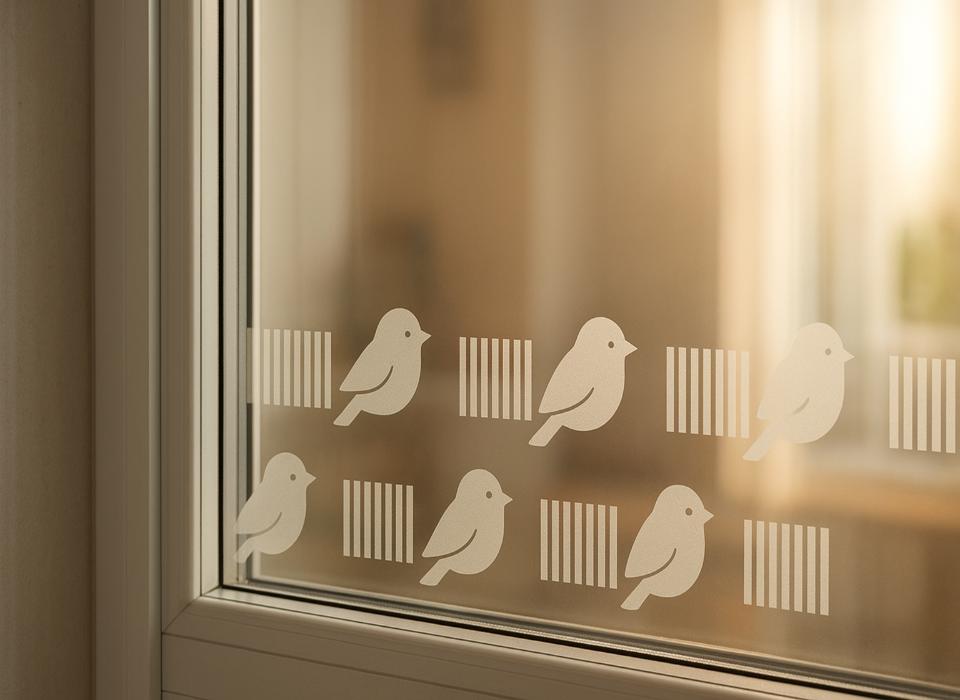
Tape patterns on glass using bright colors (white works best) creates effective visual barriers. I use 1/4-inch white artist tape in vertical strips spaced 2 inches apart across problem windows. The tape costs about $5 per roll and covers several windows. Apply tape to the exterior surface, and replace every few months as weather degrades adhesive.
Tempera paint creates removable patterns on glass. Mix white tempera paint, apply with a sponge in dots or stripes following the 2×2 rule, and remove after migration season with window cleaner. This works beautifully for temporary seasonal protection. I paint fall patterns in September, leave them through November, and remove them in December.
Apply stickers to stop birds hitting glass sounds simple, but most people do it wrong. Those hawk silhouette decals you see? Nearly useless. Birds don’t recognize hawk shapes as threats when they’re frozen mid-flight on glass. Plus, single stickers on large windows leave massive reflective areas birds will still hit. You need coverage, not scattered decorations.
If you use stickers, apply them in patterns meeting the 2×2 spacing rule. I’ve seen people put one hawk decal on a 6-foot window and wonder why birds still strike. You need dozens of markers, not one or two. Proper coverage looks excessive to humans but works effectively for birds.
Bird-Friendly Window Film and Tape Products
Bird-friendly window film offers more permanent and aesthetically pleasing solutions than tape or paint. Bird-safe window film brands include several proven options that combine collision prevention with UV protection or privacy features.
Feather Friendly dots rank among the most tested and effective products. These small white dots adhere to exterior glass in precise patterns meeting collision prevention spacing standards. They’re visible to birds but almost invisible to humans from inside. I installed Feather Friendly dots on my worst-offending windows three years ago, and collisions at those windows dropped to zero. The dots withstand weather, maintain adhesion, and don’t require replacement for years.
Acopian BirdSavers (also called “bird curtains”) use vertical paracord strands hung in front of windows. The cords hang a few inches apart, creating visual barriers birds won’t fly through. They look unusual but work exceptionally well. A friend installed BirdSavers on her worst windows and reports zero strikes in two migration seasons. You can purchase ready-made versions or create DIY versions using paracord and dowels.
Bird collision tape like Bird Tape products applies directly to glass in strips. Unlike regular tape, it’s designed for exterior use and withstands weather. The tape is visible to birds due to patterning or UV reflectivity invisible to humans. I use Bird Tape on windows where dots look too busy, sliding glass doors, large picture windows, and it’s performed well.
UV decals for windows incorporate ultraviolet patterns that birds see but humans don’t. This sounds perfect, but results are mixed. Research on UV patterns shows moderate effectiveness, but not as reliably as simple visible patterns. Birds’ UV perception varies by species, and many common collision victims don’t rely heavily on UV vision. IMO, stick with visible markers for reliable results.
Exterior Window Screens and Physical Barriers
Exterior window screens for birds provide the most foolproof solution. Screens break up reflections completely and catch birds that miscalculate, cushioning impact. I installed exterior screens on my sunroom windows (the worst collision hotspot), and strikes stopped entirely.
Installing window screens designed for collision prevention differs from regular insect screens. You need fine mesh positioned at least 2-3 inches from glass. This spacing ensures caught birds don’t strike glass behind the screen. Several companies now offer purpose-built bird safety screens that mount on standard window frames.
Bird netting for windows works similarly to screens but costs less. Attach netting to frames positioned several inches from glass. The netting must be taut, loose netting tangles birds. I use black netting (nearly invisible from inside) mounted on simple wooden frames I built for about $30 per window. These frames install in fall and remove in spring when collision risk drops.
Tilt windows downward to reduce reflection actually works if you have awning-style windows. Tilting the top edge outward changes reflection angles, showing ground instead of sky. This simple adjustment dramatically reduces collisions on operable windows. I keep tilting windows slightly open during fall migration, and they’ve become safe zones.
Exterior Shades and Blinds for Bird Safety
Exterior shades or blinds eliminate reflections by covering glass entirely. Retractable awnings, exterior roll-down shades, or fixed louvers all prevent collisions effectively. These options cost more but provide additional benefits like energy savings and privacy.
I installed retractable sun shades on my south-facing windows primarily for cooling, but they’ve eliminated bird strikes as an unexpected bonus. During fall migration, I keep shades partially deployed during morning hours when collision risk peaks. The shades cost about $200 per window but pay for themselves in cooling savings while solving the bird problem.
Fixed exterior shutters (real functional shutters, not decorative ones) prevent strikes when closed. If you have operable shutters, closing them during peak migration morning hours protects birds without sacrificing afternoon light. It’s a simple behavioral change that requires zero additional investment.
Making Windows Safe Through Strategic Design
Bird-safe window ideas for new construction or major renovations include angled glass, fritted glass, and reduced window size. Bird-friendly home design incorporates these principles from the start rather than retrofitting solutions later.
Angled windows (tilted inward at the top) reflect ground rather than sky, dramatically reducing strikes. Many modern buildings incorporate this angle specifically for bird safety. If you’re building or replacing windows, specify angled installation, contractors can achieve this with standard windows.
Fritted glass includes permanent patterns baked into glass during manufacturing. This commercial-grade solution provides lifetime collision prevention without applied films or tapes. It’s expensive for residential retrofits but worth considering for new construction.
Making windows safe for birds sometimes means strategic landscaping changes. If your windows reflect specific trees causing strikes, moving bird feeders away from those windows reduces collision risk. I relocated my main feeder from 15 feet away to 30 feet away from my living room windows, and strikes decreased noticeably. Birds visit feeders but don’t fly toward windows as often. For comprehensive feeder placement strategies, check out how to create a fall bird feeding station which covers attracting birds during migration while considering safety.
Backyard Window Safety During Fall Migration
Backyard window safety requires seasonal vigilance. What time of year do bird window collisions happen most is definitely fall, especially September through October. Monitoring your property during these peak weeks allows you to identify problem windows and apply targeted solutions. Understanding bird behavior and migration patterns helps, learn more about common backyard birds to recognize which species are most at risk.
Walk your property’s perimeter during morning hours (6-9 AM) when collision risk peaks. Note which windows reflect vegetation most strongly. These are your priority intervention targets. I conduct this assessment annually because seasonal sun angles change which windows create worst reflections. For more on creating bird-friendly spaces, our article on bird-friendly garden design covers habitat planning that complements window safety measures.
Check beneath windows regularly during migration. Finding feathers, body imprints on glass, or stunned birds indicates collision problems needing immediate attention. I check daily during peak migration, documenting any evidence of strikes and prioritizing those windows for treatment. If you’re interested in supporting migrating birds more broadly, see our guide on feeding birds during migration which covers seasonal strategies.
If you find stunned birds, place them in a ventilated box in a quiet, dark location for 30-60 minutes. Many recover from temporary concussions and fly away. Never leave stunned birds on the ground where cats or other predators can access them. About 50% of strike victims survive with proper recovery opportunity. For more on protecting vulnerable birds, check out how to protect baby birds from predators.
Effectiveness of Different Prevention Methods
Are window decals effective for birds depends entirely on application. Single decals scattered randomly? No. Dense patterns meeting 2×2 spacing? Yes. The product matters less than coverage and placement. I’ve tested multiple approaches, and proper spacing beats fancy products every time.
Do reflective films help prevent bird strikes yields mixed results. Films that reduce transparency (making windows less see-through) help if they also address reflection. But films addressing only transparency miss half the problem, reflections. The best films tackle both issues simultaneously by combining reduced transparency with surface patterns.
According to research published by the National Library of Medicine, studies show that well-designed window treatments, such as fritted, patterned, or UV-reflective glass, can reduce bird collisions by as much as 90 percent when applied correctly. The key word is “properly”, half-measures produce half-results. Full coverage using proven methods is what works.
Seasonal Prevention Strategies
Preventing bird glass collisions requires seasonal awareness. Install temporary solutions before fall migration begins (late August) and maintain them through November. I use removable solutions specifically during migration peaks, then remove them in winter when local bird populations are low and collision risk drops.
Tempera paint, removable tape, and temporary netting all work for seasonal application. These allow you to protect birds during critical periods without permanent aesthetic changes to your home. Winter residents generally learn your yard’s layout and avoid windows they know exist.
Spring requires similar vigilance (April through May) as birds return north. However, fall sees higher collision rates due to inexperienced juveniles and larger overall migration volumes. If you can only do seasonal prevention during one migration period, prioritize fall.
FAQ’s: About Window Strike Prevention
What can I put on my windows to stop birds from hitting them?
External visual markers spaced 2 inches apart or less. White tape, Feather Friendly dots, tempera paint patterns, or exterior screens all work when properly applied. The critical factors are exterior placement and proper spacing, coverage density matters more than specific products.
Why do birds keep flying into my window?
Your windows reflect surrounding vegetation, creating the illusion of habitat beyond the glass. Birds see reflected trees and sky, not barriers. This happens most often on sunny mornings when reflections are strongest. Changing lighting conditions throughout the day explain why some windows cause problems only at certain times.
Are window decals effective for birds?
Only when applied correctly. Dense patterns meeting the 2×2 spacing rule work well. Single hawk silhouettes or scattered random stickers don’t. You need comprehensive coverage, not decorative accents. If you can see large areas of untreated reflective glass, birds will still strike.
Do reflective films help prevent bird strikes?
Some do, if they also address reflections (not just transparency). Look for films specifically marketed for bird collision prevention. Standard solar or privacy films may not help if they don’t disrupt reflections birds see. Products like Feather Friendly film combine transparency reduction with pattern visibility.
What time of year do bird window collisions happen most?
Fall migration (September-October) sees peak collisions due to high bird numbers including inexperienced juveniles. Spring migration (April-May) is the second-highest risk period. Winter and summer see fewer strikes as resident birds learn window locations.
Why are fall collisions worse than spring?
Fall migration includes the entire summer’s offspring, populations are at annual peaks. Juvenile birds lack experience and make more navigation errors. Additionally, fall migrants are often rushing south ahead of winter, potentially taking more risks in unfamiliar territory.
Can I prevent strikes without ruining my view?
Yes. Feather Friendly dots, exterior screens set back from glass, and subtle patterns all provide protection while maintaining visibility from inside. The dots are nearly invisible from inside but highly visible to approaching birds. Your view remains largely unobstructed.
Final Thoughts: Taking Action This Fall
Preventing bird deaths at home through window collision prevention is one of the most direct conservation actions you can take. Unlike many environmental challenges, this sits entirely within your control. You don’t need permission, committees, or massive budgets. You need tape, paint, or screens and about an hour of work.
I started by treating just my worst two windows after that warbler strike I mentioned. The difference was immediate and obvious, no more sickening thuds, no more finding stunned birds. That success motivated me to tackle every problematic window on my property. Three years later, I’ve gone entire migration seasons without a single collision.
The bird window collision prevention solutions I’ve covered work. They’re tested, proven, and backed by research from organizations like the American Bird Conservancy and Cornell Lab. You’re not experimenting, you’re implementing known effective strategies.
So before the next wave of migrants arrives this September, take a morning to walk your property. Identify reflection hotspots. Apply tape, paint patterns, or install screens. The investment is minimal, but the impact is enormous. Those warblers, thrushes, and sparrows traveling thousands of miles deserve safe passage through your yard.
That yellow-rumped warbler that hit my window eventually flew away unharmed. Millions of others don’t get that lucky. Make sure your windows aren’t part of the problem 🙂 And for year‑round fixes, check out the full guide on how to prevent birds hitting windows for more solutions.