
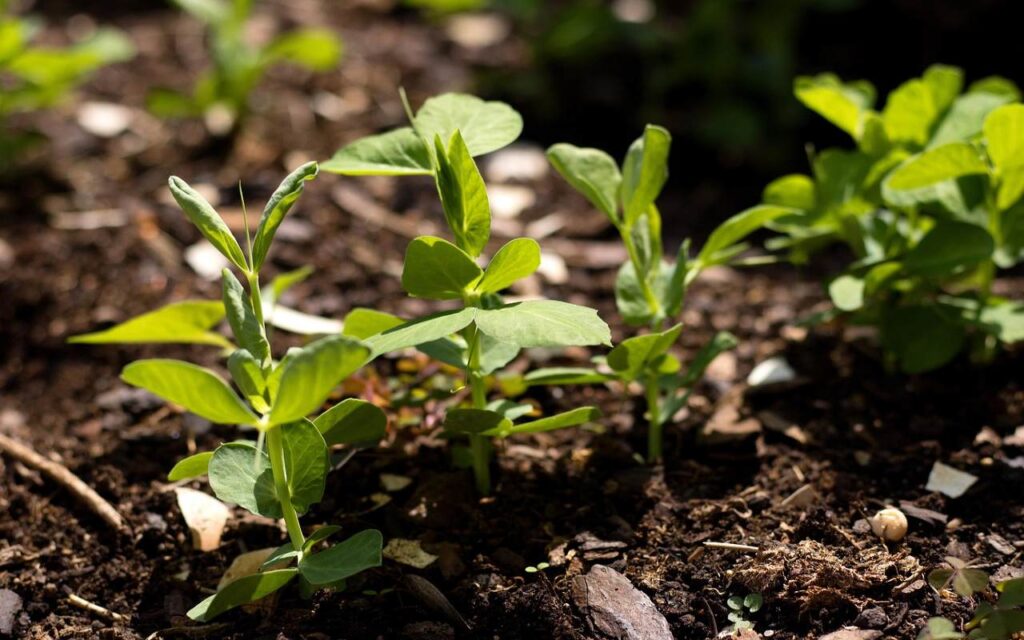
Peas are one of the first vegetables to appear in the spring garden, making them an easy target for hungry flocks. If you want to know how to protect pea plants from birds, a few simple covers and strategic garden adjustments can easily keep your vulnerable seedlings safe until they grow strong enough to climb.
Deploying rigid physical boundaries ensures you block local pests from pulling up tender green stems or digging up underlying seed coats. This guide breaks down the simple low-profile barriers and staking setups you need to deploy this afternoon to guarantee a massive backyard harvest.
Quick Answer: What is the most effective way to protect pea plants from birds?
The single best strategy is the 2-inch wire tunnel method, which involves placing a rigid dome made of 1/4-inch metal hardware cloth over your rows and pressing the edges two inches deep into the soil.
To build a comprehensive defense, you can layer this wire dome with temporary lightweight agricultural fabric sheets over emerging seed beds or deploy a high-volume ground feeding station stocked with cracked corn 40 feet away to distract local flocks.
Why Standard Garden Netting Fails on Early Spring Seedlings
Draping flexible plastic garden netting loosely right on top of a freshly planted legume row creates an immediate defensive failure. Hungry sparrows, pigeons, and finches land directly on top of the loose mesh netting sheets.
The birds push their heads and beaks straight through the flexible plastic squares to grab the young, tender green tips.
Because the loose fabric offers no structural support, birds use their body weight to press the mesh down against the dirt, pulling the entire plant up by its roots to swallow the nutrient-rich seed coat attached to the base.
Pressing rigid hardware cloth low tunnels deep into the soil line protects early spring legume rows but cannot scale up to meet your late-summer harvest needs. Every distinct vegetable family requires its own mechanical boundary to handle shifting seasonal pest habits.
Matching Defensive Tools to Your Legume Growth Phase
Use this quick growth index to align your physical protective barriers with the exact development cycles of your backyard vine patch:
| Pea Plant Growth Stage | Dominant Avian Threats | Optimized Row Shield | Critical Setup Timeline |
|---|---|---|---|
| Sowing to Seedling (0–3 Weeks) | Rock Pigeons, Mourning Doves | Rigid 1/4-inch metal hardware cloth low tunnels | Sown directly at the exact moment seeds hit soil |
| Mid-Growth Vines (3–6 Weeks) | House Sparrows, Song Sparrows | Lightweight agricultural floating fleece blankets | Deploy when sprouts reach three inches in height |
| Mature Pod Assembly (6+ Weeks) | House Finches, American Goldfinches | Suspended full-bed trellis netting frameworks | Onset of first visible white blossom flower drops |
Three Proven Pea Plant Defense Methods
1. Constructing Low Wire Hardware Cloth Tunnels
How cleanly you anchor your physical wire covers to the dirt line completely dictates whether you harvest full climbing vines or empty, ruined garden beds.
- Building Rigid Mesh Tunnels: Bending a long strip of 1/4-inch or 1/2-inch galvanized metal hardware cloth into an inverted U-shape creates a self-supporting protective dome over your seed row. This wire framework stays suspended without collapsing, completely separating the green sprouts from pecking attempts.
- Burying the Mesh Borders: You must press the bottom raw wire edges of your mesh tunnels at least 2 inches deep into the soft topsoil layer. Ground-foraging birds like pigeons possess immense leverage and will easily flip unanchored mesh caps over with their beaks if the rails rest loosely on top of your mulch.
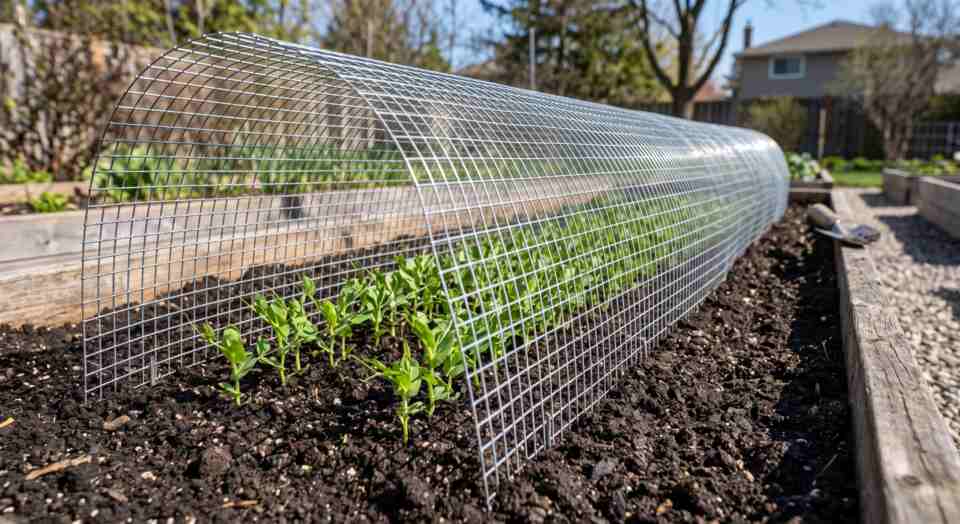
If you notice bird damage breaching your spring beds, look closely at where the stems are broken. If the sprouts are missing entirely along with the seed coat, your wire borders are not pressed deep enough into the soil. If only the top leaves are clipped, your mesh dome lacks enough vertical height clearance to keep the foliage out of beak range.
2. Laying Lightweight Agricultural Fabric Sheets
Using a temporary solid fabric cover across your early spring garden beds creates an absolute visual shield that hides emerging sprouts from passing scout flocks.
- Hiding the Emerging Row Signals: Laying a lightweight sheet of agricultural floating row cover directly over your seeded beds masks the entire planting footprint. Birds fly overhead scanning for the distinct visual cue of bright green sprouts breaking through dark soil, meaning a solid fabric sheet stops their feeding raids before they ever map out your bed layout.
- Securing the Blanket Perimeter: You must weight the entire perimeter of your floating fabric blanket down flush against the earth using smooth bricks, heavy timber boards, or buried dirt layers. Leaving any bunched gaps along the bottom allows small sparrows to hop beneath the fabric folds where they can harvest your seedlings completely hidden from view.
3. Assembling High-Volume Ground Feeding Stations
Providing easily accessible, high-protein alternative food zones on the far side of your property lowers seasonal foraging pressure on your primary spring vegetable rows.
- Satisfying the Early Foraging Drive: Large ground birds like pigeons raid early vegetable rows primarily to secure dense protein blocks during chilly spring nesting intervals. Setting up a high-volume ground feeding station stocked with cracked corn, white millet, or red milo draws local flocks completely away from your production beds.
- Positioning the Ground Station: Alternative ground feeding trays must be placed at least 40 feet away from your vegetable beds and kept completely clear of your main crop lines. Providing an effortless food source satisfies local flocks early in the morning, making them significantly less likely to scratch around your high-value production rows.
How Pea Protection Differs From Summer Fruit Varieties
Constructing low wire crawl arches provides elite early-season sprout defense, but fails completely when applied to tall, vining summer nightshade varieties.
Tall summer crops require high, suspended hoop enclosures that leave room for heavy fruit clusters to hang naturally clear of the outer netting fabric.
To properly protect your high-value summer vine crops from heat-driven pecking losses, you will soon use our upcoming specialized field manual on How to Stop Birds From Pecking Holes in Tomatoes to learn how to build high PVC conduit hoop structures cleanly.
Three Major Mistakes Beginners Make With Early Peas
Failing to calibrate your layout for spring weather and avian habits will ruin your row yield. Watch out for these three original legume-crop blindspots to keep your peas safe:
Leaving Extra Netting Fabric Bunched Loosely: Leaving extra plastic netting loosely bunched up on top of your garden soil creates a folded opening that ground birds can easily push through. Once a pigeon slips beneath a loose fold, it can walk your entire seed row completely hidden from view.
The FIX: Throw away loose, unanchored mesh netting. Always pin your perimeters down tightly using heavy-duty metal landscape staples spaced every 12 inches, or build a solid wooden perimeter frame that weights the fabric down flush against the soil line.
Deploying Open Mesh net Shields Too Late: Waiting until your green pea sprouts are fully visible above the mulch before deploying your barriers gives local birds plenty of time to discover your patch. Flocks will establish daily feeding paths while the ground looks empty, attacking your plants the exact second the first green tips break the surface.
The FIX: Install your low wire hardware cloth tunnels or floating fabric covers the exact same afternoon you finish direct-sowing your seeds. Your physical barriers must be fully active before a single sprout ever breaks through the soil line.
Using Tight Netting Fabric on Climbing Tendrils: Wrapping lightweight plastic netting directly around climbing pea tendrils strings the foliage tightly into the mesh squares. As the vines attempt to climb your vertical trellis, the trapped leaves twist and snap during spring windstorms, stunting plant development.
The FIX: Ensure your protective netting functions as a self-supporting wall that stays separated from your climbing lines. Always maintain a minimum 4-inch clearance envelope between your mesh screen and your outermost climbing pea tendrils.
The Science and Research Behind Protecting Spring Sprouts
Successful spring crop defense relies on matching your protective steps to the distinct feeding habits, pressure thresholds, and agricultural limits of foraging pests:
- Seedling Foraging Behavior Metrics: Field observations published by the University of Maryland Extension Service confirm that ground-foraging starlings, crows, pigeons, and sparrows will actively dig out and consume seeds both before and after they have germinated. Because these residential flocks target the nutrient-dense seed coats attached to emerging stems, they systematically yank early green shoots completely out of the soil line unless a structural barrier isolates the row perimeters.
- Fabric Barrier Germination Benefits: Small-scale row crop protection updates managed through the Penn State Extension Master Gardener Catalog demonstrate that deploying a medium-weight white spun fabric cover completely prevents birds from eating direct-sown seeds or young pea seedlings. Securing the blanket perimeters flat against the soil line early in the spring protects tender legume crops from avian grazing while simultaneously mitigating wind whip and late spring frost exposure across your beds.
- Mechanical Hardware Barrier Limits: Small-scale wildlife management guidelines compiled by the University of California Agriculture and Natural Resources Directory reveal that home growers can successfully build drop-on protective tunnels using rigid hardware cloth and basic carpentry skills. Placing rigid, inverted wire baskets or structured mesh domes directly over fresh seed beds creates an instant physical line that prevents digging raccoons and ground-hopping birds from disturbing soil furrows.
Frequently Asked Questions About Keeping Birds Off Peas
Will Fake Plastic Owls Keep Pigeons Away From My Pea Rows?
No. Large ground birds possess advanced environmental spatial mapping speeds and will completely ignore a static decoy within 48 hours once they realize the object never moves or poses an active physical threat.
What Wire Mesh Size Stops Small Seedling Foragers?
You must use a strict 1/4-inch or 1/2-inch galvanized metal hardware cloth mesh size. This tiny spacing prevents small sparrows and finches from squeezing their heads through the gaps, blocking pests cleanly without causing dangerous neck trapping.
Can I Use Individual Mesh Bags on Vine Pods?
No, wrapping individual pea pods in mesh bags is highly impractical due to the massive volume of small pods produced along a climbing trellis. You must utilize full-bed low tunnels early in spring and transition to vertical trellis netting screens as the vines expand.
Summary Checklist for a Bird-Free Pea Harvest
Setting up your pea plant protection in layers creates a reliable shield that handles changing bird habits easily. Your rigid wire tunnels, floating cover sheets, and alternative ground feeding stations stay useful through chilly spring rains, sudden morning frost, and active migrations.
To see how this early row protection integrates into a comprehensive, property-wide seasonal exclusion plan, review our master directory on how to keep birds out of the garden.
Stay consistent with your setup order each season. Monitor your seed beds daily, deploy your low wire hardware cloth tunnels the exact day you finish planting, and maintain your alternative feeding stations across the lawn. Anchoring your wire frames two inches deep into the soil line provides absolute security for tender green tendrils during their most vulnerable early spring growth phases.