
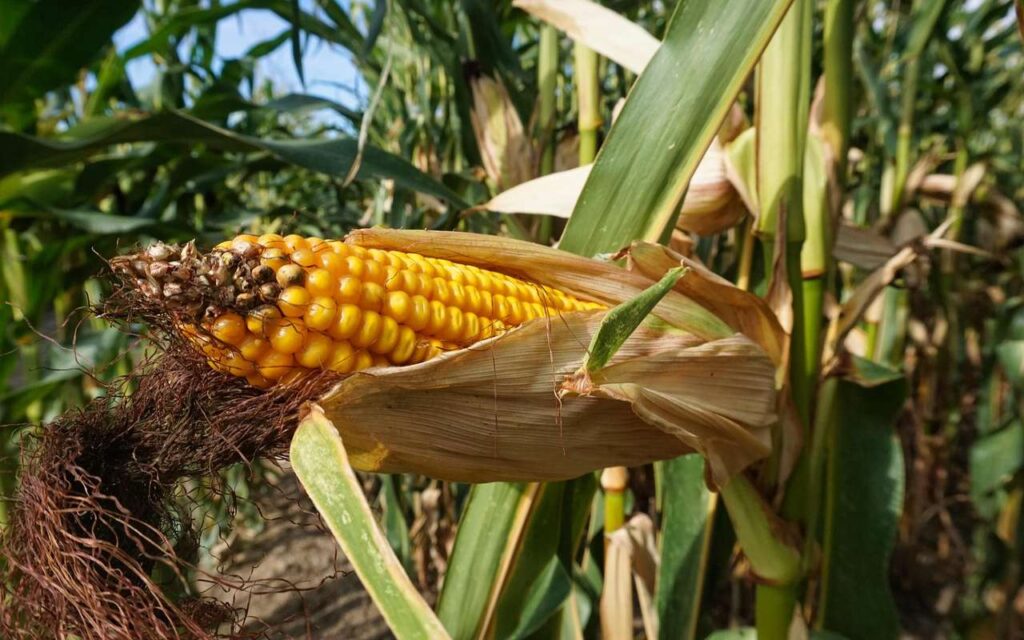
Finding shredded husks and bare cobs right before harvest is a heartbreaking sight for any gardener. If you are searching on how to keep birds out of sweet corn, you know how quickly a flock can destroy months of hard work. Birds are relentless when it comes to ripening ears, but you can outsmart them before they ruin your crop.
By shielding individual ears with paper barriers, securing the husk tips mechanically, or distracting the flock with alternative feeding zones, you can protect your harvest. Here are three highly focused methods that keep destructive birds away from your sweet corn.
Quick Answer: What is the most effective way to keep birds out of sweet corn?
The single best method is slipping a heavyweight brown paper lunch bag completely over each individual ear and tying the base tightly to the main stalk using a twist tie the exact moment silk tassels turn dark brown and dry.
To protect a larger plot, layer this visual barrier by wrapping tight elastic ties around the green husk tips to prevent birds from unrolling leaves, and set up an alternative feeding zone with raw peanuts 40 feet away to draw heavy flocks completely out of your garden.
Why Standard Bird Control Netting Fails on Tall Corn Rows
Draping standard flexible plastic bird netting loosely over row-planted sweet corn creates a severe structural failure. Corn stalks possess sharp, rigid leaf blades that easily poke through lightweight mesh squares as the plants expand vertically.
This tearing action tangles the netting tightly into the upper canopy, making it impossible to remove the fabric for weeding or harvesting without breaking the primary stalks.
Furthermore, heavy-bodied birds will land right on top of the netting webs, using their physical weight to sag the mesh down so they can rip open underlying husks with their powerful beaks.
Wrapping individual ears in heavy paper sacks locks down your sweet cobs securely but does nothing to safeguard the ground-level rows across your yard. True crop security means organizing your high-altitude canopy defenses alongside low-profile bed perimeters.
Matching Defensive Tools to Your Corn Plot Size
Use this quick management index to align your physical protective barriers with the exact layout scale of the sweet corn growing across your garden:
| Corn Plot Planting Scale | Dominant Avian Threats | Optimized Husk Shield | Critical Setup Timeline |
|---|---|---|---|
| Small Patch (10–30 Stalks) | American Crows, Common Grackles | Individual heavyweight brown paper bagging | The exact day green silk tips turn dark brown and dry |
| Medium Rows (30–100 Stalks) | European Starlings, Red-winged Blackbirds | Heavy-duty elastic bands or weather ties at ear tips | Onset of early kernel plumping before silk dries |
| Large Block (100+ Stalks) | Blue Jays, House Sparrows | Perimeter motion-activated mechanical water blast lines | Onset of first visible tassel emergence at stalk tops |
Three Sweet Corn Defense Methods That Actually Work
1. Slipping Heavyweight Brown Paper Bags Over Ears
How securely you anchor your physical coverings to the main plant body completely dictates whether you harvest full cobs or shredded, empty husks.
Deploying Individual Bag Shrouds: Dropping a standard #12 heavyweight brown paper grocery or lunch bag upside down over a developing ear of corn isolates the fruit from view. The thick paper layer completely blocks the green visual signal of the husk, preventing scout birds from identifying which ears are ripening. Paper bagging also preserves internal air exchange, allowing the corn kernels to mature naturally without trapping moisture that causes rot.
Securing the Lower Stalk Knots: You must secure the bottom open rim of the paper bag tightly to the main stalk right below the base of the ear using a weather-resistant rubber band or heavy twist tie. Destructive birds possess immensely strong grip mechanics and will easily pull unanchored paper bags straight off the cobs using their beaks if the lower hems are left dangling loosely.
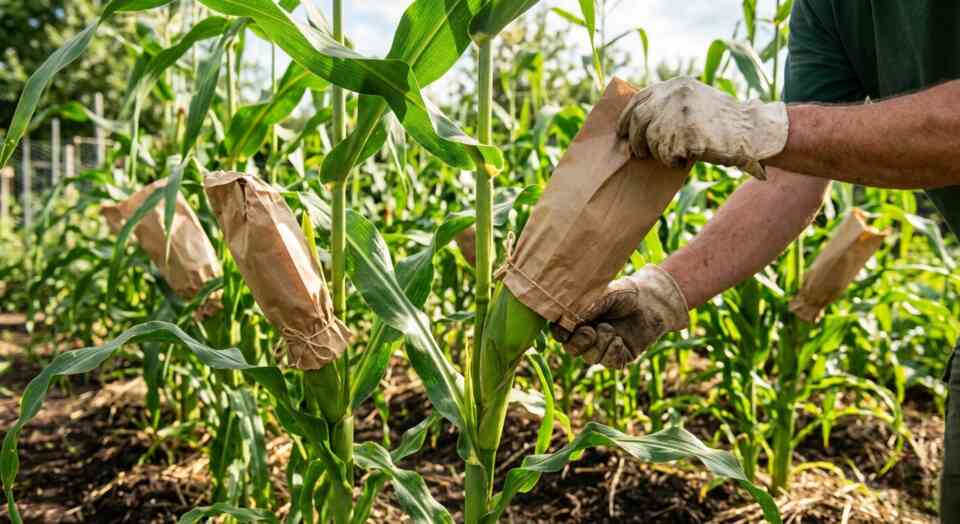
If you notice bird damage breaching your corn patch, look closely at how the ears are broken. If the paper bags are pulled down onto the dirt, your lower stalk ties are too loose. If the husks are stripped open from the top down, your bags lack a secure top-fold seal to keep the beak tips out.
2. Wrapping Heavy-Duty Elastic Ties Around Husk Tips
Using tight mechanical bindings along the tip of the ear creates a highly effective physical barrier that prevents birds from starting their husk-shredding habits.
Locking the Husk Tips Closed: Flocking birds rarely chew through the side of a thick green corn husk to access the hidden kernels. Instead, they use their sharp beaks to grab the loose silk tassels at the top of the ear, systematically peeling the green layers down like a banana skin until the kernels are exposed.
Wrapping a heavy-duty, weather-resistant elastic band or wire tie tightly around the top 2 inches of the husk locks the leaves together, completely stopping birds from unrolling the protective covering.
Timing the Tip Wrap: Elastic wraps must be applied the exact moment the green silk strands begin to change color from a bright translucent green to a deep crimson brown. Applying the ties too early in the growth cycle will crimp the internal silk tracks, blocking proper kernel pollination and leaving you with empty, patchy cobs at harvest time.
3. Assembling High-Volume Alternative Feeding Zones
Providing easily accessible, high-protein alternative food stations on the far side of your property lowers seasonal foraging pressure on your primary high-value grain rows.
Satisfying the Flock Hunger Drive: Large pest bird species target sweet corn patches primarily to satisfy their immense daily caloric requirements during late summer flocking cycles. Setting up a high-volume feeding station stocked with whole-kernel feed corn or unshelled raw peanuts draws local flocks completely away from your garden plot. The birds will naturally choose a zero-effort ground feeding zone over a risky, protected garden grid every single morning.
Positioning the Foraging Station: Alternative feeding zones must be placed at least 40 feet away from your vegetable rows and kept completely out of sight of your corn patch. Pair this food footprint with a wide, open ground hydration tray to keep the birds content on the far perimeter of your lawn throughout the hot late-summer weeks.
How Grain Crop Protection Differs from Other Layouts
How Sweet Corn Protection Differs From Ground Crops
Securing tall, vertical sweet corn stalks requires a completely separate set of physical structural boundaries than managing low-profile ground fruits.
If your vegetable garden includes low-growing runner patches alongside your corn rows, using individual ear bagging will fail on those beds because low-stature crops require rigid, flat drop-on box screens to block walking pests.
How Sweet Corn Protection Differs From Delicate Greens
Wrapping individual cobs with heavy ties or paper sheets works exceptionally well for corn, but will fail if applied directly to sprawling, tender salad beds.
Loose leafy greens require lightweight floating fabrics that cover the entire bed evenly without crushing delicate stems or blocking sunlight across the floor layer.
Three Major Mistakes Beginners Make With Sweet Corn
Failing to calibrate your layout for bird intelligence will ruin your summer yield. Watch out for these three original grain-crop blindspots to keep your sweet corn safe:
Relying on Stationary Plastic Scarecrows: Placing a single plastic owl or static scarecrow next to your corn rows triggers a flight-scare reaction for only 24 hours. Flocking birds are highly social, intelligent animals that will watch the object from nearby trees; once they realize the decoy never moves, they will land directly on top of it before dropping into your rows to feed.
The FIX: Throw away static plastic decoys. If you utilize visual scare elements, you must physically relocate the support stakes to different corners of your corn plot every 48 hours to prevent the local flock from mapping the object as a harmless anomaly.
Leaving Fallen Stalks and Cobs on the Ground: Allowing broken stalks or half-eaten ears of corn to sit exposed on your garden pathways creates an immediate visual invitation. Scout birds flying overhead will spot the yellow kernels on the ground, drop down to investigate, and quickly locate the rest of your ripening crop.
The FIX: Clean your garden pathways daily. Immediately remove any damaged ears, trimmed leaves, or fallen cobs from the garden plot and bury them deep inside a closed compost bin to eliminate open olfactory and visual attractants.
Applying Paper Bags Before Pollination Completes: Slipping paper covers over your corn cobs the exact moment the green silks first emerge blocks the natural fertilization loop. Corn relies entirely on wind currents to drop pollen from the upper tassels down onto the sticky lower silks, meaning premature bagging results in completely blank cobs.
The FIX: Wait until the pollination window closes completely before applying any covers. Your individual paper bags and tip ties must be deployed the exact day the exterior silk strands turn completely dark brown, dry, and brittle to the touch.
The Science and Research Behind Protecting Grain Crops
Successful sweet corn defense relies on matching your protective steps to the distinct feeding habits, pressure thresholds, and agricultural limits of foraging pests:
Avian Habituation Curve Metrics: Field trials compiled by the UMass Amherst Extension Vegetable Program prove that flocking birds possess advanced cognitive spatial tracking speeds when targeting grain rows. Because destructive crop birds quickly adapt to unchanging auditory or visual deterrents, any static scare device left in a single spot completely loses its flight-fright effectiveness within 48 to 72 hours unless the units are physically relocated around your planting grid.
Husk Architecture Vulnerabilities: Crop breeding evaluations published through the University of New Hampshire Extension Service demonstrate that bird pecking damage is heavily dictated by the physical genetic traits of your specific sweet corn variety. Varieties that naturally produce tight, extended green husk layers that completely cover the ear tips suffer significantly less damage than varieties with poor tip coverage that leave bare yellow kernels exposed to passing scout flocks.
Multi-Sensory Exclusion Dynamics: Field trials managed through the Cornell Cooperative Extension Database prove that birds easily find visual blind zones in tall corn. Shifting stalk heights and uneven ground create unshielded gaps across your crop rows that flocking species quickly exploit to feed. Pairing your paper ear bag barriers directly with an acoustic distress call system drops overall crop losses significantly.
Frequently Asked Questions About Keeping Birds Off Corn
- Will Hanging Shiny CD Discs Keep Birds Out of Corn Rows? No. While flashing light reflections can temporarily startle smaller birds, flocking species possess advanced cognitive spatial mapping speeds and will completely ignore stationary hanging discs within 48 hours once they track the objects as harmless.
- Can I Use Individual Plastic Wrap Instead of Paper Bags? No, you must avoid plastic wraps entirely. Wrapping a developing ear of corn in non-porous plastic traps morning condensation and transpiration moisture inside the leaves, creating a damp microclimate that rots the kernels and ruins the crop.
- Does Mineral Oil Applied to Silks Stop Birds? No. While applying a few drops of food-grade mineral oil to the silks is a proven organic method to stop corn earworm larvae from entering the cob, it offers absolutely no physical or visual deterrence against hungry bird flocks.
Summary Checklist for a Bird-Free Sweet Corn Harvest
Setting up your sweet corn protection in layers creates a reliable shield that handles changing bird habits easily. Your individual paper shrouds, tight tip ties, and perimeter water lines stay useful through intense summer sun, sudden morning dew, and active migrations.
To see how this stalk protection strategy integrates into a comprehensive, property-wide seasonal exclusion plan, review our master directory on how to keep birds out of the garden.
Stay consistent with your setup order each season. Monitor your silk color shifts daily, apply your individual heavyweight paper bags the moment the tassels dry, and secure your lower stalk anchors tightly. Securing those stalk boundaries the exact moment your silk tassels dry prevents local corvids from peeling back husks and ruining your sweet kernels.