
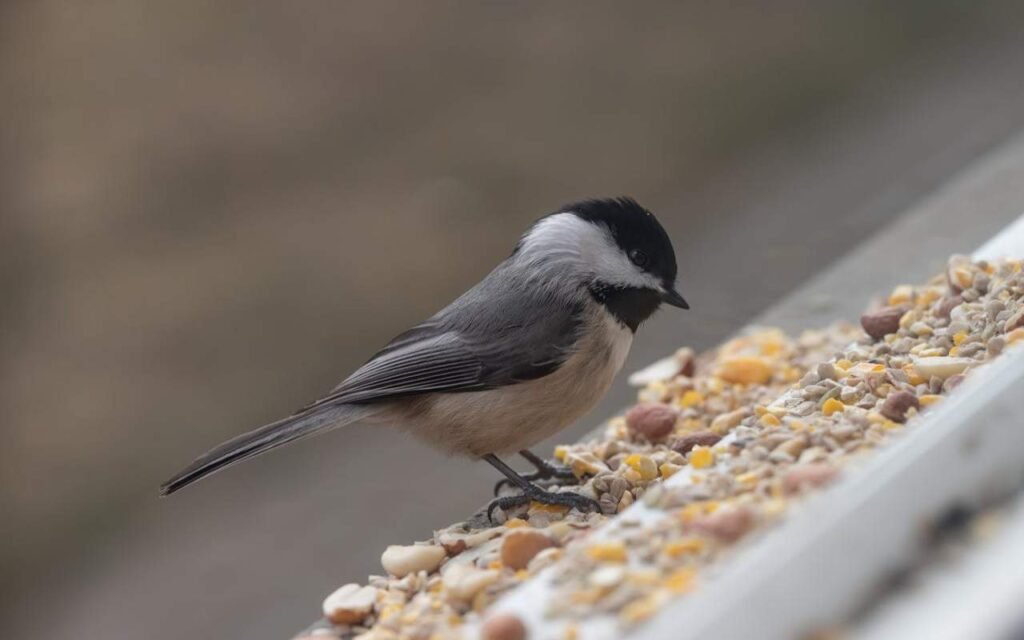
If you’ve ever had a chickadee zip past your feeder and snatch a seed before you could even blink, you already know how quick and fearless they are. And that brings up the big question: what do chickadees eat when they’re not raiding your feeder? Spoiler: a lot more than most people realize. These tiny birds don’t just grab whatever’s sitting out, they have a surprisingly varied diet that changes with the season.
I’ve watched them in my yard for years, and they never disappoint. They’re tiny but bold, they have that unmistakable “chick-a-dee-dee-dee” call, and they’ll even eat from your hand if you give them a reason. Their food choices go way beyond sunflower seeds, and understanding what they actually prefer makes a huge difference in attracting more of them 🙂.
- Chickadees are omnivores: insects, spiders, seeds, nuts, berries, and suet.
- Offer black oil sunflower seeds for the most consistent visits.
- Peanuts (unsalted) and suet provide high-energy food in fall and winter.
- Berries support fall/winter diets and give quick energy.
- Provide fresh water year-round; heated baths in winter are a bonus.
- Feeders should be clean and free of mold to prevent disease.
- Offer a variety of foods seasonally to match chickadee nutritional needs.
- Plant native trees, shrubs, and berry-producing plants for natural support.
- Hand-feeding is possible if you’re patient and consistent.
- Observing and tracking their visits makes backyard birding more fun and rewarding.
Chickadees Eat a Lot More Than You Think
Show Transcript
0:00
If you’ve ever spent any time looking out your window, you’ve seen them — those tiny, feisty little acrobats bursting with personality. I’m talking about chickadees, of course. But have you ever really wondered what fuels all that non-stop energy?
0:15
Let’s dive in and see what’s actually on their menu. These little guys zip past your feeder so fast you can barely see them. They snatch a single seed and they’re gone. It’s easy to assume they just eat sunflower seeds. But the truth is far more fascinating.
0:35
What they eat — and just as importantly, when they eat it — is the secret to surviving all year long. Chickadees are omnivores. They eat a little bit of everything, from insects to berries to seeds. But it’s not random. Their menu changes dramatically with the seasons. That adaptability is their superpower, helping them thrive through scorching summers and freezing winters.
1:06
In spring and summer, it’s all about protein. Lots of high-energy protein. This is when they switch into full-on hunter mode. All that zipping around, all that flitting from branch to branch, takes a ton of fuel — and insects are perfect for that.
1:30
Here’s a bonus for us: while fueling up, chickadees provide free pest control. They eat caterpillars, spiders, beetles, aphids, moth larvae — basically turning your backyard into an all-you-can-eat insect buffet.
1:57
Come fall, as the insect buffet closes, their menu pivots. Hunting turns into harvesting. It’s time to stock up for the long, cold winter. This is where your bird feeders become essential. Black oil sunflower seeds are their top choice, packed with fat. They’ll also go for peanuts, walnuts, and berries from plants like dogwood and holly.
2:34
Here’s the really amazing part: chickadees don’t eat it all immediately. They store it — a behavior called caching. With an incredible memory, they can stash thousands of seeds in perfect hiding spots and remember where each one is. This is a superpower for survival.
3:18
Winter is the ultimate test. Chickadees need massive calories just to generate enough body heat. Their diet shifts to the highest-fat, highest-energy foods. Suet is critical — think of it as an emergency energy bar for birds. And all those cached seeds become their personal pantry, giving slow-burn energy to make it through to spring.
4:01
So how do you make your backyard a year-round chickadee cafe? Understand what they need each season. Black oil sunflower seeds and peanuts are always winners. Suet in winter is non-negotiable. Keeping feeders clean is essential. And don’t forget water — fresh and unfrozen, especially in winter. A heated bird bath can be a true lifeline.
4:54
Here’s the seasonal guide:
- Spring and summer: work with nature. Skip pesticides and let the insects thrive.
- Fall: load feeders with seeds and nuts.
- Winter: provide suet and other high-fat seeds.
5:14
The reward? A front-row seat to one of the best little shows in nature. Chickadees are curious, smart, and endlessly entertaining acrobats. By giving them the right food at the right time, you’re opening the best little chickadee cafe in town.
5:39
So, what do you say? Ready to watch the fun begin?
The short answer: chickadees are omnivores. They eat both plants and animals, depending on the season and what’s available.
In summer, they go heavy on insects and spiders. In winter, they switch to seeds, nuts, and berries (plus whatever they managed to stash away earlier). It’s kind of like how we switch from salads in July to comfort food in January—different weather, different cravings.
So what’s on the chickadee menu? Let’s take it piece by piece.
Insects: The Chickadee’s Protein Shake
Ever wonder why chickadees look so energetic? It’s because they eat a ridiculous amount of insects. During the warmer months, bugs make up the majority of their diet.
Here’s what chickadees love to snack on:
- Caterpillars (they’ll feed these to their chicks too—a single clutch of Carolina Chickadee chicks can consume over 9,000 caterpillars in the 16 days between hatching and fledging!)
- Spiders (yes, spiders count as part of their “meat” diet)
- Beetles
- Aphids
- Moths and their larvae
- Small flies
These high-protein snacks are basically chickadee fuel. If you’ve ever watched one hop around your trees like it’s on a bug-hunting mission, that’s exactly what’s happening.
And FYI, if you hate mosquitoes, you should be team chickadee. They help keep pest populations down. Pretty good deal, right?
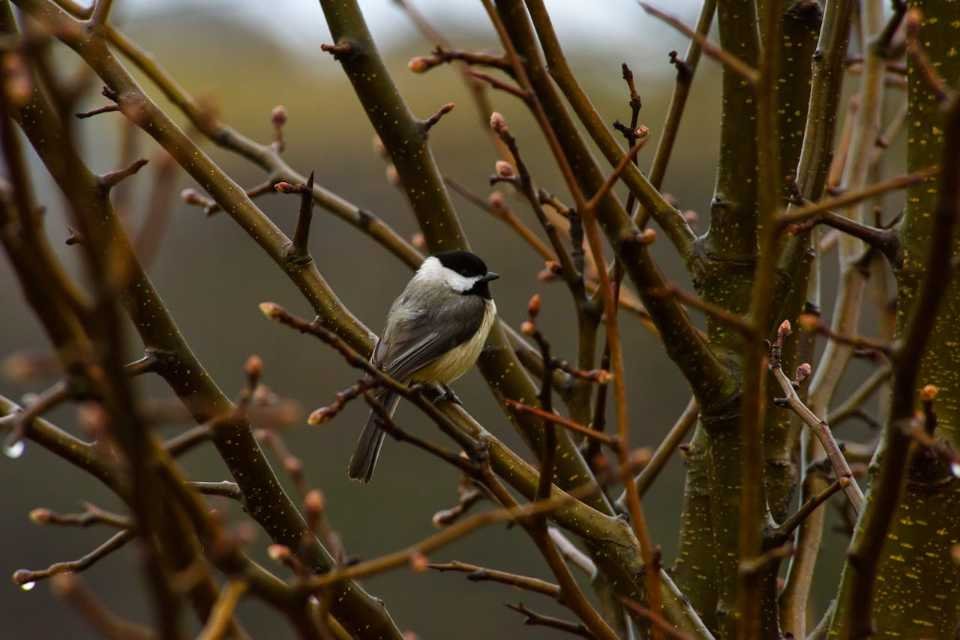
Seeds: The Classic Chickadee Feeder Food
When people think chickadees, they usually think black oil sunflower seeds. And for good reason. Chickadees love them. They’ll grab a seed, fly off to a branch, and crack it open with their beak like a tiny jackhammer.
Other seeds they’ll happily eat:
- Striped sunflower seeds (harder shell, but they manage)
- Safflower seeds (a little less popular, but they’ll still eat them)
- Pumpkin seeds (yes, they’ll work on these if you put them out)
- Millet (though this is more of a sparrow favorite, chickadees will snack if it’s there)
If you want to keep chickadees around, sunflower seeds are your best bet. They’re like the “pizza and fries” of the chickadee world.
Nuts: Tiny Bird, Big Appetite
Here’s something people don’t always realize: chickadees go nuts for, well, nuts.
They’re especially fond of:
- Peanuts (unsalted, shelled or in the shell if you want to watch them work for it)
- Almonds
- Walnuts
They don’t just eat them right away, either. Chickadees have this fun habit of stashing food for later. They’ll grab a nut, tuck it into a tree crevice, and remember where it is weeks later. Honestly, their memory puts mine to shame.
Pro tip: If you put out peanut feeders, expect a steady stream of chickadees. They’ll keep coming back until you run out.
Berries: Nature’s Chickadee Dessert
In fall and winter, berries become a big part of the chickadee diet. They’ll eat whatever’s available in your area, including:
- Elderberries
- Bayberries
- Dogwood berries
- Holly berries
- Poison ivy berries (yes, they can eat them safely, and no, you shouldn’t try this at home)
Berries give them sugar for quick energy, which is important when you’re a tiny bird trying not to freeze in subzero weather.
If you’ve ever seen chickadees flitting around berry bushes in winter, now you know why.
Suet: The Winter Lifesaver
Here’s where we get into the good stuff for bird feeders. Suet is basically a lifesaver for chickadees in cold weather. It’s high in fat, which they desperately need when the temperature drops.
You can buy suet cakes or make your own with:
- Rendered beef fat
- Peanut butter
- Seeds
- Dried fruit
I always hang a suet feeder in my yard in winter, and the chickadees are usually the first to show up. They’ll take little bites, zip away, and then come back a dozen times in an hour. It’s like watching someone raid the fridge at midnight.
Human Food Chickadees Will Try
Okay, I don’t recommend turning your backyard into a buffet, but chickadees can and will sample human food if you leave it out.
Things they might nibble on:
- Unsalted crackers
- Bread crumbs (not super healthy, so don’t overdo it)
- Oats
But honestly? Stick with seeds, nuts, and suet. Chickadees don’t need potato chips, no matter how much they act like they do.
Seasonal Eating Habits
Chickadees change their diet depending on the time of year. Here’s a quick breakdown:
Spring and Summer:
- Mostly insects, spiders, and caterpillars
- Occasional seeds and nuts
Fall:
- Berries, seeds, and nuts
- Stashing food for winter
Winter:
- Seeds, nuts, suet, and stored food
- Berries if they’re available
This seasonal shift is why chickadees survive harsh winters when other small birds don’t. They’re smart, adaptable, and basically the survivalists of the bird world. By planting native trees and shrubs that produce seeds and berries throughout the year, you can support chickadees naturally—see our full list of native plants for birds.
What to Put in Your Feeder to Attract Chickadees
So you’re wondering, “What should I actually put out to attract more chickadees?” Here’s your cheat sheet:
- Black oil sunflower seeds (the gold standard)
- Peanuts (shelled or unshelled, unsalted)
- Suet cakes (especially in winter)
- Mixed nuts (again, unsalted only)
- Berries (fresh or dried)
Skip the cheap filler seed mixes with lots of corn and milo. Chickadees usually ignore that stuff, and you’ll just end up feeding pigeons and squirrels.
Do Chickadees Drink Water Too?
Yep, just like any other bird, chickadees need water. They’ll drink from birdbaths year-round and even hop into shallow ones for a quick bath.
If you live somewhere with cold winters, consider a heated birdbath. Chickadees will use it, and you’ll get bonus bird-watching opportunities when everything else is frozen solid.
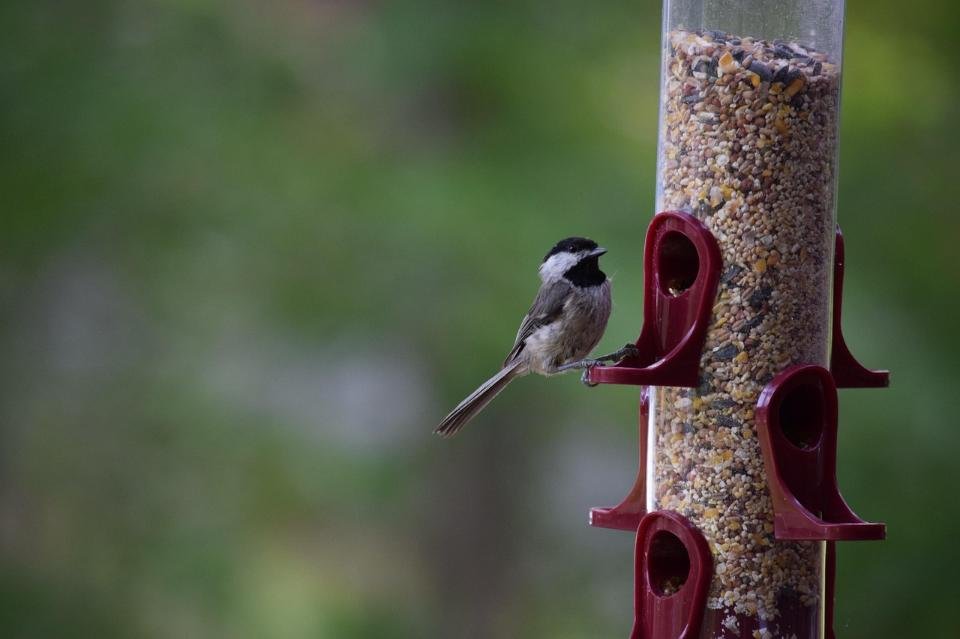
My Personal Take on Chickadees at Feeders
I’ll be honest, chickadees are the birds that got me hooked on backyard birding. They’re small but fearless, and they’ll dart in for food even when bigger birds are hogging the feeder.
One winter, I had a single chickadee that would sit on my suet feeder and chase away starlings. Watching this tiny puffball take on birds three times its size was pure entertainment. That’s chickadees in a nutshell—small but mighty.
Chickadee Feeding FAQ
Do chickadees eat mealworms?
Yes! Chickadees love both live and dried mealworms, especially during breeding season when they need extra protein.
Do chickadees eat wasps?
They’ll eat the larvae, not usually the adults. Larvae are soft and protein-rich, perfect for feeding chicks.
Do chickadees eat at night?
Nope, they’re strictly daytime feeders. They roost at night to stay safe and conserve energy.
Do chickadees eat from your hand?
Yes, if you’re patient. Offer sunflower seeds or peanuts, and they may gradually take food right from your hand.
Conclusion
So, what do chickadees eat? Pretty much everything they can get their little beaks on. Bugs in the summer, seeds and nuts in the fall, suet and berries in the winter. They’re adaptable, clever, and way tougher than they look.
If you want to attract chickadees to your yard, stick with sunflower seeds, peanuts, and suet. Add a birdbath for good measure, and you’ll have these little guys visiting daily.
And honestly? Once you start watching chickadees, you’ll probably get hooked like I did. They’re bold, funny, and endlessly entertaining. So fill your feeder, sit back, and enjoy the show. 🙂