
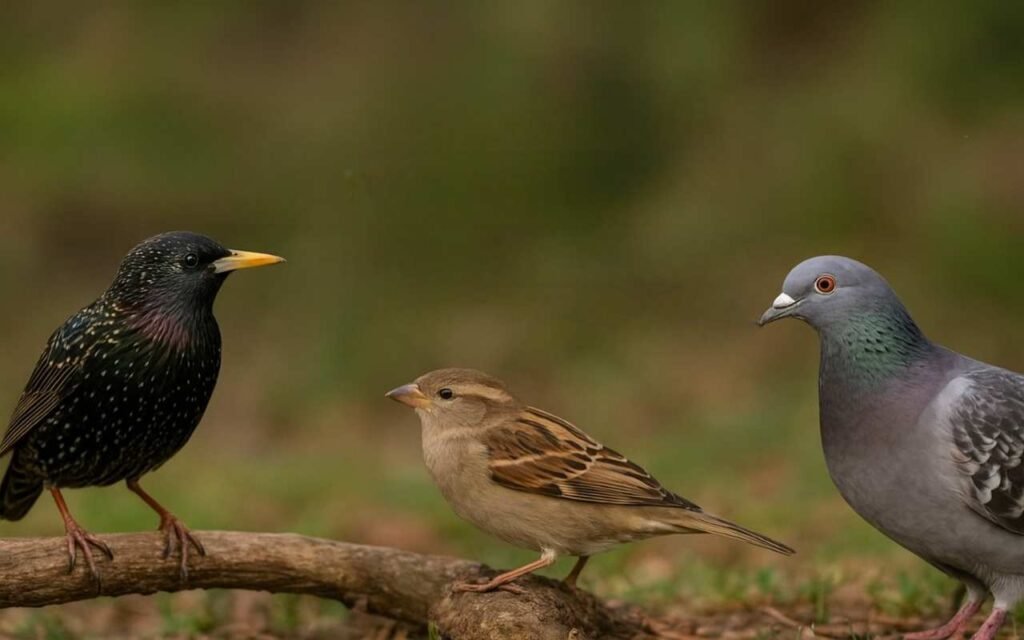
You know that moment when you’re peacefully sipping your morning coffee, watching your bird feeder, and suddenly a gang of aggressive feathered bullies swoops in and terrorizes your beloved cardinals and chickadees? 😩 Yeah, we’ve all been there. Welcome to the not-so-wonderful world of invasive backyard birds.
I’ll never forget the first time I watched a flock of European starlings completely dominate my carefully curated feeding station. It was like watching nature’s version of a hostile takeover, and honestly, I was pretty ticked off. That’s when I realized I needed to get serious about understanding these non-native birds and figuring out how to manage them without losing my mind.
- Common invasive birds: European starlings, house sparrows, rock pigeons.
- They outcompete native birds for food and nesting space.
- Starlings cause hundreds of millions in crop damage yearly.
- Warning signs include aggression, large flocks, feeder takeover.
- Use selective feeders, safflower seed, and caged designs.
- Modify habitat with native plants and proper nest boxes.
- Avoid scare tactics, poison, or removing all food.
Selective management protects native birds without harming wildlife.
Invasive Backyard Birds: Video Guide
This short video explains the most common invasive backyard birds, how to identify them, and practical strategies you can use to keep your feeders safe for native species.
Show Transcript:
0:00
Have you ever set up the perfect backyard bird feeder, grabbed your morning coffee, and then—bam!—your peaceful routine is interrupted? Today, we’re tackling a common challenge for bird lovers: how to manage aggressive invasive birds that can completely take over your yard.
0:18
It’s frustrating, right? You’ve created a little sanctuary for native birds, like finches, chickadees, and maybe a cardinal or two. Then suddenly, a rowdy flock of non-native species swoops in and dominates everything. This isn’t just a minor nuisance—it’s a full backyard takeover that disrupts the local ecosystem.
0:42
One day you have a diverse mix of native birds at your feeders, and the next, it’s all starlings, pigeons, or house sparrows. Seeing your feeders overrun by aggressive species can feel like losing control of your own yard.
1:17
So, who are these invaders? Across North America, the biggest culprits are usually three non-native birds: European Starlings, House Sparrows, and Rock Pigeons.
1:35
First up: the European Starling. Introduced in the U.S. around 1890, these birds are tough, smart, and pushy—earning the nickname “neighborhood bully.” They compete with native birds like bluebirds and woodpeckers for nesting spots, arrive at feeders in overwhelming flocks, solve puzzle feeders, and even mimic other bird calls.
2:14
The scale of the problem goes beyond your yard: starlings cause an estimated $800 million in crop damage annually in the U.S. alone.
2:35
Next, the House Sparrow. Don’t be fooled by their small size—they’re relentless. They’ll steal nest boxes from native species, destroy eggs, and even kill nestlings. Combine this with a rapid breeding cycle, and you can see how their populations explode.
3:16
Finally, the Rock Pigeon. Common in cities, these birds descend from European rock doves. While not as directly aggressive, their sheer numbers can overwhelm feeders, leaving nothing for smaller native birds. Pigeon droppings can also pose serious health risks in farms and urban areas.
3:58
Step one in regaining your yard? Identification. You can’t manage what you don’t recognize. Quick clues:
- European Starling: Glossy, oily sheen in summer, walks rather than hops.
- House Sparrow: Male has a gray cap and black bib, aggressive and fearless.
- Pigeons: Huge flocks swarming feeders is the red flag.
4:38
Now for solutions. Let’s dive into strategies to protect native birds and manage invasive species.
4:51
Smart feeding: Weight-activated feeders are game-changers. Heavier birds like starlings or pigeons trigger a shield that blocks access. Seed choice matters too: safflower seeds are usually ignored by bullies but loved by cardinals and finches.
5:18
Physical modifications:
- Caged feeders let small birds through but keep larger intruders out.
- Hardware cloth on the ground stops starlings and pigeons.
- Planting native species provides natural food sources and habitat for native birds, while being less attractive to invasives.
5:48
The key is strategy: selective feeders, yard modifications, and native plants. Avoid gimmicks like plastic owls—they often backfire. And never use poison—it’s illegal, dangerous, and harms other wildlife. The goal is management, not eradication.
6:19
Mindset matters: think of this as creating balance, not a battle. Invasive birds are just surviving—they’re not evil. Your role is to give native species a fair chance.
6:50
Consistency is crucial. If neighbors participate, you create a larger, safer habitat. And above all, be patient. Rebuilding a diverse backyard bird community takes time, but it’s incredibly rewarding.
7:15
Here’s a final thought: by being strategic, patient, and thoughtful, you can turn your backyard into a true sanctuary for native birds, supporting both their survival and your enjoyment.
Common Invasive Backyard Birds You Need to Know
Let’s talk about the usual suspects that are probably driving you crazy right now. These invasive bird species didn’t just magically appear in North America. According to InvasiveSpeciesInfo.gov, European starlings were introduced to the U.S. around 1890–91 and now number in the tens of millions, they were either introduced intentionally (thanks a lot, well-meaning but misguided folks from the 1800s) or arrived accidentally through human activity.
European Starlings: The Neighborhood Bullies
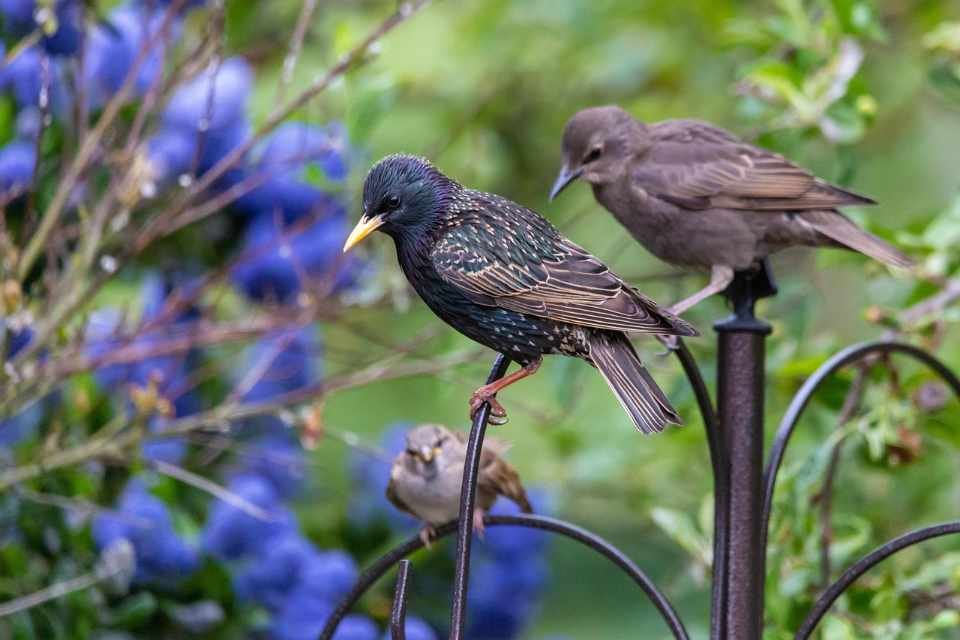
European starlings are basically the pushy relatives who show up uninvited and never leave. These glossy black birds with their yellow beaks are incredibly adaptable, which sounds great until you realize they’re adapting to YOUR backyard at the expense of native species.
I’ve watched these guys completely take over nest boxes meant for bluebirds, and it’s honestly heartbreaking. They’re cavity nesters, which means they compete directly with woodpeckers, nuthatches, and other native birds that need holes to raise their families. Plus, they travel in massive flocks that can number in the thousands. Ever seen a murmuration? Beautiful to watch, terrifying if it’s happening in your yard.
The most frustrating part about invasive starlings is how smart they are. They’ve figured out how to open suet feeders, hang upside down from tube feeders, and even mimic the calls of other birds. It’s like they’re mocking us :/.
House Sparrows: Small but Mighty Troublemakers
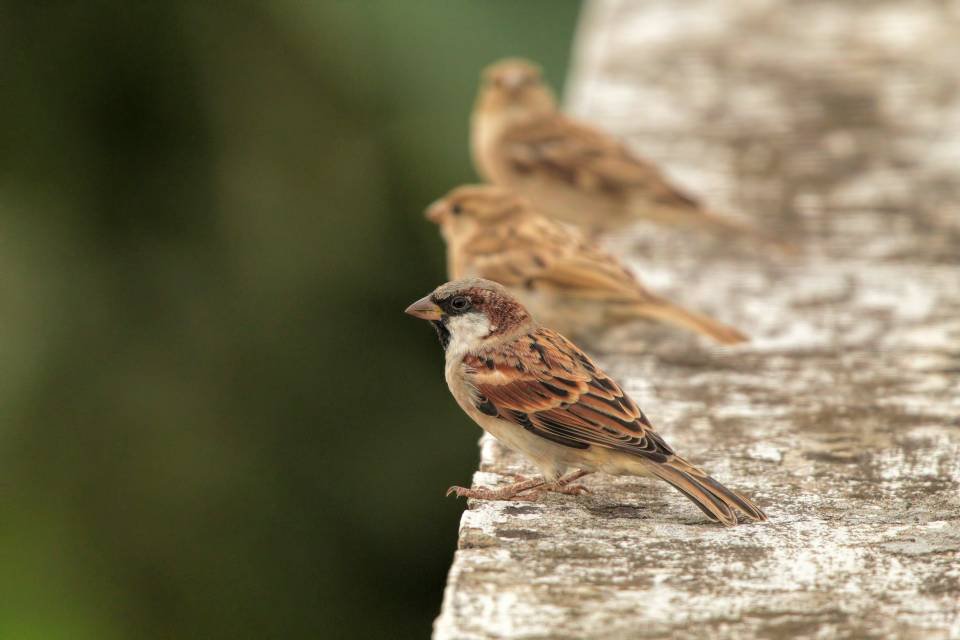
Don’t let their cute, chunky appearance fool you – house sparrows are aggressive backyard birds that pack a serious punch. These little brown and gray birds might look innocent, but they’re fierce competitors for nesting sites and food sources.
What really gets me about house sparrows is how they target native cavity-nesting birds. I’ve seen them literally throw out eggs and nestlings from bluebird boxes. It’s brutal, and it happens more often than you’d think. House sparrows are prolific breeders, capable of having multiple broods per year.
According to The House Sparrow in the Service of Basic and Applied Biology, house sparrows typically begin breeding during their first year of life. However, breeding success is comparatively lower in younger breeders. This early and frequent reproduction contributes to their rapid population growth.
Rock Pigeons: The Urban Survivors
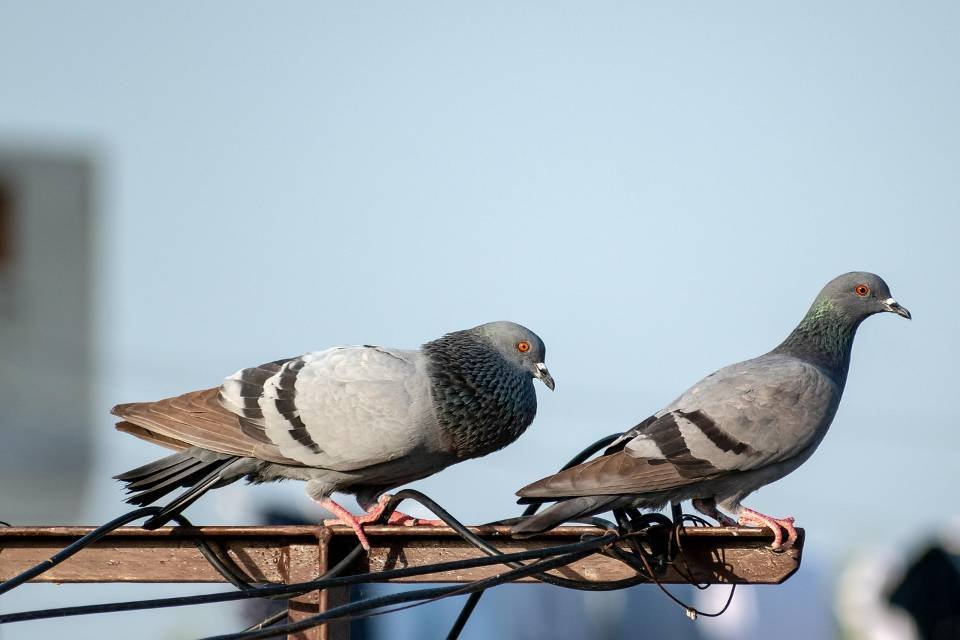
Okay, I know what you’re thinking – “But pigeons are everywhere, they must be native, right?” Wrong! Rock pigeons are actually descendants of European rock doves, and they’ve become one of the most successful urban adapters on the planet.
While they’re not typically as problematic in suburban backyards as starlings or house sparrows, they can become problem birds in certain situations. Large flocks can overwhelm feeding stations, and their droppings can create quite the mess on decks, patios, and outdoor furniture.
Extension Illinois reports that pigeons and starlings both contribute significantly to damage or contamination of livestock feed when congregating in large numbers.
Why Are Invasive Birds Bad?
Here’s the thing that really bugs me about invasive species – it’s not their fault they’re here, but their presence creates a domino effect that hurts our native bird populations. These birds that damage gardens don’t just compete for food; they actively disrupt the delicate balance that took thousands of years to establish.
Invasive bird species often have certain advantages over native birds. They’re typically more aggressive, less picky about food sources, and incredibly adaptable to urban environments. It’s like they got the evolutionary equivalent of a cheat code, and our poor native birds are playing by the old rules.
The agricultural damage is real too. According to European Starlings: A Review of an Invasive Species (Linz et al.), starlings inflict roughly $800 million annually in crop damage in the U.S. alone.
They can also spread diseases to livestock. According to European Starlings as Vectors of Diseases to Livestock (PMC), starlings have been documented transmitting bacterial and viral pathogens via nesting and feeding sites.
House sparrows might seem harmless, but they can decimate seedlings and young plants in gardens. Ever wondered why your carefully planted lettuce disappeared overnight? Might want to check for small brown culprits.
Identifying Invasive Species in Your Yard
Learning to identify these backyard pest birds is the first step in managing them effectively. I spent way too many years thinking all small brown birds were just “sparrows” before I learned the crucial differences.
Key Identification Features
European starlings are easier to spot than you might think. In breeding season, they’re glossy black with iridescent purple and green highlights and bright yellow beaks. In winter, they become speckled with white spots and their beaks turn dark. They walk rather than hop, which is a dead giveaway.
House sparrows are trickier because people often confuse them with native sparrows. Males have gray caps, black bibs, and chestnut patches behind their eyes. Females are plain brown with lighter bellies. The key difference? They’re chunkier and more aggressive than most native sparrows.
Rock pigeons are pretty unmistakable with their gray bodies, darker heads, and iridescent neck patches. They come in various color morphs, from pure white to dark chocolate brown, but they all have that distinctive pigeon silhouette.
Behavioral Red Flags
Watch for these behavioral clues that scream “invasive species.” Large flocks descending on feeders like they own the place? Probably starlings. Birds aggressively chasing away smaller native species? Could be house sparrows asserting dominance. Persistent begging behavior around outdoor dining areas? Definitely pigeons.
I’ve noticed that invasive birds tend to be less skittish around humans than native species. A study on urban house sparrow populations found increased boldness and risk-taking behavior in birds living in heavily human-modified environments (Personality Traits in Urban House Sparrow Populations). This adaptability can actually make them easier to identify and manage once you know what to look for.
Management Strategies That Actually Work
Now for the part you’ve been waiting for – how to deal with these feathered invaders without going completely insane. I’ve tried just about every method out there, and let me tell you, some work way better than others.
Selective Feeding Techniques
The key to managing invasive bird species is making your yard less appealing to them while still welcoming native birds. This requires some strategic thinking about feeder placement and food choices.
Tube feeders with weight-activated perches are absolute game-changers. These bird feeders close when heavier birds (like starlings and pigeons) land on them, but lighter native birds can still access the food. I installed one of these after watching starlings demolish my seed supply, and the difference was immediate.
Safflower seeds are another secret weapon. Most invasive species don’t particularly enjoy them, but cardinals, chickadees, and nuthatches love them. It’s like having a VIP section for your favorite birds.
Physical Deterrents
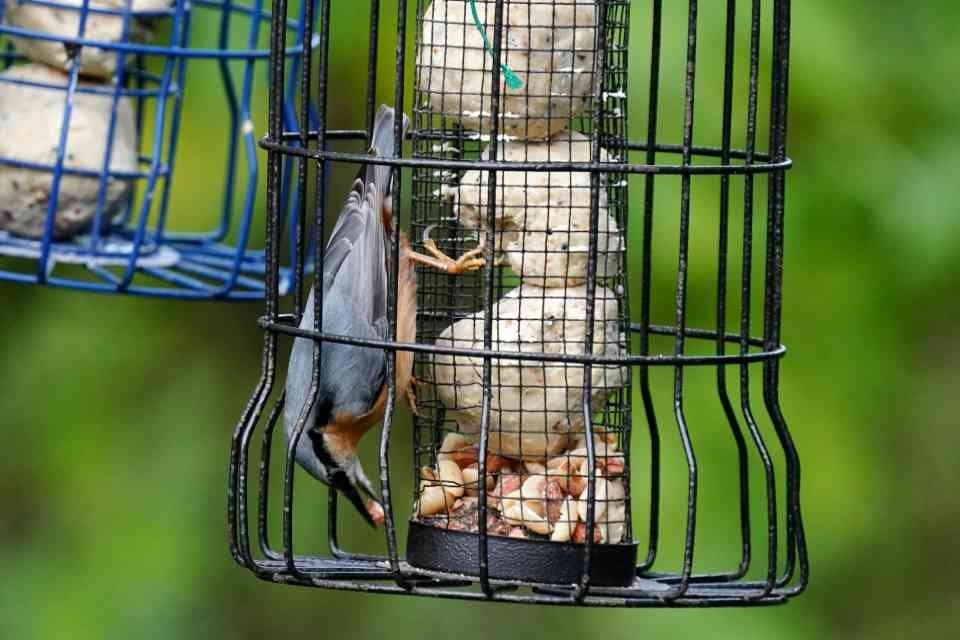
Sometimes you need to get creative with physical barriers. Caged feeders work beautifully for keeping larger invasive birds away while allowing smaller native species to feed freely. I use them around my suet feeders, and they’ve virtually eliminated my starling problem.
For ground feeding areas, try using hardware cloth or wire mesh covers that allow small native birds to access scattered seed while blocking larger invasive species. It looks a bit industrial, but function over form, right?
Habitat Modification
This is where long-term thinking pays off. Native plant landscaping naturally attracts native birds while being less appealing to invasive species. I’ve gradually replaced non-native ornamental plants with native alternatives, and the difference in bird diversity has been remarkable.
Proper nest box management is crucial if you want to support native cavity-nesting birds. Use boxes with entrance holes sized specifically for your target species, and monitor them regularly. When invasive species attempt to nest, you can legally remove their nests (but check local regulations first).
What NOT to Do (Learning from My Mistakes)
Let me save you some time and frustration by sharing what doesn’t work. Scare tactics like fake owls or reflective tape might work for a day or two, but smart birds like starlings figure them out quickly. I wasted money on more “bird deterrent” gadgets than I care to admit.
Completely removing food sources isn’t the answer, either. You’ll just end up punishing native birds along with the invasive ones. The goal is selective management, not bird warfare.
Poison or lethal traps are not only inhumane but often illegal and dangerous to non-target species, pets, and children. Plus, removing individual birds doesn’t address the root problem – more will just move in to fill the vacant territory.
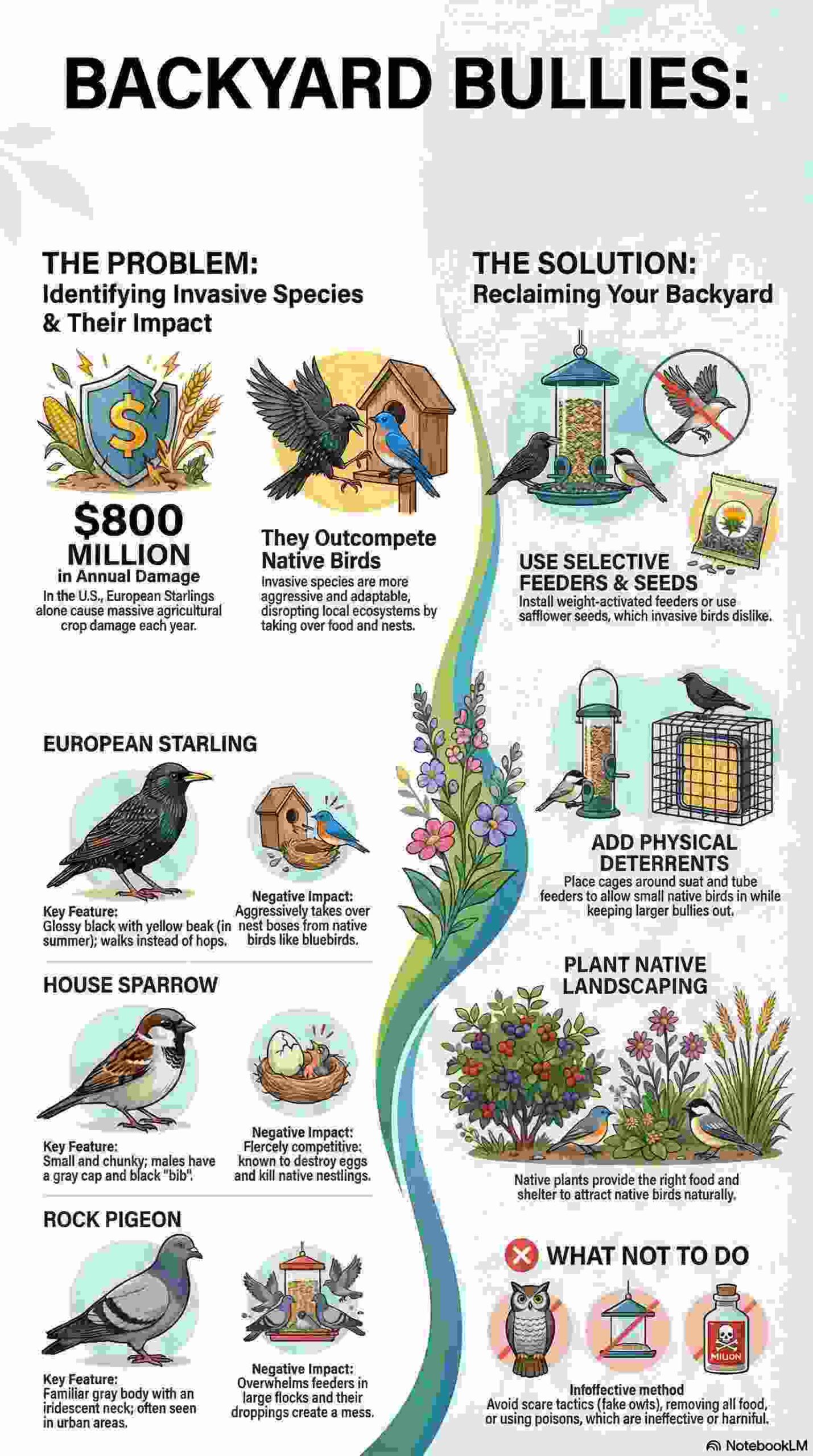
Invasive Birds at a Glance: Your Quick Reference
This infographic summarizes the key invasive species, their behaviors, and effective management tips so you can see at a glance how to protect your native birds and backyard habitat.
Long-Term Success Strategies
Managing invasive birds is like maintaining a garden – it requires ongoing attention and adjustment. I’ve learned that consistency matters more than perfection. You don’t need to eliminate every single invasive bird; you just need to tip the balance in favor of native species.
Community involvement makes a huge difference. When neighbors coordinate their management efforts, the results are much more effective. I’ve organized informal “birding strategy sessions” in my neighborhood, and it’s amazing what we’ve accomplished together.
Patience is probably the most important ingredient. It took years for invasive species to establish themselves in our areas, and it takes time to see meaningful changes. But trust me, when you start seeing more native birds and fewer invasive ones, it’s incredibly rewarding.
Remember, we’re not trying to wage war against these birds – they’re just trying to survive like everyone else. We’re simply working to restore some balance to our local ecosystems while still enjoying the incredible diversity of birds that visit our yards.
The next time you see that familiar flock of starlings descending on your feeders, you’ll be ready with strategies that actually work. And who knows? You might even appreciate their intelligence and adaptability, even if you don’t want them taking over your backyard paradise. IMO, understanding these birds makes the whole experience less frustrating and more fascinating 🙂