
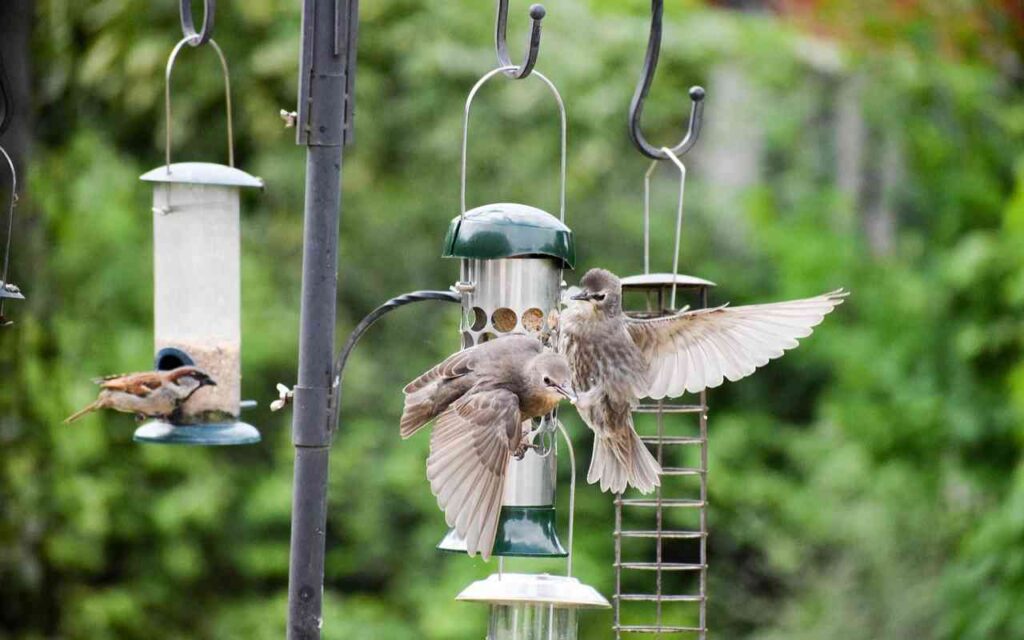
Every autumn, millions of backyard bird enthusiasts miss the most critical wildlife spectacle of the year because they believe bird feeding is strictly a winter hobby. By waiting until the first winter freeze to hang your seed columns, you turn your property into an ecological dead zone right when traveling populations need it most.
Exhausted migratory songbirds flying thousands of miles overnight require immediate, high-lipid refueling stations to survive their grueling journeys. Gaining insight into how to create a fall bird feeding station by late August transforms basic summer yards into high-energy migration oases that change everything for local conservation.
How to Create a Fall Bird Feeding Station?
The most effective strategy is deploying high-lipid black-oil sunflower seeds and raw beef suet layers across standalone pole configurations positioned exactly ten to fifteen feet away from natural brush cover.
To maximize migrant attraction, install a continuous solar-powered water fountain to emit low-frequency acoustic ripples that draw high-canopy traveling flocks down to safely refuel.
Autumn Bird Feeding Setup & Population Audits (Video)
Avoid migratory forage waste this season. Watch this quick autumn tutorial to master proper gear placement and learn an easy three-second population rule to audit local activity before putting out your main seeds.
📝 View Video Timeline & Key Takeaways
[00:00 – 01:25]: Navigating the autumn nutritional shift. During the fall migration corridor, avian metabolic priorities shift away from summer protein inputs (insects) and pivot heavily toward high-lipid dietary fats to sustain high-intensity flights and cold overnight energy expenditure.
[01:26 – 02:23]: High-fat forage profiles and suet integration. Comparing dense winter fuels including black oil sunflower seed, safflower, and raw peanuts, which pack over 12 times the energy density of standard seeds. Concentrated suet blocks serve as vital, easily digestible fuel bars for climbing and cling-feeding species.
[02:24 – 03:57]: Vertical micro-zoning, hardware variations, and hydro-attractants. Maximizing multi-species capacity by layering tube, platform, and ground foraging zones 10 to 12 feet from protective shrub covers. Introducing dynamic, moving open-water features like drippers or solar fountains creates a visual and acoustic magnet for passing warblers.
[03:58 – 04:49]: Chronological capacity scaling and pathogen mitigation. Scaling feeding volumes to track migration waves: starting in late August, tripling capacities by mid-September, maximizing input variety in October, and normalizing volumes by November. Rigorous sanitation protocols require monthly sanitization alongside regular hull debris removal to prevent structural spore growth.
[04:50 – End]: Botanical habitat integration and citizen science data logging. Building a comprehensive backyard ecosystem by planting native berry-producing shrubs like dogwood and viburnum. Logging seasonal arrivals across open data networks like Project FeederWatch or eBird converts simple backyard tracking into high-utility macro conservation data.
Why Birds Need High-Fat Foods During Fall
To construct an unbeatable autumn stopover station, you must first master the physiological reality of migratory hyperphagia. In late summer, a songbird’s internal clock triggers an intense hormonal surge that drives them to gorge on high-fat foods around the clock.
This extreme eating behavior allows them to rapidly accumulate thick layers of subcutaneous fat, which function as their primary energy fuel during overnight flights.
If an exhausted warbler or grosbeak lands in a yard filled with cheap filler grains like red milo or wheat, it will burn more metabolic calories cracking open shells than it absorbs from the low-grade grain inside.
To maximize your property’s efficiency and select seed varieties that match these high-lipid thresholds, check out the preferred dietary profiles tracked by Project FeederWatch Common Feeder Birds.
According to a landmark endurance flight study published in the peer-reviewed scientific journal eLife, birds with fuel stores rich in polyunsaturated fatty acids, particularly omega-6 lipids, expend eleven percent less energy during long flights.
However, this short-term energy savings comes at a severe long-term cost, as it causes significantly higher cellular oxidative damage over time.
Migrating birds must carefully balance this physiological trade-off by selecting specific ratios of unsaturated fats during their brief stopovers, a behavior that heavily influences their energy use and long-term health during long-distance flights.
| Fall Bird Feeding Seed Variety | Gross Lipid Fat Content | Core Target Migratory Flocks | Primary Feeder Placement |
|---|---|---|---|
| Black-Oil Sunflower Seeds | 25 percent to 35 percent Lipids | Rose-breasted Grosbeaks, Tanagers | Large hopper, hanging tube ports |
| White Proso Millet | 4 percent to 5 percent Fats | Dark-eyed Juncos, Native Sparrows | Low platform tray, open ground sweep |
| Pure Rendered Beef Suet | 65 percent to 85 percent Fats | Woodpeckers, Nuthatches, Kinglets | Heavy-gauge wire cage, tail-prop box |
| Shelled Raw Peanuts | 45 percent to 50 percent Oils | Blue Jays, Tufted Titmice, Chickadees | Open mesh column, flat ground tray |
Raw suet blocks are incredibly effective autumn fuel sources because they deliver pure, easily digestible animal fat that provides an immediate metabolic boost. When buying suet, avoid blocks packed with dynamic fruit flavorings, which lower the total fat percentage per ounce.
To learn how to render pure kidney tallow at home to build an inexpensive fuel reserve before deep frost sets in, follow our comprehensive cooking guide on feeding birds in winter.
How to Separate Feeding Areas for Shy Birds
Concentrating high numbers of birds into a small backyard space quickly leads to aggressive territorial standoffs. Resident species such as Blue Jays, Northern Cardinals, and House Finches will actively guard high-hanging tube feeders, driving away traveling migrants like transient warblers and thrushes.
To stop this hardware defense cycle, you must separate your feeding zones using multiple feeder styles scattered across different areas of your yard.
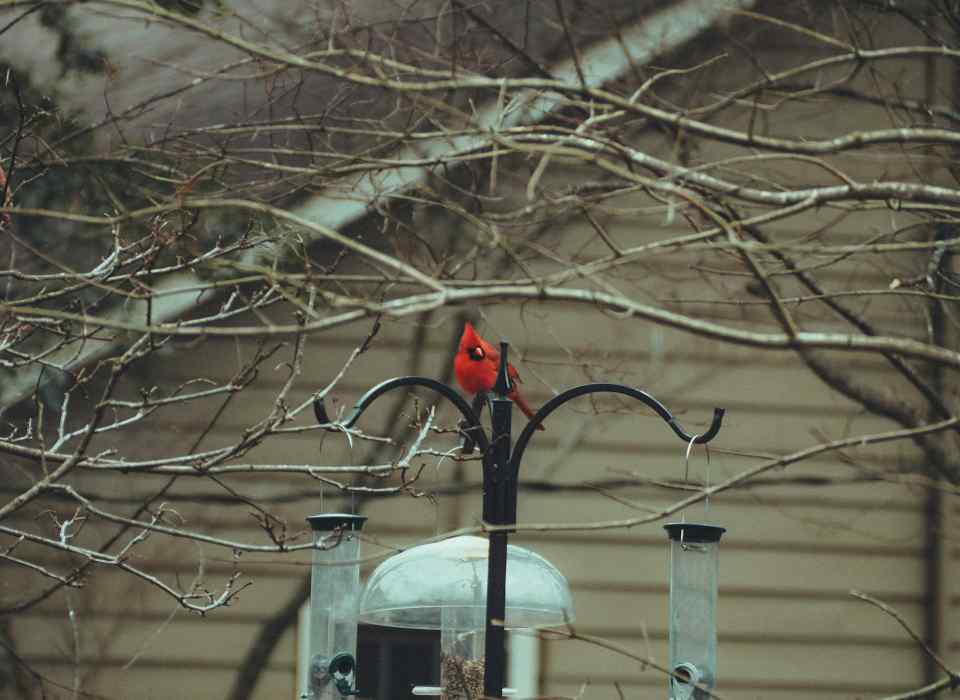
Ground-foraging specialists like Juncos, Fox Sparrows, and Eastern Towhees will naturally avoid elevated hanging hardware entirely. To accommodate their unique behavioral traits, place low platform trays near dense brush borders while reserving high hopper units for larger, aggressive species.
Setting up these specialized spaces is identical to the spatial rules required when you learn how to create a winter bird feeding station.
Furthermore, smaller migrating finch species must bypass tough husks entirely when flight intervals drain their muscles. To choose efficient, shell-free options that smaller birds can process instantly without burning vital calories, check out our specialized field overview on what do finches eat in winter.
Using Moving Water to Attract Flying Birds
The greatest hidden threat to traveling autumn migrants is not a lack of food, but severe dehydration. Migrating songbirds travel primarily at night, flying at high altitudes where the cold, dry air rapidly drains their internal fluid reserves.
When the sun rises, these exhausted, thirsty flocks look for stopover locations by tracking the distinct, low-frequency sound of moving water. A stagnant, silent bird bath is completely invisible to high-canopy traveling waves.
To draw passing flocks down to your yard, you must introduce continuous movement into your water stations using a solar-powered pump or dripper. According to a water detection study by Natural Solution Today, birds rely heavily on a combination of repeating sound patterns and light-flickering ripples to locate hidden water sources from high tree canopies.
Setting up a slow dripper or dynamic bubbler creates an active acoustic and visual signal that easily cuts through ambient wind noise, broadcasting the presence of fresh fluids across vast distances.
To safely maintain these open pools and learn how to manage water mechanics before the hard winter freezes arrive, apply the structural guidelines found in our manual on how to keep bird baths from freezing in winter.
Always ensure your backyard basins maintain a shallow depth profile between one to two inches maximum. If the water level is too deep and a small songbird gets its flight feathers completely soaked in cool autumn weather, it can suffer a dangerous drop in core body heat.
To protect your traveling flocks from avian eye diseases and viral spread, apply our targeted sanitizing steps on how to clean a bird bath without chemicals to easily kill mold and lingering pathogens using white vinegar.
How to Stop Birds From Flying Into Windows
Drawing high numbers of birds to your property sets up an immediate safety risk. When a traveling flock gets startled by a passing hawk or a predator, they panic and take flight instantly toward the nearest tree reflection on your windows. Bare autumn branches create highly visible, mirror-like images on home windows, resulting in high-velocity, fatal collisions.
According to the U.S. Fish and Wildlife Service Migration Guide (fws.gov), nearly one billion birds die from glass collisions in the United States each year because they cannot see glass as a physical barrier.
To secure your property’s flight corridors, apply the visual spacing patterns and exterior dot markers detailed in our layout checklist on winter backyard birdwatching safety tips to protect your flock from glare traps.
| Feeding Hub Distance from Glass | Structural Risk Level | Backyard Placement and Setup Rules |
|---|---|---|
| 0 to 3 Feet from Glass | Extremely Safe | Mount feeders directly to glass or on sills; birds cannot build enough flight speed for a fatal impact if startled. |
| 3 to 30 Feet from Glass | High-Danger Zone | Do not place major food sources here unless external window film treatments are fully deployed. |
| 30+ Feet from Glass | Safe Distance Gap | Pushing feeders back gives flying birds enough clearing space to adjust their flight paths away from glass reflections. |
To ensure your equipment configurations stay perfectly aligned with these layout measurements, check out the Cornell Lab Feeder Placement Guide. Matching these strict boundaries prevents flight trajectory confusion and ensures your backyard sanctuary remains a true haven rather than a hazard.
Creating Safe Spaces to Hide From Hawks
Hanging feeders in wide, open lawns exposes feeding flocks to aggressive aerial predators like Cooper’s Hawks and Sharp-shinned Hawks. Traveling migrants are unfamiliar with your yard’s layout, making them highly vulnerable if they have nowhere to hide when a predator strikes.
To create an effective sanctuary, position your feeding stations exactly ten to fifteen feet away from dense brush lines or native evergreen shrubs. This distance is a precise safety sweet spot.
If feeders are too close to thick bushes under five feet, outdoor cats can hide in the foliage and ambush ground-foraging birds. If they are too far away over twenty feet, small birds cannot outrun a diving hawk.
To protect your local population and learn how to construct thick brush piles that block wind chill and shield ground birds, follow the assembly rules in our guide on how to make winter shelter for birds.
Keeping Your Feeders Clean and Free of Disease
Concentrating hundreds of high-energy migrants around a few backyard feeding stations increases the risk of rapid disease transmission. Pathogens like salmonellosis, house finch conjunctivitis, and avian pox spread easily on damp, uncleaned hardware surfaces.
If late-summer rain drops down and mixes with fallen seed hulls on your platform trays, it builds an ideal breeding ground for toxic molds.
To break this cycle of decay and keep your traveling flocks safe, look over our master setup guide on what bird seed to use in winter feeders to eliminate low-grade mixtures. Taking a few minutes to clean your stations every two weeks ensures your yard remains a true refuge rather than an ecological hazard.
Once your hardware updates are fully locked in, utilize our tracking steps on how to identify European starlings to systematically document your daily species counts. Active logging allows you to easily track seasonal migratory arrivals and monitor your local wildlife ecosystem with absolute diagnostic accuracy.
How to Keep the Ground Under Feeders Safe
When bird density spikes during peak September migration nights, the ground below your feeding station transforms into a high-risk zone for fungal growth and bacterial accumulation. Dropped seed hulls mixed with avian feces form an organic mat that locks in moisture from autumn rain.
If ground-feeding specialists scratch through this decaying layer, they risk contracting systemic avian respiratory infections.
To mitigate this subterranean hazard, place a thick layer of native wood chips or pine bark mulch directly beneath your high-volume hopper setups.
Wood mulch contains natural organic compounds that slow the reproduction of dangerous pathogens while allowing water to drain quickly away from the surface. Raking out and replacing this mulch layer every three weeks preserves ground safety throughout the season.
Furthermore, you must monitor structural features on your property that allow feral pests to corner feeding flocks. If your feeding stations sit adjacent to low decks or open patio steps, cats can crawl underneath to establish an invisible strike base.
To protect your property lines and find clean tactical fixes for outdoor spaces, review our comprehensive landscaping guide on how to attract birds during winter.
Turning Off Night Lights to Protect Migrating Birds
Because the vast majority of songbird migrants travel under the cover of darkness, your home’s evening lighting configuration heavily dictates local bird mortality. Artificial light pollution from large interior windows spills into the night sky, creating a visual tractor beam effect that pulls flying birds off their natural flyway paths.
Once disoriented by this glow, birds drop into suburban areas, exhaust their fat reserves circling buildings, and suffer high-velocity window strikes at dawn.
To break this attraction cycle, draw heavy shades or use black-out curtains across all upper-story windows starting at sunset during peak migration months.
Minimizing your evening light print stops migratory disorientation, allowing birds to preserve their precious lipid fuels for long-distance endurance flights. Understanding these nocturnal travel stress factors is a central focus of the USFWS Migratory Bird Program.
Once your flight paths are fully secured, look over our winter field tracking overview on winter bird identification to study arriving seasonal visitors. Recognizing these subtle plumage changes ensures you can track your backyard population with absolute diagnostic precision.
Helping Local Birds Stay Alive Through the Winter
As your autumn migratory visitors slowly clear out by late November, your backyard feeding hubs transition into the primary survival base for resident overwintering species.
Unlike transient warblers that exploit your high-lipid stations for temporary fuel, resident birds must manage local territories through the entire freezing season. This transition requires a complete shift in your layout monitoring routines.
Small-bodied resident species must maintain a blazing metabolic rate just to keep their core temperature stable during deep freezes. To see how these tiny backyard icons alter their internal neurology and body mass indexes to withstand sub-zero nights, review our scientific analysis on how chickadees survive the winter.
To support these resident flocks, ensure your high-fat suet columns and mesh peanut silos remain completely filled before evening winter twilight arrival.
Multiple resident species will form loose, mixed-species foraging blocks at sunrise, combining forces to multiply their predator detection grids. Providing reliable, high-octane fats ensures these local survivors can rapidly replenish the calories they burned staying alive through the long frozen night.
How Changing Weather Affects Birds in Your Yard
Maintaining an active species log provides incredible data visibility into how global climate patterns are altering migratory thresholds in real time. Milder autumn temperatures and shifting frost lines mean many bird species are delaying their southward journeys or choosing to abandon migration entirely.
This massive behavioral shift changes how you must manage your food reserves across the seasons. Species that were historically considered strict summer residents are now routinely overwintering across northern latitudes.
Documenting these arrivals allows you to easily adjust your feeder port sizing and suet densities to match the exact bills visiting your yard.
To get a complete, historical look at which bird varieties are permanently choosing to stay behind to exploit human-provided food resources during severe cold cycles, read our comprehensive field study on what birds stay in winter.
Keeping your backyard station aligned with these changing seasonal populations guarantees your property remains a highly effective, premium wildlife sanctuary all year round.