
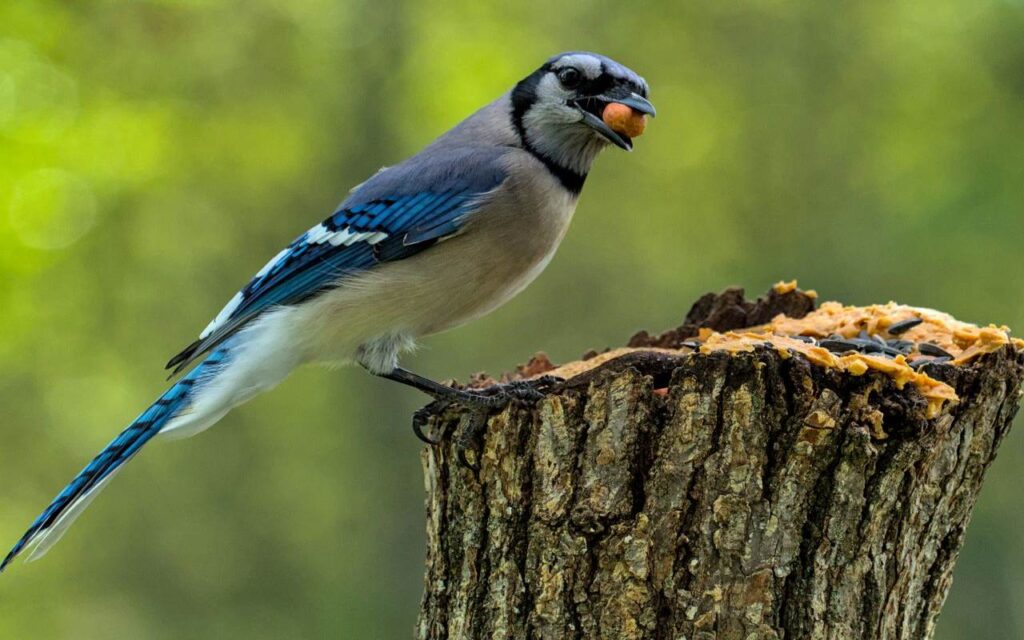
Deploying the right high-calorie winter bird food is essential for backyard birds struggling to maintain their baseline body temperature during severe cold snaps. Small passerines like chickadees and kinglets can lose up to ten percent of their body mass overnight simply shivering to stay alive. Supplying dense fats and easily accessible carbohydrates bridges the critical gap between limited daylight foraging hours and long, freezing roosts.
Standard grocery store seed mixes often contain cheap fillers like milo, red millet, and cracked corn that birds quickly kick onto the damp ground to rot. Upgrading your feeding stations to target lipid-dense, community-tested staples ensures visiting wildlife metabolizes maximum calories per bite without wasting precious energy cracking low-yield hulls. Understanding the nutritional chemistry of cold-weather fuels also prevents tragic feeder mistakes that put wild flocks at risk.
High-Tallow Lipids and Rendered Suet Formulations
Pure rendered beef tallow provides an immediate, highly concentrated fat payload that insect-eating species require when natural dormant larvae remain locked beneath ice sheets. Raw suet trimmed straight from livestock fat tissues must be melted down and clarified twice through fine cheesecloth to remove water and lingering protein strands that attract bacterial decay.
Backyard hobbyists frequently report that unrendered raw fat turns rancid during brief winter warm spells, whereas double-rendered tallow sets into a hard, shelf-stable cake that withstands sudden freeze-thaw cycles.
Commercially pressed suet blocks infused with black oil seeds, cracked corn, and peanut meal offer convenient daily alternatives to home rendering. However, you must carefully monitor the ingredient panel to confirm that tallow or vegetable oil constitutes the primary binder rather than soft hydrogenated oils.
In deep sub-zero conditions, soft commercial dough cakes freeze into rock-hard bricks that small woodpeckers and nuthatches cannot easily chip away with their beaks.
- Pure double-rendered beef tallow provides raw, unadulterated saturated fat that burns efficiently during nocturnal hypothermia defense.
- Commercial seed-infused tallow cakes deliver a balanced blend of lipids and quick-release plant proteins for mixed winter flocks.
- Never add commercial anti-freezing liquids or glycerin to homemade suet mixtures, as glycerin coats and mats down downy flight feathers, destroying their insulating loft and causing fatal hypothermia.
Regularly monitor the physical state of your hanging tallow baskets as weather conditions fluctuate throughout the week. If an unexpected sunny afternoon softens the cakes, wipe down the exterior wire mesh so soft fat does not transfer onto avian faces and ruin plumage waterproofing.
Raw Nut Butters and Mealworm Protein Ratios
Pure, unsalted peanut butter serves as a stellar emergency fuel for wrens, creepers, and titmice during prolonged snowstorms. You should exclusively source peanut butter containing only peanuts and zero added salt, zero sugar, and no palm or hydrogenated oils.
Because thick, tacky nut butter can coat an eager songbird’s bill and risk airway obstruction, seasoned forum hobbyists consistently blend peanut butter with coarse cornmeal or rolled oats before smearing it into bored cedar logs.
Shelled, chopped tree nuts such as walnuts, pecans, and raw almonds provide an exceptional ratio of crude fats and essential amino acids.
Unlike wild-foraged acorns that require birds to exert significant mechanical force to breach, clean crushed nuts allow small-billed species like siskins to feed at high rates without burning excess thermal energy. These rich nuts spoil rapidly when wet, so disperse them strictly in small daily rations inside covered feeders.
- Unsalted peanut butter pastes cut with coarse cornmeal reduce mechanical choking risks while delivering immediate caloric energy.
- Crushed walnut and pecan pieces provide calorie-dense fatty acids that smaller birds can swallow whole without preliminary hulling work.
- Live or dried mealworms supply a critical boost of crude protein and chitin, assisting resident birds with cellular tissue repair during severe freezes.
Rehydrating dried mealworms in warm water for fifteen minutes prior to placing them out prevents moisture loss in small birds that cannot readily access liquid drinking water. Disperse mealworms exclusively in shallow ceramic or glass dishes that prevent crawling escape, and clear out untouched portions daily to prevent fungal colonization.
High-Oil Seed Profiles and Shell Debris Management
Black oil sunflower seeds stand as the undisputed foundation of any cold-weather avian dietary plan. Their thin, easily split outer shells yield meaty kernels packed with over forty percent crude fat by dry weight, substantially outperforming thick-shelled striped sunflower varieties.
Chickadees and goldfinches prioritize these seeds above all others because the high energy return dramatically outpaces the minimal physical work required to crack them. Hulled sunflower chips, often sold as sunflower hearts, eliminate the energy expenditure of cracking shells altogether.
While sunflower chips represent the ultimate zero-waste, high-yield food during emergency blizzards, they lack the protective barrier of outer husks and absorb ambient moisture rapidly. In humid or snowy climates, stored bags can harbor dampness that quickly fuels the growth of Aspergillus flavus, a lethal mold producing dangerous aflatoxins.
- In-shell black oil sunflower seeds offer natural moisture protection alongside exceptionally high lipid reserves.
- Hulled sunflower chips maximize energy intake per minute of daylight by eliminating shell-cracking labor entirely.
- White safflower seeds deliver concentrated fats while featuring a bitter outer compound that naturally repels nuisance squirrels and common grackles.
- Nyjer thistle seeds supply dense plant oils tailored specifically for specialized finch bills equipped to slice open miniature seed husks.
Accumulated seed hulls beneath winter feeding stations form an insulative sponge that traps moisture and accelerates bacterial decay beneath the snowpack. Rake away spent hulls periodically during mid-winter thaws to keep the ground surface sanitary and limit mold exposure for ground-feeding juncos and towhees.
Thermodynamic Winter Nectar and Late-Season Carbohydrates
Maintaining hummingbird feeders into late autumn and through freezing winter weather requires a strict understanding of nectar solution chemistry. While a standard 4:1 water-to-sugar solution begins to freeze and slush at approximately 27°F (-2.8°C), adjusting your formula to a concentrated 3:1 winter mix lowers the freezing threshold down to approximately 22°F to 25°F.
This dense solution delivers vital fuel to overwintering Anna’s hummingbirds without damaging their delicate tongue physiology. Hummingbirds rely on passive capillary action and rapid elastic groove trapping inside their bifid tongues to lap up fluid nectar in freezing temperatures.
If nectar begins to slush, ice crystals interfere with this tongue action, preventing the bird from absorbing carbohydrates needed to fuel its high metabolic rate. You must never mix honey, artificial sweeteners, or red dyes into nectar solutions, as honey hosts deadly Candida albicans fungal spores that cause severe, fatal tongue swelling.
- Standard four-to-one water-to-sugar ratios freeze solid at 27°F, requiring supplemental feeder heaters or frequent manual rotations.
- Concentrated three-to-one winter sugar ratios depress the freezing point to roughly 22°F and yield significantly higher metabolic calories per lick.
- Dedicated incandescent heat shrouds or clip-on feeder heaters prevent crystallization without boiling or caramelizing the sucrose solution.
Rotate two identical nectar reservoirs between your heated house and the outdoor mounting hook to guarantee a continuous liquid supply during prolonged zero-degree snaps. Thoroughly scrub every reservoir port weekly to prevent mold spores from taking hold in the concentrated sugar solution.
Hardware Baffles and Excluder Cages Against Winter Spoilage
High-value foods like suet, peanuts, and sunflower chips inevitably draw dominant mammals and non-target flock birds that can strip an entire feeder within hours. To protect your investment and preserve provisions for native songbirds, mount broad squirrel baffles at least five feet above the ground on dedicated metal poles.
Selecting feeders equipped with 0.25-inch hardware cloth or wire excluder cages creates a physical boundary that grants entry to small chickadees while locking out large crows, starlings, and squirrels. Snowstorms and driving winter rains quickly soak loose seeds, triggering rapid clumping that jams hopper ports and breeds dangerous pathogens.
Installing clear 12-inch or 18-inch weather dome spans directly above hanging feeders deflects heavy snow accumulation and keeps loose seeds dry. Placing feeding hardware within the Audubon-recommended strike zones, either within 3 feet of your home’s windows or beyond 30 feet, keeps disoriented birds from suffering fatal glass collisions when fleeing sudden predator passes.
- Broad 18-inch weather domes deflect falling sleet, snow drifts, and rain runoff away from open feeder trays.
- Sturdy 0.25-inch hardware cloth cages exclude aggressive nest-robbers and nuisance mammals while letting smaller songbirds feed in safety.
- Proper pole baffles installed five feet above the ground eliminate direct climbing access from nocturnal rodents.
Maintaining a rigorous sanitation schedule prevents cross-contamination across dense winter feeding flocks.
Soak your disassembled tube and hopper feeders in a 1:9 bleach-to-water dilution for ten minutes to eradicate persistent pathogens; avoid pouring boiling water over clear polycarbonate plastic reservoirs, as intense heat warps the plastic and shatters cold seams.
After a thorough freshwater rinse, ensure every piece is completely bone dry before refilling it with high-calorie winter bird food.