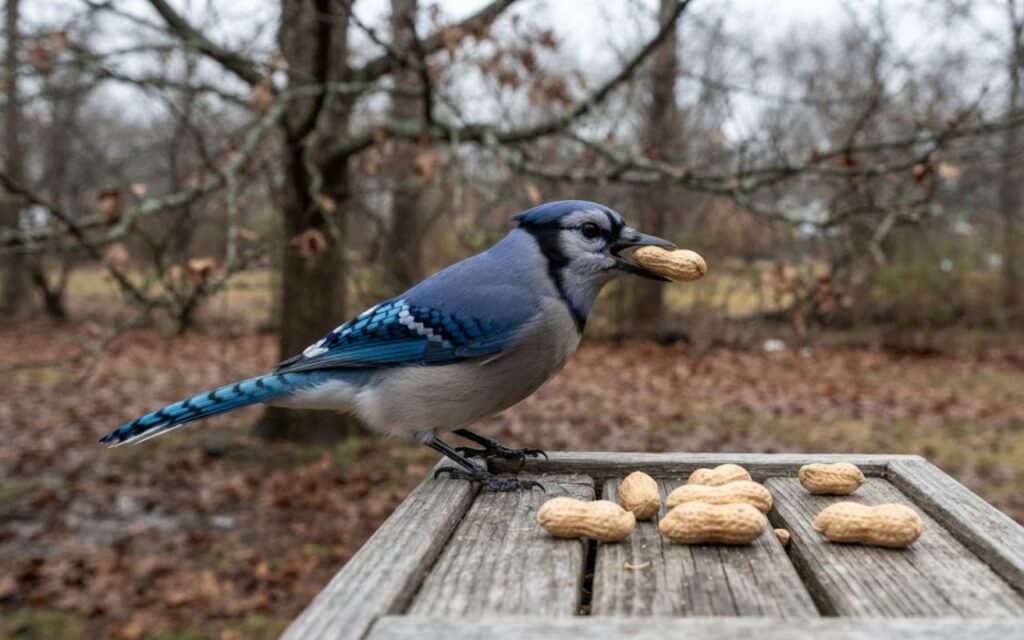
For backyard bird enthusiasts, nothing matches the excitement of watching a flock of brilliant Blue Jays clear out a peanut feeder. However, if you are wondering can blue jays eat raw peanuts safely, avian nutritionists and veterinary standards point to specific chemical anti-nutrients and mold storage precautions you must follow to protect wild birds from harm.
While Blue Jays will eagerly harvest any raw nuts you put outside, raw legumes contain hidden natural blockers that can disrupt an avian digestive tract if fed improperly. Beginners on popular birding forums frequently assume that because wild jays love raw peanuts, the food is universally safe without intervention, completely ignoring the strict backend protocols required to offer raw legumes safely.
TL;DR / Quick Verdict: Are Raw Peanuts Safe?
- The Primary Threat (Trypsin Inhibitors): Raw, unprocessed peanuts naturally contain active trypsin inhibitors. These enzymes block a bird’s intestines from absorbing protein, meaning a steady diet of raw peanuts can systematically starve a songbird of nutrients regardless of mold presence.
- The Fungal Risk (Aflatoxicosis): Because they mature underground, unroasted peanuts are uniquely vulnerable to Aspergillus flavus mold. If raw peanuts get damp, this mold secretes aflatoxins—chemical toxins that cause severe liver damage and internal bleeding upon ingestion.
- Respiratory Hazards (Aspergillosis): Leaving wet, raw peanuts to rot on a feeder allows active fungal spores to multiply. Inhaling these airborne spores causes Aspergillosis, a direct fungal lung infection that permanently clogs an avian airway.
Interactive Tool Integration
Unsure if other items in your kitchen pantry harbor hidden biological hazards or chemical inhibitors? Do not gamble with your local wildlife populations. Run your specific leftovers through our website’s fully loaded, veterinary-backed 100-Food Avian Toxicity & Nutritional Diagnostic Index for an instant, color-coded safety tier rating and pathological analysis.
(Note: Always cross-reference backyard feeding setups with reputable avian safety tips, such as the Audubon Guide to Feeding Peanuts, to maintain a clean, healthy sanctuary environment).
| Peanut Preparation | Trypsin Inhibitor Status | Aflatoxin Fungal Risk | Veterinary Safety Verdict |
|---|---|---|---|
| Raw Green Peanuts | Fully active; physically blocks the pancreas from processing protein enzymes. | Extreme; high moisture allows Aspergillus mold spores to thrive. | Dangerous; promotes long-term severe malnutrition and liver damage. |
| Roasted/Tested Peanuts | Completely deactivated; heat processing neutralizes protein blockers safely. | Low; industrial roasting drops moisture thresholds drastically. | Safe; provides dense, clean cold-weather lipid and fat reserves. |
Trypsin Inhibitors: The Invisible Protein Blocker
The most immediate and widespread hazard of a raw peanut diet has nothing to do with mold; it is a defensive biochemical compound called a trypsin inhibitor. Trypsin is a critical digestive enzyme secreted in an avian intestine to break down and absorb dietary proteins.
When a Blue Jay consumes raw, completely unprocessed peanut kernels, the trypsin inhibitors bind to these digestive enzymes, rendering them completely useless.
- The Biological Impact: Even though the peanut itself is packed with raw plant proteins, the bird’s body cannot physically absorb them.
- The Outcome: A bird fed an exclusive or heavy diet of raw peanuts will undergo progressive muscle wasting and nutritional starvation, as their system cannot utilize the food they are eating.
Commercial roasting completely destroys these trypsin inhibitors using heat, which is why roasted, unsalted peanuts are highly recommended by wildlife centers. However, raw peanuts are not universally banned.
Tier-one wild bird food brands like Audubon Park safely package and retail raw in-shell peanuts explicitly for corvids. These commercial products are strictly quality-tested and perfectly safe to feed, provided you follow rigorous backyard management rules.
Managing the Aspergillus Threat: Chemical vs. Fungal Issues
Because peanuts are legumes that mature in warm, underground soil, their porous shells are naturally exposed to Aspergillus flavus mold. Understanding how this mold impacts birds requires separating a chemical poisoning from a living fungal infection:
Chemical Aflatoxicosis (Ingestion)
When raw peanuts are exposed to warm, humid weather, the Aspergillus mold multiplies and secretes an invisible chemical byproduct called aflatoxin. When a bird eats a nut contaminated with this chemical, they suffer from acute or chronic aflatoxicosis. The chemical damages liver cells, destroys blood-clotting abilities, and can cause rapid, quiet internal bleeding and hepatic failure.
Respiratory Aspergillosis (Inhalation)
Conversely, Aspergillosis is not a chemical poisoning; it is a direct respiratory infection caused by inhaling active, living mold spores. If raw peanuts are left to sit out in wet weather, the mold will visibly bloom and create an active cloud of spores. When a Blue Jay flings the nuts around, it stirs up these spores. Inhaled deeply into a bird’s delicate internal air sacs, the living fungus anchors to the respiratory lining, slowly suffocating the bird over several weeks.
How to Feed Peanuts to Blue Jays Safely
You can safely offer peanuts to your local corvids as a high-energy fat and lipid resource during cold weather, as long as you follow strict storage and feeding protocols to mitigate both trypsin inhibitors and mold growth.
The Elite Replacement Matrix
- Roasted, Unsalted Peanuts: The safest overall choice for backyard birders. The roasting process completely neutralizes trypsin inhibitors and eliminates underlying fungal pathways, ensuring safe protein absorption. Ironclad rule: They must contain absolutely no added salt, sugar, or cooking oils.
- Proper Raw In-Shell Management: If you buy commercial raw wild bird peanuts, you must keep them in a cool, bone-dry storage container. Only put out what the jays can completely clear away in 24 to 48 hours to prevent rain and dew from triggering a mold bloom on your feeders.
- Plain Natural Peanut Butter: Human-grade, sugar-free, unsalted peanut butter is an outstanding source of winter calories. Blend it with yellow cornmeal or rolled oats to break up the sticky consistency so it doesn’t pose a physical swallowing hazard to small birds.
- Hulled Sunflower Hearts: If managing raw legume storage during a wet, humid summer is too difficult, transition your corvid platform feeders to premium hulled sunflower seeds for a low-maintenance, high-fat energy return.