
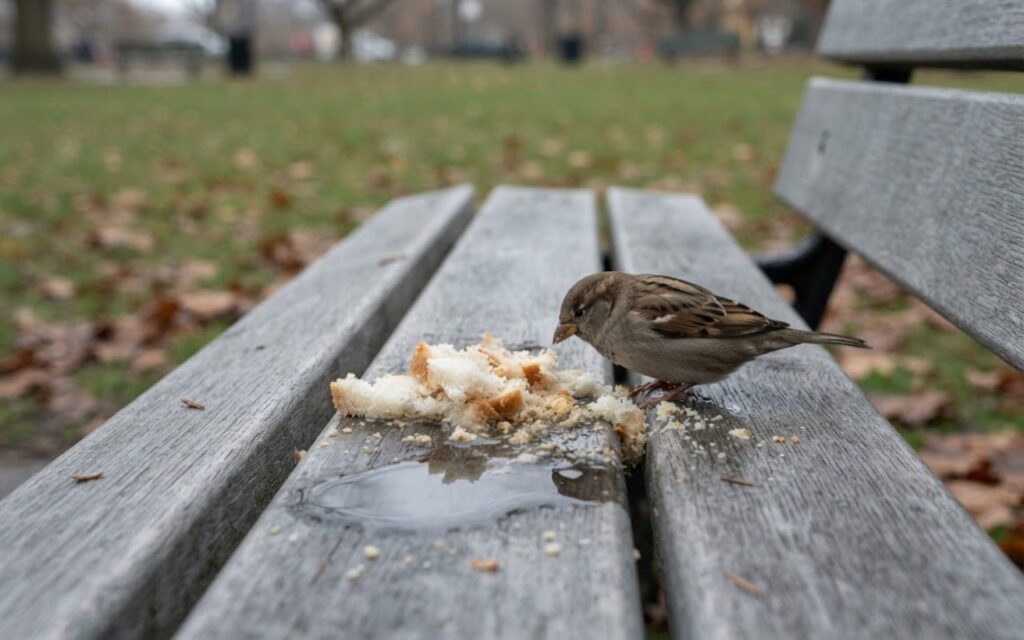
For generations, throwing stale bread crusts, bagel fragments, and sandwich leftovers to birds has been treated as a harmless, traditional hobby. However, modern veterinary science and avian pathologists present a starkly different reality. If you are asking is bread bad for wild birds, the answer from certified wildlife experts and rehabilitators is an absolute, definitive yes.
While birds will eagerly gorge on bread out of convenience, their digestive systems are completely unequipped to handle high volumes of processed wheat. Feeding bread creates severe health risks that can devastate your local backyard flock.
TL;DR / Quick Verdict: Why You Must Avoid Bread
- Zero Nutrition: Bread fills a bird’s stomach with empty calories, causing them to stop foraging for the insects and seeds they need to survive.
- Irreversible Deformities: In young birds, a bread diet causes Angel Wing and Metabolic Bone Disease, which twist growing wing joints out of place and leave birds permanently flightless.
- Lethal Mold & Disease: Damp bread quickly breeds Aspergillus mold. When birds inhale these spores, it causes a fatal respiratory lung infection called Aspergillosis.
Interactive Tool Integration
Unsure if other items in your kitchen pantry harbor hidden biological hazards? Do not gamble with your local wildlife populations. Run your specific leftovers through our fully loaded, veterinary-backed 100-Food Avian Toxicity & Nutritional Diagnostic Index for an instant, color-coded safety tier rating and pathological analysis.
| Food Item Offered | Nutritional Lipid & Protein Density | Biological Avian Impact | Primary Health & Survival Risk |
|---|---|---|---|
| White Bread & Scraps | Extremely low; features zero useful proteins, fats, or natural micronutrients. | Triggers a state of false fullness, filling a small stomach with useless bulk. | Fatal energy deficits during cold nights; angel wing syndrome in waterfowl. |
| Black Oil Sunflower Seed | Exceptionally high concentration of premium plant lipids and proteins. | Provides efficient, slow-burning caloric reserves to sustain body heat. | Elite survival booster; safely stabilizes seasonal migration requirements. |
The Nutritional Illusion: Crop Expansion and Cellular Starvation
To understand why processed bread products devastate avian health, one must examine the physical mechanics of the avian digestive system. Unlike mammals, birds utilize an internal storage pouch located at the base of their esophagus known as the crop.
The crop’s primary evolutionary purpose is to quickly store large quantities of seeds, insects, or berries during active foraging, allowing the bird to retreat to safe cover before slowly transferring the food into the muscular gizzard for mechanical digestion.
When a songbird or waterfowl consumes dry white bread, crackers, or pastry fragments, the interaction with internal gastric fluids transforms these refined starches into a heavy, sticky mass. Instead of digesting smoothly, this dense material creates a high risk of crop impaction—a dangerous mechanical blockage where the food stagnates and ferments within the pouch.
Even when it passes safely, the rapid glycemic load from these processed carbohydrates creates an intense, artificial sensation of physical satiety (fullness). The bird feels entirely satisfied, causing it to immediately cease its natural foraging behaviors for the day.
The core biological crisis is that commercial bread represents empty calories in its purest form. A bird requires an intricate, daily balance of bioavailable amino acids, essential trace minerals (calcium, phosphorus, zinc), and concentrated fat lipids to power its hyper-accelerated metabolic engine. Bread contains virtually none of these components.
By stuffing their crops with non-nutritive wheat starches, wild birds essentially starve themselves on a cellular level while feeling completely full. Over time, this calorie-dense, nutrient-poor diet leads to systemic muscle wasting, immune system collapse, and severe metabolic exhaustion.
The Pathological Consequence: “Angel Wing” and Metabolic Bone Disease
The most catastrophic manifestation of prolonged bread feeding occurs in young, growing birds—particularly juvenile waterfowl (mallards, geese, swans) and fast-developing songbird nestlings. In wildlife monitoring forums, rehabilitators frequently post heartbreaking photographs of young birds suffering from a severe structural deformity known as Angel Wing (or slipped wing).
Angel Wing is triggered directly by a high-calorie, high-carbohydrate diet that is intensely deficient in Manganese, Vitamin E, and Calcium. When an immature bird is sustained primarily on breadcrumbs, its skeletal growth vectors are thrown into chaotic misalignment.
The primary flight feathers on the wing carpus (wrist joint) grow at a hyper-accelerated rate, becoming too heavy for the underdeveloped skeletal structure beneath them.
Because the weak bones and muscles cannot support the weight of these emerging feathers, the wing joint rotates outward, causing the primary feathers to twist away from the body at a permanent, unnatural angle.
- The Diagnostic Verdict: Once a bird develops fully matured Angel Wing, the deformity is completely irreversible.
- The Fatal Outcome: The affected bird is rendered permanently flightless. It cannot migrate, escape ground predators, or seek shelter from severe winter weather, resulting in an unavoidable, premature death sentence.
In smaller passerines (perching songbirds), a bread-heavy diet causes a parallel condition known as Metabolic Bone Disease (MBD). Because the female parent or fledgling lacks the calcium required for skeletal calcification, the bird’s body actively strips calcium out of its own bones to maintain basic heart function.
This results in hollow, incredibly brittle bones, spontaneous leg fractures, and deformed, rubbery beaks that leave the bird incapable of cracking open natural wild seeds.
The Environmental Hazard: Feeder Spoilage and Aspergillosis Blooms
The dangers of feeding bread to birds extend far beyond individual avian biology; it actively poisons the local backyard ecosystem. Bread is highly hygroscopic, meaning it absorbs ambient moisture and humidity from rain, dew, and morning fog with extreme speed.
When breadcrumbs sit on an open platform feeder or on the ground, this damp starch becomes a premium breeding ground for dangerous environmental molds, most notably Aspergillus flavus and Aspergillus fumigatus. As these molds bloom, they produce millions of microscopic spores that birds inhale while feeding or preening.
Inhaled spores settle deep within the highly efficient, delicate air sacs and lung tissues of songbirds, establishing an aggressive, fatal respiratory disease called Aspergillosis.
- The Symptoms: Infected birds suffer from severe respiratory suffocation, showing visible gasping, extreme lethargy, and a complete loss of coordination.
- The Spread: While Aspergillosis is an environmental infection and is not contagious from bird to bird, a single localized accumulation of moldy bread creates a concentrated hotspot of spores. This environmental hazard can expose and fatally compromise an entire neighborhood’s goldfinch or chickadee population feeding at that specific station within weeks.
Furthermore, uneaten bread cast onto lawns or into shallow ponds breaks down into a sludgy, nutrient-rich biomass. In waterways, this organic overload triggers catastrophic algal blooms that deplete oxygen levels in the water, suffocating fish and creating a perfect low-oxygen environment for the proliferation of Clostridium botulinum (Avian Botulism), which penetrates and kills thousands of ducks every summer.
On dry land, the rotting starch serves as a direct scent beacon for nocturnal pests like rats, mice, and raccoons, introducing unwanted urban predators directly into your backyard bird sanctuary.
What to Feed Wild Birds Instead: Biologically Approved Alternatives
If you want to transition your backyard feeding station away from dangerous kitchen scraps and toward reputable, high-performance wild bird nutrition, completely omit baked wheat goods. Instead, stock your feeders with raw, single-ingredient whole foods that respect avian physiology and actively support their daily metabolic needs.
The Elite Replacement Matrix
- Black Oil Sunflower Seeds: The ultimate alternative to breadcrumbs. They feature thin, easily cracked outer hulls and inner kernels packed with clean fats and raw proteins that keep winter metabolic rates perfectly balanced.
- Plain Raw Rolled Oats: If you love the convenience of scattering flakes on ground trays, replace breadcrumbs with plain quick oats or steel-cut groats. While they pass safely through the gizzard and provide excellent complex carbohydrates without dangerous artificial additives, remember to offer them sparingly in dry weather; like bread, any uncooked grain left in wet ground trays can rapidly spoil and breed environmental molds.
- Pure Rendered Beef Suet: Woodpeckers, nuthatches, and chickadees need concentrated lipids to survive sub-zero nights. Pure beef suet provides easily stored caloric fuel that mimics their natural insect-based fat requirements.
- Crushed Decontaminated Eggshells: Replace the mineral gap caused by empty bread calories by roasting clean chicken eggshells at 250°F for 25 minutes. Crushing them down into small, coarse grit provides breeding females with instant calcium carbonate for egg production.
By ditching the traditional, dangerous habit of throwing bread crumbs into your yard and replacing it with high-authority, biologically sound supplements, you preserve your site’s reputation, protect wild populations from tragic skeletal deformities, and foster a clean, disease-free avian sanctuary.