
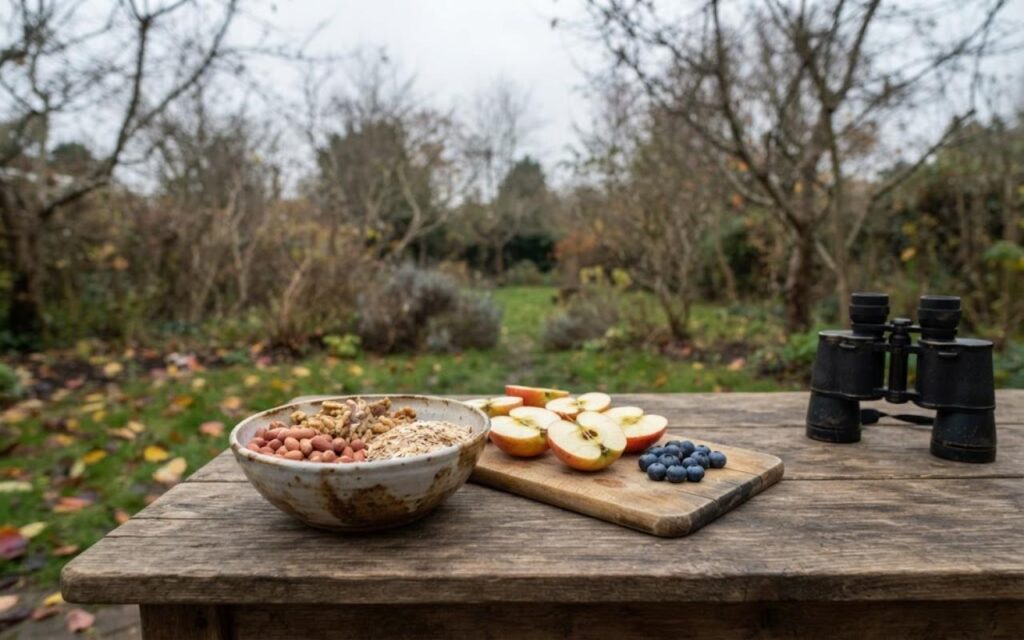
Learning what to feed wild birds from the kitchen allows backyard naturalists to supplement avian diets safely during harsh weather or peak breeding seasons. Raiding the pantry requires careful scientific scrutiny, as many standard human staples contain concentrated preservatives, added fats, or dangerous compounds that disrupt avian physiology.
Avian metabolism operates at exceptionally high rates, requiring dense energy without the biological burden of processing artificial chemicals. Offering thoughtfully prepared whole foods bridges resource gaps, provided you know exactly which items offer bioavailable nutrition and which ones trigger metabolic disaster.
Quick-Glance Field Summary
Kitchen food supplementation should focus on clean, single-ingredient proteins, unprocessed complex carbohydrates, and sterilized calcium reserves rather than processed scraps. Never supply salted, seasoned, or spoiled food remnants, and remove any uneaten perishable offerings within twenty-four hours to mitigate lethal bacterial accumulation.
- Rendered plain beef suet: use only non-hydrogenated fat chilled below 50 degrees Fahrenheit.
- Unsalted peanut butter: blend at a 1:2 ratio with yellow cornmeal or rolled oats to prevent bill-glogging.
- Eggshell decontamination: wash thoroughly, bake at 250 degrees Fahrenheit for 25 minutes, and crush into pieces smaller than 0.25 inches.
- Raw plain rolled oats: offer dry in platform trays protected by 12-inch weather domes to prevent moisture absorption.
- High-moisture fruits: remove all pits and cores, chop into 0.25-inch cubes, and discard daily to prevent fermentation.
Avian Toxicity & Nutritional Diagnostic Index
Practical food-safety screening for backyard birds
Select a food
Food-Safety Guidance
Choose an item above to view general guidance on feeding it to backyard birds.
Lipid Energy and Unsalted Rendered Suet Parameters
Birds require concentrated lipid stores to survive sub-freezing nights, making pure fats an exceptional supplement during winter months. Many amateur birders on forums like r/backyardbird frequently debate offering kitchen bacon grease to local woodpeckers and chickadees.
Certified wildlife rehabilitators on these boards consistently warn against this practice because bacon fat is heavily loaded with sodium nitrates and retains a soft chemical consistency that smashes into down feathers.
When soft animal grease transfers to contour and down feathers, it destroys their microscopic barbule structure and ruins thermal insulation. This plumage matted with soft fat leaves birds vulnerable to hypothermia and wet-weather chilling. You should strictly limit lipid offerings to hard, fully rendered plain beef tallow or pure unsalted suet.
Plain, natural peanut butter serves as an outstanding source of caloric density and essential fatty acids for nuthatches and titmice. However, community members regularly point out that room-temperature, sticky peanut butter can adhere to an avian palate, interfering with respiratory efficiency.
- Rendered beef fat chunks cut into clean 1-inch blocks.
- Unsalted, sugar-free crunchy or smooth peanut butter.
- Raw suet trimmings sourced directly from local butcher scraps.
Mix pure peanut butter with dry cornmeal, flour, or steel-cut oats before putting it outdoors. This step eliminates the adhesive texture and creates an easy-to-digest, crumbly suet cake that birds can break apart safely.
Whole Grains, Raw Rolled Oats, and Crop Impaction Safeguards
Raw rolled oats, cracked corn, and steel-cut grains mimic the natural grass seeds that ground-foraging sparrows, juncos, and native doves exploit in early spring. An enduring internet myth asserts that dry rolled oats swell inside a bird’s stomach and cause lethal crop rupture. Avian digestive systems quickly break down dry, rolled carbohydrates using internal gastric acids and grit stored inside the muscular gizzard, debunking this panic.
Avoid offering instant flavored oatmeal packets under any circumstances. Commercial instant varieties contain significant concentrations of refined sugars, artificial flavorings, and sodium additives that songbird kidneys cannot excrete.
Cooked grains like plain brown rice or plain quinoa provide bioavailable starches during cold spells, but they carry a high spoilage rate. If cooked carbohydrates remain in outdoor platforms through warm afternoons, they host rapid bacterial growth and toxic mold.
- Plain, unflavored rolled oats or quick-cooking oats.
- Steel-cut groats and unseasoned, air-popped popcorn kernels.
- Thoroughly cooled, plain-boiled brown rice without butter or salt.
Scatter whole dry grains only on well-drained, open tray feeders rather than deep tube reservoirs. Damp conditions inside closed tubes turn loose oats into a solid, fermenting mass that harbors dangerous fungal colonies.
Fruit Sugars, Seed Geometry, and Cyanogenic Glycoside Hazards
Fresh and dehydrated fruits supply essential carbohydrates, vitamins, and antioxidants to frugivores like American Robins, Cedar Waxwings, and Northern Mockingbirds. Bruised apples, soft pears, blueberries, and seedless grapes provide excellent moisture and accessible natural sugars when natural berries freeze on local bushes.
You must meticulously core and deseed all apples, pears, cherries, and stone fruits before placing them outdoors. The seeds and pits of the Rosaceae plant family contain amygdalin, a cyanogenic glycoside that breaks down into poisonous hydrogen cyanide during avian enzymatic digestion. While mammals can metabolize trace amounts of these compounds, tiny passerine bodies suffer acute organ toxicity when ingesting cracked pits.
Local wildlife monitors frequently note issues with commercial dried fruit, particularly imported raisins and currants that contain chemical preservatives. Many store-bought dried fruits are treated with sulfur dioxide to preserve aesthetic coloration, which disrupts digestion in wild songbirds.
- Fresh seedless grapes sliced lengthwise in half to prevent choking.
- Diced apple and pear flesh completely stripped of cores and seeds.
- Unsulfured, plain raisins soaked in warm water for twenty minutes to restore cellular hydration.
Always discard cut fruit after twenty-four hours in the field. Warm outdoor temperatures rapidly ferment simple fructose, creating toxic alcohol byproducts that can impair songbird coordination and leave them vulnerable to ambient predators.
Crushed Eggshell Mineral Supplementation and Pathogen Decontamination
Female songbirds deplete their internal skeletal calcium reserves rapidly while producing calcified egg clutches each spring. Supplying crushed domestic chicken eggshells delivers accessible calcium carbonate, which supports both maternal shell synthesis and skeletal development in growing nestlings.
Raw eggshells fresh from your breakfast pan carry a serious risk of transmitting Salmonella enterica, a bacterial pathogen that devastates wild finches and communal flocking species. You must decontaminate all spent shells using a rigorous heat protocol before scattering them in your yard.
Boil the raw shells in water for ten minutes, allow them to air-dry, and place them on a clean baking sheet. Roast the fragments in an oven at 250 degrees Fahrenheit for approximately twenty-five minutes until they are dry, brittle, and fully sanitized.
- Decontaminated eggshell fragments crushed to sizes between 0.125 and 0.25 inches.
- Clean shallow feeding dishes mounted at least 5 feet off the ground.
- Dedicated stone pestles or rolling pins used exclusively for crushing avian mineral supplements.
Pound the heat-treated shells into coarse grit rather than a fine powder. Birds seek out granular textures that their gizzard can retain and grind as an effective mechanical digestion aid.
Lethal Pantry Hazards: Sodium Toxicity, Theobromine, and Feeder Spoilage
Understanding what to omit from your feeding station is far more critical than simply introducing supplemental foods. Unlike marine birds, terrestrial songbirds lack functional supraorbital salt glands and cannot eliminate elevated sodium levels. Feeding salted snack foods, pretzels, cured meats, or seasoned leftovers forces cellular dehydration and rapid renal collapse.
Caffeine and chocolate rank among the most toxic kitchen discards for wild wildlife. Chocolate contains theobromine, a bitter methylxanthine alkaloid that triggers hyperthermia, cardiac arrhythmias, seizures, and abrupt central nervous system failure in small avians.
Moldy kitchen bread ranks among the most insidious backyard feeder hazards. Beyond offering zero meaningful micronutrients, damp, decaying grains harbor Aspergillus flavus, an aggressive environmental fungus.
- Expired seasoned kitchen leftovers, processed table salt, and cured lunchmeats.
- Baking chocolate, cocoa powders, and caffeinated grounds.
- White bread, pastries, and moldy baked goods.
Aspergillus spores produce deadly aflatoxins that lodge deep within the respiratory air sacs and liver tissues of birds, causing chronic aspergillosis. Clean and sanitize all feeding platforms weekly using a 1:9 household bleach-to-water dilution soak to ensure kitchen supplements remain genuinely supportive rather than lethal.