
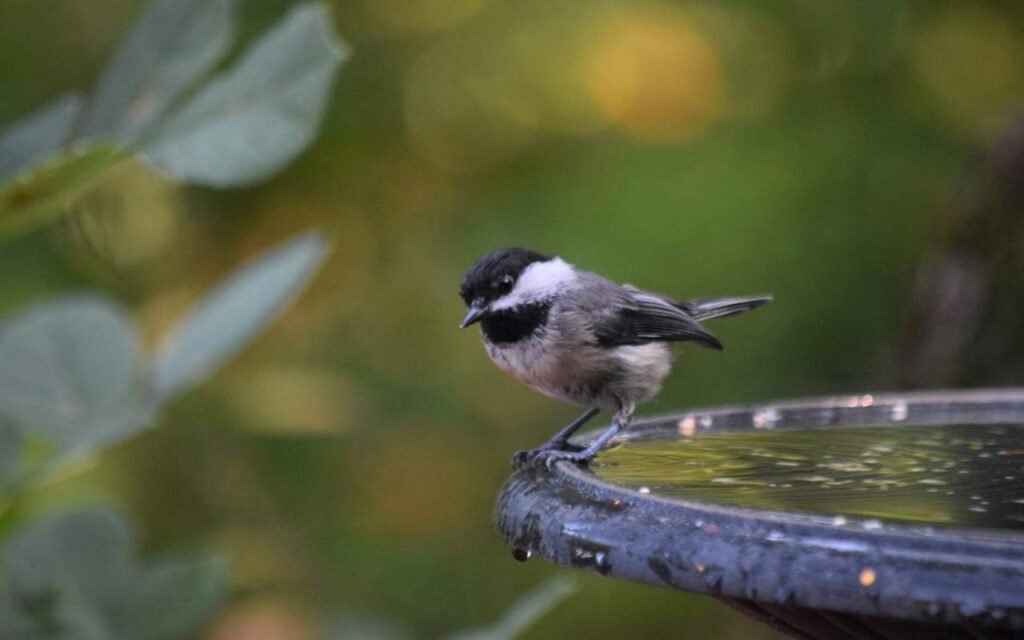
Here’s something most people don’t realize: birds are obsessed with water. More obsessed than they are with food. Seriously. I learned this the hard way when I installed a fancy bird bath and watched birds flock to it while ignoring my carefully stocked feeders nearby. Water is the ultimate bird magnet, and learning how to attract birds to bird baths and water features transforms your yard into an irresistible oasis. If you want consistent backyard bird activity, forget fighting for feeder dominance with aggressive species—just add water.
I spent years wondering why my neighbor’s plain bird bath attracted more birds than my elaborate feeder setup 😊. Then I realized the obvious: she was providing something I wasn’t prioritizing. Water serves purposes feeders simply can’t match. Birds need it for drinking and bathing. Once I committed to maintaining reliable water sources, everything changed.
- Keep baths shallow — 1–2 inches deep with sloped edges.
- Place in partial shade near cover (6–10 feet away).
- Change water every 1–2 days to keep it clean.
- Add a fountain or dripper for moving water sound.
- Use several baths to attract different bird types.
- Refill or heat baths in winter to prevent freezing.
- Only use clean water — never soap or chemicals.
- Pair with feeders and native plants for best results.
Understanding Why Birds Need Water
Show Transcript
If you’re like me and you love watching birds, you’ve probably spent a lot of time thinking about one thing — food. You know, fancy feeders, all the different kinds of seeds.
But what if I told you the real secret to a yard just teeming with wildlife was way, way simpler? Well, turns out it is. And listen, that is not an exaggeration. Getting your head around this one simple truth can completely change how you attract birds.
Honestly, it’s a strategy that’s often way more powerful than even the most expensive bird feeder you can buy. So, stick around for the next few minutes. We’re going to dive into exactly why water is so critical, the absolute best ways to offer it, and how you can use all this to create a true sanctuary for birds right outside your own window.
Okay, so let’s just bust a huge myth right out of the gate. We all think that attracting birds is all about the food. But the reality — a clean, reliable source of water is the single most effective magnet you can have. Period.
So why is that? What makes water the ultimate draw? Well, it all comes down to basic everyday survival for a bird. Water isn’t just a drink. It’s a total lifeline.
Sure, they need it every day to stay hydrated, but bathing is just as important. It’s how they get parasites and grime out of their feathers. And that’s essential for insulation against heat and cold.
And for a bird on a long migration, dehydration is a much bigger, much more immediate threat than hunger. A reliable water source can literally be a lifesaver.
And here’s a wild little fact about bird biology. Because their bones are hollow and super lightweight, birds are incredibly buoyant. They’re kind of like little corks.
This means they can’t just paddle around in deep water — they’d risk floating and losing control. And that is precisely why they’re always on the lookout for shallow, safe places to take a bath.
Okay, so we know they need shallow water. That brings us to the fun part — finding your perfect bird bath.
Let’s look at a little style guide that works for any yard. And here’s the best part — you’ve got so many options, and they do not have to be expensive.
The classic pedestal baths are great, for sure, but a simple saucer on the ground can be just as good. It’s like a natural puddle that birds like robins just love.
And if you really want to upgrade, adding things like a dripper for motion or a heater in the winter can make your yard the most popular spot in the whole neighborhood.
But no matter which style you pick, I want you to remember the 2-inch rule. This is the key. Birds need those shallow sloping sides so they can just walk right in. One to two inches of water — that is the absolute sweet spot.
Oh, and adding a few stones is a brilliant trick to give them perching spots in different depths. It’s all about making them feel safe.
Now that you’ve got the perfect bath, where on earth do you put it? Because let me tell you, placement can totally make or break your success.
Here is your magic number — six to ten feet. You want to place your bird bath about that far from any shrubs or trees.
See, this gives birds a quick escape route if they get spooked, but it’s far enough away that a predator can’t launch a surprise attack from a hiding spot. It’s that perfect balance of safety and security.
So, when you’re scouting for that perfect spot, just run through this little checklist in your head.
Is there an escape route nearby? Check.
Can I find a spot with a little shade to keep the water cool and cut down on algae? Check.
And finally, is it away from where the kids play or the dog runs around? Check.
A little peace and quiet goes a long, long way.
All right, you ready for the pro tip? The thing that’s going to take your bird bath from good to absolutely amazing — motion.
The sight and sound of moving water is like a giant neon sign for birds flying overhead. They just can’t resist it.
And you’ve generally got two ways to do this. On one hand, you have drippers. They create this gentle, subtle sound that’s fantastic for attracting the smaller, more timid birds.
On the other hand, you have fountains, which are — well, they’re more dramatic. The splashing can be seen and heard from way farther away, acting like a huge beacon.
Honestly, both are incredibly effective. Providing water is fantastic, but it comes with one really important responsibility — keeping it clean.
And this isn’t just about it looking nice. It’s absolutely critical for the bird’s health. But don’t worry, it’s so easy to do.
Just get into this simple routine every day or two, especially when it’s hot in the summer. Just dump out the old water, give the bowl a quick scrub with a brush to get rid of any gunk, and refill it. That’s it. We’re talking less than a minute.
Okay, now for a critical safety tip — please never ever add soap, bleach, or any other chemicals to the water. You have to remember they drink this water. They bathe in it. All they need is fresh, clean water right from your tap. Nothing else.
By being consistent, you’re creating a reliable haven all year long. In the spring and summer, you’re helping out those hardworking nesting parents.
In the fall, you’re supporting migrants on their epic journeys. And in the winter, a heated bird bath can be the single most important resource in the entire neighborhood when everything else is frozen solid.
So, you see, a bird bath isn’t just some object you put in your yard. It’s really the centerpiece of a living, breathing ecosystem that you can create yourself.
And you can really boost its power by adding other things. Plant some native flowers for food and cover. Put your feeders nearby if it’s a one-stop shop.
And of course, maybe the most important thing you can do to protect those vulnerable bathing birds is to keep cats indoors.
I mean, just listen to this quote from our source material — it says everything:
“Water has the power to draw in birds you would never ever expect to see. It connects you to that wilder world in a way nothing else really can.”
What this all boils down to is pretty simple. You don’t need to spend a bunch of money or have a giant yard. A simple dish just kept shallow and clean is the single most powerful tool you’ve got.
It’s something that absolutely everyone can do. And if you still need convincing, just look at the numbers. They really tell the story, don’t they?
When you compare the raw attraction power, a source of clean water just blows feeders out of the water. It’s not even close.
That is the real secret to a vibrant backyard. The simple act of providing water opens up a whole new world of observation and connection right there in your own yard.
Your oasis is waiting to be created. The only question left is — what incredible things are you going to discover when you just add water?
Water isn’t optional for birds, it’s essential for survival. According to research from the Cornell Lab of Ornithology, birds need water to drink and bathe regularly. They extract some moisture from food, but most birds drink water daily. Beyond hydration, bathing maintains feather health and removes parasites that can compromise survival.
Feather maintenance is critically important. According to the Brandywine Conservancy and Museum of Art, birds must splash water onto their skin by dipping and diving repeatedly. Their hollow bones make them extremely buoyant, so they can’t simply float and soak like mammals. This splashing behavior distributes water through their feather layers, cleaning dirt and removing parasites that cause disease or compromise insulation.
According to research on bird ecology and behavior, water availability significantly influences bird presence and distribution. In temperate regions, seasonal water scarcity correlates with reduced bird populations, particularly during hot weather and migration periods when birds’ water needs increase substantially.
Bird behavior researchers have observed that water becomes critically important during hot weather and migration seasons. Traveling birds consume enormous quantities of water, and reliable water sources directly impact their health and survival rates during these demanding periods.
FYI, providing water is actually more critical than feeding during summer heat waves and migration periods. Dehydration kills birds faster than hunger, making your water features potentially life-saving.
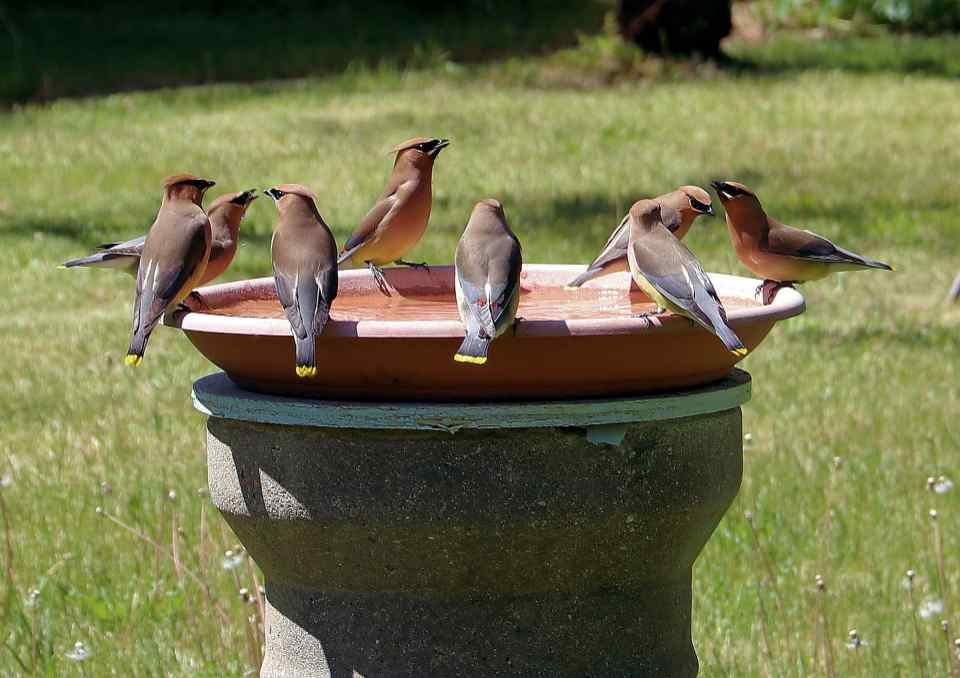
Best Bird Baths for Birds: Choosing the Right Style
Best bird baths for birds varies depending on your climate, space, and specific goals. Different styles attract different species and serve different purposes.
Shallow pedestal baths are classics that work well for most species. According to the Cornell Lab, how deep should a bird bath be is approximately 1-2 inches maximum depth. Pedestal baths hold water at a stable height (typically 2-3 feet), making them accessible while offering predator-spotting advantages.
Ground-level baths mimic natural puddles that birds prefer. Some birds, particularly ground feeders like robins and sparrows, feel more comfortable at ground level. These baths create safe bathing spaces, though they require closer predator monitoring.
Fountain baths combine water circulation with traditional bathing. Bird bath fountain vs dripper considerations involve personal preference, but fountains create more dramatic water movement. Research from Perky-Pet confirms that bird bath fountain benefits include increased bird visitation due to auditory and visual attraction of moving water.
Heated bird baths become essential in northern climates during winter. These maintain unfrozen water when natural sources freeze solid. During harsh winters, heated baths become genuinely life-saving, supporting birds through their most challenging season.
DIY baths using shallow bowls or saucers work perfectly. According to Wikipedia, any shallow basin with clean water attracts birds effectively. I’ve had excellent success with simple ceramic saucers placed directly on the ground or on low platforms.
Bird Bath Placement Tips: Location Strategy
Bird bath placement tips determine how much bird activity you actually observe. Poor placement creates underutilized water features; strategic placement creates bird highways.
Distance from cover matters critically. According to the Gardening Know How, birds need protective vegetation within 6-10 feet for escape routes when threats appear. However, keep cover far enough away that predators can’t hide and ambush drinking birds. This balance creates security while maintaining clear sightlines.
Should a bird bath be in sun or shade depends on your climate and season. In hot climates, shade slows algae growth and reduces water evaporation. In cold climates, morning sun helps warm water and promotes visitation. Generally, partial shade works best year-round, full sun creates algae blooms and excessive evaporation; full shade discourages morning bathing activity.
Open space visibility is essential. Position baths where birds can see approaching predators from multiple directions. Locate them away from dense shrubs that hide cats or other threats. Even a short dash away from the bath to safety is preferable to birds feeling trapped by surrounding vegetation.
Avoid high traffic areas. Position baths away from where you frequently walk or where dogs run. Human and pet activity frightens birds away from bathing, defeating the purpose of your water features.
Multiple locations spread throughout your property encourage visitation from different bird populations. Rather than one centralized bath, strategically scatter 2-3 baths in different yard areas. This distribution creates redundancy and serves distinct bird populations with different movement patterns.
Bird Bath Depth Guide: Safety Considerations
Bird bath depth guide specifications directly impact bird safety and bathing success. Incorrect depth either prevents bathing or risks drowning, neither outcome is acceptable.
How deep should a bird bath be is straightforward: maximum 2 inches in the center with shallow sloping edges. According to research, water no deeper than 1 inch at the edges sloping to maximum 2 inches in the middle accommodates most backyard species safely. Bird bath depth deeper than 3 inches poses drowning risks for smaller songbirds.
The shallow depth requirement relates to bird anatomy. According to the Brandywine Conservancy, birds’ hollow bones create extreme buoyancy. They need shallow water where they can maintain contact with bottom surfaces while splashing. Deep water causes panic, birds thrash frantically, potentially exhausting themselves or drowning.
Staging surfaces help too. Arrange stones or branches inside baths, creating levels where birds can stand at preferred water depths. This simple modification accommodates multiple species simultaneously and provides safety for hesitant bathers.
Sloped bottoms work better than flat ones. Gentle slopes allow birds to choose their preferred depth and prevent water pooling at dangerous depths. When designing or selecting baths, prioritize gradual sloping over flat basins.
During winter, bird bath depth becomes even more critical. Ice forms faster in deep water, making shallow baths more practical for keeping water unfrozen. Additionally, birds standing in shallow frozen baths risk less water on their feathers, reducing hypothermia risk.
Water Features: Fountains and Drippers Compared
Bird bath fountain vs dripper considerations affect bird attraction rates and maintenance requirements differently.
Drippers use minimal water movement, releasing single drops or small streams. According to the Cornell Lab of Ornithology, drippers create subtle motion and sound that attract birds through gentle, continuous water features. They use less electricity (particularly solar models) and require minimal maintenance.
Fountains create dramatic circulation, potentially rotating water through the entire bath. Bird bath dripper for birds and fountains both attract birds effectively, but fountains create more obvious visual and auditory cues. Birds notice moving water from greater distances, potentially drawing species from across your yard.
Solar-powered options eliminate electricity costs and wiring concerns. Both drippers and fountains come in solar versions, though solar models may not operate effectively during cloudy periods or seasons with limited sunlight.
Battery-operated drippers offer flexibility and portability. These compact units attach to existing baths without installation complexity. Bird bath dripper benefits include easy removal for cleaning and adjustable flow rates.
My personal experience: I’ve had better success with fountains for initial bird attraction, but drippers provide sustainable long-term water features. Many experienced bird watchers use both, with fountains in visible locations and drippers in quieter areas.
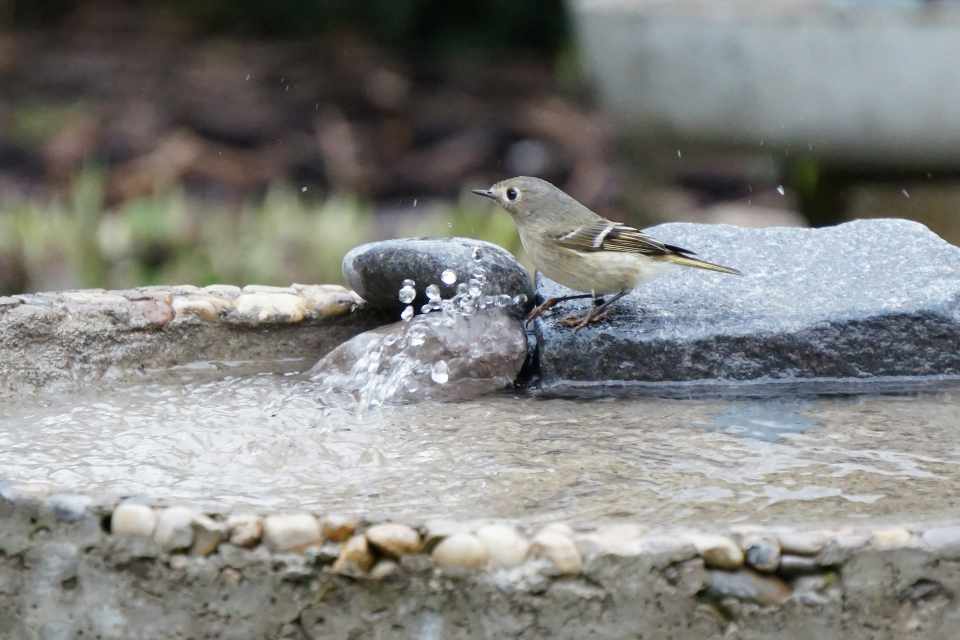
What to Put in Bird Baths: Water Maintenance
What to put in bird baths beyond plain water requires understanding bird health and preventing disease transmission.
Fresh, clean water is the only essential ingredient. Never add soap, salt, sugar, or other additives, these contaminate water and harm birds. Just plain tap water works perfectly. According to the Cornell Lab, birds need nothing except clean water.
Regular water changes are critical. Change water completely every 2-3 days (daily during hot weather). Stagnant water breeds algae, bacteria, and parasites that transmit disease through bird populations. I change my baths daily during summer and at minimum twice weekly during cooler seasons.
Algae prevention involves multiple strategies. According to research, shade reduces algae growth by limiting sunlight. Regular water changes prevent algae development before it becomes problematic. Adding a small filter or fountain helps circulate water, reducing stagnation.
Never use chemicals to prevent algae. Products marketed for bird baths often contain harmful substances. Your maintenance routine, regular changing and proper placement, provides adequate algae control without toxic additions.
What to put in a bird bath besides water honestly? Nothing. Plain water is ideal. Avoid mineral supplements, vitamin additions, or commercial bath products. Birds get everything they need from water plus their natural diet.
Seasonal Bird Water Tips: Adjusting Year-Round
Seasonal bird water tips shift strategies based on temperature, migration periods, and water availability changes.
Spring and summer require daily water maintenance. Heat accelerates evaporation and algae growth. Provide extra baths during migration seasons when traveling birds desperately need water. Attracting birds to your garden during summer involves treating water features as essential infrastructure, not optional amenities.
Fall migration brings increased water demand. Traveling birds stop frequently to drink and bathe, making reliable water sources critical migration support. Maintain multiple baths and keep them constantly filled during this period.
Winter transforms water provision into survival support. Frozen natural water sources create dehydration crises for birds. Attracting birds in winter specifically depends on heated baths or frequent refilling of regularly freezing sources. In northern climates, heated baths rank alongside food feeders in importance.
For strategies specific to cold seasons, learn more about how to attract birds during winter for comprehensive seasonal support.
Complementary Strategies: Integrating Water with Other Attractions
Adding water features to existing yards requires complementary strategies to create comprehensive bird habitat.
Combine feeders and water sources within visible proximity. Birds using water features often visit feeders afterward. Strategic placement creates feeding and bathing loops that keep birds engaged longer. Discover more in our guide on how to keep birds hydrated during summer.
Native plants create natural shelter near baths. What plants attract birds relevant to water features include berry producers and dense shrubs offering escape cover. Learn more about native plants for birds to create comprehensive water-adjacent habitat.
Nesting boxes positioned near water sources attract breeding birds. Access to reliable water supports successful nesting by providing hydration for parents and chicks. Check out how to encourage birds to nest in your garden for integration strategies.
Garden design incorporating water creates “bird-friendly garden” spaces. According to bird-friendly garden design principles, strategic water placement anchors entire backyard ecosystems that support diverse species.
Predator management protects birds using water features. Position baths away from hiding spots, install motion-sensor lights, and keep cats indoors to reduce predation risk at vulnerable moments. Learn more about how to protect baby birds from predators.
Conclusion: Water Creates Connection
Attracting birds to your garden ultimately succeeds through reliable water provision. Add water features, maintain them consistently, and watch your bird visitation skyrocket.
Water matters more than fancy feeders, expensive seed blends, or elaborate landscaping. A simple basin filled with clean water creates immediate results. Most people don’t realize how transformative water becomes until they try it themselves.
Last summer, I watched a pileated woodpecker, a species I rarely see, visit my bird bath three times daily. That bird traveled miles from appropriate forest habitat specifically for water access. That single bird convinced me that reliable water features rank equal to habitat preservation for bird support. You create genuine wildlife sanctuary when you provide water consistently.
Start today. Fill a simple dish with water. Position it strategically. Refill it daily. Then observe the transformation. Birds will find it, use it, and return daily. This simple act connects you to wildlife in meaningful ways while supporting bird survival during their most vulnerable moments.