You’re standing in the birdseed aisle staring at forty different types of bird feeders, and honestly, you have no idea which one actually works. That feeder looks cool but expensive. That one seems flimsy. Will the cheap plastic one fall apart in a month? I get it, learning how to choose the right bird feeder is overwhelming when you don’t know what you’re looking for. But here’s the thing: the “right” feeder doesn’t exist universally. The best choice for your backyard depends on which birds you want to attract, your budget, and how much maintenance you’re willing to handle.
I learned this the hard way 🙂. Years ago, I bought an expensive “universal” feeder that looked beautiful but attracted exactly zero birds. My cheaper platform feeder sitting three feet away hosted parties daily. That pricey feeder taught me a valuable lesson: style matters less than function. The best bird feeders match your specific situation, not magazine aesthetics.
- Pick feeders based on the birds you want to attract.
- Tube: small songbirds and finches; clean weekly.
- Hopper: versatile, holds more seed, weather-protected.
- Platform: attracts most species; refill and clean often.
- Suet: high-fat treats for woodpeckers and chickadees.
- Nyjer/Thistle: finches only if they visit your area.
- Hummingbird: nectar feeders; clean every 3 days.
- Place feeders near cover, away from predators, and maintain consistently.
Types of Bird Feeders and How to Choose the Right One
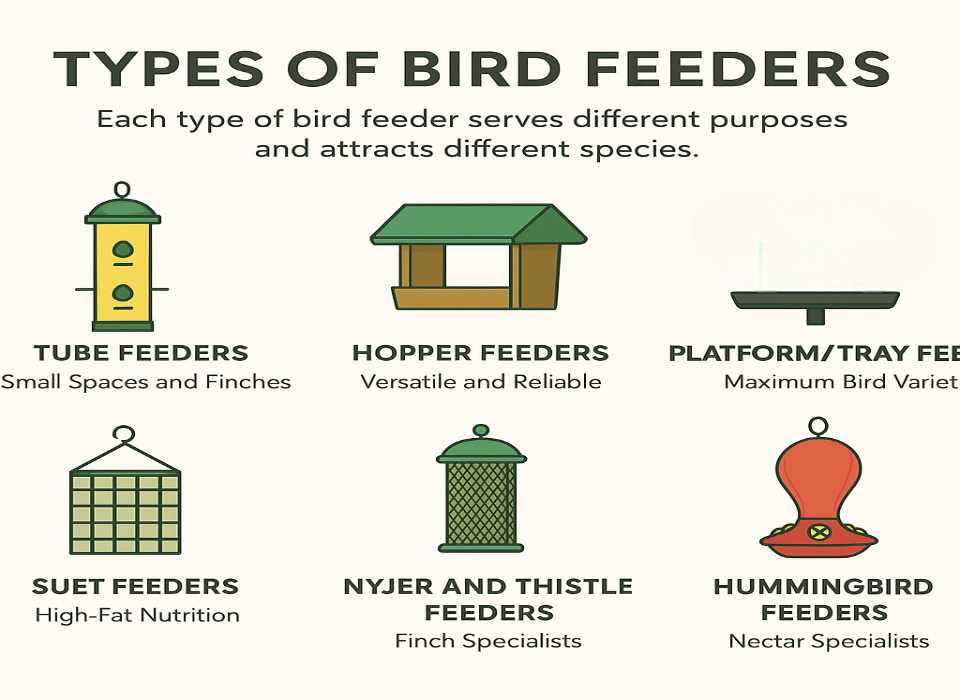
Before choosing anything, you need to understand your options. Each types of bird feeders serves different purposes and attracts different species.
Show Transcript
How to Choose the Right Bird Feeder for Backyard Birds
If you want to start feeding birds but feel overwhelmed by the huge variety of feeders, you’re in the right place. We’ll cut through the confusion and help you choose a feeder with confidence, focusing on what actually works for attracting backyard birds, songbirds, and other feathered friends.
Standing in the store staring at walls of plastic, wood, and metal feeders can be intimidating. Some look too complicated, others seem flimsy. The truth is, attracting birds doesn’t have to be complicated. I learned this the hard way—I once bought an expensive, fancy feeder that promised to attract every bird in a five-mile radius. What happened? Nothing. Meanwhile, a simple, inexpensive tray feeder I already had became the busiest spot in my yard.
The secret is simple: birds care about function, not style. A feeder that works for the birds will always outperform one that just looks good.
Instead of covering every feeder type out there, let’s focus on the two best choices for beginners:
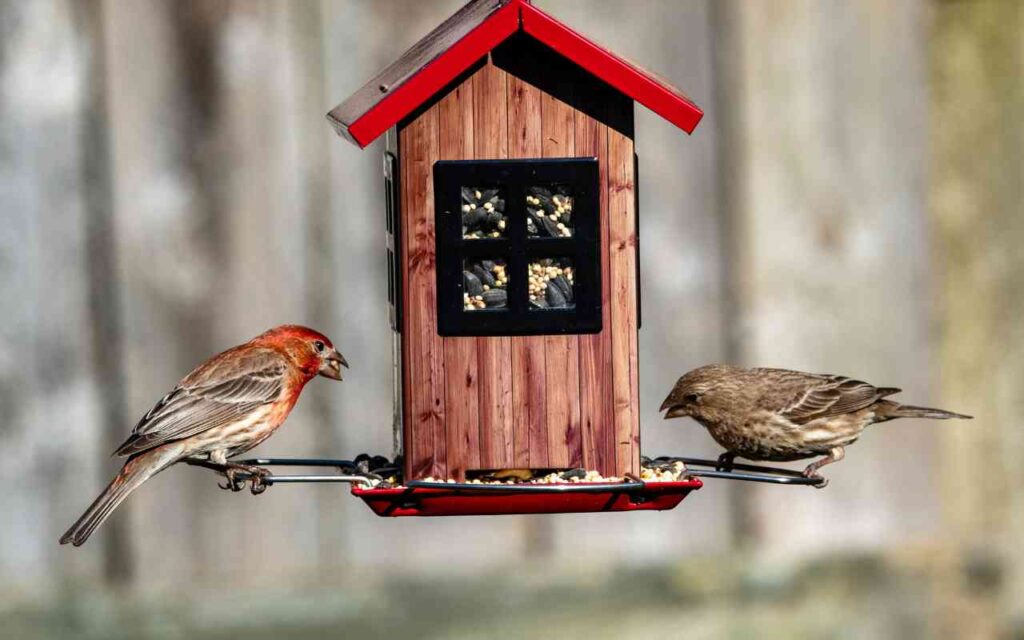
The hopper feeder looks like a small house and holds a large amount of seed while protecting it from rain. It’s reliable and attracts a wide variety of birds over time.
The platform feeder is an open tray that invites almost every bird in the neighborhood. It gets messier and requires more cleaning, but it draws immediate activity and attracts the most diverse group of backyard birds, from finches and chickadees to cardinals and jays.
Other feeders, like tube feeders for finches or suet cages for woodpeckers, are great, but consider them “level two.” Start with one simple feeder, and you can always expand later.
Where you put your feeder makes a huge difference. The ideal distance is 10 to 15 feet from any cover, like trees or shrubs. This distance allows birds to quickly escape predators like hawks but keeps them safe from cats and other ambushes. Correct placement increases the number of daily visitors dramatically.
A dirty feeder can spread disease and turn your bird cafe into a hazard. Clean your feeders weekly: dump old seed, scrub with a mild bleach solution, rinse thoroughly, and let it dry completely before refilling. This simple habit keeps your birds healthy and happy.
Squirrels are clever and persistent visitors to bird feeders. To outsmart them, use a baffle (a dome or cone on the feeder pole) and place feeders away from launch points like trees, fences, or deck rails. For persistent squirrels, consider a separate feeder filled with corn to keep them away from your premium bird seed.
Common beginner mistakes include buying cheap seed mixes, which often contain filler seeds like red milo that birds avoid. Overfilling feeders can cause wet or moldy seed that harms birds. Poor placement, such as near dense bushes, makes it easy for predators to ambush birds. And neglecting cleaning is the fastest way to lose birds.
A simple three-step plan for a thriving bird feeder:
- Start simple: choose a hopper or platform feeder.
- Place it smart: follow the 10–15 ft rule for safety.
- Keep it clean: make weekly cleaning a habit.
Following these steps will help you attract a variety of backyard birds, from cardinals, finches, chickadees, and titmice to nuthatches and woodpeckers. You don’t need fancy gear or expert knowledge—just consistency and the right approach. Start feeding today and watch your backyard come alive with colorful, happy birds.
Tube Feeders: Small Spaces and Finches
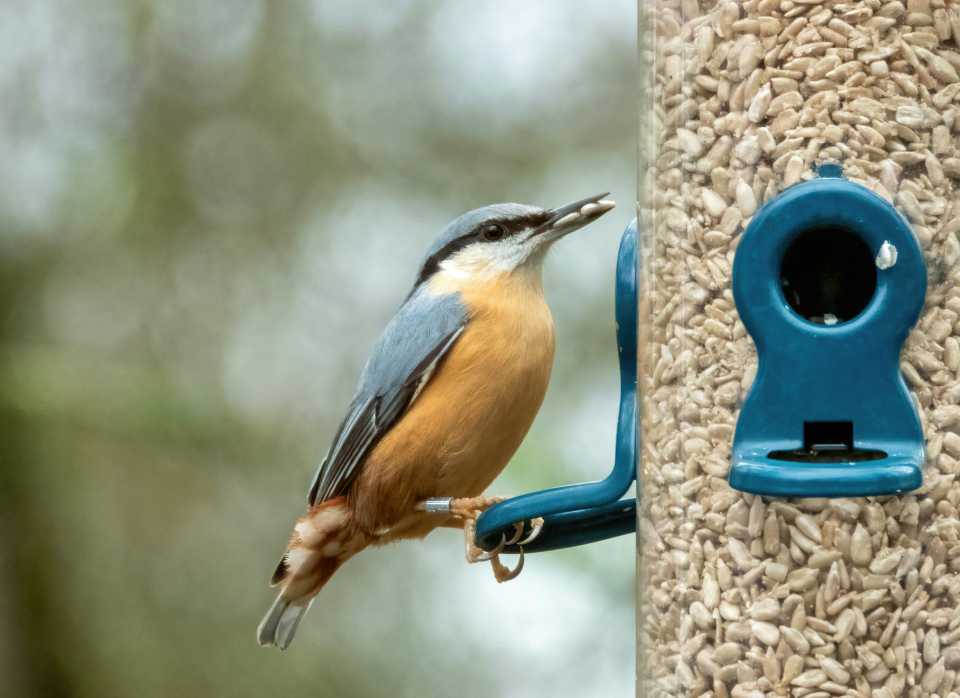
Tube feeders are cylindrical containers with multiple feeding ports positioned around the circumference. Small songbirds love them because the perches accommodate their size and weight perfectly. However, tube feeders clog with moisture, harbor mold, and become breeding grounds for disease if not cleaned meticulously. According to the Cornell Lab of Ornithology, tube feeders work well for finches and small songbirds but require weekly cleaning.
The inside spaces trap moisture and old seed, creating ideal conditions for fungal growth. I’ve seen tube feeders transform into science experiments within two weeks of neglect. If you choose tube feeders, commit to rigorous maintenance or watch your birds get sick.
Hopper Feeders: Versatile and Reliable
Hopper feeders feature a central storage chamber with an open tray below. Birds land on the tray and access seed from the sides. These feeders hold significant quantities of seed, offer weather protection for the stored food, and accommodate various bird sizes. They’re versatile and reliable, though they require regular cleaning to prevent seed spoilage.
Hopper feeders work well for most backyard situations. They’re the Swiss Army knife of bird feeding, effective but not specialized. I use hopper feeders as my primary feeding stations because they balance ease of use with capacity and bird variety.
Platform Feeders: Maximum Bird Variety
Platform or tray feeders present seed on open surfaces with minimal sides. These platform feeders attract the widest variety of species because birds can land comfortably and access food easily. Ground-feeding birds like robins and sparrows prefer them. The downside is that weather directly damages exposed seed, creating waste and mold problems.
Platform feeders require dedication to maintenance. I refill mine daily and completely clean them weekly. The effort pays off through incredible bird diversity, more species visit my platform feeder than any other feeder type I own.
Suet Feeders: High-Fat Nutrition
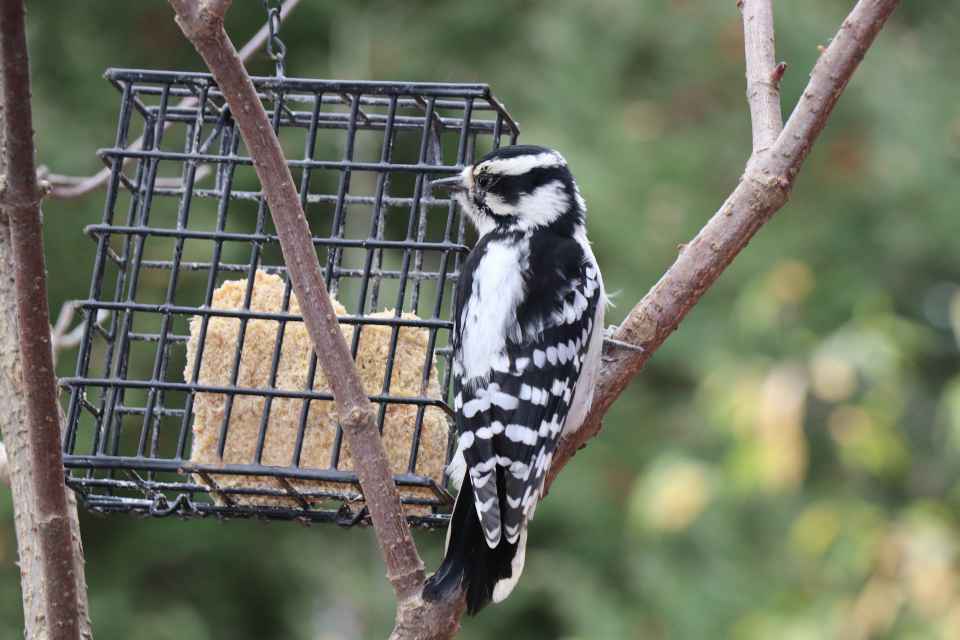
Suet feeders hold suet cakes or fat-based food blocks in wire cages. Woodpeckers, chickadees, and nuthatches absolutely love them. These feeders provide essential high-calorie nutrition during winter and breeding season. Seed vs. suet feeders represent different feeding philosophies, suet attracts insect-eating birds while seed attracts seed-eaters. Many experienced birders maintain both types.
Suet feeders work year-round, though they’re especially valuable during winter. According to All About Birds, suet attracts species that often ignore seed feeders altogether, helping you bring a wider variety of birds to your yard.
Nyjer and Thistle Feeders: Finch Specialists
Nyjer or thistle feeders dispense tiny black seeds through small ports. These specialized feeders attract goldfinches, siskins, and redpolls specifically. The small ports exclude larger birds, and the expensive seed deters casual visitors. Use these only if finches actually visit your area.
Nyjer feeders are investments, both the feeders and the seed cost more than alternatives. I only recommend them if you’ve already observed finches visiting your yard regularly. Otherwise, you’re throwing money at a specialized feeder for birds that won’t show up.
Hummingbird Feeders: Nectar Specialists
Feeders for hummingbirds hold nectar solutions and feature small ports designed for hummingbird bills. These specialized units require frequent cleaning (every 3 days) and nectar changes. They’re essential for ruby-throated or other hummingbird species in your region, but useless without local hummingbirds.
Hummingbird feeders demand commitment. The constant cleaning and refilling isn’t negotiable, neglected feeders grow mold that kills hummingbirds. Only install these if you’re prepared for the maintenance requirements.
Which Bird Feeder Attracts the Most Birds
Bird species preferences vary dramatically, and successful feeding means understanding what attracts specific birds.
Best Feeder for Finches
Best feeder for finches specialized nyjer/thistle feeders with small ports designed for tiny beaks. Goldfinches, siskins, and house finches readily use these. However, if finches don’t naturally occur in your region, don’t waste money on specialized finch feeders. Start with general-purpose feeders and observe which birds actually appear.
Platform feeders also attract finches if you offer nyjer seed. Some finches will use hopper feeders with mixed seed, though they prefer specialized nyjer feeders.
Best Feeder for Woodpeckers
Best feeder for woodpeckers are suet feeders positioned near tree trunks. Woodpeckers need high-fat foods and appreciate clinging feeders they can grip vertically. Position suet feeders on tree trunks or poles where woodpeckers feel comfortable and secure.
Woodpeckers also accept platform feeders if you offer peanuts or suet pieces. However, vertical suet feeders remain their preference because they mimic natural foraging on tree trunks.
Best Feeder for Cardinals
Best feeder for cardinals are sturdy platform feeders or large hopper feeders with reinforced perches. Cardinals need substantial perching space and prefer large seeds they can manipulate easily. Their beaks are designed for cracking hard seed shells, so offer black oil sunflower seeds or safflower specifically.
Hopper feeders work well for cardinals because the side-access design accommodates their size. Position these feeders in open areas where cardinals feel comfortable and visible.
Other Species Preferences
Chickadees and titmice adapt to almost any feeder. They’re opportunistic and will use tube, hopper, platform, or suet feeders. They prefer feeders near protective cover where they can escape quickly.
Sparrows and juncos typically prefer ground feeding or platform feeders. They’re ground foragers naturally, so offering seed at low levels or directly on soil attracts them reliably.
| Bird Species | Preferred Feeder Type | Notes / Key Tips |
|---|---|---|
| Finches | Nyjer/Thistle, Tube | Small ports, small perches |
| Goldfinches | Nyjer/Thistle, Platform | Specialized feeders optional |
| Siskins | Nyjer/Thistle | Only if observed in your area |
| House Finches | Tube, Platform | Flexible, will adapt |
| Woodpeckers | Suet, Platform | Near tree trunks, high-fat foods |
| Chickadees | Tube, Hopper, Suet | Near protective cover |
| Titmice | Tube, Hopper, Suet | Opportunistic, any feeder type |
| Cardinals | Platform, Large Hopper | Need space for perching and large seeds |
| Sparrows | Platform, Ground | Ground feeders or low platform |
| Juncos | Platform, Ground | Ground foragers |
| Hummingbirds | Nectar Feeders | Frequent cleaning required |
| Blue Jays | Hopper, Platform | Strong beaks, larger seed sizes |
| Robins | Platform | Ground-accessible, open tray |
Squirrel-Proof Bird Feeders: What Really Works
Squirrel-proof feeders promise to exclude squirrels while welcoming birds. The reality is more complicated than marketing suggests.
Most squirrel-proof feeders use weight-activated mechanisms that close feeding ports when heavy animals land. These work okay for medium squirrels but fail against determined raccoons. According to Rural Sprout, no feeder is truly squirrel-proof, determined squirrels eventually defeat most mechanisms.
Baffles (cylindrical or dome-shaped guards) mounted on poles work better than mechanical feeders. Baffles redirect climbing animals away from feeders without relying on complex mechanisms. Position baffles at least 10-12 feet from jumping-off points like trees or roofs.
Strategic placement matters more than feeder design. Position feeders away from objects squirrels can jump from. Keep feeders 10-15 feet from tree branches, fence lines, or deck railings. Even the best squirrel-proof feeder fails if placed near a perfect jump point.
My personal experience: I stopped fighting squirrels and accepted them as part of my feeding setup. I maintain separate squirrel feeders with cheap corn, keeping them far from bird feeders. This compromise satisfies everyone. IMO, energy spent fighting squirrels exceeds the value of saved birdseed.
Best Places to Hang Bird Feeders for Maximum Visits
Feeder placement tips determine whether birds use your feeders or ignore them. Position matters tremendously.
Near protective cover is essential. Birds need escape routes when predators appear. Position feeders within 10-15 feet of trees, shrubs, or brush piles. This distance allows escape without providing predator hiding spots.
Visible from windows lets you enjoy watching birds. Position feeders where you spend time indoors. Morning light helps you observe feeding behavior and identify species. Discover more about bird-friendly garden setup for comprehensive habitat creation.
Away from dense vegetation prevents predator ambushes. Thick shrubs right next to feeders create hiding spots for hawks, cats, or snakes. Maintain clear zones around feeders.
Multiple locations spread bird populations throughout your yard. Rather than one centralized feeder, position several feeders in different areas. This reduces competition and allows nervous birds access to quieter feeding stations.
Height variation accommodates different species. Ground feeders enjoy low platforms. Chickadees prefer mid-height feeders. Hummingbirds accept feeders at any height. Multiple heights create diverse feeding stations.
How to Clean and Maintain Bird Feeders
Feeder maintenance determines whether your feeders attract birds or spread disease. This task is genuinely non-negotiable.
Weekly cleaning prevents mold and seed spoilage. Remove old seed completely. Scrub feeder interiors with a stiff brush. Rinse thoroughly with clean water. Dry completely before refilling. Wet feeders promote mold growth that kills birds. Learn proper techniques with how to clean a bird bath without chemicals, many cleaning principles apply to feeders too.
Bleach solution (1:9 ratio of bleach to water) eliminates disease-causing bacteria. Soak feeders for 10 minutes, scrub, rinse thoroughly, and air dry. This kills salmonella and other pathogens that spread among bird populations.
Hummingbird feeders require meticulous cleaning. Change nectar every 3 days during warm weather (more frequently in extreme heat). Clean ports and tubes thoroughly, mold growth inside ports kills hummingbirds. Use pipe cleaners to reach interior spaces.
Suet feeders attract less mold than seed feeders but still need regular attention. Remove suet cages monthly and clean. Replace suet immediately if visible mold develops.
Platform feeders need most frequent cleaning due to weather exposure. Remove wet or moldy seed daily. Scrub platforms weekly. These feeders require more maintenance but offer unmatched bird variety.
Bird Feeding Tips for Spring, Summer, Fall & Winter
Seasonal feeding strategy recommendations shift based on bird activity and natural food availability.
Spring and summer feature abundant natural food. Bird populations drop at feeders as insects, berries, and seeds become plentiful. Maintain feeders but don’t expect crowds. Continue offering suet if woodpeckers are nesting.
Fall migration brings dramatic feeder activity. Migrating birds need fuel for travel. Stock feeders consistently and monitor for increased visitation. This is when you’ll see unfamiliar species passing through.
Winter creates your busiest feeding season. Natural food sources freeze or disappear. Consistent winter feeding becomes critical for survival. Maintain feeders even during harsh weather. Stock high-calorie foods: suet, nuts, and seeds. Learn more about how to attract birds during winter.
Year-round feeders kept reliably stocked maintain bird populations from season to season. Consistency matters more than quantity. Empty feeders for extended periods force birds to relocate their territories.
DIY Bird Feeders That Actually Work
DIY bird feeders offer budget-friendly alternatives to commercial options while maintaining quality.
Suet feeders are easiest to make. Mix melted suet or peanut butter with seeds, dried fruit, or nuts. Pour into molds (plastic containers work) or pack into pinecones. Hang from string or place in wire cages. Cost per feeder: under a dollar.
Seed feeders from plastic bottles work surprisingly well. Drill small holes near the bottle bottom, fill with seed, and hang inverted from tree branches. Seed spills through holes as birds peck. The bottle protects seed from weather and creates a simple functional feeder.
Platform feeders from scrap wood are incredibly simple. Build a shallow tray from boards, attach a hanging mechanism, and you’re done. These cost nothing if you have scrap materials available.
Pinecone feeders combine pinecones with suet and seeds. Coat pinecones with peanut butter, roll in seeds or dried fruit, and hang from string. Birds love them, and they cost nearly nothing.
How to Attract More Birds to Your Yard
Attracting backyard birds requires more than feeders alone. Comprehensive habitat creates irresistible environments.
Water sources matter enormously. Birds need water as much as food. Bird baths positioned near protective cover attract species that ignore feeders. Maintain fresh water year-round, heated during winter. Discover strategies with how to keep birds hydrated during summer.
Native plants provide natural food year-round. Bird-friendly garden setup includes berry-producing shrubs and seed-bearing perennials. These plants support insects that birds need and produce seeds and berries. Explore native plants for birds for species recommendations specific to your region.
Nesting habitat converts visitors into residents. Offering bird nesting boxes gives birds reasons to stay and breed in your yard. Different species need different box specifications. See how to encourage birds to nest in your garden for detailed guidance.
Reduced pesticide use supports insect populations that birds need. According to the American Bird Conservancy, pesticide-free yards support healthier bird populations because insects remain abundant.
Minimal lawn allows space for wildflowers and insects. Formal, treated lawns support few birds. Leave wild patches where native plants grow.
Common Bird Feeder Mistakes to Avoid
Avoiding bird feeder mistakes can turn your feeder from benefit to liability. Understanding these errors prevents harm to your backyard birds.
Neglecting cleanliness is the biggest mistake. Dirty feeders spread diseases like salmonellosis among bird populations. Clean feeders weekly with diluted bleach solution. Change water in hummingbird feeders every 3 days during warm weather.
Using poor-quality seed attracts pests and wastes money. Cheap seed mixes contain fillers (milo, wheat, chaff) that birds reject, creating waste piles that attract rats and other problems. Invest in quality seed: black oil sunflower, safflower, or suet.
Overfilling feeders leads to seed spoilage, mold, and disease. Keep feeders topped off but not overflowing. Empty and clean feeders when seed shows signs of moisture or clumping.
Placing feeders unsafely leaves birds vulnerable. Position feeders where birds can see predators approaching but near protective cover for escape. A feeder in completely open space stresses birds. Dense vegetation immediately adjacent to feeders creates predator hiding spots, maintain balance.
Abandoning feeders during winter when birds need them most is devastating. Consistent winter feeding saves lives during harsh conditions. If you can’t maintain feeders year-round, better not to start during fall migration. Birds become dependent on reliable resources.
Adding inappropriate items to feeders harms birds. Never add salt, sugar, artificial sweeteners, or other additives. Plain seed, suet, and nectar are sufficient.
Choosing the Right Bird Feeder: Final Tips
Choosing the right bird feeder ultimately depends on your specific goals and situation. Universal recommendations don’t exist because every backyard differs.
Start by observing which birds naturally occur in your area. Install general-purpose feeders (platform or hopper) and watch what appears. After observing patterns, add specialized feeders for specific species if appropriate. Invest in quality feeders and maintain them meticulously. Place feeders strategically near cover but away from predator hiding spots. Clean feeders weekly without exception.
The “best” feeder isn’t the most expensive or prettiest, it’s the one that attracts birds while remaining manageable for you. I’ve learned that simpler feeders usually outperform complicated designs. A basic platform feeder kept scrupulously clean attracts more birds than an expensive automated feeder you neglect.
Last week, my old platform feeder, basically a piece of plywood on a pole, attracted seventeen different species in a single day. That cheaply-constructed feeder with zero fancy features outperformed every elaborate feeder I’ve ever owned. Sometimes the simplest solution works best.