
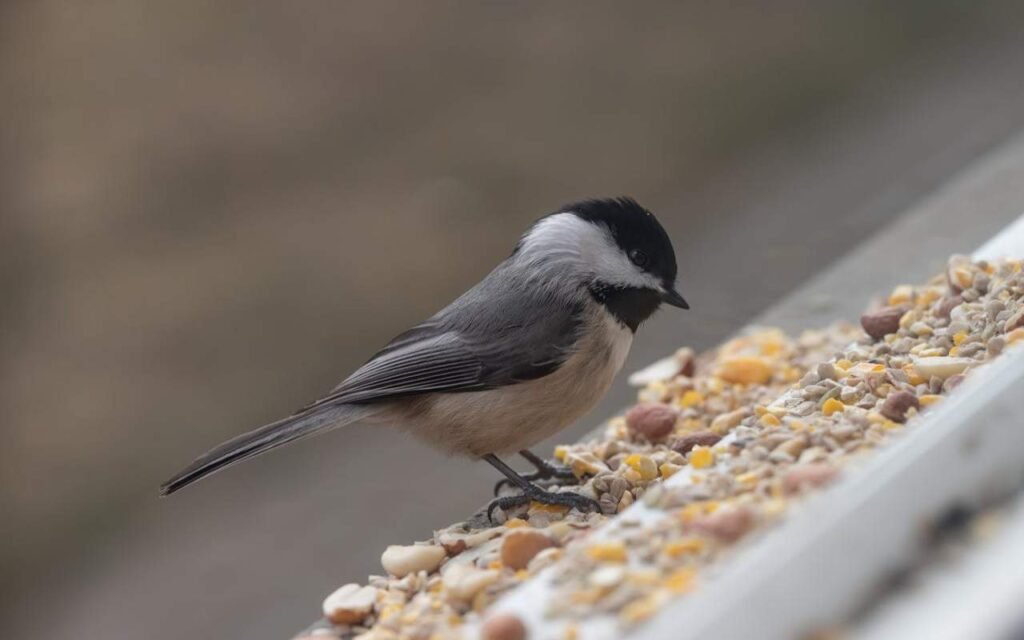
If you have ever wondered what do chickadees eat and how to attract them, you can easily transform your backyard into a bustling sanctuary for these quick, fearless birds. While many birdwatchers recognize their unmistakable vocalizations, few realize that these tiny creatures possess a surprisingly varied diet that shifts completely with changing seasonal resource windows.
Optimizing your yard layout requires a systematic understanding of their wild foraging preferences across diverse suburban landscapes. Providing a consistent mix of specialized foods and dense native vegetation makes it easy to encourage frequent visits and safely train these highly curious birds to hand-feed.
Quick Summary of Chickadee Feeding and Attraction Habits
The most effective way to attract chickadees is to offer black oil sunflower seeds, unsalted peanuts, and high-energy suet in clean feeders, matching their natural omnivorous wild diet of insects, seeds, and berries.
To build a permanent habitat, supplement these feeders by planting native berry-producing shrubs and maintaining fresh water year-round, while using patience to gradually train these curious birds to hand-feed.
Seasonal Dietary Adjustments and Foraging Behaviors
This field footage shows active wild flocks hunting and stashing food across a suburban landscape. Watching these dynamic gathering behaviors in real life helps you optimize your backyard feeding stations.
Field tracking confirms that chickadees are highly resourceful omnivores that continuously adapt their nutritional intake based on seasonal resource availability. During the warm summer months, their foraging strategies heavily favor high-protein animal matter to sustain their high energy levels. Conversely, their winter survival depends on a strategic transition to fat-rich seeds, cached nuts, and wild berries to survive subzero temperatures.
This extreme dietary flexibility relies on distinct biological adjustments and specialized food-stashing habits that allow individual flocks to thrive in harsh northern climates. To understand how their wild preferences shift throughout the year, analyzing their distinct visual foraging categories reveals the specific fuel sources they rely on for long-term survival.
Insect Foraging and Essential Avian Protein
During the spring and summer breeding seasons, insects and spiders constitute the vast majority of a chickadee’s daily diet.
As documented in the comprehensive field studies by the Cornell Lab of Ornithology All About Birds, these high-protein food sources serve as essential metabolic fuel for active adults and provide the foundational nutrition required for developing nestlings.
When monitoring active nesting sites, field researchers have documented that a single clutch of Carolina Chickadee chicks can consume over 9,000 caterpillars during the brief 16-day window between hatching and fledging.
Their typical warm-weather forage profile relies on several common invertebrates:
- High Fat Larvae: Caterpillars serve as the primary food source for feeding rapidly growing chicks.
- Essential Arachnids: Spiders provide vital amino acids and constitute a major part of their animal matter intake.
- Bark Gleans: Beetles and aphids are systematically pulled from tree bark crevices and leaf clusters.
- Aerial Capture: Active flying moths and small flies are routinely captured mid-air or pulled from branches.
Watching a chickadee systematically navigate a tree canopy highlights their specialized role as highly efficient backyard pest controllers. By suppressing local populations of mosquitoes, aphids, and destructive garden larvae, these active foragers provide a vital, passive ecological balancing service to your suburban landscape.
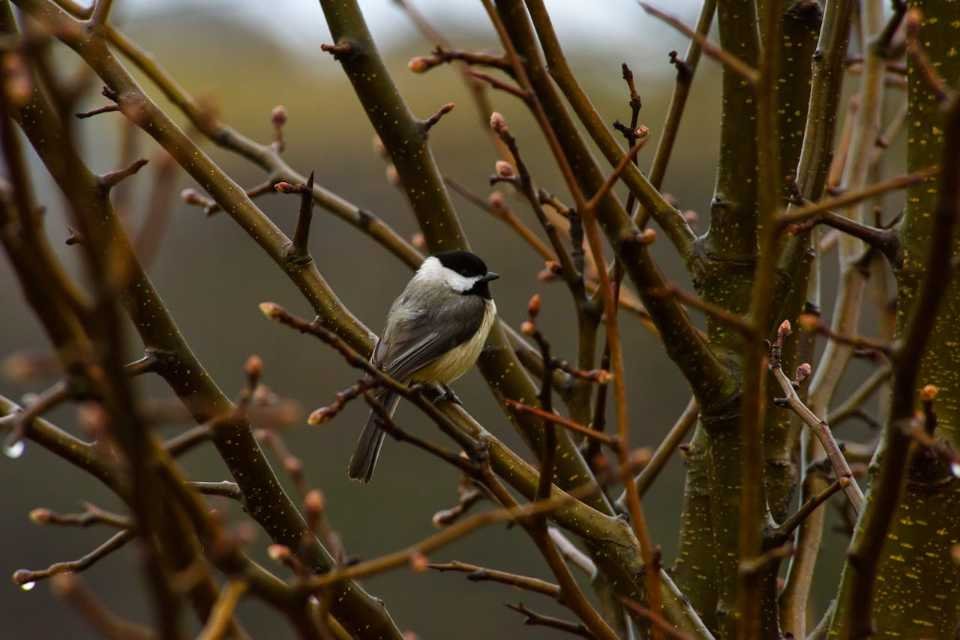
Premium Seeds for Backyard Feeding Stations
Black oil sunflower seeds represent the absolute gold standard for attracting chickadees to backyard feeding stations. These energetic birds display a highly distinct foraging method, systematically grasping a single seed from a tray, flying immediately to a nearby secure branch, and forcefully hammering the hull open with their bills to harvest the fat-rich kernel inside.
Their typical seed forage profile incorporates several other common varieties:
- Striped Sunflower Seeds: Heavy thick-shelled seeds offer excellent fats but require significantly more physical hammering effort.
- Safflower Seeds: Bitter white-shelled seeds provide a reliable nutritional backup when primary food sources are depleted.
- Pumpkin Seeds: Large raw seeds are eagerly collected and systematically broken down over time.
- White Proso Millet: Small round grain crops are occasionally consumed as an opportunistic snack when foraging alongside sparrows.
Maintaining a consistent supply of premium sunflower seeds remains the single most dependable strategy for establishing a permanent local chickadee flock. This reliable, high-calorie food source provides the foundational fats they require to fuel their rapid metabolisms and survive sudden regional temperature drops.
High Fat Nut Varieties and Scatter Hoarding Survival Tactics
While small in stature, chickadees possess a remarkably large appetite for dense, high-calorie nuts. These oil-rich foods provide crucial lipids that fuel their high metabolic demands throughout the year. They display a strong regional preference for unsalted peanuts, raw almonds, and soft walnut meat.
Rather than consuming every harvested piece immediately, chickadees utilize a highly specialized survival strategy known as scatter-hoarding. Individual birds systematically transport single nuts away from feeding stations, tuck them securely into deep tree bark crevices, and rely on an expanded hippocampus to accurately recall these distinct coordinates weeks later.
Utilizing dedicated peanut mesh tube feeders creates a highly efficient, consistent foraging zone that keeps local flocks returning daily.
Native Winter Berries and Natural Nutritional Buffers
During the late autumn and winter seasons, wild berries become a critical component of the chickadee survival profile. These fruit sources deliver essential sugars for rapid metabolic energy, which is vital when a small bird is attempting to maintain its core body temperature during freezing weather conditions.
Establishing native elderberry, bayberry, dogwood, and holly shrubs across your landscape creates a natural foraging buffer that supports local wildlife through the winter. Interestingly, these durable birds can also safely consume toxic poison ivy berries as an excellent source of winter fats..
High Calorie Suet Blends for Freezing Weather
When regional temperatures drop below freezing, suet functions as a genuine lifesaver for local chickadee populations. This high-fat animal matter delivers the dense, immediate caloric energy these birds desperately require to prevent hypothermia during brutal winter nights. Property owners can easily construct a high-energy recipe using rendered beef fat, creamy peanut butter, loose seeds, and dried fruit inserts.
Hanging a dedicated suet cage in your yard ensures that chickadees are consistently the first visitors to arrive at dawn. They routinely execute rapid foraging runs, gathering small bites before zipping away to a secure branch to digest their food safely.
Human Processed Food Risks and Dietary Hazards
While chickadees possess a highly curious nature and will occasionally sample household kitchen scraps left outdoors, introducing human processed foods into their diet carries significant nutritional risks. These birds require highly specific fat and protein ratios to sustain their rapid metabolic functions, meaning standard residential table scraps fail to provide adequate biological value.
They will occasionally investigate several common household grains:
- Unsalted Crackers: Whole grain or plain varieties provide basic carbohydrates but offer minimal long-term nutritional benefit.
- Plain Rolled Oats: Raw, uncooked oats serve as a safe, digestible grain supplement during severe winter weather.
- Whole Wheat Bread Crumbs: Small portions offer immediate calories but lack the essential lipids found in wild forage.
Processed human foods containing high levels of sodium, artificial preservatives, or refined sugars can severely disrupt a songbird’s delicate digestive tract. To preserve the health and long-term vitality of your local flock, it is best to avoid offering processed foods entirely.
Maintaining a strict feeding regimen centered exclusively on premium black oil sunflower seeds, unsalted peanuts, and pure beef suet ensures they receive the precise biological nutrients required to thrive across all four seasons.
Seasonal Diet Shifts and Environmental Adaptations
The remarkable long-term survival of chickadees across harsh northern climates relies directly on their ability to execute dramatic, calendar-based dietary transitions. Unlike less adaptable migratory species, these birds alter their primary fuel sources in real time to match localized environmental resource availability throughout the year.
Their targeted annual nutritional cycle shifts across three distinct phases:
- Spring and Summer: Foraging efforts center heavily on high-protein caterpillars, beetles, and spiders to fuel breeding adults and rapidly growing nestlings.
- Autumn Transition: Diets expand to include native wild berries and hard mast crops, initiating an intense food-stashing period to secure cold-weather food reserves.
- Winter Survival: Metabolic demands rely exclusively on cached nut stashes, wild berries, and high-fat feeder additions like sunflower seeds and pure beef suet.
This calculated seasonal flexibility allows chickadees to maintain an exceptional metabolic baseline when resources are scarce. Property owners can naturally reinforce this winter survival strategy by reviewing our comprehensive guide on native plants for birds to strategically add seed-producing trees and perennial berry shrubs to their home landscapes.
Feeder Selections and Nutritional Strategies
Maximizing the frequency of local chickadee visits requires stocking your backyard stations with specific, high-fat food sources that align with their biological needs. Selecting high-grade options ensures you attract active corvids and titmice rather than invasive pest species.
Your primary feeder inventory should focus on these premium items:
- Black Oil Sunflower Seeds: The foundational seed choice delivers exceptional lipid levels and remains the single most effective avian attractant.
- Unsalted Peanuts: Shelled or whole varieties supply dense protein and encourage essential hoarding behaviors.
- High-Energy Suet Cakes: Solid fat blocks provide immediate metabolic fuel to prevent cold-weather hypothermia.
- Crushed Mixed Nuts: Raw pieces of walnuts and almonds offer premium caloric returns for small foragers.
- Fresh or Dried Berries: Seasonal fruit choices deliver vital sugars and replicate wild winter nutrition.
Property owners should completely avoid low-cost commercial filler seed mixes containing high percentages of cracked corn, milo, or wheat. Chickadees systematically discard these low-fat grains, leaving the unwanted waste to accumulate beneath your stations where it inevitably attracts ground pests, rodents, and feral animals.
Water Availability Requirements and Winter Hydration Habits
Maintaining a reliable fresh water source is essential for supporting local chickadee flocks throughout the year. Beyond basic hydration needs, these small songbirds require consistent access to clean water to bathe, a vital behavioral habit that removes dirt and oil to preserve the insulating properties of their feathers during freezing weather.
Utilizing a heated birdbath or installing a low-wattage de-icer basin is an exceptionally effective winter backyard strategy. When natural streams and puddles freeze solid, a dependable open water station acts as a powerful avian magnet across the neighborhood.
To ensure maximum safety, select a sturdy bath with a maximum depth of two to three inches, as shallow water allows these cautious foragers to drink and bathe without the risk of slipping or drowning.
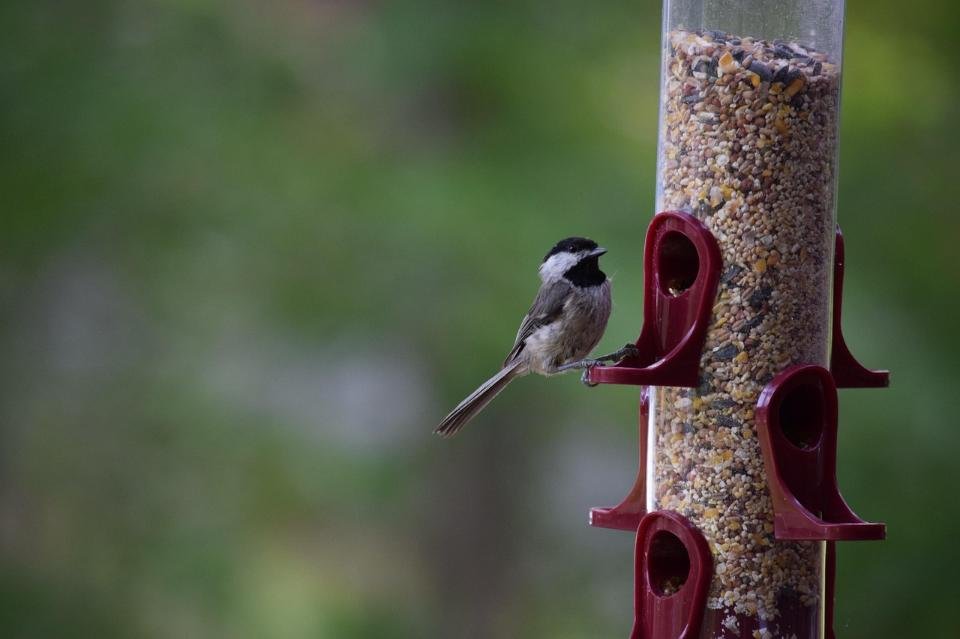
The Ecological Impact and Unique Behavioral Resilience of Chickadees
While their small physical stature often leads casual observers to underestimate them, chickadees exhibit an exceptional level of fearlessness and behavioral dominance at backyard feeding stations.
These tiny passerines possess a unique combination of high agility and calculated assertiveness, allowing them to rapidly dart into crowded tray stations and successfully harvest high-fat resources even when significantly larger bird species attempt to dominate the feeder.
This remarkable assertiveness is driven by acute resource territoriality and highly efficient metabolic survival mechanisms. During critical winter foraging windows, individual chickadees will actively defend high-energy suet cages against larger competing species like European Starlings.
This intense posturing demonstrates that their social resilience and environmental adaptability are fundamental biological adaptations designed to secure vital winter calories in highly competitive urban ecosystems.
Frequently Asked Questions About Feeding Chickadees
How often should I clean my chickadee feeders?
Property owners should thoroughly sanitize chickadee feeders at least once every two weeks using a one-to-nine ratio of white vinegar or liquid bleach to clean water. Regular disinfection prevents the accumulation of mold, damp seed residue, and avian pathogens like Salmonella, ensuring a safe and sterile foraging environment for your local flock.
Do chickadees migrate during severe winter weather?
Chickadees are strictly non-migratory resident songbirds that remain within their established regional breeding territories throughout the entire year. To survive brutal subzero winter nights, they rely on complex scatter-hoarding stashes, dense evergreen roosting shelters, and a unique biological capacity to enter a state of regulated nocturnal hypothermia.
Will chickadees eat from standard tube feeders?
Chickadees comfortably utilize standard tube feeders, open platform trays, and specialized mesh peanut wreaths due to their high physical agility and clinging capabilities. To maximize their safety from larger nest predators, position these feeding stations close to natural tree canopies and protective backyard shrub layers.
Why Chickadees Remain Essential Pillars of Backyard Birdwatching
Reviewing the advanced biological systems, intricate community traits, and sophisticated memory tools of these brilliant passerines proves that they are far more than standard backyard visitors. From the structural physics that drive their rapid canopy foraging maneuvers to their calculated scatter-hoarding habits, these resourceful birds consistently demonstrate superior environmental adaptability.
By understanding their true biological needs and separating factual science from common misconceptions, property owners can naturally reinforce local wild flocks. Maintaining a predictable, safe sanctuary using open-platform tray feeders, high-energy beef suet, and native berry vegetation allows you to fully appreciate their remarkable resourcefulness and evolutionary success.