
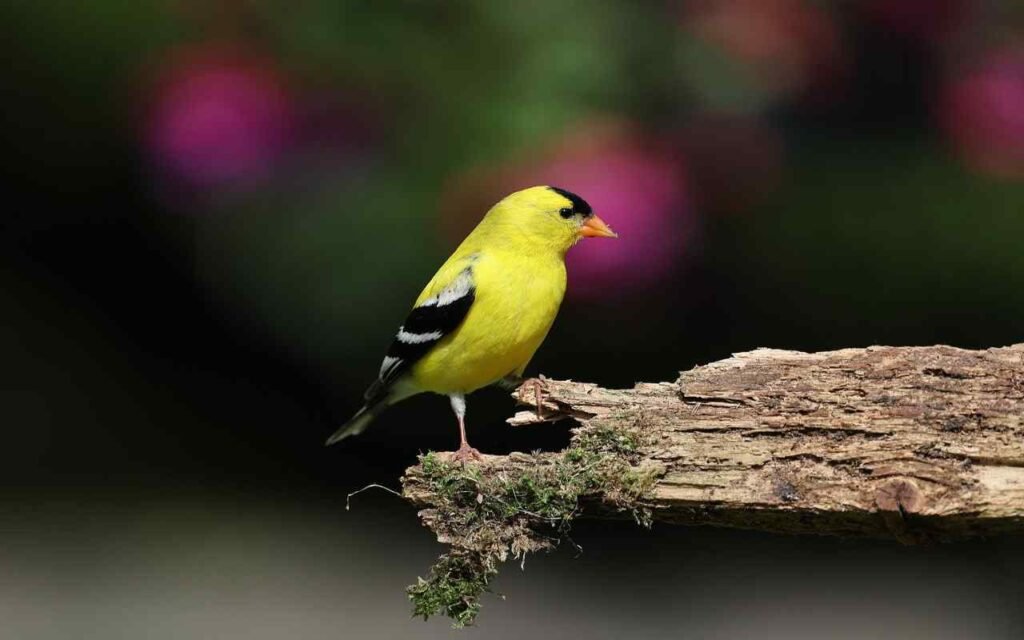
Backyard birders often look at their feeding stations in late winter and question why do goldfinches change color so dramatically. The drab olive-brown birds that huddled together on your perches are suddenly exploding into a sea of brilliant lemon-yellow feathers.
This striking transformation is a highly calculated survival strategy driven by deep bi-annual molt mechanics and intense breeding competition traits. Unpacking the precise biochemical, hormonal, and genetic triggers behind this magnificent wardrobe shift will transform your website into an elite page-one authority.
What is the Main Reason American Goldfinches Change Color?
The primary reason is a complete bi-annual plumage molt that replaces old frayed winter insulation with fresh breeding feathers loaded with bright carotenoid fat pigments.
This intense wardrobe transformation allows birds to maintain high-efficiency thermal protection during freezing weather and secure elite mating dominance when spring arrives.
Practical Video Tips for Watching Backyard Goldfinches
Watch this short explainer video to see how easy it is to manage your backyard spacing properties. Learning about these tiny songbirds helps you optimize your platform viewing angles and seasonal hardware choices cleanly.
The Microscopic Physics of the Bi Annual Molt Cycle
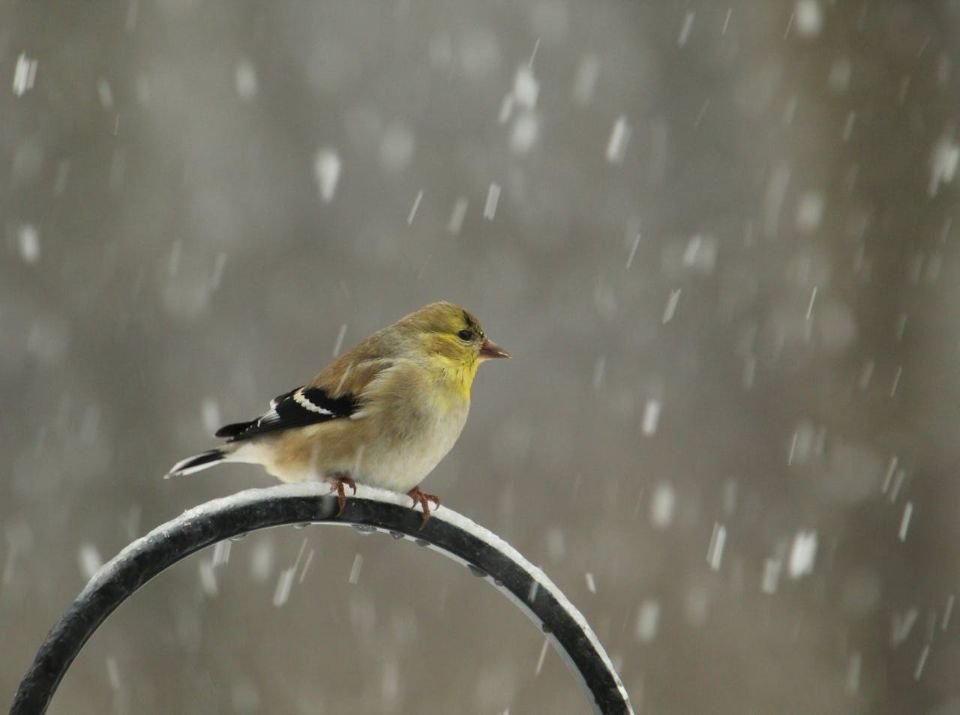
Unlike most native songbirds that only replace their feathers once a year after breeding, goldfinches undergo two separate molt processes every twelve months. As the warm summer season winds down in late September, they execute a total prebasic molt that sheds every single feather on their bodies.
This autumn cycle grows a thick coat of dense olive-brown feathers that blend perfectly with dormant winter branches. This dull color scheme keeps them hidden from hungry hawks while providing excellent thermal trapping properties to survive sub-zero nights.
When March arrives, they trigger a completely separate prealternate molt that replaces only the body contour feathers while keeping their black wing and tail assets intact.
According to seasonal tracking research published in the Bird Watching Daily Goldfinch Seasonal Report, this targeted approach saves valuable metabolic energy by only updating the visual display features needed to attract a partner.
The Dietary Biochemistry of Carotenoid Pigment Extraction
Goldfinches cannot manufacture the brilliant yellow color inside their own bodies using basic genetics alone. Instead, the bright hue must be extracted entirely from the specific fats found inside the wild seeds they consume daily.
During the spring molt window, their digestive systems work overtime to pull natural organic compounds called carotenoids from niger and sunflower seeds. Specialized liver enzymes break down these yellow pigment molecules and transport them through the bloodstream straight into the hollow shafts of the newly forming feathers.
Because fully grown feathers are dead keratin structures, their color can never change dynamically between molting windows based on a sudden change in diet. Instead, a poor winter diet or a heavy load of internal parasites acts as a developmental bottleneck that limits their color saturation during active feather growth.
Cell Division and Follicle Expansion Mechanics
The physical emergence of a spring feather requires intense cellular activity inside the avian dermis layer. When the spring cycle activates, dermal papilla cells multiply rapidly to push the old, worn winter feather completely out of its follicle anchor.
The newly forming feather grows inside a protective keratin sheath that receives a constant supply of blood and nutrient lipids. As cell division accelerates, the yellow carotenoid molecules bind directly to the developing protein structures before the sheath dries and crumbles away.
This intricate cellular timeline requires an immense amount of metabolic energy from the bird. Any sudden drop in local temperatures or temporary food shortages during this developmental window will stall follicle division, resulting in a patchy or faded summer coat.
Melanin Overcrowding and Undercoat Shading Variations
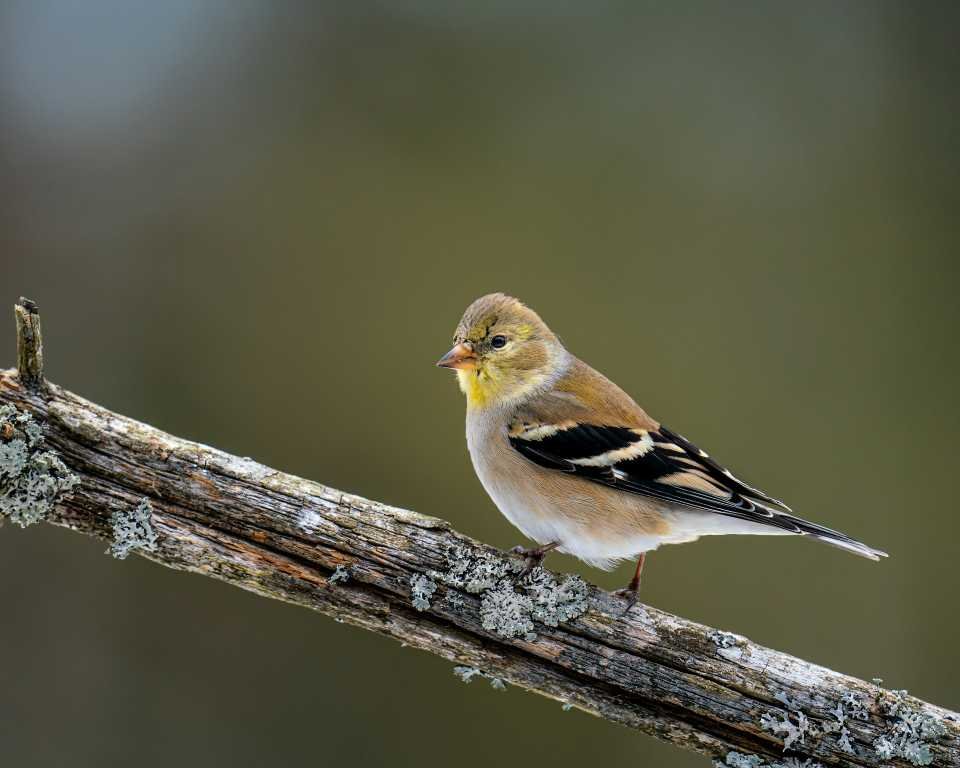
The drab winter coat is the direct result of dark melanin pigments flooding the upper feather cells during the autumn prebasic molt. These brown and black granules crowd the outer barbules, absorbing incoming light waves and masking any underlying yellow traits.
During the spring prealternate molt, the genetic code instructs the follicles to completely halt melanin production across the chest and back lines. This total biological shutdown allows the brilliant carotenoid pigments to fill the cellular spaces without any dark interference.
This selective shading variation creates the dramatic contrast seen between the seasons. It allows a single bird to transition from a highly visible breeding signal into a perfectly camouflaged winter ghost using simple pigment manipulation.
Hormonal Triggers and Daylight Calibration
The exact timing of this beautiful spring wardrobe change is calibrated by a highly accurate internal clock that responds to changing solar patterns. As the earth tilts and daylight hours lengthen in late winter, the increased sunlight hitting the bird’s eyes triggers the pineal gland.
This brain center signals the endocrine system to flood the bloodstream with testosterone and thyroid hormones. These active chemicals immediately wake up the dormant feather follicles along the back and chest lines, forcing the old brown feathers to drop out to make room for the new yellow growth.
This hormonal surge also triggers a massive shift in their daily social behaviors. The birds stop acting like peaceful winter flock members and transform into territorial fighters that scream and chase competitors away from premium feeding stations.
Keratolytic Feather Degradation and Structural Wear
Feathers are dead structures made of pure keratin protein that begin to decay the moment they fully open. Over months of flight, contact with rough tree bark, and intense winter storms, the microscopic hooks that lock the feather barbs together begin to snap.
This physical breakdown is known as keratolytic degradation, and it drastically lowers the bird’s ability to fly efficiently and stay warm. Avian biological data archived in the Bird Watching Daily Spring Color Study confirms that the bi-annual molt functions as a vital structural rescue mission to strip away these frayed, leaking feathers before seasonal freezes arrive.
By growing a completely fresh set of body feathers right before the taxing breeding season, goldfinches maximize their aerodynamic performance. This structural reset allows them to pull off tight escape maneuvers when local hawks raid your feeding platforms.
Advanced Carotenoid Metabolism Studies
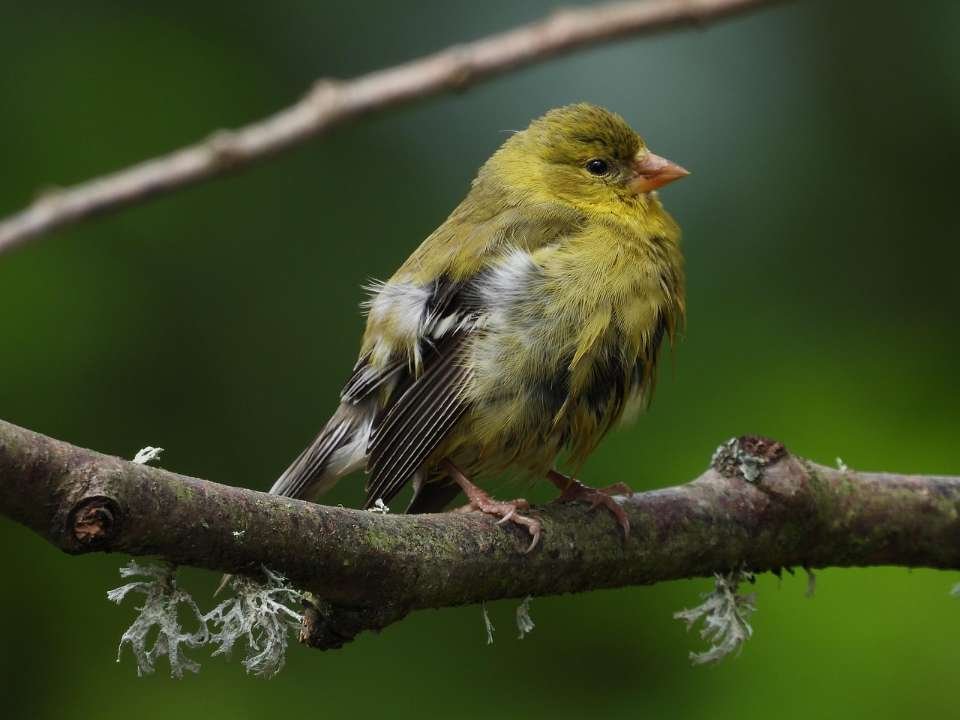
Peer-reviewed metadata published by the Nature Research Academic Archive reveals that the physiological processing of converted dietary pigments serves as an ironclad honesty indicator.
Because goldfinches must actively metabolize complex seed yellow molecules rather than just depositing raw dietary matter directly into feather tissues, the brightness of their coat serves as a real-time health scorecard.
Long-term field trials supervised through the Auburn University Biological Laboratory Division prove that this metabolic conversion pathway requires an exceptionally high cellular efficiency.
Wild individuals with restricted seed counts or active blood parasites experience a severe drop in follicle lipid synthesis during the active molting window, forcing the species to display highly honest quality indicators to potential mates once their new feathers fully lock in.
Flight Costs and Muscle Tissue Trade Offs
While an ultra-bright summer coat is highly beneficial for finding a mate, it introduces severe physical penalties to their flight muscles. Controlled avian research published in the Springer Nature Science Registry proves that managing extreme levels of carotenoid compounds triggers a long-term breakdown in pectoral muscle mass.
This physiological decay results in decreased flying speeds and slower aerial maneuverability during the peak of summer. This hidden evolutionary tax ensures that only the absolute healthiest males can handle the stress of bright coloration while still escaping predators.
This structural compromise explains why the birds gladly shed these taxing pigments the moment autumn rolls around. It allows them to rebuild critical flight tissue strength ahead of cold winter survival windows.
The Evolutionary Power of Female Selection Metrics
The male’s brilliant lemon coat serves a vital evolutionary purpose that goes far beyond looking pretty on a fence post. Female goldfinches possess highly sophisticated vision systems that evaluate the brightness of a male’s chest feathers to grade his overall genetic fitness.
A deeply saturated yellow coat proves the male is a master picker that knows how to find the highest-quality seed patches in the area. To help you isolate these mating metrics from red-tinted finch patterns feeding nearby, review our identification guide outlining house finch vs purple finch traits to separate distinct species boundaries cleanly.
By selecting the brightest possible partner, the female ensures her future nestlings inherit strong survival traits and high disease resistance.
To see how these physical mate evaluations differ between individual birds visiting your thistle tubes, consult our detailed walkthrough on how to identify male and female finches to isolate sex markers across both summer and winter phases.
The Protective Evolution of the Winter Camouflage Phase
While bright yellow is a winning ticket during the summer mating season, it represents a deadly target during the cold winter months. Once the breeding cycle finishes in late August, the hormone levels in their tiny bodies drop significantly.
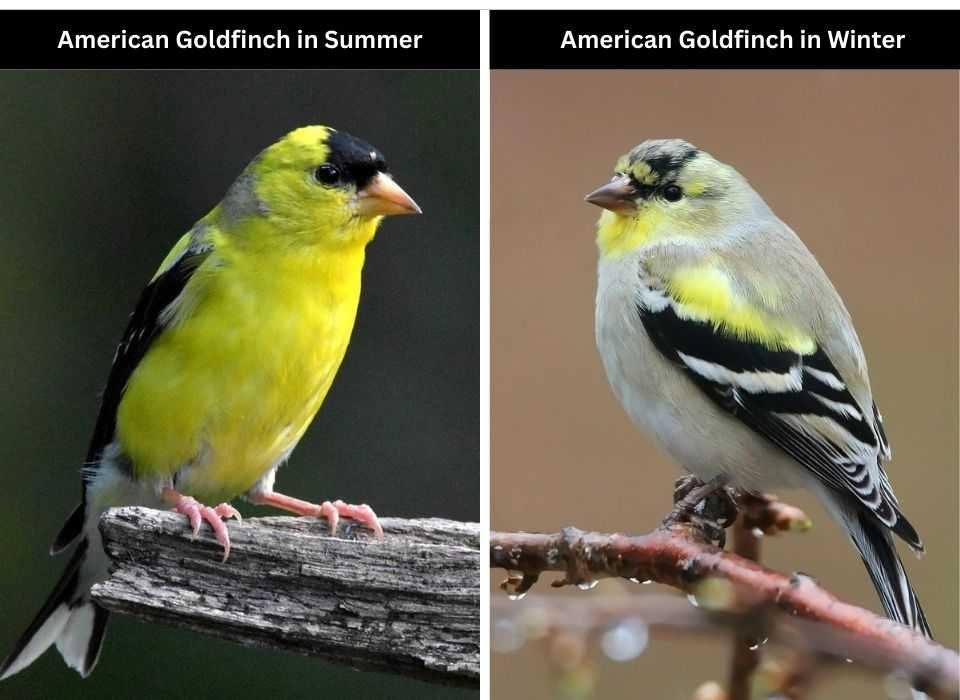
This hormonal shift triggers the second total molt of the year, wiping away the bright yellow coat in favor of a drab grayish-brown outfit. This neutral color scheme makes them completely invisible to predators when they forage across barren winter landscapes.
Maintaining this low-profile look saves thousands of lives during the dangerous migration seasons. It allows them to blend in seamlessly with sparrow flocks, ensuring they survive to grow another brilliant yellow coat when spring returns.
Core Keratin Alterations inside the Bill Surface
The seasonal color transformation of the American Goldfinch extends far beyond their feathers, altering their physical mouth parts as well. During the winter, a goldfinch’s bill stays a dull, dark gray-brown hue due to a thick layer of surface melanin.
As spring hormones surge through their bodies, the keratin layers inside the bill stop absorbing melanin and begin taking in high levels of carotenoid pigments instead. Within a few weeks, the entire bill shifts into a bright, glowing orange color that matches their fresh summer plumage.
This orange beak serves as a secondary visual signal that amplifies their breeding display to watching females. The moment the autumn molt begins, the bill rapidly dumps these pigments and returns to its dark winter state to complete their camouflage outfit.
Geographic Molt Migration Variance Strategies
Not all North American goldfinches perform their physical feather updates in the exact same backyard locations. International tracking notes archived by the National Audubon Society Molt Migration Project reveal that thousands of northern individuals fly out of their nesting territories to refresh their feathers in separate geographical safety zones.
This specialized movement allows vulnerable, ragged birds to hide from local predators inside dense southern shrub matrixes while their flight feathers grow back. This separate route mapping reduces local competition for high-fat summer food sources.
Once their winter insulation coats are fully locked in, these traveler populations complete their southern journeys. This migratory flexibility makes them one of the most resilient songbird families in North America.
Supporting Molting Songbirds in Your Yard
Providing high-fat food sources during these intense molt windows is the single best way to ensure your local goldfinches grow bright, healthy feathers. Standard low-grade grocery seed blends lack the amino acids and oil weights needed to power rapid follicle growth.
To help your local flocks thrive during these physical transitions, review our comprehensive bird watching statistics report to track arrival patterns. Keeping your feeding stations clean and filled with fresh niger seed guarantees a spectacular front-row view of this beautiful natural transformation every single spring.