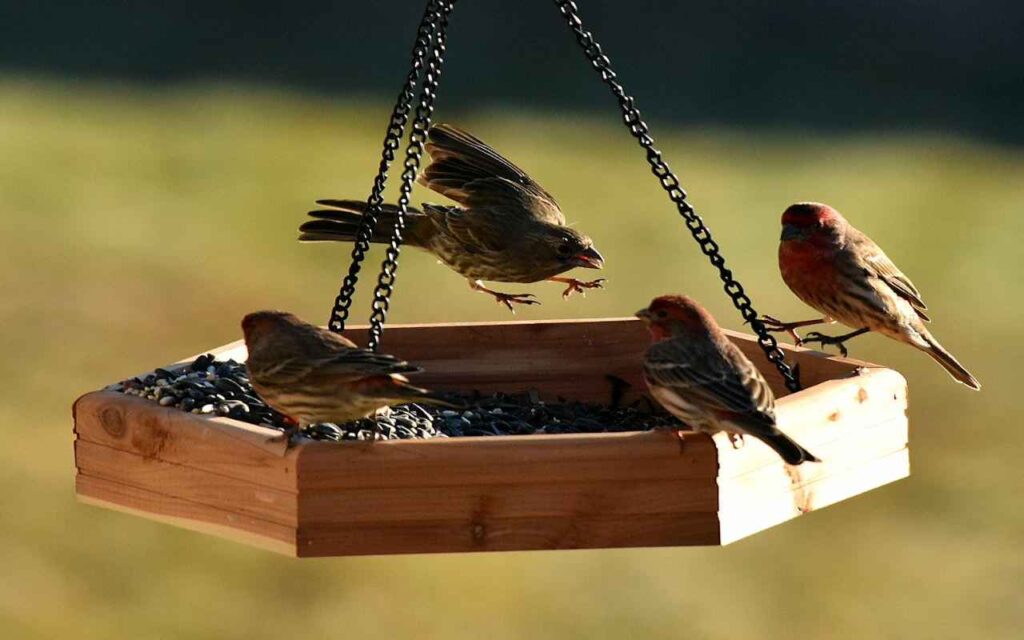
If there’s one seed that birds just can’t ignore, it’s sunflower. I’ve watched dozens of birds flock to feeders filled with them, and over time it’s clear that sunflower seeds are unmatched when it comes to attracting birds. So, what birds are attracted to sunflower seeds? The list is longer than you might think, more than 50 species across North America regularly stop by when these oil-rich seeds are available.
The trick is knowing why birds love them and which types, black oil or striped, work best for different species 🙂. In this guide, we’ll go through what makes sunflower seeds so appealing and how to choose the right feeders to bring the most birds into your backyard.
- Sunflower seeds attract 50+ North American birds.
- Black oil seeds are best for chickadees, titmice, finches.
- Striped seeds suit cardinals, grosbeaks, blue jays.
- Hulled sunflower hearts reduce mess on decks and patios.
- Top visitors: cardinals, finches, chickadees, titmice, nuthatches, woodpeckers.
- Pigeons, doves, starlings, and insectivores mostly ignore them.
- Use tube, platform, and hopper feeders for different birds.
- Keep feeders 10–15 ft from cover to avoid predators.
- Clean feeders regularly to prevent mold and disease.
- Use baffles or squirrel-proof designs to reduce theft.
Why Birds Love Sunflower Seeds
Show Transcript
All right, let’s talk about attracting a wide variety of birds to your backyard.
It might seem complicated, but the secret really comes down to one powerhouse seed: sunflower.
Birds simply can’t resist it, and that’s why we’re diving into sunflower seeds today.
They aren’t just popular—they’re one of the best foods for a huge range of birds.
So, what is it about sunflower seeds that birds love so much?
Think of a sunflower seed as a high-energy snack for birds.
These seeds contain up to 29% fat, giving birds the fuel they need for flying, foraging, and long migrations.
They also provide about 14% protein, supporting strong muscles and healthy feathers.
With fiber and essential nutrients, sunflower seeds really are a complete package.
Another reason birds love them is the effort-to-reward ratio.
The shells are thin enough for most songbirds to crack easily.
That means birds spend less energy getting to the nutritious kernel inside.
And that high-energy kernel? Worth every bite.
When you go to the store, you’ll see three main types: black oil, striped, and hulled.
Each type helps you customize which birds visit your feeders.
Black oil sunflower seeds attract the widest variety of birds.
Striped seeds are thicker and appeal to larger birds like cardinals.
Hulled sunflower hearts are convenient and mess-free, but spoil faster since there’s no protective shell.
Once you’ve chosen your seed and filled your feeder, it’s time to watch the visitors arrive.
Expect a colorful crowd: northern cardinals, finches, chickadees, and nuthatches.
You’ll see acrobatics and fascinating behaviors as birds cling, hang upside down, and crack seeds.
Sunflower seeds also naturally filter out some species.
Pigeons and starlings tend to avoid them, letting you focus on the songbirds you want.
Feeder type matters too.
Tube feeders are perfect for small birds like finches and chickadees.
Platform feeders work for larger birds like cardinals and grosbeaks.
Using both types ensures you get the biggest variety of visitors.
Keeping feeders clean is critical.
Rake up shells weekly, wash feeders every couple of weeks with hot soapy water, and deep clean monthly with a mild bleach solution.
Clean feeders prevent disease and keep birds safe.
Now, let’s talk about squirrels—the ultimate backyard challenge.
A baffle is your best defense.
This cone or dome on the feeder pole blocks squirrels from climbing or jumping onto the feeder.
With a top and bottom baffle installed, you can reduce squirrel raids by up to 90%.
Proper seed storage is also key.
Keep sunflower seeds in airtight containers to prevent mold, pests, and spoilage.
You want to preserve your seed for the birds, not for rodents.
Compared to other seeds, sunflower is the clear champion.
Safflower attracts some birds, and nyjer is mostly for finches.
Sunflower seeds bring in the widest variety of backyard birds reliably.
In short, whether you choose black oil for variety, striped for larger birds, or hulled for convenience, sunflower seeds are the simplest and most effective way to attract colorful, active birds to your yard.
And one final thought: who do you want to see first?
A bright red cardinal, a flock of goldfinches, or the acrobatics of a nuthatch?
It’s your backyard, and the choice is all yours.
High-energy bird food doesn’t get better than sunflower seeds. These seeds pack serious nutritional punch that birds desperately need, especially during cold weather or migration. Let me break down exactly what makes them irresistible to wild birds.
Seed-eating birds need fat for energy, and sunflower seeds deliver. According to research from the Cornell Lab of Ornithology on bird seed types, sunflower seeds contain 27-29% fat content, making them among the most calorie-dense options available. That fat fuels everything from daily foraging to long-distance migration.
Protein content matters too. Sunflower seeds provide approximately 14% protein, supporting feather growth, muscle development, and overall health. Combined with their fiber content (24-26%), they create complete nutrition in a single package.
Ever wondered why birds crack seeds so deliberately? The effort-to-reward ratio is ideal. Best seed for wild birds needs to balance shell thickness with kernel size. Black oil sunflower seeds have thin shells most birds crack easily, while the meaty kernel inside justifies the effort.
Types of Sunflower Seeds for Birds
Not all sunflower seeds are created equal. Understanding black oil vs striped sunflower seeds helps you choose the right type for your target species and budget.
Black Oil Sunflower Seeds
Black oil sunflower seeds dominate the bird feeding market for good reason. These small, dark seeds feature thin shells birds crack effortlessly and high oil content (hence the name) providing maximum energy per seed.
Small birds particularly love black oil seeds. Chickadees, titmice, and finches handle these seeds easily, while larger birds devour them too. The thin shell means even species with relatively weak bills can access the nutrition inside. I’ve watched nuthatches crack black oil seeds in literally two seconds, they’re that easy.
Hulled vs unhulled becomes relevant here. Black oil seeds come both ways, with hulled (no shell) versions reducing mess but costing more. I use unhulled black oil in most feeders because the shells decompose relatively quickly and the cost savings are substantial.
Striped Sunflower Seeds
Striped sunflower seeds are larger with thicker, harder shells. These present challenges for small birds but work perfectly for species with powerful bills like cardinals, grosbeaks, and blue jays. The thicker shell actually benefits you if you’re battling invasive species like house sparrows, they struggle with striped seeds.
I use striped sunflower specifically in platform feeders targeting cardinals. The thick shells slow consumption compared to black oil, meaning feeders stay full longer. This matters if you’re feeding aggressive species that would otherwise empty black oil feeders in hours.
Hulled Sunflower Hearts
Hulled sunflower hearts are premium offerings, no shells, just pure kernel. Best bird seed to avoid rodents and reduce mess, these cost 2-3x more than unhulled seeds but eliminate ground debris entirely. Perfect for decks, patios, or anywhere you can’t tolerate seed hulls accumulating.
The downside? Hulled seeds spoil faster without shell protection. They absorb moisture and can develop mold or bacteria that are dangerous to birds. I only use hulled seeds in covered feeders and replace them every 2–3 days, especially in humid weather. Learn more about feeding birds without attracting rats.
Birds That Eat Sunflower Seeds
If you’ve ever wondered which birds flock to sunflower seeds, the answer might surprise you. The list is impressively long, most common backyard seed-eaters will happily stop by when sunflower seeds are on the menu.
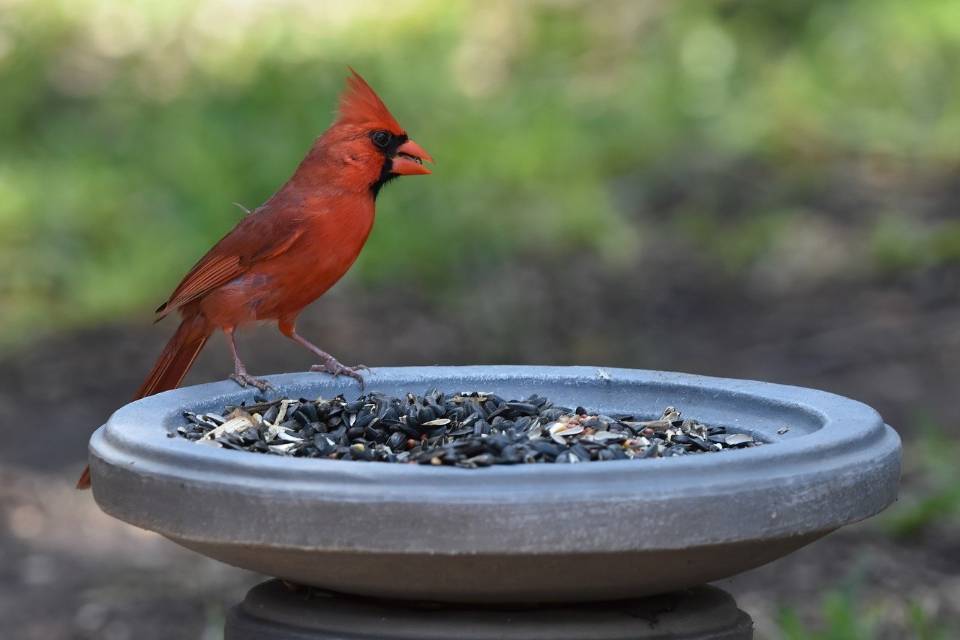
Northern Cardinals absolutely dominate sunflower feeders. Their powerful bills crack both black oil and striped seeds effortlessly. Cardinals prefer platform or hopper feeders over tube feeders, and they visit reliably year-round. I count 6-8 cardinals daily at my sunflower feeders, they’re that predictable. For more on attracting them, see our guide on how to attract cardinals to your backyard.
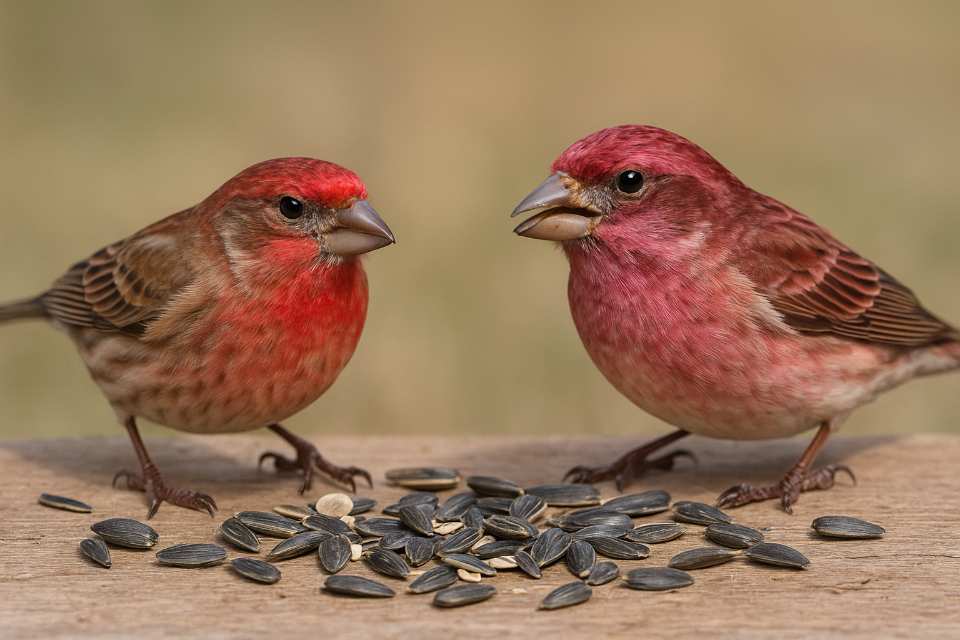
House Finches and Purple Finches love sunflower seeds, preferring black oil varieties. These social feeders arrive in flocks, and watching 10 finches jostle for position at a tube feeder is genuinely entertaining. They’re acrobatic feeders, hanging upside-down when necessary to access seeds. For a full guide on bringing more finches to your feeders, check out how to attract finches to your yard.
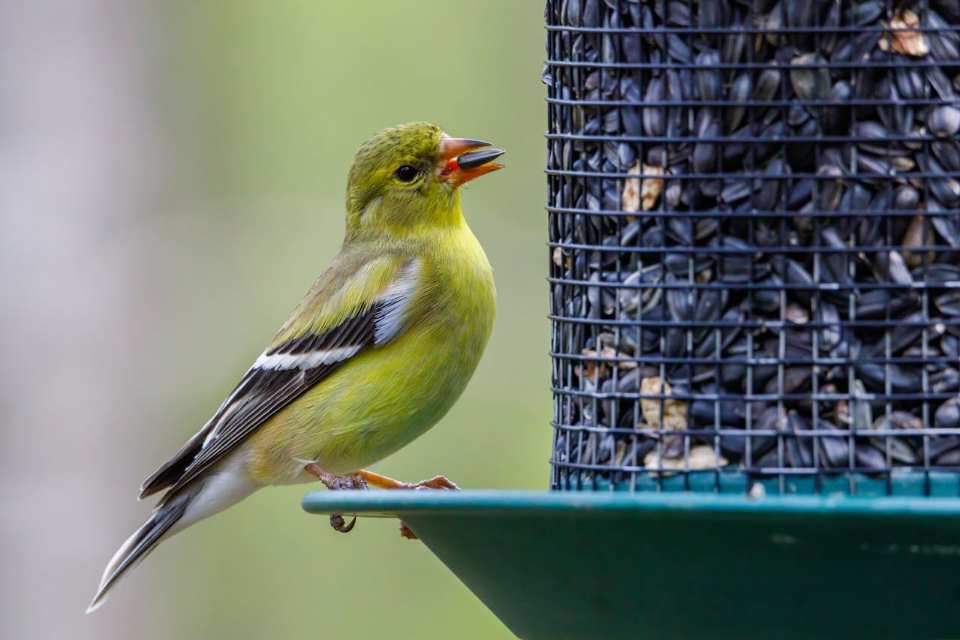
American Goldfinches prefer hulled sunflower hearts over seeds in shells. Their small bills handle shells poorly, but they’ll work at black oil seeds if nothing better is available. During winter, goldfinches visit my sunflower heart feeder constantly, it’s their preferred station. Learn more about why goldfinches change color here.
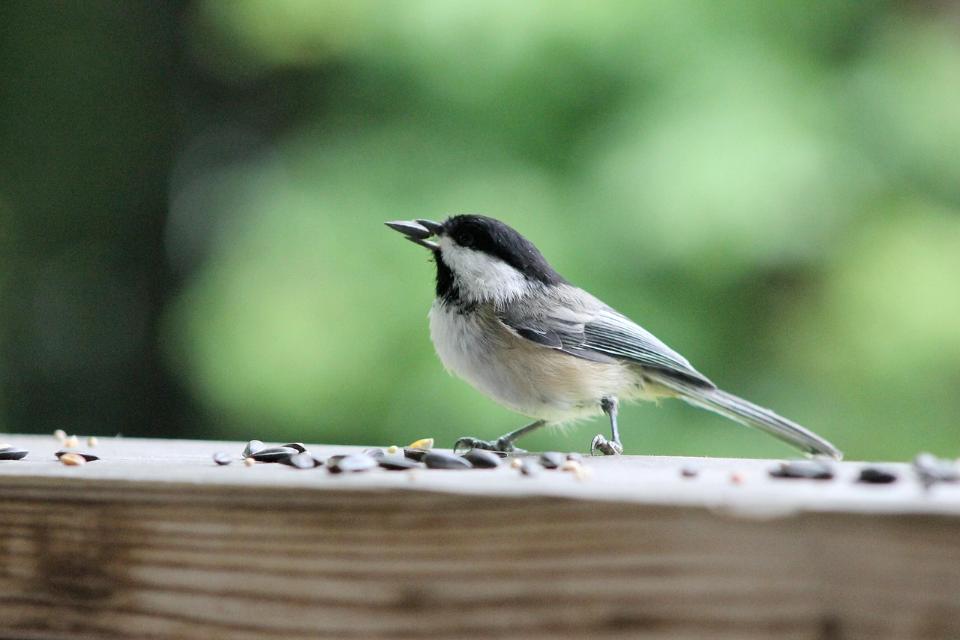
Black-capped Chickadees exhibit fascinating feeding behavior at sunflower feeders. They grab single seeds, fly to nearby branches, hold seeds with their feet, and hammer them open. Chickadees cache excess seeds for later consumption, meaning they visit feeders repeatedly throughout the day. For simple ways to keep chickadees coming back, see how to attract chickadees to your yard.
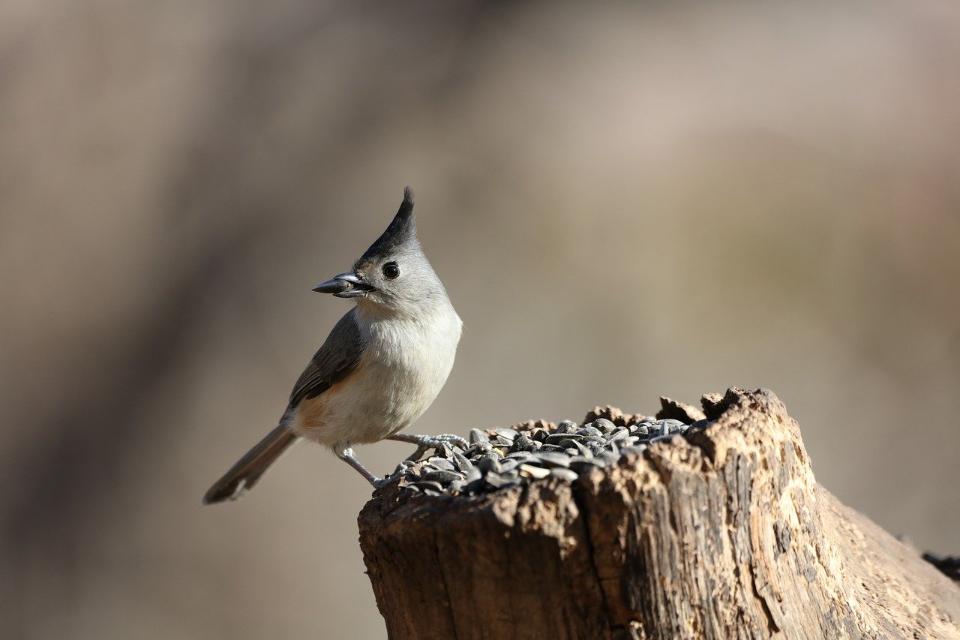
Tufted Titmice behave similarly to chickadees, grab and go. They’re slightly larger and more aggressive, often dominating chickadees at feeders. Titmice crack sunflower seeds with impressive efficiency, and like chickadees, they cache food obsessively during fall. For detailed guidance, read our full guide on how to attract Tufted Titmice to your backyard.
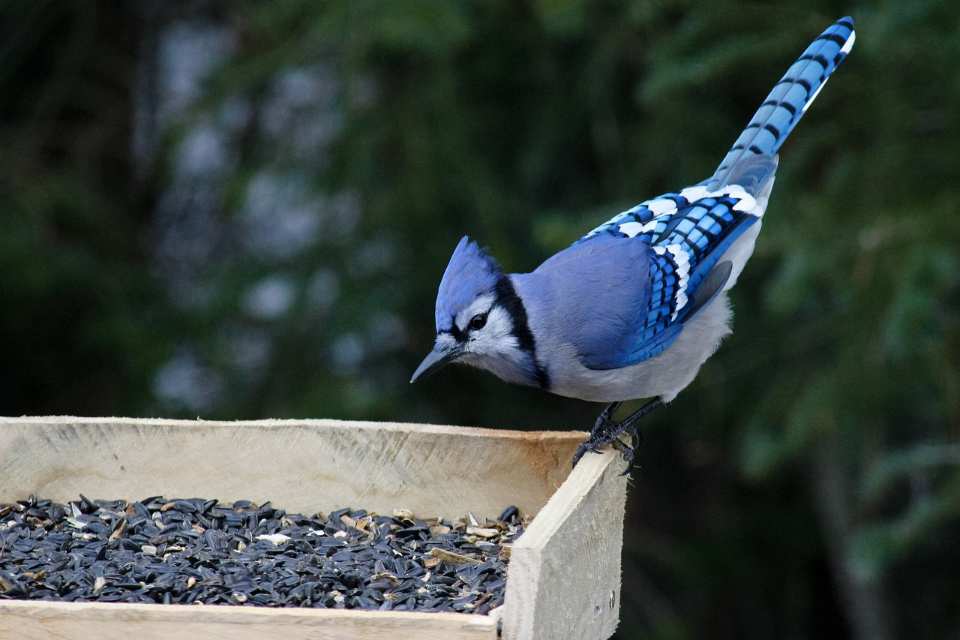
Blue Jays are sunflower seed vacuums. These large, intelligent corvids stuff multiple seeds in their throat pouches before flying off to cache them. A single blue jay can remove dozens of seeds in minutes. I provide dedicated feeders for jays to reduce their impact on smaller birds. For more on drawing blue jays without letting them take over, check out how to attract blue jays to your yard.
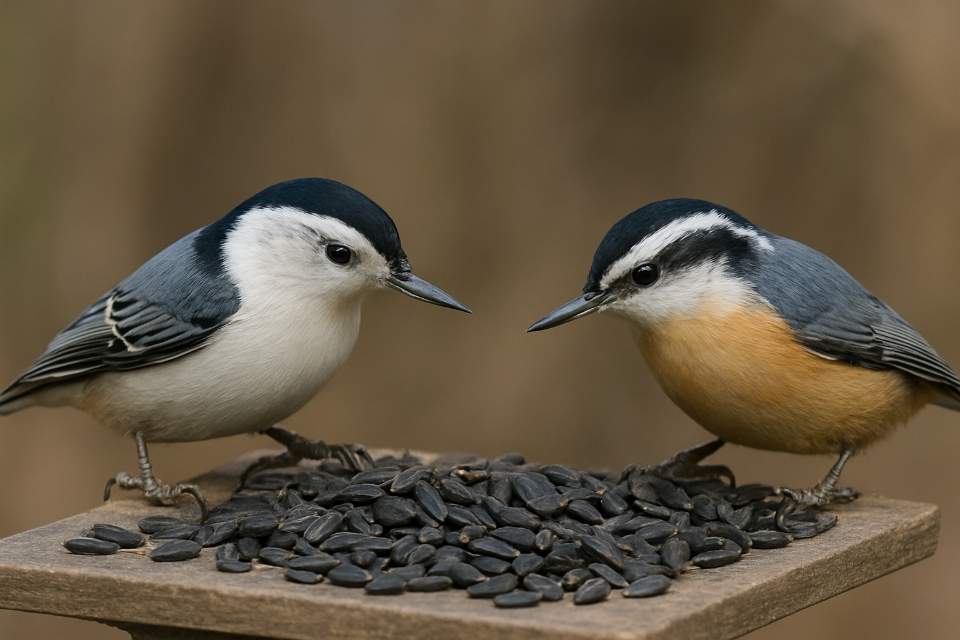
Nuthatches (White-breasted and Red-breasted) are acrobatic feeders that cling to feeders in any orientation, upside-down, sideways, you name it. They love sunflower seeds and visit feeders throughout the day, often competing with chickadees for access.
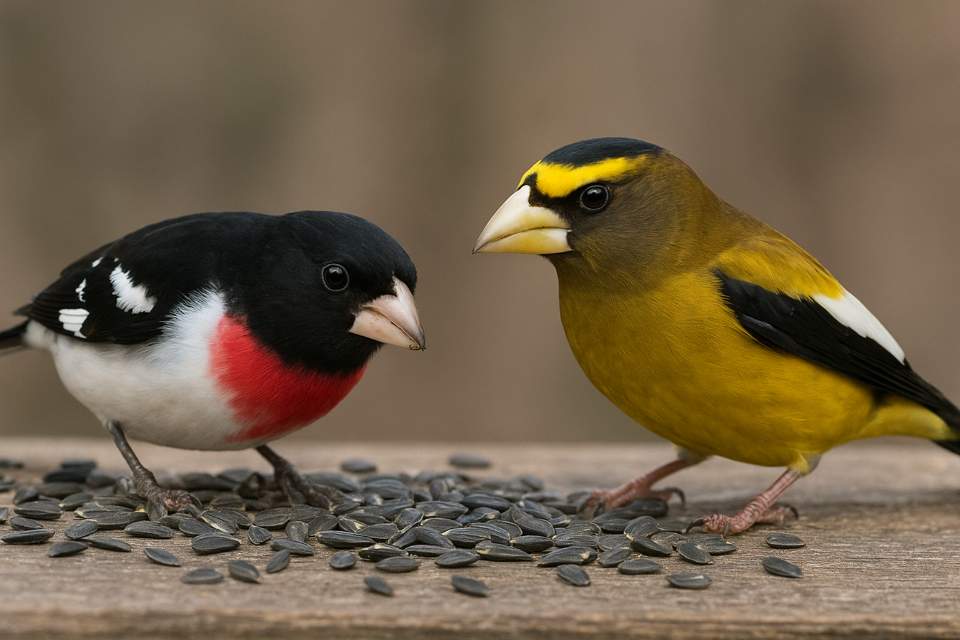
Grosbeaks (Rose-breasted and Evening) possess the most powerful bills among common feeder birds. They crack sunflower seeds like they’re nothing, preferring platform feeders where they can sit comfortably. Grosbeaks are seasonal visitors, but when present, they consume sunflower seeds voraciously.
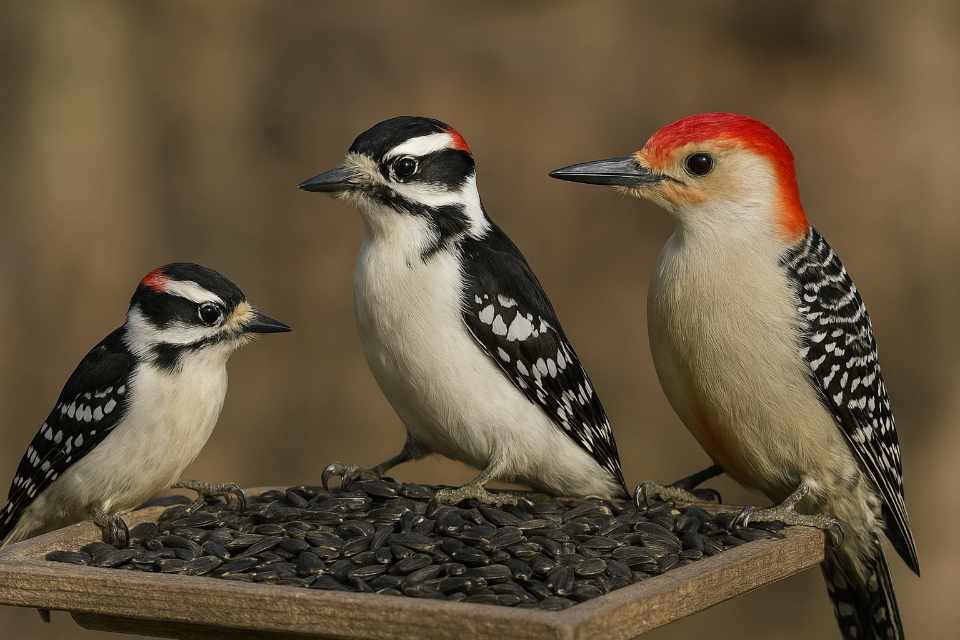
Woodpeckers visit sunflower feeders regularly, though they prefer suet. Downy, Hairy, and Red-bellied woodpeckers all eat sunflower seeds when convenient. They particularly like suet cakes mixed with sunflower pieces. For comprehensive woodpecker attraction strategies, check out how to attract woodpeckers to your yard.
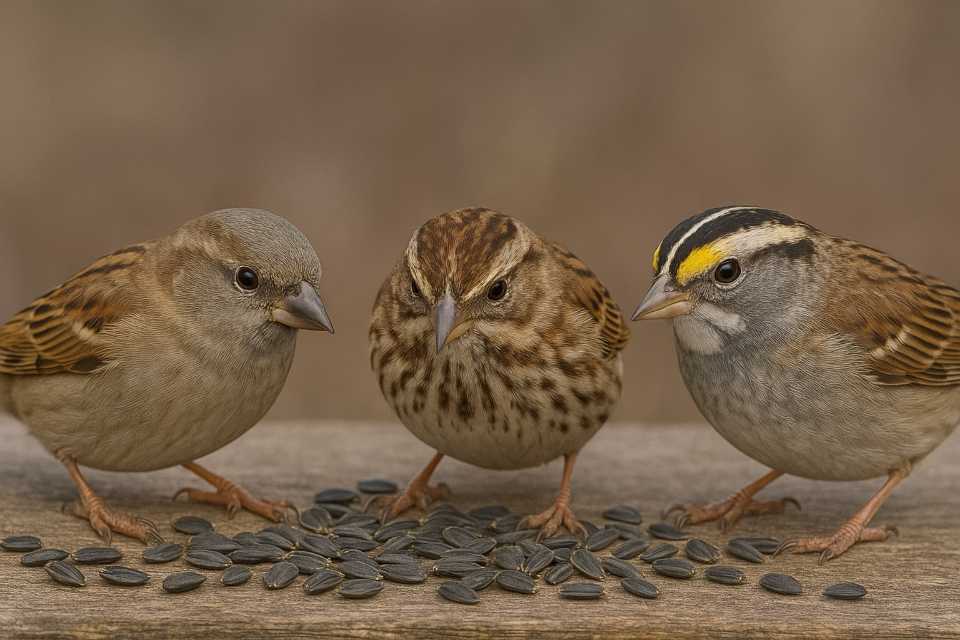
Sparrows (House, Song, White-throated) eat fallen sunflower seeds from the ground beneath feeders. They prefer not competing with larger birds at elevated feeders, instead cleaning up spills. This ground-feeding behavior actually helps reduce waste and sprouting under feeders. For more tips on bringing them closer, see how to attract house sparrows to your garden.
Which Birds Don’t Eat Sunflower Seeds?
Which birds don’t eat sunflower seeds is equally informative. Pigeons and doves prefer cracked corn and millet over sunflower. Their bills aren’t designed for cracking hard seeds. Starlings show minimal interest in sunflower seeds, preferring softer foods.
Hummingbirds, swallows, swifts, and other insectivores ignore seed feeders entirely. They’re hunting insects or drinking nectar, seeds don’t register as food for them. This selectivity actually works in your favor, sunflower seeds attract songbirds you want while discouraging messy species you might not.
FYI, this feeding selectivity means sunflower seeds help you curate which species visit. If you’re battling starlings or grackles, switching to straight sunflower (especially striped) dramatically reduces their presence while maintaining your desired songbird traffic.
How to Offer Sunflower Seeds the Right Way
Sunflower seed bird feeder types matter enormously for successful feeding. Different designs serve different species and situations.
Tube feeders with metal ports work beautifully for finches, chickadees, and small birds. The metal ports prevent squirrels from chewing plastic to enlarge holes. I use multiple tube feeders filled with black oil sunflower distributed around my yard, they handle high traffic beautifully.
Platform feeders accommodate cardinals, grosbeaks, and jays that prefer stable surfaces. These open designs allow multiple birds to feed simultaneously, though they also welcome squirrels. I position platform feeders away from squirrel launch points and use baffles on poles.
Hopper feeders offer weather protection while serving multiple species. They’re reliable workhorses requiring less frequent refilling than tube feeders. I’ve used the same hopper feeder for four years, proper construction means longevity.
Keep It Clean
Clean feeders prevent disease outbreaks that devastate local bird populations. I clean feeders every two weeks minimum using hot soapy water, scrubbing all surfaces thoroughly. Monthly deep cleaning with 10% bleach solution kills bacteria and fungus regular washing misses.
Ground cleanup beneath feeders matters equally. Accumulated hulls and spilled seed create bacterial hotspots and attract rodents. I rake beneath feeders weekly, removing debris before it becomes problematic. For detailed cleaning guidance, see how to clean a bird feeder.
Avoid Squirrel Raids
Squirrel-proof feeders use weight-activated mechanisms or cage designs excluding squirrels while allowing birds access. I use several cage-style feeders where only small birds fit through openings. Squirrels hang on the outside watching birds eat inside, it’s hilarious and effective.
Baffles mounted above and below feeders prevent squirrels from climbing or jumping onto them. I use combination baffle systems (top and bottom) on all feeders, which has reduced squirrel success by roughly 90%. For comprehensive squirrel management, check out how to keep squirrels away from bird feeders.
Are Sunflower Seeds Safe for Birds Year-Round?
Sunflower seeds nutrition for birds supports year-round feeding without health concerns. Feeding birds in winter with sunflower seeds provides critical energy during cold months when natural food is scarce. Safe bird seeds include sunflower seeds offered fresh and clean.
According to guidance from Birds and Blooms on feeding sunflower seeds, a seed preference test by the Cornell Lab of Ornithology showed that the majority of feeder birds prefer high-fat black-oil sunflower seed, making it the most universally attractive option for year-round feeding.
Never offer salted, seasoned, or moldy sunflower seeds. Salt is toxic to birds, and mold produces aflatoxins causing severe illness or death. Store seed in airtight containers protecting against moisture and pests. I use metal garbage cans with tight lids, they’ve kept my seed fresh and pest-free for years.
Sunflower Seeds vs. Other Popular Bird Seeds
Sunflower seeds vs safflower seeds presents an interesting comparison. Both attract similar species, but safflower’s bitter taste deters squirrels and grackles. Cardinals love safflower, making it excellent for targeted feeding. However, sunflower attracts broader diversity IMO.
Nyjer seed targets finches exclusively. Goldfinches especially love nyjer, but chickadees, cardinals, and other species ignore it. I use nyjer in dedicated finch feeders while maintaining sunflower feeders for general traffic.
Peanuts provide high protein and fat similar to sunflower but cost significantly more. I use peanuts as premium offerings for jays, woodpeckers, and nuthatches while relying on sunflower as my foundation seed.
FAQ’s About Sunflower Seeds for Birds
Do all birds eat sunflower seeds?
No. Insect-eaters like warblers, swallows, and hummingbirds ignore them. Ground-feeding species like doves prefer other seeds. But most common backyard songbirds love sunflower seeds.
Are sunflower seeds messy?
Hulled seeds (no shells) aren’t, but they cost more and spoil faster. Regular sunflower seeds create hull accumulation beneath feeders requiring periodic cleanup. I find the mess manageable with weekly ground maintenance.
How do I store sunflower seeds?
In airtight metal containers protecting against moisture, pests, and spoilage. I buy 50-pound bags, transfer seed to galvanized garbage cans with lockable lids, and store them in my garage. Seed stays fresh for months.
Can sunflower seeds attract rats?
Spilled seed can attract rodents if you don’t maintain cleanliness. Clean beneath feeders weekly, use seed catchers, and remove feeders temporarily if rodent evidence appears.
Which is better: black oil or striped sunflower seeds?
Black oil for most situations. Thin shells suit more species, and high oil content provides maximum energy. Use striped only if targeting specific large-billed species or deterring house sparrows.
Can I grow my own sunflower seeds for birds?
Absolutely! Plant sunflowers in spring, let seed heads mature and dry on stalks, then harvest seeds in fall. I grow a small sunflower patch annually, harvesting about 5 pounds of seed. It’s cost-effective and deeply satisfying 🙂
Final Thoughts: Sunflower Seeds Reign Supreme
Sunflower seeds for birds remain the easiest, most effective way to attract colorful backyard birds reliably. Whether you choose black oil for maximum diversity, striped for selective feeding, or hulled for convenience, you’re offering premium nutrition birds genuinely need.
What birds eat sunflower seeds includes virtually every seed-eating species you want to attract. Cardinals, chickadees, finches, nuthatches, grosbeaks, and woodpeckers all visit sunflower feeders consistently. This universal appeal makes sunflower seeds the foundation of successful backyard bird feeding programs.
Stock your feeders, maintain cleanliness, and watch the show unfold. Once word spreads among local birds that your yard offers reliable sunflower seed supplies, you’ll have daily visitors bringing life and color to your space. That’s the simple magic of sunflower seeds, they just work.