
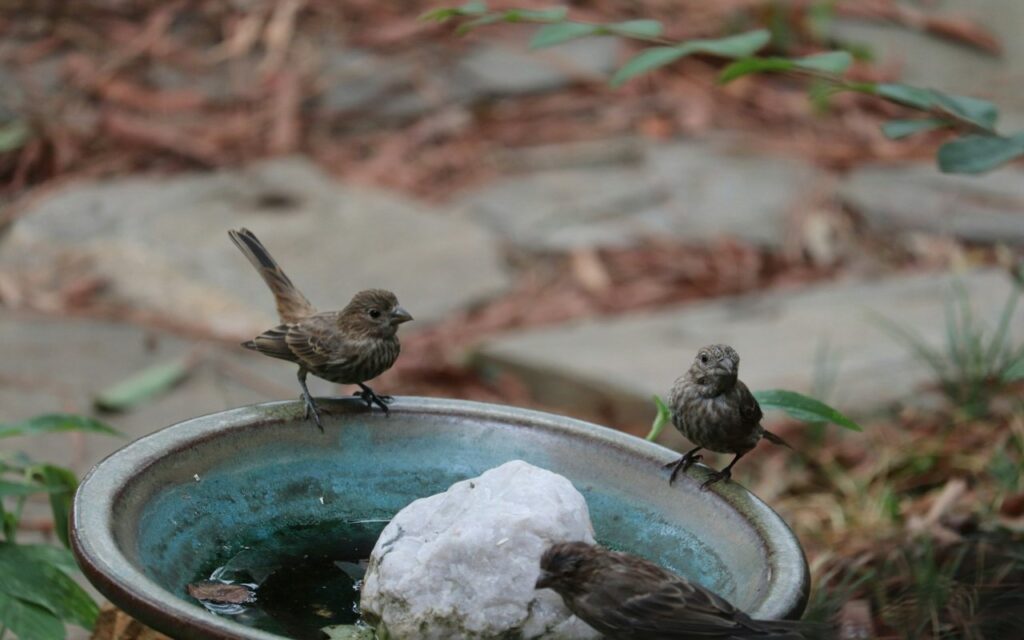
Many backyard enthusiasts wonder if they can safely add antifreeze or salt in bird bath basins to keep water flowing during extreme winter freezes. The short answer from field biologists and wildlife rehabilitators is an absolute, unqualified no. Adding chemical additives, salt, or freeze-point depressants to avian water supplies causes catastrophic physiological harm.
Freezing conditions create severe dehydration pressure across wild songbird populations. Understanding the biological and physical mechanisms behind safe winter watering protects backyard flocks from preventable mortality.
Ethylene Glycol Toxicity and Avian Renal Failure Mechanics
Automotive antifreeze typically relies on ethylene glycol, a sweet-tasting polyol that is exceptionally lethal to wildlife. Backyard forum discussions occasionally mention using small doses or substituting propylene glycol under the mistaken belief that pet-safe formulas are harmless to birds. In reality, no commercial glycol formulation is safe for avian consumption or plumage contact.
When an adult songbird drinks water contaminated with ethylene glycol, the compound oxidizes rapidly inside the liver into toxic metabolites, including glycolic acid and oxalic acid. These acids bond with systemic calcium to precipitate insoluble calcium oxalate crystals directly within the microscopic tubules of avian kidneys. Because small passerines process water at rapid metabolic rates, acute obstructive renal failure occurs within hours.
The physiological destruction manifests through distinct clinical stages that leave birds completely unable to perch or forage:
- Rapid central nervous system depression within thirty minutes of ingestion
- Severe metabolic acidosis caused by accumulated glycolate metabolites
- Microvascular crystal precipitation leading to acute anuric renal failure
Given that a wintering songbird like the Black-capped Chickadee weighs only ten to twelve grams, consuming even a single droplet of ethylene glycol proves fatal. The sweet taste actively encourages birds to drink more, accelerating cardiovascular collapse and lethal hypothermia.
Hypernatremia Risks and the Osmotic Danger of Salt Additives
Adding table salt or rock salt is a persistent myth frequently shared among backyard hobbyists attempting to lower the freezing point of water without buying electricity. While saline solutions do remain liquid at lower temperatures, passerine renal architecture cannot process hypertonic water. Unlike pelagic seabirds, terrestrial songbirds lack functional supraorbital salt glands designed to excrete excess sodium chloride.
Wintering passerines such as the American Goldfinch naturally scale up pectoralis muscle mass and shivering metabolic capacity by 20 to 30 percent to withstand sub-freezing environments. This intense metabolic exertion generates significant heat but demands strict internal fluid regulation. Ingesting salted water forces the avian body to draw precious fluid from living cells into the gut via passive osmosis, causing acute cellular dehydration.
The physiological cascading failures associated with high sodium intake manifest rapidly in cold weather:
- Extreme intracellular fluid draw resulting in rapid cellular shrinkage
- Elevated serum sodium spikes inducing lethargy and muscle tremors
- Accelerated cloacal fluid excretion that rapidly worsens baseline winter dehydration
Once severe hypernatremia sets in, songbirds lose motor coordination and become incapable of predator evasion. Forcing wild birds to consume salt in winter strips away their vital hydration reserves during the coldest nights of the year.
The Glycerin Deception and Fatal Feather Loft Collapse
Glycerin, or glycerol, is widely promoted across vintage gardening guides and social media groups as a non-toxic liquid additive to prevent bath freezing. While glycerin has low oral toxicity compared to automotive chemicals, its physical properties make it exceptionally hazardous to avian plumage. Glycerin is a dense, oily humectant that does not evaporate like water.
Avian contour and down feathers rely on a microscopic architecture consisting of a central shaft, lateral barbs, and thousands of interlocking hooklets known as hamuli. This intricate mesh traps a boundary layer of dead air against the bird’s epidermis, providing the primary insulation that sustains core body temperature. When a bird bathes in or splashes glycerin-treated water, the non-evaporating compound coats the plumage and mats the microscopic feather structures together.
This chemical contamination causes severe physical damage to feather mechanics:
- Disruption of the microscopic interlocking hamuli along the feather barbules
- Permanent flattening of downy plumulaceous segments responsible for heat retention
- Elimination of the natural water-shedding boundary created by uropygial gland preen waxes
Unlike natural mud or dust, birds cannot preen viscous glycerin out of their feathers in cold conditions. With the insulating loft permanently compromised, the bird loses core body heat rapidly into the ambient air, resulting in overnight mortality from hypothermia.
Submersible De-Icer Wattage and Field Hardware Deployment
The only biologically sound method for keeping liquid water open in sub-freezing conditions is the application of controlled electric heat. Dedicated cast-aluminum submersible de-icers equipped with integrated thermostats maintain water just above freezing without boiling or evaporating the basin dry. Selecting the proper wattage prevents both energy waste and ice formation during severe cold snaps.
For shallow bird baths with a depth of two inches or less, a 50-watt thermostatically controlled heating element is typically sufficient down to 20 degrees Fahrenheit. Deep concrete basins or regions subject to sustained zero-degree temperatures require 150-watt to 250-watt units to maintain an open drinking hole. Online wildlife communities routinely report hardware tripping issues, which can be mitigated with proper weatherproofing protocols.
Reliable cold-weather electrical setups require specific hardware safeguards:
- Use a heavy-duty outdoor extension cord connected to a dedicated GFCI-protected outlet
- Seal the extension connection inside a water-resistant cord gasket enclosure
- Select de-icers with built-in thermostats that shut off automatically when basin temperatures exceed 45 degrees Fahrenheit
- Position the heating element submerged under at least two inches of water to avoid thermal burnout
Basin material compatibility is equally vital when deploying heating elements outdoors. Unweighted de-icers can shift in high winds, causing hot metal casings to melt thin plastic or polycarbonate bird baths; securing units inside heavy ceramic or cast stone basins prevents catastrophic equipment failure.
CRITICAL SAFETY WARNING
- Shock Hazard: Always plug the de-icer into a GFCI-protected outlet. Water leaking into damaged cords can instantly electrocute you or the birds.
- Fire Hazard: Operating a heating element in a basin that has run dry triggers a thermal runaway hazard.
- Basin Damage: Dry elements quickly reach hundreds of degrees. They will melt plastic/resin, shatter concrete, and ignite dry yard debris.
- Daily Checks: Inspect water levels every single day to ensure the element stays fully submerged.
- Hardware Certs: Only use extension cords rated for heavy-duty outdoor use and de-icers with a UL or CSA safety certification.
Kinetic Agitation and Passive Thermodynamic Basin Strategies
Backyard birders without access to outdoor electrical outlets can employ passive thermodynamic principles and physical motion to delay ice crystallization. Moving water freezes at a significantly slower rate than stagnant pools because continuous surface disruption prevents ice lattice formation. Installing a battery-operated or solar-powered water agitator will maintain open water through mild overnight frosts.
Solar energy can also be captured by modifying basin design and site placement. Installing a shallow, matte-black basin absorbs ambient solar radiation throughout the midday hours, keeping the water several degrees warmer than the surrounding air. Adding dark, smooth river stones directly into the basin creates thermal mass that slowly radiates absorbed solar heat back into the water column.
Practical non-electric strategies for winter water maintenance include several community-tested tactics:
- Place a dark, smooth river stone in the center to retain radiant solar heat during midday sun
- Float a clean rubber ball or lightweight floating disc to disrupt surface ice sheet crystallization
- Line the exterior underside of pedestal basins with insulating closed-cell foam to reduce conductive heat loss
- Relocate the bath to a wind-sheltered southern exposure that receives unobstructed morning sunlight
When deep freezes overpower passive systems, the most effective routine involves manual basin swaps using flexible rubber pans. Stepping on the underside of a flexible rubber feed pan pops the solid ice disc free without damaging the container. Refilling the pan twice daily with fresh, unheated tap water ensures backyard birds receive safe, chemical-free hydration throughout the harshest winter weather.