
Author name: Vince Santacroce

Vince S is the founder and author of Feathered Guru, bringing over 20 years of birding experience. His work has been featured in reputable publications such as The Guardian, WikiHow, AP News, AOL, and HuffPost. He offers clear, practical advice to help birdwatchers of all levels enjoy their time outside.

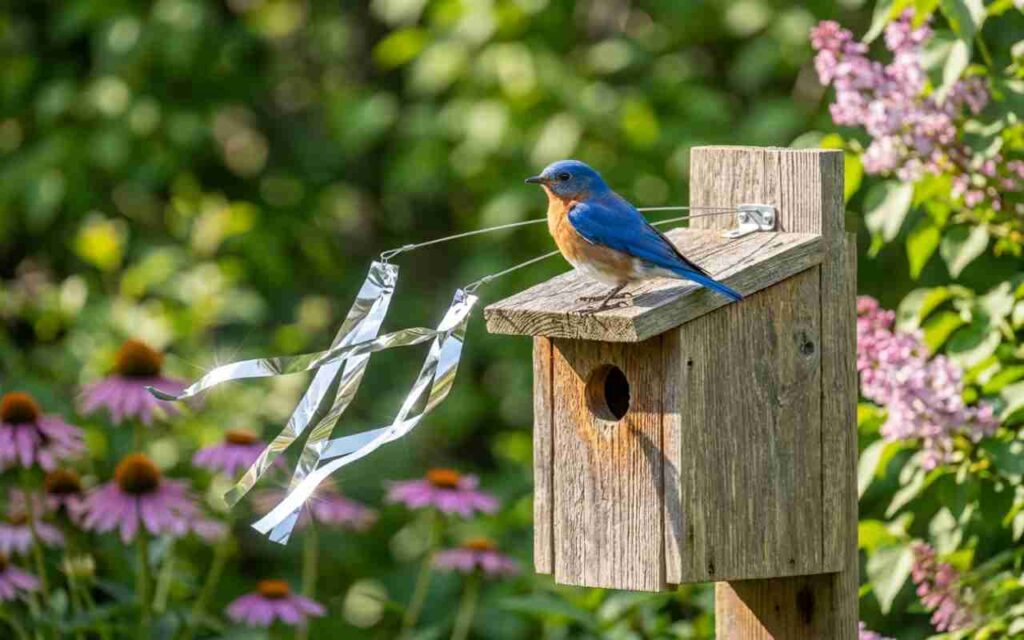
A male Eastern Bluebird on a nest box equipped with a Mylar sparrow spooker. Visual generated via AI for educational clarity.

How to Deter House Sparrows: The 2026 Guide to Feeders and Nest Boxes

The House Sparrow is the most abundant bird in the world and a successful colonizer of every continent except Antarctica. In North American backyards, it is also the most common reason bluebirds, Tree Swallows, and Purple Martins fail to raise a brood. If you are serious about supporting native cavity-nesting birds, learning how to deter house

How to Deter House Sparrows: The 2026 Guide to Feeders and Nest Boxes Read More »
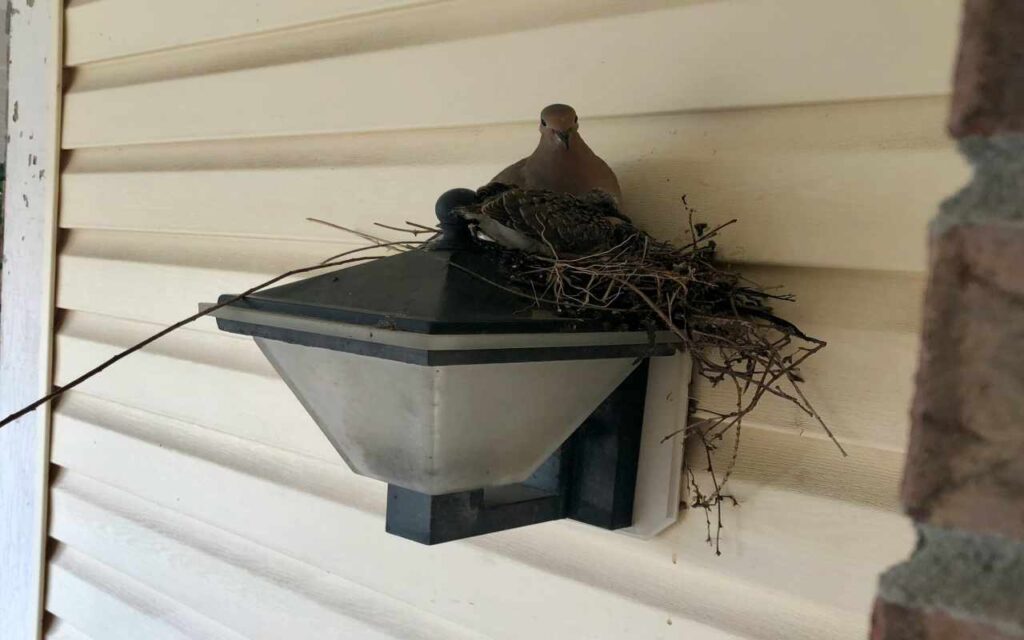
A mourning dove incubating a nest built on top of a suburban porch light fixture.

How to Protect Mourning Dove Nests from Predators: The 2026 Sanctuary Guide

Every spring, Mourning Doves build some of the flimsiest nests in North American backyards. It is often just a platform of loosely woven twigs so thin you can see the white eggs through the base, leaving many birders wondering how to safeguard these vulnerable nests from backyard predators. The whole operation takes just 2 to 4

How to Protect Mourning Dove Nests from Predators: The 2026 Sanctuary Guide Read More »

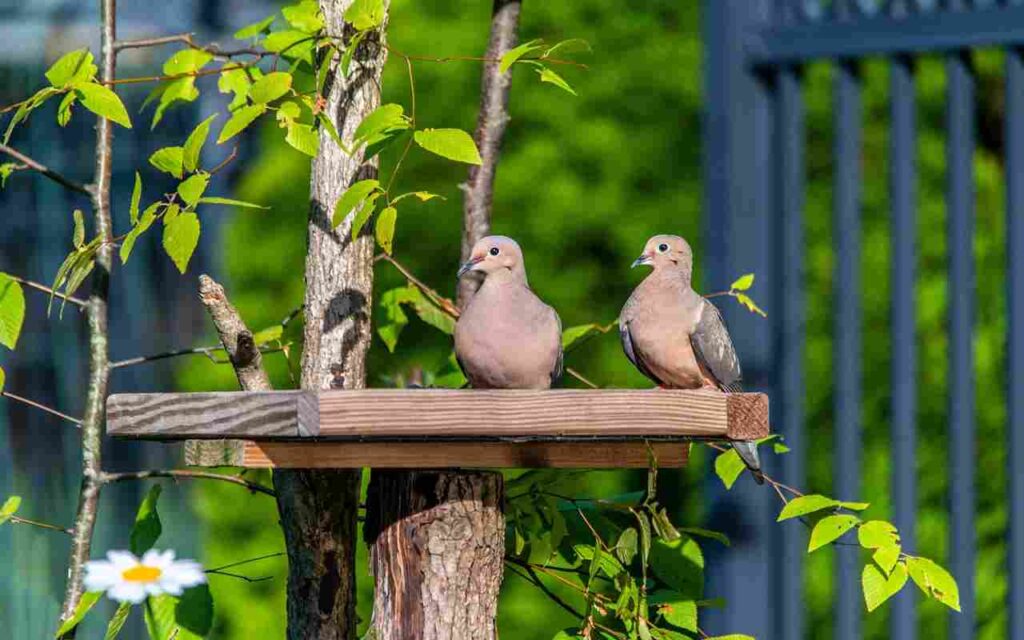
A pair of Mourning Doves perched on a flat wooden platform feeder in a sunlit backyard.

What Do Mourning Doves Eat? The 2026 Behavioral & Nutritional Guide

The mourning dove is a common backyard visitor across North America. While they are highly visible, many birders wonder exactly what mourning doves eat and why their biology is so specialized. With a population of 350 million, their unique anatomy and massive crop storage are precisely tuned to a single food source, seeds. Understanding their

What Do Mourning Doves Eat? The 2026 Behavioral & Nutritional Guide Read More »

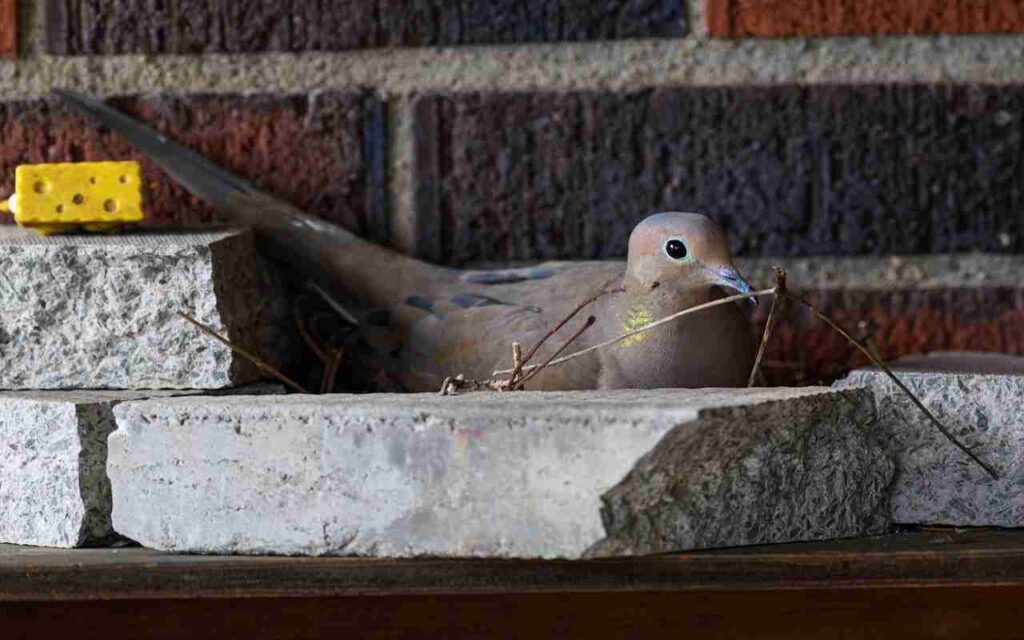
A real-world photo of a Mourning Dove with a twig in its bill, building a nest on a concrete ledge in a suburban setting.

Mourning Dove Nesting Habits: A Guide to Suburban Success

The Mourning Dove is one of the most abundant birds in North America, with a U.S. population estimated at around 350 million. Yet for all their familiarity, mourning dove nesting habits remain widely misunderstood by the very suburban homeowners who host them every spring. The nest looks careless. The location often seems random. The whole operation appears

Mourning Dove Nesting Habits: A Guide to Suburban Success Read More »

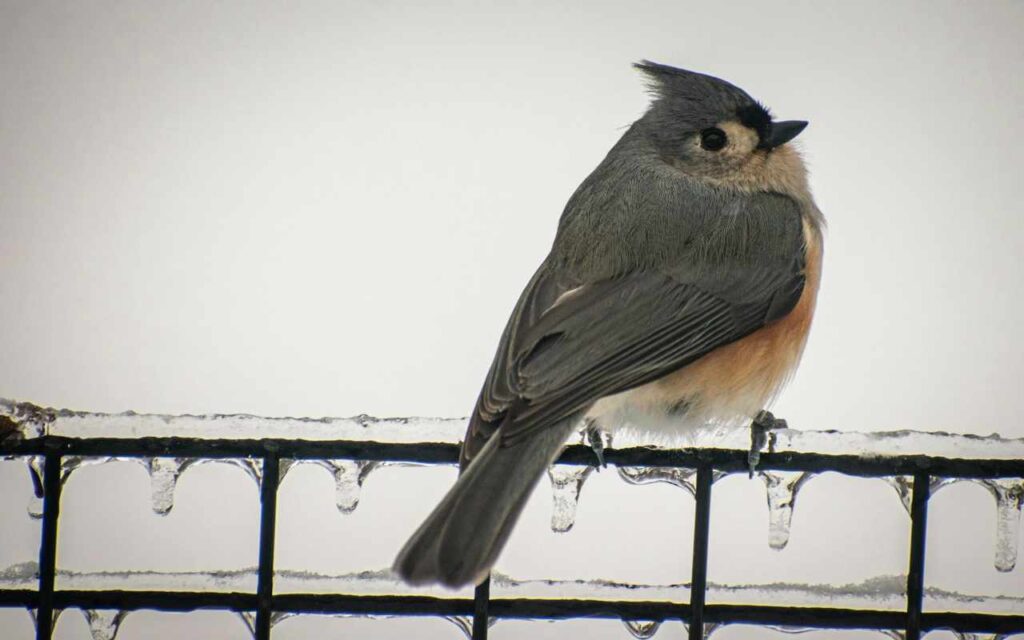
A real-world photo of a puffed-up Tufted Titmouse perched on an ice-covered chain-link fence during a winter freeze.

Tufted Titmouse Winter Survival: Behavior, Caching, and How to Help

Tufted Titmouse winter survival is one of the more extraordinary feats in the North American backyard. The tufted titmouse does not migrate, does not hibernate, and does not slow down. When January temperatures plunge across the eastern United States, this 22-gram bird faces a physiological problem of extreme difficulty: maintaining a core body temperature near 107°F

Tufted Titmouse Winter Survival: Behavior, Caching, and How to Help Read More »

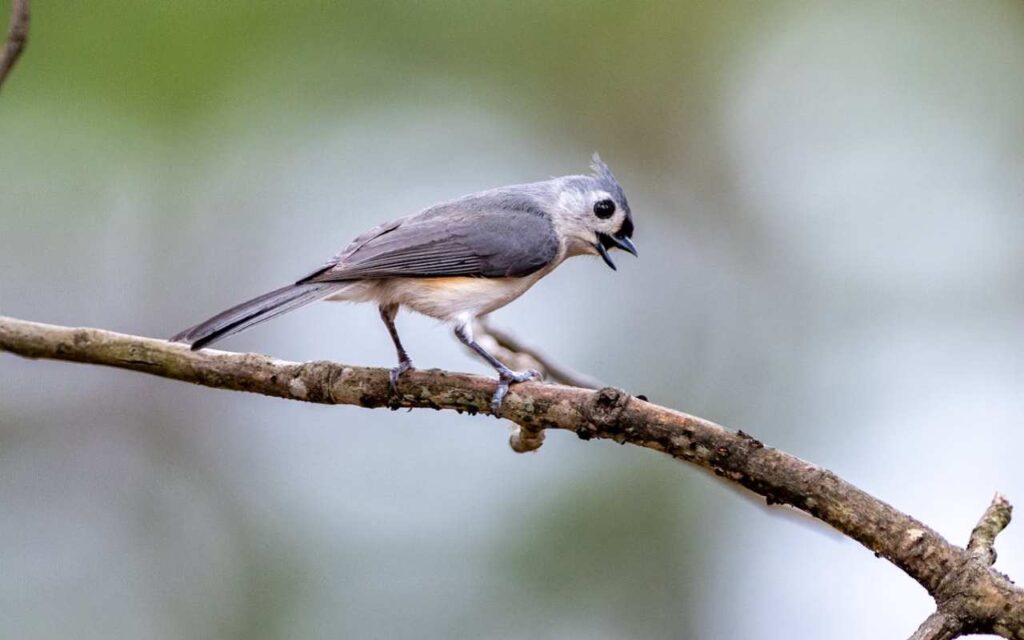
A real-world photo of a male Tufted Titmouse with its beak open, singing its territorial peter-peter-peter song on a woodland branch.

How To Tell the Difference Between a Male and Female Tufted Titmouse?

If you have ever wondered how to tell the difference between a male and female tufted titmouse, you are targeting one of the finest identification challenges in backyard birdwatching. Unlike cardinals or goldfinches, where sex differences are obvious at a glance, these birds share completely identical plumage. From their silvery-gray crests to their rust-colored flanks,

How To Tell the Difference Between a Male and Female Tufted Titmouse? Read More »

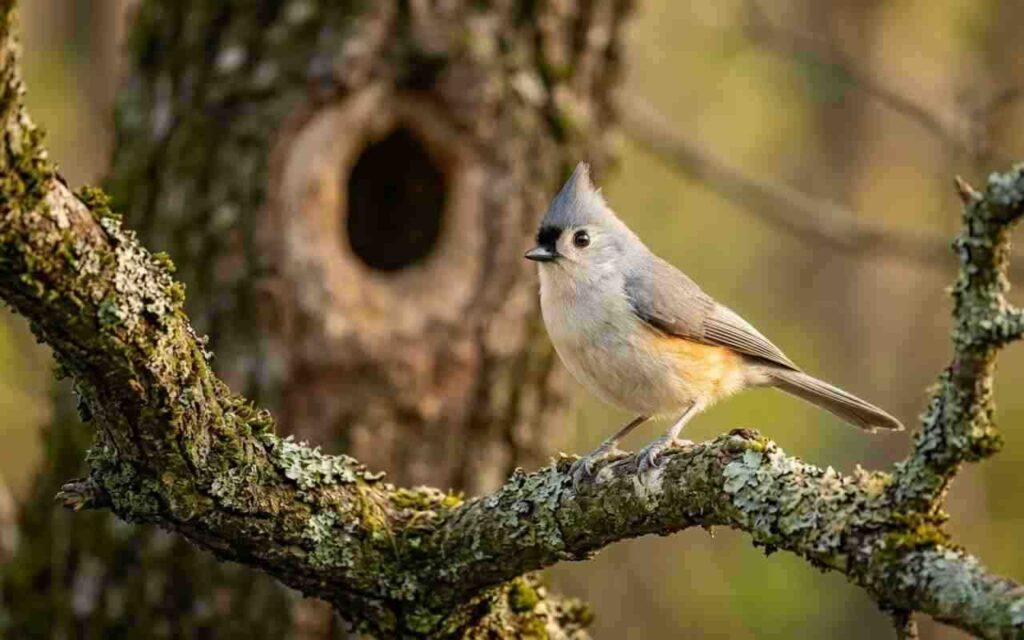
A Tufted Titmouse with its signature grey crest perched on a lichen-covered oak branch, positioned directly in front of a natural tree hollow. Visual generated via AI for educational clarity.

Tufted Titmouse Nesting Habits and Behavior: The Ultimate 2026 Guide

Tufted titmice are “secondary cavity nesters,” meaning they lack the powerful bills of woodpeckers and must rely on existing holes to raise their young. Understanding tufted titmouse nesting habits and behavior requires looking beyond the bird itself to the surrounding habitat of mature snags and abandoned excavations. From their famous “fur-plucking” to their “cup-within-a-cup” architecture, these birds

Tufted Titmouse Nesting Habits and Behavior: The Ultimate 2026 Guide Read More »

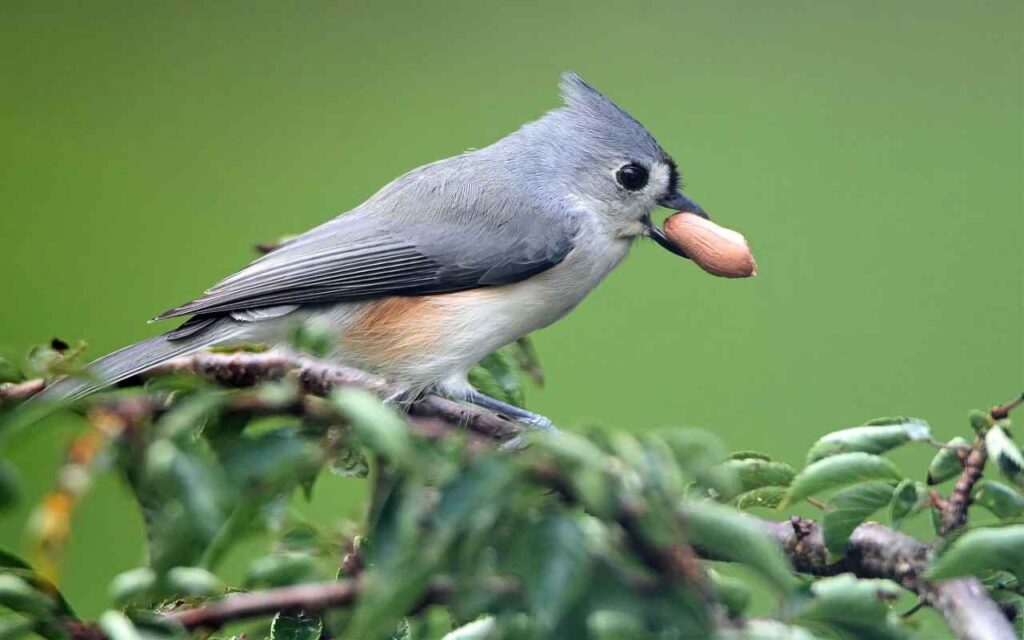
A Tufted Titmouse perched on a garden branch with a large whole shelled peanut in its bill, illustrating the largest-seed foraging rule.

What Do Tufted Titmice Eat in Feeders and Gardens? 2026 Guide

The Tufted Titmouse is a master of suburban survival. But what do tufted titmice eat in feeders and gardens? Understanding their diet requires looking past their quick visits to your feeder. While they appear to be casual companions, these birds are actually executing a sophisticated caching protocol designed to sustain a non-migratory winter. Every seed selected and every 130-foot caching

What Do Tufted Titmice Eat in Feeders and Gardens? 2026 Guide Read More »

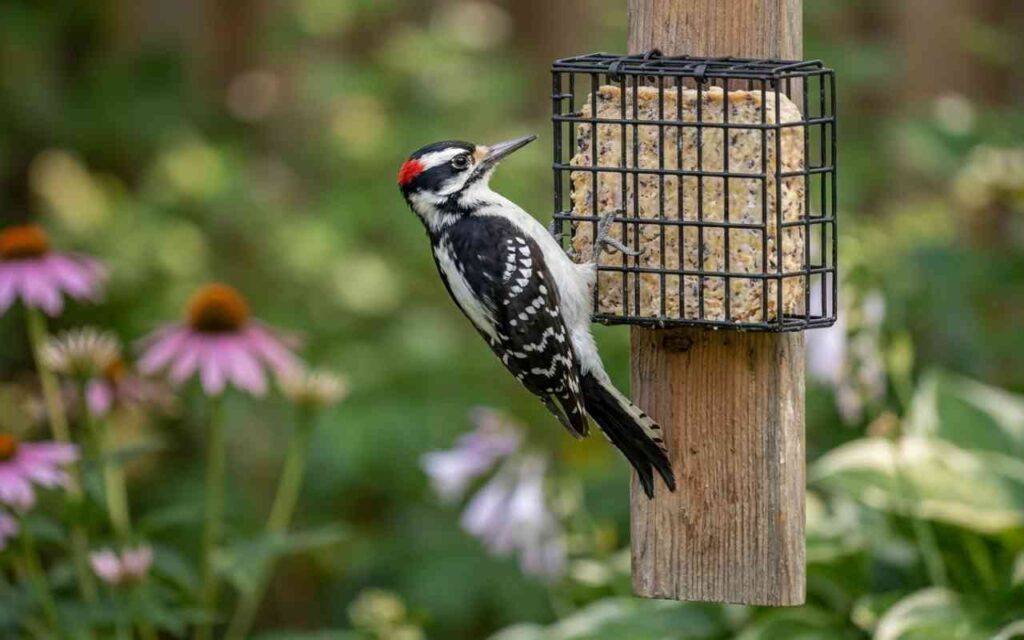
A male Hairy Woodpecker using a tail-prop suet feeder to stabilize its vertical foraging posture in a suburban garden. AI-generated illustration for educational clarity.

What Woodpeckers Eat in Suburban Yards: The 2026 Foraging Guide

Woodpeckers are strategic foragers, not accidental visitors. To understand what woodpeckers eat in suburban yards, one must look at how these birds follow precise energy calculations shaped by intense caloric demands. Whether a Pileated Woodpecker works a dead snag or a Northern Flicker probes your turf, their behavior reflects a nutritional logic designed to support them throughout the year. Suburban landscapes offer a

What Woodpeckers Eat in Suburban Yards: The 2026 Foraging Guide Read More »

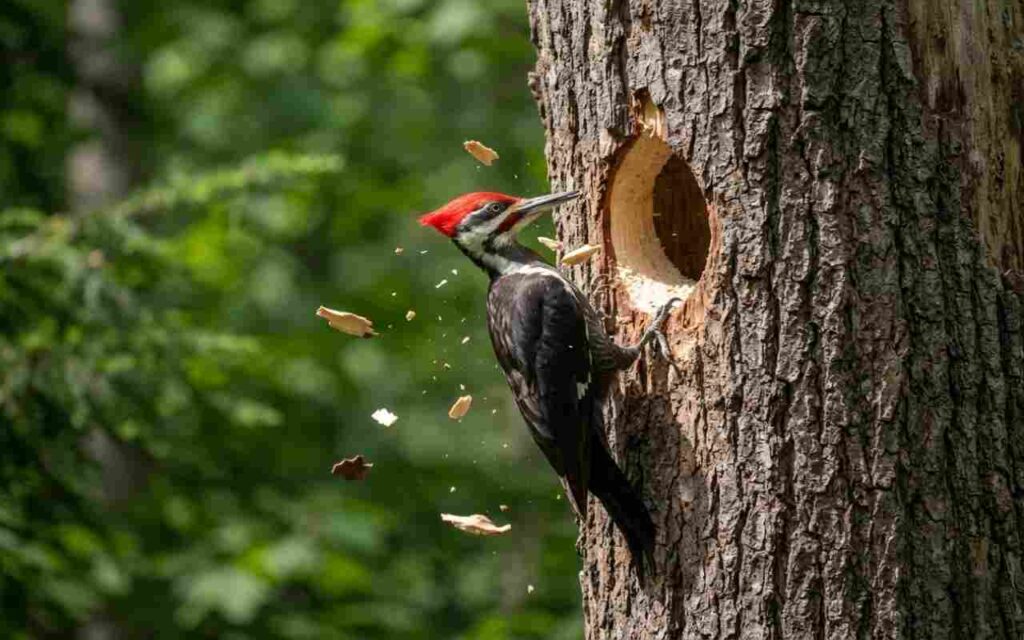
A male Pileated Woodpecker excavating a smooth, oval nesting cavity in a large dead snag, with large wood chips falling in mid-air. AI-generated illustration for educational clarity.

Where Do Pileated Woodpeckers Nest? The Complete Guide

Pileated woodpeckers are the master architects of the forest, creating massive cavities that serve as the foundation for woodland biodiversity. To understand where pileated woodpeckers nest, one must look for large-diameter snags (dead or dying trees) capable of supporting their characteristically deep excavations. These pileated woodpecker nesting sites are selected exclusively in mature forests where trees have a

Where Do Pileated Woodpeckers Nest? The Complete Guide Read More »

Consent Preferences
Scroll to Top