
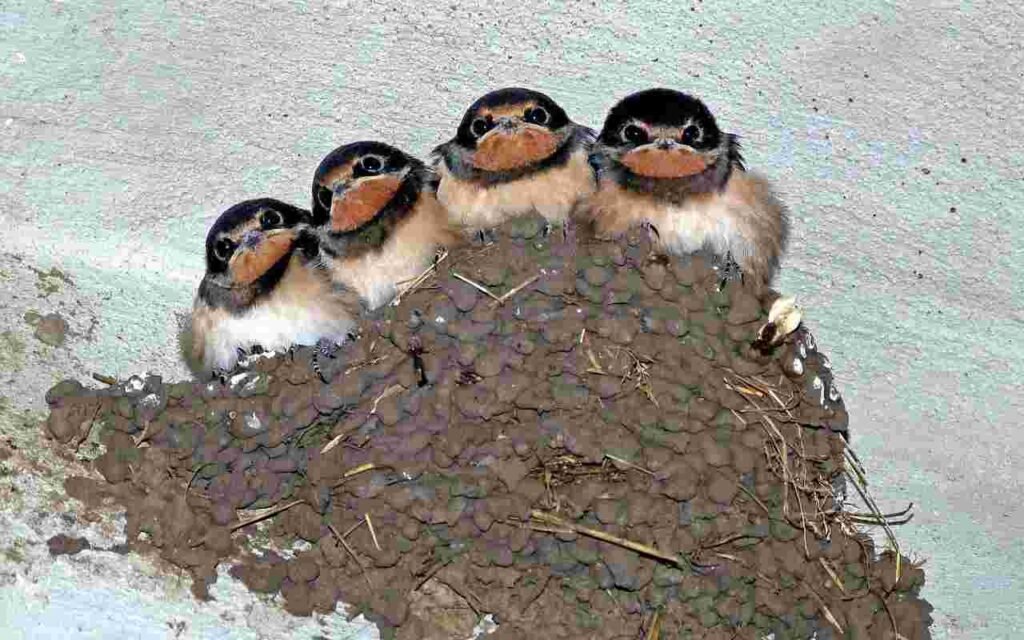
Stepping outside with a fresh cup of morning coffee only to find your property covered in messy droppings is highly frustrating. If you are trying to learn how to keep birds from pooping on your porch, you are dealing with a deeply rooted biological habit.
Relying on simple internet tips or cheap plastic owls will never solve your problem because local flocks adapt to stationary objects within a few days. Fortunately, you can reclaim your exterior living space permanently by setting up advanced multi-sensory exclusion zones that disrupt their basic landing instincts.
What is the Best Way to Keep Birds From Pooping on Your Porch?
The single most effective method is physical exclusion by mounting upward bird spikes along railings, hanging protective netting, or installing sloped plastic covers over wide structural ledges.
To secure your full space, layer this defense line by spraying volatile essential oil blends and setting up a low-profile invisible monofilament line installation directly above your deck boundaries.
Practical Video Tips for Keeping Porch Areas Clean
Watch this short explainer video to see how easy it is to keep birds from pooping on your porch. Learning about the best feeders, water sources, and shelter setups will quickly turn your outdoor deck into a boring and uninviting spot for local flocks.
Advanced Biological Logic Behind Bird Roosting Choices
To win this tactical battle, you must first comprehend the evolutionary mechanics of the perching principle. Birds do not choose your structural beams to intentionally annoy you or destroy your outdoor furniture items.
Instead, they select narrow elevated spaces because their eyes require clear observation points to monitor incoming threats. A covered deck provides an exceptional canopy shelter that guards their bodies from predatory hawks flying overhead.
Furthermore, outdoor support joists provide stable footholds where specialized foot tendons lock automatically when the bird rests. Understanding this biological anchor habit allows you to stop wasting money on cheap retail gimmicks.
Your defensive strategy must focus entirely on altering the physical shape of those cozy spots so the local birds can no longer balance comfortably.
Setting Up High Density Physical Exclusion Barriers
The most reliable way to clear your exterior space is using mechanical tools that take away their ability to land.
Mounting Upward Structural Bird Spikes
Installing heavy commercial prongs along the top edges of your support columns completely eliminates available landing strips. These blunt commercial tools do not stab or pierce the local wildlife when they attempt to approach.
Instead, the tightly clustered metal pins act as a physical fence that forces incoming wings to turn around immediately. For permanent protection, select weather-resistant stainless steel arrays rather than cheap plastic models that break during winter freezes.
Installing Clear Protective Netting Systems
If local flocks are nesting inside deep roof gaps or high ceiling joists, dropping a mesh barrier creates an impenetrable wall. Select heavy polyethylene strands featuring a small three quarter inch opening structure to keep small sparrows from squeezing through.
Fasten the fabric tightly across your building frame using heavy industrial staples to prevent any loose sag lines from flapping in the wind. This invisible barrier allows fresh air to roll through your outdoor room while keeping your ceiling areas perfectly clean.
The Molecular Science of Corrosive Droppings
Leaving wild animal waste to dry on your porch wood creates a major structural hazard that goes far beyond a simple visual mess. Fresh avian droppings carry an extremely high volume of uric acid with a highly acidic chemical pH value.
Scientific material testing published by the Island Detail and Color Refinishing Analysis documents that this concentrated acid dissolves clear protective lacquer coatings and strips underlying painted finishes within forty eight hours. If the fluid seeps into exposed grain patterns, it triggers deep wood rot.
Furthermore, dried waste dust contains dangerous biological microscopic elements that threaten your household health. Environmental health reports indexed by the Bird Barrier Safety and Health Portal reveal that nesting debris harbors active fungal spores that cause severe lung issues if humans breathe in the dust particles.
Sanitation data managed through the Critter Control National Wildlife Registry notes that wild flocks spread tracking organisms across exterior surfaces, making immediate cleanups vital for protecting your family.
Formulating Volatile Scent and Taste Repellents
Birds possess incredibly sensitive respiratory passages that react strongly to concentrated botanical oil extracts.
The Concentrated Peppermint Oil Evaporation Rule
To create an affordable liquid scent barrier, mix fifteen drops of pure peppermint essential oil into two cups of clean water. Add a single drop of organic dish soap to break the surface tension of the fluid, forcing the aromatic molecules to spread into a uniform film.
This thin coating seals the volatile aromatic terpenes tightly against your wood railings. The intense smell triggers a chemical rejection reflex in their nostrils, convincing the birds to fly away before their feet ever touch your patio.
The Acidic White Vinegar Surface Spray
If you want a quick option using standard kitchen supplies, pour raw white vinegar directly into a plastic spray bottle without adding any water. Mist this sour fluid along windowsills, columns, or the outer edges of your deck frames once a week.
The intense aroma mimics natural decay zones to avian senses, causing immediate navigation confusion. You must reapply this acidic solution every three days during high heat windows because direct sunlight accelerates evaporation speeds.

Deploying Moving Visual Motion Systems
Birds are highly skittish creatures that possess sophisticated vision fields designed to catch tiny micro movements.
Hanging Double Sided Holographic Scare Tape
Suspending metallic ribbons along your outer deck rails creates a shifting optical field that raiding flocks avoid instinctively. Professional threat analysis published by the Pest Management Professional Review confirms that unpredictable light reflections mimic the hunting movements of predatory hawks, preventing local pests from settling down.
As low wind currents catch the hanging ribbons, the material generates a high-speed flash combined with a sharp metallic crackling sound. This dual action sensory overload breaks up their flight patterns before they can map your home.
Rotating Predatory Decoy Silhouettes
Placing a plastic hawk or owl statue along your fence line provides an excellent immediate scare signal. However, you must move the decoy to a completely new structural point every three days without exception.
If an imitation predator remains frozen on the exact same rail for a single week, local pests will quickly identify the object as a fake item. Moving the statue frequently keeps the threat signal active, ensuring the birds never grow comfortable near your seating areas.
Implementing the Low Profile Invisible Railing Hack
If you want to protect your view without mounting ugly metal spikes, you can use a clever monofilament line configuration. Stretch a thin strand of clear fishing line tightly along the top of your handrails, positioning the string exactly two inches above the wood surface.
Secure each end using tiny metal eye hooks to maintain an ironclad tension line all season long. Because incoming pigeons cannot see the clear strand from the air, they will attempt to land normally and instantly lose their footing on the slick wire.
The complete lack of balance forces them to abandon the perch immediately. This brilliant trick is entirely invisible from the street, costs less than five dollars to set up, and stops roosting habits without ruining your exterior architecture.
Setting Up Smart Yard Redirection Zones
The fastest way to keep birds away from your porch is to build a much better playground for them at the far end of the property.
Placing High Volume Water Stations
Birds will always choose the path of least resistance when looking for basic resources. Installing a beautiful pedestal water fountain twenty feet away from your home draws the flock completely away from your rooflines.
If you want to keep your water source perfectly sanitary without relying on toxic store chemicals, review our clean guide on how to clean a bird bath without chemicals to protect your visiting wildlife. Keeping that yard zone active ensures the birds stay focused on the grass.
Relocating Your Seed Hardware
If you love watching local songbirds but hate the patio mess, you must move your feeding stations far down your lawn lines. If you need to clean up messy residue under your current yard setups, consult our detailed instructions on how to clean up bird droppings to sterilize your wooden pathways safely.
Once your property lines are clear, you can learn how to choose the right bird feeder to position your new hardware safely away from your porch assets.
Managing Alternative Structural Property Areas
As your porch defense zone grows increasingly hostile, stubborn flocks will naturally look for alternative perching anchors around your home.
Safeguarding Your Upper Balcony Areas
Invasive pigeons will frequently transition to high concrete ledges or upper apartment spaces to escape your ground-level sprays. To protect your elevated architectural frames from incoming pests, read our full technical walkthrough on how to deter pigeons from balconies to seal entry points permanently.
Securing Your Exterior Ledges
Narrow window frames and decorative building trims provide the perfect flat anchors for scouting birds. To safeguard your architectural moldings without using heavy wire nets, review our modern architectural outline on how to keep birds off window ledges to mount sloped panels legally.
Reclaiming Your Outdoor Space for Good
Keeping stubborn pests away from your porch requires combining effective organic sensory barriers with consistent sanitation habits. While temporary visual scare tactics or cheap retail sprays might offer brief relief, birds adapt to those changes far too quickly.
Investing your time into mounting stainless steel prongs and setting up tight monofilament tension grids provides an ongoing defense system that works indefinitely. Start by targeting your highest priority ledge areas where birds cause the most frequent structural mess.
Apply your permanent sensory solutions there first, then expand your layout perimeter across your railings as your time and budget allows. Even protecting just your most problematic covered corners will dramatically reduce the overall local bird presence.
The true secret to success is maintaining daily persistence and relying strictly on proven mechanical and chemical methods rather than wasting money on gimmicky retail items. Do not let invasive flocks ruin your morning coffee or destroy your expensive wood trims any longer.
Take action today, apply your physical defense layers, and reclaim your outdoor living space.

Frequently Asked Questions on Porch Management
Will birds ever stop returning once I spray my porch railings
Yes, birds will completely abandon a roosting site once you maintain physical barriers and fresh sensory sprays consistently for three to six weeks. They are highly stubborn creatures of habit, but they will permanently relocate as soon as a spot becomes genuinely inhospitable to land on.
Are ultrasonic bird repellents safe to use around household pets
Most electronic ultrasonic plug-ins emit high-frequency sound waves that operate completely above the normal range of human hearing. However, these high pitches can cause severe ear irritation and stress for backyard dogs and cats, and data tracked by the Cornell Lab of Ornithology shows that avian species quickly ignore these noises anyway.
Can I legally remove an active bird nest from my porch roof joists
If the nest is empty or still being constructed out of loose twigs, you can safely clean it away immediately. However, once live eggs appear inside the clutch, the official U.S. Fish and Wildlife Service conservation portals strictly restrict you from disturbing the site until the young chicks naturally fledge. Use strictly non-lethal strategies when deploying blocks to how to prevent woodpecker damage along home siding to stay fully compliant with conservation laws.