
You know that feeling when you fill your bird feeder on Sunday and by Wednesday it’s somehow half-empty even though you’ve only seen a handful of birds? Yeah, that’s seed waste happening right in front of you 😟. I spent years wondering where all my expensive birdseed disappeared to before I realized I was literally throwing money on the ground. Learning how to prevent bird seed waste isn’t just about keeping your yard tidy, it’s about maximizing your feeding budget and actually helping birds instead of feeding rodents and insects.
The truth is that most backyard birders waste more than half their seed budget. Poorly chosen seed types, bad feeder placement, inadequate coverage, and pest pressure all contribute to bird seed waste that most people never address. Once I committed to eliminating waste, my seed costs dropped by 60% while bird diversity actually increased. That’s not a coincidence, it’s the direct result of strategic seed management.
- Use preferred seeds: black oil sunflower, safflower, nyjer.
- Avoid cheap mixes with fillers like milo or wheat.
- Choose feeders that reduce spillage: tube, hopper, or contained platforms.
- Store seed in airtight, dry, rodent-proof containers.
- Clean under feeders regularly to prevent weeds and pests.
- Place feeders near cover but away from jumping points.
- Refill smaller feeders often instead of overfilling.
- Rotate feeder locations seasonally to protect the lawn.
Understanding Why Bird Seed Waste Happens
Show Transcript
How to prevent bird seed from sprouting and otherwise going to waste starts with understanding the problem. Seed waste occurs for specific reasons, and each requires targeted solutions.
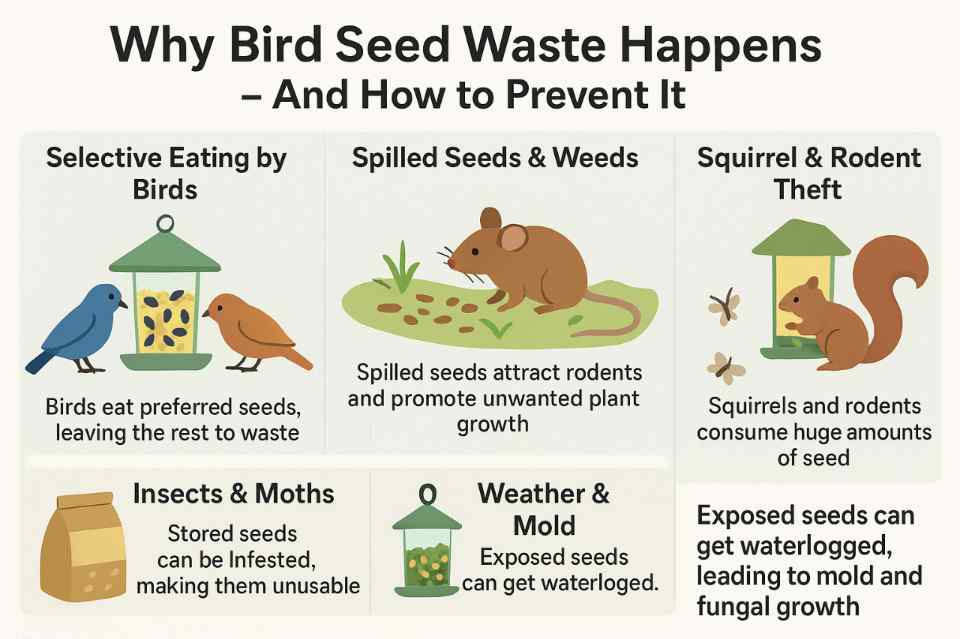
Seed that falls to the ground creates multiple problems simultaneously. According to Gardening Know How, spilled seed can attract rodents, encourage unwanted plant growth, and create unsanitary buildup beneath feeders. One feeder can drop hundreds of pounds of seed annually.
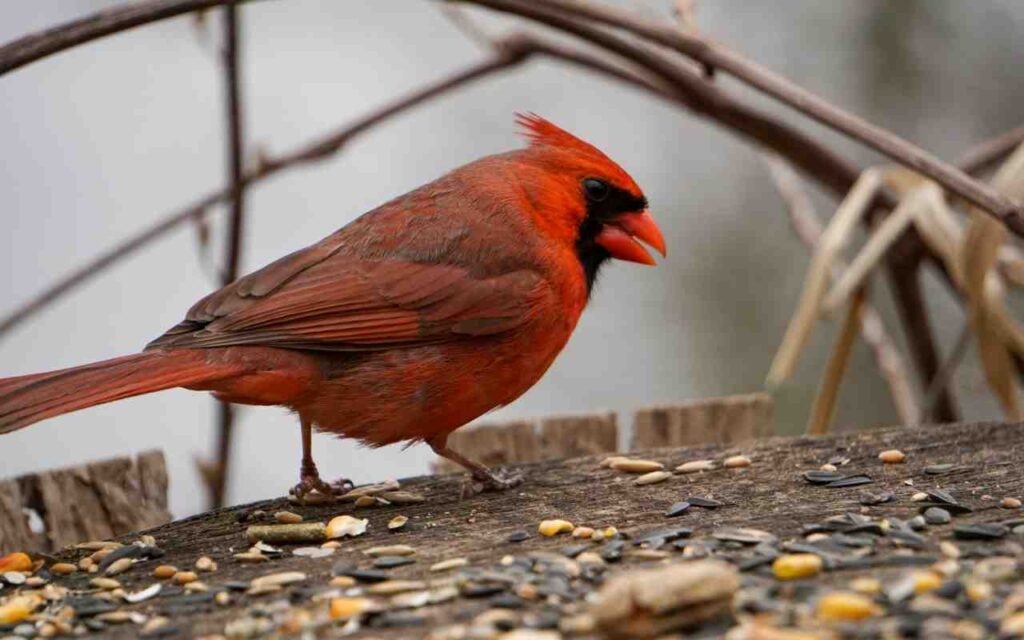
Unwanted seed sits uneaten in feeders while birds pick through looking for preferred varieties. Birds will selectively eat preferred seeds while ignoring fillers like milo and wheat. This creates piles of rejected seed that eventually mold or sprout. Research on seed preferences shows this selectivity is a significant source of waste in most backyard feeding setups.
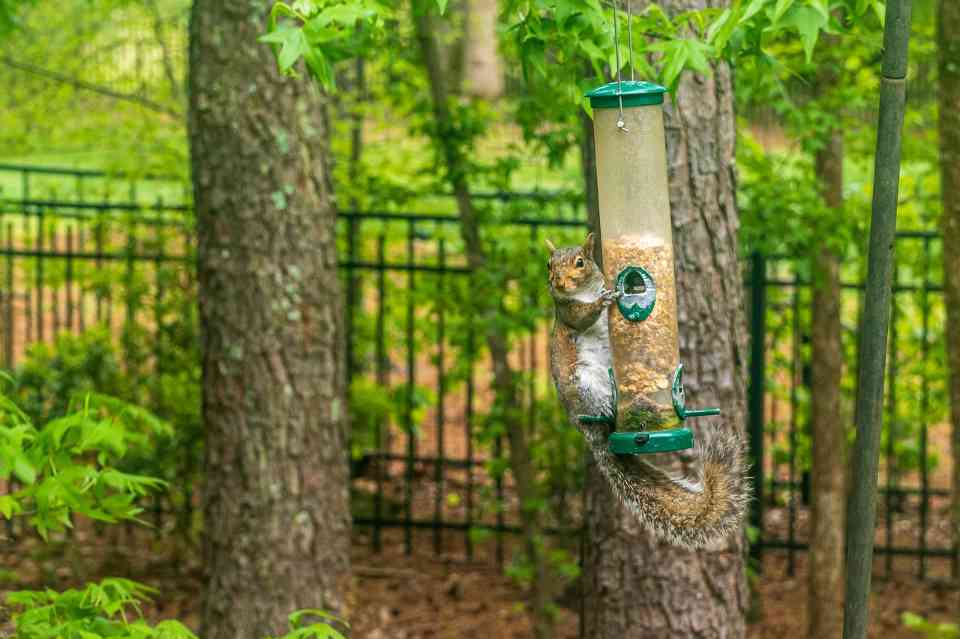
Squirrels and rodents consume enormous quantities of seed. Prevent squirrels from eating bird seed becomes critical when you realize squirrels eat as much as birds do, they’re basically furry seed thieves with excellent climbing skills 🙂
Insects and moths infest stored seed, making it unusable and potentially harmful to birds. Prevent moths in bird seed through proper storage and seed selection to maintain supply quality.
Weather damage ruins seed. Exposed seed gets waterlogged, leading to mold and fungal growth. Keep bird seed dry through proper feeder design and placement. According to the Cornell Lab of Ornithology, spilled seed encourages weed germination underneath feeders, attracts rodents, and creates disease reservoirs where birds congregate. A single feeder can scatter hundreds of pounds of seed each year.
Best No-Waste Bird Seed: Choosing Wisely
Best no-waste bird seed starts with understanding which seeds birds actually eat versus which they reject.
Black oil sunflower seeds rank as the highest-quality choice. Nearly every bird species eats them. Black oil sunflower is preferred by chickadees, finches, nuthatches, and cardinals. The downside is that shells accumulate, but birds eat the seeds themselves, there’s no waste of the seed.
Sunflower hearts (pre-shelled sunflower seeds) eliminate shell waste entirely. Birds eat 100% of what you offer. Yes, they cost more per pound, but the zero-waste factor makes them economical when you calculate actual consumption rates. According to TechGearLab, sunflower hearts produce the lowest waste rates among all premium seed types.
Nyjer or thistle seed attracts finches with minimal waste. The tiny seeds are difficult for other species to eat, so you won’t see starlings and house sparrows monopolizing your finch feeders.
Safflower seed attracts many species while deterring squirrels and grackles. It’s excellent for balanced, species-specific feeding. Explore more about native plants for birds to combine seed feeding with natural food sources.
Avoid entirely: milo, wheat, cracked corn, and mixed seed blends loaded with fillers. According to research, birds reject 30-50% of these cheap mixes, meaning you’re literally paying to feed the ground beneath your feeders. I stopped buying budget seed blends years ago and never looked back.
High-quality mixes containing primarily black oil sunflower, safflower, and nyjer eliminate most waste. Yes, they cost more initially, but per-bird consumption costs actually decrease because birds eat everything.
Feeder Selection: Reducing Physical Waste
Prevent bird seed from falling to the ground by choosing feeders with proper design and functionality.
Platform feeders with drainage allow water to escape while containing seed. Unlike open ground feeding, platform feeders keep seed elevated where birds can eat without contaminating ground areas. Ensure drainage holes are sufficiently large that waterlogged seed doesn’t sit in moisture. Learn more about how to clean a bird bath without chemicals, the same maintenance principles apply to keeping feeders clean and dry.
Tube feeders minimize spillage due to their enclosed design. Seed only exits through small ports, preventing the massive waste common with open-design feeders. However, tube feeders require meticulous cleaning to prevent mold and disease accumulation.
Hopper feeders with baffles direct falling seed back into the feeder rather than to the ground. Some high-quality hoppers feature angled designs that channel spilled seed into collection areas rather than onto your lawn.
Avoid platform feeders without walls or raised edges. These allow seed to scatter in all directions. I replaced all my open tray feeders with contained platforms and reduced ground waste by 80%.
Smaller feeders refilled more frequently waste less than massive feeders that sit overstuffed. A three-pound feeder refilled twice weekly prevents seed from sitting in storage where it deteriorates. Seed quality degrades faster than most people realize, old seed loses nutritional value and develops insect populations or mold.
Stop Bird Seed from Germinating: Prevention Strategies
Prevent bird seed from germinating by managing ground conditions and seed types simultaneously.
Rake under feeders regularly. Remove fallen seed weekly during active feeding season. Accumulated seed beneath feeders creates persistent weed problems and disease zones. I rake under mine twice weekly during spring and fall migrations.
Use no-waste seed varieties. Sunflower hearts produce no hulls to germinate. Nyjer seed rarely sprouts because birds consume entire seeds. Regular seed mixes create constant sprouting problems because rejected seeds germinate perpetually.
Apply mulch under feeders. Thick mulch prevents seed from contacting soil where germination occurs. The added benefit: sprouted weeds are easier to pull from mulch than from bare soil.
Move feeders seasonally. Relocate feeders every few months to prevent permanent dead zones beneath them. Rotating locations allows grass to recover and prevents weed monocultures from developing.
Stop bird seed from germinating through placement strategy as well. Position feeders in areas you’re okay with becoming weed patches. Under trees works better than in the middle of cultivated gardens.
Preventing Pest Access: Squirrels and Rodents
Prevent squirrels from eating bird seed through strategic feeder selection and placement rather than fighting an unwinnable war.
Baffles on poles work surprisingly well. Mount feeders on smooth poles at least 6 feet tall, with baffles positioned 4-5 feet up. Squirrels struggle to jump over properly-installed baffles. Baffles eliminate 70-80% of squirrel access when installed correctly.
Safflower and nyjer feeders naturally deter squirrels. Squirrels find safflower’s bitter taste unappealing and can’t easily access nyjer seeds through small ports. Prevent squirrels from eating bird seed becomes simpler when you accept that some feeders are inherently squirrel-resistant. Discover more strategies with how to keep squirrels away from bird feeders.
Separate squirrel feeders eliminate competition. Offer cheap corn in dedicated squirrel feeders positioned far from bird feeders. This redirects squirrel attention and reduces pressure on bird feeders.
Distance from jumping points matters critically. Keep feeders 10-15 feet from trees, fences, and structures that squirrels can jump from. Even the best baffles fail if a squirrel can leap directly onto the feeder.
Prevent rats from eating bird seed through strategic seed placement and removal. Rats forage at night, so collect fallen seed in evening and store it properly. Never leave seed scattered under feeders overnight. Rodent populations explode when consistent food sources exist. Eliminate the food source and you eliminate the rodent problem. Learn more about how to protect baby birds from predators, predator management includes rodent control to create safer feeding environments.
Preventing Insect and Moth Infestation
Prevent bugs in bird seed through proper storage, seed selection, and timing.
Store seed in airtight containers. Prevent moths in bird seed by using sealed plastic containers or glass jars. Grain moths easily infiltrate paper bags and cardboard boxes. Once moths establish in seed storage, they spread rapidly. I use food-grade plastic buckets with tight-fitting lids for all my bulk seed.
Keep seed dry. Moisture attracts insects and promotes fungal growth. Store seed in cool, dry locations. Never store in damp basements or garages prone to humidity.
Purchase seed in quantities you’ll use within 4-6 weeks. Old seed develops insect populations naturally. Buying smaller quantities more frequently ensures seed freshness and eliminates storage pest problems.
Inspect seed before purchasing. Look for moth holes in bags, visible insect activity, or musty odors. Purchase from reputable sources that maintain proper storage conditions.
Freeze seed for 48 hours before storage to kill any existing insect eggs or larvae. This preventative step eliminates most insect problems before they start. Place seed in freezer overnight, then transfer to sealed storage containers.
Proper Storage: Keep Bird Seed Dry
Keep bird seed dry through comprehensive storage strategy that prevents moisture, insect, and pest access simultaneously.
Elevated storage keeps seed away from ground-level moisture and rodents. Store seed on shelves or pallets rather than directly on concrete or soil. Concrete wicks moisture upward, contaminating seed stored directly on it.
Ventilated areas prevent moisture accumulation. Never store seed in sealed rooms without air circulation. Slight air movement keeps humidity levels manageable.
Temperature stability reduces moisture problems. Avoid storing seed in unheated garages or sheds where temperature fluctuations cause condensation inside containers.
Rodent-proof containers are essential. Standard plastic bins with snap-lids work well. Metal trash cans with locking lids provide ultimate security against determined rodents.
First-in, first-out rotation ensures older seed gets used before newer supply. Mark containers with purchase dates and use the oldest seed first.
Feeder Placement and Maintenance
Strategic feeder placement reduces waste through better access and reduced spillage simultaneously.
Place feeders near protective cover where birds feel safe. Birds visiting unsafe feeders grab seed and flee, causing spillage. Safe feeders allow birds to feed deliberately, minimizing dropping and waste. Explore bird-friendly garden design for comprehensive habitat strategies that reduce overall feeder stress.
Position feeders where you can clean under them easily. A centrally-located feeder on concrete makes cleanup simple. Placing feeders in hard-to-reach garden areas discourages maintenance and allows waste accumulation.
Mount feeders securely to prevent tipping and massive spillage during wind. Loose feeders spill entire contents in strong gusts, creating enormous waste and potential pest problems.
Check feeders daily for moisture, mold, or water damage. Wet seed develops pathogens rapidly and becomes unusable. Damp seed in feeders indicates design problems or overfilling. Learn about how to attract birds during winter to understand seasonal considerations affecting seed storage and usage.
FAQ: Common Bird Seed Waste Questions
Why does my feeder empty so fast when I rarely see birds eating?
Squirrels, raccoons, and rats are likely the culprits. These animals are primarily nocturnal or early morning feeders. Try placing feeders where you can monitor them during daylight hours, and consider raccoon-proof feeders positioned on smooth poles with baffles.
Can I plant spilled bird seed to grow food for birds?
This creates more problems than it solves. Fallen seed grows into weeds that persist long-term. Birds prefer fresh natural foods over cultivated plantings. Better to prevent spillage through better feeder choices.
How long can I safely store bird seed?
Use seed within 4-6 weeks for optimal quality. Older seed loses nutritional value and develops insect populations or mold. For long-term storage (beyond 6 weeks), freeze seed in sealed containers.
Is nyjer seed expensive enough to worry about waste?
Absolutely. Nyjer costs 2-3x more than sunflower seed. However, birds eat 100% of nyjer compared to 50% of mixed seed blends. Per-bird consumption cost is actually lower with nyjer for finches specifically.
How do I clean up spilled bird seed effectively?
Rake or sweep fallen seed weekly. For large areas, use a shop vacuum or leaf blower to gather scattered seed into collection piles. Never leave spilled seed under feeders for extended periods, it germinates and attracts pests.
Conclusion: Reduce Waste, Maximize Results
How to prevent bird seed waste requires understanding why waste occurs and addressing each factor systematically. Choose high-quality seeds birds actually eat. Select feeders with proper design that minimize spillage. Store seed correctly in airtight, rodent-proof containers. Clean under feeders regularly to prevent germination and disease. Manage squirrel and rodent pressure through strategic feeder placement rather than fighting unwinnable battles.
I cut my seed costs in half while increasing bird diversity by implementing these strategies. That’s not hyperbole, it’s verifiable math. Better seed selections, superior feeders, proper storage, and strategic placement eliminate waste while actually improving outcomes for the birds you’re trying to support.
Start with one change this week. Maybe it’s switching to black oil sunflower hearts or installing a baffled pole feeder. Each improvement compounds, creating a system that feeds birds efficiently rather than funding an ecosystem of pests and waste. Your wallet and your birds will thank you.