
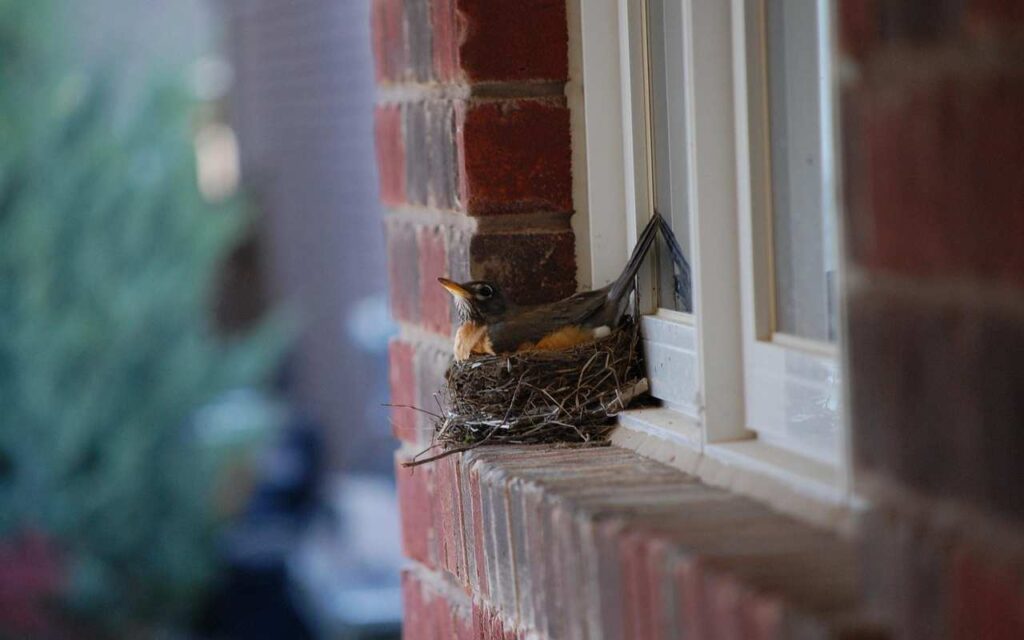
Picture this: you’re sipping morning coffee in late March when you spot a robin pulling worms from your lawn. Two weeks later, you discover she’s built a nest in your porch overhang containing four perfect blue eggs. If you’ve ever wondered when do birds start nesting in the spring, this is it—nesting season has arrived, and honestly? It’s one of nature’s most fascinating transformations happening right in your backyard.
Knowing when birds start nesting in spring matters whether you’re a dedicated birdwatcher, a gardener planning projects, or someone who just loves seeing baby birds. Spring bird nesting varies dramatically by species, region, and even year-to-year weather conditions. Understanding these patterns helps you support nesting birds, avoid disturbing active nests, and maximize your chances of observing this remarkable process. 😊
- Most birds nest from March to June.
- Early: robins, chickadees, woodpeckers (Mar–Apr).
- Mid: warblers, thrushes, bluebirds (Apr–May).
- Late: hummingbirds, flycatchers (May–Jun).
- Warm weather and longer days trigger nesting.
- Robins may raise 2–3 broods each spring.
- Set up boxes early and skip trimming shrubs.
- Offer suet, mealworms, and clean water.
- By late spring, expect fledglings everywhere.
Understanding Spring Bird Nesting
Bird breeding season doesn’t follow a universal calendar. Instead, multiple factors trigger nesting behaviors, and understanding these triggers explains why robins nest in March while hummingbirds wait until May.
Show Transcript
You know, right now, one of nature’s most incredible events is unfolding — literally just outside your window.
It’s bird nesting season, and we’re going to dive into the hidden signals that kick off this amazing annual show.
We’ve all been there, right? You’re having your coffee and you see it — that first real sign of spring. A robin tugging a worm from the lawn. And then, a little while later, bam, there’s a perfectly formed nest tucked away somewhere. That’s pretty much the unofficial start to the whole season we’re exploring.
So what is it that tells that robin, “Hey, it’s time to build a nest”? It feels almost magical, doesn’t it? But it’s not magic at all — it’s actually a precise biological response to specific signals from the environment.
So, what exactly is this alarm clock?
It turns out there are a few key triggers that start this whole process. It’s basically a combination of light, temperature, and — you guessed it — a perfectly timed meal plan.
First up, the big ones: as the days get longer, that extra daylight triggers hormones in birds that essentially scream, “It’s go time!”
But here’s the real secret — it’s not just about sunny days. The more surprising trigger, the one that really gets things moving, is nighttime temperature.
How warm it stays after the sun goes down is an absolutely crucial cue. And science backs this up. A major study confirmed that nighttime warmth is one of the most reliable predictors for when birds start laying eggs.
So, think of a string of warm nights as nature’s big flashing green light for nest building.
And then, of course, there’s food. Birds are master planners. They instinctively time their nesting cycle so that when their chicks hatch, it lines up perfectly with the peak abundance of insects, caterpillars, and berries. The buffet has to be open when the hungry kids arrive.
Now that we know why it all starts, let’s talk about when.
Not every bird is on the same schedule. The whole season unfolds in distinct waves, creating a rush of activity from March all the way into June.
First, you get the early birds in March and April — robins and chickadees. Some even start building while there’s still snow on the ground.
Then, from April to May, comes the main event — bluebirds, warblers, and thrushes start nesting.
Finally, you’ve got the late arrivals in May and June, like hummingbirds and flycatchers, fashionably late to the party.
This timing all comes down to two survival strategies.
You have your resident birds — the ones who tough it out all winter, like cardinals and chickadees. They get a huge head start and claim the best nesting spots before anyone else shows up.
Then you have the migratory birds. They arrive later, but their timing is perfectly tuned to hit that massive food jackpot we just talked about.
Once the timing is right, it’s officially time to build.
And let me tell you — birds are some of the pickiest real estate shoppers and most talented builders in nature. Each species has its own preferred style, location, and list of materials.
For birds, it’s all about location, location, location.
You’ve got cavity nesters like bluebirds and woodpeckers — they look for a move-in-ready home like a hollow tree or nest box.
Then there are shrub nesters, like cardinals and catbirds, who want deep, hidden cover in thick vegetation.
And believe it or not, you have ground nesters like killdeer. They prefer wide open spaces so they can spot predators from far away.
Their building materials are just as fascinating.
Robins are basically masons, using mud and grass to form a sturdy cup. Chickadees act like interior designers, lining nests with soft moss and animal fur.
Hummingbirds are engineers — they use stretchy spider silk and lichen to build flexible nests that expand as their babies grow.
And woodpeckers? They just bring their own power tools and chisel out a brand-new home.
Once the home is built, it’s on to the most critical phase — raising the family.
From the moment the first egg is laid, the clock is ticking. Everything happens fast. Most songbirds incubate their eggs for just 10 to 14 days.
Once they hatch, it takes about three weeks for the chicks to grow feathers and get strong enough for their first flight — called fledging.
Getting chicks ready to fledge in only three weeks takes nonstop effort. Parents make over 400 feeding trips a day. It’s a 24/7 job — bringing food, cleaning the nest, and defending it fiercely from threats. Their dedication is incredible.
Watching all that hard work makes you want to help, doesn’t it?
The good news is — you can. There are simple, effective ways to make your yard a safer, more productive place for nesting birds.
Here are the big do’s and don’ts.
1. Give them space. Watch from a distance but never touch or move a nest. Even your presence can stress the parents.
2. Keep pets indoors. Especially cats. They’re a major threat to young birds just learning to fly.
3. Offer safe resources. Provide fresh water and native plants for food and shelter.
You can even offer nesting materials — just be smart about it. Short pieces of yarn (under four inches), pet fur, or dried grass are great. Avoid long strings or synthetic stuff like dryer lint — they can tangle and injure birds.
And this isn’t just a feel-good gesture. Research from the Cornell Lab of Ornithology shows that providing safe nesting materials can actually boost local breeding success.
So when you put it all together — the timing, the construction, the tireless parenting — you realize what an incredible story is unfolding just a few feet from your door.
Your backyard is a front-row seat to one of nature’s greatest shows.
Now that you know what to look for, nature’s alarm clocks have gone off, the nesting rush has begun, and the show is officially underway.
The only question left is — what will be the first nest you find this spring?
Why Birds Nest in Spring
Seasonal bird behavior shifts dramatically as spring approaches. Longer days and warmer temperatures trigger hormonal changes that prepare birds for reproduction. Photoperiod (day length) acts as the primary cue initiating breeding readiness. As days lengthen past critical thresholds, birds’ reproductive systems activate.
Temperature plays an equally crucial role. Research published in Proceedings of the Royal Society B on breeding phenology found that mean night-time temperature in early spring is the strongest predictor of both nest initiation and egg-laying dates in woodland passerines. The study demonstrated that elevated nighttime temperatures and earlier tree budburst significantly predict earlier laying dates across sites and years.
Food availability determines whether birds can successfully raise young. Spring migration coincides with insect emergence, providing the protein-rich diet breeding birds need. Seeds, berries, and nectar production peaks during spring, supporting diverse species’ nutritional requirements. Birds time nesting to ensure peak food availability coincides with hungry nestlings’ arrival.
General Timeline of Spring Nesting
Peak nesting season varies by latitude, but general patterns apply across most temperate North American regions. Understanding this nesting calendar helps you anticipate when specific activities occur in your area.
Early spring bird activity (March-April) sees the first nests appear. Resident species like chickadees, titmice, and woodpeckers begin nest-site selection and construction. Robins arrive from southern wintering grounds and immediately start building. Early nesters benefit from reduced competition for nest sites and food, though they risk late-winter storms.
Mid-spring (April-May) brings peak nesting season when most species actively build nests and lay eggs. Warblers, thrushes, and other migrant songbirds arrive from southern locations and establish territories. This period sees maximum nesting activity across the widest variety of species.
Late spring nesting (May-June) includes later-arriving migrants like hummingbirds and some flycatchers. Many early nesters produce second broods during this period. I’ve watched my resident cardinals successfully raise three broods between March and July, it’s exhausting just observing their non-stop parenting efforts.
Species-Specific Nesting Times
Backyard bird nesting varies dramatically by species. Understanding specific timing for common visitors helps you support them effectively and avoid disturbance during critical periods.
Robin Nesting Season
Robin nesting season typically runs March through July, with birds producing 2-3 broods annually. Robins rank among the earliest spring nesters, often beginning while patches of snow still linger. I’ve documented robins building nests in my yard as early as March 15th, though late March to early April is more typical.
Robins construct distinctive cup nests using mud and grass, usually positioned on sturdy horizontal branches or building ledges. They prefer locations with overhead cover but open access. Female robins lay 3-5 bright blue eggs and incubate them for 12-14 days. Nestlings fledge after another 13-14 days, though parents continue feeding them for several weeks post-fledging.
Nest building in spring for robins takes 5-7 days. Females do most construction while males guard territories aggressively. I’ve watched male robins engage in territorial disputes that ranged across three yards, they take property lines seriously during breeding season. For comprehensive guidance on supporting nesting birds, see our article on how to encourage birds to nest in your garden.
Bluebird Nesting in Spring
Bluebird nesting in spring occurs slightly later than robins, typically mid-April through June for first broods. Bluebirds are cavity nesters requiring either natural tree cavities or provided nest boxes. This dependency means bluebird nesting success often hinges on nest box availability.
Bluebirds produce 2-3 broods annually in optimal conditions. Females lay 4-6 pale blue eggs (occasionally white) and incubate them for 13-15 days. Nestlings remain in the cavity for 16-21 days before fledging. Males assist with feeding nestlings, making bluebirds genuinely cooperative parents.
Birds nesting in shrubs doesn’t apply to bluebirds, they’re exclusively cavity dwellers. This specialization makes them vulnerable to nest site competition from invasive species like house sparrows and European starlings. Proper nest box placement and monitoring significantly improves bluebird breeding success.
Chickadee Spring Breeding
Chickadees begin nesting March through May depending on latitude. Black-capped chickadees dominate northern regions while Carolina chickadees rule southern areas. Both species excavate their own cavities in rotting wood or use existing cavities and nest boxes.
Bird eggs in spring for chickadees number 6-8 tiny white eggs with reddish-brown spotting. Incubation lasts 12-13 days, with nestlings fledging after 16 days. Chickadee parents make literally hundreds of feeding trips daily, and watching this tireless effort provides genuine appreciation for avian parenting dedication.
Chickadees typically raise single broods annually, though southern populations occasionally attempt second broods. I maintain multiple nest boxes specifically for chickadees, and they’ve successfully nested in my yard for four consecutive years. Their site loyalty is remarkable once they establish territories.
Hummingbird Spring Breeding
Hummingbird spring breeding occurs later than most species because hummingbirds are long-distance migrants. Ruby-throated hummingbirds (dominant eastern species) typically nest May through July. Females arrive slightly later than males, having conserved energy during migration rather than rushing north to claim territories.
Hummingbird nests are tiny, about walnut-sized, constructed from plant down, spider silk, and lichen. They’re architectural marvels that expand as nestlings grow. Females lay 2 pea-sized white eggs and incubate them for 12-14 days. Nestlings fledge after 18-22 days.
When birds lay eggs varies by migration timing. Hummingbirds won’t nest until local flower blooms provide adequate nectar. This means a cold spring delaying flower emergence also delays hummingbird nesting. Our guide on how to attract hummingbirds covers creating ideal conditions for these remarkable birds.
Migratory Birds vs. Resident Birds
Migratory birds spring schedule differs fundamentally from resident species. Migrants must complete long flights before establishing territories and nesting, meaning they nest later than residents. However, migrants arriving from far south often encounter peak food availability because their arrival timing evolved to match local insect emergence.
Breeding pairs in spring form through different mechanisms in migrants vs. residents. Many migrants arrive already paired, having established bonds on wintering grounds or during migration. Residents often maintain pair bonds year-round, giving them breeding advantages by eliminating mate-selection time.
A fascinating study published in Scientific Reports on cavity-nesting bird phenology examined eight resident species over 17 years and found that although clutch initiation dates correlate with local daily maximum temperatures, different species respond to temperatures during different periods of winter or spring. These “critical temperature periods” ranged from 4-78 days before clutch initiation, demonstrating complex species-specific breeding triggers.

Nesting Behavior and Habitat
Understanding bird parenting behavior and habitat preferences helps you create conditions supporting successful nesting while avoiding inadvertent disturbance.
How Birds Choose Nesting Sites
Bird nests in trees represent the most common nesting location, but birds demonstrate remarkable diversity in site selection. Factors influencing choice include predator protection, weather shelter, food proximity, and suitable construction substrate.
Cavity-nesting species like woodpeckers, chickadees, and bluebirds require either natural tree cavities or provided nest boxes. Birds nesting in shrubs like cardinals, catbirds, and mockingbirds prefer dense vegetation offering concealment and support. Ground-nesting species like killdeer and some sparrows select open areas where they can spot approaching predators.
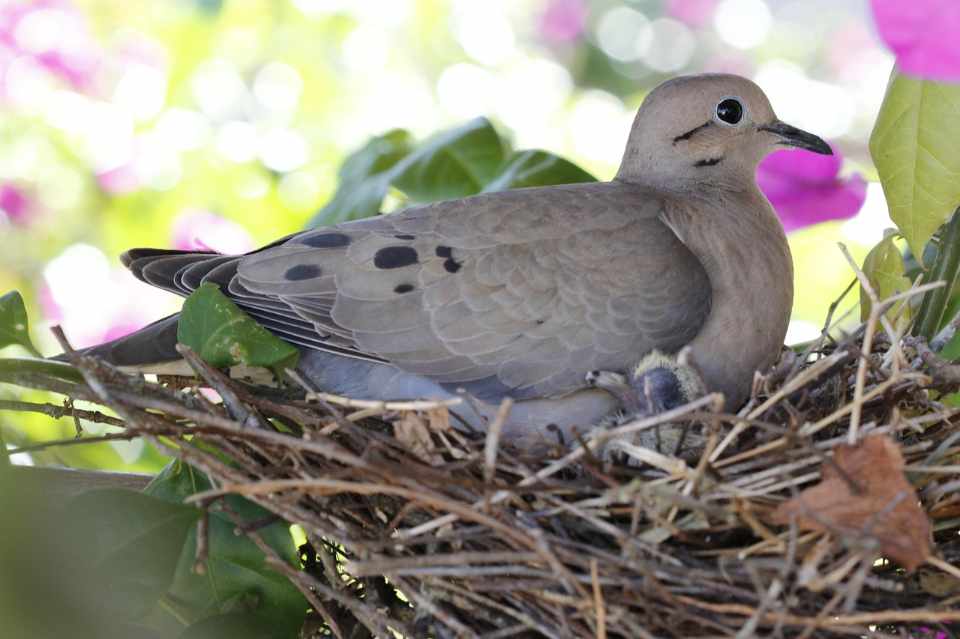
Height preferences vary by species. Robins typically nest 5-15 feet high. Mourning doves build flimsy nests in trees at similar heights. Chickadees use cavities ranging from 5-50 feet. Understanding species-specific preferences helps you predict where to find nests and how to provide suitable habitat.
Nesting Materials Birds Use
Nesting materials birds use reveal fascinating species-specific patterns. Robins require mud for nest construction, meaning dry springs can delay their nesting. I’ve watched robins wait days for rain to create muddy puddles they need for building.
Chickadees excavate soft, rotting wood, creating cavities they line with moss, fur, and feathers. Hummingbirds collect spider silk (providing elasticity) and lichen (providing camouflage). Cardinals weave sturdy cups from twigs, grass, and bark strips.
Providing nesting materials supplements natural availability. I leave pet fur, short yarn pieces (under 4 inches to prevent tangling), and moss accessible during spring. Birds readily collect these offerings, and watching them work materials into nests provides hours of entertainment. According to guidance from the Cornell Lab of Ornithology, providing appropriate nesting materials can significantly support local breeding bird populations.
Eggs and Chicks
Bird parenting behavior after egg-laying involves complex incubation patterns and remarkable feeding efforts that ensure nestling survival.
When Birds Lay Eggs
When birds lay eggs follows nest completion, though timing varies by species and conditions. Most songbirds lay one egg daily until clutch completion. Hatching times for birds depends on incubation periods varying by species.
Incubation period for songbirds typically ranges 10-14 days. Robins incubate 12-14 days. Chickadees require 12-13 days. Cardinals incubate 11-13 days. Larger species generally require longer incubation periods than smaller species.
Only females incubate eggs in most songbird species, though males may briefly cover eggs while females feed. Some species (cardinals, bluebirds) share incubation duties more equally. Temperature regulation is critical, eggs must maintain narrow temperature ranges for successful embryo development.
Raising Baby Birds
Bird parenting behavior intensifies dramatically after eggs hatch. Altricial young (born naked, blind, and helpless) require constant care. Parents make hundreds of feeding trips daily, delivering insects, seeds, and berries depending on species.
Nestling development progresses rapidly. Most songbirds fledge 12-18 days after hatching, though they remain dependent on parents for several additional weeks while learning survival skills. I’ve observed fledgling robins following parents for three weeks post-fledging, begging constantly despite being nearly adult-sized.
Nest sanitation matters for nestling health. Parent birds remove fecal sacs (waste packages) from nests, keeping nests clean and reducing disease transmission. This behavior also reduces nest detectability by predators attracted to waste odors.
How to Support Backyard Birds During Nesting Season
Safe bird nesting in your yard requires conscious effort to minimize disturbance while maximizing habitat quality and resource availability.
Safe Nesting Practices
Backyard bird nesting tips start with leaving nests alone once discovered. Never touch eggs or nestlings. Don’t trim shrubs or trees between April and August without carefully checking for active nests first. To learn how to minimize disturbance while these birds are nesting, see our guide on When Do Birds Start Nesting in the Spring.
According to the National Audubon Society’s guidelines on protecting nesting birds, federal law protects most bird nests, and disturbing active nests can result in nest abandonment and legal penalties.
Keep cats indoors during nesting season. Cats kill billions of birds annually, with nestlings and fledglings being particularly vulnerable. Even well-fed pet cats hunt instinctively. Indoor cat containment during April-July protects the most vulnerable life stages.
Reduce window strike risks during nesting season when inexperienced fledglings navigate unfamiliar territory. Apply window treatments that break up reflections birds mistake for habitat. Our comprehensive guide on how to prevent window strikes in fall covers techniques applicable during spring as well.
Feeding Birds During Nesting Season
Feeding birds during nesting season supports adults’ elevated energy demands and supplements natural food during critical periods. How to attract nesting birds includes providing high-protein foods beneficial for growing chicks.
Mealworms (live or dried) offer concentrated protein that parent birds feed directly to nestlings. I maintain a dedicated mealworm feeder that bluebirds, robins, and wrens visit constantly during nesting season. Suet provides high-fat energy adults need for sustained foraging efforts.
Fresh, clean water becomes critical during nesting. Parent birds need hydration for themselves and often carry water to nestlings during hot weather. I maintain multiple bird baths, refilling them twice daily during summer. For guidance on water provision, see how to keep birdbaths ice-free in winter which includes relevant cleaning techniques applicable year-round.
Birdhouses and Nesting Boxes
Backyard bird nesting success increases dramatically when you provide appropriate nest boxes. Different species require different box dimensions and entrance hole sizes. Bluebirds need 1.5-inch entrance holes. Chickadees prefer 1.125-inch holes. Wrens tolerate 1-1.25 inches.
Install boxes before nesting season begins, February or March in most regions. This allows birds time to discover and claim them. Position boxes facing south or east to maximize morning warmth while avoiding afternoon heat. Mount boxes 5-15 feet high depending on species preferences.
Bird-friendly spring gardens include native plants providing natural nesting materials, insect food sources, and shelter. I’ve replaced 60% of my lawn with native perennials and shrubs, and nesting bird diversity has tripled over five years.
Our resource on bird-friendly garden design covers comprehensive habitat improvements. According to the National Wildlife Federation’s guidelines, providing food, water, cover, and places to raise young creates certified wildlife habitat that significantly benefits breeding birds.
FAQ’s: Spring Bird Nesting
When do robins start nesting?
Robins typically begin nesting late March through early April in most temperate regions, though southern populations start earlier and northern populations start later. First nests appear as early as mid-March during mild springs.
How can I tell if a bird is ready to nest?
Watch for nest-building behavior (carrying materials), territorial singing, and mating displays. Males sing intensively while defending territories. Females collect nesting materials, grass, twigs, mud, indicating imminent nest construction.
Can I put up a birdhouse in early spring?
Yes, though earlier is better. Install nest boxes by February or March allowing birds time to discover them before breeding begins. Birds prospecting for nest sites appreciate having boxes available early in the season.
What should I do if I find a nest with eggs?
Leave it completely alone. Don’t touch eggs or nests. Observe from a distance if desired, but frequent close approach can cause nest abandonment. Never move active nests, doing so is illegal under federal law.
How long do baby birds stay in the nest?
Most songbirds fledge 12-18 days after hatching. Robins fledge at 13-14 days. Chickadees remain 16 days. Bluebirds stay 16-21 days. After fledging, young birds remain dependent on parents for 2-3 additional weeks.
Can I remove an old nest from last year?
Yes, once you’re certain it’s abandoned. Most songbirds build fresh nests annually, though some species reuse old nests. Clean out nest boxes between seasons to prevent parasite buildup and encourage new occupancy.
Do birds reuse nests from previous years?
Most songbirds don’t reuse nests, building fresh structures annually. However, some species like mourning doves occasionally reuse old nests. Large birds like hawks and eagles often refurbish existing nests rather than building new ones.
Conclusion: Celebrating Spring Bird Nesting
Understanding when birds start nesting in spring transforms casual backyard observation into informed appreciation of remarkable natural processes. Spring bird nesting represents one of nature’s most intensive activities, with parent birds investing enormous energy ensuring next generations survive.
Bird breeding season timing varies by species, region, and annual weather conditions, but general patterns hold across temperate regions. Early nesters like robins begin in March. Peak activity occurs April-May. Late breeders and second broods extend through June-July.
Backyard bird nesting success depends significantly on habitat quality and human awareness. By providing appropriate nest sites, maintaining clean water sources, offering supplemental food, and minimizing disturbance, you create conditions supporting healthy breeding bird populations.
This spring, take time to observe nesting birds in your area. Document first arrivals, track nest construction, and witness the transformation from tiny eggs to fledged young. It’s a privilege watching these remarkable processes unfold, and every nest represents hope for species’ continued survival.
Now get those nest boxes installed, March is coming, and the birds are too 🙂