

Watching invasive urban birds turn my private outdoor sanctuary into a messy, unsanitary hazard is a constant headache. In my years of managing properties, I have found that learning how to deter pigeons from balconies requires an intentional focus on blocking localized perching zones rather than trying to fight entire city flocks at once.
Fortunately, I have watched how you can permanently interrupt their stubborn nesting cycles using non-toxic household habits and low-profile structural dividers. This comprehensive diagnostic guide breaks down the safest, most effective humane methods to keep your structural surfaces spotless without ruining your view or causing any harm to local wildlife.
How to Deter Pigeons and Keep Them Off Your Balcony Railing?
The single most effective permanent method is installing stainless steel or heavy-duty plastic physical bird spikes directly along your balcony railings, flat ledges, and structural walls to eliminate landing surfaces completely.
To build a comprehensive defense, layer this setup by applying non-toxic sticky repellent gels on exposed surfaces and setting up optical visual deterrents to discourage approaching flocks before they ever land.
Step by Step Video Demonstration for Balcony Control
Watch this quick video to see exactly how to deter pigeons from balcony railings using safe, real-world mechanical adjustments. This brief explainer breaks down the exact physical equipment layouts and cleaning steps needed to clear your property safely with no gimmicks.
Many homeowners waste hundreds of dollars on cheap plastic decoys or flashy online gadgets that fail to solve the problem long-term. Pigeons quickly adapt to basic scare tactics within a few days, meaning you must establish a permanent, layered defense system to change the game.
Your Quick Checklist for a Pigeon-Proof Balcony
Setting up these protective layers is easy once you know the exact steps and simple chores to keep them working all season. This handy visual guide tracks your physical configurations to help you visualize the exact mechanics of protecting your deck area in just a few minutes.
| Balcony Hardware Option | Target Defense Zone | Physical Exclusion Mechanism | Operational Maintenance Metric |
|---|---|---|---|
| Heavy-Duty Netting | Open Railings & Overhangs | Creates an impassable mesh forcefield that blocks entries. | Inspect monthly for wind gaps or tight mesh sagging flaws. |
| Anti-Roost Spikes | Flat Ledges & Windowsills | Protruding steel wires make landing surfaces uncomfortable. | Clear away trapped leaf fragments or nesting debris. |
| Angled Bird Slopes | Wide Railing Caps | Smooth 45-degree panels cause instant claw slippage. | Check surface slickness after heavy summer storms. |
The Physics of Urban Pigeon Roosting Habits
Understanding why these birds target your specific property requires a close look at pigeon behavior and genetics. Modern feral pigeons are direct descendants of wild rock doves, which nested on high, sheltered sea cliff ledges to stay safe from predators.
Your high-rise apartment balcony mimics a man-made cliff perfectly, providing excellent heights, covered corners, and flat railings that feel genetically safe to their ancestral DNA. Once a single pair establishes a roosting spot, they display intense site fidelity, returning to the exact same square foot of space repeatedly.
Data trends from the National Center for Biotechnology Information show that these urban flocks move within small home ranges and rarely mix with adjacent city populations. This localized behavior means if a flock has claimed your balcony, they will continuously ignore basic shouting or hand-clapping.
The problem multiplies rapidly during peak breeding season when a single pair can raise four to six separate broods a year. Their eggs hatch in just 18 days, and the fast-growing fledglings will stay to build nests nearby if the habitat is left open.
The Thermal Real Estate Rule and Why Corner Joists Attract Flocks
Many homeowners wonder why birds choose their specific apartment deck while completely ignoring the park down the street. The secret lies in a building concept known as the microclimate shield.
Concrete and brick apartment balconies absorb massive amounts of solar heat during peak daylight hours. When the sun goes down, these building materials slowly radiate that trapped warmth back into the surrounding air currents.
Corner ceiling joists and covered overhead alcoves trap this rising thermal heat beautifully. To a nesting pair of birds, this corner is a climate-controlled nursery that keeps their hatchlings safe from freezing night winds.
- Target the hot spots Prioritize your physical defense tools in the highest, most enclosed corners of the overhang.
- Install smooth corner slopes Cover right-angle ceiling joists with slick PVC paneling to destroy the vertical traction needed for roosting.
- Seal structural recessed pockets Fill deep architectural gaps with stainless steel mesh stuffers to eliminate cozy nesting caves permanently.
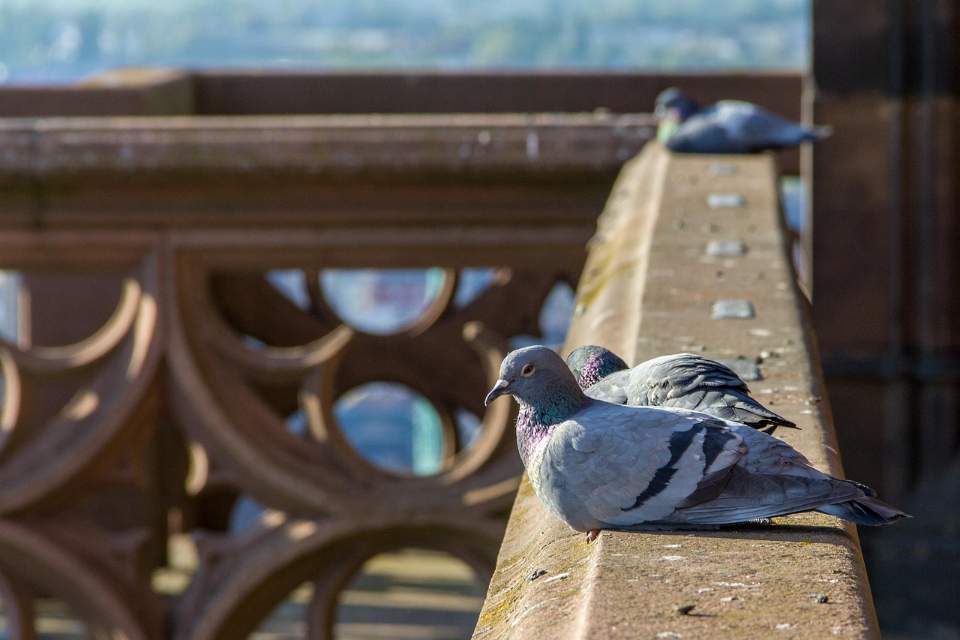
Heavy-Duty Mechanical Netting Barriers
The single most effective way to protect your outdoor space is to install high-quality bird netting to create a complete exclusion zone. Look for UV-stabilized nylon or polyethylene netting featuring a mesh size between 0.75 inches and 2 inches maximum.
This tight netting grid must be stretched completely taut along your brackets, as loose or sagging mesh allows determined birds to land on top and squeeze past the edges. Use heavy-duty screw hooks, zip ties, or specialized mounting clips to secure the perimeter walls tightly.
Pigeons are remarkably patient birds that will test every single inch of your mesh layout looking for a flaw. Any opening larger than two inches will be quickly exploited, allowing birds to slip behind the barrier and build hidden nests in your corners.
If the industrial look of full netting blocks your scenic view, you can selectively net off only your high ceiling overhangs and treat your lower railings with discrete steel strips.
The Railing Gap Trap and Squeezing Below the Balcony Base
Most basic guides only tell you to protect the top handrail where birds sit to look around. They completely miss the dangerous open gaps running along the bottom edge of your balcony frame.
Pigeons do not always land on top of the rail when they want to build a nest. They will frequently drop straight down onto the floor and squeeze right through the empty spacing between your lower metal pickets.
Once they get underneath your outdoor furniture or behind storage boxes, they are hidden from sight. They can raise a full clutch of eggs before you even notice they are living on your deck.
- Block the base gaps: Do not rely on top-mounted spikes to protect your entire balcony footprint.
- Install durable netting tracks: Run your UV-stabilized mesh all the way down to the concrete floor line.
- Anchor the bottom edge: Secure the lowest mesh border tightly against the deck using weighted perimeter cables so stubborn birds cannot lift the netting from below.
Stainless Steel Spike and Angle Grids
To secure open, linear surfaces like window sills and flat railing caps without blocking your view, you should deploy premium anti-roosting spikes. These stainless steel or heavy-duty plastic strips feature protruding prongs that physically prevent birds from landing without causing them any physical harm.
Choose spike arrays with a base width that matches your rail surface, spacing the strips close enough together that birds cannot find a flat pocket to stand between. Secure installation is very critical, and picking a bolted or screwed attachment is always your best long-term option because cheap adhesive-backed strips will quickly crack and fail under weather exposure.
For an even more discrete layout option, you can modify your flat surfaces using smooth angled panels called bird slopes. Installing aluminum flashing or PVC sheets at a slope steeper than 45 degrees completely destroys the vertical claw traction required by roosting birds.
When a pigeon attempts to land on the smooth, angled barrier, its feet slide off instantly, forcing the flock to abandon the ledge for flatter structures nearby.
Tactile Repellent Gels and Optical Visual Deterrents
If you catch an infestation early before nesting begins, you can use tactical bird-repellent gels to treat specific landing spots. These clear, non-toxic chemical gels create a tacky, sticky surface texture on ledges that pigeons intensely dislike touching.
The unpleasant sensation forces the scouts to move on, and premium outdoor-rated formulations can remain active for six to twelve months depending on rain exposure. Never use industrial sticky traps or toxic poisons, as these lethal methods are highly inhumane, frequently illegal, and completely fail to reduce long-term regional bird populations.
Visual scare tools like reflective flash tape, hanging old compact discs, or plastic predator owls should only be used as temporary backups. Pigeons possess highly advanced cognitive tracking systems and will quickly realize a stationary plastic hawk poses zero real threat within two weeks.
According to animal welfare standards published by the BC SPCA AnimalKind Database, visual scare tools are strictly short-term measures that lose their efficacy because birds habituate to them rapidly. If you deploy decoys, you must manually move their physical positions every two days to maintain a brief illusion of movement.
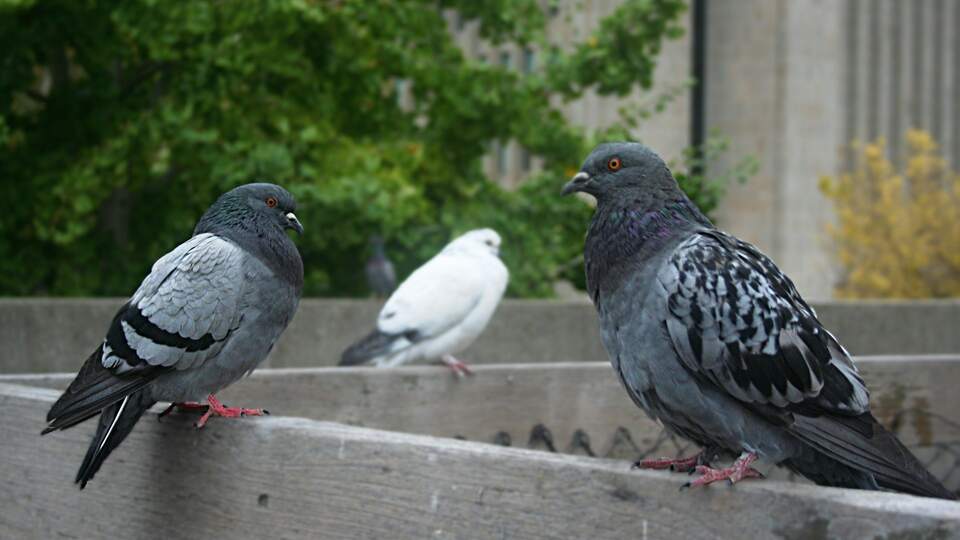
Structural Degradation and How Acidic Waste Destroys Deck Membranes
People assume that bird droppings are just an ugly cosmetic mess that can wait for a spring cleanup. In reality, letting waste accumulate on your balcony is a slow-motion chemical attack on your home structural assets.
Avian waste contains highly concentrated uric acid that acts as a powerful organic solvent. If left sitting on exposed outdoor surfaces, this acid will eat directly through protective paint seals and clear coatings in a matter of weeks.
Once the paint barrier breaks, the acidic slurry seeps straight into porous concrete deck membranes. This chemical reaction causes the underlying rebar to rust, leading to concrete cracking, stone spalling, and thousands of dollars in structural repair bills.
- Protect your floor coating Think of routine cleaning as an investment that saves your structural concrete from expensive pitting.
- Avoid corrosive wire mesh Use heavy-duty nylon or stainless steel barrier tools that will not rust when exposed to damp acidic waste.
- Maintain a sacrificial wax layer Treat smooth metal railings with a premium automotive wax to create a barrier that stops waste from bonding directly to the finish.
Safe Cleanup of Hazardous Avian Droppings
Reclaiming a contaminated balcony requires extreme caution and a strict sanitation routine to protect your health. Accumulations of dried pigeon feces contain high concentrations of uric acid that corrode metal railings and deteriorate concrete.
More importantly, the dust particles from dry droppings can harbor dangerous airborne pathogens, including Histoplasma capsulatum and Cryptococcus neoformans fungi, which cause severe respiratory issues in humans. Always wear an N95 face mask, heavy disposable gloves, and safety goggles before beginning your cleanup.
Never scrape dry droppings into the air, as this sends dangerous dust swirling straight toward your face. Spray the entire area down with a disinfectant cleaner or a hot 10 percent white vinegar mixture to thoroughly saturate the waste before scrubbing.
Scrape the wet waste into sealed plastic bags for safe disposal, then scrub the bare wood or stone using hot soapy water to permanently clear away lingering pheromone scent trails. For more advanced details on removing surface spots, check out our companion guide on how to clean up bird droppings.
Connecting Your Property Protection Strategies
Integrating a structural physical defense completely eliminates urban bird pressure across your property assets.
Protect Your Summer Bird Baths
Once you secure your private apartment railings from roosting flocks, you should verify that aggressive birds aren’t dominating your open yard water elements. To establish a balanced, quiet environment for native songbirds, see our full guide on keep starlings away from bird baths.
Protect Your Yard Feeder Poles
As urban pest populations gather near building perimeters, invasive birds will naturally target your lower backyard feeding platforms. To safeguard your grain features from aggressive flocks, review our clean mechanical blueprint detailing how to keep house sparrows away from feeders.
Reclaiming Your Balcony Space for Good
Keeping stubborn pigeons off your balcony requires combining effective physical exclusion barriers with consistent sanitation habits. While temporary visual scare tactics or chemical scent items might offer brief relief, birds adapt to those changes far too quickly. Investing your time into mounting secure netting systems, angled slopes, or stainless steel spikes provides an ongoing mechanical block that works indefinitely.
Start by targeting your highest priority ledge areas where birds cause the most frequent structural mess. Install your permanent hardware solutions there first, then expand your setup across the lower railing perimeters as your time and budget allow. Even blocking just your most problematic covered corners will dramatically reduce the overall local bird presence.
The true secret to success is maintaining daily persistence and relying strictly on proven mechanical methods rather than wasting money on gimmicky retail items. Do not let invasive flocks ruin your morning coffee or damage your expensive concrete floor membranes any longer. Take action today, apply your physical defense layers, and reclaim your outdoor living space.
Frequently Asked Questions on Managing Balcony Birds
Will pigeons ever stop returning once they have claimed my balcony?
Yes. Pigeons will completely abandon a roosting site once you maintain physical barriers consistently for three to six weeks. They are highly stubborn creatures of habit, but they will permanently relocate as soon as a spot becomes genuinely inhospitable to land on.
Are ultrasonic bird repellents safe to use around household pets?
Most electronic ultrasonic plug-ins emit high-frequency sound waves that operate completely above the normal range of human hearing. However, these high pitches can cause severe ear irritation and stress for backyard dogs and cats, and data managed by the Cornell Lab of Ornithology tracks that avian species quickly ignore these noises anyway.
Can I legally remove an active pigeon nest from my deck railing?
If the nest is empty or still being constructed out of loose twigs, you can safely clean it away immediately. However, once live eggs appear inside the clutch, local municipal regulations and migratory bird acts strictly restrict you from disturbing the site until the young chicks naturally fledge.