
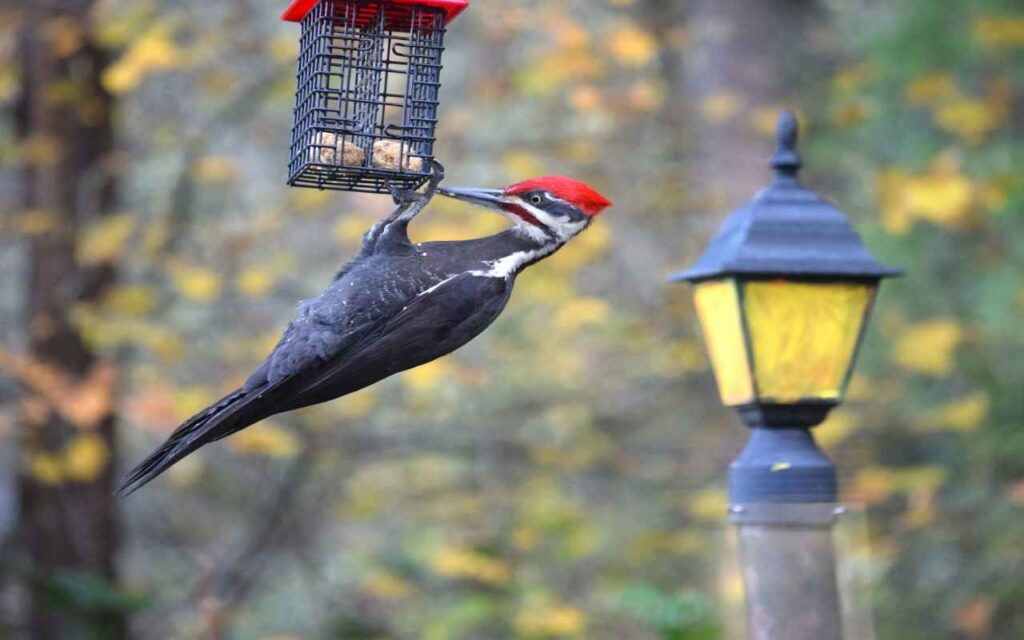
Last September, I counted 23 different bird species visiting my feeders in a single week—twice as many as I usually see in summer. If you’re wondering, what the top 10 birds to attract in fall are, they’re the ones that bring the most color, activity, and excitement to your backyard. Fall isn’t just another season for backyard birdwatching; it’s the peak. Migrating birds pass through, and residents feed heavily to prepare for winter, creating nonstop action that’s genuinely fun to watch.
Birds to attract in fall include both familiar year-round visitors and rare migrants passing through briefly 🙂. Knowing which species appear and what draws them can turn your yard from a random stopover into a destination feeding station. This guide covers the top 10 species you’re most likely to see and exactly how to attract each one.
- Fall is peak birdwatching season with high migration and activity.
- Expect rare migrants and familiar visitors.
- Top birds: goldfinches, cardinals, chickadees, jays, woodpeckers.
- Also: hummingbirds, starlings, doves, titmice, house sparrows.
- Use tube, platform, and suet feeders for variety.
- Offer high-fat foods: sunflower seeds, peanuts, nyjer, suet.
- Place feeders near cover but away from predators.
- Keep bird baths clean with fresh water daily.
- Document species visiting your yard and enjoy their behavior.
Why Fall Is the Best Season for Backyard Birdwatching
Show Transcript
Have you ever looked out your window and wished for a little more life? Maybe a little more color out there? Today, we’re going to do just that. We’ll transform your ordinary backyard into a vibrant, bustling haven for birds.
It all starts with a single moment of curiosity. A flash of red against the green grass, or a cheerful song cutting through the morning quiet. That little spark is what makes you lean in and look a bit closer. That’s the hook—and it’s all you really need.
So, how do you turn that spark into a flame? This guide walks you through a simple step-by-step plan to transform not just your space, but your perspective. You’ll become the person with the most interesting backyard on the block.
Here’s the first step: do absolutely nothing. Just watch. Where do the birds already hang out in your yard? Do they have a favorite branch or sunny spot? This observation acts like a treasure map, showing you exactly where to place feeders and baths for immediate success.
Once you’ve scouted your prime spots, it’s time to build the foundation of your new bird sanctuary. It boils down to two critical things: food and water. We can break this into three pillars:
- The right equipment—the feeders themselves.
- Stock them with food that birds crave.
- Provide a clean source of water—often more attractive than food itself.
For a quick cheat sheet:
- Tube feeders with nyjer seed attract goldfinches.
- Hopper feeders with mixed seed draw crowd-pleasers like cardinals and chickadees.
- Suet cages bring in woodpeckers.
Top seeds to stock:
- Black oil sunflower seeds – thin shell, high oil, loved by nearly all birds.
- Nyjer seed – a magnet for finches.
- Safflower – loved by cardinals, ignored by squirrels.
Avoid cheap filler mixes—they create more mess than value.
Water is key, too. Birds like warblers and robins need water for drinking and bathing. A shallow bird bath—1 to 2 inches deep—is perfect. Small detail, huge difference.
Once the stage is set, the real magic begins. You start noticing bird habits, interactions, and personalities. Chickadees are tiny but fearless and curious, zipping in for a single seed. Blue Jays are intelligent, dramatic, and unpredictable. Observing them is endlessly entertaining.
Tools that help:
- 8×42 binoculars bring the action close.
- A notebook to record sightings.
- Apps like Merlin Bird ID to identify birds by photo or song.
To create a true sanctuary, think beyond food. Shelter is crucial. Native plants provide insects, berries, and cover that birds rely on. Non-native ornamentals often don’t provide the right resources.
Adjust your strategy seasonally:
- Winter: high-energy foods like suet for survival.
- Spring/summer: protein for nestlings, like mealworms.
- Fall: high-fat foods to fuel migration.
Your care has real impact. Birds with reliable food sources are healthier, breed earlier, and have more successful nests.
This is an ongoing adventure—learning, observing, connecting with the wild right outside your window. Simple, consistent care, like weekly cleaning of feeders and baths, keeps your visitors safe and healthy.
It all starts with that first glance, that first feeder. Soon, you’ll recognize individual birds, plant native shrubs, and eagerly watch migratory species return each spring. The birds, the life, the magic—it’s always been there. You just need to focus and truly see them.
Are you ready?
Backyard birdwatching in fall offers advantages no other season matches. Bird migration patterns autumn brings billions of birds south, and your backyard sits directly in their flight path whether you realize it or not. Exhausted travelers desperately need food and water, making them less shy and more visible than during other seasons.
Energy demands skyrocket during fall. Migratory birds backyard fall visitors must build fat reserves equaling 30-50% of their body weight before long flights. Resident birds prepare for winter survival by consuming as many calories as possible. This dual pressure creates intense feeding activity you simply don’t see in summer when food is abundant everywhere.
Species diversity peaks dramatically. Spring migration features mostly adult birds moving north purposefully. Fall migration includes all the summer’s offspring, juveniles making their first journeys. Populations are at annual highs, and inexperienced young birds make identification easier because they linger longer at feeding stations.
Ever wondered why you spot rare species in fall but never in spring? Migration routes differ seasonally. Many species take eastern routes south in fall but western routes north in spring, or vice versa. Your yard might sit along a major fall flyway bringing species that completely bypass your region during spring migration.
Top 10 Birds to Attract in Fall
These ten species represent the most reliably attractive and rewarding autumn backyard birds you’ll encounter. I’ve ranked them based on ease of attraction, visual appeal, and behavioral interest.
1. American Goldfinch
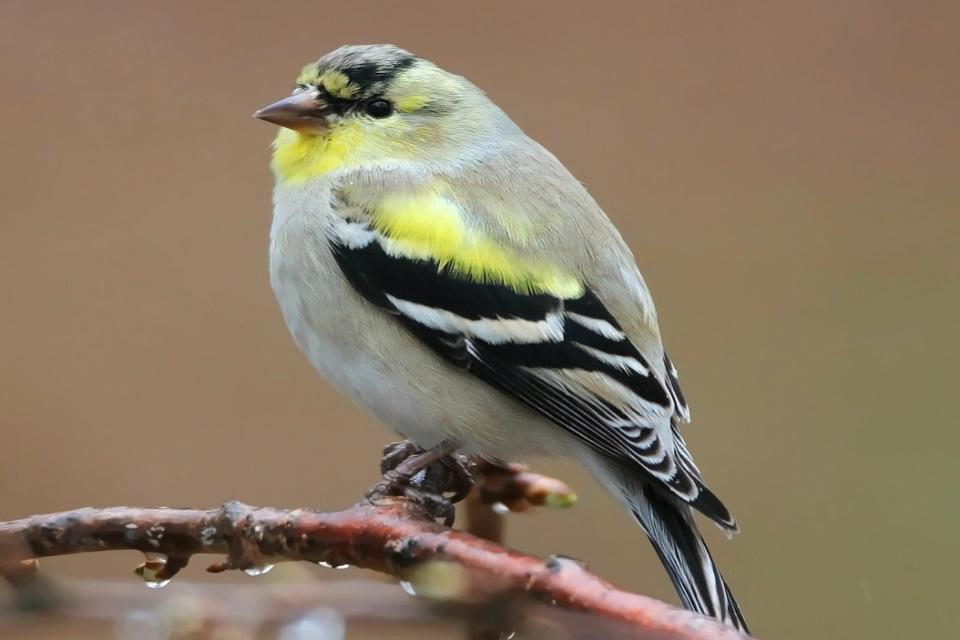
American goldfinch fall behavior is fascinating to watch. Males transform from brilliant breeding yellow to dull olive-drab, while females lighten to match. This molting process happens right at your feeders if you’re paying attention, and watching the transition adds educational value beyond just “pretty bird at feeder.”
Best bird seed for fall for goldfinches is nyjer (thistle) seed exclusively. They ignore everything else. I use dedicated nyjer tube feeders with small ports that exclude larger birds. Goldfinches are social feeders, so once you attract one, flocks follow quickly. My record is 14 goldfinches on a single feeder simultaneously.
How to attract birds in autumn like goldfinches means understanding their late nesting schedule. Unlike most species breeding in spring, goldfinches nest in July-August, timing reproduction with thistle seed availability. Fall finds them finishing breeding and preparing for southern migration or winter residency depending on latitude. Consistent nyjer supply keeps them visiting daily. For detailed goldfinch information, check out our article on why goldfinches change color.
2. Northern Cardinal
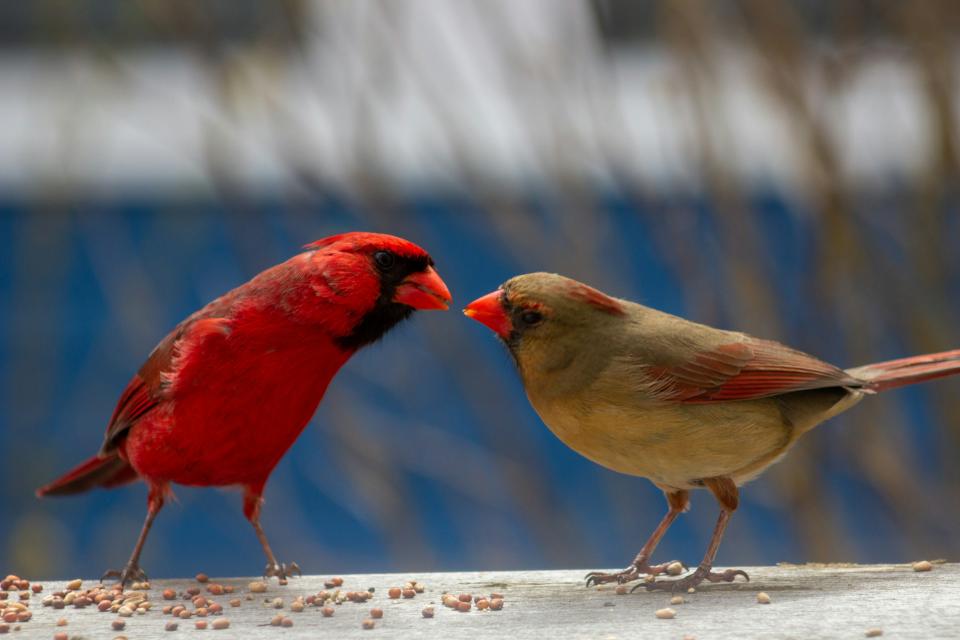
Northern cardinal in autumn stays year-round in most ranges, but fall brings increased activity as they establish winter territories. Males remain brilliant red, while females’ more subdued tan plumage shows red highlights on wings, tail, and crest. Both sexes sing year-round, unlike most songbirds, making them interesting to hear even when hidden. To attract cardinals, offer platform or ground feeders stocked with safflower or sunflower seeds near dense shrubs.
Cardinals prefer platform or ground feeding over tube feeders. They love safflower seed (which squirrels and grackles often ignore), black oil sunflower seeds, and peanut pieces. I keep a dedicated platform feeder with safflower specifically for cardinals, and it has become their favorite station.
Seasonal habitat for cardinals includes dense shrubs for roosting and nesting. Being non-migratory, they’ll stay year-round if the habitat meets their needs. I’ve watched my resident cardinal pair for three years, they’re remarkably loyal to their territory once established.
3. Blue Jay
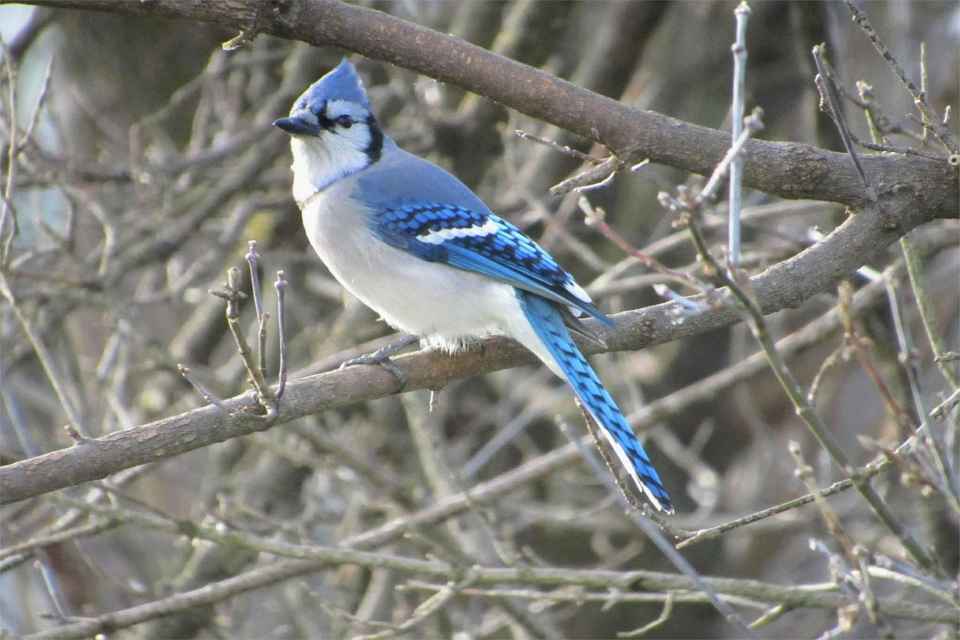
Blue jay fall behavior shifts dramatically from spring aggression to fall hoarding. Jays cache food obsessively during autumn, and watching them stuff their throats with peanuts before flying off to hide them is genuinely entertaining. They’re corvids (crow family), meaning they’re intelligent, curious, and surprisingly interesting birds.
Blue jays love peanuts, in-shell or shelled, more than any other food. I provide a dedicated peanut feeder (basically a platform with edges) positioned away from other feeders. This reduces their interference with smaller birds while satisfying their preference. They’ll also eat black oil sunflower seeds and suet.
Fall bird feeding strategies for jays mean accepting them as part of your ecosystem rather than fighting them. Yes, they’re loud and aggressive. Yes, they monopolize feeders. But they’re also beautiful, intelligent, and fascinating to watch. I’ve made peace with my jays by giving them their own feeding zone. For more on managing their presence, see how to keep blue jays away from bird feeders if they become problematic.
4. Mourning Dove
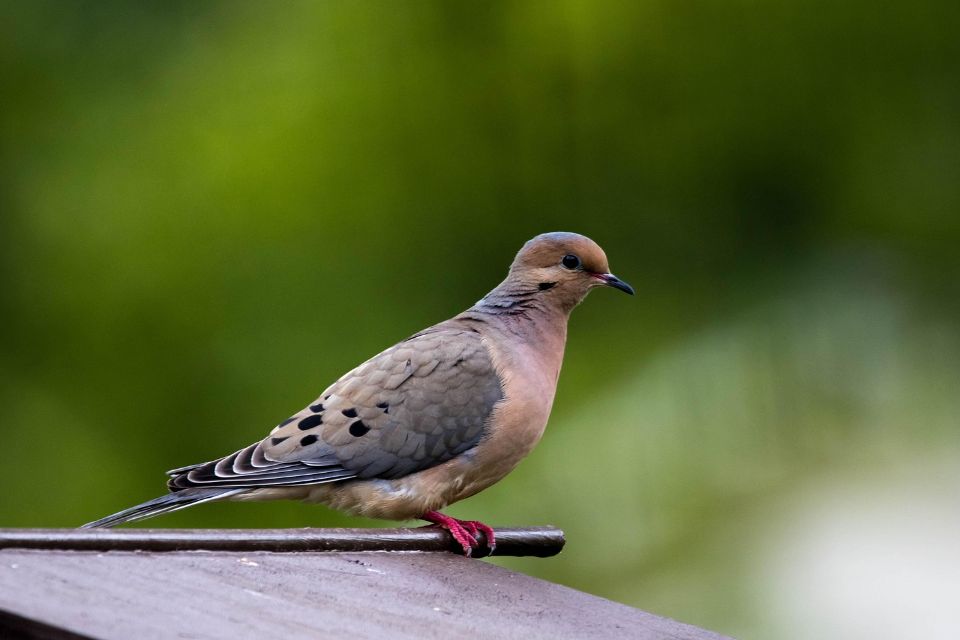
Mourning dove fall migration is partial, some populations migrate while others remain year-round depending on climate. You’ll notice increased dove activity during fall as migrants pass through mixed with residents. Their distinctive cooing sounds peaceful during crisp autumn mornings.
Doves are exclusively ground feeders by preference. To attract doves I provide a low platform feeder and scatter seed on the ground beneath other feeders specifically for them. They love millet, cracked corn, and milo (seeds other birds ignore), making them economical visitors. A 50-pound bag of cheap seed mix works perfectly for doves while premium seed stocks other feeders.
Native plants for fall birds that produce seed include sunflowers and grasses that doves love. I let some areas of my yard “go wild” with native grasses, and doves forage there constantly during fall. This natural food supplements feeder offerings while reducing my seed costs.
5. Chickadees
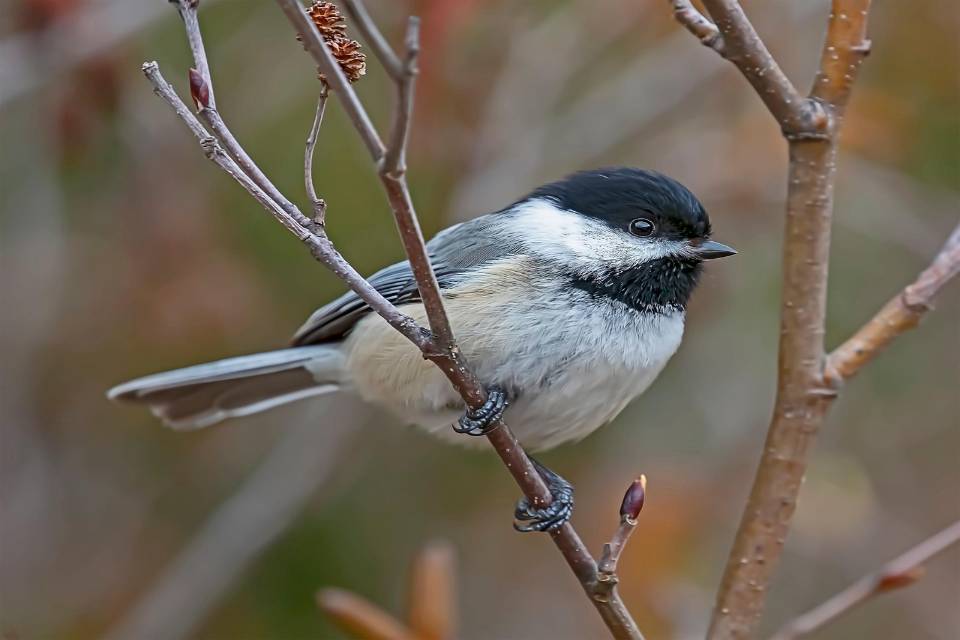
Chickadees in autumn rank among the most entertaining backyard birds. Black-capped chickadees dominate northern regions while Carolina chickadees rule the south. Both species are fearless, curious, and remarkably willing to approach humans. I’ve hand-fed chickadees within minutes of standing still with seed in my palm.
Chickadees eat black oil sunflower seeds primarily, though they’ll take peanut pieces and suet readily. To attract chickadees, provide platform or tube feeders with black oil sunflower seeds, peanuts, or suet near dense shrubs or trees. They’re migratory birds in the backyard during fall in the sense that northern populations move south while southern populations receive them, creating net stability in middle latitudes but noticeable population shifts at range extremes.
Fall bird watching tips for chickadees: they cache food like jays but on a smaller scale. Watch them carefully, they take single seeds, fly to nearby trees, and hide them in bark crevices for winter retrieval. Their memory for cache locations is genuinely impressive, and watching this behavior provides endless entertainment.
6. Tufted Titmouse
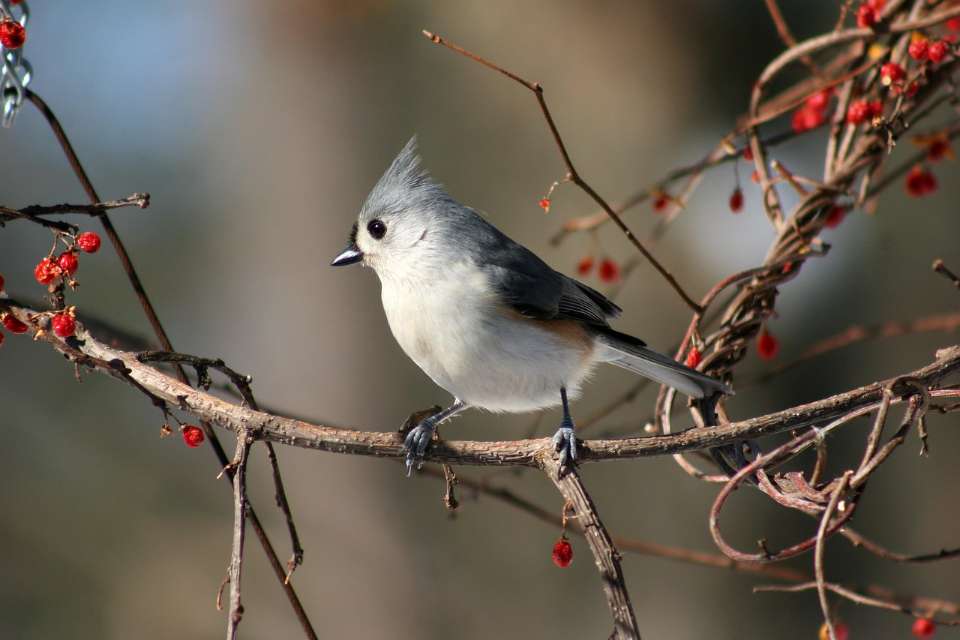
Tufted titmouse backyard presence indicates quality habitat. These small gray birds with prominent crests prefer mature trees and shrubby understory, basically, diverse natural habitat rather than manicured lawns. Attracting titmice means you’ve created legitimately good bird habitat.
Titmice eat similar foods to chickadees, black oil sunflower seeds, peanuts, and suet. They’re slightly larger and more aggressive than chickadees, often dominating feeders through persistence. I’ve watched single titmice empty my feeder by making literally hundreds of trips caching seed for winter.
Fruit and nut trees for birds include oak trees that produce acorns, titmice love acorns and spend considerable time foraging in oaks during fall. If you have oaks in or near your yard, titmice will likely visit even without feeders.
7. Woodpeckers
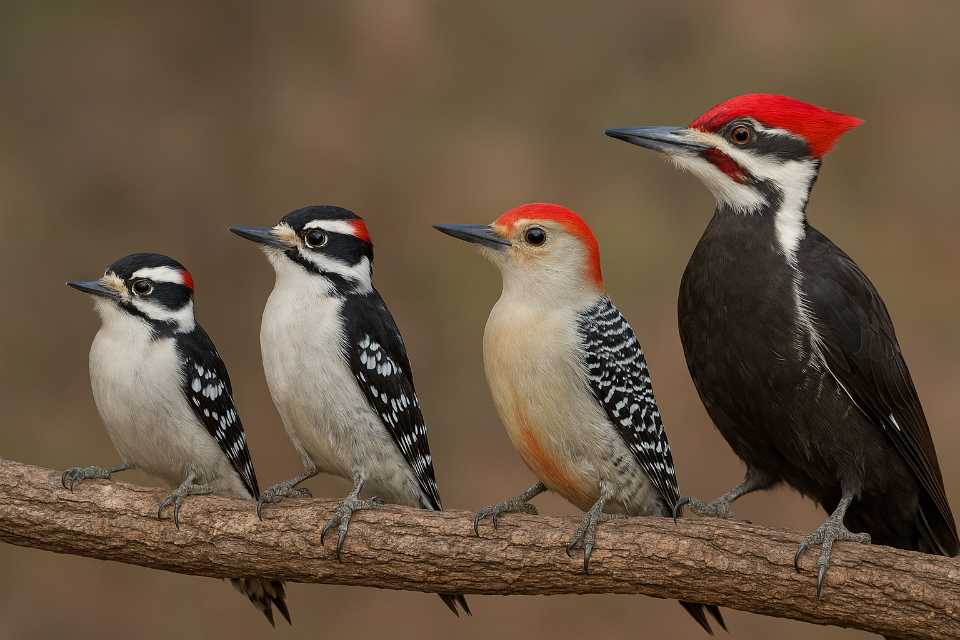
Woodpeckers in fall include multiple species depending on region: downy, hairy, red-bellied, and occasionally pileated. All woodpeckers love suet, making them easy to attract with dedicated suet feeders. I maintain three suet cages positioned on tree trunks and poles, and they’re constantly occupied during fall.
Suet provides the high-fat content woodpeckers need for cold-weather survival. I make homemade premium suet cakes rather than cheap rendered fat, birds notice quality differences. Best bird seed for fall for woodpeckers is actually not seed at all but high-quality suet and peanut butter-based cakes.
Bird feeding schedule in fall for woodpeckers means checking suet supplies frequently. Woodpeckers can empty a suet cake in 2-3 days during peak fall activity. I refill suet feeders twice weekly minimum, sometimes daily during cold snaps when woodpeckers feed heavily.
8. Hummingbirds
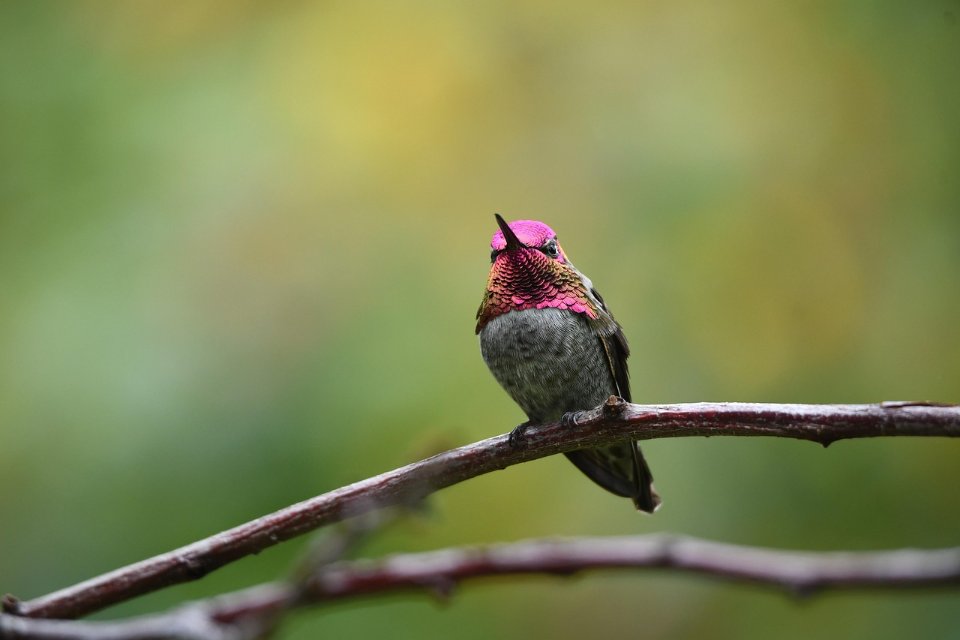
Hummingbirds in autumn surprise many people, most assume hummingbirds disappear by late summer. Wrong! Ruby-throated hummingbirds migrate through October in many regions, and maintaining feeders benefits late migrants and juveniles making their first journeys south.
Autumn bird bath tips apply to hummingbirds too, though they prefer moving water. I installed a mister that creates fine spray, hummingbirds fly through it repeatedly, which is both functional for them and delightful to watch.
Never stop feeding hummingbirds to encourage migration. Migration is hormonally triggered by day length, not food availability. Leaving feeders up through fall provides critical fuel for migrants and doesn’t delay their departure. I keep hummingbird feeders active until two weeks after the last sighting.
9. European Starling
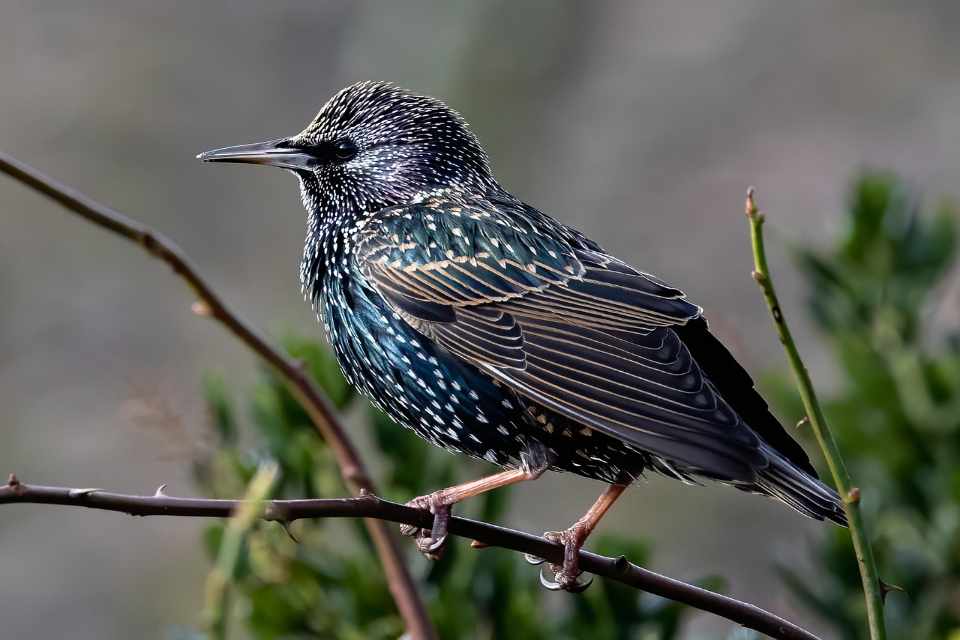
Starlings’ backyard presence in fall generates mixed feelings. These non-native birds are invasive, aggressive, and outcompete native species for food and nesting sites. However, they’re here permanently, and managing them beats fighting them, in my opinion.
Starlings eat almost anything, seeds, suet, fruit, insects. Preventing starling dominance uses strategies like weight-activated feeders and cage-style feeders that exclude larger birds. I use feeders with adjustable perches that close under starling weight, which works moderately well.
Protecting feeders from pests like starlings means accepting they’ll visit but controlling how much they consume. I provide a dedicated platform feeder away from my primary stations stocked with cheap seed mix. Starlings prefer this easy target over working harder at protected feeders. To understand more about these birds’ behavior, check out characteristics of European starlings.
10. House Sparrow
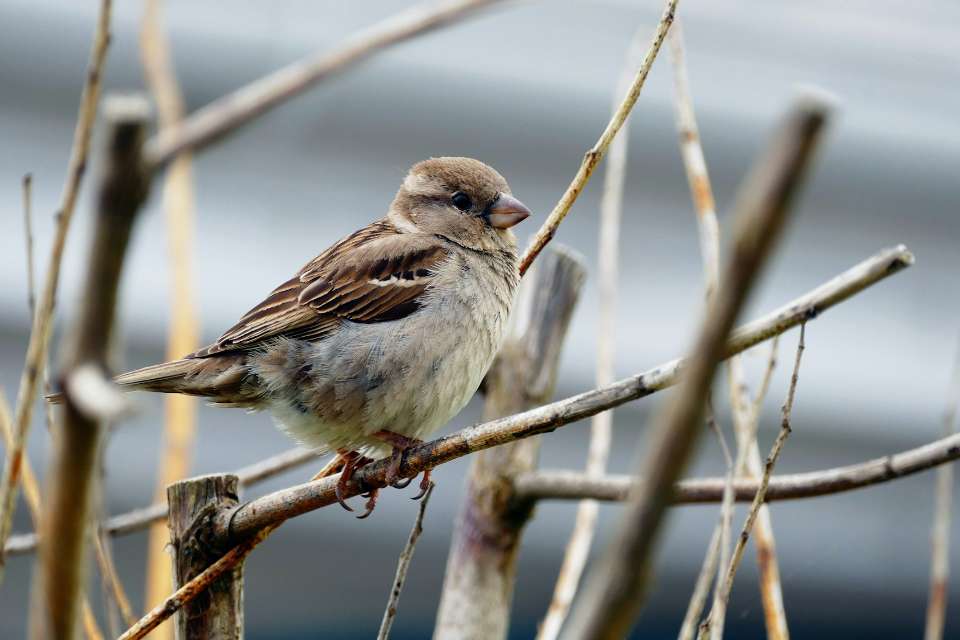
House sparrow fall habits include forming large flocks and feeding heavily to prepare for winter. Like starlings, house sparrows are non-native and invasive. Unlike starlings, they’re smaller and less aggressive toward humans, though they still outcompete native species at feeders.
House sparrows eat primarily seeds, millet, cracked corn, and small grains. They’re ground feeders by nature but adapt readily to platform feeders. I accept house sparrows as permanent residents while using protected feeders to ensure native species get adequate access. Learn more about how to attract house sparrows and their habits.
How to keep birds healthy in fall includes managing house sparrow populations through limiting food availability and removing nest boxes during non-breeding season. House sparrows nest in any cavity, outcompeting native species like bluebirds. Responsible fall management helps balance invasive species with native populations.
Setting Up Your Fall Bird Feeding Station
Fall bird feeder tips start with diversity. Different species prefer different feeder types, food, and feeding heights. A successful autumn feeding station includes multiple feeders positioned strategically to reduce competition and accommodate varied preferences.
DIY bird feeding station for fall can be as simple or elaborate as you want. I started with three feeders: one tube feeder, one platform feeder, and one suet cage. Over time I’ve expanded to eight feeders spread across three feeding zones. Each zone features different food types attracting different species.
Position feeders 10-15 feet from dense cover (trees/shrubs) allowing birds escape routes from predators but not so close that cats can ambush from vegetation. South-facing placement maximizes warmth during cold fall mornings. Bird hydration in autumn matters too, maintain clean bird baths with fresh water daily.
Autumn bird identification guide resources like the Merlin Bird ID app (free from Cornell Lab) help identify unfamiliar visitors. I keep my phone handy during fall because new species appear constantly. Taking photos allows later identification when you’re not sure what you’ve spotted.
According to Southern States and Cornell Lab of Ornithology research, natural food sources become scarce in fall, prompting birds to shift to seeds and fruit. Fall also marks the beginning of peak feeder activity that continues through winter, with citizen science data showing consistent increases in feeder activity, species diversity, and abundance from September through November across North America.
Tips for Safe and Healthy Fall Birdwatching
Window collision prevention in fall becomes critical during migration when unfamiliar birds navigate new territory. Apply window decals, screens, or films that break up reflections birds mistake for habitat. Fall sees peak collision mortality as migrants pass through. For comprehensive prevention strategies, see our guide on how to prevent window strikes in fall.
Protecting feeders from pests means maintaining cleanliness vigilantly. High fall traffic brings high disease transmission risk if you’re not careful. Clean feeders weekly minimum using hot soapy water. Monthly deep cleaning with 10% bleach solution kills pathogens regular washing misses. Research published in Scientific Reports on feeder hygiene demonstrated that routine cleaning significantly reduces disease transmission at bird feeders.
Fall backyard bird checklist should include:
- Stock high-fat foods (black oil sunflower, suet, peanuts)
- Clean feeders and baths weekly
- Position feeders near cover but away from ambush points
- Apply window strike prevention treatments
- Document visiting species for personal records
- Prepare winter feeding systems before first freeze
Keep cats indoors during fall migration. Exhausted migrants are particularly vulnerable to predation. According to the Cornell Lab of Ornithology, outdoor and feral cats kill billions of birds annually in North America, with migratory periods seeing disproportionate impacts.
Bird-friendly backyard in autumn means more than feeders. Native plants provide natural food that supplements your offerings. Dense shrubs offer shelter and roosting sites. Leaving leaf litter provides insects for ground-foraging species. I’ve transformed my yard from sterile lawn to diverse habitat over five years, and fall bird activity has tripled. Our comprehensive guide on bird-friendly garden design covers long-term habitat improvements.
Final Thoughts: Making the Most of Fall Bird Season
Top backyard birds to watch this season offer more than just visual enjoyment. They’re indicators of ecosystem health, participants in remarkable migration phenomena, and genuinely entertaining companions during autumn months. I started casual bird feeding five years ago and now maintain detailed logs of fall visitors, I’m genuinely invested in these birds’ welfare.
Autumn backyard birds need our support during critical transition periods. Fall bird feeding provides measurable survival benefits backed by research. The small investment in quality seed, clean feeders, and fresh water creates real positive impact for struggling bird populations.
Start simple. Install one good feeder, stock it with black oil sunflower seeds, and watch what happens. Once you spot your first warbler, or count your tenth goldfinch, or hand-feed your first chickadee, you’ll understand why fall is absolutely the best season for backyard birdwatching in fall.
Get your feeders ready, September’s coming, and the birds are too 🙂