
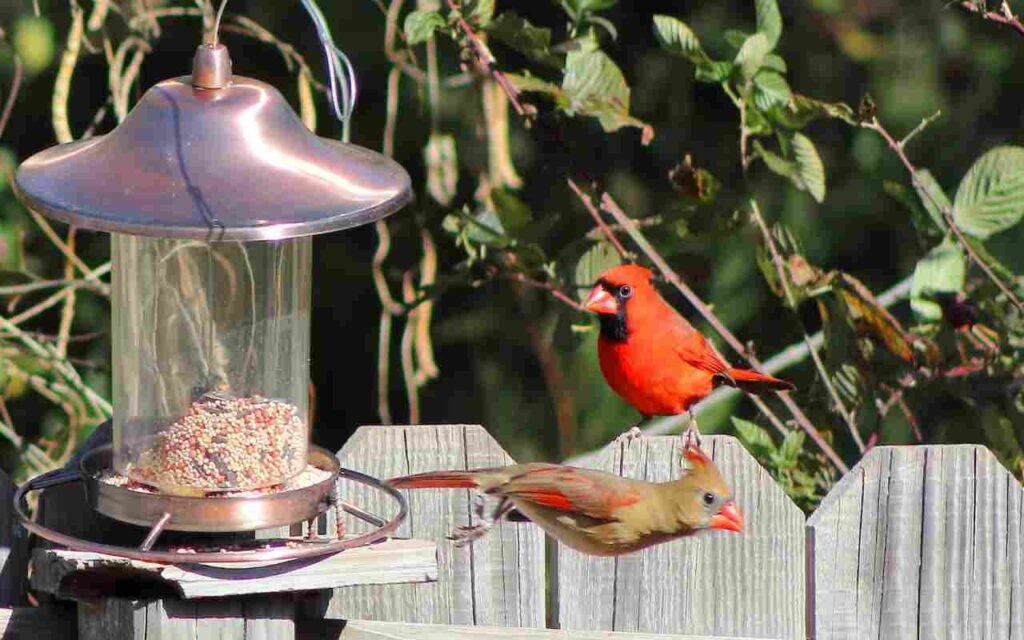
I never planned on becoming a birdwatcher, but one morning I refilled my coffee, looked out the window, and saw a brilliant cardinal on my fence. That little spark eventually turned into my Backyard Birding Guide. Within a few weeks, I had feeders, binoculars, and a notebook where I tracked every bird I spotted. Two years later, my backyard is full of birds I can recognize by their quirks and personalities.
You don’t need fancy gear or a degree in ornithology to enjoy it 😊. Just a little patience and curiosity will do. Soon you start noticing patterns, favorite spots, and even the small personalities of the birds visiting your yard.
- Watch where birds naturally visit first.
- Set up a window spot with feeders visible.
- Provide food, water, and shelter year-round.
- Use a few feeders: tube, hopper, suet.
- Pick seeds: sunflower, nyjer, safflower.
- Offer baths, heated in winter if needed.
- Identify birds with guides or Merlin app.
- Feed seasonally: winter high-energy, spring protein.
- Add native plants, shrubs, trees, nesting spots.
- Clean feeders and baths often.
- Be patient — notice bird behaviors and quirks.
How to Start Backyard Birdwatching
Show Transcript
Have you ever looked out your window and just wished for a little more life?
Maybe a little more color out there?
Well, today we’re going to do just that. We’re going to transform that view — turning your ordinary backyard into a vibrant, bustling haven for birds.
All right, let’s dive into how you can become a backyard birding pro. And it all starts with just a single moment of curiosity.
You know, this is exactly where it begins for so many of us. It’s not some grand, complicated plan — it’s just one single moment.
A flash of red against the green grass, maybe a cheerful song that cuts through the morning quiet.
It’s that one little spark that makes you lean in and look just a little bit closer. That’s the hook — and honestly, it’s all you really need.
So the big question is: how do you turn that spark into a flame?
That’s what this entire guide is about.
We’re going to walk through a super simple, step-by-step plan to not only transform your space, but also your perspective.
You’ll become the person with the most interesting backyard on the block — I promise.
Step 1: Watch and Learn
Now this might sound counterintuitive, but the most important first step is to do absolutely nothing.
Seriously — just watch.
Where do the birds already hang out in your yard? Do they have a favorite branch? Is there a sunny spot they always seem to land on?
This simple observation is like your own personal treasure map. It tells you exactly where to put your feeders and baths for immediate success.
Step 2: Build the Foundation
Once you’ve scouted out your prime real estate, it’s time to build the foundation of your bird sanctuary.
It really boils down to two critical things: food and water.
We’ll break this into three easy pillars:
- Getting the right feeder
- Stocking it with the best bird food
- Adding a clean source of water
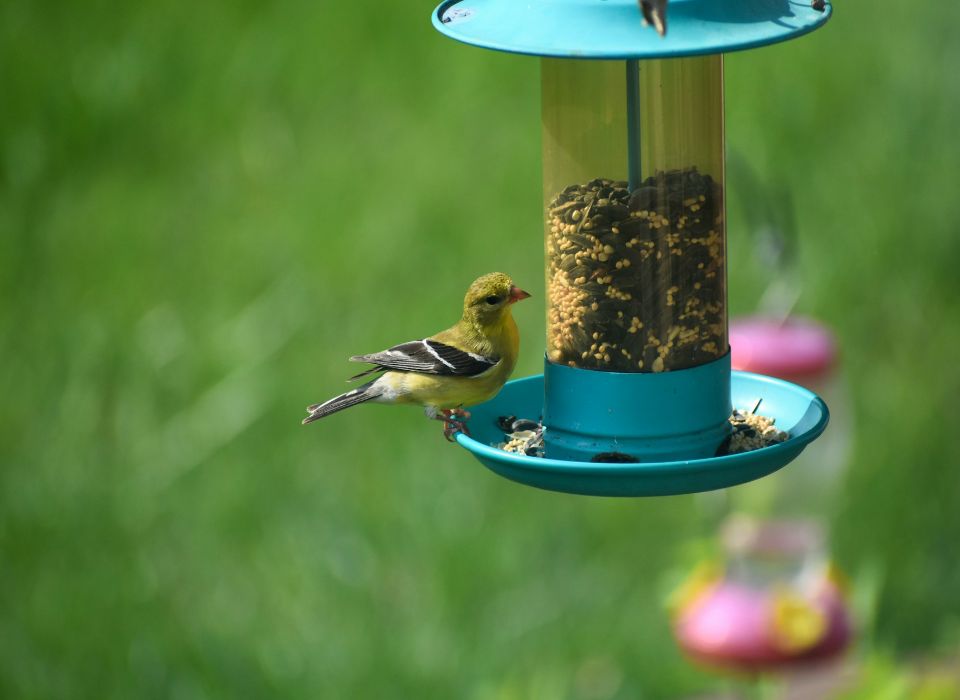
If you want those brilliant yellow flashes of goldfinches, a tube feeder with nyjer seed is a must.
For a great all-purpose option, use a hopper feeder with mixed seed — cardinals and chickadees will love it.
And if you want to see acrobats like woodpeckers and nuthatches, a suet cage is essential.
When it comes to seed, black oil sunflower is the champion — high in oil, easy to crack, and loved by almost every bird.
Nyjer seed attracts finches, and here’s a pro tip: safflower seed keeps squirrels away because they find it bitter.
Avoid cheap seed mixes full of filler grains. Birds will just toss them aside and make a mess.
Step 3: Don’t Forget Water
Here’s something that might surprise you — a simple, reliable source of water can attract an even wider variety of birds than food.
Even non-seed eaters like warblers and robins will visit for water.
They need it to drink and bathe, keeping their feathers in perfect condition.
You don’t need an elaborate fountain. The ideal depth for a bird bath is just 1–2 inches.
That shallow water makes small birds feel safe while they splash around.
It’s a small detail that makes a huge difference.
Step 4: Enjoy the Personalities
Once you’ve set the stage, the real magic begins.
You start noticing their habits, their funny little quirks, and their distinct personalities.
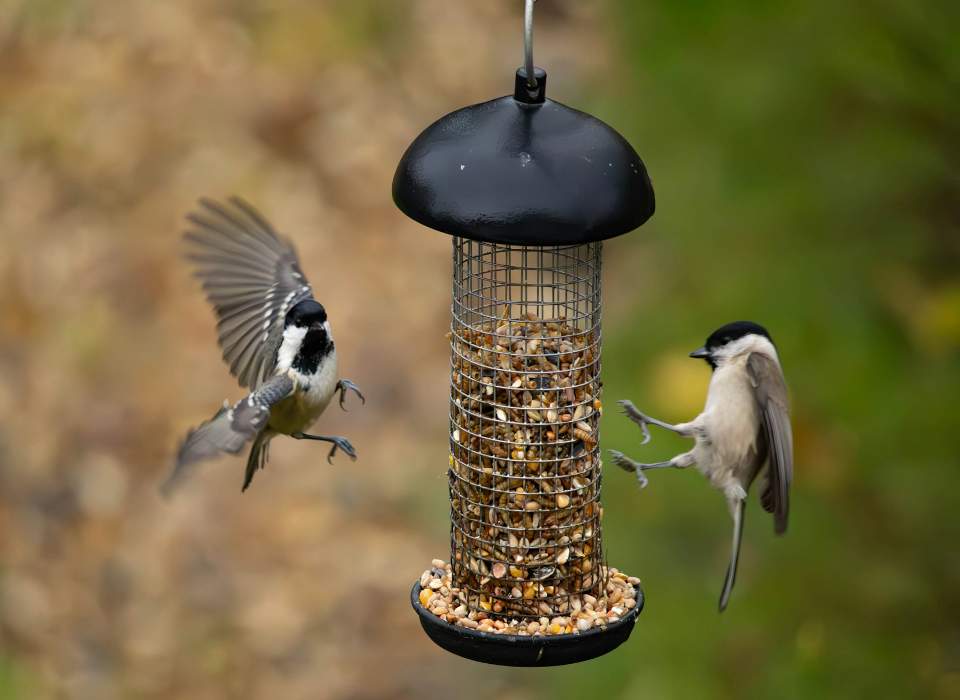
Chickadees are tiny but fearless — they dart in, grab one seed, and fly off like precision pilots.
Blue Jays are the masterminds (and drama queens) of the backyard — they solve puzzles, mimic calls, and sometimes take over the whole area like a squadron.
Watching these personalities interact is endlessly entertaining.
To get a better look, all you need are:
- A good pair of binoculars (8×42 is ideal)
- A notebook for tracking sightings
- An app like Merlin Bird ID to identify birds by photo or even by song
Step 5: Build a Habitat, Not Just a Buffet
Feeders are great, but real backyard birding goes beyond that.
Your goal is to create a complete habitat — food, water, and shelter.
The most powerful thing you can do? Plant native plants.
They provide the right insects, berries, and nesting materials birds naturally depend on.
A yard full of non-native ornamentals might look nice, but to birds, it’s basically a food desert.
Adapt your setup to the seasons:
- Winter: Offer suet for extra energy.
- Spring/Summer: Provide protein-rich foods like mealworms for nesting birds.
- Fall: Bring back high-fat foods to help them prepare for migration.
Studies show that birds with access to reliable food sources in winter are healthier, nest earlier, and raise more young in spring.
What you do in your yard genuinely matters.
Step 6: Keep It Clean and Consistent
Think of this as an ongoing journey, not a to-do list.
Clean your feeders and bird baths weekly — it prevents disease and keeps birds coming back.
That little bit of care makes your backyard a safe, vibrant space for wildlife.
And before you know it, you’ll recognize individual birds, plant native shrubs just for them, and eagerly await the return of your migratory visitors each spring.
So when you boil it all down, here’s the truth:
The life, the color, the magic — it’s already out there.
All it takes is your curiosity, a little effort, and that first step to look, listen, and really see them.
So, the real question is: are you ready?
From Feathered Guru
Nature. Right outside your window.
How to start birdwatching is simpler than most people think. You don’t need to trek to remote forests or invest thousands in gear. Your backyard, balcony, or even a window view offers incredible opportunities. The key is understanding that birds already visit your space, you just need to notice them.
Start by observing where to watch birds in your current environment. Do you have trees nearby? Shrubs? Open spaces? Birds use different zones for different purposes, trees for perching and nesting, shrubs for cover, open areas for foraging. I spent my first week simply watching which areas birds preferred without changing anything. This baseline observation taught me where to position feeders and bird baths later.
Identifying backyard birds starts with patience. You won’t recognize every species immediately, and that’s fine. Begin with the most common visitors, cardinals, blue jays, chickadees, robins. These species appear frequently and have distinctive markings that make identification easier. As you become familiar with regulars, spotting newcomers becomes more exciting.
Birdwatching Basics: Setting Up Your Observation Space
Birdwatching setup doesn’t require complicated infrastructure. Start with a comfortable viewing spot near a window with good sight lines to your yard. I use a chair positioned about six feet back from my kitchen window, close enough to see details through binoculars but far enough that I don’t startle birds.
Daily birdwatching routine develops naturally once you establish your space. I check feeders every morning around sunrise (peak activity time), refill as needed, and spend 15-20 minutes simply watching. Evenings offer another active period, especially during migration seasons. Consistency matters, birds learn your patterns and adjust their visits accordingly.
Understanding what attracts birds to yards transforms casual observation into strategic habitat creation. Birds need three essentials: food, water, and shelter. If you provide all three consistently, you’ll attract diverse species year-round. The challenge is optimizing each element without creating problems like predator access or disease transmission.
Essential Tools and Equipment for Beginners
Let’s talk gear. Backyard bird supplies range from absolutely essential to nice-to-have luxuries. I wasted money early on buying equipment I didn’t need, so let me save you that frustration.
Bird Feeders and Feeding Equipment
Bird feeders come in dozens of styles, but you only need two or three to start. A tube feeder for nyjer seed for finches attracts goldfinches and other small songbirds. A hopper feeder for mixed seed brings in cardinals, chickadees, and blue jays. A suet cage for birds attracts woodpeckers and nuthatches. That’s your basic starter set.
Bird feeder poles matter more than people realize. Cheap poles wobble, attract squirrels, and create endless frustration. Invest in sturdy metal poles with built-in squirrel baffles. I use 6-foot poles positioned at least 10 feet from trees or structures, this keeps squirrels from jumping onto feeders while giving birds clear approach paths.
Bird seed types deserve their own discussion because choosing wrong wastes money and attracts pests. Black oil sunflower seeds are universal crowd-pleasers. Nyjer (thistle) seed specifically attracts finches. Safflower seed deters squirrels while attracting cardinals. Avoid cheap seed mixes with filler grains like milo and wheat, birds toss them on the ground, creating waste and attracting rodents.
Water Sources for Birds
Bird baths rank among the most effective ways to attract diverse species. Birds need water for drinking and bathing year-round, and providing it reliably makes your yard a destination. I use two baths, a ground-level basin for larger birds and a pedestal bath for smaller species that prefer height.
Birdbath heaters extend your attractiveness through winter. When natural water sources freeze, heated baths become critical resources. I installed a thermostatically controlled heater that activates around 35°F, and winter bird activity tripled. It’s one of the best investments I’ve made.
Observation and Documentation Tools
Binoculars for birdwatching changed my entire experience. You don’t need $2,000 optics, but you do need decent clarity. I recommend 8×42 or 10×42 magnification, powerful enough for detail but not so strong that hand tremors become problematic. My Celestron Nature DX binoculars cost under $150 and perform beautifully.
Bird identification books and field guide resources come in physical and digital formats. I prefer physical books because flipping through pages helps me learn bird families and patterns. The Sibley Guide to Birds remains my go-to reference. Pair it with the Merlin Bird ID app (free from Cornell Lab), and you’ve got identification covered.
Cameras for bird photography deserve consideration even if you’re not a serious photographer. Smartphones work surprisingly well for documentation, but a dedicated camera with zoom capability captures better detail. I started with a Canon PowerShot SX70 HS (a bridge camera with 65x zoom) before upgrading to a mirrorless system later.
Nesting boxes provide critical breeding habitat. Different species require different dimensions and entrance hole sizes. Bluebird boxes, for instance, need 1.5-inch entrance holes, while chickadees prefer 1.125-inch holes. Position boxes 5-15 feet high facing away from prevailing winds. Our guide on how to encourage birds to nest in your garden covers placement strategies in detail.
Feeding Backyard Birds by Season
Seasonal bird feeding is where strategy really matters. What works in January fails miserably in July, and understanding these shifts dramatically improves your success.
What to Feed Birds in Winter
Feeding birds in winter centers on high-energy, high-fat foods. Birds burn massive calories maintaining body temperature, so calorie-dense options like black oil sunflower seeds, peanuts, and suet become essential. I double my suet offerings in winter, hanging cages on multiple trees so woodpeckers, nuthatches, and chickadees have consistent access.
When to refill bird feeders becomes more critical in winter. I check feeders twice daily during cold snaps, morning and late afternoon, ensuring birds have fuel for overnight fasting periods. Empty feeders during winter storms can mean the difference between survival and starvation for some species.
According to a landmark study published in the Proceedings of the Royal Society B, winter bird feeding significantly increases productivity in the subsequent breeding season. The research demonstrated that “birds living on sites provisioned over winter had advanced laying dates and increased fledging success compared with birds living on unprovisioned sites,” showing that supplemental feeding during winter affects bird population dynamics by improving future reproductive performance.
Spring and Summer Bird Feeding Tips
Spring bird feeding guide focuses on supporting migration and breeding. Migrating birds need high-protein options, so I add mealworms and insect suet during April and May. Breeding birds appreciate calcium sources (crushed eggshells) and protein for nestling development.
Summer bird feeding tips are counterintuitive, you actually want to reduce certain feeds during summer. Natural food becomes abundant, and overstocked feeders can attract pests or spread disease. I cut back to about 60% of my winter feeding volume, focusing on specialty items like hummingbird nectar and nyjer seed.
Hummingbird nectar requires specific preparation. Mix four parts water to one part white sugar (no red dye, ever). Boil briefly to dissolve sugar and kill bacteria, then cool completely before filling feeders. Change nectar every 2-3 days in summer heat to prevent mold in feeders—spoiled nectar kills hummingbirds.
Fall Bird Feeding Strategies
Fall bird feeding supports migration prep and helps birds fatten up for winter journeys or local cold months. Seasonal migration feeding means offering high-fat foods starting in late August. I increase sunflower seed and suet availability, and I add peanuts in the shell for jays and woodpeckers.
Seasonal seed types shift with availability. In my fall feeder mix I increase safflower (which cardinals favor) while continuing to offer nyjer for goldfinches. Sources from the Cornell Lab of Ornithology and Virginia Department of Wildlife Resources note that safflower is less appealing to many birds but favored by cardinals, and that nyjer is a top choice for goldfinches.
Research from a meta-analysis covering 201 experiments across 82 independent studies found that supplementary bird feeding not only improved reproductive success, such as earlier laying dates and larger clutches, but also influenced broader population dynamics across regions.
Creating a Bird-Friendly Garden
Your landscape choices directly impact which birds visit and how successfully they thrive. Bird-friendly landscaping isn’t about perfection, it’s about creating functional habitat.
Native Plants for Birds
Native plants for birds provide the insects, seeds, and berries that birds evolved to eat. Non-native ornamentals look pretty but often offer zero nutritional value. I replaced half my non-native shrubs with native alternatives (serviceberry, elderberry, dogwood), and bird diversity increased noticeably within one season.
Shrubs that attract birds depend on your region, but general principles apply. Multi-stemmed shrubs offer better cover than single-trunk varieties. Berry-producing shrubs (holly, viburnum, winterberry) provide fall and winter food. Dense evergreens (juniper, yew) offer year-round shelter. Our article on native plants for birds covers region-specific recommendations.
Trees that provide shelter become anchor points for your habitat. Mature trees offer nesting sites, foraging opportunities, and critical shelter during storms. Oak trees alone support hundreds of insect species that feed breeding birds. If you’re planting trees for the future, prioritize natives, they’ll support wildlife for decades.
Designing Your Bird Garden
Bird garden design balances aesthetics with function. I organize my yard in layers, ground cover and low flowers near the house, mid-height shrubs creating borders, and trees forming the canopy. This backyard habitat ideas approach mimics natural forest edges where bird diversity peaks.
How to make a bird sanctuary in your yard requires eliminating threats while maximizing resources. Remove reflective windows or apply bird-safe film. Keep cats indoors. Eliminate pesticide use. Create dense plantings for cover. Provide multiple water sources. The National Wildlife Federation’s Garden for Wildlife program provides certification for bird-friendly habitats and emphasizes that native habitat gardens can support two times the amount of wildlife when compared to properties with primarily turf lawn. Essentially, you’re building a safe, resource-rich environment where birds feel secure enough to nest and raise young.
Pollinator plants for birds serve double duty. Plants that attract insects automatically attract insect-eating birds. I grow native perennials (coneflowers, black-eyed susans, bee balm) specifically to boost insect populations, which then feed warblers, flycatchers, and other insectivores during breeding season.
Water Features and Habitat Elements
Water features for birds extend beyond simple baths. I installed a small recirculating fountain (solar-powered, under $100) that creates movement and sound. Moving water attracts birds from much greater distances than still water. The sound alone brings in species that wouldn’t otherwise visit.
Safe nesting areas mean dense shrubs, cavity trees, and nesting boxes positioned strategically. I leave dead tree snags standing (when safe) because cavity-nesting birds like woodpeckers and chickadees depend on them. Natural cavities are increasingly rare in manicured suburban landscapes.
Pesticide-free gardening isn’t negotiable if you want healthy bird populations. Pesticides kill insects that birds need for feeding young. They also directly poison birds consuming contaminated insects or water. I switched to integrated pest management, tolerating minor leaf damage in exchange for robust insect populations that support breeding birds.
Backyard ecosystem balance emerges gradually. You’re not controlling nature, you’re facilitating it. According to the Baltimore Bird Club, which references material from the U.S. Fish & Wildlife Service pamphlet “Landscaping to Attract Birds,” you can probably double the number of bird species using your property with a good landscaping plan that incorporates food, water, shelter, and space considerations.
After three years of deliberate habitat work, my yard now supports multiple nesting pairs of cardinals, chickadees, and house finches. Watching the entire cycle from nest construction through fledging is genuinely one of life’s great rewards.
For comprehensive strategies on transforming your space, check out bird-friendly garden design which covers everything from layout to plant selection.
Common Backyard Bird Species to Watch For
Identifying local birds makes observation infinitely more rewarding. Common backyard birds vary by region, but certain species appear almost everywhere.
Year-Round Residents
Cardinals rank among North America’s most recognizable birds. Males feature brilliant red plumage and distinctive crests, while females sport tan bodies with red highlights. They prefer platform feeders or ground feeding, and they love safflower seeds. I watch my resident cardinal pair every morning, they’re remarkably loyal to territory and mate.
Chickadees are tiny, fearless, and endlessly entertaining. Black-capped chickadees dominate northern regions, while Carolina chickadees rule the South. They store food obsessively, visit feeders constantly, and adapt remarkably well to humans. Mine eat from my hand after just a few weeks of patient training.
Blue jays generate mixed feelings among birders. They’re stunning, intelligent, and aggressive. They monopolize feeders, chase smaller birds, and eat eggs when opportunities arise. But they’re also corvids (crow family), which means they’re problem-solvers and fascinating to watch. I provide a dedicated peanut feeder specifically for jays, which reduces their interference at other stations.
Woodpeckers include multiple species (downy, hairy, red-bellied, pileated). They excavate dead trees for insects, drum on resonant surfaces to establish territory, and visit suet feeders reliably. The rhythmic drumming on my metal chimney cap every spring initially annoyed me until I learned it meant territory establishment, basically, the woodpecker claimed my yard as his.
Seasonal Visitors
Robins are everywhere in spring and summer but disappear to southern regions in winter (in northern areas). They hop across lawns hunting earthworms and establish territories aggressively. Male robins sing melodiously at dawn, they’re often the first bird sounds I hear in spring.
Goldfinches undergo dramatic seasonal plumage changes. Males turn bright yellow in spring but fade to olive-drab in fall and winter. Understanding why goldfinches change color helps you identify them year-round. They love nyjer seed and thistle flowers.
Hummingbirds arrive in spring, breed through summer, and vanish by fall. Ruby-throated hummingbirds dominate the East; multiple species populate the West. They’re astonishingly territorial, I’ve watched my resident male chase away every other hummingbird attempting to feed. For strategies on welcoming them, see how to attract hummingbirds.
Sparrows include dozens of species, many confusingly similar. House sparrows (actually weaver finches, not true sparrows) are invasive and aggressive. White-throated, song, and chipping sparrows are native and delightful. Learning how to tell bird species apart takes practice, but subtle differences in markings and behavior become obvious over time.
Mourning doves produce that distinctive cooing sound at dawn. They’re ground feeders preferring spilled seed under feeders. They’re gentle, monogamous, and surprisingly common in urban areas. I provide a ground feeding station specifically for doves and juncos.
Migratory Birds
Migratory birds create excitement during spring and fall. Warblers, thrushes, orioles, and grosbeaks pass through briefly, offering glimpses of species that don’t breed locally. Migration timing varies by latitude, but generally peaks in late April to early May (spring) and September to October (fall).
Keeping a backyard bird identification chart helps track arrivals and departures. I use a simple notebook logging species, dates, and behaviors. Over several years, patterns emerge, certain species arrive within days of the same date annually. This data helps me anticipate when to prepare specialized foods or watch for specific arrivals.
Tips for Photographing Birds at Home
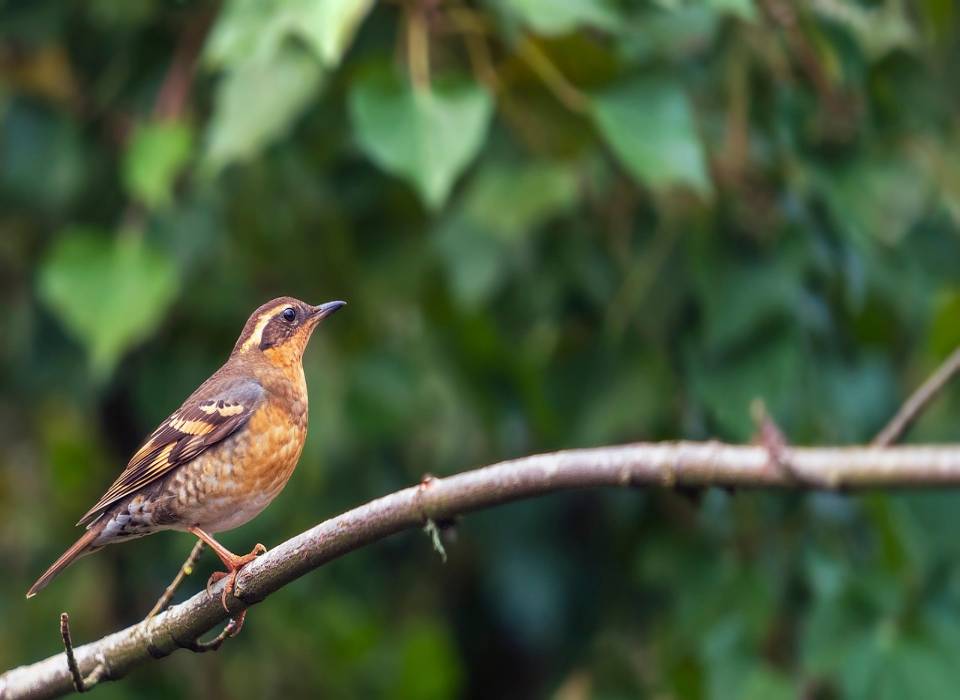
Bird photography tips could fill entire books, but the basics apply universally. Backyard bird photography offers advantages over field work, you control the environment, birds visit predictably, and you’re comfortable while waiting.
Equipment and Settings
Camera settings for birds depend on your equipment, but general principles apply. Shoot in shutter priority mode (S or Tv), using the fastest shutter speed your light allows (minimum 1/500th second for perched birds, 1/1000th or faster for flight). Use continuous autofocus and burst mode to capture action sequences.
How to capture birds in motion requires practice and patience. Pre-focus on a perch or feeder where birds reliably land, then wait. Keep your camera ready, finger poised, and burst shoot when action starts. I typically capture 20-30 images to get one or two keepers, digital storage is cheap, so shoot liberally.
Photographing birds in natural light produces the best results. Harsh midday sun creates terrible shadows; golden hour (early morning, late afternoon) provides beautiful warm light. Overcast days work surprisingly well for bird photography because soft, even lighting eliminates harsh shadows.
Composition and Techniques
Photo composition follows standard photography rules. Fill the frame with your subject, position the bird’s eye in sharp focus, leave space in the direction the bird faces, and eliminate distracting backgrounds. I use wide apertures (f/5.6 or wider when possible) to blur backgrounds and emphasize subjects.
Photographing from a blind dramatically improves close-ups. I built a simple fabric blind near my feeders using PVC pipe and camouflage fabric. Birds ignore the blind completely, allowing me to photograph from 10-15 feet away. Even a window blind (like your house) works, shoot through slightly opened windows to avoid glass reflections.
Best time of day for bird photos is definitely early morning. Birds are most active, lighting is ideal, and backgrounds glow beautifully. I’m outside by 6:30 AM during spring and summer, camera ready, coffee in hand. It’s become my favorite daily ritual.
How to attract birds for photography means understanding behavior. I place photogenic perches (interesting branches, stumps) near feeders. Birds naturally land on these before approaching feeders, giving me compositional control. I also maintain clean feeding stations so birds don’t have seed debris in their feathers.
Macro photography for small birds requires specialized lenses or extension tubes. Chickadees, hummingbirds, and warblers demand close-focusing capability. My 100mm macro lens captures incredible detail on small subjects, revealing feather structures invisible to the naked eye.
Ethical bird photography means never disturbing nests, never baiting birds into dangerous situations for shots, and never prioritizing photographs over bird welfare. I follow strict guidelines: no flash near nests, maintain safe distances, and abandon shots if birds show stress behaviors. For broader guidance, check out how to photograph garden birds.
Maintaining Your Backyard Birding Habitat
Success requires ongoing maintenance. How to prevent mold in feeders starts with regular cleaning, weekly in summer, every two weeks in winter. I scrub feeders with hot soapy water, rinse thoroughly, and air dry completely before refilling. Mold spreads disease rapidly among bird populations, so vigilance matters.
Check water features daily during hot weather. Birdbaths become bacteria breeding grounds in summer heat. I empty, scrub, and refill my baths every morning during July and August. Winter requires breaking ice daily if you don’t use heaters.
Monitor your habitat for problems. Watch for sick birds (fluffed feathers, lethargy, discharge from eyes or beak). If you spot sick individuals, immediately remove feeders and baths, clean everything thoroughly, and leave stations empty for at least two weeks. Disease outbreaks devastate local populations when concentrated feeding spreads pathogens.
Adjust your approach seasonally. Seasonal bird feeding means lighter feeding in summer when natural foods abound, heavier feeding in winter when birds depend on supplemental resources. Balance consistency with seasonality, don’t abandon winter feeding abruptly, but scale back gradually as spring arrives.
FAQ’s: About Backyard Birding
When should I start feeding birds?
Anytime works, but fall (September-October) is ideal. Birds establish winter routines, and your feeders become incorporated into their territories before harsh weather arrives. Winter feeding commitment matters, once birds depend on your stations, consistency becomes critical.
Do bird feeders attract rats and mice?
They can if you’re careless. Spilled seed attracts rodents, so clean underneath feeders regularly. Use seed catchers or trays beneath feeders. Bring feeders inside overnight if rodent problems persist. Our guide on how to feed wild birds without attracting rats covers prevention strategies in detail.
How do I keep squirrels away from bird feeders?
Squirrel baffles on poles work best IMO. Alternatively, use weight-activated feeders that close when heavy animals land. Spicy seed (treated with capsaicin) deters squirrels but doesn’t affect birds. Position feeders at least 10 feet from launch points. For comprehensive tactics, see how to keep squirrels away from bird feeders.
How often should I clean bird feeders?
Weekly during spring/summer, every 2-3 weeks during fall/winter minimum. Hot soapy water works fine, scrub all surfaces, rinse thoroughly, and air dry. Disinfect monthly with a 10% bleach solution (one part bleach to nine parts water), rinse extensively, and dry completely.
What’s the best bird feeder for attracting diverse species?
No single feeder attracts everything. Tube feeders for small songbirds, hopper feeders for larger species, suet cages for woodpeckers, and platform feeders for ground-feeding birds create a comprehensive station. Diversity in feeders = diversity in visitors.
Should I feed birds year-round?
Yes, with seasonal adjustments. Resident birds benefit year-round, and migratory birds appreciate supplemental feeding during spring/fall. Reduce offerings in summer when natural foods peak, increase them in winter when resources disappear. Consistency matters more than volume.
How do I identify birds I’ve never seen before?
The Merlin Bird ID app (free from Cornell Lab) is genuinely revolutionary 🙂 Answer a few questions about size, colors, and behavior, and it suggests matches. Pair it with a field guide for confirmation. Take photos when possible, you can identify later at your leisure.
Final Thoughts: Your Backyard Birding Journey
Backyard birdwatching for beginners transforms into a lifelong passion faster than you’d expect. What starts as casual observation evolves into habitat management, species identification expertise, and genuine connection with the wild creatures sharing your space.
I’ve been at this for years now, and the excitement never fades. Every spring brings new nesting attempts. Migration seasons deliver surprise visitors. Winter offers intimate glimpses of how birds survive extreme conditions. My backyard has become this vibrant, dynamic ecosystem that changes daily, and I’m privileged to witness it.
Start simple. Install a feeder, fill a bird bath, grab binoculars, and watch. You’ll learn through observation, and every mistake teaches something valuable. Your first identified warbler will thrill you. Watching baby birds fledge from a nest you monitored will move you. Photographing that perfect cardinal shot will feel like winning a prize.
The birds were always there. You’re simply learning to see them. And once you start really seeing, understanding their behaviors, recognizing individuals, appreciating their resilience, you’ll never look at your backyard the same way again.