
Reader Transparency: This birding guide contains paid affiliate links. If you click a link and make a purchase, I may receive a small commission at no extra cost to you. As an Amazon Associate, I earn from qualifying purchases. Your support helps keep Feathered Guru flying!
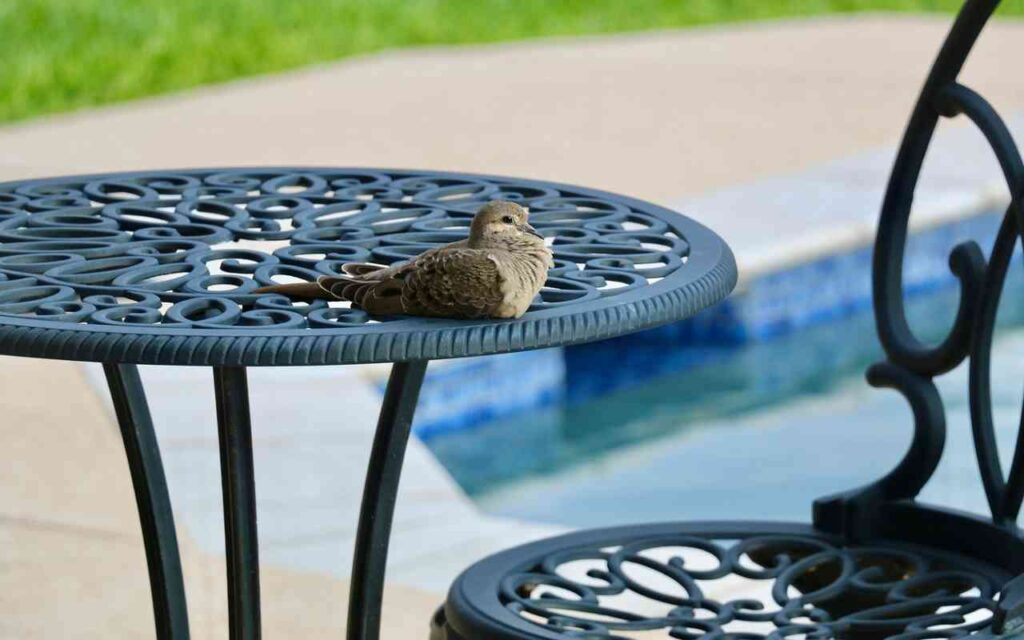
Birds destroying your garden or leaving constant droppings on your patio? Natural bird repellents that actually work are the simplest way to protect your space. Whether it’s pigeons (Columba livia), house sparrows (Passer domesticus), European starlings (Sturnus vulgaris), woodpeckers, or mourning doves, eco-friendly bird control methods keep birds away naturally without harsh chemicals or harming protected species.
Even bird lovers need boundaries. When birds target vegetable gardens, patios, or home siding, humane deterrents redirect them safely. Natural repellents use smells, tastes, visual triggers, and sounds that birds dislike, but are safe for wildlife, pets, and family. I’ve tested every homemade bird repellent method and am sharing what really works versus internet nonsense. 🙂
- Use strong scents like vinegar, garlic, chili, peppermint, or citrus.
- Make scent pouches with essential oils, dried herbs, or crushed spices.
- Hang reflective tape, old CDs, foil strips, or holographic wind spinners.
- Use motion tools like pinwheels, spinning rods, or light chimes.
- Plant deterrent herbs, marigolds, lemongrass, or aromatic shrubs.
- Match your repellent to the bird species that’s causing trouble.
- Rotate repellents every week so birds don’t adapt to your setup.
- Reapply sprays after rain or when the scent starts fading outdoors.
- Stay humane and avoid sticky traps, chemicals, or harmful deterrents.
- Add simple barriers or call pros if the problem keeps returning.
Watch: How to Make Natural Bird Repellents
Want to see natural bird repellents in action? This quick video shows exactly how to make and use them to protect your garden, patio, and outdoor spaces without harming birds.
Show Transcript
0:00
So, are birds totally wrecking your garden? Is your patio constantly covered in droppings? Before you run out and buy expensive chemicals, I’m going to show you how to make natural bird repellents that actually work.
0:16
It’s frustrating, right? You spend all this time making your outdoor space perfect, only to have it treated like a public restroom by birds who definitely did not RSVP.
0:32
Tomatoes, berries, flowers—you nurture them, and suddenly, the day before you enjoy them, they get pecked to pieces. Garden heartbreak is real.
0:46
And don’t get me started on the cleanup—furniture, railings, decks… nothing is safe from droppings.
1:00
But there’s a better way. It’s all about science. Not harming birds, but outsmarting them by understanding how they see, smell, and hear the world.
1:17
Birds are hardwired to avoid certain things: strong smells, sudden bright flashes, fast or unpredictable movements and sounds—they think danger is nearby.
1:33
Our strategy is built around these triggers. Pro tip: not all birds react the same way. A repellent that scares off pigeons might not bother woodpeckers. First, identify your birds. It makes everything more effective.
1:54
Different birds have different sensitivities:
- Pigeons and doves: strong sense of smell.
- Sparrows and starlings: hate motion near nests.
- Woodpeckers: easily spooked by shiny reflective surfaces.
Building Your Arsenal
2:18
Now that we know the science, let’s build your toolkit. These are simple, natural, and things you probably have at home.
2:29 – Spray Repellents
Spray repellents cover large areas and create an invisible scent barrier birds avoid.
2:44
Mix equal parts white vinegar and water in a spray bottle. Birds hate the acidic smell. Spray railings, patio furniture, window sills. Reapply every few days or after rain.
3:02
For stubborn birds or plants you really need to protect, simmer crushed garlic and hot peppers in water, let it cool, strain, then add a drop of dish soap. This helps it stick to leaves—a powerful protective layer.
3:23
If you don’t like spraying, use scent in other ways. Soak cotton balls in peppermint or eucalyptus oil, put them in mesh bags, and hang them outdoors. Indoors, peppermint + citrus oils work well.
Targeting Vision
3:41
Now we mess with their vision. Birds hate sudden flashes of light and movement—they think predators are nearby.
3:56
Simple tools: strips of aluminum foil, old CDs spinning in the sun, reflective tape, or a kid’s pinwheel. All create visual deterrence without fancy equipment.
Adding Sound
4:17
Next, use sound. Combine motion with sound to create a chaotic environment birds avoid.
4:29
Gentle windchimes, spinning rods, or aluminum pie pans hanging from strings work perfectly. Random movement powered by the wind keeps it unpredictable.
Living Barriers with Plants
4:44
Finally, use plants as a natural barrier. Birds dislike strong scents and physical obstacles.
4:50
Good options: mint, rosemary, lavender, marigolds. Thorny shrubs like barberry or holly create a physical deterrent.
Layering for Success
5:20
You now have sprays, shiny visuals, noise makers, and strategic plants. But tools alone aren’t enough. The secret is how you use them together.
5:39
Rule: never rely on just one method. Birds are smart. They’ll figure out a single deterrent if it never changes.
6:06
Layer and rotate: use a spray on your deck, hang reflective CDs, place a windchime. Next week, move the CDs, switch the spray for scent pouches. Constant change keeps birds confused and convinced your yard is unsafe.
When DIY Isn’t Enough
6:27
For massive flocks or serious damage—like woodpeckers or an apple tree getting wiped out overnight—DIY may not be enough. That’s when professional solutions, like bird netting or a wildlife expert, can help.
6:48
For most common bird problems, these DIY tools are more than enough to reclaim your space without harming a single feather.
6:56
Take a look at your new toolkit, plan your strategy, and decide which method you’ll try first.
How Natural Bird Repellents Work
Before you start mixing sprays and hanging reflective objects, understand why birds avoid certain things. This knowledge makes you way more effective at bird control.
Smell-based repellents work because birds have surprisingly good olfactory senses. Strong scents like white vinegar, garlic (Allium sativum), peppermint (Mentha piperita), and citrus oils irritate their sensitive respiratory systems. They won’t stick around in areas that smell unpleasant to them.
Taste-based repellents make food sources unappealing. This is where capsaicin (the spicy alkaloid compound in chili peppers) comes in. Here’s the cool part: research published in The Wilson Journal of Ornithology found that capsaicin deters mammals effectively but doesn’t affect birds because they lack the TRPV1 pain receptors that respond to it. But for deterring actual birds from eating your plants, bitter compounds work better.
Visual repellents exploit birds’ excellent tetrachromatic color vision and wariness of movement. Reflective surfaces, sudden flashes of light, and objects that move unpredictably trigger their predator avoidance instincts. Studies on pest bird deterrents show that high-visibility holographiccan effectively deter birds from perching, though habituation remains a challenge.
Sound and motion deterrents trigger birds’ natural fear responses. Wind chimes, spinning objects, and rustling materials create an environment that feels unstable and potentially dangerous to birds looking for a safe place to land.
The key is combining multiple methods. Birds are intelligent animals with excellent spatial memory. They’ll figure out a single trick pretty quickly, but layering different deterrents keeps them guessing.
Before You Start: Identify the Bird Causing Trouble
Not all birds respond to the same repellents, so knowing what you’re dealing with matters for effective bird control.
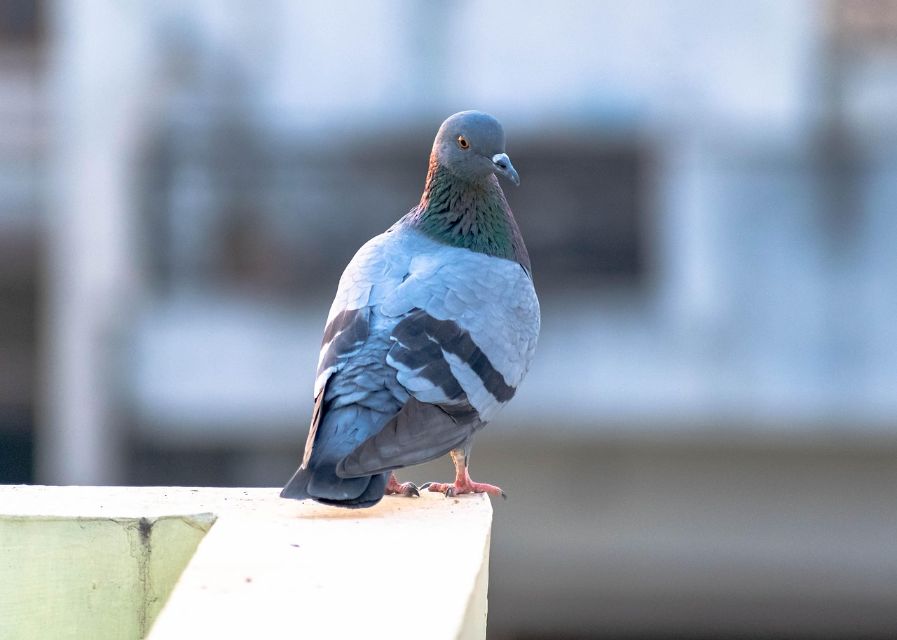
Rock pigeons (Columba livia) and mourning doves (Zenaida macroura) are ground feeders attracted to open spaces and food scraps. They respond well to physical barriers and taste deterrents.
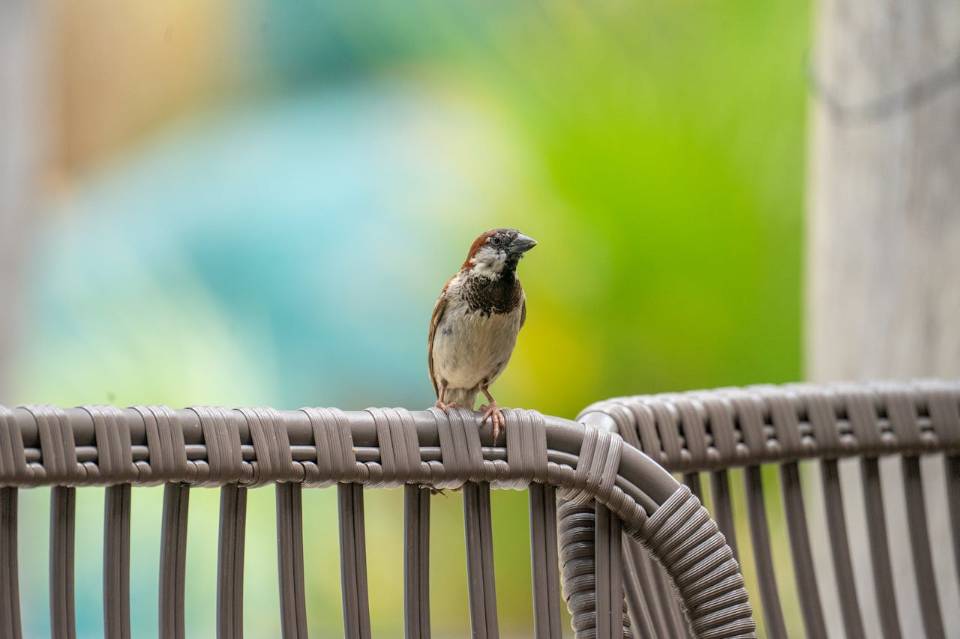
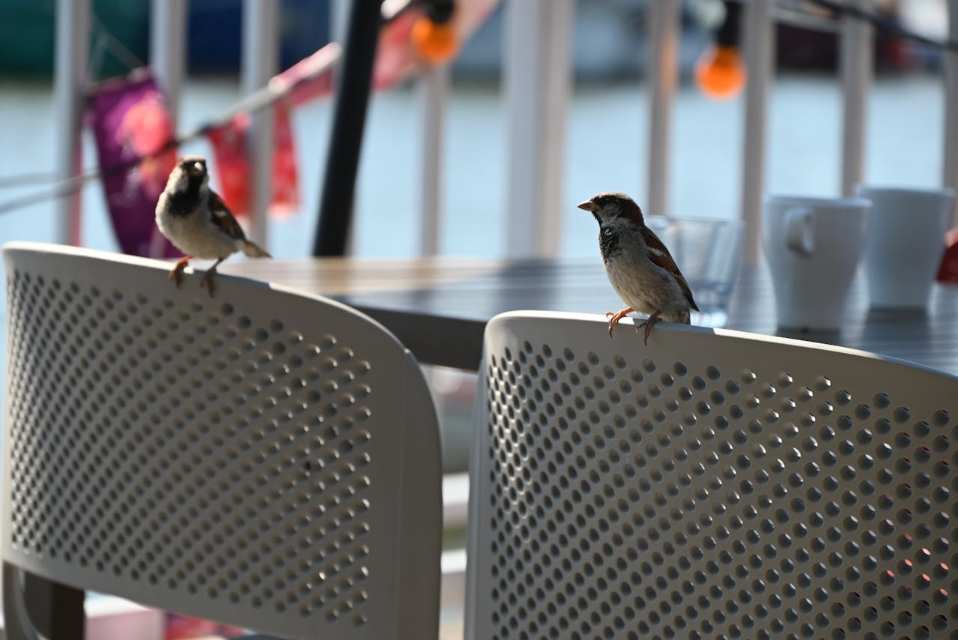
House sparrows (Passer domesticus) and European starlings (Sturnus vulgaris) are aggressive cavity nesters. House sparrows especially love nesting in eaves, vents, and any available crevice. They’re not protected by the Migratory Bird Treaty Act since they’re invasive species, giving you more control options.
American crows (Corvus brachyrhynchos) and Common ravens (Corvus corax) are incredibly intelligent corvids with problem-solving abilities. Simple scare tactics won’t work long because they’ll figure them out. Learn more about crow behavior and identification.
Woodpeckers (family Picidae) drum on houses for three reasons: excavating for insects, creating nest cavities, or territorial drumming. Understanding the behavior of common species like Downy vs. Hairy Woodpeckers helps you address the root cause.
American robins (Turdus migratorius) and Red-winged blackbirds (Agelaius phoeniceus) are fruit lovers that decimate berry bushes and gardens. They’re protected migratory birds, so you need humane deterrents only.
Identifying your specific bird helps you pick the right natural repellent strategy instead of wasting time on methods that won’t work for that species.
Safety Tips + What You Should NOT Do
Let’s get the serious stuff out of the way first. Natural doesn’t automatically mean harmless, and there are legal issues you need to know about.
Never harm protected birds. The Migratory Bird Treaty Act protects over 1,000 bird species in the United States, making it illegal to kill, harm, or disturb them, their active nests, or their eggs without federal permits. Violating this law carries fines up to $15,000 and potential jail time. Most backyard birds, including blue jays, cardinals, and woodpeckers, are federally protected.
Avoid toxic substances. Never use mothballs (naphthalene or paradichlorobenzene), bleach, ammonia, or any product not specifically labeled for bird control. These can poison birds, pets, and beneficial wildlife. They’re also illegal to use for purposes other than what’s on the label (a violation of FIFRA regulations).
Don’t use sticky traps, glue boards, or polybutene gels. These cause immense suffering and often trap beneficial birds along with target species. They’re inhumane and should never be used.
Keep pets and kids safe. Even natural repellents like essential oils (containing terpenes and phenols) can irritate eyes and skin. Hot pepper sprays containing capsaicinoids can cause serious discomfort if touched and then rubbed into eyes. Store everything safely and apply when kids and pets aren’t around.
Test surfaces first. Some repellents can stain wood siding, damage paint finishes, or discolor composite materials. Test a small hidden area before applying liberally.
Strong-Smelling Natural Sprays
Let’s start with the easiest and cheapest option: olfactory-based repellents you can mix up in your kitchen.
Vinegar Spray
Mix one part white distilled vinegar (5% acetic acid) with one part water in a spray bottle. That’s it. Spray it on surfaces where birds perch, railings, windowsills, patio furniture edges, or around garden beds they’re raiding.
The acidic smell repels birds without harming them. Reapply after rain and every 3-4 days for maintenance. The smell fades quickly for humans but lingers longer for birds’ more sensitive olfactory systems.
Where it works best: Patios, decks, windowsills, garden edges, outdoor furniture.
Where it doesn’t work: Large open areas or agricultural fields because you can’t spray enough coverage to make a difference.
Garlic and Chili Pepper Spray
This one packs more punch and lasts longer than straight vinegar, thanks to allicin compounds in garlic and capsaicinoids in peppers.
Crush 3-4 garlic cloves and add them to a pot with 2-3 chopped hot peppers (jalapeños, cayenne, or habanero work great). Add 4 cups of water and bring to a boil. Let it simmer for 15 minutes, then cool completely. Strain out the solids through cheesecloth and add a few drops of dish soap (helps it adhere to surfaces). Pour into a spray bottle.
Spray liberally on ornamental plants, garden beds, and outdoor surfaces birds are targeting. According to the National Pesticide Information Center, capsaicin is safe for outdoor use and breaks down naturally in sunlight through photodegradation without harming the environment.
Wear nitrile gloves when making this and keep it away from your face. Capsaicin will cause a burning sensation if you touch your eyes afterward. Reapply weekly and after heavy rain. This spray works great for protecting vegetable gardens and fruit bushes. For more garden protection strategies, see our guide on bird-friendly garden design.
Peppermint and Citrus Essential Oil Mix
Mix 10-15 drops each of peppermint essential oil (containing menthol), lemon oil (limonene), and orange oil (d-limonene) in 2 cups of water. Add a tablespoon of vinegar and a few drops of dish soap as an emulsifier. Shake well before each use.
The strong herbal and citrus terpenes interfere with their ability to smell food sources and make the area unpleasant for roosting. This works especially well for indoor bird problems like birds getting into garages, sheds, or nesting in vents.
Reapply every 2-3 days. Essential oils are volatile compounds that evaporate quickly, so consistency matters.
Scent Pouches and Sachets
If sprays aren’t practical for your situation, scent pouches offer a passive alternative that lasts longer.
Soak cotton balls in peppermint, eucalyptus (Eucalyptus globulus), or citrus essential oil. Place them in small mesh bags or old pantyhose tied off at both ends. Hang these pouches around problem areas, under eaves, near nesting spots, along deck railings, or tucked into garden beds.
You can also make sachets with dried herbs. Fill cloth bags with dried rosemary (Rosmarinus officinalis), mint, lavender (Lavandula angustifolia), or crushed dried chili peppers. Replace or refresh the scent every 2-3 weeks as the aromatic compounds dissipate.
Rain doesn’t wash these away like sprays, making them ideal for humid climates or coastal regions. I hang these near my porch lights where house sparrows try to nest every spring. They work surprisingly well for such a simple solution.
Natural Reflective Deterrents
Now we’re getting into visual methods. Birds have excellent tetrachromatic vision (they can see ultraviolet light) and are startled by sudden flashes of light and erratic movement.
Aluminum foil strips are the cheapest option. Cut heavy-duty foil into long strips (about 1-2 inches wide and 12-18 inches long). Hang them from monofilament fishing line around problem areas. When wind moves them, they flash and create an unstable visual environment that triggers avoidance behavior.
Old CDs or DVDs work brilliantly because of their holographic properties. Hang them from trees, porch overhangs, or garden stakes using fishing line or thin wire. The rainbow reflections and spinning motion confuse and startle birds. Space them about 3-4 feet apart for best coverage.
Holographic ribbon (sold as bird scare tape or flash tape) produces more dramatic flashing than regular materials. This iridescent Mylar film creates a combination of movement, sound (it crackles in the breeze), and flashing light.
I’ve found that a roll of this specific bird scare tape (ad) is one of the most effective ways to create those multiple deterrent signals that birds just can’t stand.
Reflective pinwheels combine visual movement with motion. The constant spinning motion makes birds think twice about landing nearby.
The downside? Birds habituate to these eventually, usually within 2-4 weeks as they learn the objects pose no real threat. The solution is rotating locations every week or two and combining visual deterrents with other methods.
For more on preventing specific bird problems, see our article on how to keep birds from pooping on your porch.
Motion and Sound Deterrents
Adding auditory elements to visual deterrents increases effectiveness. Research on acoustic bird repellents shows that combining sound with visual stimuli produces better long-term results than either method alone through multi-sensory disruption.
Wind chimes create unpredictable auditory patterns that make birds nervous about landing nearby. Metal chimes (aluminum or brass) work better than bamboo ones because they’re louder and produce higher-frequency sounds that birds find more alarming.
I personally like this durable set of aluminum wind chimes (ad) for exposed areas because they really hold up in the weather. Plus, the polished silver finish creates extra light reflections that help spook birds visually before they even get close.
Spinning pinwheels combine visual movement with gentle whooshing sounds. Plant them in garden beds or attach them to deck railings using zip ties. The constant motion and sound make birds think twice about landing.
Hanging shells or aluminum pie pans on strings or chains create clattering sounds when wind moves them. The metallic noise plus the visual chaos deters birds effectively. I’ve got a string of old metal spoons hanging under my porch overhang, and sparrows stopped trying to nest there within days.
The key with motion deterrents is variety and unpredictability. Use multiple types in the same area so birds can’t predict the pattern or timing.
Plants That Naturally Deter Birds
You can landscape strategically to discourage birds from specific areas while still maintaining habitat for beneficial species elsewhere in your yard.
Herbs with strong essential oils like peppermint (Mentha piperita), rosemary (Rosmarinus officinalis), lavender (Lavandula), and oregano (Origanum vulgare) smell too intense for most birds when planted densely. Plant these around vegetable gardens or near areas where birds roost. Bonus: you get fresh culinary herbs.
Marigolds (Tagetes) emit a scent containing thiophenes that many birds dislike. They’re also gorgeous and attract beneficial pollinators while deterring pests. Plant them as borders around gardens you want to protect.
Thorny or prickly plants like roses (Rosa), holly (Ilex), barberry (Berberis), and hawthorn (Crataegus) create physical discomfort. Birds avoid landing on or nesting in them because the thorns interfere with their feet and plumage. Use these as natural barriers along fences or under windows where birds cause problems.
Dense, aromatic evergreens like juniper (Juniperus) and certain cypress varieties can redirect bird traffic away from problem areas when strategically placed.
This method takes time, you’re not getting immediate results like with sprays. But once established, these plants provide year-round passive deterrent without any maintenance beyond normal plant care. For more landscaping ideas on managing which birds visit your garden, check out our guide on attracting birds to small gardens to understand bird habitat preferences.
Area-Specific Solutions
Different problem areas need different approaches based on bird behavior patterns and environmental factors.
For gardens and vegetable beds: Use the garlic-chili spray on crop plants (test first on a single leaf to ensure it doesn’t cause phytotoxicity). Place reflective spinning garden pinwheels throughout the garden at 6-foot intervals.
I’ve found a 10-pack of these holographic ones (ad) usually covers my entire veggie patch and stays spinning even in a light breeze; the constant ‘flash’ from the sparkly coating mimics a predator’s eye to any birds flying overhead.
Scatter fresh citrus peels around the perimeter, birds hate the limonene smell, and it decomposes into the soil as organic matter. Consider companion planting with strong-scented herbs.
For patios, decks, and outdoor furniture: Spray surfaces regularly with vinegar solution, focusing on common perching spots like railing tops and chair backs. Hang wind chimes and reflective strips from overhead structures like pergolas or eaves. If birds persistently perch on railings, try wrapping them temporarily with crinkled aluminum foil, birds hate landing on unstable, noisy surfaces.
Clean up food scraps immediately after outdoor dining. Birds have excellent spatial memory and return to reliable food sources, so eliminating the attractant is half the battle. Learn more in our article on feeding wild birds without attracting pests.
For eaves, gutters, and rooflines: String reflective tape or holographic ribbon along the edge of rooflines using staples or adhesive hooks. Install predator decoys (plastic owls or hawk silhouettes) and move them every 3-4 days to different positions so birds don’t realize they’re stationary fakes. Hang scent sachets filled with dried peppers or peppermint under eaves where birds try to nest.
For fruit trees and berry bushes: Physical barriers work best here, lightweight bird netting (1/2-inch to 3/4-inch mesh) draped over trees during fruiting season. If that’s not practical, hang numerous reflective CDs throughout the tree canopy at various heights. Apply garlic-pepper spray to fruits that aren’t ripe yet. Always wash fruits thoroughly before consumption to remove any residue.
Layering Methods for Maximum Effect
Here’s the truth: no single natural repellent works perfectly for long periods. Birds are highly adaptive animals with sophisticated learning abilities. The solution is layering multiple deterrent types and rotating them regularly.
Combine smell + motion: Spray vinegar solution while also hanging reflective strips and wind chimes. Birds get multiple negative sensory signals about the area, creating a stronger aversion response.
Rotate visual deterrents weekly: Move your reflective objects, predator decoys, and motion devices to new positions every 5-7 days. This prevents habituation by keeping the environment unpredictable.
Add new elements periodically: Introduce a new type of deterrent every 2-3 weeks even if current methods are working. This keeps birds off-balance and prevents them from becoming desensitized.
Vary application timing: Apply deterrents at different times of day. Birds are most active during dawn and dusk, so refreshing repellents in late evening ensures maximum effectiveness during peak activity periods.
I use a combination of peppermint spray, reflective tape, and metal wind chimes on my deck. Every week I move the tape to different positions and switch which essential oil I’m using. Birds haven’t successfully nested there in two years.
For dealing with particularly problematic invasive species that don’t respond to basic deterrents, read our article on invasive backyard birds.
When and How to Reapply
Consistency is everything with natural bird repellents. They’re not one-and-done solutions like commercial chemical repellents with longer residual effects.
After every rain: Water washes away sprays and reduces scent concentration through dilution and runoff. Reapply within 24 hours of rain for continued effectiveness.
Weekly minimum: Even without rain, volatile aromatic compounds dissipate through evaporation and birds get braver as scent intensity decreases. Refresh sprays at least once a week during active problem periods (typically spring nesting season and fall feeding season).
High humidity environments: If you live in humid climates (above 70% relative humidity), scents disperse faster through the air. You might need to reapply sprays every 3-4 days instead of weekly. Coastal regions and subtropical zones require more frequent application.
Seasonal intensity changes: Birds are most persistent during nesting season (March through July for most North American species) and when natural food is scarce (late fall/winter). Increase application frequency during these critical periods when bird pressure is highest.
Temperature considerations: Hot weather (above 85°F) causes essential oils and other volatile compounds to evaporate more rapidly. Cold weather (below 40°F) slows evaporation but reduces bird activity overall.
Set phone reminders if you need to. I’ve got a weekly alarm labeled “Bird Deterrent Check” because I’ll forget otherwise. Consistency determines success with natural repellents.
When Natural Repellents Aren’t Enough
Sometimes DIY natural solutions aren’t sufficient for serious bird problems. Here’s when to consider other options or professional help.
Large-scale infestations: If you’ve got hundreds of birds roosting on your property (common with starling or crow flocks), natural repellents won’t provide sufficient coverage or intensity. You need professional wildlife control services with access to commercial-grade exclusion systems.
Structural damage: If woodpeckers are seriously damaging your home’s siding, fascia boards, or causing holes in wood structures, or birds are destroying crops that represent significant financial loss, physical barriers like professional bird netting, stainless steel spikes, or electrical track systems might be necessary. See our comprehensive guide on how to prevent woodpecker damage for structural solutions.
Health hazards: Large accumulations of bird droppings (guano) pose serious health risks through histoplasmosis, cryptococcosis, and other zoonotic diseases. Professional cleanup with proper PPE and exclusion work might be needed. Learn proper cleanup techniques in our guide on cleaning up bird droppings.
Protected species nesting in dangerous locations: If federally protected birds are nesting inside machinery, HVAC systems, or other hazardous locations where they could be harmed, you need special permits to legally relocate them. Contact US Fish and Wildlife Service or a licensed wildlife rehabilitator.
Natural repellents work great for moderate, ongoing bird pressure in residential settings. For everything else, don’t hesitate to bring in experts who have legal access to more effective tools and professional-grade deterrent systems.
Conclusion: Finding the Right Natural Solution
Natural bird repellents absolutely work when you use them correctly, consistently, and strategically. The secret is combining multiple sensory methods (olfactory, visual, auditory), rotating approaches to prevent behavioral habituation, and staying persistent with scheduled reapplication.
Start with the easiest, cheapest options, white vinegar spray and reflective CDs or aluminum foil, and scale up from there if needed. Most residential bird problems respond well to this multi-layered approach without ever needing harsh chemicals, toxic pesticides, or harmful methods.
Remember that you’re not trying to eliminate birds from your property entirely. Birds provide valuable ecosystem services including insect control, pollination, and seed dispersal. You’re just redirecting problem birds away from specific areas while keeping them safe and healthy. That’s the difference between humane deterrence and harmful control.
Give these natural bird repellents a fair trial period, at least 2-3 weeks of consistent application and maintenance. Birds need time to learn through repeated negative experiences that your space isn’t welcoming anymore. Once they establish new behavioral patterns and move elsewhere, you can reduce intensity to maintenance-level deterrents.
For comprehensive backyard bird management that balances deterrence with conservation, check out our complete backyard birding guide.
Now get out there and reclaim your patio, protect your garden, and restore some peace to your outdoor spaces. Your property boundaries are about to get a whole lot clearer to your feathered neighbors.