
Hanging a decorative birdhouse only to watch it sit empty is deeply frustrating. If you want a complete birdhouse guide for beginners, you already know the struggle of trying to attract selective cavity nesters safely. Many commercial options look whimsical but act as fatal design traps for vulnerable nestlings. Reclaiming your backyard footprint requires shifting away from painted craft styles toward biologically sound blueprints.
By matching exact entrance hole sizes, selecting raw thick cedar framing, and mounting boxes on isolated pipe systems with integrated predator baffles, you can establish an airtight avian nursery. Here is how to navigate the core mechanics of backyard nesting boxes to guarantee healthy broods and multi-season success.
What Makes a Birdhouse Successful for Beginners?
A successful beginner birdhouse relies on a natural, untreated thick cedar wood box built without a landing perch, matching an exact species-specific entrance hole diameter to bar invasive predators.
To secure high tenancy, mount the structure 5 to 15 feet high on an isolated metal conduit pipe facing east-southeast, incorporating pre-drilled floor drainage holes, side ventilation gaps, and an easy-access side cleaning panel.
1. Decoding the Primary Types of Birdhouses
Not all birds build their nests on open tree branches. Cavity-nesting species actively search for hollow tree trunks, old woodpecker holes, and wooden boxes to raise their families. To attract specific birds to your landscape, you must match the physical style of the house to their evolutionary nesting habits.
Single-Room Cavity Boxes
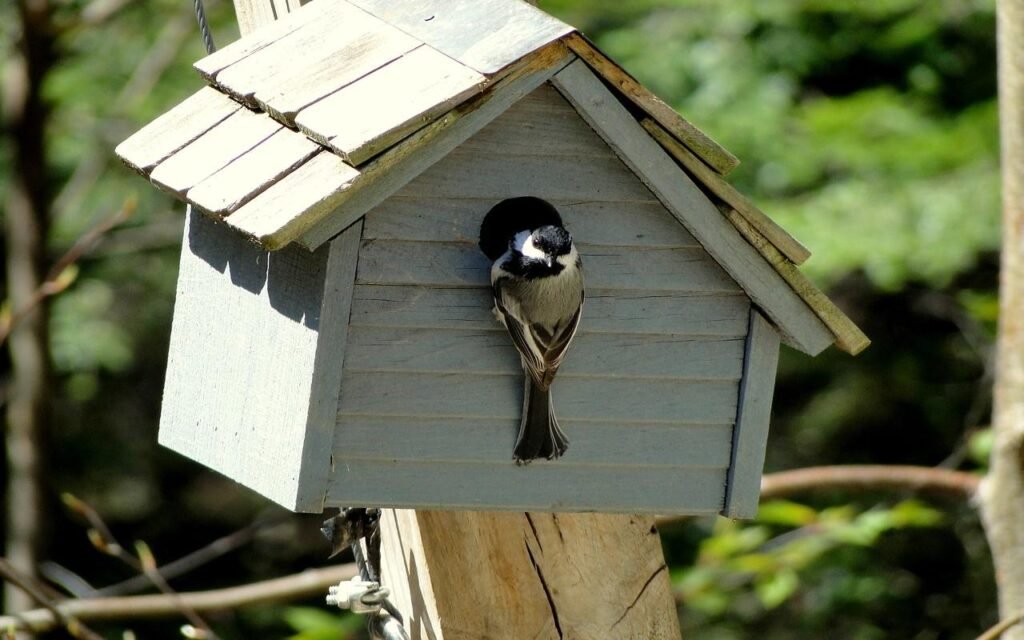
This is the standard, classic backyard nesting box. It features a fully enclosed wooden shell with a single, precisely bored front entrance hole. These houses target territorial, single-pair nesters. Bluebirds, Tree Swallows, Black-capped Chickadees, House Wrens, and Tufted Titmice will only use single-room layouts. They will aggressively defend the box and its immediate surrounding lawn from any other birds of the same species.
Multi-Family Apartment Columns
Unlike territorial songbirds, Purple Martins are highly social colonial nesters. They refuse to breed in isolated, single-room houses. Instead, they require large multi-unit complexes or clustered gourd systems mounted high in the air. These apartment layouts feature up to 12 or 24 individual nesting rooms sharing a single roof structure, mimicking their ancestral habit of nesting in large colonies.
Open-Sided Nesting Shelves
A common beginner mistake is trying to force an open-air edge nester into a dark, enclosed cavity box. Common species like American Robins, Eastern Phoebes, and Barn Swallows will completely ignore standard birdhouses. Instead, they require an open-sided nesting shelf—a simple three-sided wooden bracket with an open front and a protective roof overhang. These shelves mimic the rock ledges, cliff faces, and barn eaves these birds use in the wild.
2. Strategic Placement Rules for High Occupancy
Where you place your birdhouse is just as critical as its design. An otherwise perfect box mounted in an unsafe location will be permanently rejected by wild birds.
The Feeder Buffer Rule
Never mount a nesting box directly next to your bird feeders or water trays. Feeders are loud, chaotic public hubs that attract competing species, non-target pests, and stalking predators. A brooding female bird experiences massive stress if her immediate canopy is constantly swarmed by feeding flocks.
To reduce this territorial friction, maintain a strict 30 to 40-foot buffer zone between your feeding stations and your nesting boxes. For a deep dive into locating the safest coordinates in your yard, read our detailed guide on the best place to put a birdhouse.
Isolating the Mount from Predators
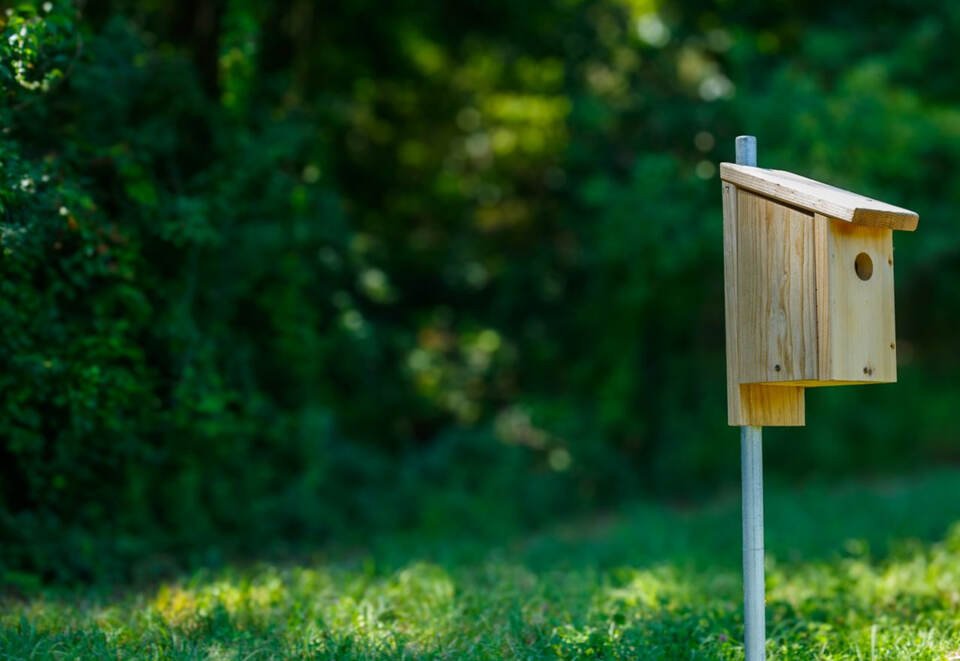
Avoid mounting birdhouses directly onto mature tree trunks, low wooden privacy fences, or deck railings. These surfaces provide excellent traction for climbing predators like raccoons, squirrels, snakes, and feral cats, turning your box into an easy hunting trap.
According to data tracked by the Cornell Lab of Ornithology NestWatch Program, the best way to put up small nest boxes is on free-standing metal poles or PVC pipes driven securely into the soil rather than mounted on a vulnerable fence post.
Pair this metal pole with a smooth under-box baffle to physically block climbing pests, and cross-reference our live guide on how to protect a bluebird house from predators to seal the entire structural perimeter.
3. Selecting the Ideal Elevation and Flight Path
Different bird species segment their natural habitats into strict vertical zones, matching their unique flight profiles and feeding patterns.
The Core Height Zones
- 5 to 6 Feet (The Accessible Zone): This lower baseline is highly favored by small, ground-foraging insect hunters like House Wrens and Chickadees. It also allows you to handle seasonal maintenance and cleaning easily without needing a ladder.
- 6 to 10 Feet (The Open Meadow Zone): This middle range is the absolute gold standard for Eastern and Western Bluebirds, Tree Swallows, and Nuthatches. It provides clear separation from prowling land pests while keeping the box below the high canopy lines where hawks hunt.
- 12 to 20 Feet (The Forest Margin Zone): Reserved for larger woodland cavity dwellers like Wood Ducks, Screech-Owls, and Great Crested Flycatchers. These birds require wide clearings to navigate safely into their bulkier boxes.
To target a specific visitor, you can cross-reference these exact structural elevations in our comprehensive birdhouse height guide. If your primary focus is establishing a vibrant local sanctuary, layer these height choices with our specialized operational roadmap on how to attract eastern bluebirds to a birdhouse.
Clearing the Exit Flight Path
Always position your birdhouse so the front entrance portal points toward a clear, open flight path. Nesting birds need to be able to scan for threats instantly upon exiting the door. Ensure there are no low tree limbs, climbing vines, or tall ornamental grasses directly blocking the first 10 feet of air space in front of the box.
4. Calibrating Entrance Hole Sizes to Exclude Pests
The front door of your birdhouse acts as a strict physical filter. Calibrating this diameter to exact species-specific metrics is your best tool for keeping out invasive pests.
The Sparrow Exclusion Threshold
A comprehensive field review published in Avian Research highlights that choosing incorrect entrance sizes can lead to negative nesting outcomes by inadvertently inviting aggressive, non-native competitors into the box. Non-native House Sparrows can easily squeeze into any standard entry portal measuring 1-1/4 inches or larger.
If you are targeting tiny native species like house wrens, drilling an entrance of exactly 1-1/8 inches provides total security. The sparrow’s rigid chest skeletal structure cannot physically pass through the tighter diameter, neutralizing their territorial takeover behavior.
You can view precise measurements for every backyard species in our complete birdhouse entrance hole size chart. Always screw a zinc or copper portal protector plate over wooden entries to stop squirrels or woodpeckers from chewing the doorway wider.
5. Biological Design Requirements and Safe Materials
A safe birdhouse must prioritize function and biology over backyard visual decoration.
Raw, Untreated Wood Frameworks
Always build or purchase birdhouses made from 3/4-inch thick, untreated cedar, redwood, or pine. Thick wood walls act as natural thermal barriers, keeping eggs cool during hot summer days and warm during sudden spring cold snaps.
Never use pressure-treated lumber or marine-grade plywood. These industrial materials contain copper compounds and chemical additives that slowly vaporize inside tight spaces, poisoning developing nestlings.
The Dangers of Paint and Perches
Keep the interior walls of the box raw, rough, and completely unpainted. Hatchlings need a textured wood surface to grip with their claws so they can climb up toward the entry hole when it is time to fledge.
Additionally, completely avoid any box that has a wooden front perch peg. Native cavity-nesting birds balance right on the raw wood rim of the entry hole. Exterior perches simply provide a convenient handle for invasive starlings or egg-thieving crows to hang onto while they reach inside.
If aggressive birds are already swarming your feeding structures, implement our live companion checklist to keep house sparrows away from feeders to lower neighborhood pest pressure.
6. Managing the Elements: Weather and Sun Angles
How your birdhouse balances sun exposure and weather protection directly impacts nestling survival rates.
Shielding the Entry from Storm Fronts
Always face the main entry hole east, southeast, or due south. In most North American regions, severe spring rainstorms and high summer winds blast from the west and northwest. Facing your portal easterly seals the interior against direct downpours that can chill hatchlings.
This angle also catches gentle morning sunrays to warm the box after chilly nights while preventing harsh afternoon heat from baking the roof. To master seasonal timing and coordinate your installation before migration peaks, read our guide on when should you put up birdhouses.
⚠️ CRITICAL DESIGN WARNING: Avoid Thermal Traps
Never use metal or thick plastic containers for birdhouses. Non-porous materials lock in moisture and heat, rapidly turning the interior into a fatal oven during summer spells. Ensure your wooden box features a 1/4-inch floor drainage hole and open side ventilation gaps right under the roofline to maintain safe air exchange.
7. Seasonal Maintenance and Cleanout Routines
A clean birdhouse is essential for preventing the buildup of dangerous avian parasites and pathogens. If your perfectly positioned house has been sitting empty for months, use our troubleshooting diagnostic guide on why birds aren’t using your birdhouse to fix hidden structural flaws.
The Autumn Post-Breeding Cleanout
Open your house’s hinged side panel every autumn once the breeding season has wrapped up and the birds have fully migrated. Scrape out all old nest layers, mud, and organic debris.
Brush down all internal corners using a stiff nylon brush and a non-toxic mixture of one part white vinegar to nine parts fresh water. Avoid synthetic chemical cleaners or bleach, which leave behind strong fumes that can repel future birds. For a precise, step-by-step breakdown of this critical preservation habit, follow our live tutorial on how to clean birdhouses.
Citizen scientists participating in Birds Canada’s Project NestWatch emphasize that sanitary, well-documented box maintenance is the single most effective way to help declining aerial insectivore populations recover.
Winter Storage vs. Roosting Benefits
You can choose to leave your cleaned birdhouses up throughout the winter months. Resident, non-migratory songbirds like chickadees and bluebirds will frequently use empty boxes as communal overnight roosts to share body heat and survive freezing winter nights. Just be sure to do a quick visual check in late February to clear out any winter debris before the spring breeding season begins.